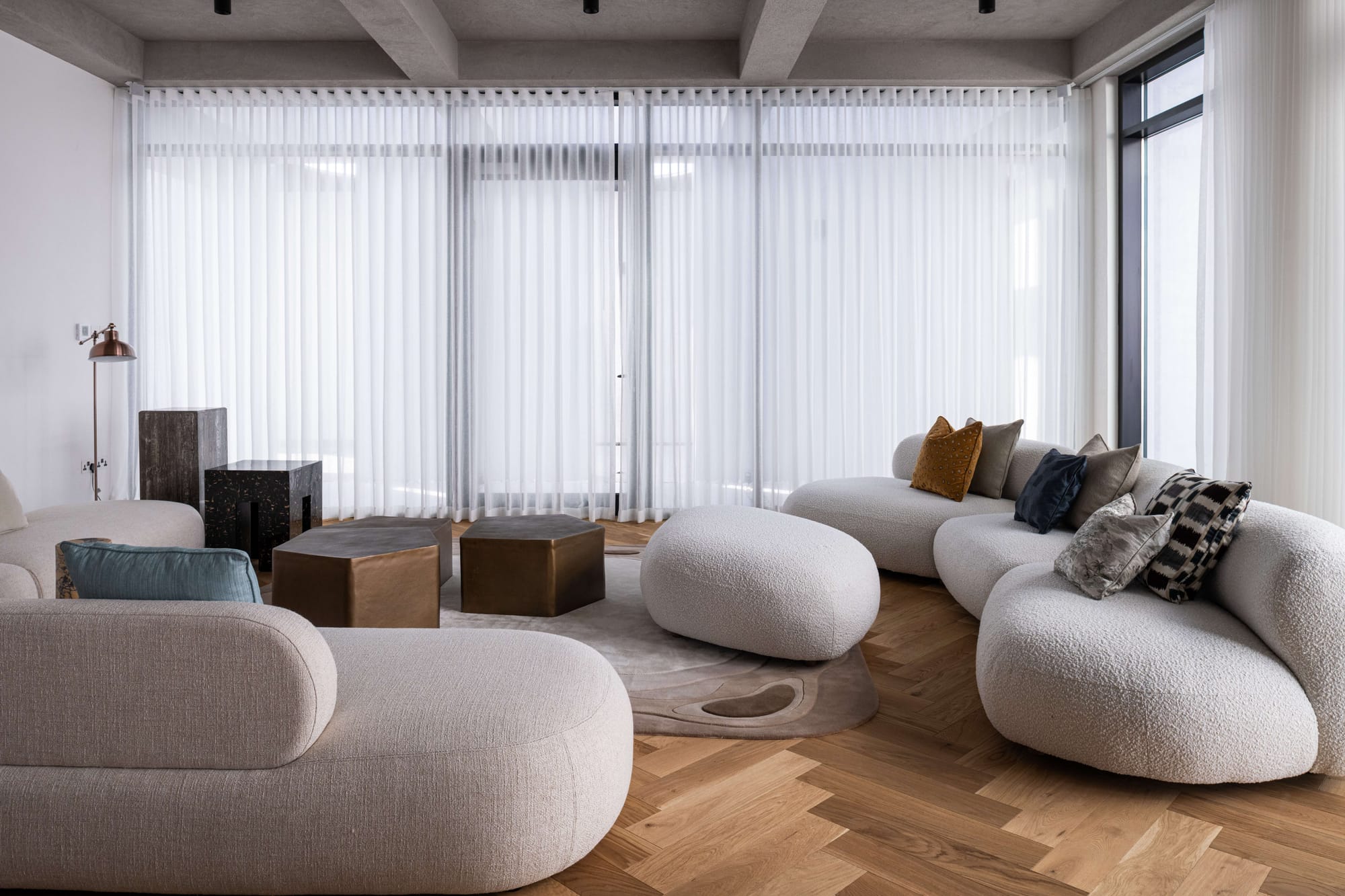
Hiring an interior designer is one of the more significant decisions a homeowner makes during a renovation or new build. The right designer can transform a house into a home that works for how a family actually lives. The wrong fit can lead to blown budgets, missed deadlines and a result that never quite feels right. The difference often comes down to what happens before any work begins, in that first consultation where questions are asked and expectations are set.
Australian homeowners are increasingly bringing interior designers into projects earlier, often alongside architects and builders rather than as an afterthought once the walls are up. This shift means the interviewing process matters more than ever. A good designer will welcome direct questions. It shows you are serious about the collaboration and gives them a clear sense of what you value.
Below are ten questions worth asking any interior designer before committing to a contract, along with what their answers can reveal about how they work.
1. What is your design process from start to finish?
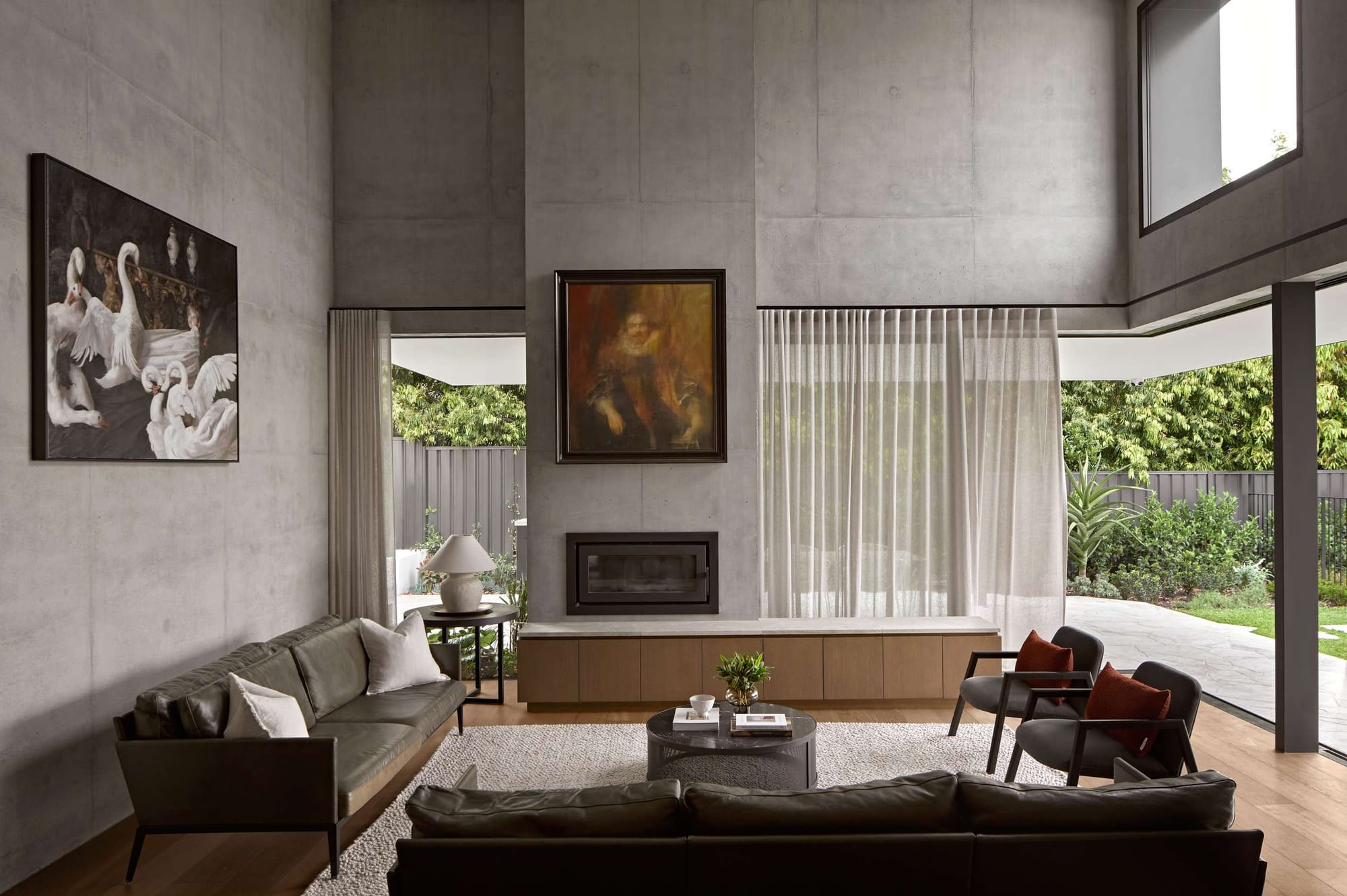
Every designer works differently, and understanding their process before you begin helps set realistic expectations for timeframes and involvement. Some designers move through clearly defined stages such as concept development, documentation, procurement and installation. Others work more fluidly, adjusting the process to suit the project as it unfolds.
Ask how many concept options they typically present, how revisions are handled and roughly how long each phase takes. A designer who can walk you through their process with confidence and specific examples from past projects is generally one who has done this many times before. The Australian Government's Your Home guide is also a useful reference point for understanding good design principles before you start these conversations.
2. Can I see examples of projects similar to mine?
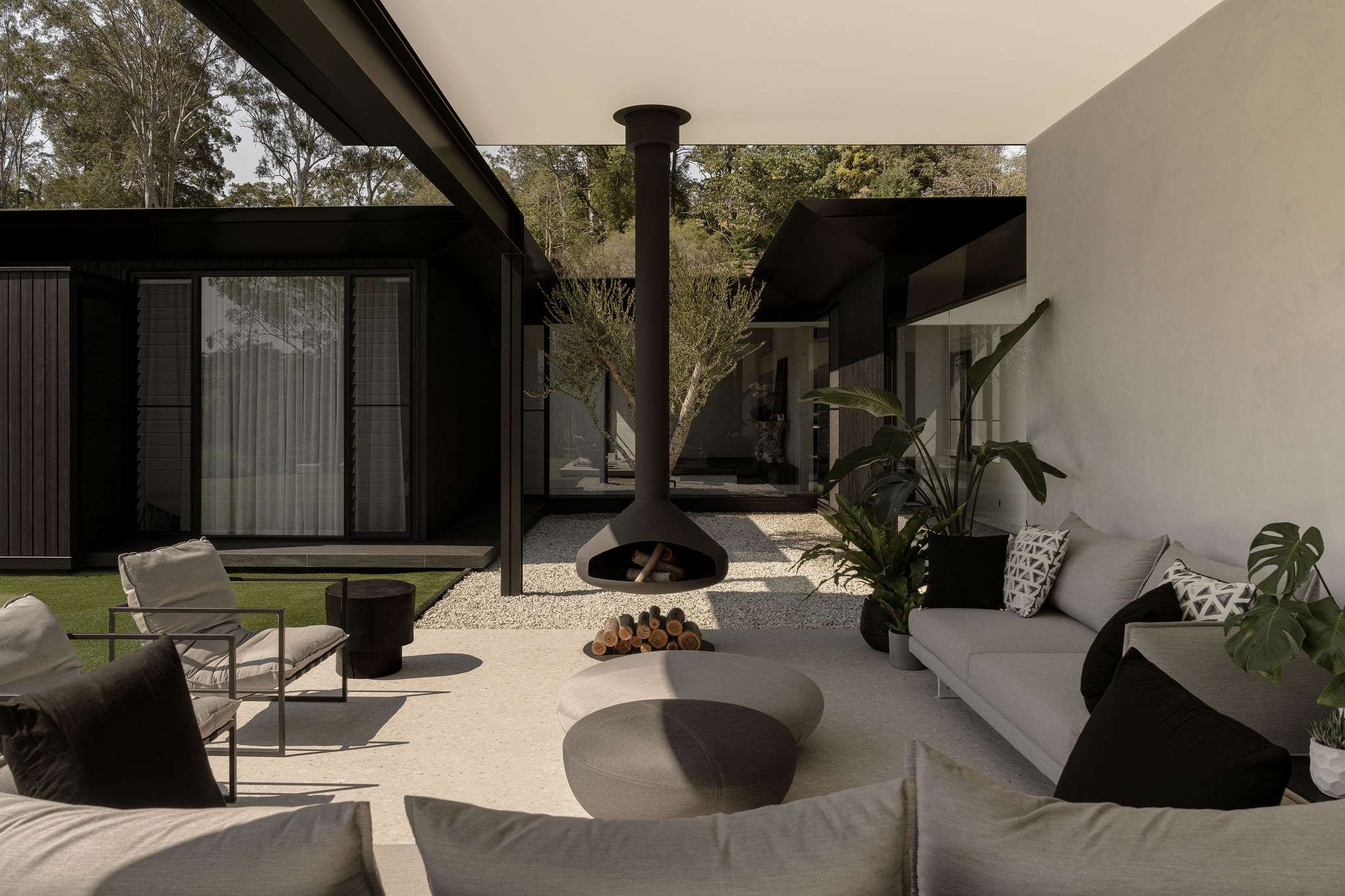
A portfolio full of beautiful photography does not always tell you whether a designer has experience with projects like yours. A designer who mostly works on new builds may approach a heritage renovation differently to one who specialises in adapting older homes. Someone known for bold, maximalist interiors might not be the right fit if you are after a quiet, pared back aesthetic.
Ask specifically for examples that match your property type, budget range and style preferences. If you own a character home, our piece on finding an arcitect for heritage homes covers some of the specific considerations that come up when working with older housing stock, and it is worth checking whether a prospective designer has handled similar constraints before.
3. How do you charge, and what is included in your fee?
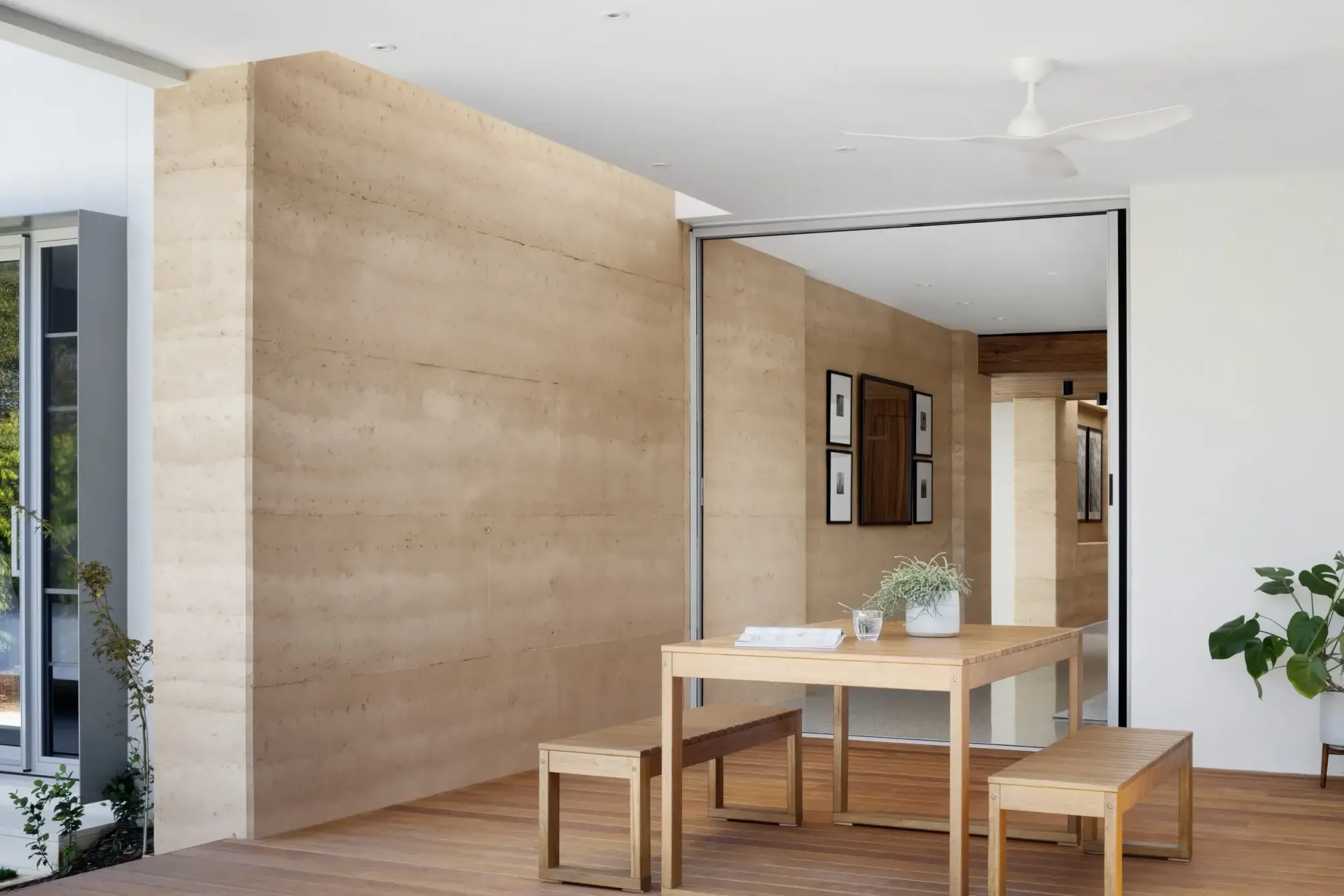
Interior designers in Australia use a range of fee structures. Some charge a flat project fee, others bill hourly, and some work on a percentage of the total project cost. Many combine models depending on the scope of work involved.
It is important to understand not just the headline number but what it actually covers. Does the fee include site visits and supplier meetings? Are revisions to the concept included, or charged separately after a certain point? Is furniture and product sourcing part of the service, and if so, is there a markup on retail prices? Clarifying this early avoids awkward conversations later and lets you compare quotes on a like for like basis rather than just looking at the bottom line.
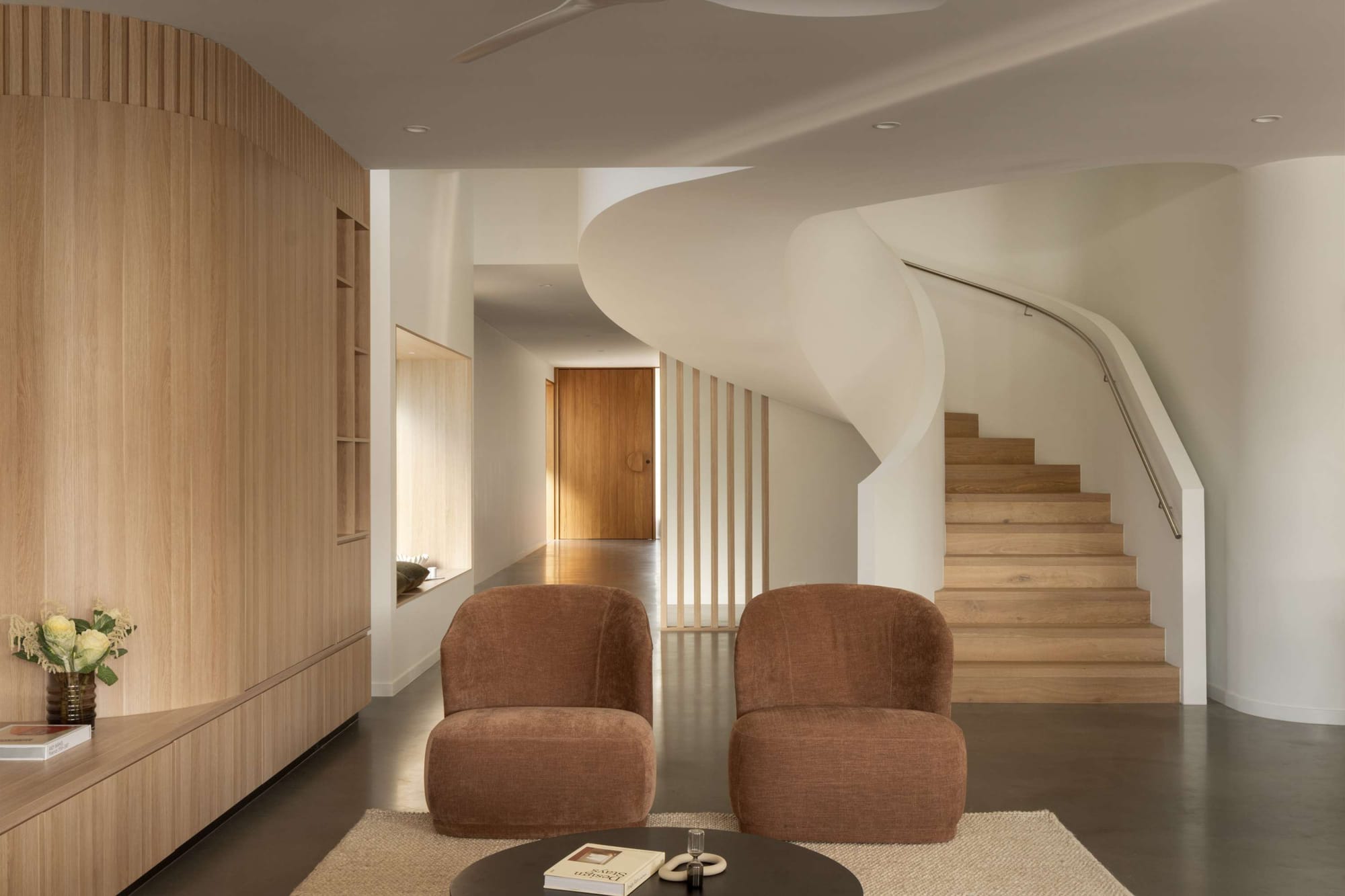
4. Who will actually be working on my project?
At larger design studios, the person who runs the initial consultation is not always the person who manages the project day to day. It is worth asking directly whether you will be working with the same designer throughout, or whether the project will be handed to a team member partway through.
This matters because rapport and communication style genuinely affect the outcome of a project. If you have built trust with one designer during the pitch process, you want some assurance that the working relationship will continue in a similar way once the contract is signed.
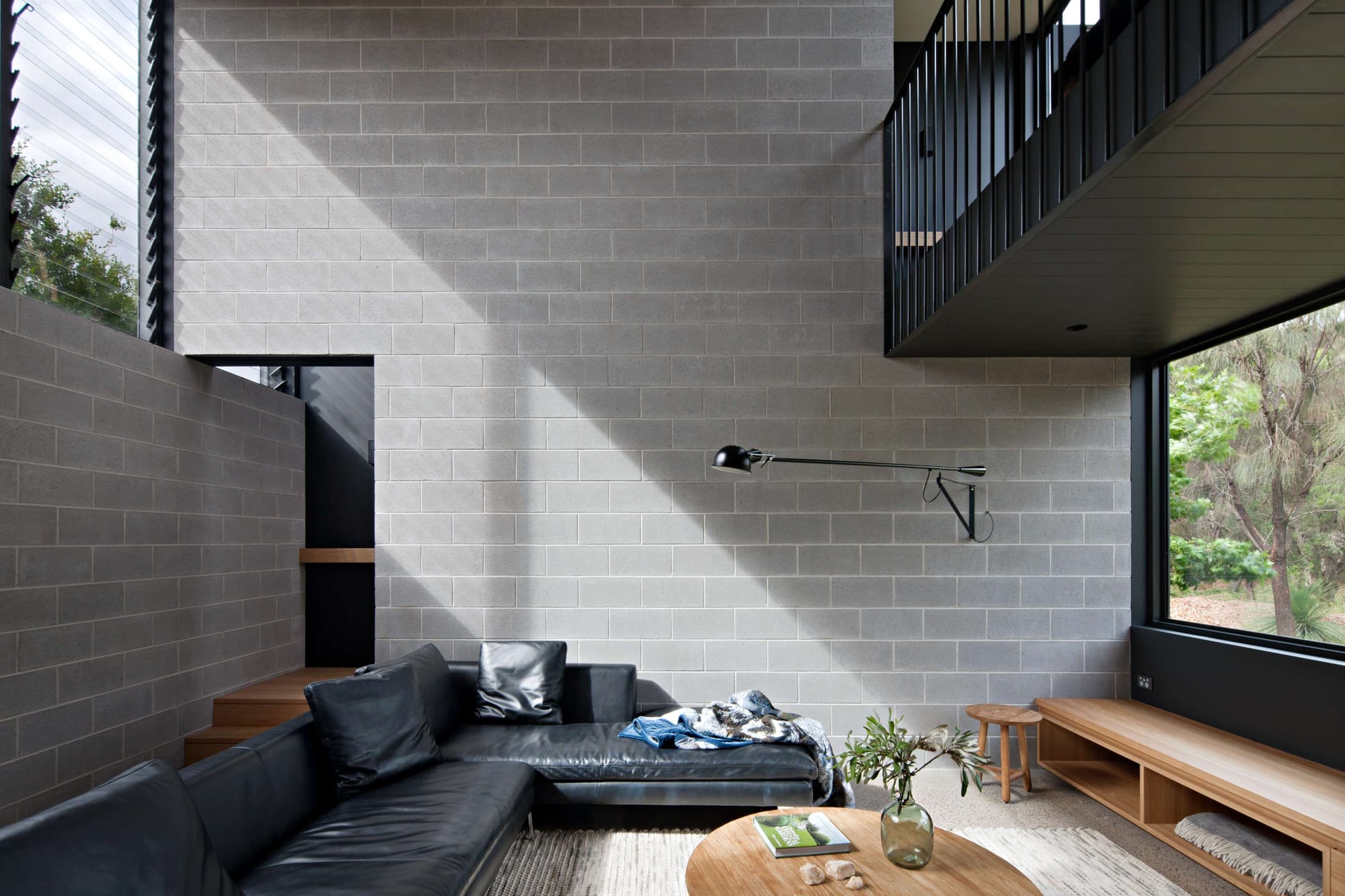
5. How do you handle communication and updates during the project?
Renovations and fit outs can run for months, and staying informed without feeling like you need to chase updates constantly makes a real difference to the experience. Some designers send weekly written updates. Others prefer scheduled calls or site visits at key milestones.
Ask what tools they use for sharing mood boards, floor plans and product selections. Many designers now use platforms dedicated project management software or simple shared folders. Understanding this upfront helps you decide whether their communication style matches how involved you want to be.
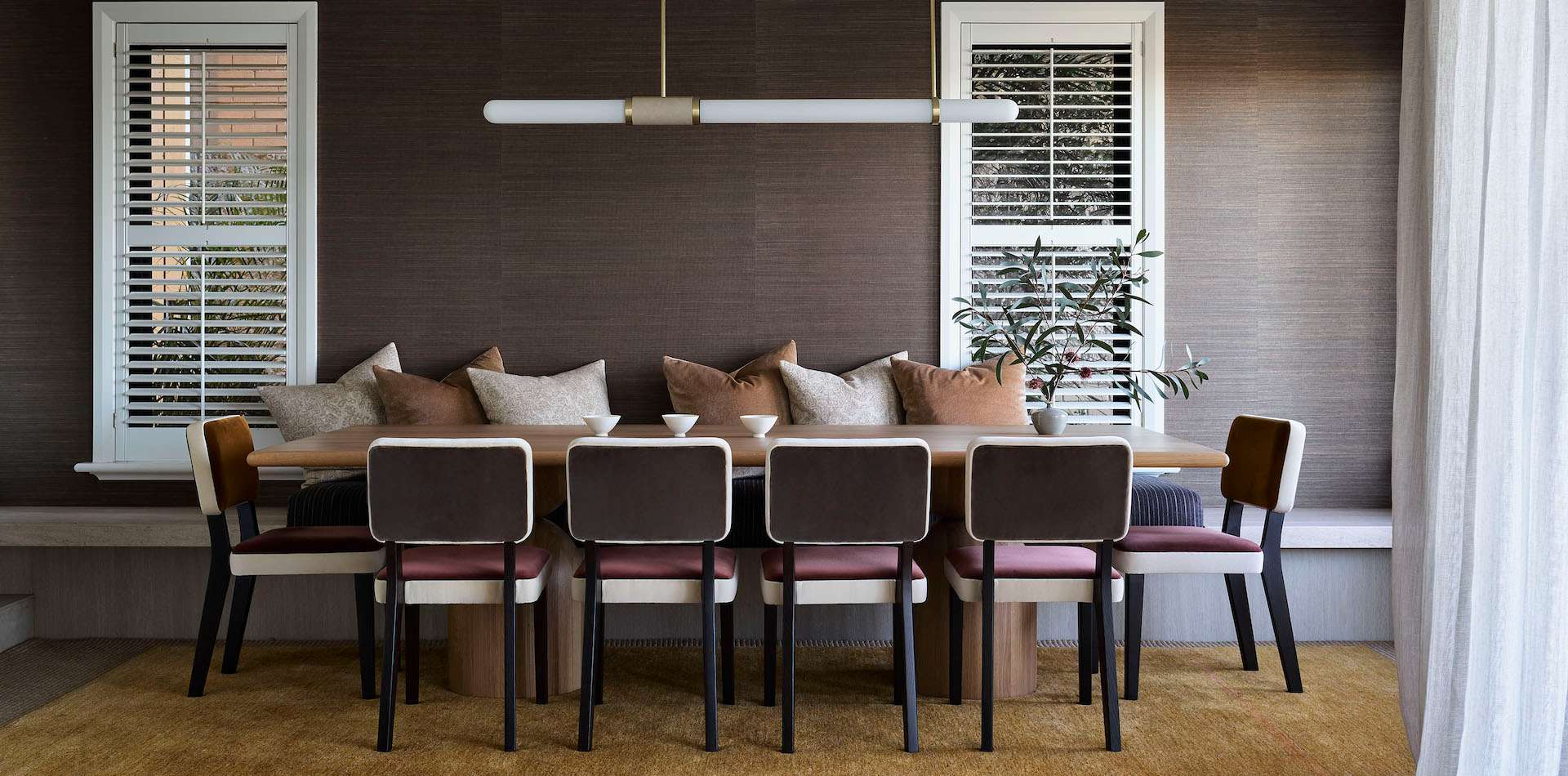
6. What is your approach to staying within budget?
Budget blowouts are one of the most common sources of frustration in renovation projects, and interior design decisions can have a significant impact on overall cost. Ask how the designer tracks spending against budget, and what happens if a preferred product or finish exceeds what was originally allocated.
A transparent designer will explain how they present alternatives when something is over budget, rather than simply substituting a cheaper option without discussion. This is also a good moment to ask about typical costs for the type of work you are planning. If you are considering outdoor renovations, our article on deck and alfresco costs gives a useful benchmark for that category specifically.
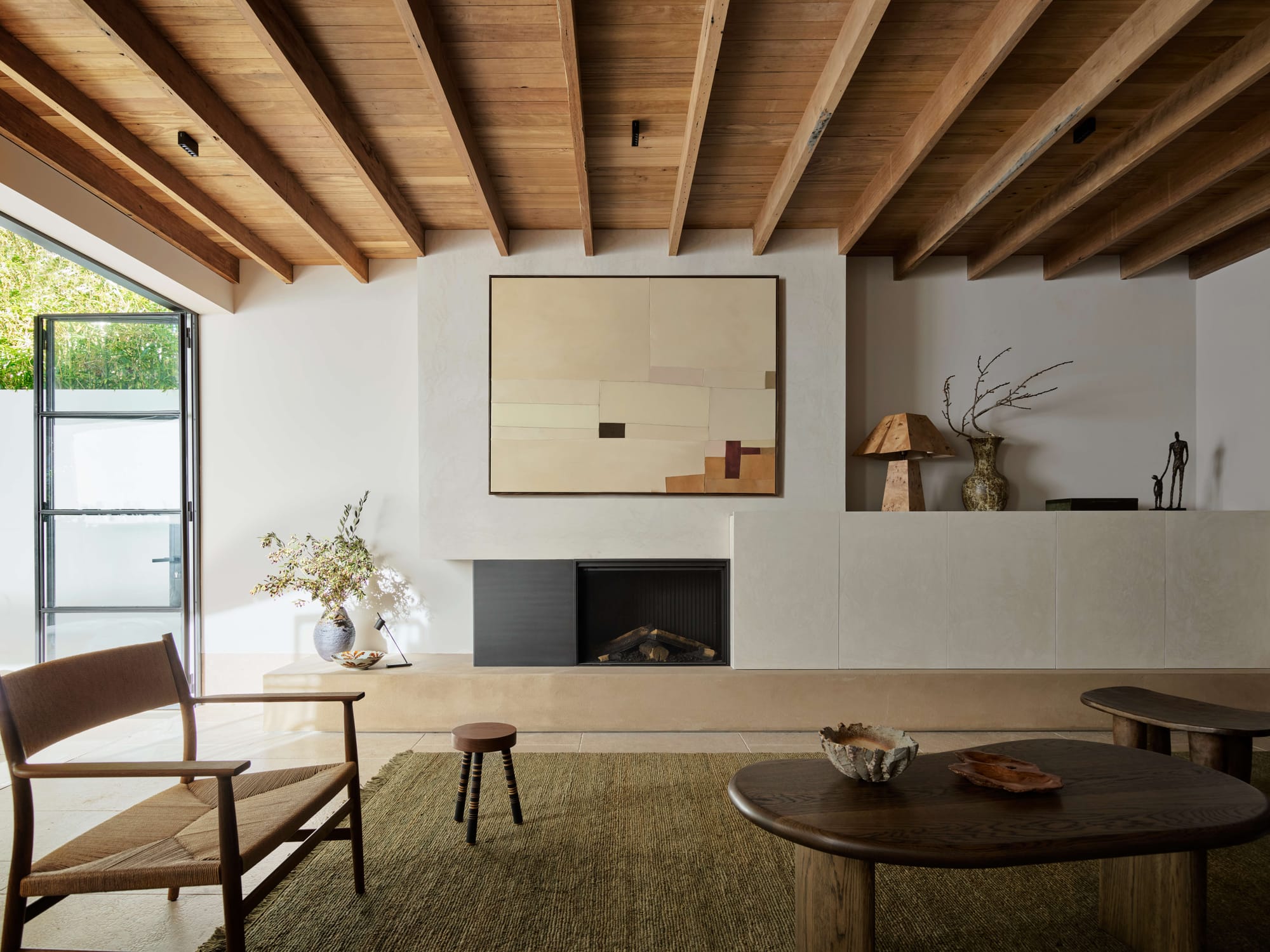
7. Do you work with specific builders, tradespeople or suppliers?
Many interior designers have established relationships with builders, joiners, upholsterers and suppliers built up over years of projects. These relationships can be genuinely valuable, often resulting in better pricing, priority scheduling or access to trade only products that are not available to the general public.
At the same time, it is fair to ask whether you are free to bring in your own preferred tradespeople if you already have someone in mind, or whether the designer prefers to manage the full team themselves. Neither approach is inherently better, but knowing the answer helps you understand how much flexibility you will have.
8. How do you handle disagreements about design direction?
At some point during most projects, a homeowner and designer will see something differently. Perhaps you love a colour they think will date quickly, or they are proposing a layout that does not suit how your family actually uses a space. Asking how a designer handles these moments before you are in one gives you insight into whether they are collaborative or more prescriptive in their approach.
The best designers are confident enough to explain their reasoning and push back when something will not work practically, while still respecting that it is ultimately your home. If you are trying to work out whether you need a designer who leads the vision or one who executes yours, our comparison of interior designers versus decorators explains this distinction in more detail.
9. What happens if my project is delayed or changes scope partway through?
Delays are common in construction and renovation work, whether caused by supply chain issues, planning approvals or changes the homeowner decides to make partway through. Ask how the designer's contract handles scope changes, and whether additional work is billed separately or absorbed into the original fee.
This question also reveals how a designer thinks about flexibility more broadly. Life happens during long projects, and a designer who has a clear, fair process for handling changes is generally easier to work with than one who treats every adjustment as a point of friction.
10. Can you provide references from recent clients?
A confident, established designer will have no hesitation providing references from clients they have worked with recently, ideally on projects of a similar scale to yours. When you speak with a reference, ask specifically about communication throughout the project, how budget conversations were handled and whether the final result matched the original vision.
References give you information that a portfolio and a pitch meeting simply cannot. They are one of the most reliable ways to understand what it will actually be like to work with someone over the following months.
Making the final decision
Choosing an interior designer is as much about fit as it is about talent. The most technically skilled designer will not deliver a good outcome if communication styles clash or expectations were never properly aligned from the start. Asking direct questions early, and paying attention not just to the answers but to how openly they are given, puts you in a much stronger position before any contract is signed.
For homeowners still deciding whether they need a full interior design service or something more limited in scope, it is worth revisiting what each role actually covers before starting these conversations.
Frequently asked questions
How much does an interior designer cost in Australia?
Costs vary widely depending on location, project scope and fee structure. Some designers charge a flat fee for a single room, while full home projects billed hourly or as a percentage of total spend can run into tens of thousands of dollars. Always ask for a detailed breakdown before comparing quotes.
Do I need an interior designer or an architect?
Architects typically handle structural changes, layout and building compliance, while interior designers focus on finishes, furniture, colour and how spaces function day to day. Many projects benefit from both working together, particularly renovations that involve structural work.
How long does it take to design an interior for a full home renovation?
Timeframes depend heavily on project scope, but the design phase alone for a full home typically takes between six and twelve weeks, followed by procurement and installation once construction work is complete.
Can an interior designer help me stick to a budget?
Yes, a good designer will track spending throughout the project and flag when a selection is likely to exceed budget, offering alternatives before committing to a purchase.
Is it normal to interview more than one interior designer before deciding?
Yes, most homeowners speak with two or three designers before making a decision. It gives you a basis for comparison on process, personality and pricing before committing to a working relationship.