You've decided to do something with your home. Maybe it's a full styling overhaul, a new furniture direction, a colour palette that finally feels cohesive. You've started searching for professional help and you've landed on two seemingly similar options: an interior designer and an interior decorator.
The titles sound almost interchangeable. In many cases the portfolios look the same. Both professionals talk about colour, furniture, and how a space feels. But they are not the same profession, they do not have the same training, and they are not equally suited to every kind of project. Hiring the wrong one is a genuinely common and genuinely costly mistake.
This guide lays out exactly what each professional does, what they are trained and qualified for, what they typically charge, and how to make the right call for your specific project.
What an Interior Designer Actually Does
An interior designer's scope spans both the aesthetic and the technical. In Australia, qualified interior designers typically hold a bachelor or associate degree in interior design or interior architecture, and many maintain ongoing professional development through industry bodies, short courses, and continuing education to stay current with materials, standards, and building requirements.
"We look at things such as standard / comfortable heights and depths of joinery, various construction types of partition walls, slip rating on floors, handrail placement / design - the list goes on - this is when an interior designers job is the most important." – Denise Barbosa, Director, Top Down Studios.
An interior designer's work covers everything in a decorator's remit, and adds:
Space planning and spatial reconfiguration. Interior designers are trained to analyse how people move through and use spaces, and to redesign layouts that improve function, flow, and the relationship between rooms. This might mean removing a wall, relocating a kitchen, or reimagining a bathroom on the same footprint to feel twice the size.
Construction documentation. A qualified interior designer can produce the detailed drawings and specifications that builders, contractors, and certifiers actually work from. This is a meaningful and consequential skill gap between the two professions.
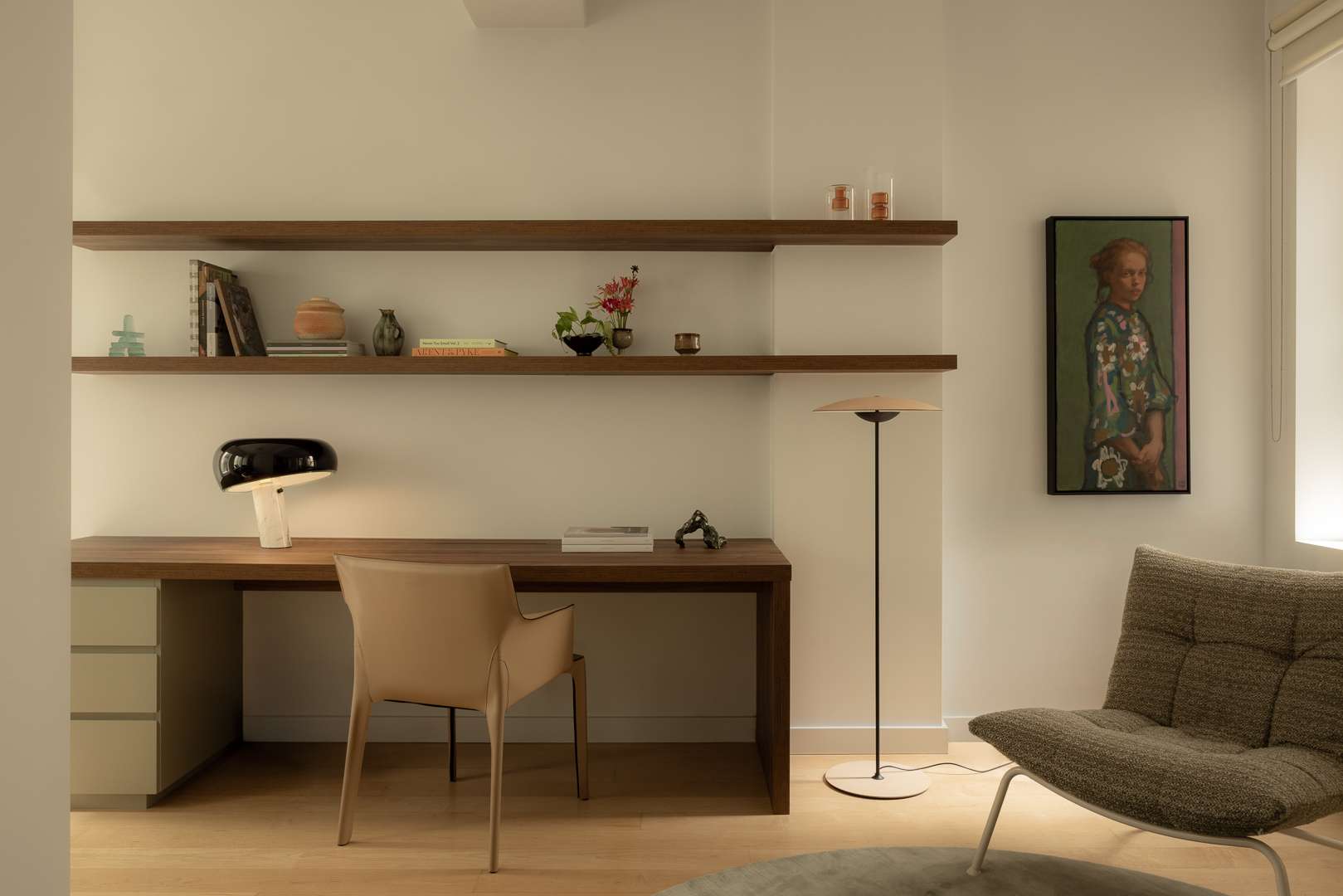
Joinery design. Custom kitchens, built-in wardrobes, bathroom vanities, entertainment units, home offices. Getting joinery right requires an understanding of how it is built and how it integrates with the architecture, not just how it looks in a mood board.
Lighting design. A full lighting scheme for a residential project involves much more than fixture selection. It is about designing layers of ambient, task, and accent light that work with the architecture of the space, specifying the electrical layout, and ensuring the scheme functions as well at 7am as it does at 8pm.
Materials and finishes specification. Flooring, tiles, stone, timber, wall claddings, hardware. Specifying hard finishes well requires knowledge of durability, maintenance, buildability, and how materials relate to each other across the whole project, not just within a single room.
Trade coordination and project management. On a renovation, a designer acts as the point of coordination between the builder, electricians, plumbers, tilers, and other contractors. They produce the documentation those trades work from and manage the design intent through the construction process.
Compliance. Building codes, accessibility requirements, fire ratings, heritage overlays. When a project touches any of these, a designer's training becomes not just valuable but necessary.
"Many homeowners assume only an architect can tackle layout changes or bespoke joinery. A skilled interior designer can do all of this. Their portfolio will show you exactly where their expertise sits." - Bree Willison, Design Consultant, CO-architecture
What an Interior Decorator Actually Does
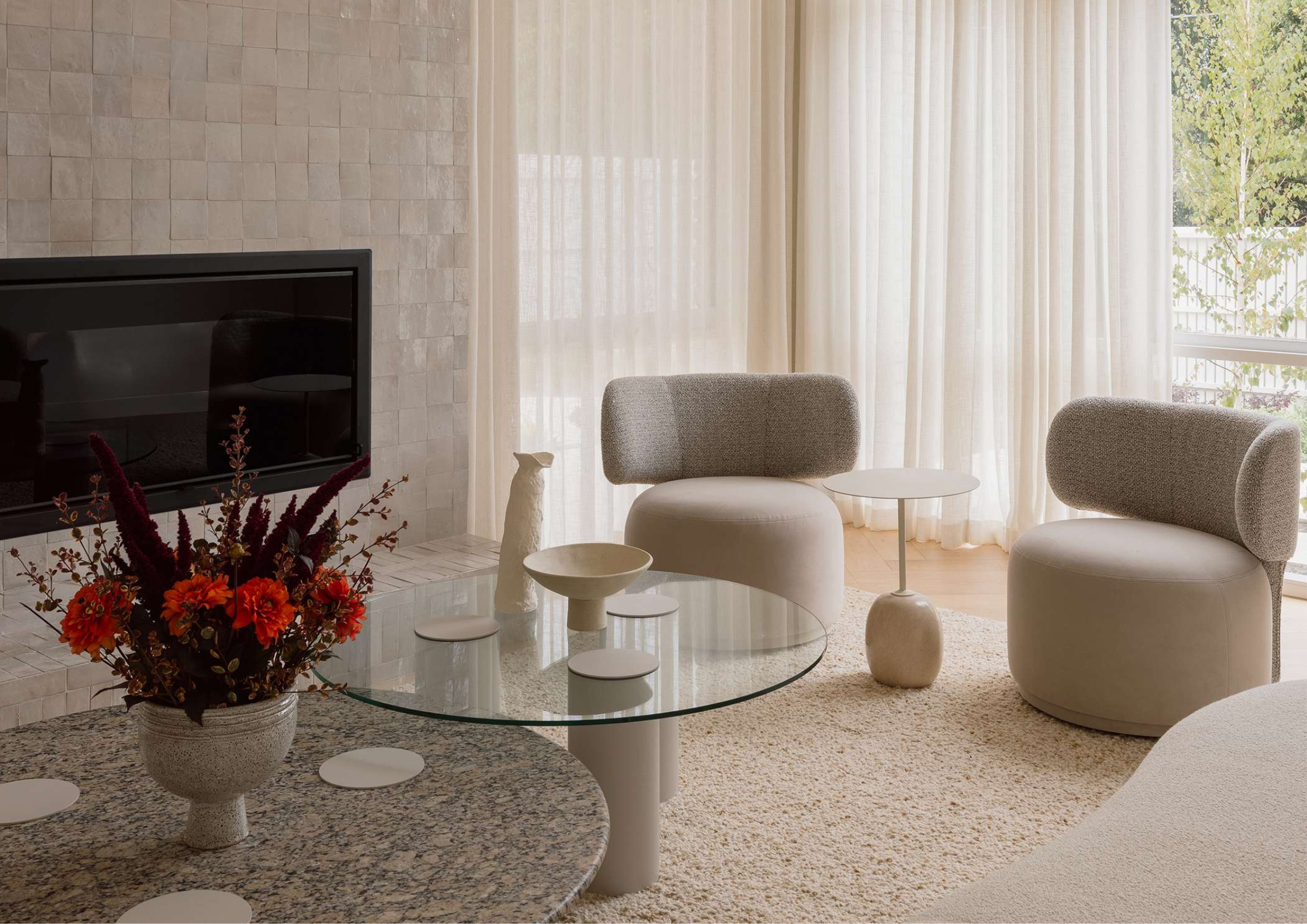
An interior decorator's expertise is the finished space. Everything you see, touch, and experience once the building work is done. Their training and skill set is built around the visual and sensory qualities of a room: how colour behaves under different light conditions, how furniture scale affects the perceived size of a space, how layering textiles and objects creates a sense of warmth and personality that purely functional decisions cannot. If your project calls for this kind of expertise, our curated lists of top interior designers in Melbourne, Sydney, Adelaide, Perth, and Brisbane are a good place to start.

A skilled decorator works across:
Colour consultation and paint specification. This goes well beyond picking a shade from a fan deck. Understanding how a colour shifts from morning to evening light, how it reads against your existing flooring and joinery, and how it connects to the palette in adjoining rooms is a genuinely specialised skill.
Furniture selection and spatial arrangement. Experienced decorators have trade access to suppliers, showrooms, and product lines not available to the general public. They also bring an eye for proportion and flow that is harder to develop than it looks. Getting furniture selection right is about much more than finding pieces you like individually.
Textiles, soft furnishings, and window treatments. Curtains, blinds, rugs, upholstery, cushions. These are the elements that give a completed space its texture and comfort. They are also among the easiest to get wrong, and the most impactful when they are right.
Lighting selection and accessories. Pendants, table lamps, floor lamps, art lighting. A decorator will specify the fixtures and work out how they layer together, though they are not typically qualified to design the electrical layout or specify the technical lighting scheme.
Styling and curation. The final layer of art, objects, books, and plants that makes a space feel considered rather than catalogue-assembled. This is harder to teach than almost anything else in the process and is where a strong decorator's eye becomes most visible.
What a decorator does not do is engage with the building itself. No spatial reconfiguration, no structural changes, no construction drawings, no engagement with certifiers or building surveyors. That is not a gap in their capability. It is simply outside their scope of practice, and the best decorators operate within that scope with complete confidence.
Side by Side: The Full Comparison
| Scope of Work | Interior Designer | Interior Decorator |
|---|---|---|
| Colour consultation and paint specification | Yes | Yes |
| Furniture selection and arrangement | Yes | Yes |
| Textiles, soft furnishings, window treatments | Yes | Yes |
| Styling, art, and accessories | Yes | Yes |
| Lighting fixture selection | Yes | Yes |
| Full lighting scheme and electrical layout | Yes | No |
| Space planning and layout reconfiguration | Yes | No |
| Joinery design and documentation | Yes | No |
| Hard finishes specification | Yes | No |
| Construction drawings and documentation | Yes | No |
| Trade coordination and project management | Yes | No |
| Building code and compliance knowledge | Yes | No |
| Heritage and planning overlay advice | Yes | No |
| Typical qualification | Bachelor or associate degree | Short course or self-directed experience |
| Typical hourly rate in Australia | $150 to $400 | $150 to $350 |
Why the Titles Cause So Much Confusion
In Australia, neither "interior designer" nor "interior decorator" is a legally protected title. Unlike "architect," which carries strict registration requirements under state-based legislation, or "engineer," which has its own professional frameworks, anyone can call themselves an interior designer or an interior decorator regardless of their training or experience.
This means the marketplace is genuinely difficult to navigate. You will find highly skilled, experienced decorators operating under the title of designer. You will find qualified designers taking on purely decorative briefs. You will find people with minimal formal training offering comprehensive design services. The title alone tells you very little.
What to look for instead:
Ask about qualifications directly and specifically. A bachelor degree in interior design or interior architecture from a recognised Australian institution is the benchmark for a qualified designer. Shorter certificate or diploma courses are more typical of decorator training, though many experienced decorators have built deep expertise through years of practice rather than formal study.
Look at the portfolio critically. Does it show evidence of spatial planning, joinery documentation, or construction coordination? Or is it predominantly furniture arrangements and styled photography? Both can be exceptional. They represent different scopes of work.
Ask about their process. A designer working on a renovation project will produce drawings, specifications, and documentation. A decorator working on a cosmetic brief will produce mood boards, procurement schedules, and colour palettes. Neither is the wrong answer. The question is which process matches your project.
"Good interior design begins with planning, function and spatial thinking, creating homes that feel as good to live in as they do to look at. It's about understanding how people move through a space, how they use it every day, and resolving those needs through considered design." – Matthew James, Creative Director, Matthew James Studio
Which One Is Right for Your Project
The answer almost always comes down to whether your project involves the building or just the contents of it.
If you are happy with your floor plan, there is no construction involved, and your goal is to transform how your home looks and feels through colour, furniture, textiles, and styling, an interior decorator is the right first call. They are built for this work. They tend to move quickly in purely aesthetic briefs, they bring trade access and a trained eye that most homeowners cannot replicate independently, and they are often more cost-effective for decorating-only scopes than engaging a designer for work that does not draw on a designer's full skill set.
A good decorator will start with a thorough brief, covering not just your aesthetic preferences but how you actually use each room, what you already own and want to keep, how your household lives day to day, and where the budget sits. They will develop a concept direction, source and specify furniture, lighting, and textiles often through trade-only channels, and project-manage procurement and installation through to the final styling of the space. Done well, it is a genuinely complete service. A skilled decorator can make a dated home feel entirely different without touching a single wall.
If your project involves any of the following, you need an interior designer: reconfiguring the layout in any way, new joinery, a considered lighting scheme, materials specification across the build, or coordination with multiple trades. Even if the project feels cosmetic on the surface, the moment it touches the building you need someone with the technical training to manage it properly.
Both disciplines share the same vision: spaces that are lived-in, practical, and beautiful. What changes is the scope. A decorator realises that vision through furniture, colour, and material. A designer extends it into the layout, the cabinetry, the architecture itself. Neither is more valuable. They simply meet you at different points in your home's story. - Connie Yin, Co-founder & Studio Director, Furnishd
When Engaging Both Is the Right Answer
On larger residential projects, particularly whole-of-home renovations or new builds with serious aesthetic ambitions, the strongest outcomes often come from both professionals working together. The typical model is a designer leading through the construction phase, managing documentation, trade coordination, and materials specification, then handing to a decorator for the furnishing, styling, and finishing phase.
Some studios offer both disciplines under one roof. Others have established collaborative relationships with practitioners they trust and work with regularly. If you are planning a significant renovation, it is worth asking your designer whether they work alongside a decorator, and if not, whether they can recommend someone they have a good working relationship with.
“For projects involving alterations to the built environment, technical documentation or complex spatial planning, an interior designer is generally required. The right professional depends on the complexity and objectives of the project." - Silvia Roldan, Director & Principal Designer, Studio Esar
The Practical Summary
The distinction is cleaner than the marketplace makes it appear. An interior decorator transforms how a finished space looks and feels. An interior designer does that and manages the technical, structural, and compliance dimensions of the project as well. For a cosmetic refresh, a decorator is almost always the right professional. For anything that touches the building, you need a designer. For an ambitious renovation with a strong aesthetic brief, both working in sequence is often the best answer.
The confusion between the two titles costs Australian homeowners real money every year, either through engaging the wrong professional for the scope, or through not knowing that the right professional for their project exists. Knowing the difference before you make a call is one of the most straightforward ways to set a home project up for the outcome it deserves.
Frequently Asked Questions
What is the difference between an interior designer and an interior decorator in Australia?
An interior designer holds a formal tertiary qualification and is trained to work across both the aesthetic and technical aspects of a space, including space planning, construction documentation, joinery design, lighting design, and compliance with building codes. An interior decorator specialises in the visual and sensory qualities of a finished space, selecting colours, furniture, textiles, and styling elements. Neither title is legally protected in Australia, so qualifications and portfolio evidence matter more than the title itself.
Do I need an interior designer or decorator for a home renovation?
It depends on what the renovation involves. If you are making structural changes, reconfiguring the layout, adding new joinery, or coordinating multiple trades, you need an interior designer. If the renovation is complete and the goal is to furnish and style the finished space, a decorator is the right choice. On larger projects, many homeowners engage both, with the designer leading the construction phase and the decorator managing furnishing and finishing.
How much does an interior decorator cost in Australia?
Interior decorator fees typically range from $150 to $350 per hour depending on experience and location. Many decorators also offer flat project fees or charge a margin on products sourced through trade suppliers. It is worth asking upfront how fees are structured, particularly around trade pricing and any procurement margin applied to purchases made on your behalf.
How much does an interior designer cost in Australia?
Interior designer fees in Australia generally range from $150 to $400 per hour, with many designers moving to a fixed project fee on larger renovations once the scope is clear. For full residential renovations, design fees typically sit between 10 and 20 percent of the total construction budget. A detailed fee proposal before work begins is standard practice and should always be requested.
Is interior design worth it for a small home or apartment?
Yes, particularly where the layout is challenging, natural light is limited, or the footprint is tight enough that every decision carries significant weight. A designer or decorator who understands spatial proportion and light can make a small home feel considerably larger and more considered. The investment tends to return in liveability, day-to-day function, and in many cases resale value.
Can an interior decorator help with a new build in Australia?
Yes, typically in the later stages once construction is complete or approaching completion. Decorators are well suited to specifying and sourcing furniture, soft furnishings, window treatments, and accessories for a finished new build. If you want professional input on the spatial layout, lighting design, or material selections during the construction phase itself, an interior designer should be engaged earlier in the process.
What qualifications should an interior designer have in Australia?
Look for a bachelor or associate degree in interior design or interior architecture from a recognised Australian institution. Ongoing professional development, whether through short courses, industry events, or continuing education, is a further indicator of professional standing and a genuine commitment to staying current. It is always worth asking about qualifications directly rather than relying on the title alone.
Do interior designers work with architects in Australia?
Yes, and on significant residential projects it is a common and productive arrangement. An architect manages the building design, structural engineering coordination, and development approvals, while an interior designer takes responsibility for the internal spaces, finishes, joinery, and lighting. The disciplines overlap in certain areas, and the strongest outcomes tend to come from early collaboration rather than treating them as separate, sequential engagements.
Can an interior designer help with a kitchen renovation in Australia?
Yes, and for any kitchen renovation involving new joinery, layout changes, or a full fitout, an interior designer is the appropriate professional to engage. They can design the joinery, specify appliances and finishes, produce the documentation contractors need to build from, and coordinate the trades involved. A decorator may be suitable for a cosmetic kitchen refresh where the structure and joinery remain unchanged and the goal is simply to update the look through styling, accessories, or minor updates.