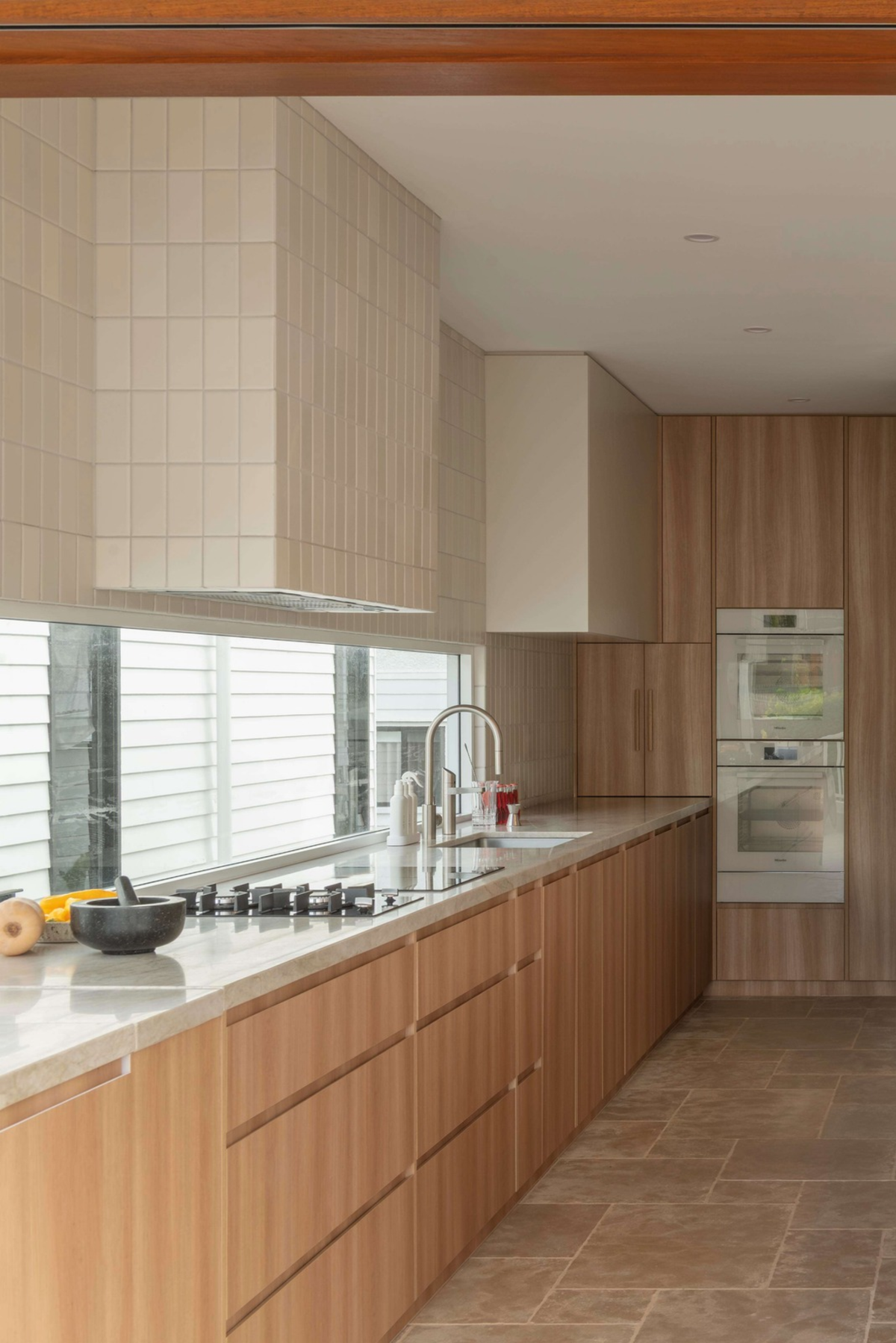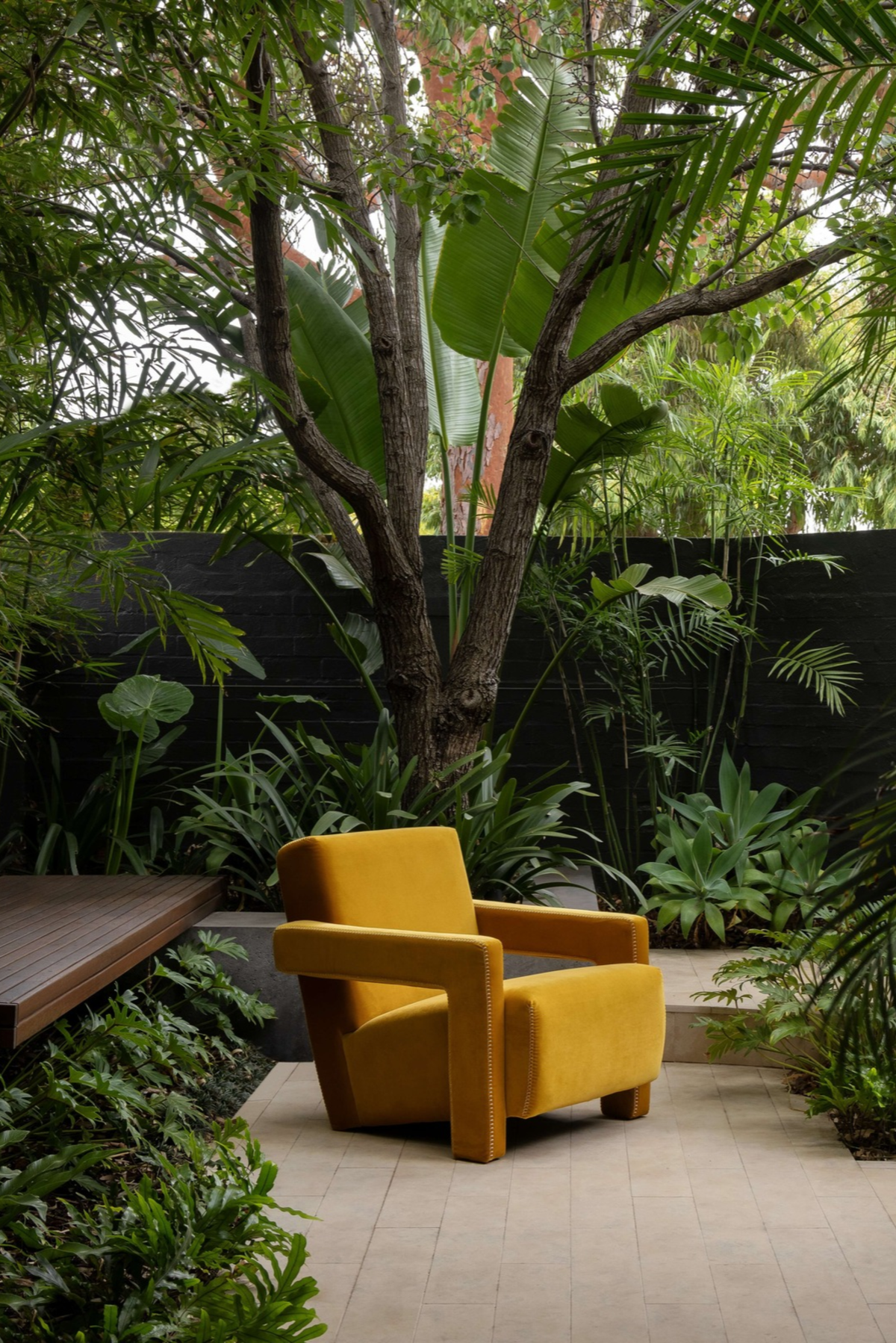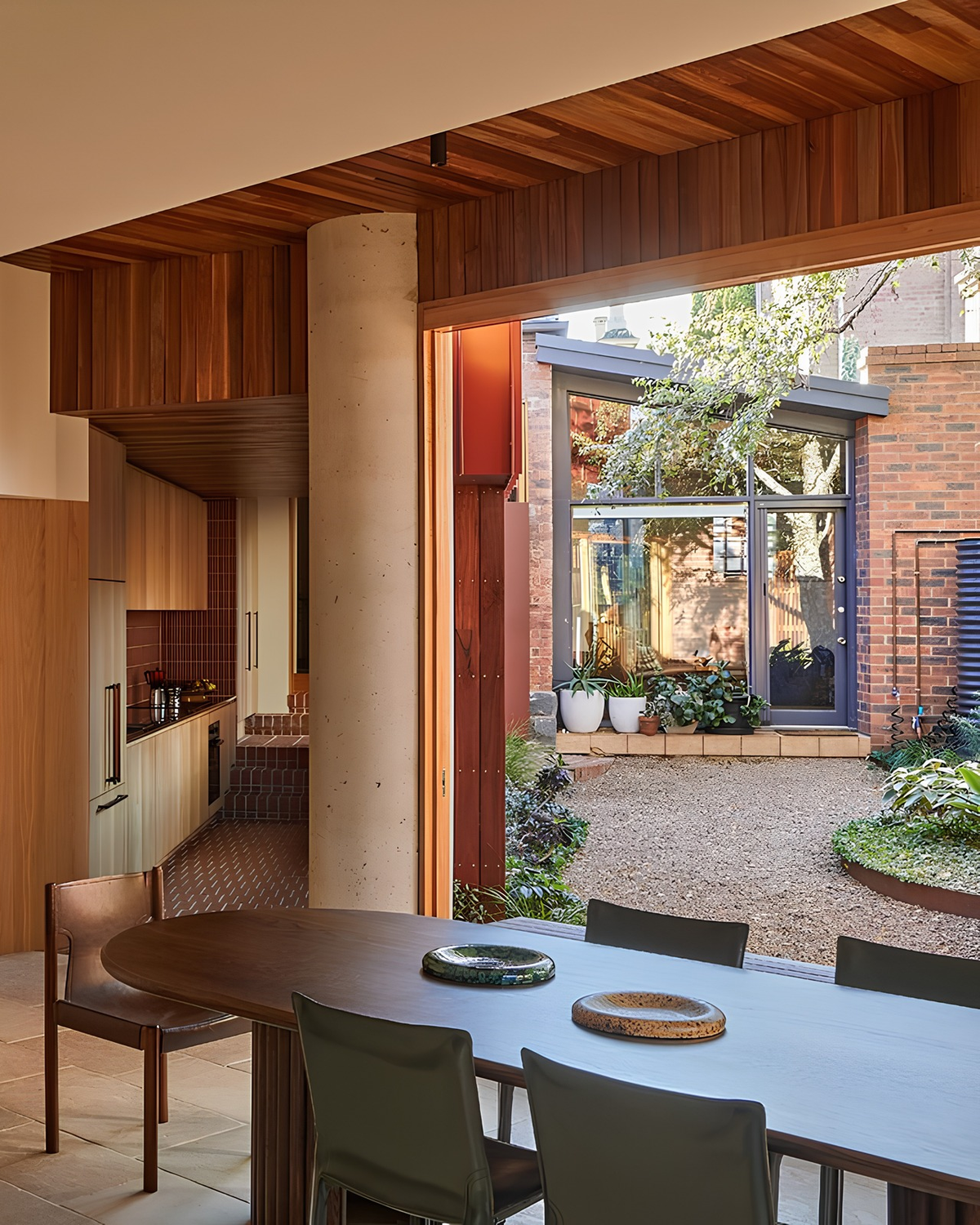
The garden is as much a part of the home as the living room. It shapes the view from our windows and extends the spaces we use every day. A large kitchen window, for example, draws our gaze beyond the room and into the garden. Matthew Cantwell, founder and creative director of landscape design studio Secret Gardens, makes the case for combining formal structure with naturalistic planting, an idea explored in the studio’s latest book, Secret Gardens: Designing Private Realms, which highlights 20 projects and 20 stories from the studio’s history. Drawing on his insights and the studio’s residential projects, we explore how this balance can shape both the garden and the experience of the home.
Choosing what fills that view means considering both its appearance and the care it will need. The idea of a lush garden is appealing, but the thought of maintaining it can make choosing a style for your home feel more complicated. With the right care and attention, a traditional formal garden can provide a sense of organisation and blend neatly into its surroundings. A naturalistic garden, on the other hand, may feel more practical and manageable, but its more free-flowing appearance appearance might sit outside your comfort zone. Combining the two approaches allows a garden to feel ordered while making room for seasonal change and planting that supports local wildlife.
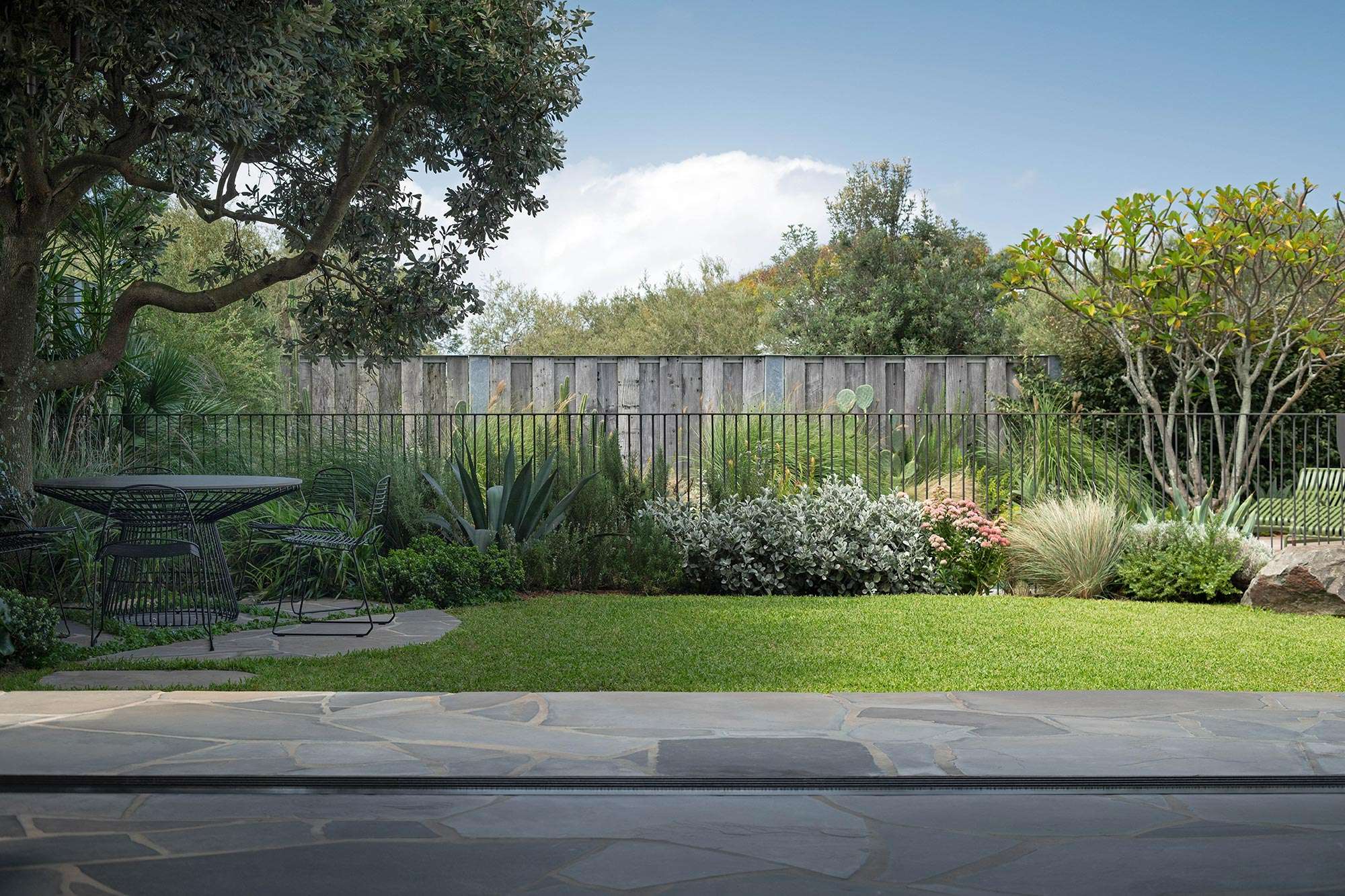
The defining features of formal gardens
You might recognise a formal garden by its use of geometric layouts and clean lines. Defined by its trimmed hedges and carefully positioned plants, a formal garden complements the home’s architecture while creating clear routes through the landscape. Every element is considered, from the placement of fountains and sculptures to the shape of the hedges. Plants are often selected for their dense foliage and ability to hold a clipped shape, with repeated planting reinforcing the garden’s sense of order. Viewed from inside the home, this arrangement gives the garden a clear, composed presence.
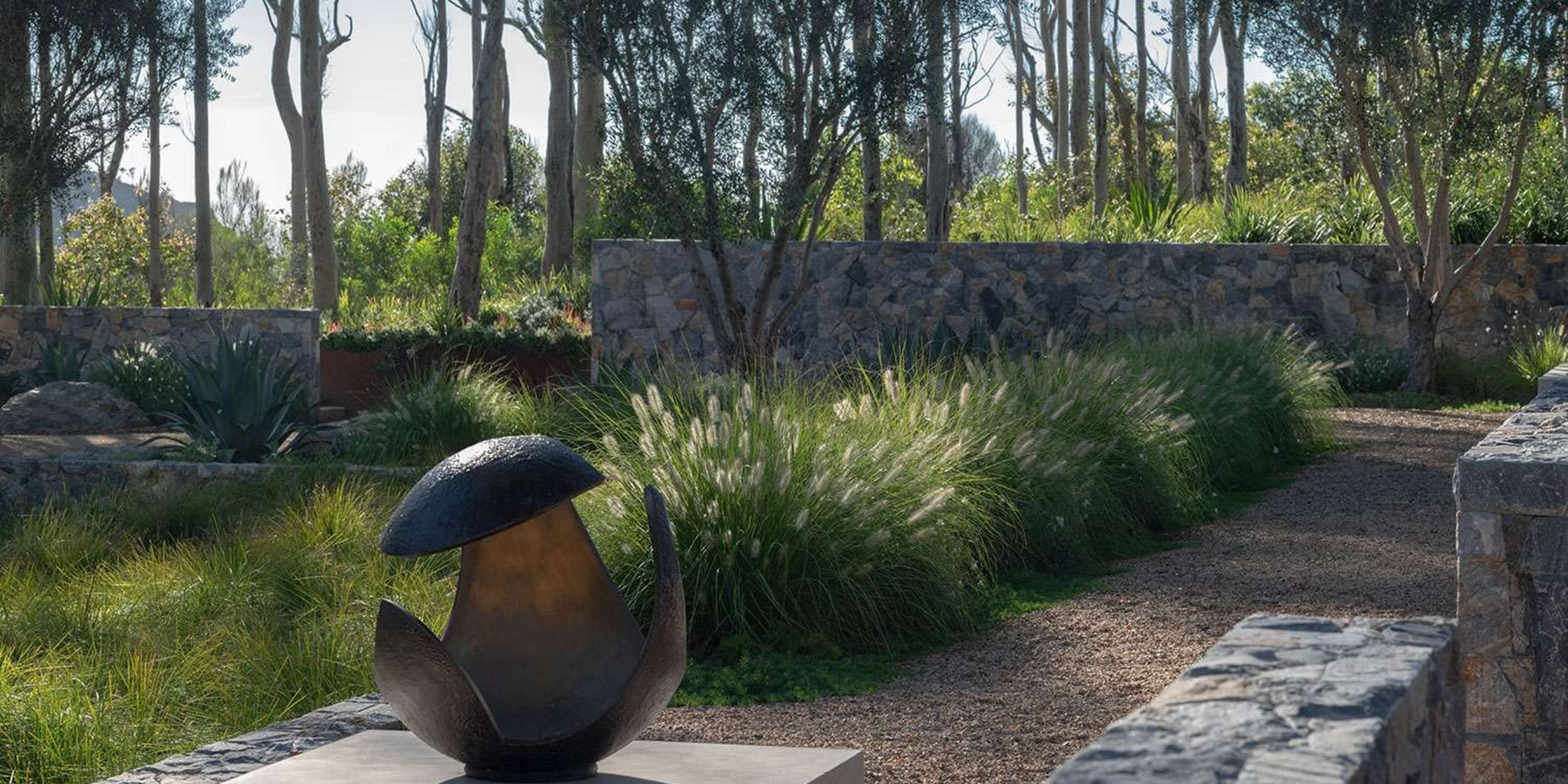
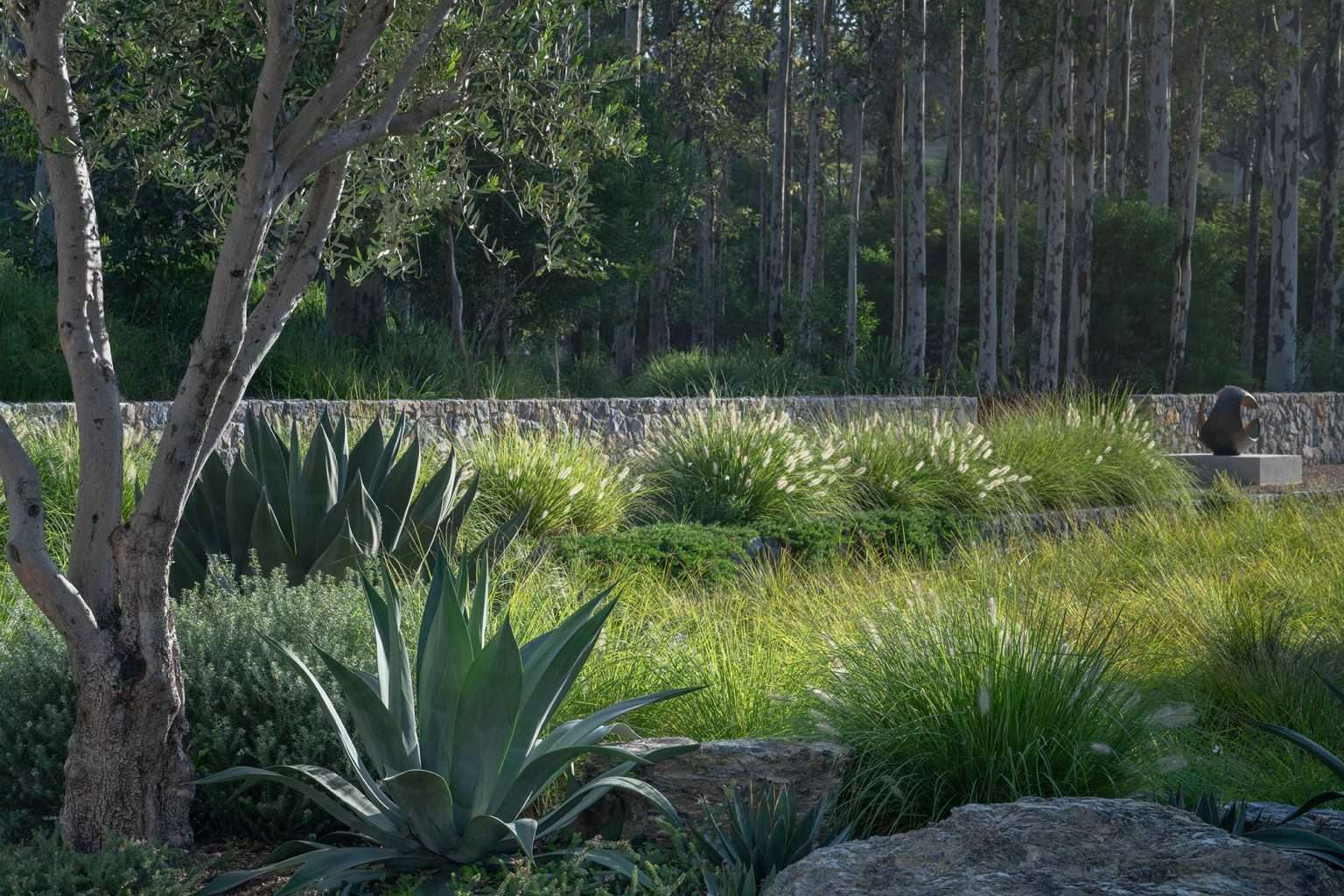
At Bracken, a sculpture on a concrete plinth creates a focal point beside a gravel path, while grasses and slender trees soften the surrounding stone walls. The composition shows how a clearly defined feature can sit comfortably within varied planting.
The character of naturalistic gardens
Naturalistic gardens embrace a looser, more informal style. A defining trait of a naturalistic garden is that it takes its inspiration from the way plants grow together in nature. Unlike their formal counterparts, naturalistic gardens have a more rustic appearance, with a diverse mix of species chosen primarily for their ability to thrive together. Planting can provide habitat for birds and pollinators, while species suited to the site can require fewer inputs once established. The result is a garden that feels relaxed and spontaneous, yet is grounded in thoughtful design.
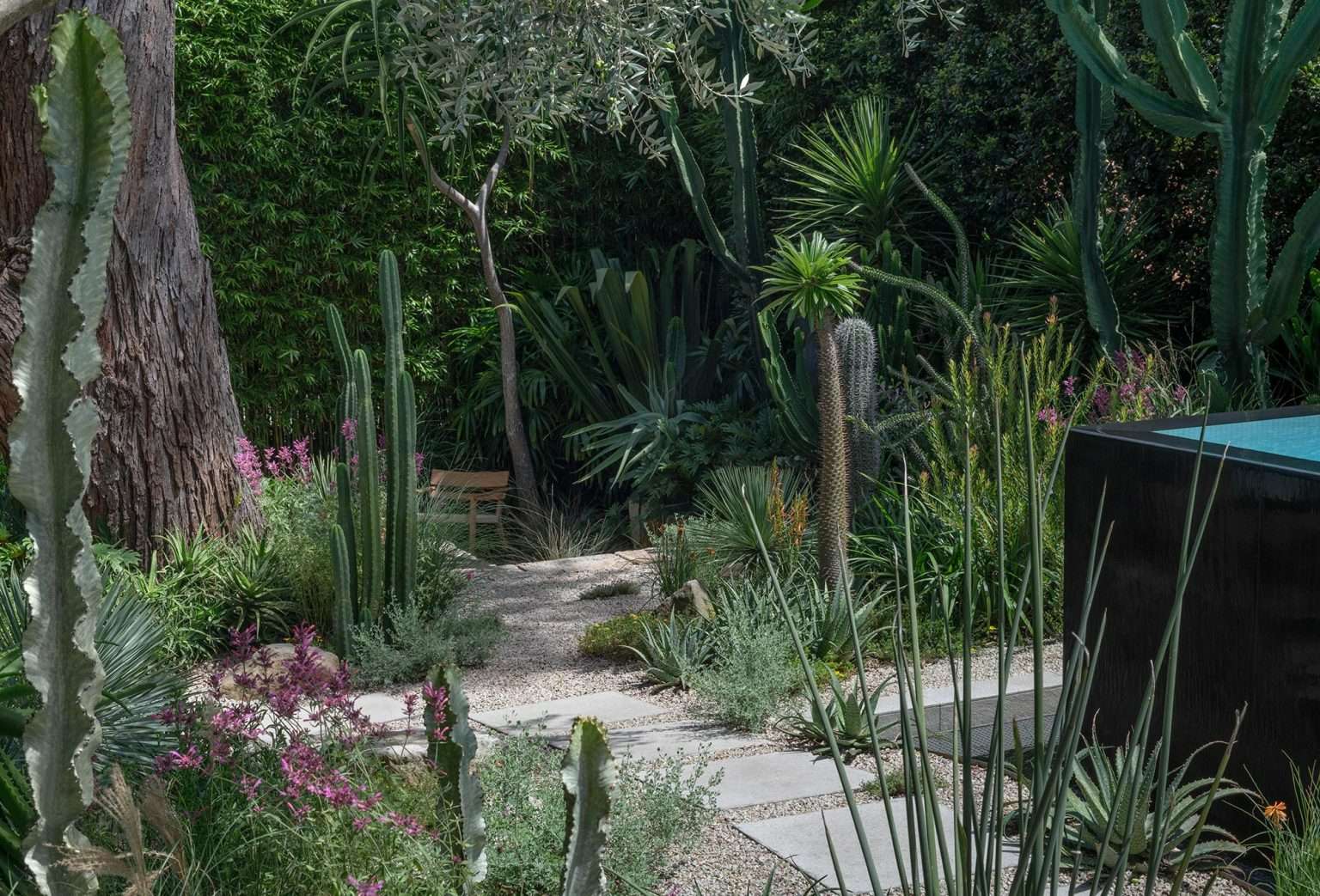
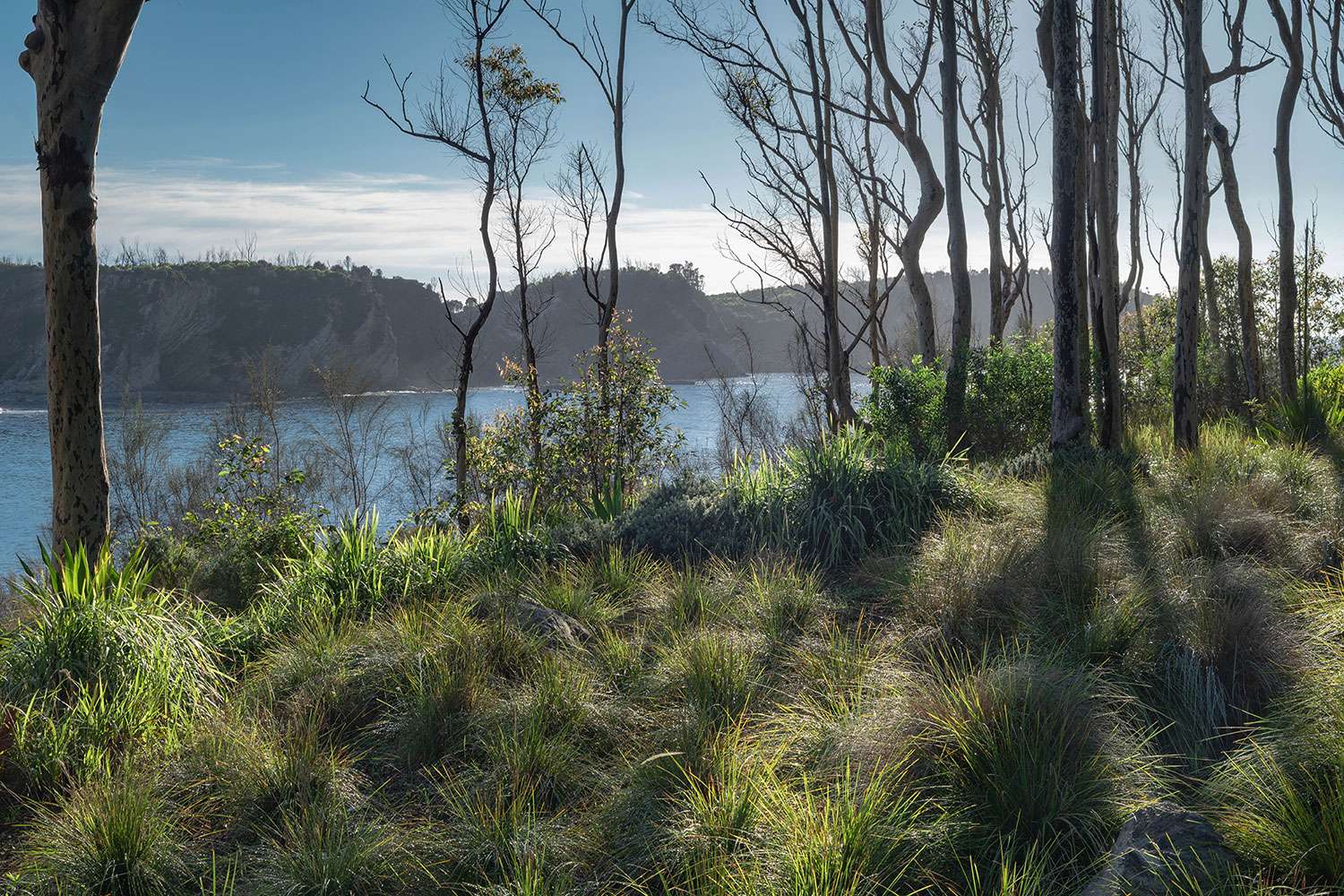
Combining formal design with naturalistic planting
The two garden styles take vastly different approaches, but your garden does not have to commit entirely to one style or the other. Each offers something the other lacks. Structure gives loose planting a frame, while planting softens the formality of the layout.
Your garden could combine wildlife-friendly planting with the principles of formal garden design, using clean lines to draw the eye towards a focal point. Rather than relying on regularly clipped hedges, you could arrange a variety of plants in defined layers to create geometric patterns with a softer, more natural feel.
A straight path or defined bed can establish clean lines, while grasses and flowering plants grasses and flowering plants spill over its edges. From the kitchen window, that framework holds the view together as the planting changes.
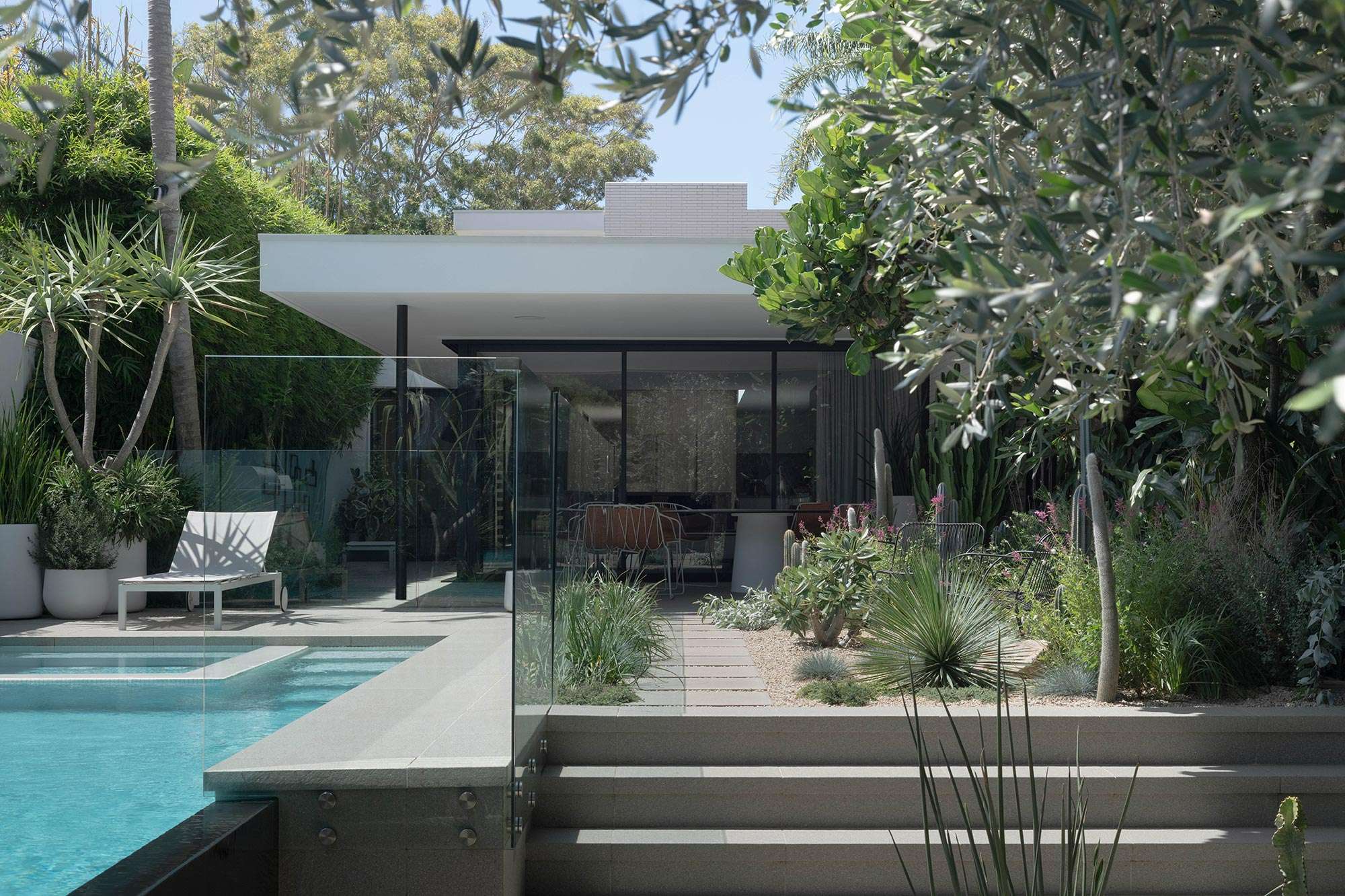
At Stone House, this relationship takes shape through defined outdoor spaces and relaxed coastal planting. Secret Gardens uses trees to provide give the garden height and definition, while perennials and grasses soften the edges of paving and the pool surrounds. These lasting elements maintain a sense of order as the planting brings movement and a more relaxed character.
Getting the balance right
Getting that balance right matters more than staying faithful to either style, and it should begin with how the garden is used and cared for. This gives the layout a practical purpose, whether it defines a place to gather, guides movement between indoors and out, or creates privacy where it is needed.
You might choose a tall hedge for privacy from neighbours, with more varied planting elsewhere to keep regular pruning manageable.
Courland House demonstrates how those priorities can shape the whole landscape. Designed for a family of five, its garden accommodates entertaining and swimming alongside privacy, summer shade and access to winter sunlight. Secret Gardens brings these needs together through a landscape conceived as an extension of the home. Let your lifestyle guide these choices, creating a garden that reflects your taste without becoming a chore.
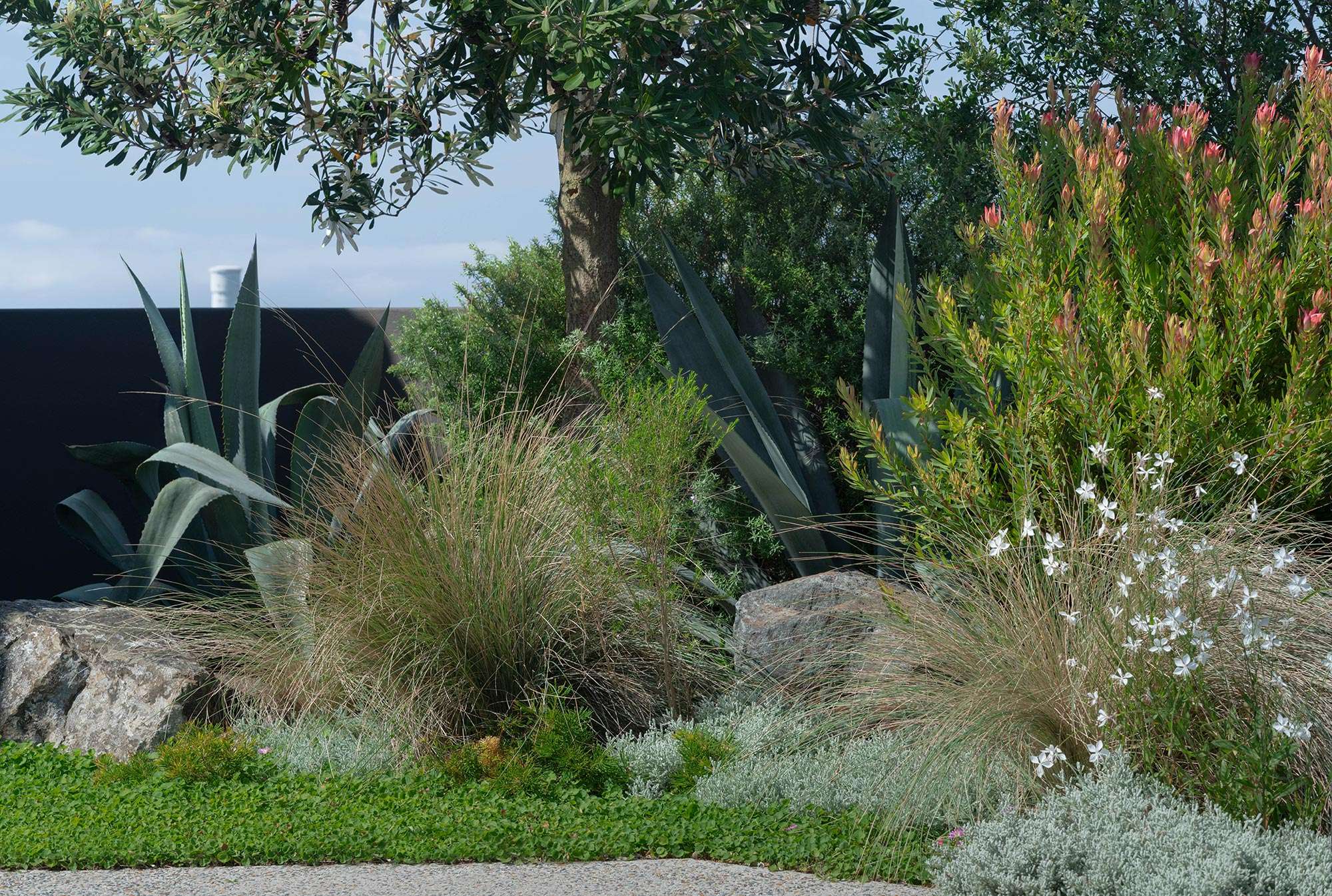
What to ask your landscape designer
Before committing to a design, discuss how much time and money can realistically go towards its upkeep. Ask which tasks will be needed throughout the year, how often professional maintenance might be required, and what ongoing costs to allow for beyond installation. A naturalistic appearance does not necessarily mean less work.
Plant selection should respond to the local climate and the conditions within the garden. Ask how the proposed species will cope with summer heat, seasonal rainfall and any coastal exposure, alongside the site’s soil, shade and water availability.
When choosing a landscape designer or landscape architect, look for experience with similar sites and clarify what their service includes. Ask who will prepare the planting plan, coordinate construction and provide guidance on care as the garden establishes.
For further exploration of these ideas, Secret Gardens: Designing Private Realms offers a closer look at how garden layouts and planting work together, and the possibilities of bringing both into the home garden. More information about the book is available through the Secret Gardens website and social media channels.