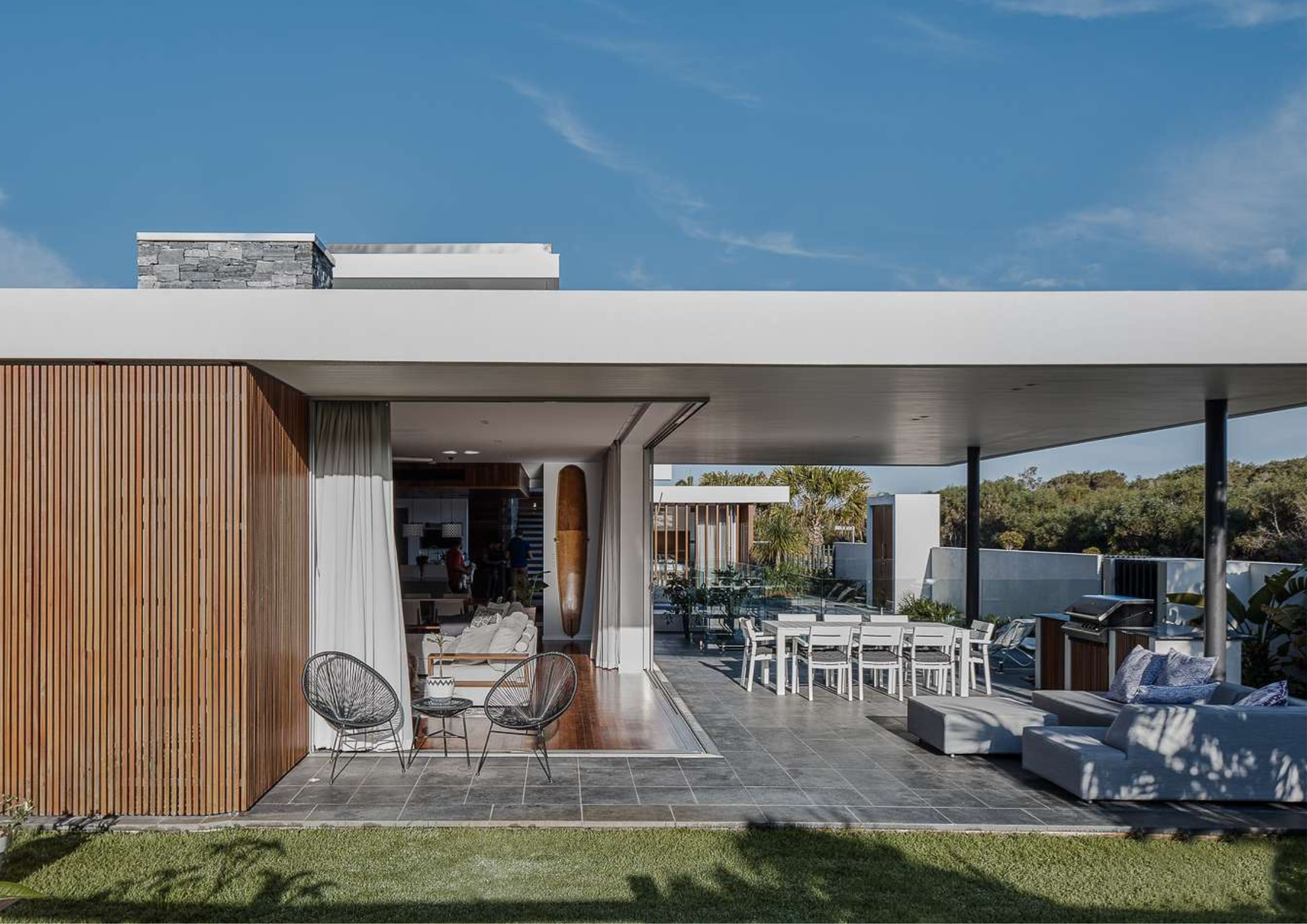
Few home improvements deliver as consistently as a well-built outdoor living space. Whether it is a simple elevated deck off a bedroom, a full alfresco or patio under a tiled roof, or an outdoor kitchen designed for year-round entertaining, Australians are spending more on outdoor rooms than at any point in the past decade. Outdoor living projects now represent one of the top three renovation categories by spend, driven by rising land values, a cultural preference for indoor-outdoor living, and the ongoing influence of working from home on how households use their properties. That same preference for light, connected living is also reshaping how homeowners approach the inside of the house, as our feature on 6 Australian homes that maximise natural light shows.
But how much does a deck or alfresco actually cost to build in 2026, and what drives deck cost up or down? The honest answer is that deck cost varies considerably depending on where you live, what materials you choose, how large the structure is, and whether you need council approval. This guide sets out realistic deck cost and alfresco cost ranges, walks through a rough deck cost calculation you can use as a starting estimate, explains what factors affect price, and gives you the context you need to approach a builder or designer with confidence.
Understanding the Cost Ranges
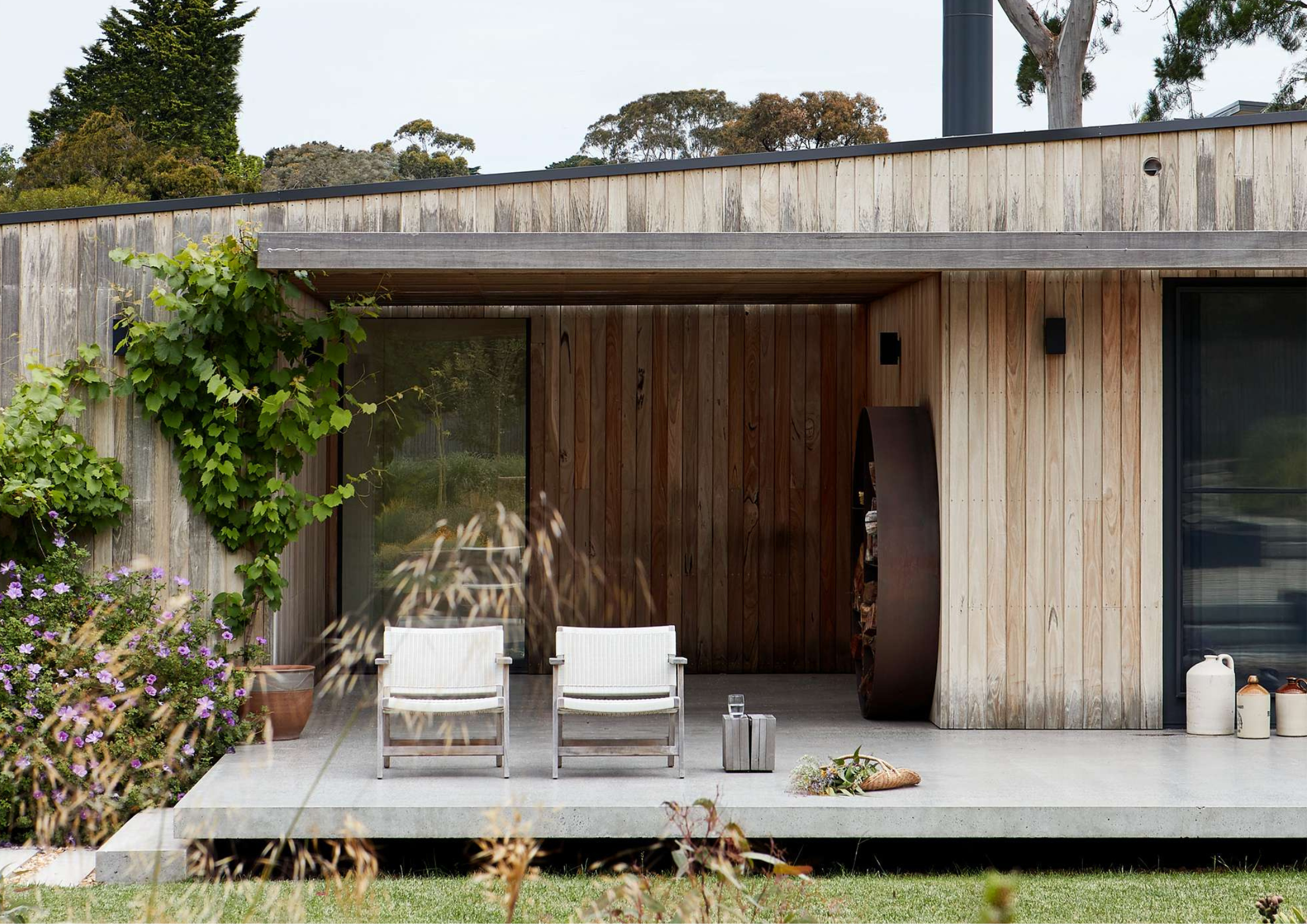
The first distinction worth making is between a deck and an alfresco, and often a patio. A deck is a raised or ground-level outdoor platform, typically constructed from timber decking, composite decking, or occasionally a hardwood timber decking system. An alfresco is a covered outdoor area, often integrated into the main structure of the house, with a roof that may be flat, skillion, or pitched. A patio, in the Australian context, usually refers to a paved or hard-surfaced outdoor area at ground level, sometimes covered and sometimes open. The terms are frequently combined, and the terminology is sometimes used interchangeably in everyday conversation, but they represent different scopes of work and different deck cost and alfresco cost budgets.
The table below sets out the main structure types and their typical installed cost per square metre in 2026, as a rough deck cost calculator you can use to estimate your own project. All figures reflect mid-market labour rates in capital cities; sloping sites, regional locations, and premium finishes will push costs toward or beyond the upper end.
| Structure type | Cost per sqm | 30 sqm total |
|---|---|---|
| Ground-level deck, basic treated pine decking | $200 – $400 | $6,000 – $12,000 |
| Ground-level deck, hardwood timber | $350 – $700 | $10,500 – $21,000 |
| Ground-level deck, composite decking materials | $400 – $750 | $12,000 – $22,500 |
| Elevated deck (add to above) | +$100 – +$200 | Add $3,000 – $6,000 |
| Covered alfresco or patio, Colorbond skillion roof | $700 – $1,100 | $21,000 – $33,000 |
| Covered alfresco, insulated panel roof | $1,000 – $1,500 | $30,000 – $45,000 |
| Covered alfresco, tiled or pitched roof | $1,200 – $2,000 | $36,000 – $60,000 |
| Motorised louvre roof (add to above) | +$600 – +$1,200 | Add $18,000 – $36,000 |
Material Comparison at a Glance
Choosing the right decking boards involves balancing upfront material costs against long-term maintenance and the expected lifespan of the structure. The four most common decking materials used in Australian residential builds are treated pine, hardwood timber such as spotted gum, composite decking, and concrete. When you compare apples to apples on installed cost, composite and quality hardwood timber decking often land in a similar overall cost bracket once you account for ongoing maintenance.
| Material | Installed cost per sqm | Lifespan |
|---|---|---|
| Treated pine decking | $200 – $400 | 15 – 25 years |
| Hardwood timber decking spotted gum, merbau, blackbutt | $350 – $700 | 25 – 40 years |
| Composite decking (timber fibre and plastic) | $400 – $750 | 25 – 50 years |
| Concrete slab | $100 – $200 plain $150 – $350 exposed aggregate |
50+ years |
Composite decking is a manufactured product, generally a blend of timber fibre and recycled plastic, and it's a low maintenance option compared with timber. It resists rot, needs no oiling or staining, and holds its finish well over time, which is why many homeowners choose it despite the higher upfront material costs. Australian hardwood timber decking, on the other hand, offers a natural appearance and genuine durability, but it requires periodic sanding, oiling, or staining to stay looking its best and to protect the timber fibre from moisture and UV exposure. Treated pine decking remains the most cost effective option and a popular starting point for a small deck or a first outdoor project, though it has the shortest lifespan of the three.
Covered Alfresco: What Adds to The Cost
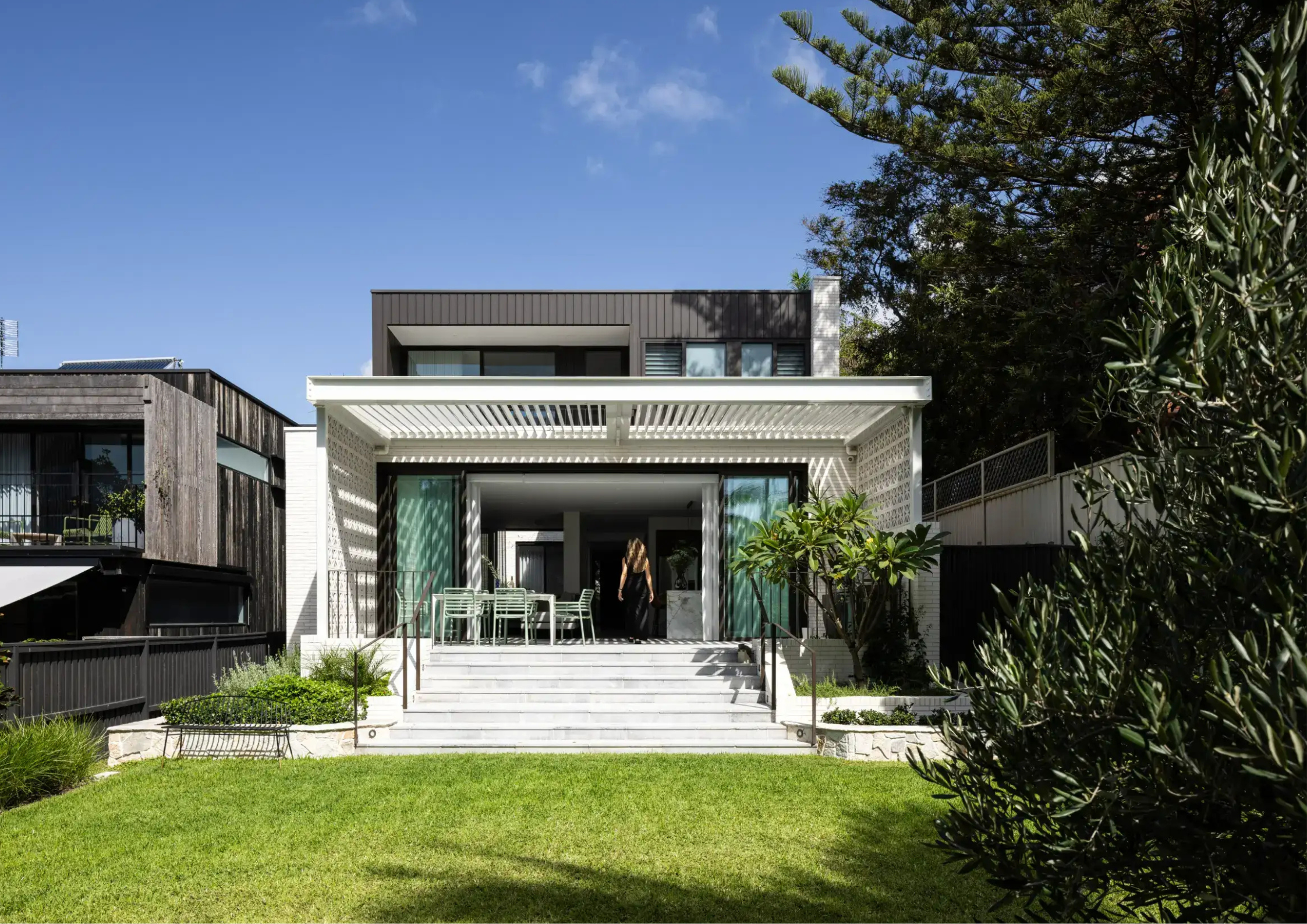
A basic flyover or Colorbond skillion roof represents the entry point for covered alfresco or patio construction. These structures are bolt-on additions that can be completed relatively quickly and without extensive tie-in to the existing roofline.
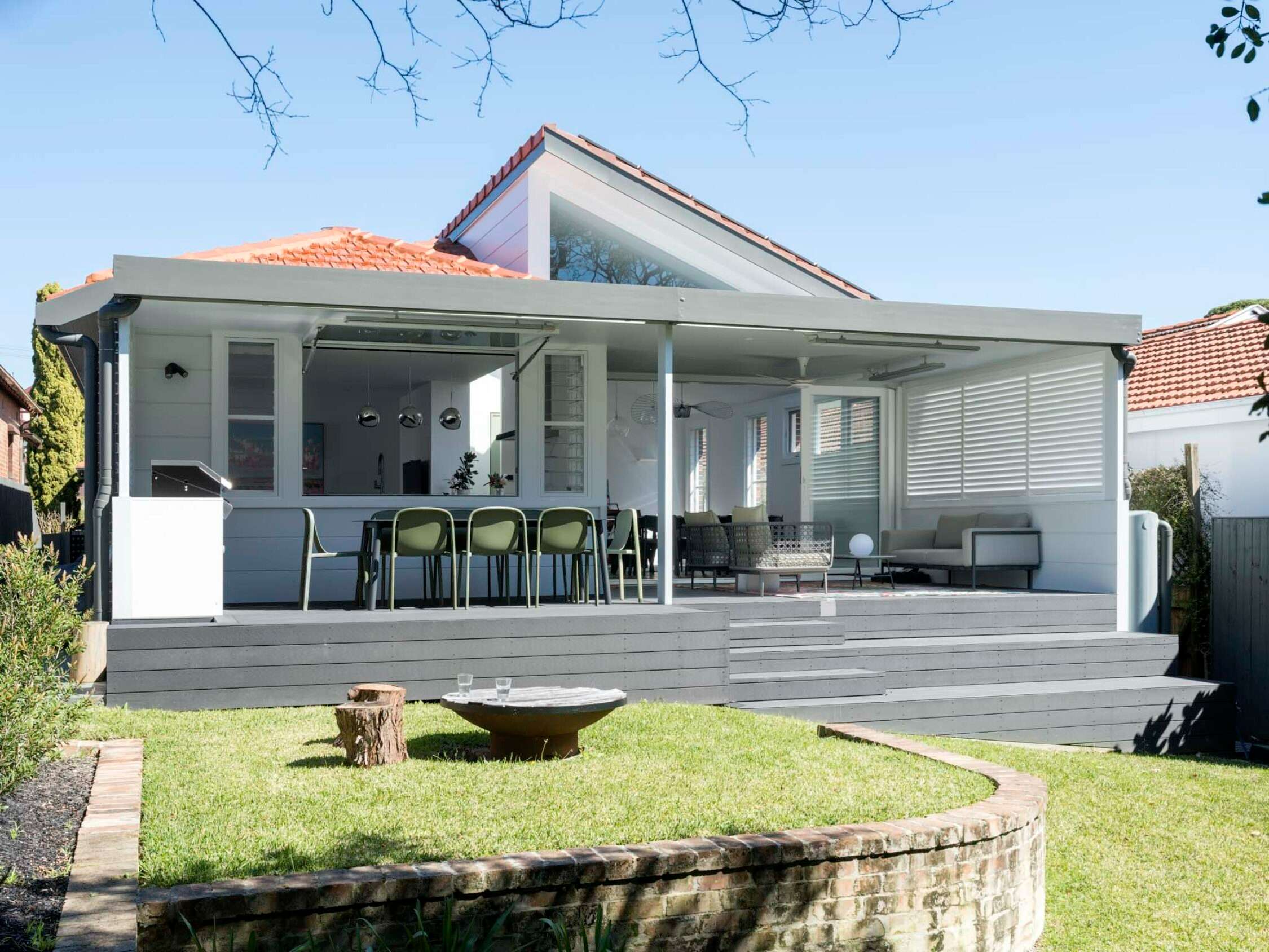
Where costs escalate significantly is when the alfresco is designed as an architectural extension of the home, with a tiled roof that mirrors the main structure, insulated panels, integrated downlights, ceiling fans, and concealed services. This kind of work is not simply a pergola or verandah with a roof. It involves a structural engineer, a building permit, and coordination between the builder, electrician, and sometimes the plumber. Alfresco construction is at the higher end of light residential work, typically between $1,200 and $2,000 per square metre of roofed area.
Louvre roof systems, which allow adjustable ventilation and control heat transfer on hot days, are increasingly popular in Queensland and Western Australia and sit at a premium again. Good ventilation and airflow can make a real difference to comfort in an enclosed alfresco, letting fresh air move through the space rather than trapping heat under a solid roof. Motorised aluminium louvres from suppliers like Stratco or Vergola typically add $600 to $1,200 per square metre on top of the structural costs.
Outdoor Kitchens And Entertainment Addtitions
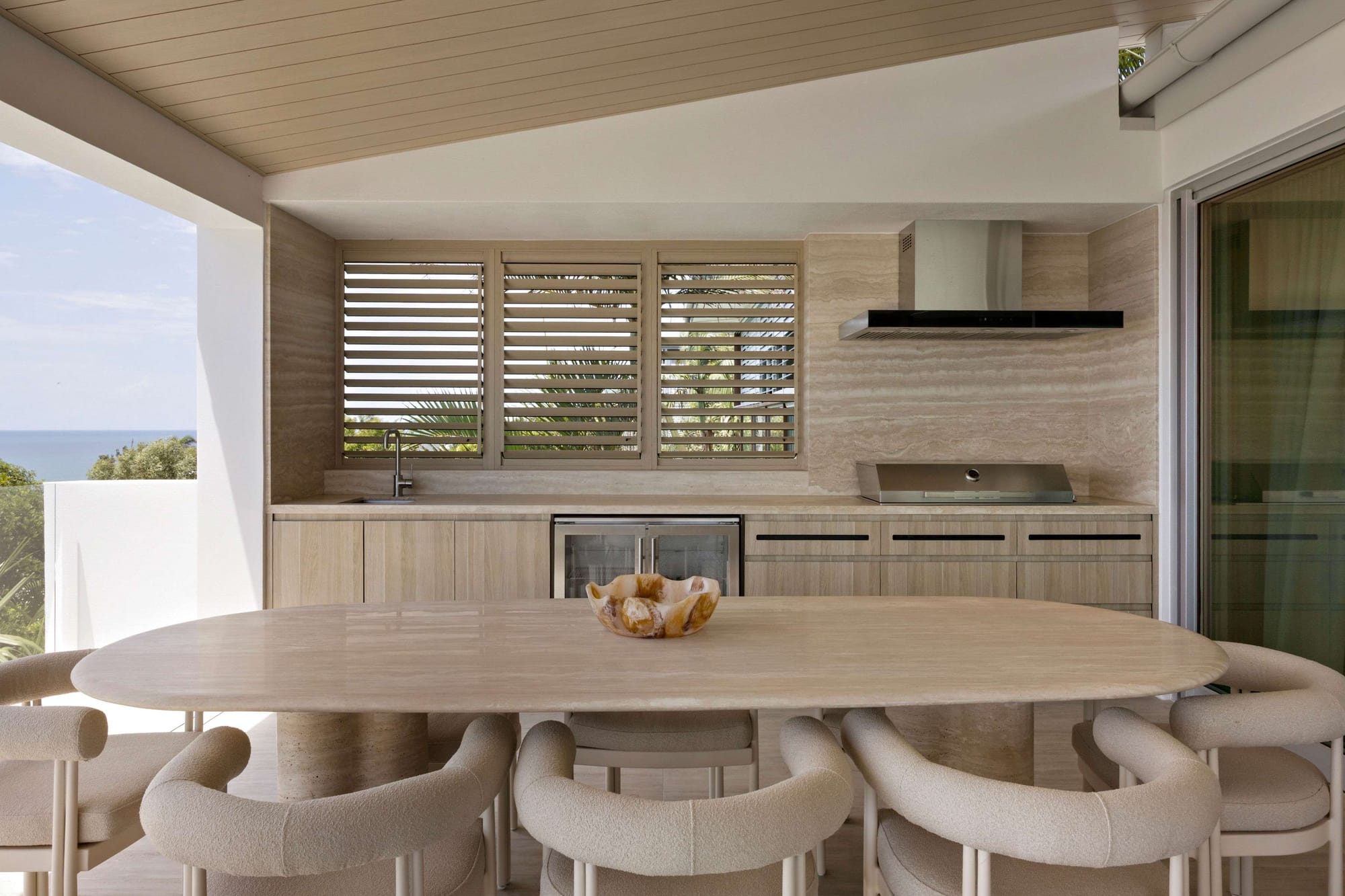
An outdoor kitchen is one of the most requested additions to alfresco builds in 2026, and the cost range is wide. A basic setup with a built-in barbecue, benchtop, and cabinet joinery starts at around $5,000 to $8,000. A premium outdoor kitchen with stone benchtops, a sink with plumbing, underbench refrigeration, a pizza oven, and custom cabinetry can reach $25,000 to $50,000 or more. For a full breakdown of what it costs to build or renovate a kitchen, check out our Kitchen Renovation Cost Guide.
The table below covers the most common additions and their approximate installed costs, including outdoor blinds and screens that help extend the usable season of an outdoor room. These are per-unit or per-item estimates; exact pricing depends on product specification and site conditions.
| Addition | Description | Approximate installed cost |
|---|---|---|
| Outdoor kitchen, basic | Built-in BBQ, benchtop, cabinetry | $5,000 – $8,000 |
| Outdoor kitchen, premium | Stone bench, sink, fridge, pizza oven, custom cabinetry | $25,000 – $50,000+ |
| Ceiling fan | Installed per fan | $300 – $700 |
| Outdoor downlights | Installed per light | $150 – $300 |
| Infrared or radiant heater | Installed per unit | $800 – $2,500 |
| Cafe blinds or zip-track screens | Installed per panel | $500 – $1,500 |
| Timber privacy screens | Per linear metre | $200 – $600 |
| Paving (surrounding area) | Per square metre | $80 – $250 |
Cost by State And Territory
Labour rates, material costs, and building code requirements all vary across Australia, and those differences show up in the final cost of a deck or alfresco. The figures below reflect total installed costs for a mid-range covered alfresco of approximately 30 square metres with a Colorbond roof and composite or hardwood timber decking floor.
| State / Territory | Typical cost range | Key factors |
|---|---|---|
| Queensland | $22,000 – $42,000 | Strong outdoor living culture and experienced builder pool. Cyclone-rated requirements in northern regions add cost. Louvre systems and ceiling fans are near-standard inclusions. |
| Western Australia | $24,000 – $45,000 | Among Australia's highest demand for covered outdoor entertaining. Most Perth builders offer well-developed packages. Regional WA freight costs apply. |
| New South Wales | $26,000 – $50,000 | Higher labour costs in Sydney metro push toward the upper end. BAL requirements in some areas affect material choices. |
| Victoria | $23,000 – $46,000 | Labour costs broadly comparable to Sydney; material costs can be slightly lower. Planning overlays in some councils add approval time. |
| South Australia | $20,000 – $38,000 | Generally more affordable labour market than east coast capitals. Strong appetite for outdoor entertaining in metropolitan Adelaide. |
| Australian Capital Territory | $25,000 – $48,000 | Limited builder competition relative to major capitals. Cold climate increases demand for enclosed or heated alfresco designs. |
| Tasmania | $21,000 – $40,000 | Climate considerations favour more enclosed structures. Freight costs for some imported materials apply. |
| Northern Territory | $28,000 – $55,000 | Tropical build requirements, cyclone ratings, and limited supplier competition make this the most expensive market. Darwin builds often prioritise covered, elevated decks. |
For renovation costs across Australia, see our guides for Melbourne, Sydney, Brisbane and Perth.
What Drives Costs Up or Down
Several factors have a greater influence on final deck cost or alfresco cost than the headline square metre rate suggests, and understanding them upfront helps you avoid surprises once quotes start coming in.
Site access and site conditions. A deck built over a sloping block requires additional engineering, more substructure work, and sometimes scaffolding or excavation than a flat site. Poor soil or reactive clay can affect footing design and increase structural costs. Site preparation and site access both play into the final invoice more than most homeowners expect.
Connection to the house. An alfresco that ties into the existing roof requires penetration of the weatherproofing envelope, coordinated flashing, and sometimes a building certifier or building surveyor inspection. This adds cost compared to a freestanding structure that does not connect to the main dwelling.
Material lead times. Some premium hardwoods, custom composite profiles, and imported louvre systems have extended lead times that can affect project scheduling and occasionally pricing.
Builder experience. A builder who specialises in outdoor living structures will typically produce a better outcome and a tighter quote than a general builder who builds a deck occasionally. It's worth asking a few builders for quotes and comparing line items, not just the total figure, so you understand exactly what's included.
Demolition or removal of existing structures. If a previous deck or pergola needs to come down before the new build begins, that cost sits outside the square metre rate and needs to be separately quoted.
Finishes and fixtures. The difference between standard Colorbond roof sheeting and insulated panel roofing, or between basic pine balustrades and frameless glass balustrades, can add $5,000 to $15,000 to a project of typical size.
Council Approval: What You Need to Know
One of the most common questions homeowners have about outdoor structures is whether they need council approval or a building permit. The answer depends on the state or territory, the size of the structure, deck heights, how close it sits to the property boundary, and whether it is attached to the main dwelling.
In most states, a freestanding pergola or deck below a certain height and area can be built as exempt development, meaning no planning approval or building permit is required. However, the thresholds vary, and other councils may apply different limits again. In New South Wales, exempt development provisions allow a deck up to 25 square metres without a permit under specific conditions, and some councils limit deck heights more tightly than others in the planning process. Victoria has similar provisions under the building regulations. Queensland operates under a different framework where class 10a structures (sheds, garages, pergolas, carports) below certain dimensions are self-assessable.
An attached covered alfresco or patio that ties into the house structure is typically treated differently from a freestanding pergola or verandah and more commonly requires a building permit. Bushfire attack level requirements are set out under the National Construction Code, published by the Australian Building Codes Board.
The practical advice here is to check with your local council and, ideally, engage a registered building designer or architect before committing to a build. A designer familiar with local council requirements can often structure a project to maximise what falls within exempt or complying development categories, reducing both approval time and overall cost. The co-architecture network includes designers across Australia who work regularly on residential outdoor living projects and can advise on approval pathways as part of the design process.
It is also worth noting that some councils require approval not just for the structure itself but for associated works such as retaining walls, drainage modifications, or changes to a heritage overlay. A site-specific check is always worth doing early, and it's a good habit to check the Bureau of Meteorology's wind and rain data for your region if you're weighing up how exposed a proposed alfresco location will be.
The Return on Investment Case
Outdoor living is one of the renovation categories with the clearest evidence of return at resale. Real estate agents and valuers consistently report that a well-designed and properly constructed deck or alfresco adds genuine value to a property, particularly in markets where outdoor entertaining is culturally valued.
The general industry guidance, drawing on valuer and real estate data, is that a quality outdoor living addition can return between 70 and 100 percent of its cost in added property value, though this varies significantly with the quality of the build, its alignment with the character of the street and neighbourhood, and the strength of the local market.
In practical terms, a $30,000 alfresco that increases the perceived liveability of a home may add $25,000 to $35,000 to its market value in a suburb where buyers actively seek outdoor entertaining. In markets where outdoor living is less prioritised, the return may be lower. But the lived value during ownership, the additional usable floor space, the way a well-designed outdoor room extends the effective size of a house, is a return that does not show up in a valuation.
The risk with outdoor living projects, as with any renovation, is overcapitalising relative to the street. A $120,000 outdoor kitchen and louvre alfresco on a $600,000 property in a suburb where comparable homes sell for $650,000 is unlikely to recover its cost. Matching the scale of investment to the property's position in its market is sound strategy.
For further context on how outdoor living additions sit within a broader renovation plan, including how to stage works and manage budget across multiple projects, see our guide to renovation costs in Australia. If you are considering an alfresco as part of a larger structural addition to the home, our article on home extension costs covers the key considerations in detail.
Frequently Asked Questions
How much does a deck cost per square metre in Australia in 2026?
Deck cost varies by material. Basic treated pine decking typically costs $200 to $400 per square metre installed. Hardwood timber decking such as spotted gum, merbau, or blackbutt ranges from $350 to $700 per square metre. Composite decking sits between $400 and $750 per square metre. Elevated decks add $100 to $200 per square metre to those figures due to the additional structural work required. These ranges reflect mid-market labour rates in major capital cities; rural and regional builds may attract freight and availability premiums that push the final cost higher.
Do I need council approval for a deck or alfresco in Australia?
It depends on the state or territory, the size and height of the structure, its distance from the property boundary, and whether it attaches to the main dwelling. Many states allow small freestanding decks and pergolas to be built as exempt development. Covered alfrescos that connect to the roofline of the house more commonly require a building permit. In bushfire-prone areas, additional requirements apply regardless of scale. The reliable approach is to check with your local council or engage a building designer before committing to a build.
What is the difference between an alfresco and a pergola?
A pergola is an open overhead structure, typically with a lattice or beam roof that provides partial shade but no weatherproofing. An alfresco is a covered outdoor area with a solid roof, usually attached to the main dwelling and designed for year-round use. Alfrescos typically involve greater structural integration with the house, are more likely to require a building permit, and carry a higher deck cost or alfresco cost overall. Many outdoor living builds combine elements of both, for example a solid roofed alfresco area adjacent to an open decked area with a pergola overhead.
How long does it take to build a deck or alfresco?
A straightforward ground-level timber deck of 20 to 30 square metres can typically be completed in three to five days by an experienced crew. An alfresco with a Colorbond roof takes one to two weeks for the primary construction. More complex projects, including those requiring a building permit, structural engineering, or detailed joinery such as an outdoor kitchen, may take four to eight weeks from start to finish, accounting for the approval and lead time periods. Site conditions, builder availability, and material delivery schedules all affect the timeline.
Is composite decking worth the extra cost compared to timber?
For most homeowners, yes, particularly in shaded or moisture-prone locations where timber boards are prone to cupping, splitting, or mould. The upfront cost premium for composite decking over basic treated pine decking is roughly $150 to $350 per square metre, but composite eliminates the ongoing maintenance cost of oiling, sanding, and resealing that timber decking requires every one to two years. Over a 20-year ownership period, the total cost of ownership for composite and well-maintained hardwood timber is often comparable. Composite also holds its appearance better in environments with heavy foot traffic, pool water exposure, or limited sunlight for drying.
What is the most expensive part of building an alfresco?
The roofing structure and its integration with the main dwelling typically represent the largest single cost component. A tiled or insulated panel roof that ties into the existing roofline requires structural engineering, careful detailing, and waterproofing work that adds significantly to the base construction cost. Outdoor kitchens with stone benchtops, plumbing, and built-in appliances are the second most common source of significant cost. The framing, decking boards, and finishing work, while not cheap, are generally less variable than the roof type and kitchen specification.