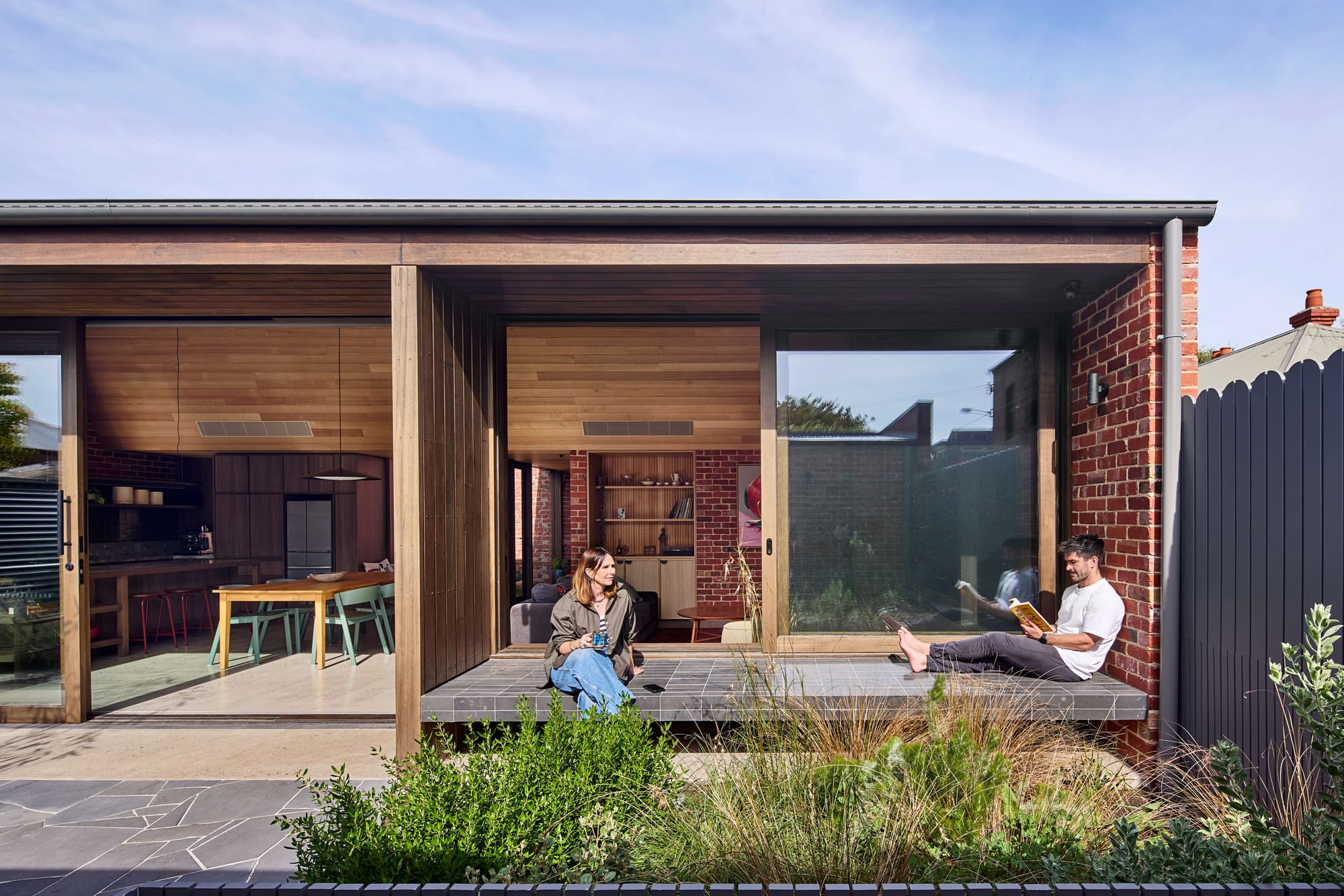
Every homeowner asks the same question before picking up a paintbrush or calling a builder. Will this renovation actually add value, or am I just spending money because I feel like the house needs it? In Australia's property market, where a single percentage point of value can mean tens of thousands of dollars, that question deserves a proper answer rather than a guess based on a renovation show.
The truth is that not all renovations are created equal. Some projects return more than they cost, some barely break even, and a few actually make a home harder to sell. This guide ranks the most common Australian renovations by realistic return on investment, based on how appraisers, agents, and builders assess resale value across the country. It also covers the two renovations most likely to disappoint you, kitchens and bathrooms, in enough depth to help you plan a project that pays for itself.
Setting Realistic Expectations Before You Start
Interest rates, building costs, and a slower resale market have made Australian homeowners far more cautious about where renovation money goes. A kitchen that cost 40,000 dollars in 2019 might cost 55,000 dollars today for the same result, which means the margin for error on a renovation budget has shrunk. This is not just a feeling, ABS pricing data shows input costs to house construction rose 3.8 percent in the year to June 2026, driven by higher material, freight, and fuel costs, while the output cost of house construction rose 5.9 percent over the same period, the fastest annual pace since mid 2023. Getting the ranking right before you start is now the difference between a renovation that lifts your equity and one that simply lifts your mortgage.
At the same time, homeowners are not holding back. ABS building activity data shows the value of alterations and additions work on Australian homes reached close to 4 billion dollars in the March 2026 quarter, up 10.2 percent on the same quarter a year earlier, which makes choosing the right renovation, rather than just any renovation, more valuable than ever.
The Rankings At A Glance
Here is how the most common renovation categories compare, ranked from highest return to lowest. These figures reflect the percentage of the renovation cost that is typically recovered in added home value at resale, based on Australian market data and industry benchmarks.
Fresh paint, interior and exterior: 90 to 100 percent return
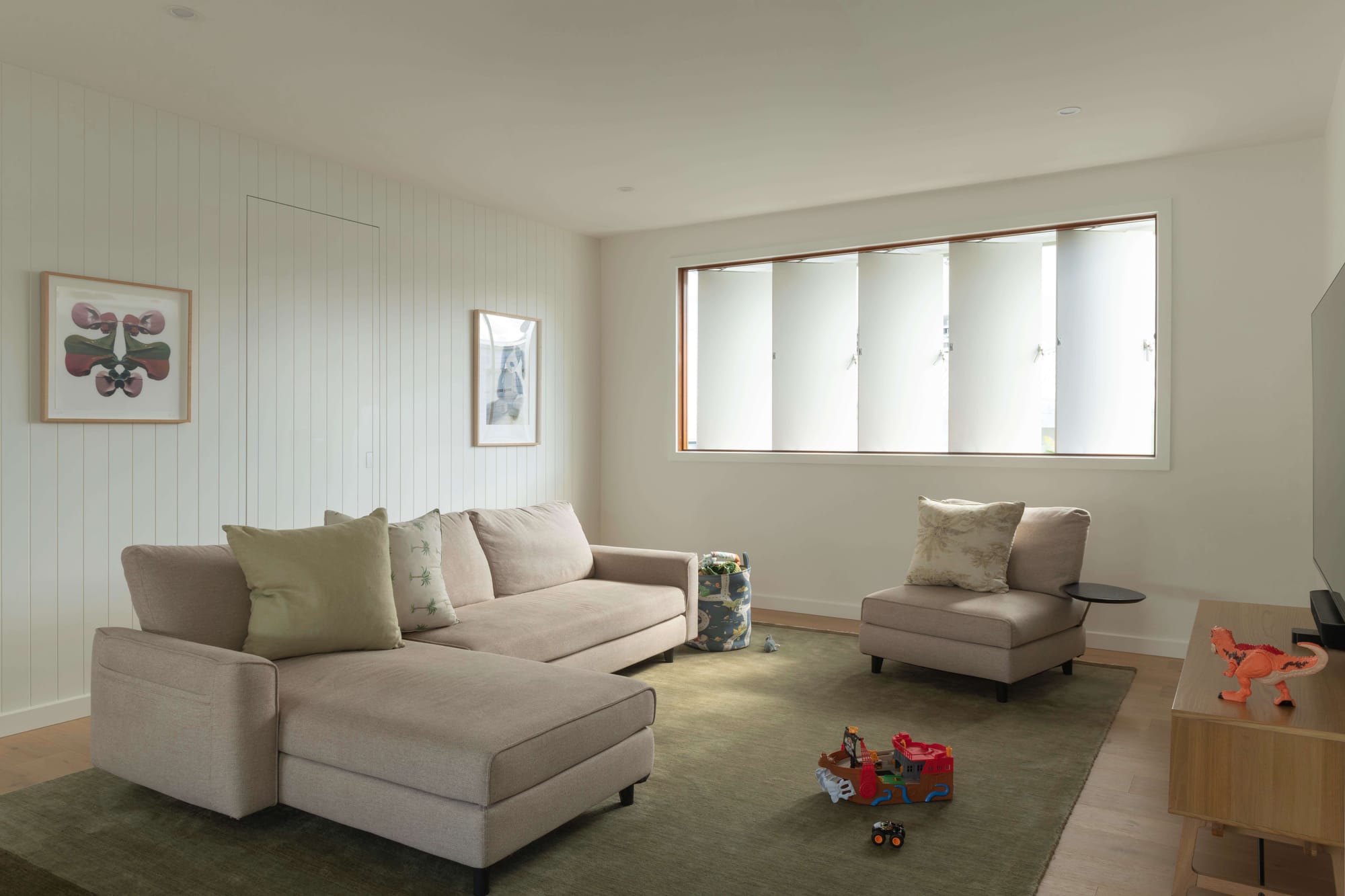
New flooring, including timber, hybrid, and quality carpet: 70 to 90 percent return
Kitchen renovation: 60 to 80 percent return
Bathroom renovation: 60 to 80 percent return
Outdoor living areas, including decks and alfresco spaces: 50 to 75 percent return
Landscaping and garden improvements: 50 to 70 percent return
A quick read of that list tells an important story. The cheapest, most cosmetic updates often deliver the highest percentage return, while the big ticket renovations that get the most attention on social media sit in the middle of the pack. That does not mean kitchens and bathrooms are not worth doing. It means they need to be done with discipline, which is exactly what the next two sections cover.
Kitchen Renovations: Where The Money Really Goes
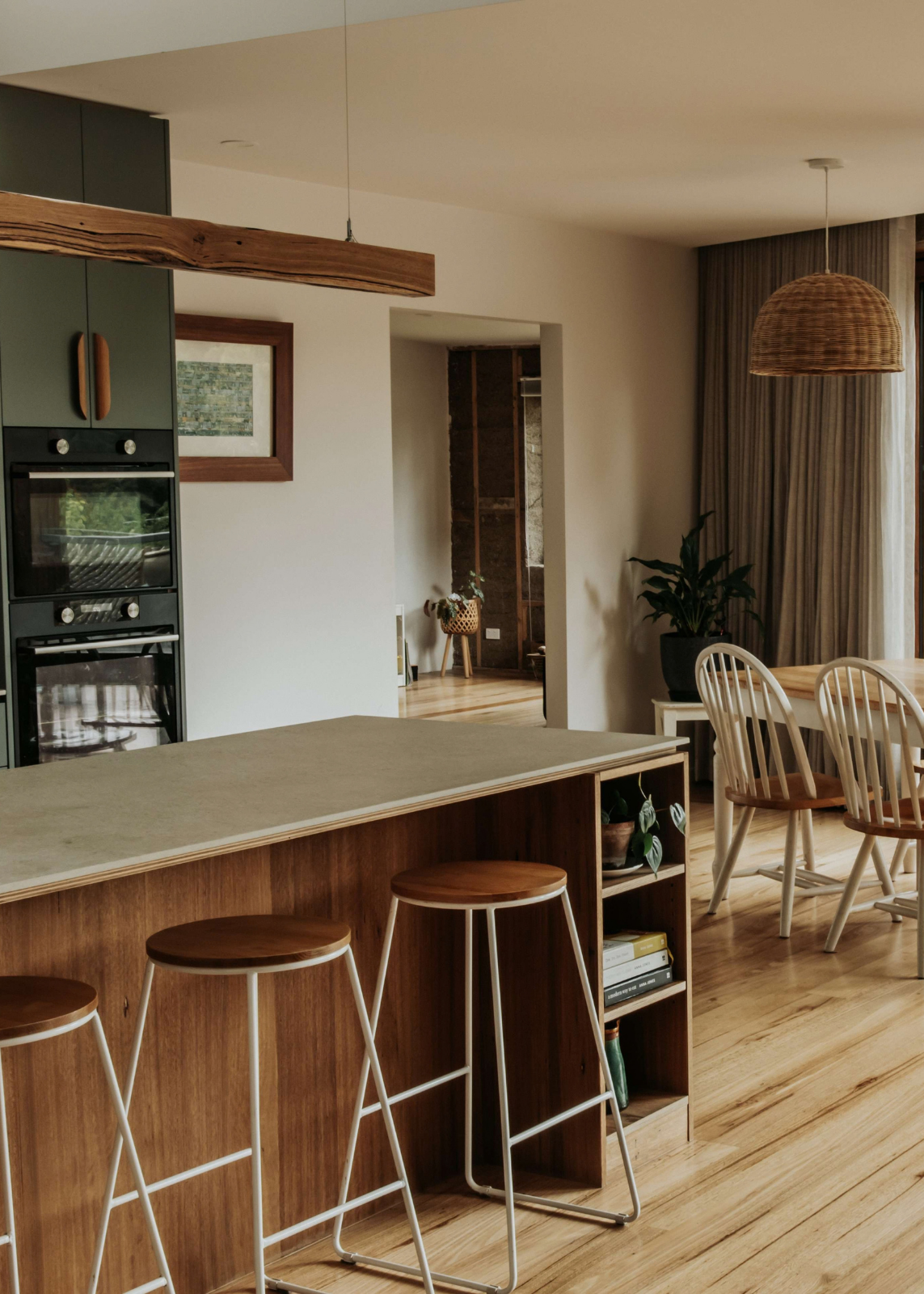
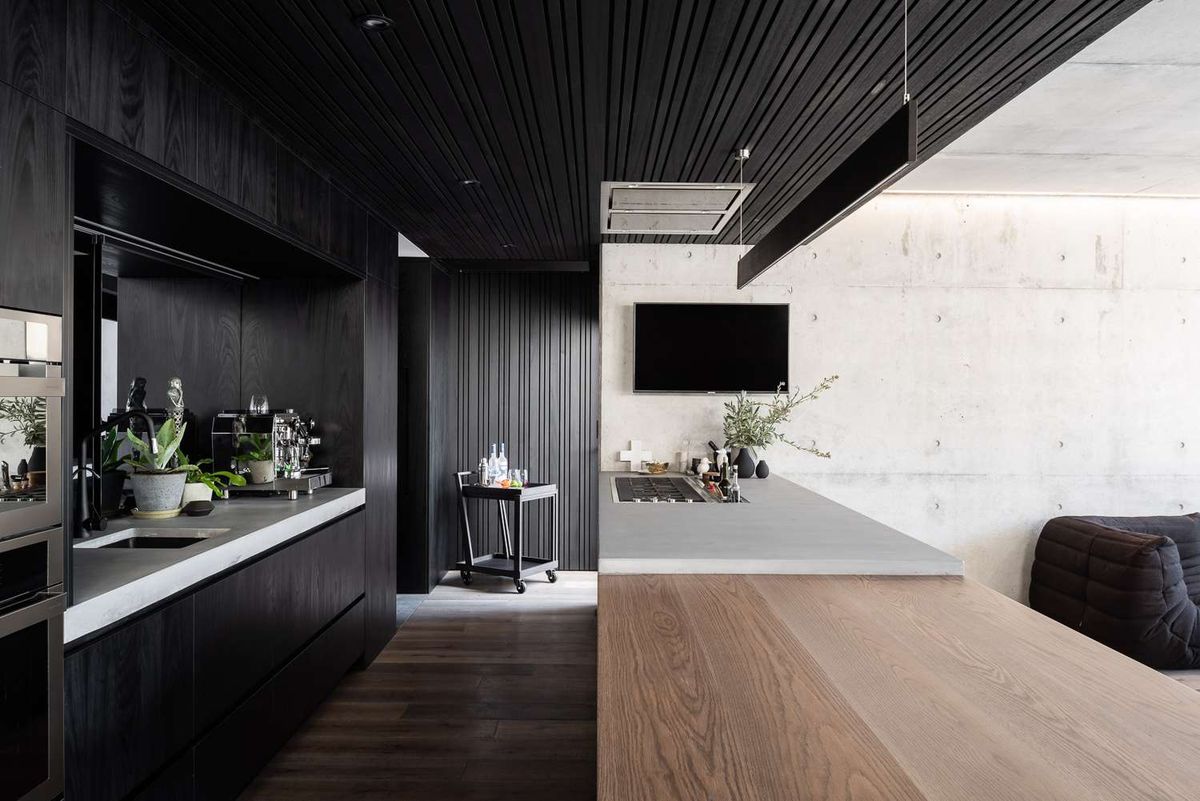
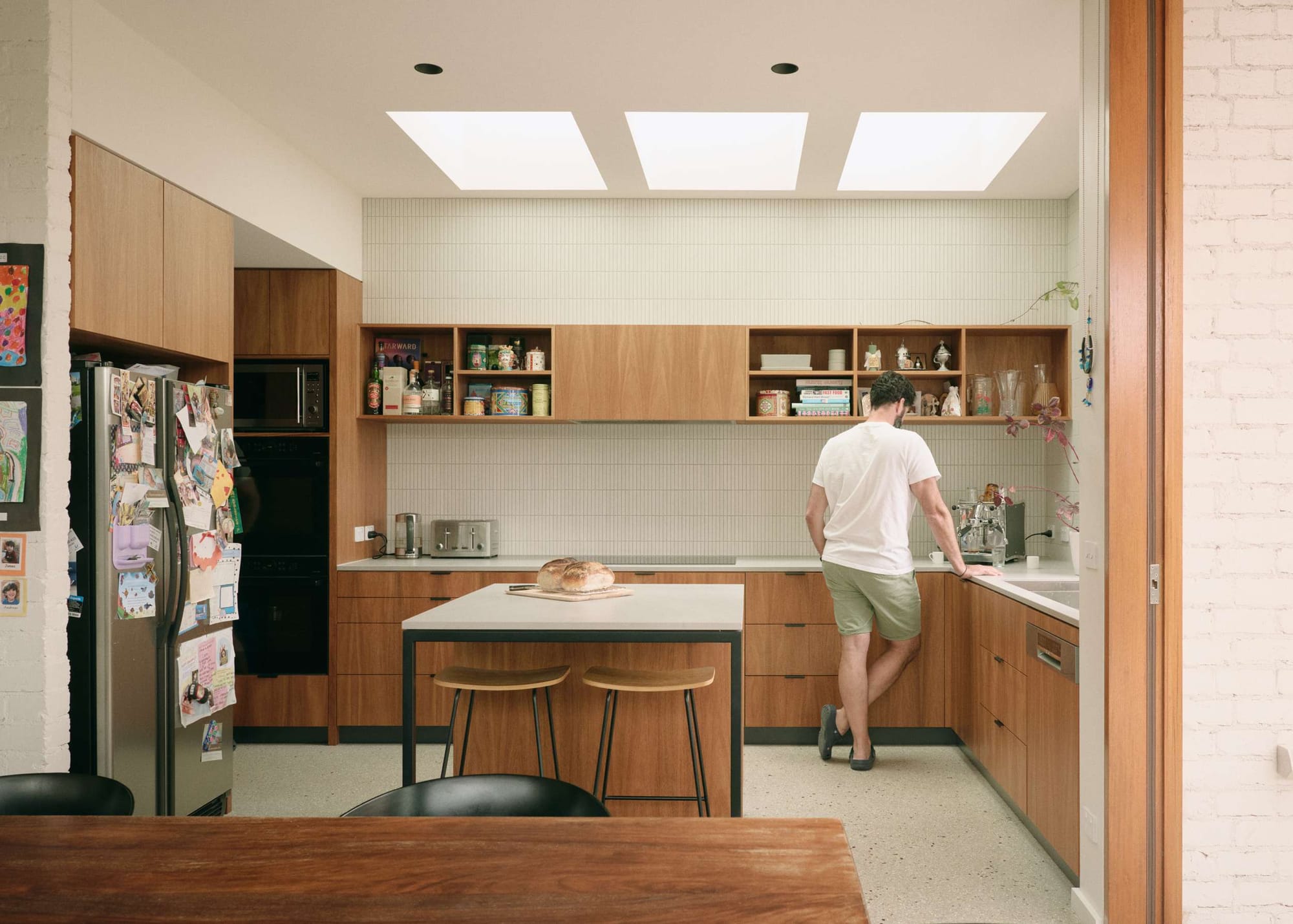
The kitchen is still the room that sells a house. Buyers walk in, and if the kitchen feels dated, cramped, or poorly laid out, it colours their impression of the entire property, even if every other room is beautifully finished. That emotional weight is why kitchens sit near the top of most renovation wish lists, and why they can also be the easiest place to overspend.
A well planned kitchen renovation in Australia typically returns 60 to 80 percent of its cost in added value. The renovations that land at the top of that range share a few characteristics. They improve the layout without moving plumbing or structural walls unnecessarily, since relocating a sink or gas line adds cost without necessarily adding perceived value. They use durable, neutral materials such as stone or engineered stone benchtops, quality laminate or timber veneer joinery, and tapware that will not look dated in five years. They also right size the spend to the house, meaning a mid range renovation in a mid range home, not a designer kitchen bolted onto a modest three bedroom house.
Where kitchen renovations lose money is almost always the same story. A homeowner installs a 60,000 dollar kitchen with imported stone, integrated appliances, and custom joinery in a suburb where the median house price sits well below what that kitchen implies. Buyers in that suburb are not shopping with a budget that accounts for a kitchen like that, so the extra spend simply does not come back at resale. The same 60,000 dollar kitchen in a premium suburb, where buyers expect and will pay for that standard of finish, can return close to its full cost.
Practical costs vary significantly depending on scope, from a cosmetic refresh of cabinet fronts and benchtops through to a full strip out and reconfiguration. If you want a detailed breakdown of what different kitchen renovation scopes cost across Australia, our kitchen renovation cost guide walks through pricing by renovation type, from budget updates to full custom builds.
Bathroom Renovations: Small Room, Big Impact
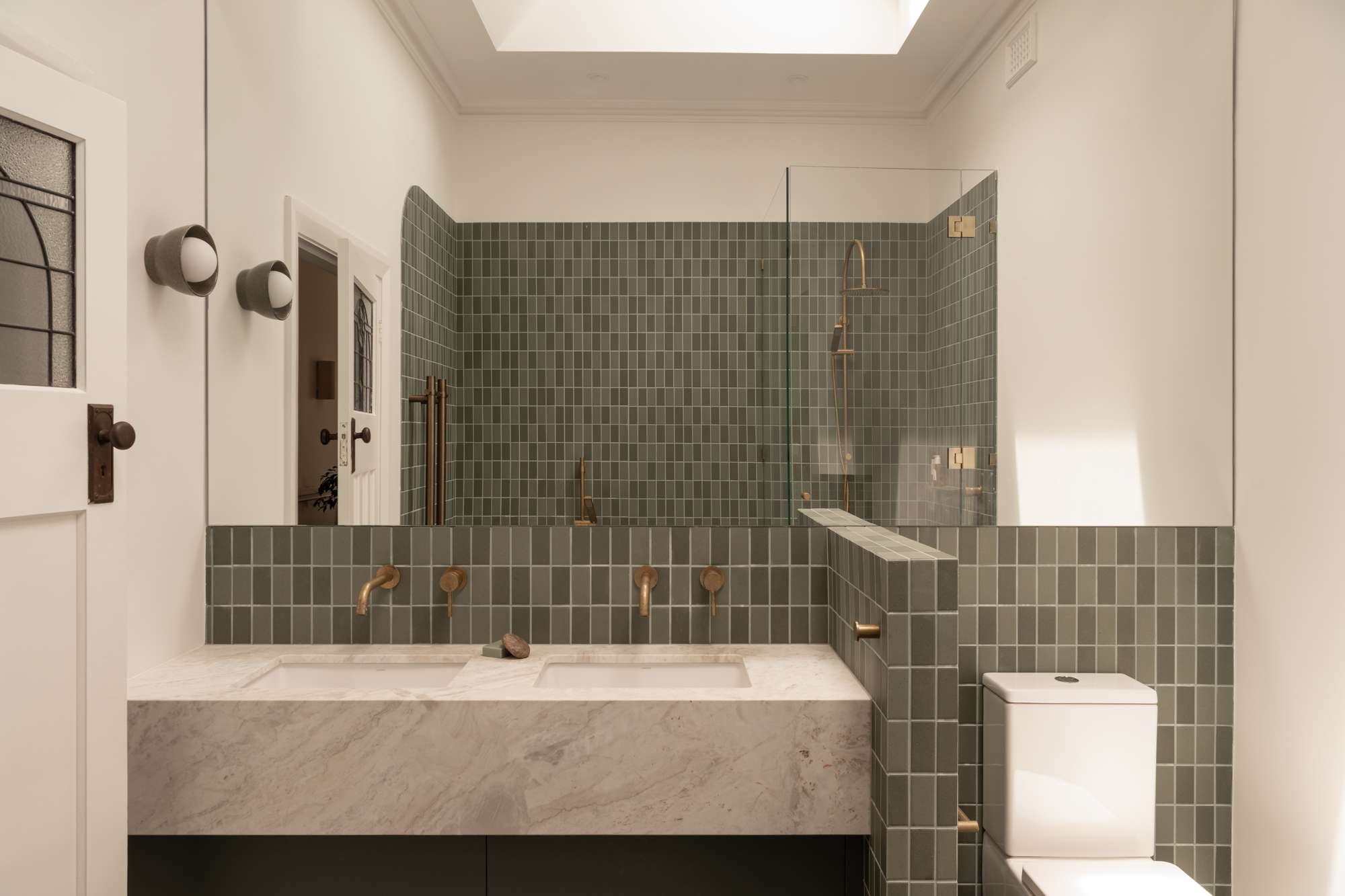
Bathrooms punch above their weight in renovation value for one simple reason. They are small enough that a full renovation is achievable on a moderate budget, but they are used daily and inspected closely by buyers, which means poor condition stands out immediately. A cracked tile, a leaking shower screen, or a dated vanity can make an otherwise well kept home feel neglected.
Like kitchens, bathroom renovations typically return 60 to 80 percent of their cost in added value, and the same principles apply. Waterproofing has to be done properly, since a bathroom that leaks into the subfloor within two years is a renovation disaster story waiting to happen, and it is also one of the most common defects flagged in building and pest inspections before a sale. Layout changes that improve function, such as separating the toilet from the shower and vanity in a family bathroom, tend to add more value than purely cosmetic upgrades. Fixtures and tiling should match the era and standard of the home rather than chasing the most current trend, since bathrooms are renovated less frequently than kitchens and need to age well over a ten to fifteen year horizon.
The renovations that underperform here usually involve unnecessary luxury additions, such as freestanding baths in homes where no one bathes, oversized rain shower systems with complex plumbing, or heated floors in a climate where most buyers will not pay extra for the feature. These additions are lovely to live with, but they rarely show up as extra dollars at settlement.
If you are scoping a bathroom project and want realistic numbers before you brief a builder, our bathroom renovation cost guide breaks down typical costs for a mid range and a premium bathroom renovation in the current market.
Cosmetic Updates With The Best Return
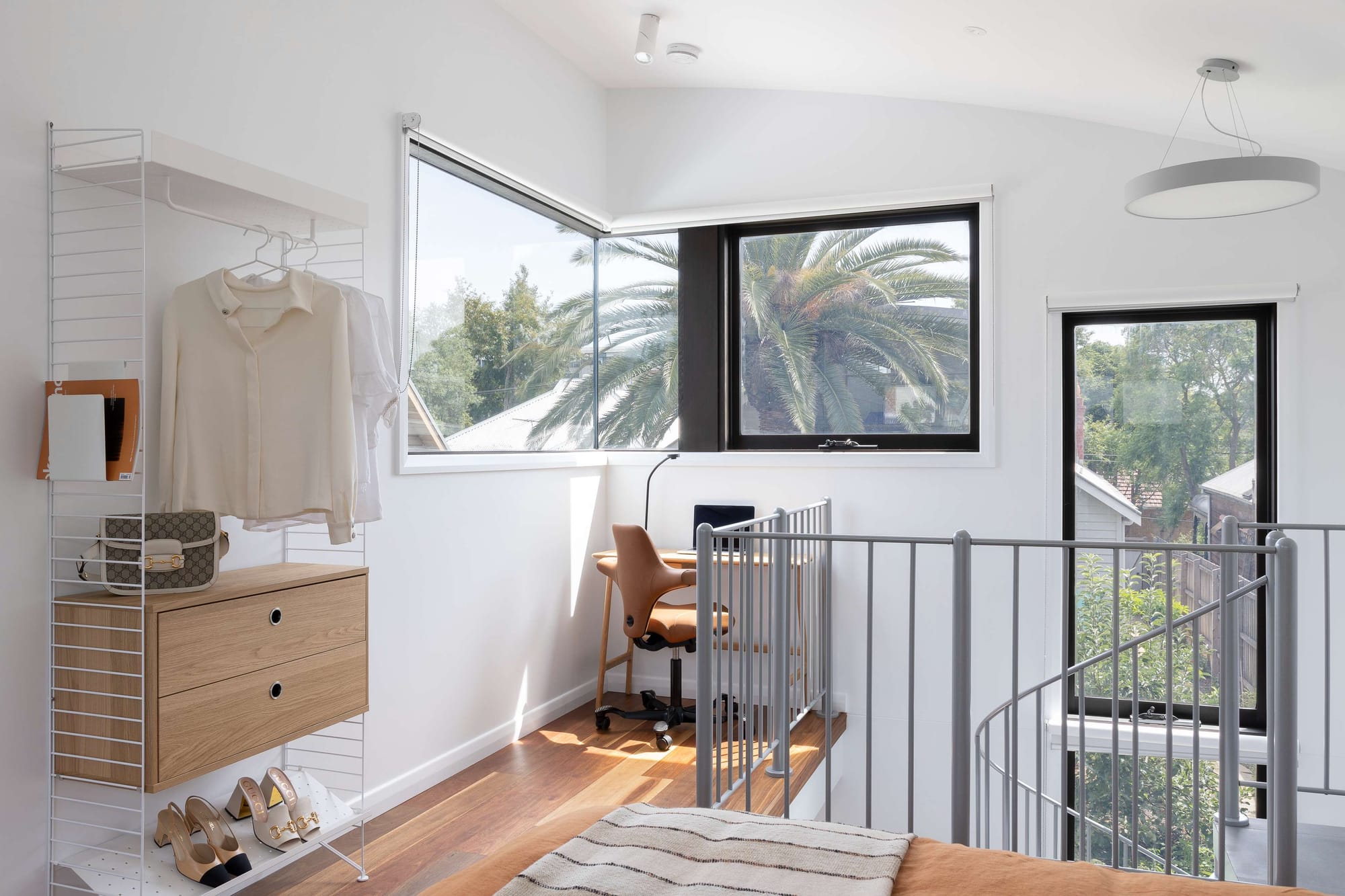
If you take one thing away from this article, let it be this. The renovations that return the most money for the least outlay are cosmetic, not structural. Fresh paint throughout a home, done well with proper preparation and a neutral, contemporary colour palette, routinely returns 90 to 100 percent of its cost. It is the single highest returning renovation available to most homeowners, largely because the cost is low relative to the transformation in how a home presents.
New flooring follows a similar pattern, returning 70 to 90 percent depending on the material chosen. Replacing tired carpet with quality hybrid or timber look flooring modernises a home instantly and photographs well for a sale listing, which matters more than most people realise in a market where the majority of buyers decide whether to inspect a property based on the online photos alone.
Outdoor living spaces, including decks, alfresco areas, and covered entertaining zones, return 50 to 75 percent of their cost. These spaces have become more valuable since Australians started spending more time entertaining and relaxing at home, and a well built deck or alfresco area extends a home's usable living space in a way buyers respond to strongly, even if the dollar return sits below paint and flooring. For a detailed look at what a deck or alfresco addition costs and how to plan one that adds genuine value, our deck and alfresco guide covers layout options, material choices, and realistic budgets.
Landscaping and garden improvements round out this group with a 50 to 70 percent return. Kerb appeal genuinely affects how buyers feel before they even walk through the front door, and simple improvements such as tidy garden beds, a refreshed lawn, and a well maintained front entrance can lift a first impression significantly for a relatively small spend. Elaborate garden designs and expensive hardscaping tend to have a lower return, since most buyers value tidiness and low maintenance over horticultural ambition.
Renovations That Rarely Pay Off
Not every renovation belongs on a value ranking, because some renovations simply do not return their cost in most Australian markets. Understanding these traps is just as important as knowing what does work.
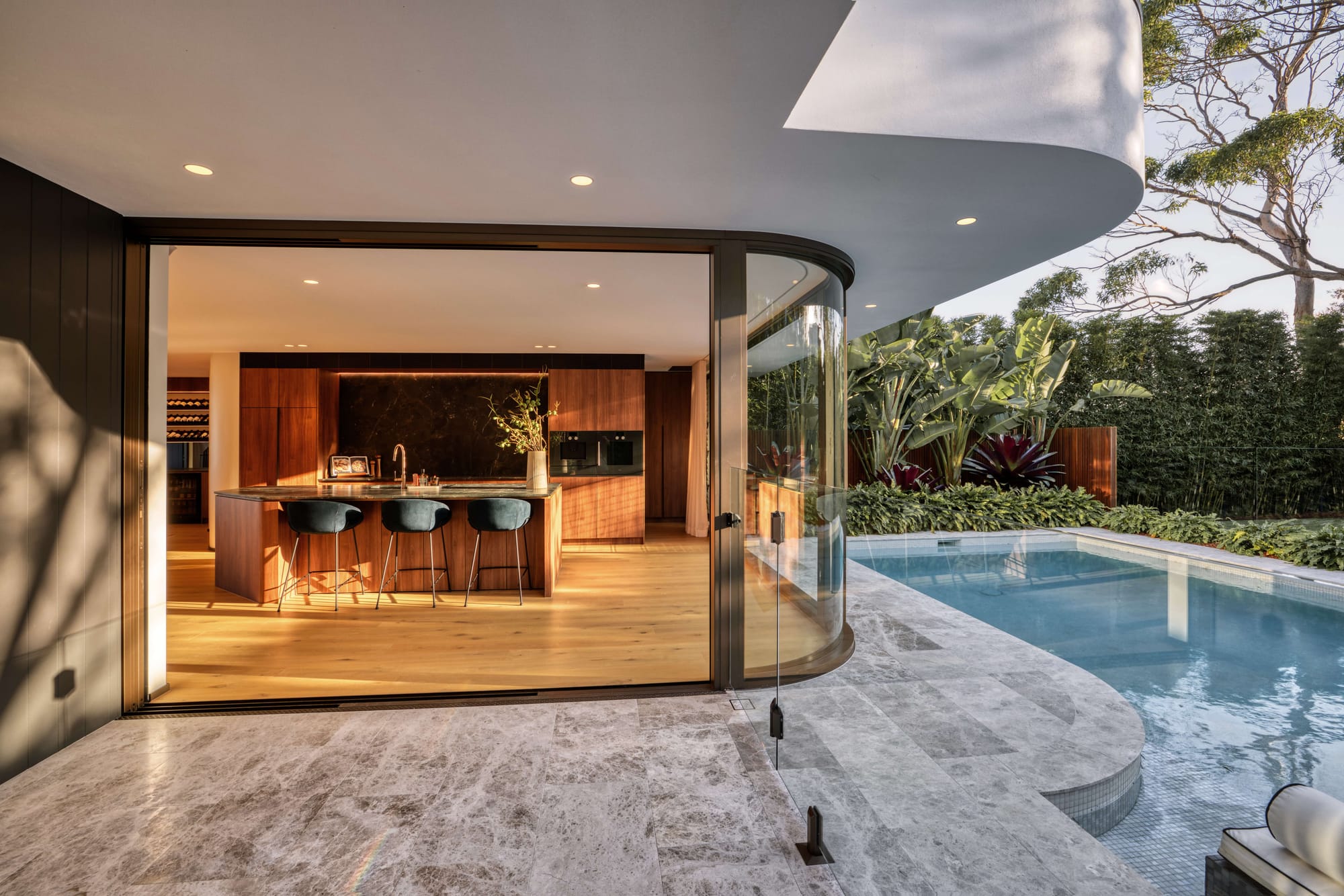
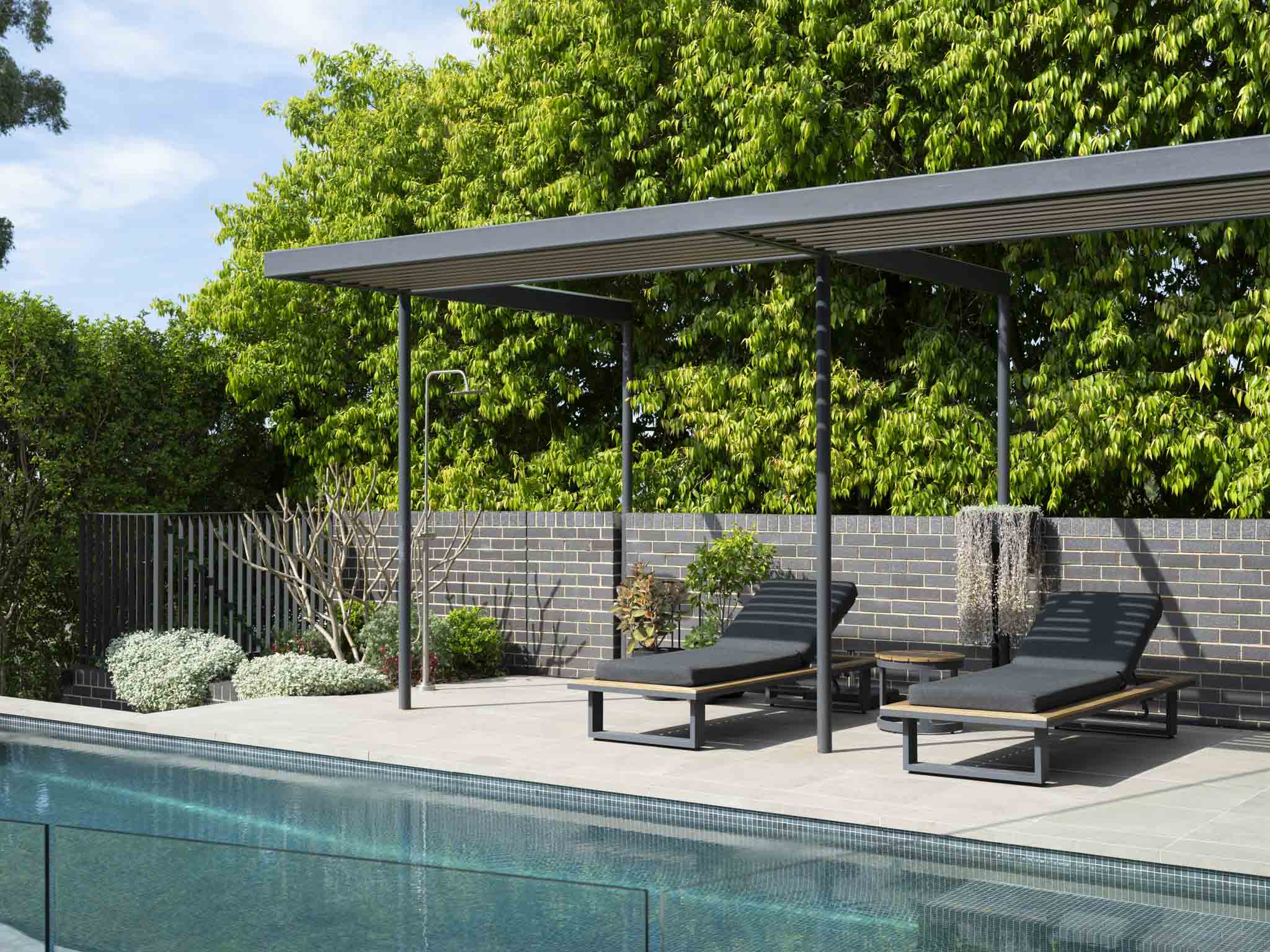
Swimming pools are the most commonly cited example, and for good reason. A pool typically costs between 40,000 and 80,000 dollars to install, along with ongoing maintenance costs that many buyers factor in as a negative rather than a positive. In cooler climates, or in family focused suburbs where safety and maintenance concerns weigh heavily on buyer decisions, a pool can actually narrow your buyer pool rather than widen it. Even in warmer states where pools are more expected, the resale value added rarely covers the installation cost, let alone years of running expenses. A pool is best thought of as a lifestyle purchase for your own enjoyment, not a value adding renovation.
Overspecifying for the suburb is the second major trap, and it applies to almost any renovation category. This happens when a homeowner renovates to a standard that exceeds what buyers in that specific suburb expect and are willing to pay for. A marble waterfall benchtop and full smart home automation system might be entirely appropriate in a premium coastal suburb, but the same features added to a modest home in a working suburb will not return their cost, because the ceiling on what buyers will pay in that suburb is set by the surrounding market, not by the quality of your renovation. This is the single most common way homeowners lose money on renovations, and it deserves its own detailed treatment, covered in the next section.
Other renovations that commonly underperform include highly personalised built in features such as home theatres with specialist wiring, elaborate wine cellars, and single purpose rooms like dedicated home gyms with permanent flooring and mirrored walls. These features suit a small slice of buyers and can actively deter others, who see rework costs rather than added value.
How To Avoid Overcapitalising On Your Renovation
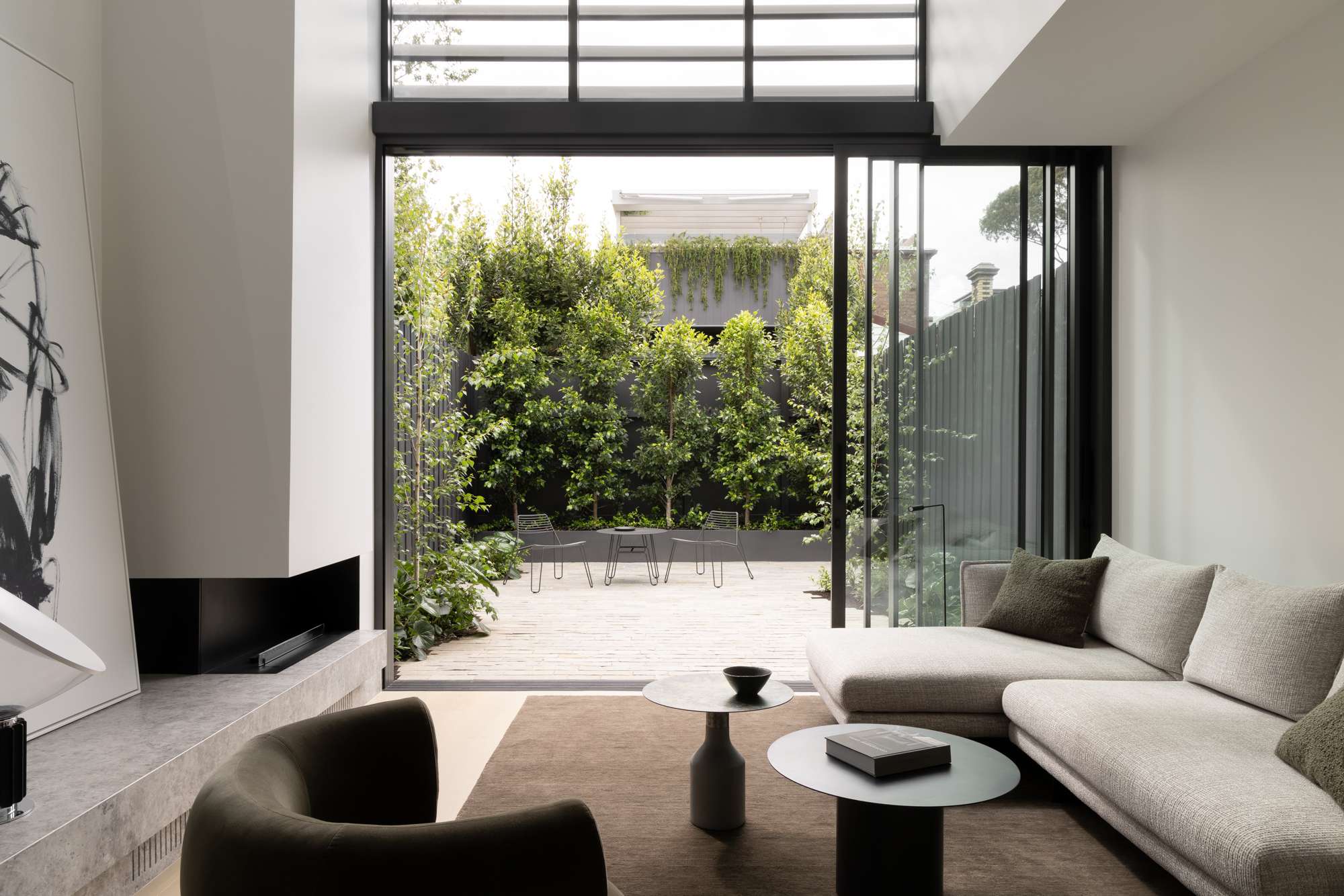
Overcapitalising means spending more on a renovation than the home will return in added value, and it is the single biggest financial risk in any renovation project. Fortunately, there are two reliable rules that help Australian homeowners avoid it.
The first is the two to three percent per room rule. As a general guide, spending between two and three percent of your home's current value on each major room renovation keeps you within a range that is likely to return its cost at resale. For a home valued at 700,000 dollars, that suggests a kitchen or bathroom budget somewhere between 14,000 and 21,000 dollars for a solid mid range result, scaling up for larger or more complex renovations. This is a guide rather than a strict formula, but it is a useful gut check before you commit to a scope of works, especially when a builder or designer presents options that sit well above that range.
The second is understanding your suburb ceiling. Every suburb has a practical upper limit on home value, driven by what buyers in that area are able and willing to pay, regardless of how much money is spent on the home itself. Renovating beyond that ceiling means the extra spend simply will not come back, no matter how well the work is executed. Before committing to a premium renovation, it is worth researching recent comparable sales in your suburb to understand where that ceiling sits, and speaking with a local agent about what buyers in your specific market actually respond to and pay for. A renovation that would be excellent value in one suburb can be a significant loss in another, purely because of location rather than quality.
Together, these two rules act as a practical guardrail. The percent per room rule keeps individual renovation budgets sensible relative to your home's value, while the suburb ceiling keeps your overall renovation strategy aligned with what the local market will actually support.
If you are planning a renovation and want a clear picture of realistic costs before you start, our complete renovation cost guide is a good starting point, covering budget ranges across every major renovation category so you can plan a project that fits both your home and your suburb.
Ready to plan a renovation that actually adds value? Book a free consultation with our design team and we will walk you through what will genuinely pay off in your specific home and suburb, before you spend a dollar on the wrong scope.
Frequently Asked Questions
What renovation adds the most value to a house in Australia?
Fresh interior and exterior paint delivers the highest return of any common renovation, typically recovering 90 to 100 percent of its cost in added home value. It is inexpensive relative to the transformation it creates and appeals to almost every buyer, which is why it consistently outperforms larger renovations on a percentage basis.
Do kitchen renovations really add value to a house?
Yes, kitchen renovations typically return 60 to 80 percent of their cost in added value, making them one of the better performing major renovations. The return depends heavily on matching the renovation standard to the suburb and avoiding unnecessary structural changes such as relocating plumbing without good reason.
Is it worth putting in a pool to increase home value?
In most cases, no. A pool typically costs 40,000 to 80,000 dollars to install and rarely returns that cost in added resale value, particularly in cooler climates or family focused suburbs where maintenance and safety concerns can actually narrow your buyer pool. A pool is best viewed as a lifestyle investment rather than a value adding renovation.
How much should I spend on a kitchen or bathroom renovation?
A useful guide is the two to three percent rule, which suggests spending between two and three percent of your home's current value on each major room renovation. For a 700,000 dollar home, that translates to a budget of roughly 14,000 to 21,000 dollars for a solid mid range kitchen or bathroom result, with adjustments for larger or more complex scopes.
What does overcapitalising on a renovation mean?
Overcapitalising happens when the money spent on a renovation exceeds the value it adds to the home at resale. It commonly occurs when a renovation is finished to a standard above what buyers in that specific suburb expect and are willing to pay for, meaning the extra spend does not come back even if the work itself is high quality.
Does landscaping actually increase a home's sale price?
Landscaping and garden improvements typically return 50 to 70 percent of their cost, largely by improving kerb appeal and first impressions. Simple, tidy improvements such as refreshed garden beds and a well maintained entrance tend to perform better than elaborate or high maintenance garden designs.
Are outdoor living spaces like decks worth building before selling?
Outdoor living areas, including decks and alfresco spaces, typically return 50 to 75 percent of their cost and have become increasingly valuable to Australian buyers who prioritise usable outdoor entertaining space. They tend to perform best when they extend naturally from existing living areas rather than sitting as a separate, disconnected addition.
The Bottom Line On Renovating For Value
The renovations that consistently add the most value in Australia are not always the ones that generate the most excitement. Paint and flooring quietly outperform kitchens and pools on a percentage basis, kitchens and bathrooms remain solid investments when scoped to suit the suburb, and a small number of popular renovations, particularly pools and overspecified finishes, rarely earn back what they cost. The two to three percent per room rule and an honest read of your suburb ceiling are the two most reliable tools for keeping any renovation on the right side of that line.
If you are weighing up a renovation and want to make sure your budget matches both your home and your market, our team can help you plan a scope that is built around genuine value, not guesswork. Get in touch to book a renovation planning session and start your project with the numbers on your side.