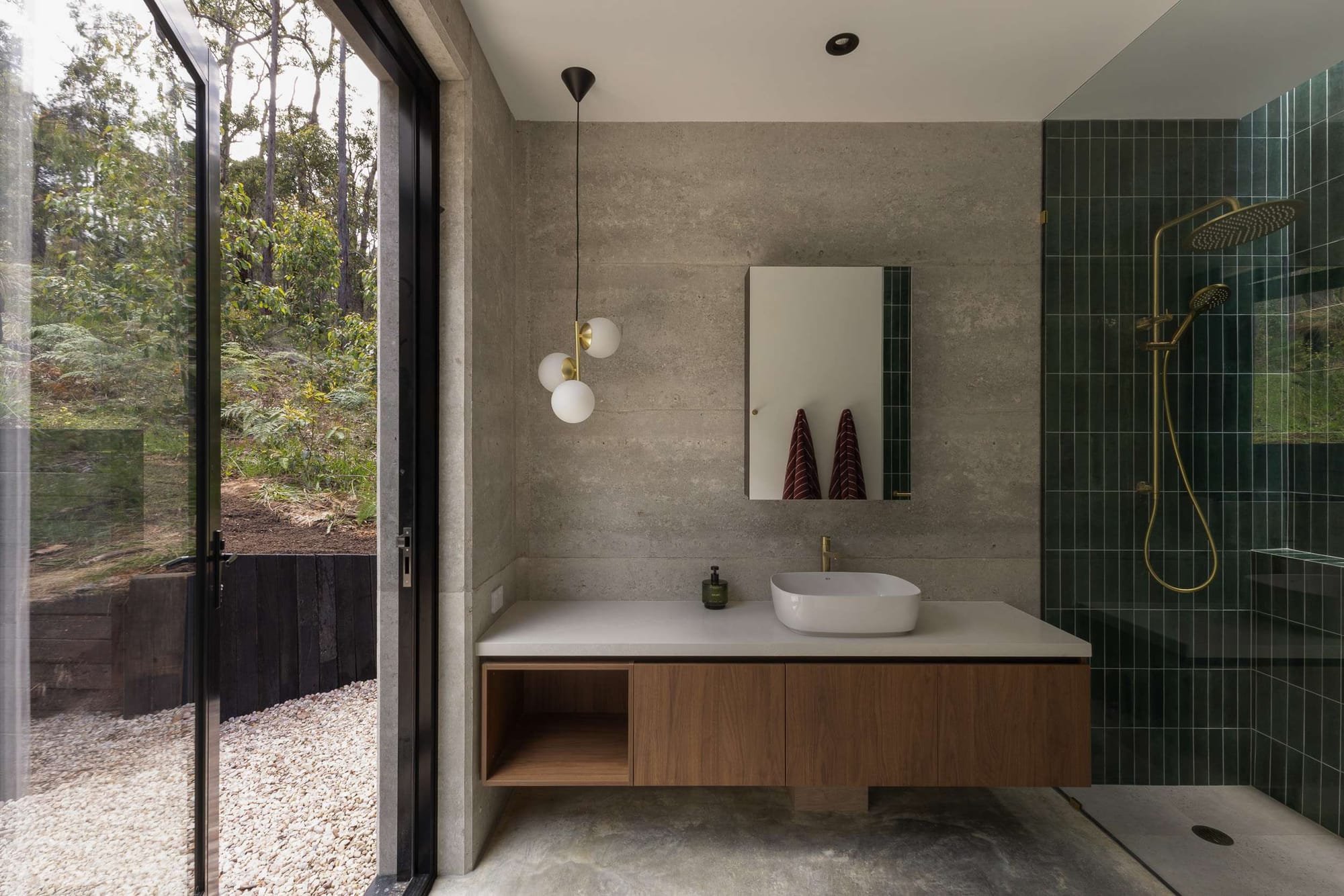
Renovating a bathroom is one of the most impactful upgrades you can make to your home. According to the Housing Industry Association Kitchens and Bathrooms Report 2025, the national average spend on a bathroom renovation in Australia sits at $26,000, though what you actually pay depends heavily on the size of your space, the fittings you choose, your location, and what surprises the walls reveal once demolition begins.
This guide breaks down bathroom renovation costs across every scope, bathroom type, and state so you can budget accurately before the first tile is pulled.
For the full national picture including a state-by-state comparison and a free cost calculator, see our home renovation cost guide for Australia.
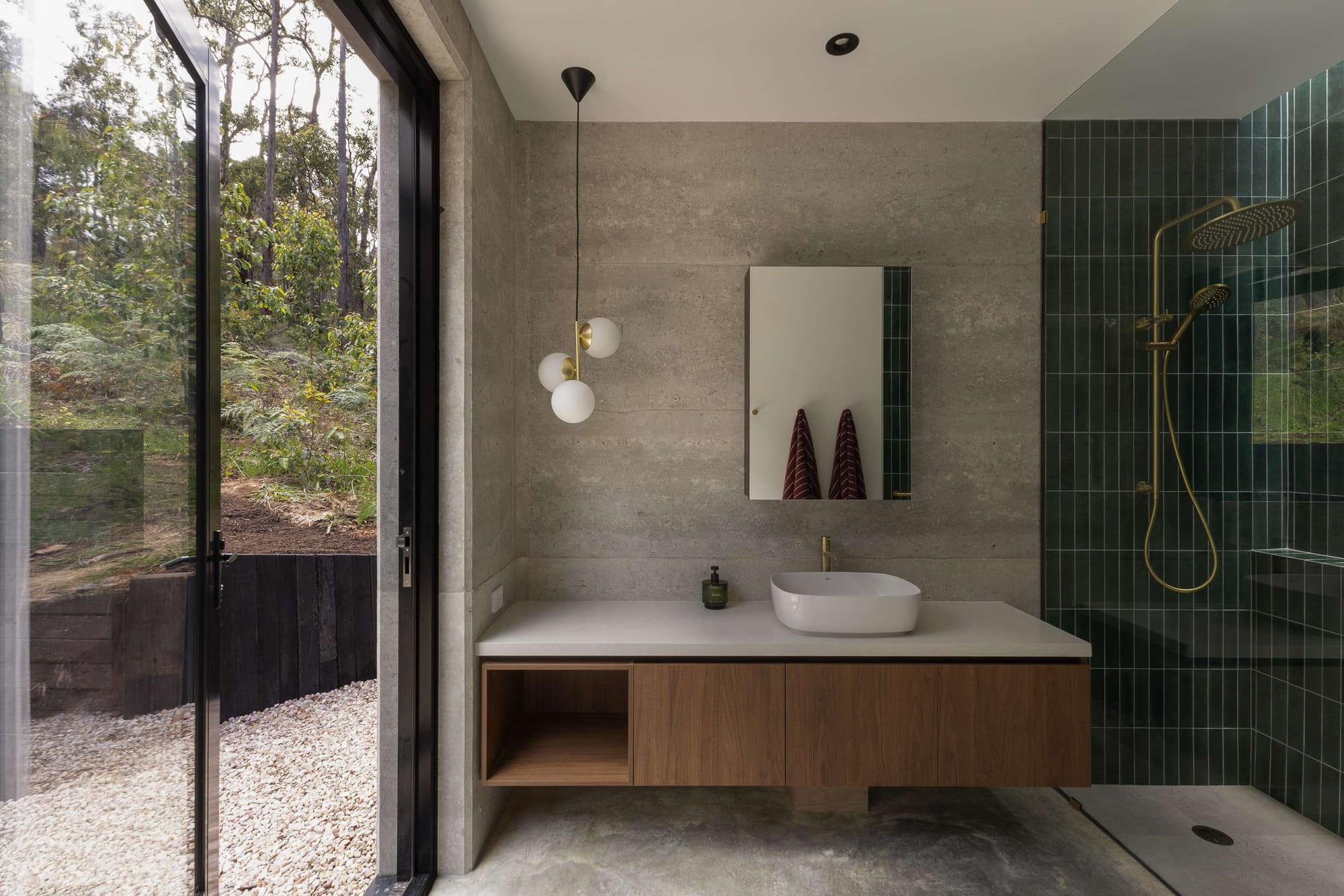
Renovation Cost at a Glance
| Scope | Typical Cost Range | What It Includes |
|---|---|---|
| Cosmetic refresh | $5,000 to $10,000 | New tapware, vanity, accessories, paint |
| Mid-range renovation | $15,000 to $30,000 | Full retile, new fixtures, new waterproofing |
| Premium renovation | $35,000 to $60,000 | Custom joinery, designer fixtures, layout changes |
| Luxury fitout | $60,000 and above | Full structural work, bespoke finishes, premium brands |
These ranges assume a standard 4 to 7 square metre bathroom in a metropolitan area. Costs are significantly affected by whether you are changing the layout, the condition of existing waterproofing, and access constraints in older or strata-titled buildings.
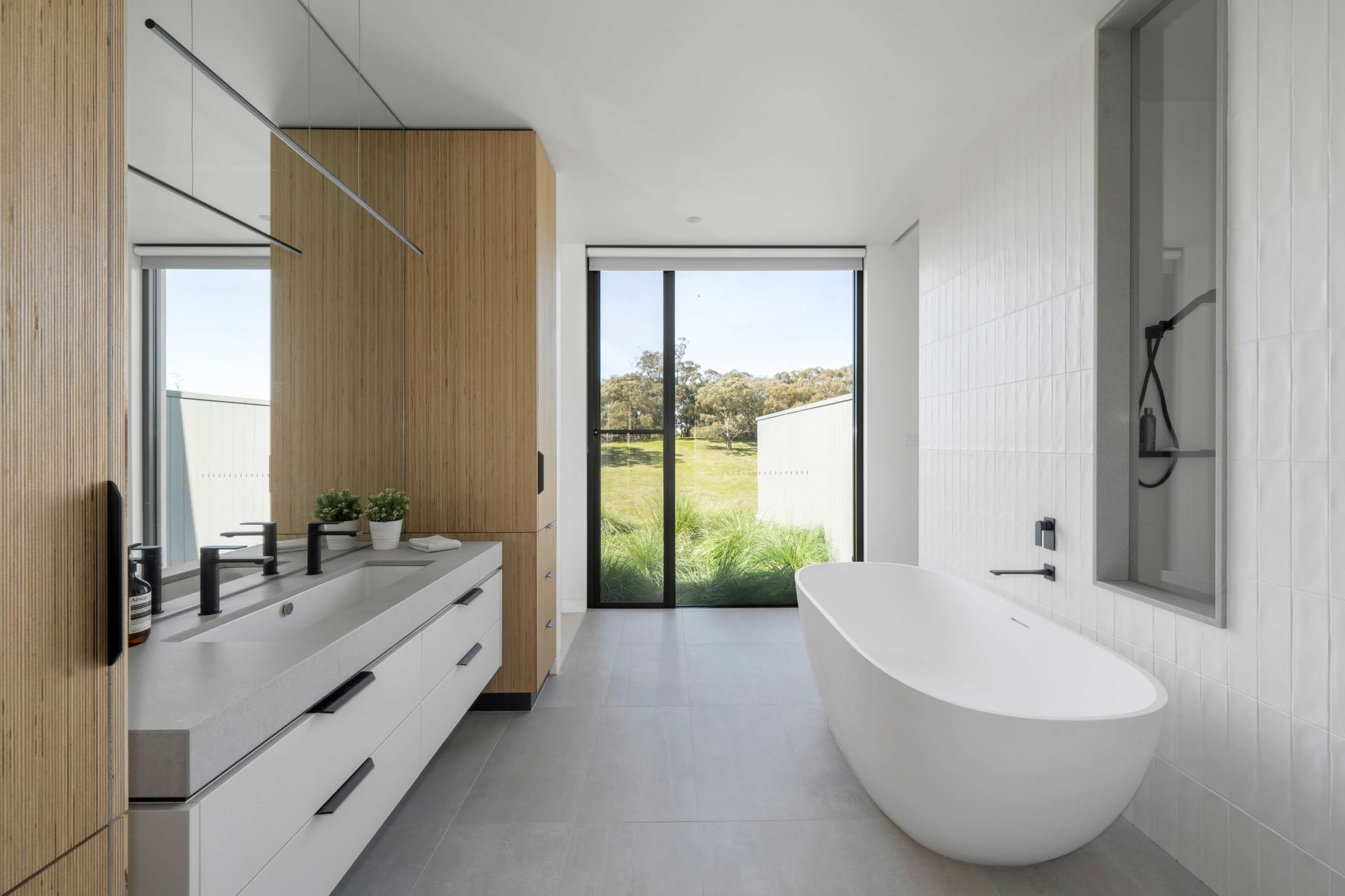
Cost by Bathroom Type
Not all bathrooms cost the same per square metre. Counterintuitively, smaller bathrooms often cost more per square metre than larger ones because fixed costs like waterproofing, tiling labour, and plumbing rough-in are spread across fewer tiles and a tighter footprint. The relationship inverts as size increases.
| Bathroom Type | Typical Size | Average Renovation Cost | Cost per m² |
|---|---|---|---|
| Powder room (toilet and basin only) | 2 to 3 m² | $6,000 to $14,000 | $3,000 to $4,700 |
| Standard bathroom | 4 to 6 m² | $20,000 to $35,000 | $3,000 to $8,700 |
| Family bathroom | 6 to 9 m² | $22,000 to $38,000 | $2,500 to $4,200 |
| Ensuite | 3 to 5 m² | $15,000 to $30,000 | $3,500 to $6,000 |
| Large master ensuite | 9 to 14 m² | $35,000 to $65,000 | $2,200 to $4,600 |
The inverse square metre relationship is most pronounced in ensuites, where premium fixture choices in a compact layout push the per-square-metre figure above even a larger bathroom renovation. A large master ensuite benefits from economies of scale in tiling and waterproofing labour even as fixture quality increases.
Budget Level Breakdown
| Budget Level | Cost Range | Fixture Brands | Tile Spend | Labour Quality |
|---|---|---|---|---|
| Entry level | $10,000 to $18,000 | Caroma, Dorf | $40 to $80 per m² | Licensed trades, standard finishes |
| Mid market | $20,000 to $35,000 | Parisi, Rogerseller | $80 to $180 per m² | Experienced specialists |
| Premium | $38,000 to $60,000 | Brodware, Apaiser | $180 to $400 per m² | Master tradespeople, detailed coordination |
| Luxury | $65,000 and above | Agape, Fantini, bespoke | $400 and above per m² | Boutique builders, architect-coordinated |
Entry-level renovations using Caroma and Dorf tapware and sanitaryware can deliver a clean, functional result without sacrificing reliability. Both brands are widely distributed, carry long warranties, and are well supported by Australian plumbers. Mid-market projects frequently specify Parisi or Rogerseller for their blend of European aesthetics and local availability. Premium projects increasingly feature Brodware, an Australian-designed tapware brand manufactured to exacting tolerances, which pairs well with custom vanity joinery and large-format stone tiles.
The Hidden 60 Percent: Where Your Budget Actually Goes
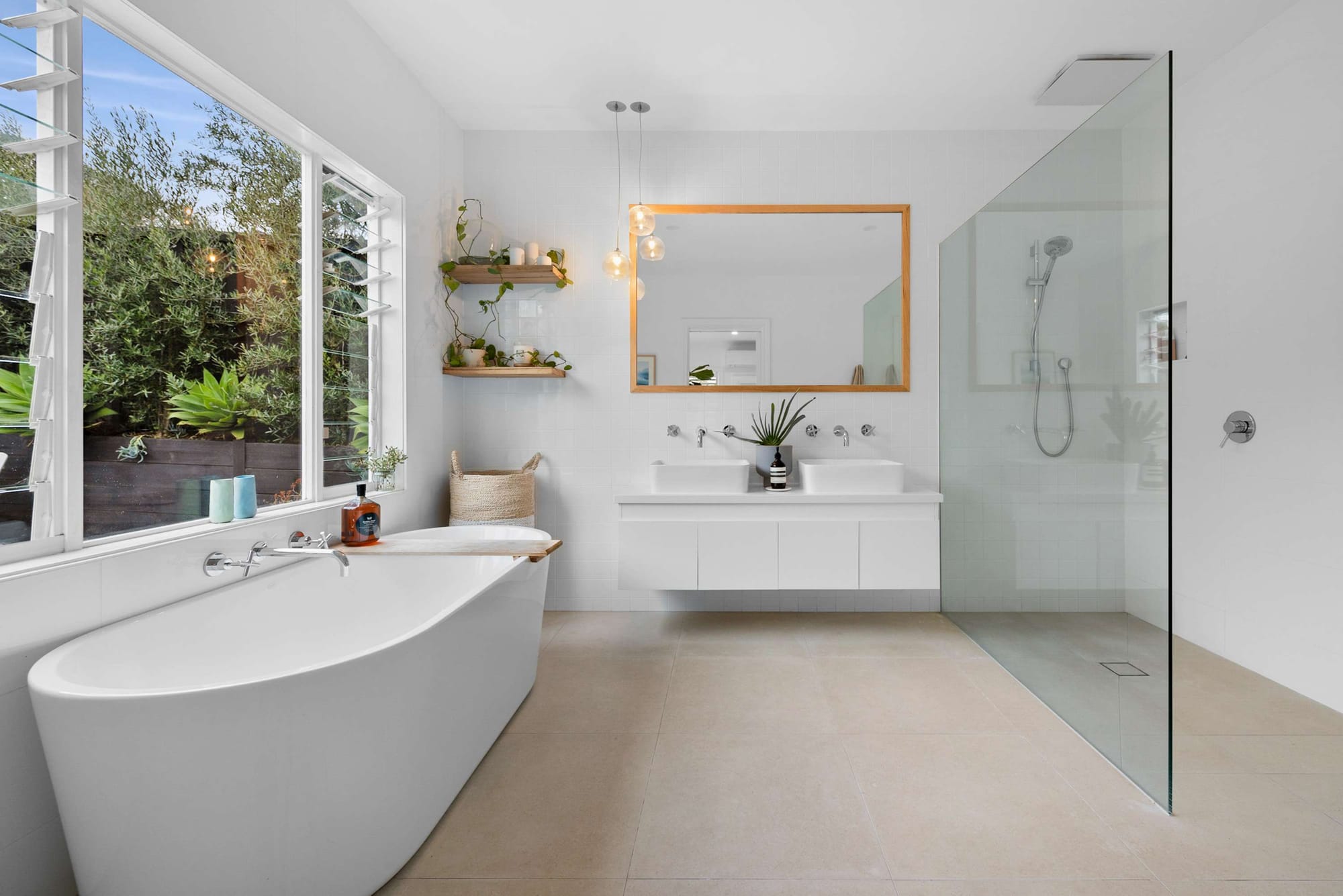
Most homeowners focus on the visible elements of a bathroom renovation: tiles, a new vanity, a rainfall shower head. These items matter, but they represent roughly 40 percent of a typical renovation budget. The remaining 60 percent goes to the work you cannot see once the project is complete.
Waterproofing and Compliance
Waterproofing is non-negotiable and legally prescribed. Under AS 3740 Waterproofing of Domestic Wet Areas, issued by the Australian Building Codes Board, every bathroom must be waterproofed to a minimum standard by a licensed waterproofer. This is not optional, and it is not a task that can be delegated to a general labourer or done as a DIY measure.
The standard requires membrane application across the full floor and wet wall areas, with upturns to specified heights. Once the membrane is applied, a mandatory 24 to 48 hour curing hold must occur before an inspection can take place. In many jurisdictions, a building inspector or certifier must sign off on the waterproofing before any tiles are laid. Skipping or rushing this step is the single most common cause of catastrophic bathroom failure, including structural water damage to floors and the rooms below.
Budget between $800 and $2,500 for waterproofing depending on the size of the bathroom and whether existing substrate needs preparation or repair.
Labour
Trade labour typically accounts for 35 to 45 percent of a full renovation budget. A bathroom renovation requires coordination across multiple licensed trades: a plumber for rough-in and fixture installation, a tiler, an electrician for exhaust fans and lighting, and often a carpenter for vanity and joinery work. In capital cities, licensed plumber day rates range from $120 to $180 per hour. Tilers charge $60 to $120 per hour or $45 to $80 per square metre for standard field tiles, with premium rectified large-format tiles attracting higher rates due to the skill and time required for correct installation.
Structural and Preparatory Work
Once walls are opened, it is common to find issues that must be addressed before the renovation can proceed. Timber rot from years of minor water ingress, deteriorated substrate, outdated copper or galvanised plumbing that requires upgrading, and insufficient subfloor support are all routinely discovered. Budgeting a contingency of 10 to 15 percent of your total project cost is considered best practice by Master Builders Australia.
Fixtures and Fittings
Fixtures typically represent 20 to 30 percent of the renovation cost. This includes the toilet suite, vanity and basin, shower base or bath, tapware, shower screen, exhaust fan, heated towel rail, mirrors, and accessories. The range is vast. A functional toilet suite from Caroma starts around $350 installed. A wall-hung designer suite from a premium brand can exceed $3,000 before installation.
State-by-State Cost Comparison
Labour costs, building regulation complexity, and material freight costs vary across Australia. The following figures are indicative mid-range renovation costs for a standard 5 to 6 square metre bathroom.
| State or Territory | Mid-Range Cost Range | Key Local Factor |
|---|---|---|
| New South Wales | $22,000 to $35,000 | High labour rates in Sydney; strata approvals add cost and time |
| Victoria | $20,000 to $32,000 | Strong competition in Melbourne metro; regional jobs can cost more |
| Queensland | $18,000 to $28,000 | Lower overall labour rates; humid climate demands premium waterproofing. |
| Western Australia | $20,000 to $32,000 | Trades in high demand in Perth; material freight adds cost in regional WA |
| South Australia | $17,000 to $27,000 | Most competitive labour market of the eastern mainland states |
| Tasmania | $16,000 to $26,000 | Lower labour costs offset by higher freight on some materials |
| Australian Capital Territory | $21,000 to $33,000 | Regulated trades market; compliance costs are consistent |
| Northern Territory | $22,000 to $38,000 | Climate demands premium waterproofing; reduced trade competition in Darwin |
For renovation costs across Australia, see our guides for Melbourne, Sydney, Brisbane and Perth.
6 Factors That Drive Bathroom Renovation Costs Up
1. Layout Changes
Moving a toilet, relocating a shower waste, or shifting the basin to the opposite wall all require the plumber to reroute pipes. This can add $2,000 to $8,000 depending on slab versus timber floor construction. Moving a stack on a concrete slab is particularly costly.
2. Floor Construction Type
Timber floor bathrooms require additional substrate preparation and sometimes sistering of joists before waterproofing can begin. Concrete slabs simplify waterproofing but complicate drain relocation.
3. Building Age and Condition
Homes built before 1990 frequently have galvanised steel water supply pipes that corrode from the inside, restricting flow and leaching rust into the water. Once walls are opened, replacing these becomes a practical necessity. Pre-1985 homes may also contain asbestos-containing materials in wall sheeting or floor tiles.
4. Tile Selection and Format
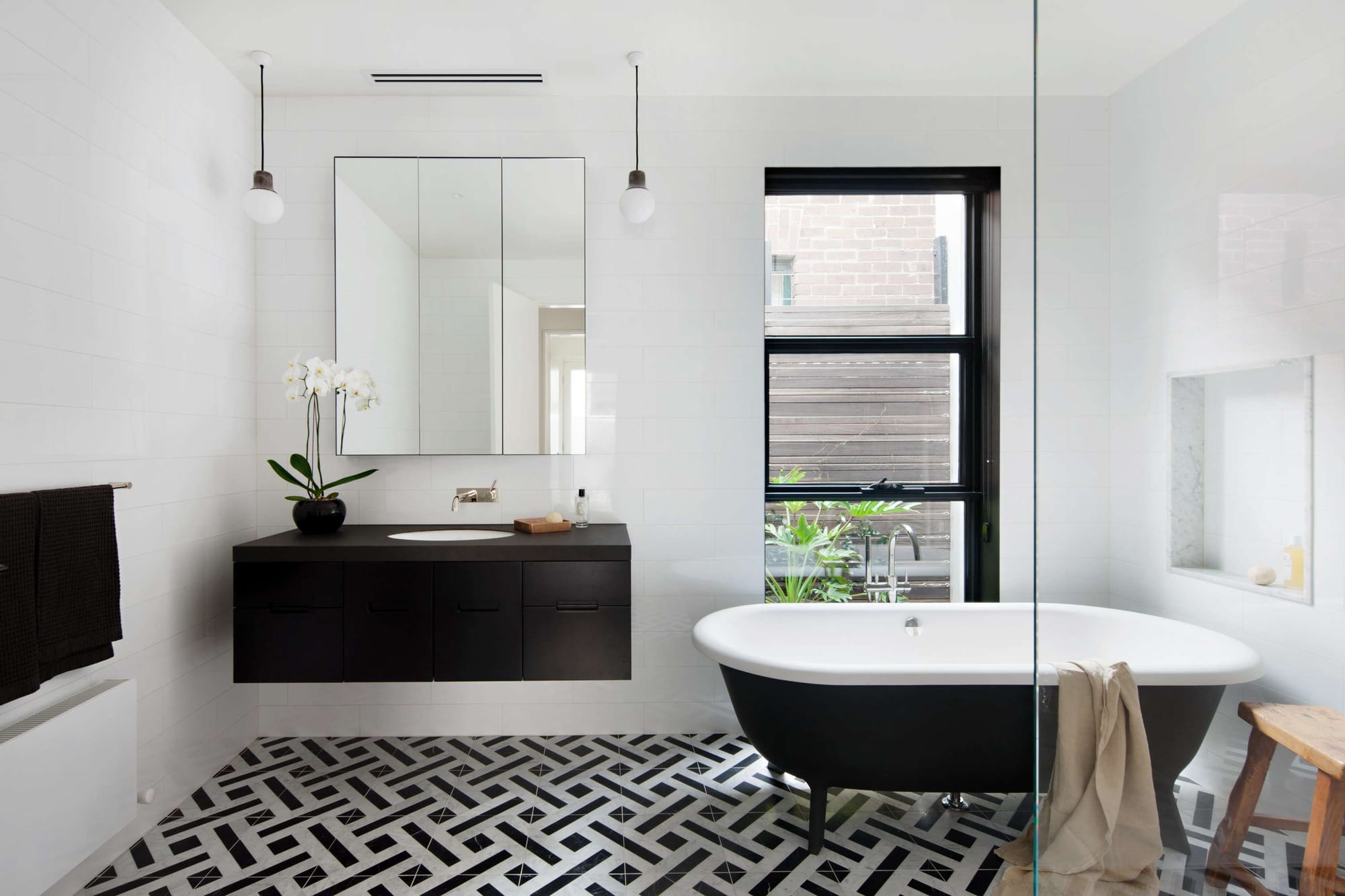
Large-format tiles (600 x 1200 mm and above) require more skilled installation, create more waste, and take longer to lay correctly. Mosaic tiles and feature walls with complex patterns similarly increase labour time and cost.
5. Access and Logistics
Apartments on upper floors, homes with narrow access corridors, or properties in dense inner-city areas all face higher skip bin costs, longer material carry distances, and sometimes lift booking fees that are passed to the client.
6. Fixture and Fitting Specification
Moving from a $500 basin mixer to a $2,200 Brodware fixture changes not just the material cost but often the plumber's installation time, as premium tapware requires more care and sometimes specialist installation knowledge.
Hidden Costs That Catch Homeowners Off Guard
Asbestos
Any home constructed or renovated before 1987 may contain asbestos-containing materials in the bathroom. Fibro sheeting behind tiles, vinyl floor tiles, and adhesive compounds are common locations. If discovered during demolition, work must stop. A licensed asbestos removalist must be engaged, removal must comply with Safe Work Australia guidelines, and the waste must be disposed of at a licensed facility. Costs range from $1,500 for a small contained area to $10,000 or more for extensive friable asbestos. Do not proceed without testing if your home was built in this period.
Failed Waterproofing
If existing waterproofing has failed and water has penetrated the substrate, you may be looking at rotted timber, mould remediation, and replacement of the subfloor structure before any renovation work can begin. This is one of the most significant cost blowouts in bathroom renovation and is entirely unpredictable until walls come down.
Strata Approvals
Renovating a bathroom in an apartment or townhouse under a strata scheme typically requires written approval from the owners corporation before any structural or wet area work begins. The approval process can take four to twelve weeks and may require submission of plans, a certificate of currency for public liability insurance, and a signed agreement to make good any damage to common property. Factor this timeline into your planning. In some schemes, acoustic underlay is mandated under tiled floors, adding material and labour costs.
Plumbing Compliance Upgrades
Older homes may require hot water supply to meet mandatory tempering valve requirements, or existing fixtures may not comply with current water efficiency standards. A licensed plumber completing notifiable work is required to issue a Certificate of Compliance, which triggers an inspection by the relevant authority in your state.
Kitchen renovations follow a similar pattern of hidden costs and trade complexity. See our kitchen renovation cost guide for a full breakdown.
Return on Investment
A well-executed bathroom renovation typically recovers 60 to 80 percent of its cost in added property value according to data from the HIA Kitchens and Bathrooms Report 2025. The recovery rate is highest when the renovation brings the bathroom to the standard of comparable properties in the area without over-capitalising.
As a general rule, total bathroom renovation spend should not exceed 1 to 2 percent of the property's market value if you intend to recoup costs at sale. On a $1,200,000 home, this means a bathroom budget of $12,000 to $24,000 represents sound investment territory. Spending $65,000 on a luxury fitout in that property is unlikely to achieve dollar-for-dollar recovery.
Renovation returns are also strongly influenced by the quality and currency of the work. Buyers and valuers penalise dated bathrooms heavily in competitive markets. A clean, neutral, well-executed mid-range renovation in a suburb of comparable homes reliably adds more vendor confidence and buyer appeal than a dated bathroom with premium appliances elsewhere in the house.
For a full analysis of renovation return by project type, see the CO-architecture renovation cost guide.
Renovation Timeline
| Phase | Typical Duration | Notes |
|---|---|---|
| Design and quoting | 2 to 6 weeks | Longer if strata approval required |
| Strata or council approval (if required) | 4 to 12 weeks | Run concurrently with design phase where possible |
| Demolition | 1 to 2 days | Asbestos hold may extend this phase |
| Plumbing rough-in | 1 to 2 days | Layout changes add time |
| Waterproofing application | 1 day | AS 3740 mandates 24 to 48 hour curing hold before inspection |
| Waterproofing inspection and sign-off | 1 to 3 days | Dependent on inspector availability |
| Tiling | 2 to 4 days | Large format or complex patterns take longer |
| Plastering, painting, and joinery | 2 to 3 days | |
| Plumbing and electrical fit-off | 1 to 2 days | |
| Grouting, sealing, and defect rectification | 1 to 2 days | |
| Total elapsed time | 4 to 10 weeks | Assumes no hidden defects |
The waterproofing inspection hold is the most commonly misunderstood timeline factor. Homeowners and even some builders attempt to compress this phase. Doing so risks the waterproofing membrane being disturbed before it has fully cured, creates a compliance failure, and may void warranty. Allow the full 24 to 48 hours minimum, and confirm inspection availability with your certifier before scheduling the tiler.
Council and Building Approval
In most Australian states, a standard bathroom renovation that does not alter the footprint, does not involve structural changes, and does not relocate plumbing stacks does not require a council development application. However, plumbing work in every state constitutes notifiable plumbing work and requires a licensed plumber to submit a Notice of Work and issue a Certificate of Compliance upon completion.
In New South Wales, any renovation with a value above $10,000 generally requires a complying development certificate or a building approval. In Victoria, a building permit is required if the renovation involves structural work or a change of use. In Queensland, plumbing and drainage work requires a permit under the Plumbing and Drainage Act.
Strata properties have their own overlay of requirements regardless of state government thresholds. Always confirm with your owners corporation and local council before commencing work.
Frequently Asked Questions
How much does a small bathroom renovation cost in Australia?
A small bathroom or powder room renovation in Australia typically costs between $6,000 and $14,000. The higher per-square-metre cost compared to larger bathrooms reflects the fixed costs of waterproofing, plumbing, and tiling labour being spread across a smaller area. A powder room containing only a toilet and basin at the entry-level specification sits toward the lower end of this range. Adding tiling to all walls, upgrading to a premium basin, and specifying a designer mixer will push the cost toward the upper end regardless of the room's size.
Do I need council approval to renovate a bathroom in Australia?
In most circumstances, a like-for-like bathroom renovation does not require a council development application. However, plumbing work is notifiable in every state, which means a licensed plumber must submit paperwork and issue a Certificate of Compliance. If your renovation involves structural changes, a new window, or is in a heritage-listed property or strata building, additional approvals will be required. Always check with your local council and, if applicable, your owners corporation before work begins.
Why is bathroom renovation so expensive in Australia?
Bathroom renovation costs in Australia reflect mandatory compliance requirements, the cost of licensed trades, and the density of work involved in a compact space. Waterproofing must be completed to AS 3740 by a licensed waterproofer. Plumbing work is notifiable. Electrical work must be done by a licensed electrician. Unlike painting or landscaping, there is very little a homeowner can legally or safely do themselves in a wet area renovation. The concentration of skilled trade work in a small room is the primary cost driver.
How long does a bathroom renovation take in Australia?
A straightforward bathroom renovation with no hidden defects, no layout changes, and no strata approval requirements takes four to six weeks from demolition to completion. The waterproofing curing hold of 24 to 48 hours and the subsequent inspection are mandatory phases that cannot be compressed. Strata approvals can add four to twelve weeks to the overall timeline if run sequentially rather than concurrently with the design phase.
What is the most expensive part of a bathroom renovation?
Labour is the most expensive single component of a bathroom renovation, typically representing 35 to 45 percent of the total budget. Within labour, tiling is often the most time-intensive trade. Waterproofing, plumbing, and electrical work also carry significant costs because each requires a licensed tradesperson and, in the case of plumbing, notifiable paperwork and compliance certification.
Can I save money by supplying my own fixtures?
Yes, owner-supplied fixtures are common in Australian bathroom renovations and can reduce costs, particularly on high-specification items where a homeowner can purchase directly from a wholesaler or importer. However, ensure your plumber and tiler have reviewed your fixture selections before purchase. Incompatible waste sizes, non-standard rough-in dimensions, or fixtures requiring non-standard installation methods can eliminate any saving in additional labour time. Some builders and tradespeople also decline to warranty their workmanship on owner-supplied fixtures if those fixtures are faulty.
What is waterproofing and why is it mandatory?
Waterproofing in a bathroom context refers to the application of a flexible membrane to the floor and wet wall surfaces of the bathroom to prevent water penetrating the substrate and structure of the building. Under Australian Standard AS 3740, issued by the Australian Building Codes Board, this membrane must be applied by a licensed waterproofer to minimum coverage specifications. The standard also mandates a curing period of 24 to 48 hours after application, during which no foot traffic or tiling can occur, followed by an inspection before tiles are laid. Waterproofing failure is the leading cause of serious water damage in Australian homes and is responsible for the most costly insurance claims arising from bathroom renovations.
How do I know if my bathroom has asbestos?
If your home was built or renovated before 1987, it may contain asbestos-containing materials. In a bathroom, the most common locations are the compressed fibre sheeting (fibro) used behind tiles, vinyl floor tiles, and the adhesive used to bond them. The only way to confirm the presence or absence of asbestos is through a sample test by an accredited laboratory. Reputable demolition contractors and asbestos assessors can arrange this. Visual inspection is not sufficient. If you are uncertain, test before demolition begins. Discovery of asbestos mid-demolition is significantly more disruptive and costly than testing proactively.
Is it worth renovating a bathroom before selling?
In most Australian markets, a dated or poorly maintained bathroom is one of the most significant negative factors in buyer perception and valuation. A clean, functional, neutrally styled bathroom renovation typically returns 60 to 80 percent of its cost in added value and significantly improves the property's marketability and time on market. The return is strongest when the renovation brings the bathroom up to the standard of comparable properties in the area. Over-capitalising on luxury finishes in a property where the street value does not support it reduces the return. Consult a local selling agent or property valuer before committing to a renovation budget if the primary motivation is sale preparation.