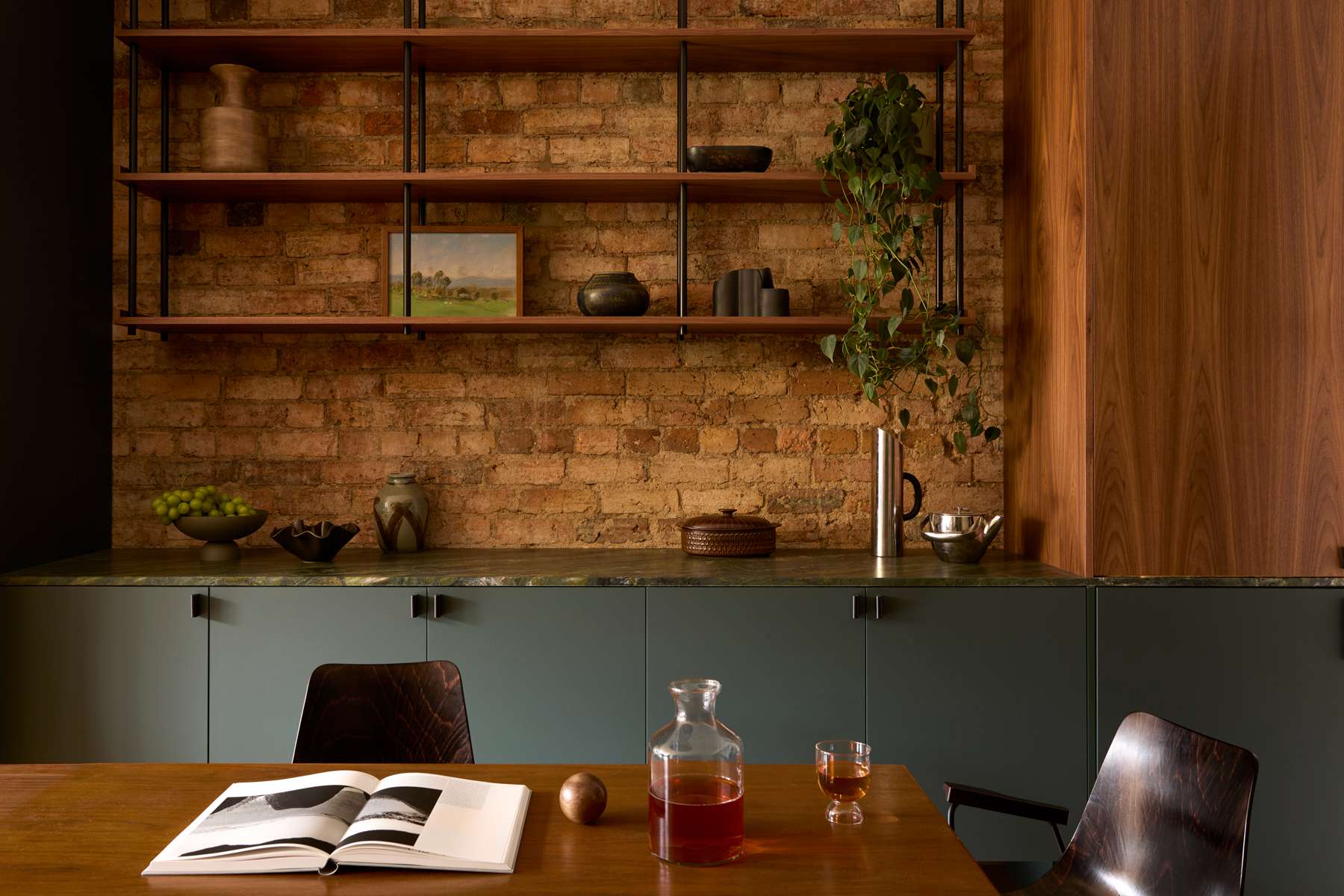
For the past decade, plenty of Australian homes have chased the same look. White walls, flat cabinetry, polished concrete, and not much else. It photographed well and it was easy to sell, but it also left a lot of homes feeling more like display suites than places people actually wanted to live in.
That is starting to change. Through 2026, one of the clearest shifts in Australian residential design is a move back towards natural materials and real texture. Timber, stone, and textiles are showing up in kitchens, living areas, and bathrooms in ways they have not for years, and the hyper minimal, clinical look that dominated new builds and renovations is losing ground.
What is driving the shift away from clinical minimalism
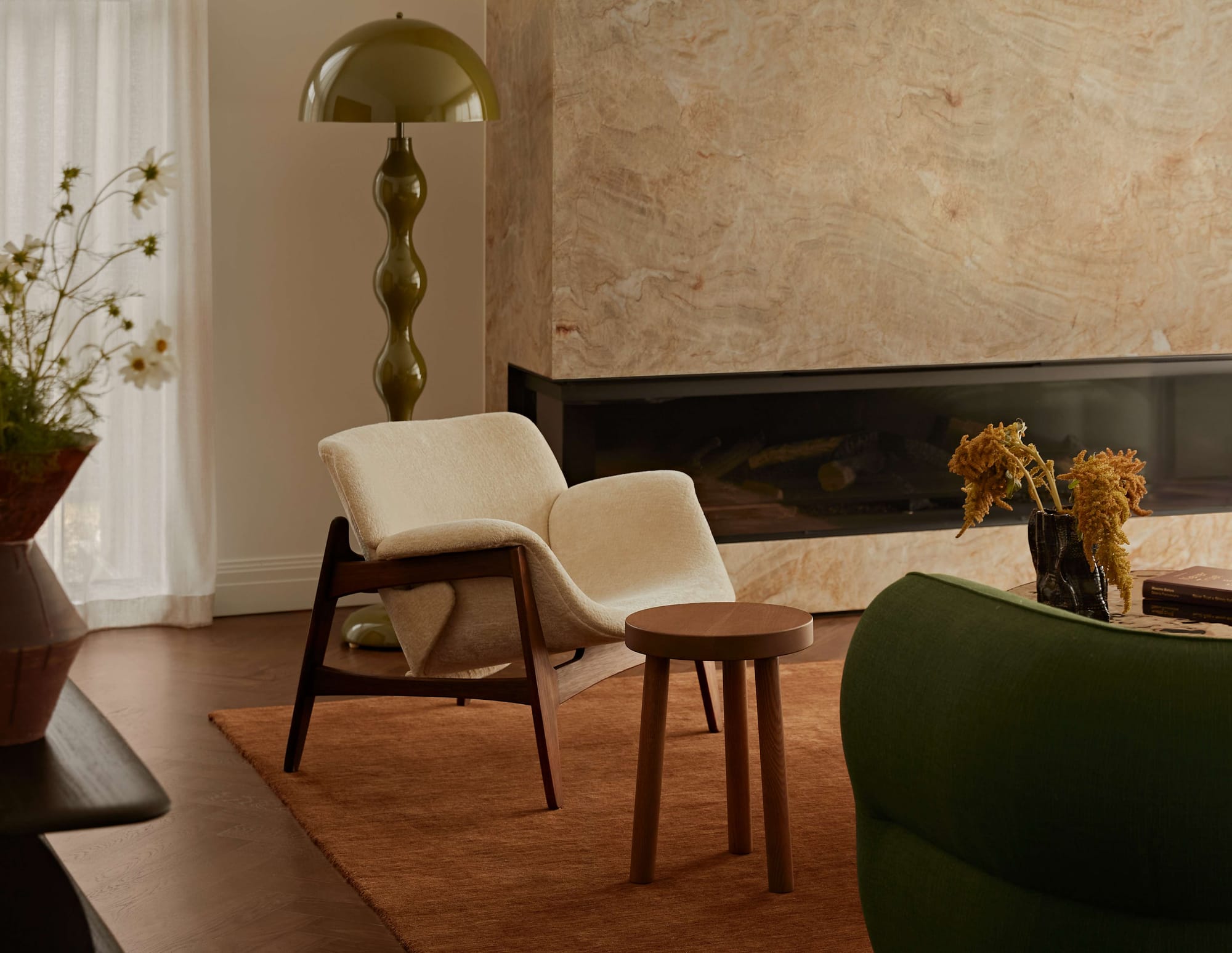
Minimalism was never really about having less. It was about control, clean lines, hidden storage, and surfaces that showed no history. That aesthetic suited a certain moment, but a lot of homeowners have found that living in those spaces day to day feels cold rather than calm.
Architects and designers working with CO-architecture report that clients are now asking for the opposite experience. They want rooms that feel warm underfoot and under hand, spaces with some grain and imperfection in them, and finishes that age well rather than needing to look brand new forever. The Australian Government's Your Home guide has long pointed out that material choice affects not just appearance but comfort and liveability, and that principle is now shaping mainstream taste rather than sitting in the background of sustainability advice.
Timber is doing more than flooring
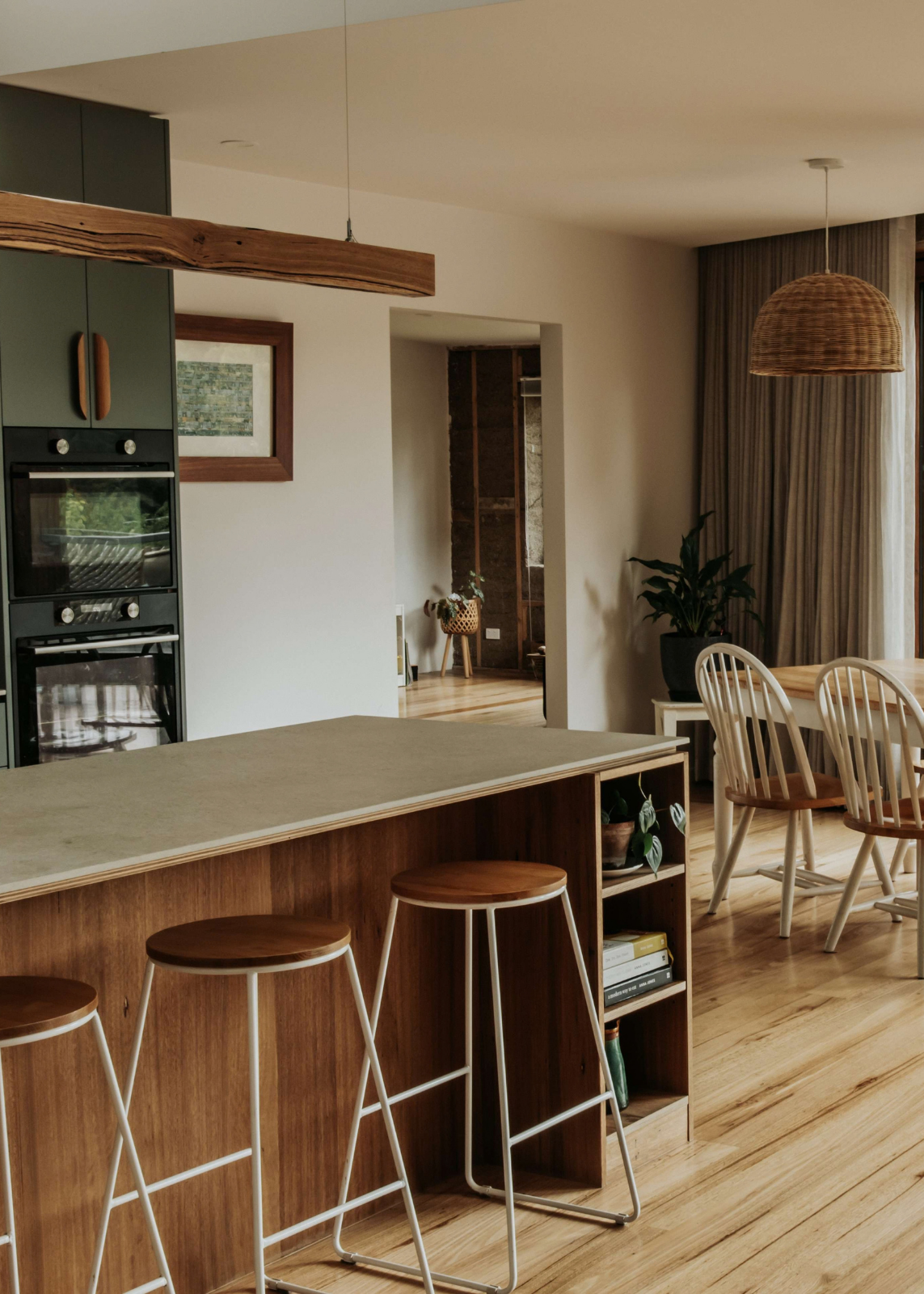
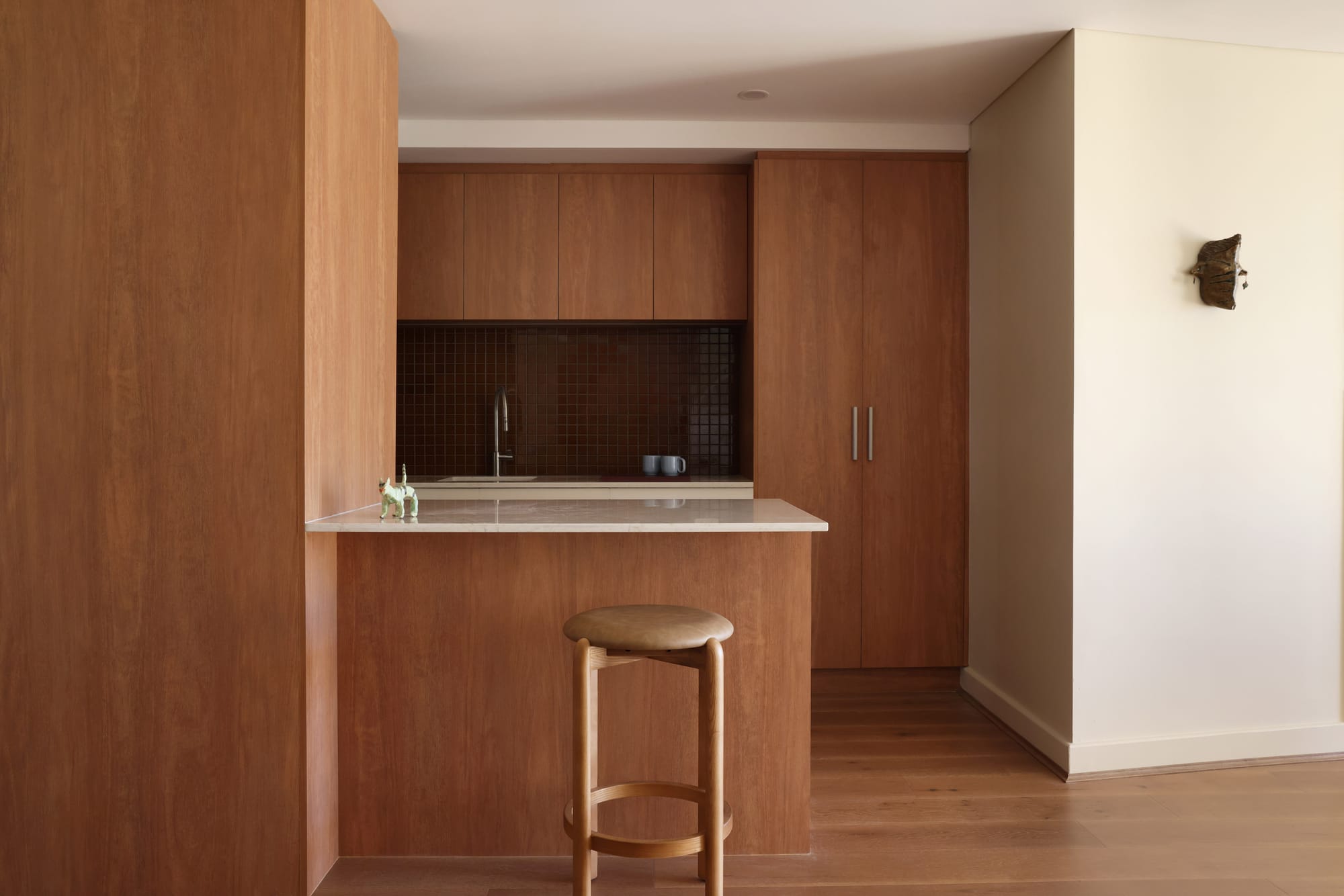
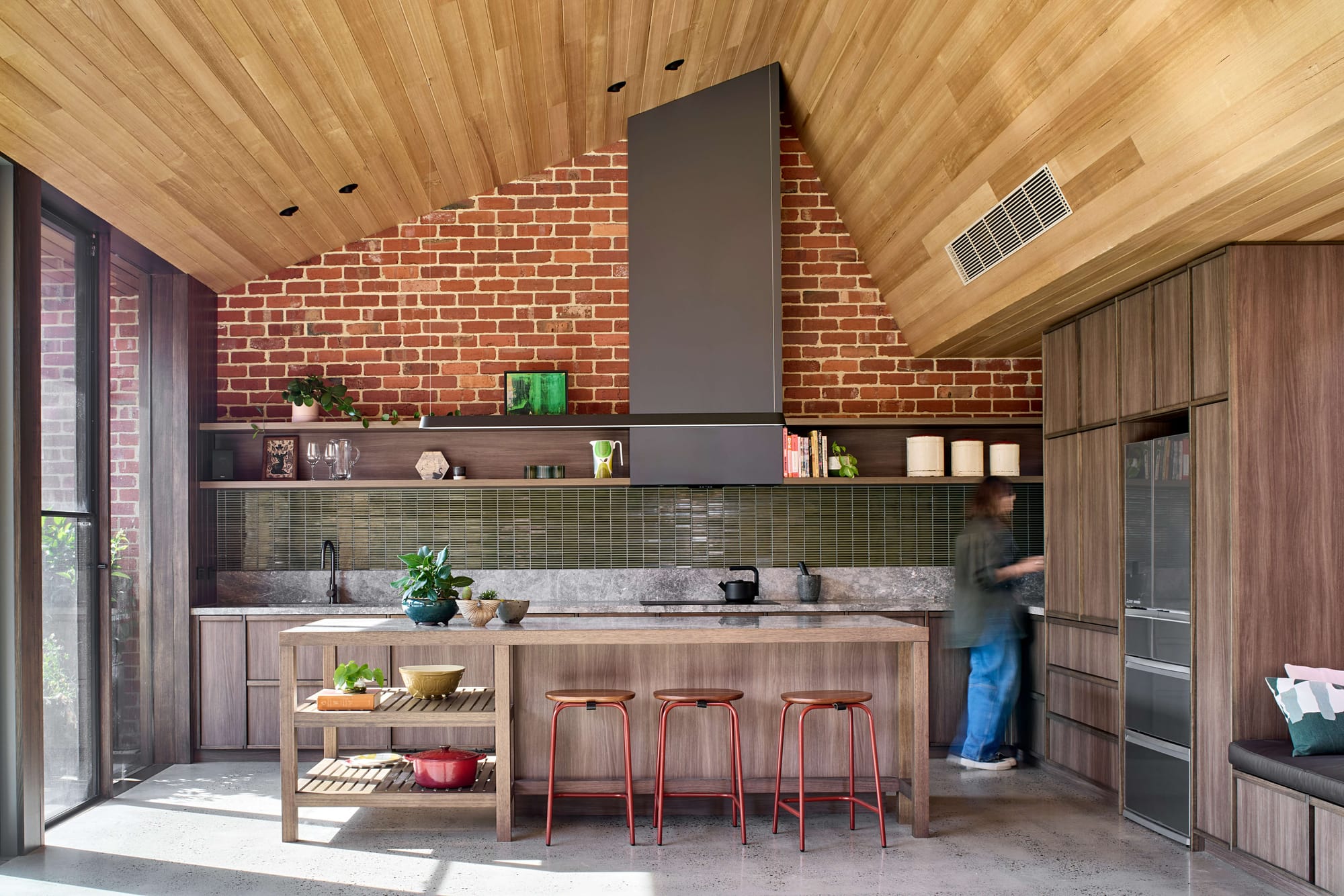
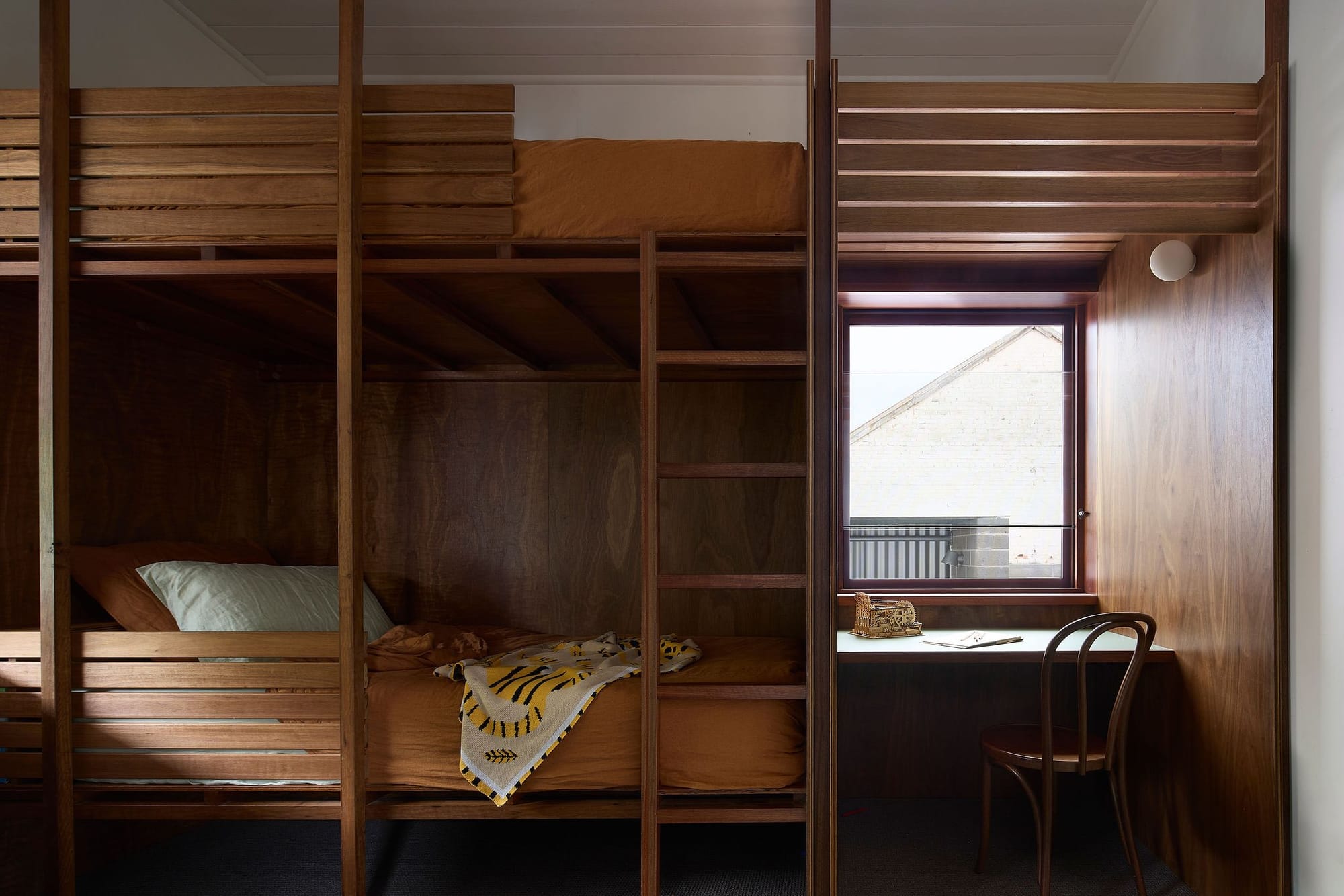
Timber has never really left Australian homes, but its role is expanding. Instead of being confined to floorboards, timber is now appearing as:
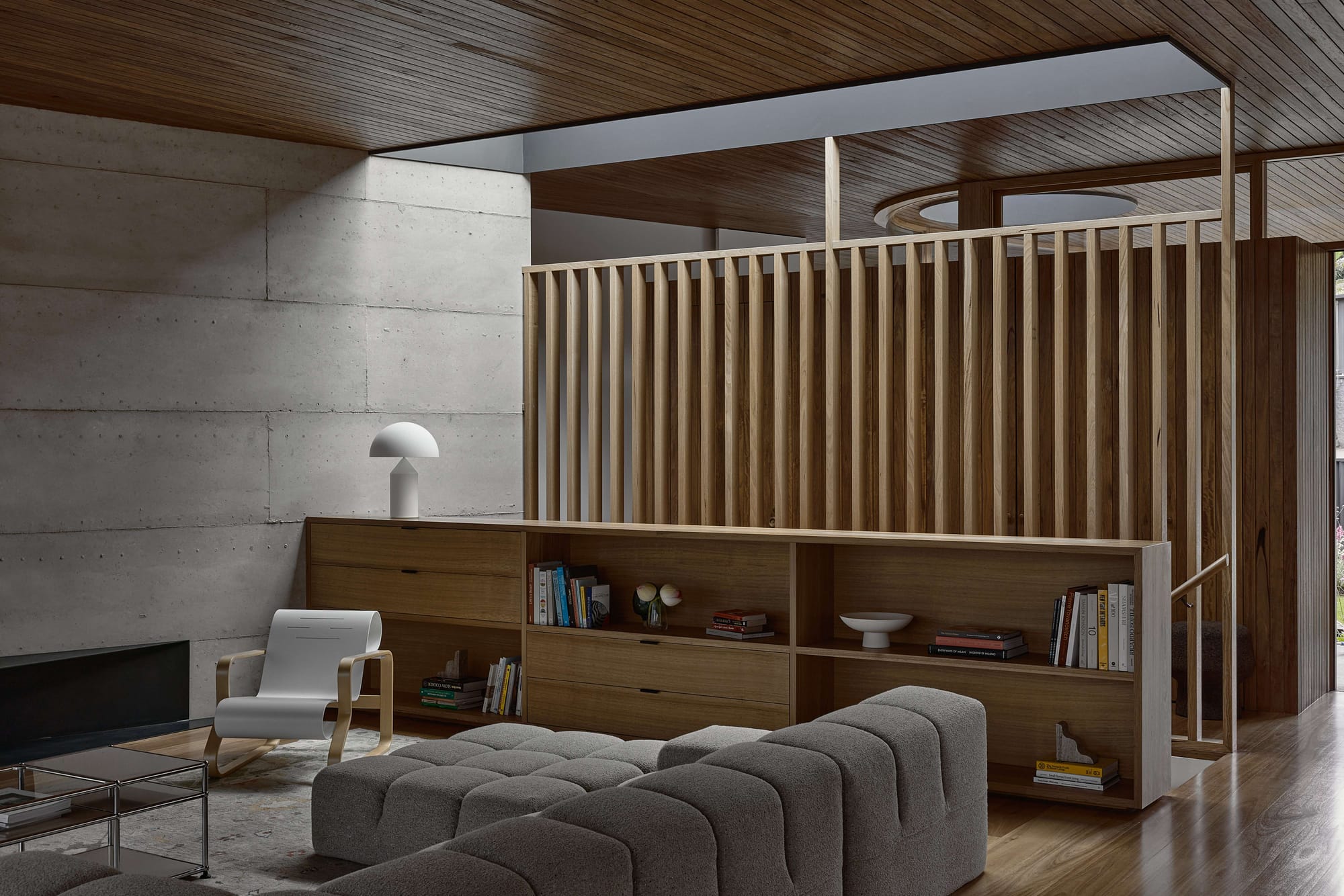
- Full height joinery and feature walls in kitchens and living rooms
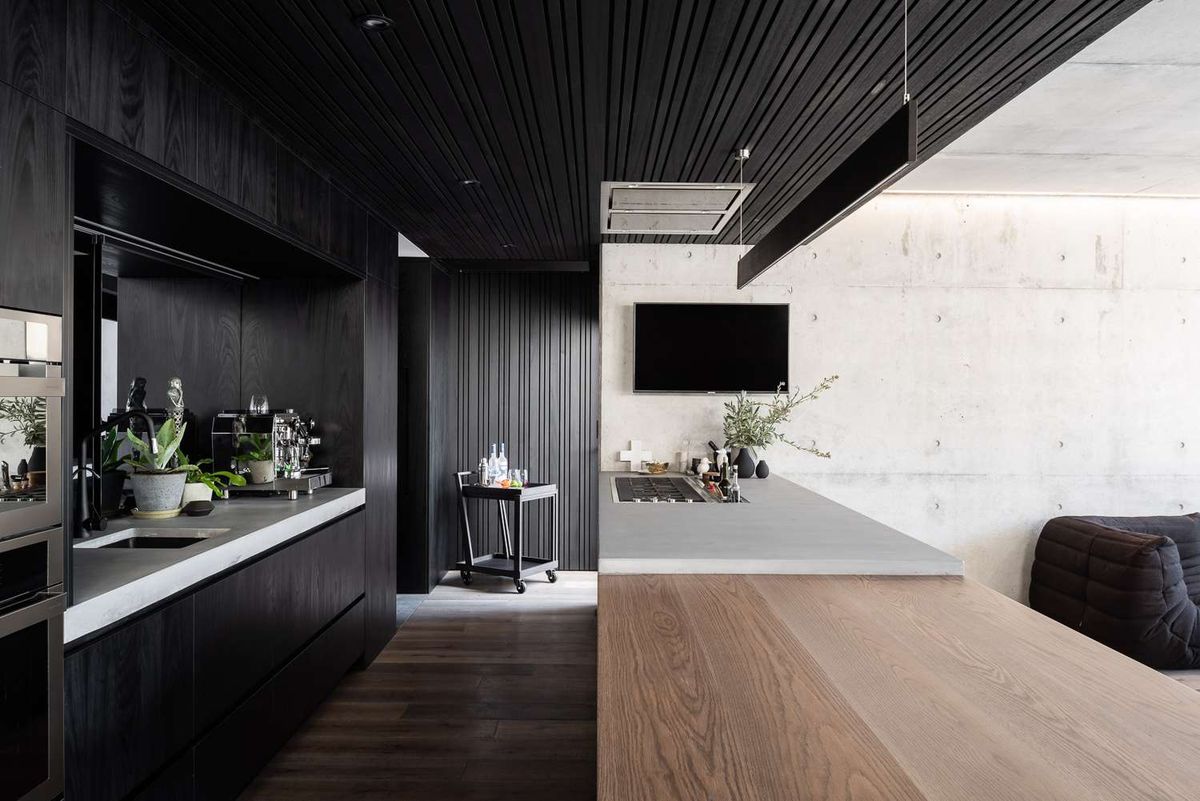
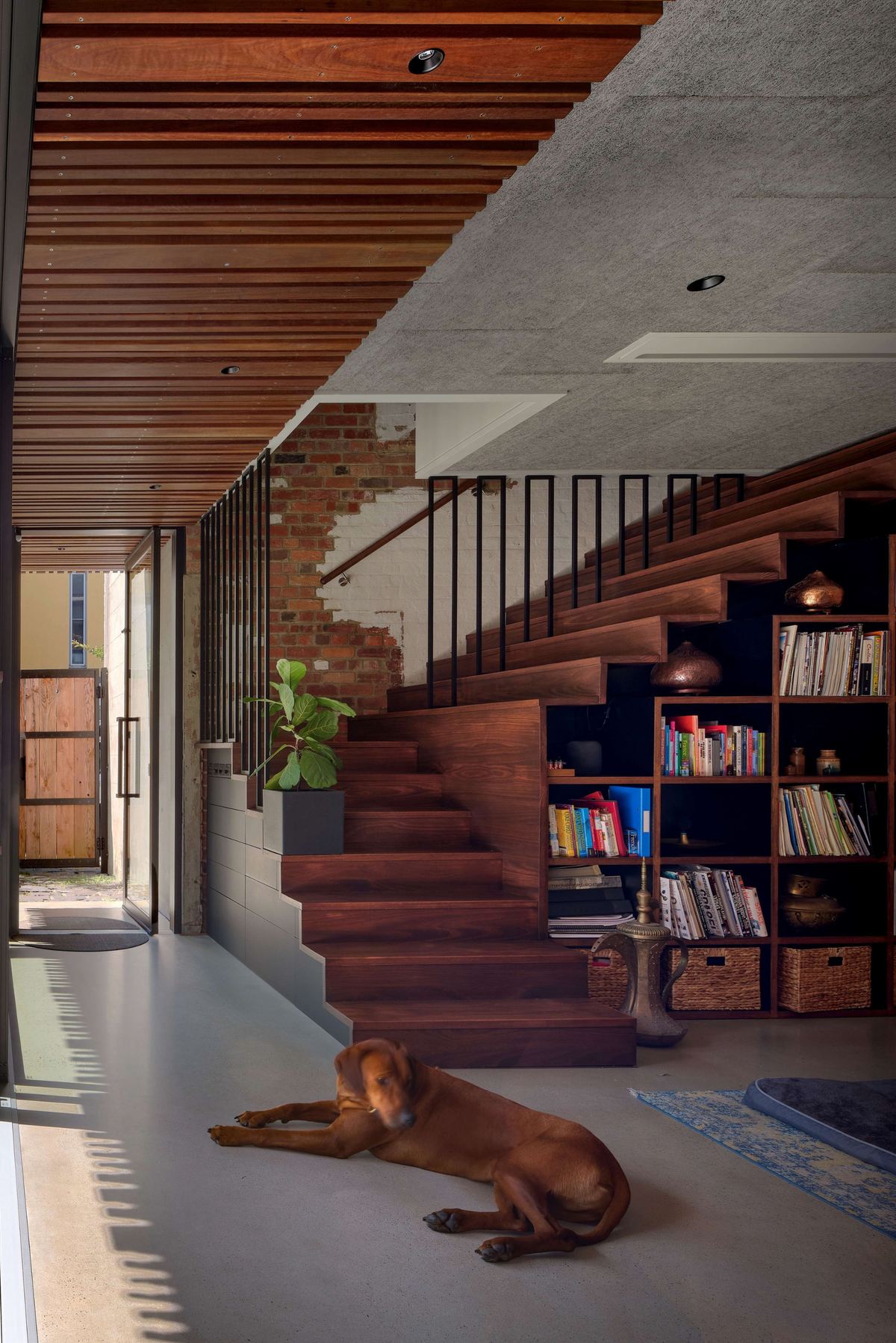
- Exposed ceiling battens and beams left visible rather than boxed in
- Timber clad ensuites and powder rooms, treated to handle moisture
- Furniture grade benchtops in kitchens, alongside or instead of stone
The appeal is partly tactile and partly practical. Timber softens acoustics in open plan living areas, which tend to feel echoey when finished entirely in hard surfaces. It also brings a sense of warmth that white cabinetry and laminate simply cannot replicate. If you're planning a kitchen renovation, our guide to kitchen renovation costs in Australia breaks down how different benchtop options compare on price.
Stone as a feature, not just a benchtop
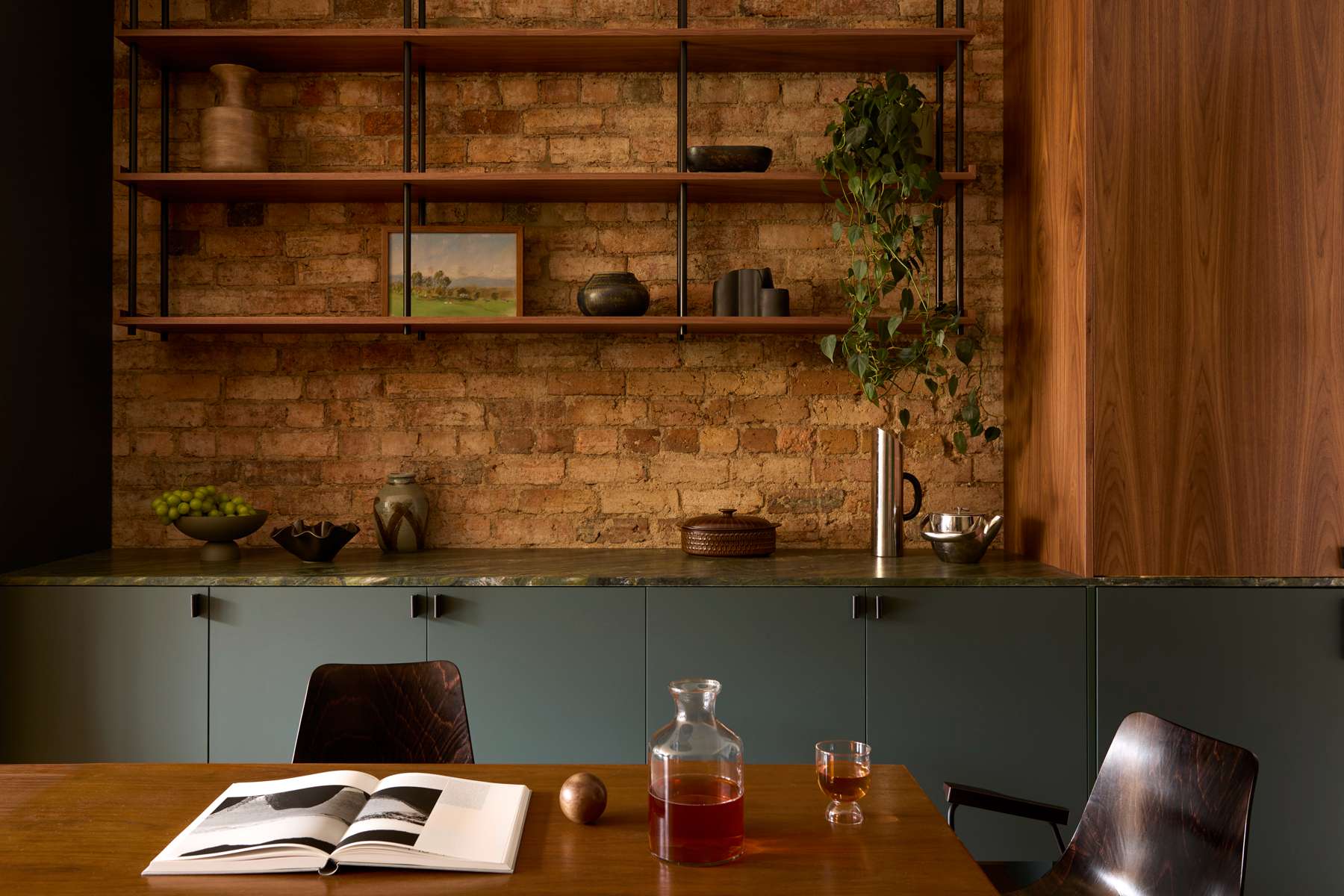
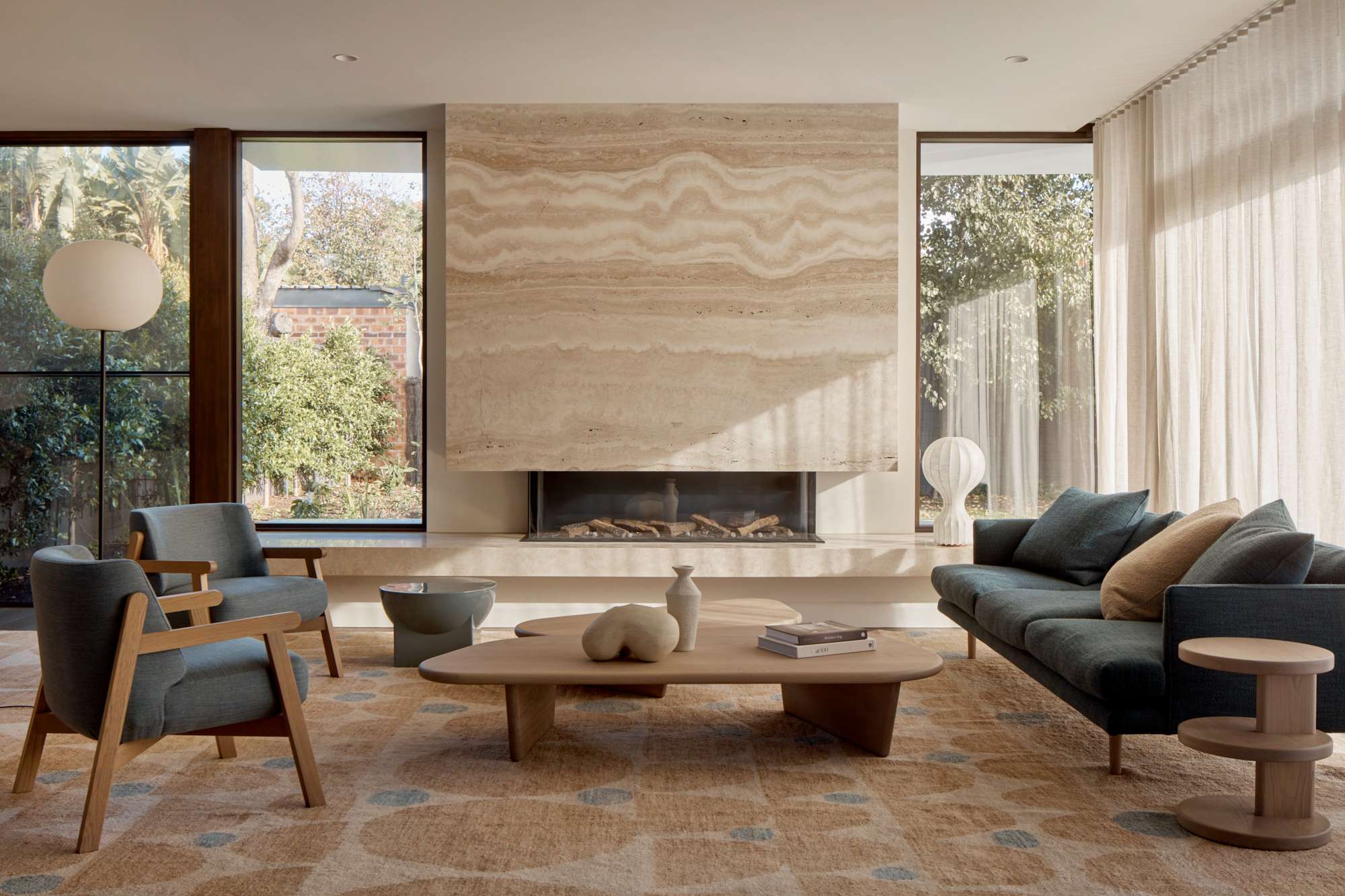
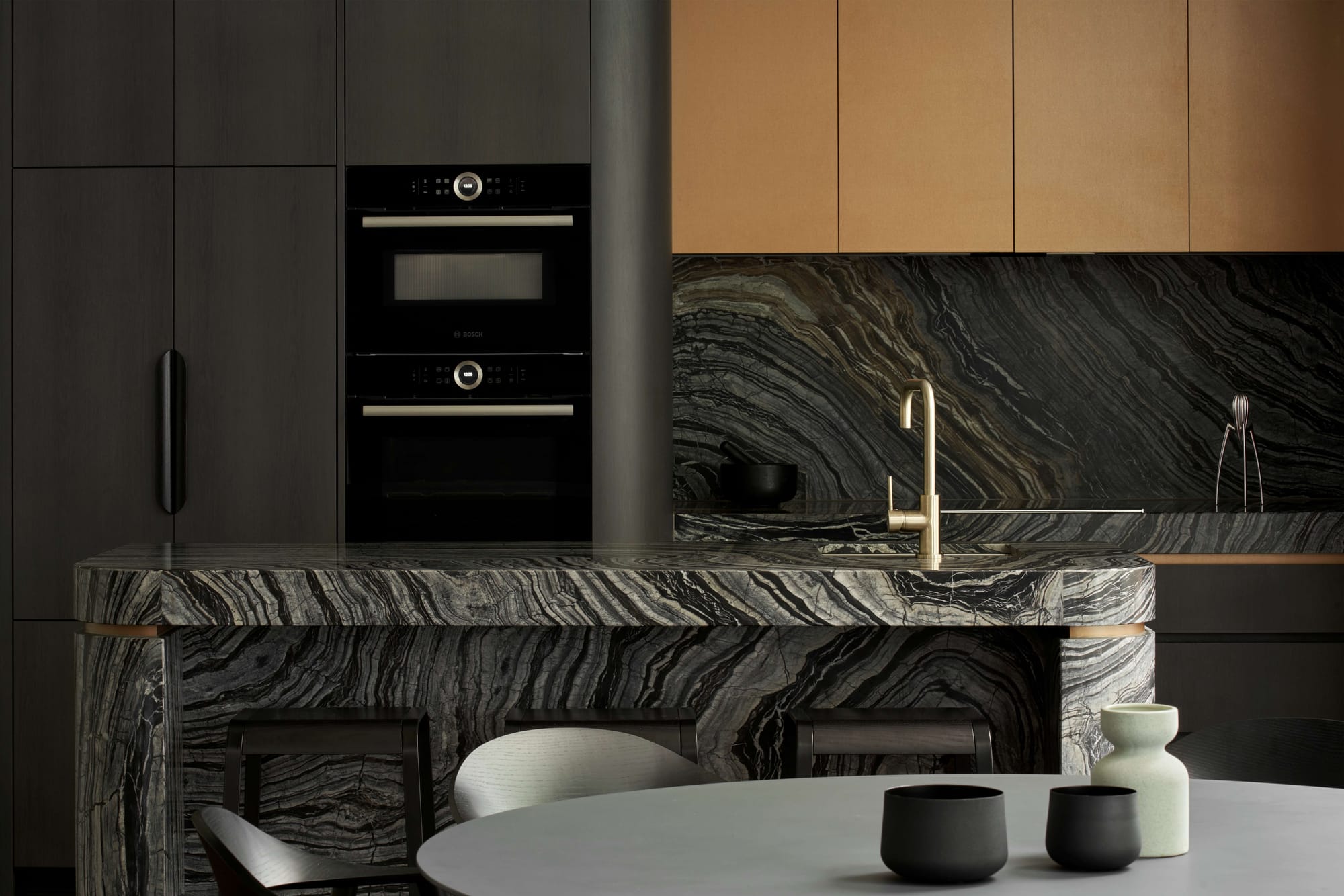
Stone has always had a place in Australian kitchens and bathrooms, mostly as a benchtop or a splashback. What is changing in 2026 is the scale and visibility of it. Homeowners are asking for:
- Full stone slab showers and bathroom walls rather than tiled surrounds
- Raw or honed stone island benches with visible veining left unpolished
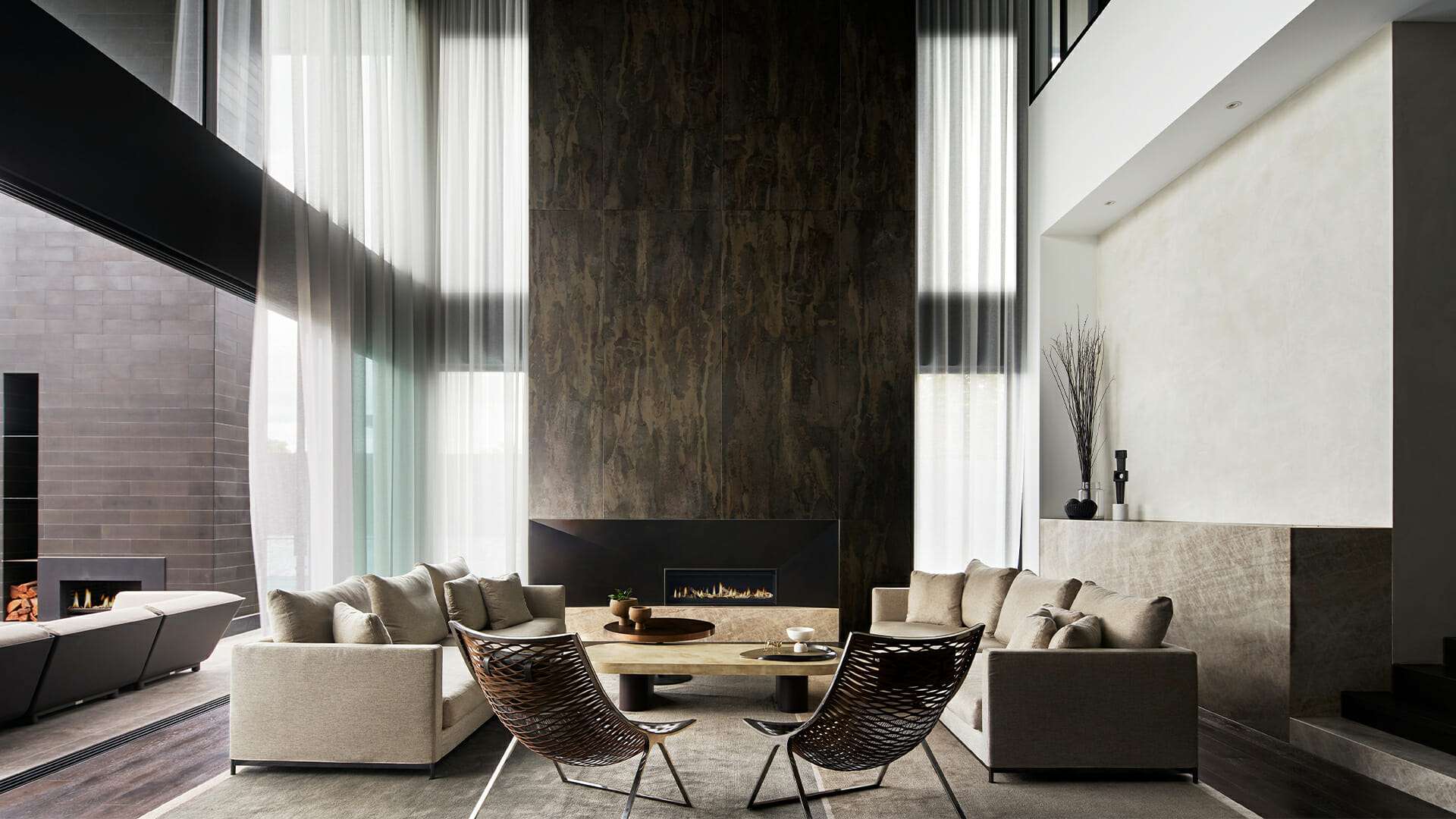
- Stone clad fireplaces and entry walls used as a statement rather than a background finish
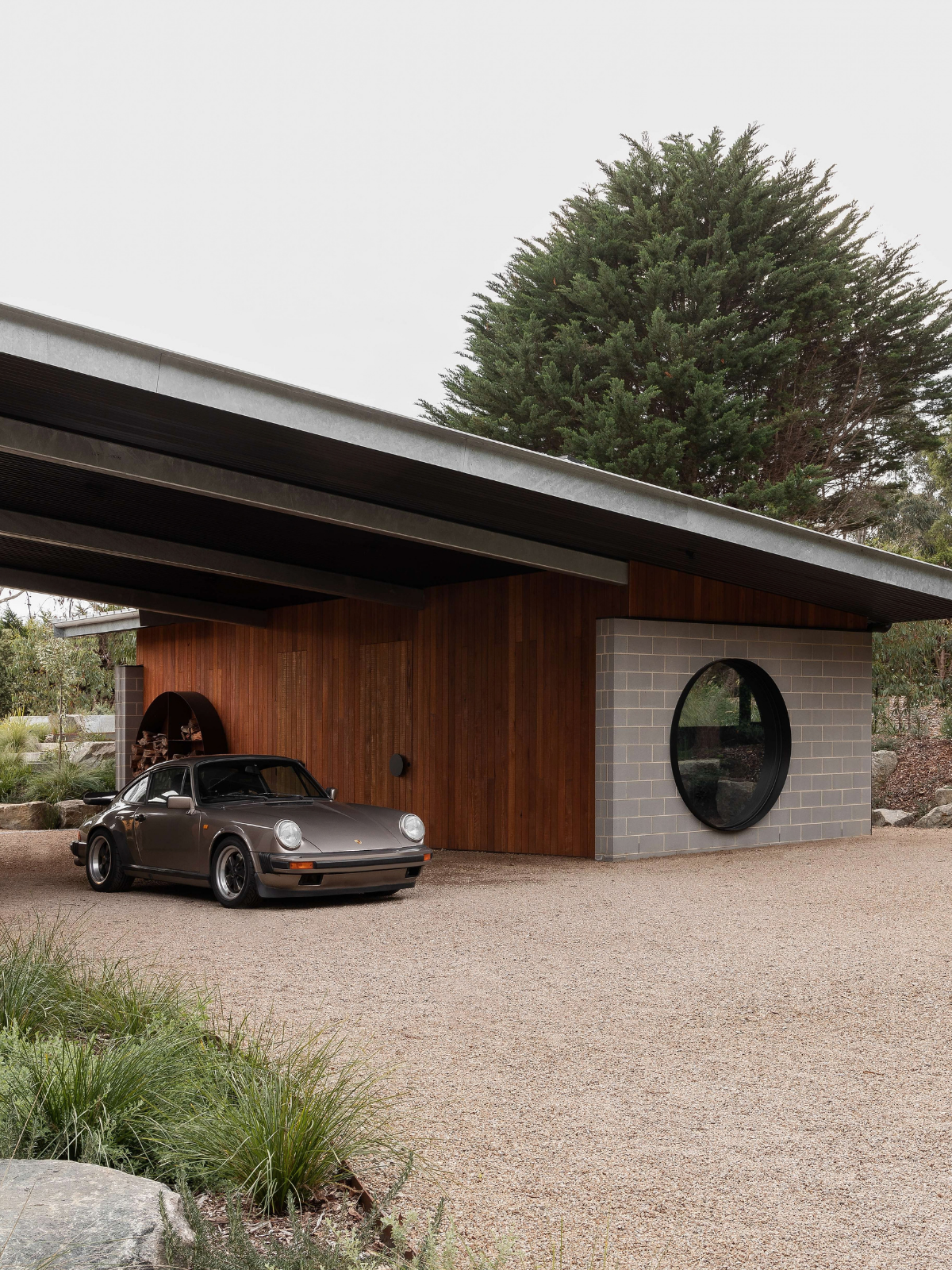
- Locally sourced stone specified for its regional character, rather than imported options chosen purely for uniform colour
This move towards more expressive stone use does come with practical considerations. Heavier stone applications can affect structural loading, particularly when used across full walls or large island benches, so it is worth having this checked early rather than after materials are ordered. A conversation with your architect or builder before finalising the design avoids costly changes later, especially if any load bearing walls are involved.
Textiles bringing texture back into living spaces
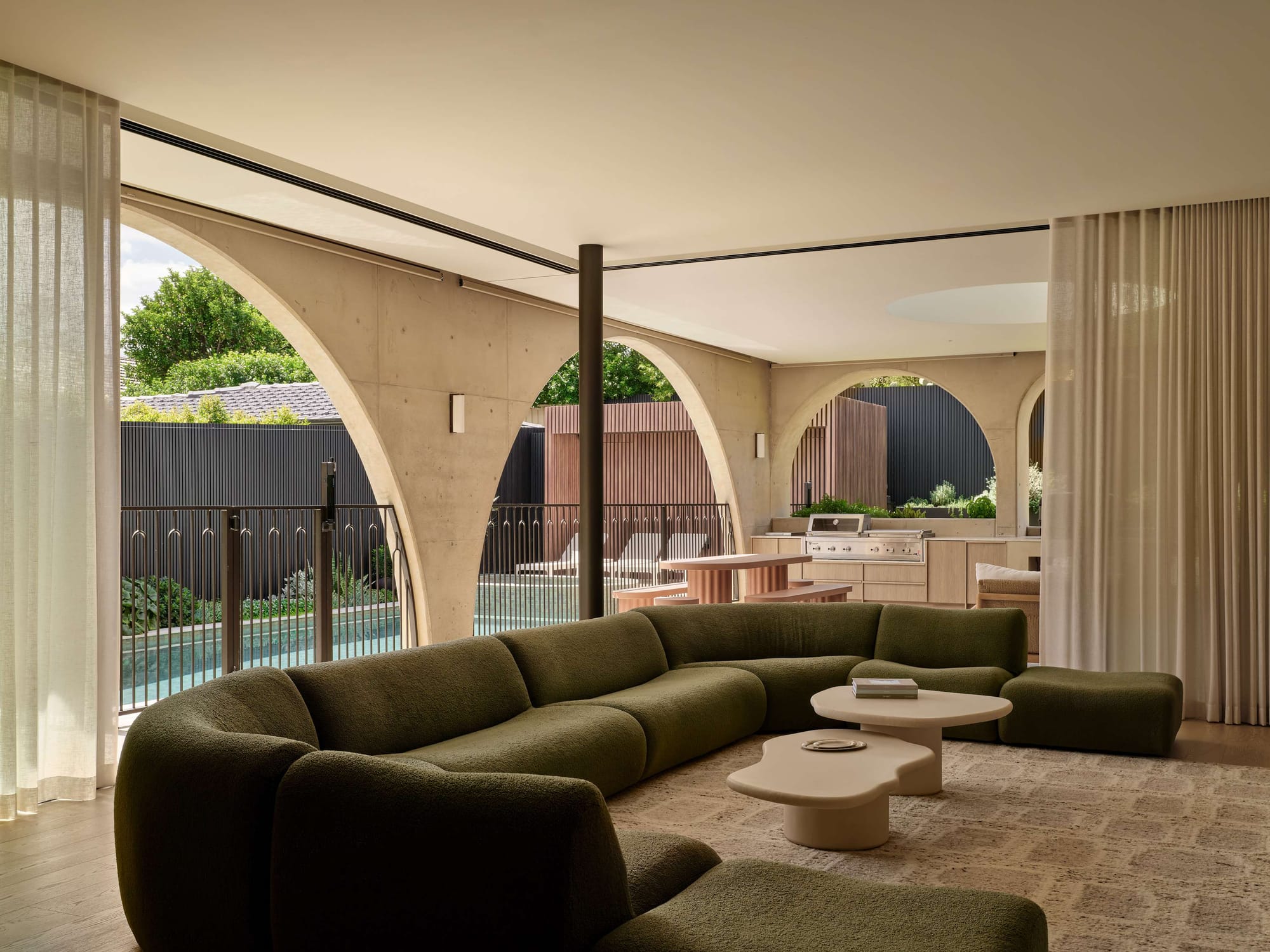
The third pillar of this trend is textiles, and it is arguably the easiest one for homeowners to embrace without a full renovation. Boucle upholstery, linen curtains, wool rugs, and woven wall hangings are reappearing in living rooms that had, for years, been kept deliberately bare.
This is not simply a decorating fashion. Textiles do real work in a home. They absorb sound, add layers of warmth, and give a room a sense of being lived in rather than staged. Designers are increasingly specifying textiles as part of the original design brief, rather than treating them as an afterthought added once the build is finished.
What this means if you are renovating or building in 2026
For homeowners planning a renovation or new build this year, the natural materials trend has a few practical implications worth thinking through early.
It affects your budget sequencing
Natural materials, particularly solid timber and stone, generally cost more than porcelain or laminate equivalents. If you are working within a fixed budget, it often makes sense to prioritise these materials in the spaces where they will be seen and touched most, such as kitchen islands, entryways, and bathroom feature walls, while using more economical alternatives elsewhere.
It affects maintenance expectations
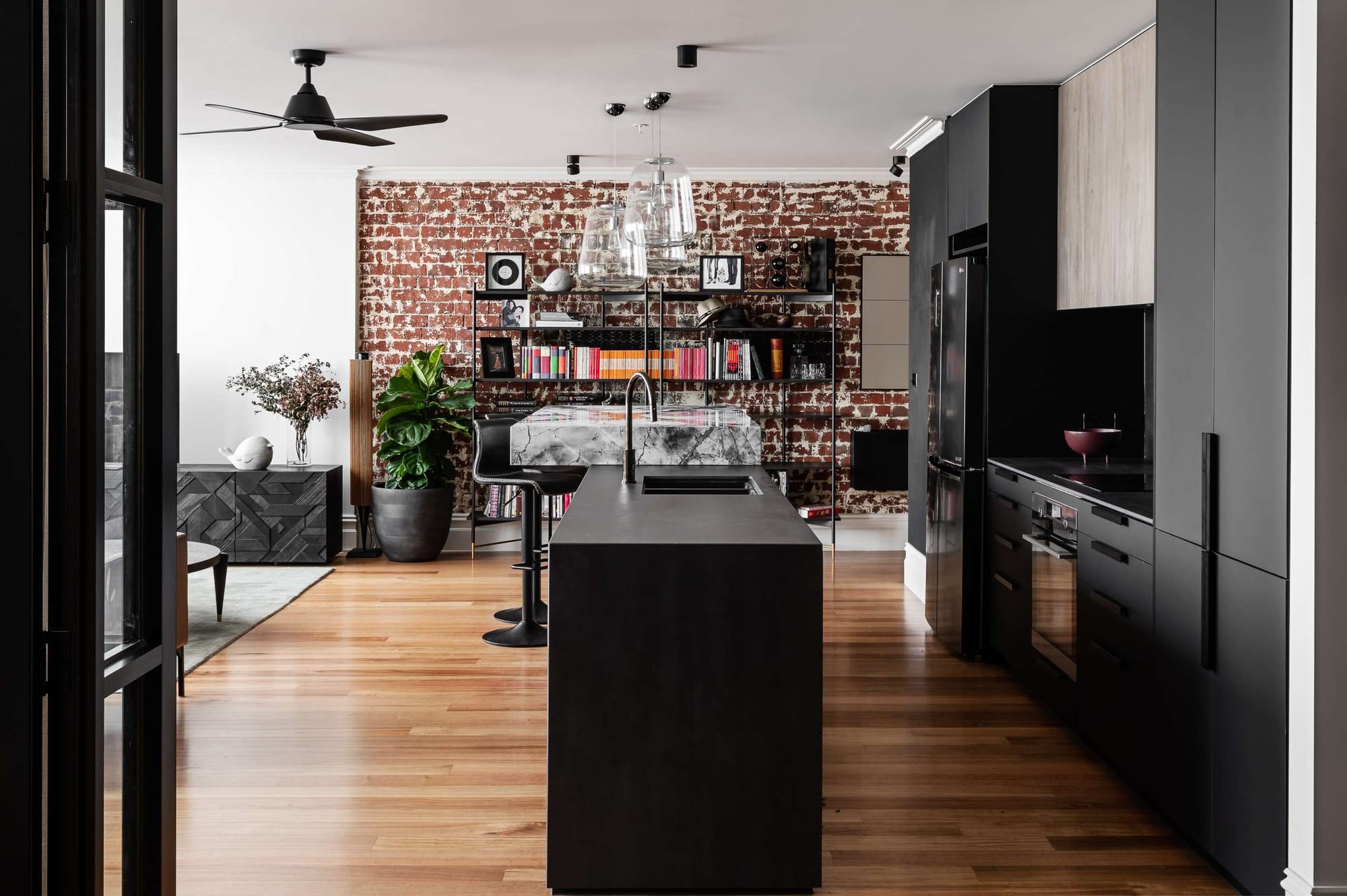
Part of the appeal of natural materials is that they show some history over time. Timber will mark and change colour with sun exposure. Stone can be porous depending on the type and finish. This is a feature of the trend rather than a flaw, but it is worth discussing with your designer so expectations are set correctly from the outset.
It affects sustainability outcomes
Natural materials are not automatically more sustainable than manufactured alternatives, and sourcing matters. Locally sourced timber and stone generally carry a lower transport footprint than imported equivalents, and the Your Home guide provides useful benchmarks for assessing embodied energy across different material choices. Speaking with your architect about where materials are sourced from is a reasonable question to raise at the concept design stage.
It may affect approvals
Some applications of stone and timber, particularly structural changes such as removing internal walls to expose beams or adding significant weight loads for stone features, may require council approval depending on your state or territory. Checking with your local planning department before finalising a design avoids delays once construction starts.
Bringing the trend into your home without a full renovation
Not every homeowner is planning a full renovation this year, and the natural materials trend does not require one. There are smaller ways to bring this look into an existing home.
Start with flooring and joinery
If a full renovation is not on the cards, replacing laminate benchtops with timber or stone, or swapping out a laminate flooring section for engineered timber, gives an immediate shift in feel without touching the layout of a room.
Layer in textiles gradually
Textiles are the lowest cost entry point into this trend. Swapping synthetic curtains for linen, adding a wool rug to a hard floored living room, or introducing boucle cushions and throws can shift a room's atmosphere within a weekend.
Choose stone for key moments
Rather than replacing every surface, many homeowners are choosing one or two moments, a splashback, a fireplace surround, or a powder room feature wall, to introduce raw or honed stone. This keeps costs contained while still delivering the tactile shift the trend is built around.
The colour palettes that support this trend
Natural materials rarely work in isolation. The colour palette around them matters just as much as the materials themselves, and 2026 has brought a shift here too. Stark white walls are giving way to warmer neutrals, think oatmeal, clay, and soft greige tones, that let timber and stone read as the feature rather than competing with a cold backdrop.
This does not mean colour has disappeared. Deeper, earthier accent tones such as terracotta, olive, and rust are appearing in joinery, tapware, and soft furnishings, chosen specifically because they sit well against raw timber and honed stone. The overall effect is a palette that feels grounded rather than sterile, which is really the point of the whole trend.
For homeowners planning a full material and colour scheme, it is worth resisting the urge to choose paint and materials separately. Bringing your architect or designer timber and stone samples before finalising wall colours tends to produce a far more cohesive result than working the other way around.
Balancing natural materials with practicality in family homes
One question that comes up often with this trend is whether natural materials are practical for busy family homes. The honest answer is that some applications suit high traffic living better than others.
Sealed timber flooring and properly finished stone benchtops handle daily family life reasonably well, provided the right products and sealants are used for the specific material. Softer textiles such as linen upholstery or pale wool rugs require more thought in households with young children or pets, and many designers now recommend performance weave fabrics that mimic the look of natural textiles while offering better stain resistance.
The practical answer is not to avoid natural materials in family homes, but to be selective about where each one goes. A raw timber dining table might be perfectly workable, while a stone topped coffee table in a high traffic living room might need a more forgiving finish. Discussing daily household use with your architect during the design phase, rather than after the materials are chosen, tends to produce better long term outcomes.
Working with an architect or designer on material choices
Getting the natural materials trend right in a home is less about following a look and more about understanding how different materials behave together, structurally, acoustically, and over time. An experienced architect or designer can advise on which timber species suit your climate, which stone finishes will hold up in high traffic areas, and how to balance material costs across a whole project rather than blowing the budget on one room.
Frequently asked questions
What is the biggest home design trend in Australia in 2026?
The clearest shift this year is away from hyper minimal, clinical interiors and towards natural materials and texture, particularly timber, stone, and textiles used more expressively throughout the home.
Is timber flooring still popular in 2026?
Yes, and its use has expanded beyond flooring into joinery, feature walls, and even benchtops, as homeowners look for warmer, more tactile finishes throughout their homes.
Do natural stone benchtops need more maintenance than porcelain?
Natural stone generally requires more care than porcelain, including periodic sealing depending on the stone type, since it can be more porous. Your architect or supplier can advise on the right finish and sealing schedule for your chosen stone.
Will using natural materials make my renovation more expensive?
It can, particularly for solid timber and natural stone compared with laminate or porcelain alternatives. Many homeowners manage this by prioritising natural materials in high impact areas and using more economical materials elsewhere in the home.
Do I need council approval to add a stone feature wall or exposed timber beams?
It depends on whether the work involves structural changes, such as removing a wall or adding significant weight. Checking with your state or territory planning department before finalising your design is the safest way to confirm what approvals apply.
Is this trend suitable for renters or does it only apply to renovations?
Textiles are the easiest way to bring this trend into a rental, through rugs, curtains, and soft furnishings. Structural changes involving timber or stone are generally better suited to homeowners planning a renovation.