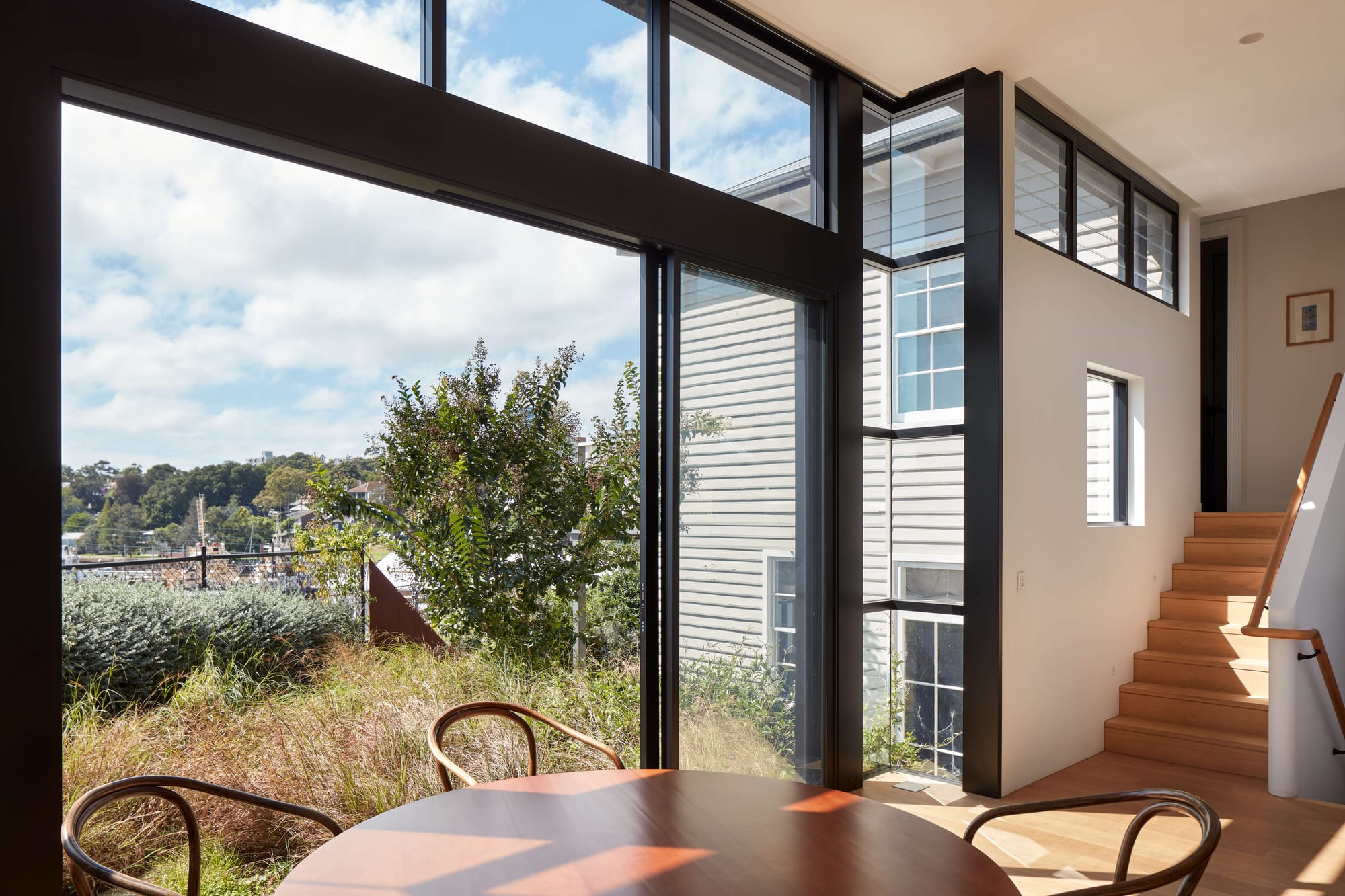
There's a reason natural light sits at the top of almost every homeowner's wishlist. It shifts the mood of a room, makes spaces feel larger than their footprint suggests, and creates that elusive quality of warmth that no fixture can replicate. Across Australia, architects and designers are finding increasingly inventive ways to draw the sun deep into the home through soaring skylights, generous glazing, thoughtfully carved courtyards, and clever orientation.
From a heritage-listed Queen Anne cottage in inner Melbourne to a semi-detached terrace on Sydney's Northern Beaches, these six projects each tackle the challenge of light differently. What they share is a commitment to the idea that a home should always feel alive and that the best way to achieve that is to let the outside in.
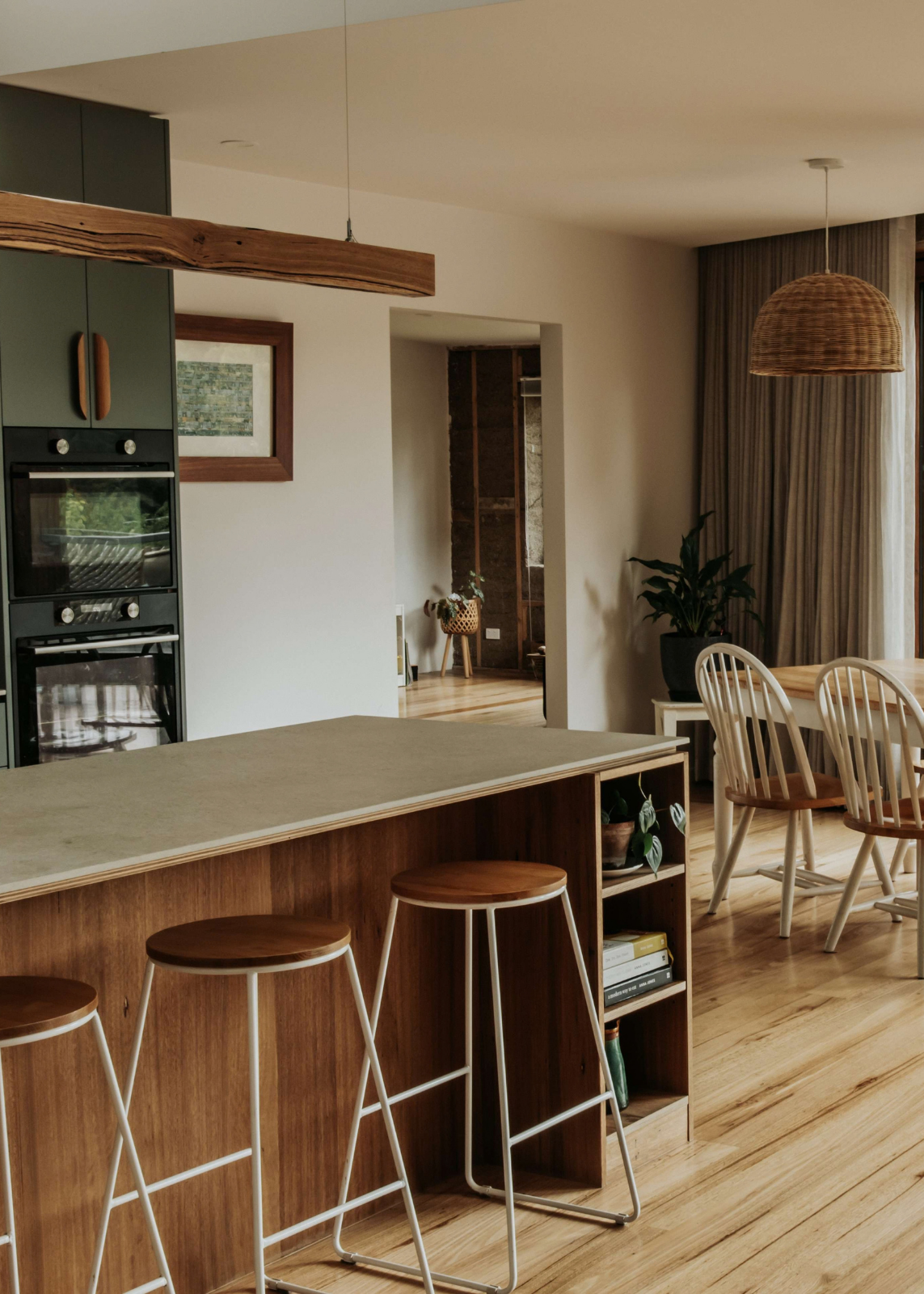
Caulfield Project by SMD Projects
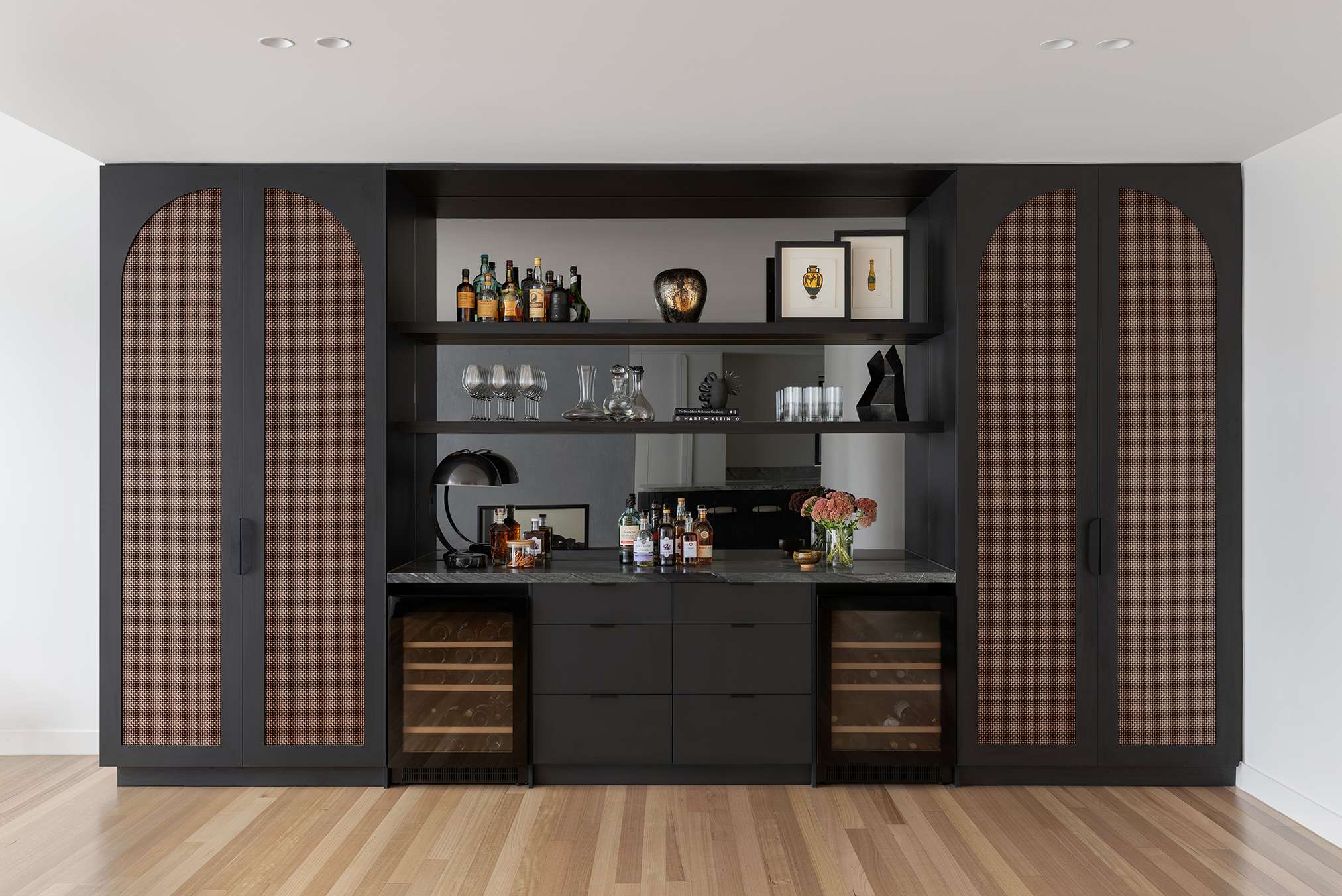
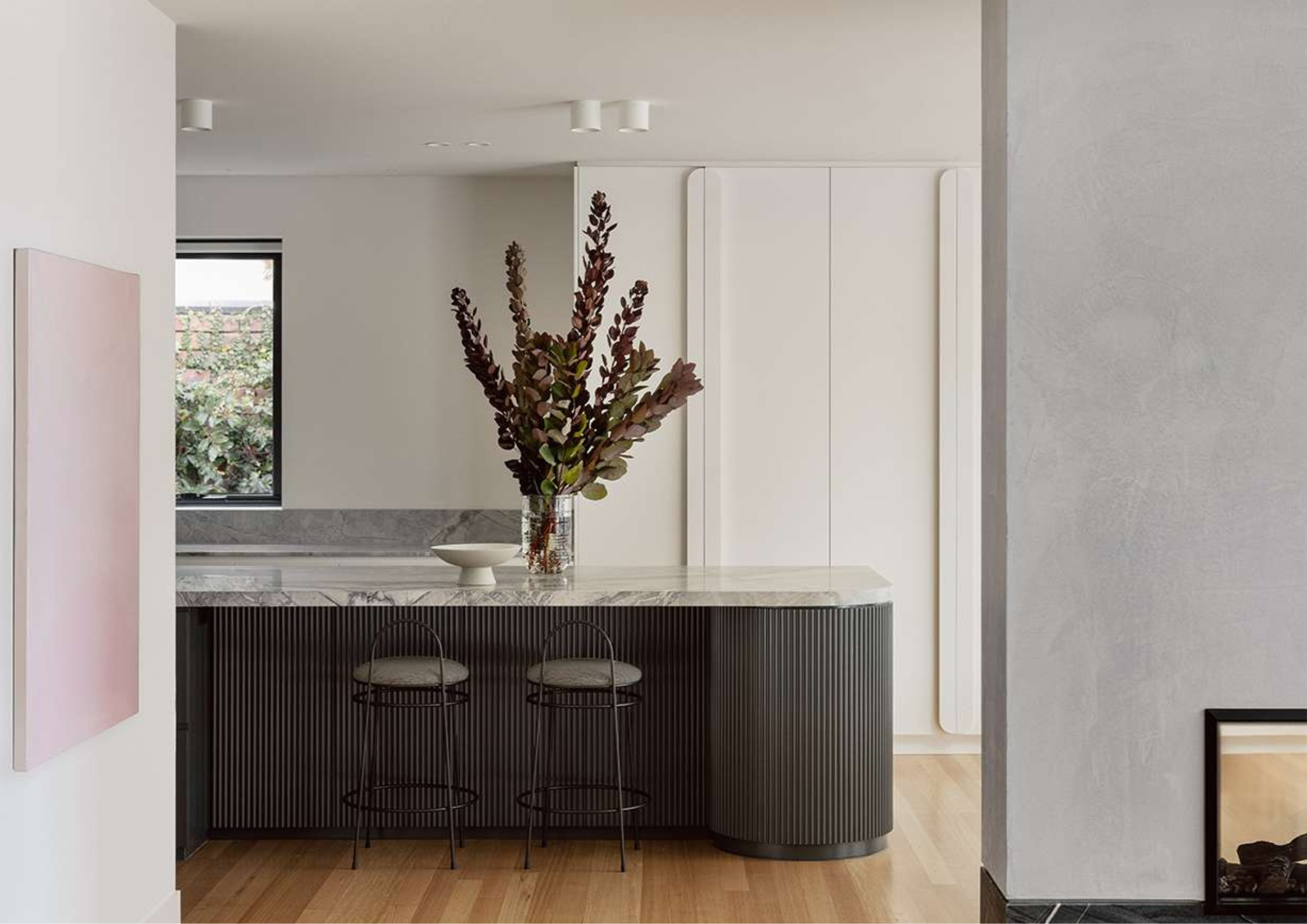
The Caulfield Project by SMD Projects has been transformed into a luminous, open-plan home designed for the way people actually live. Working in collaboration with Corso Architecture, NYD Design, and DSL Consulting, SMD Projects extended and reimagined the existing footprint, creating a series of bright, connected spaces that feel both generous and considered.
The finishes are unambiguously luxe: marble benchtops, two-pac joinery, a custom fireplace, and a feature wall all contribute to a home that feels polished without being cold. But it's the addition of skylights throughout that does the quiet, essential work, flooding every corner with warmth and making the home feel as though it belongs to the light as much as to its occupants.
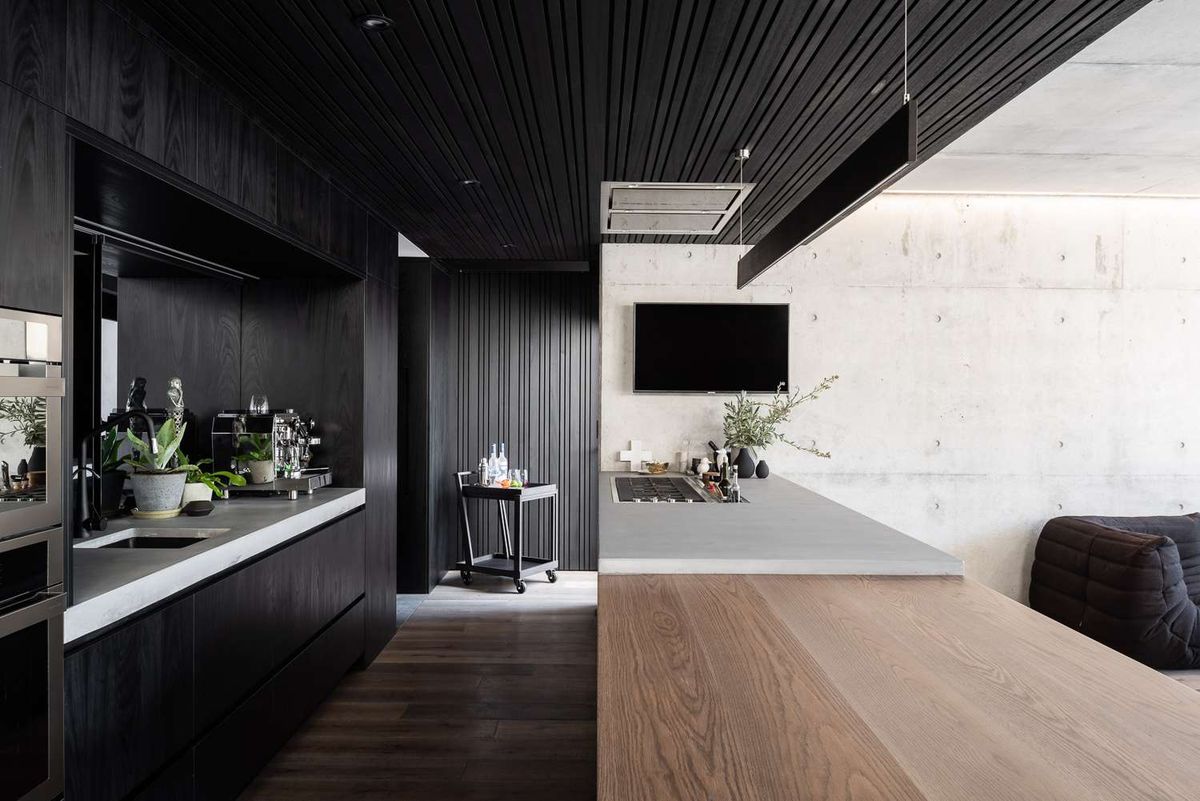
Manly by Matt Day Architect
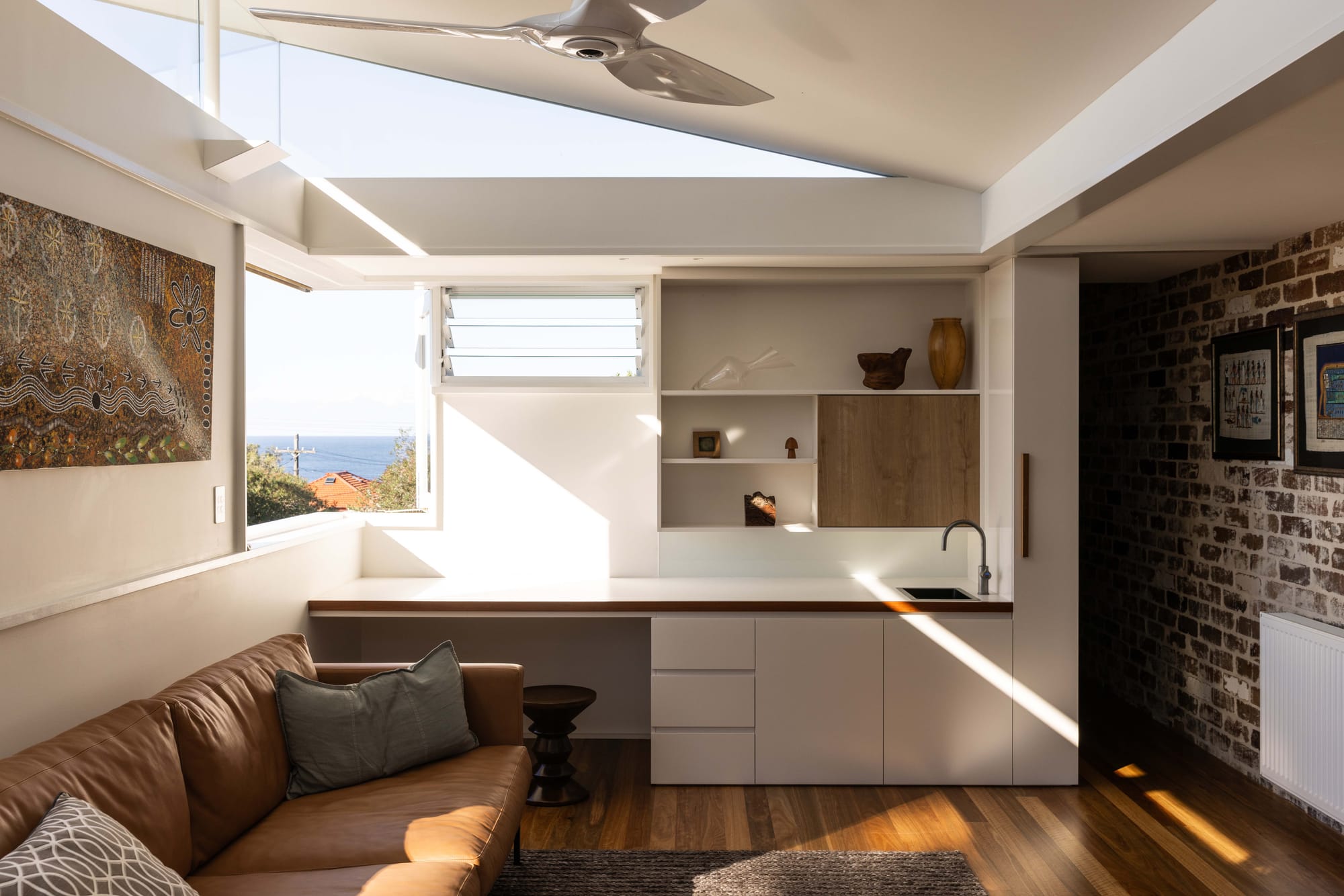
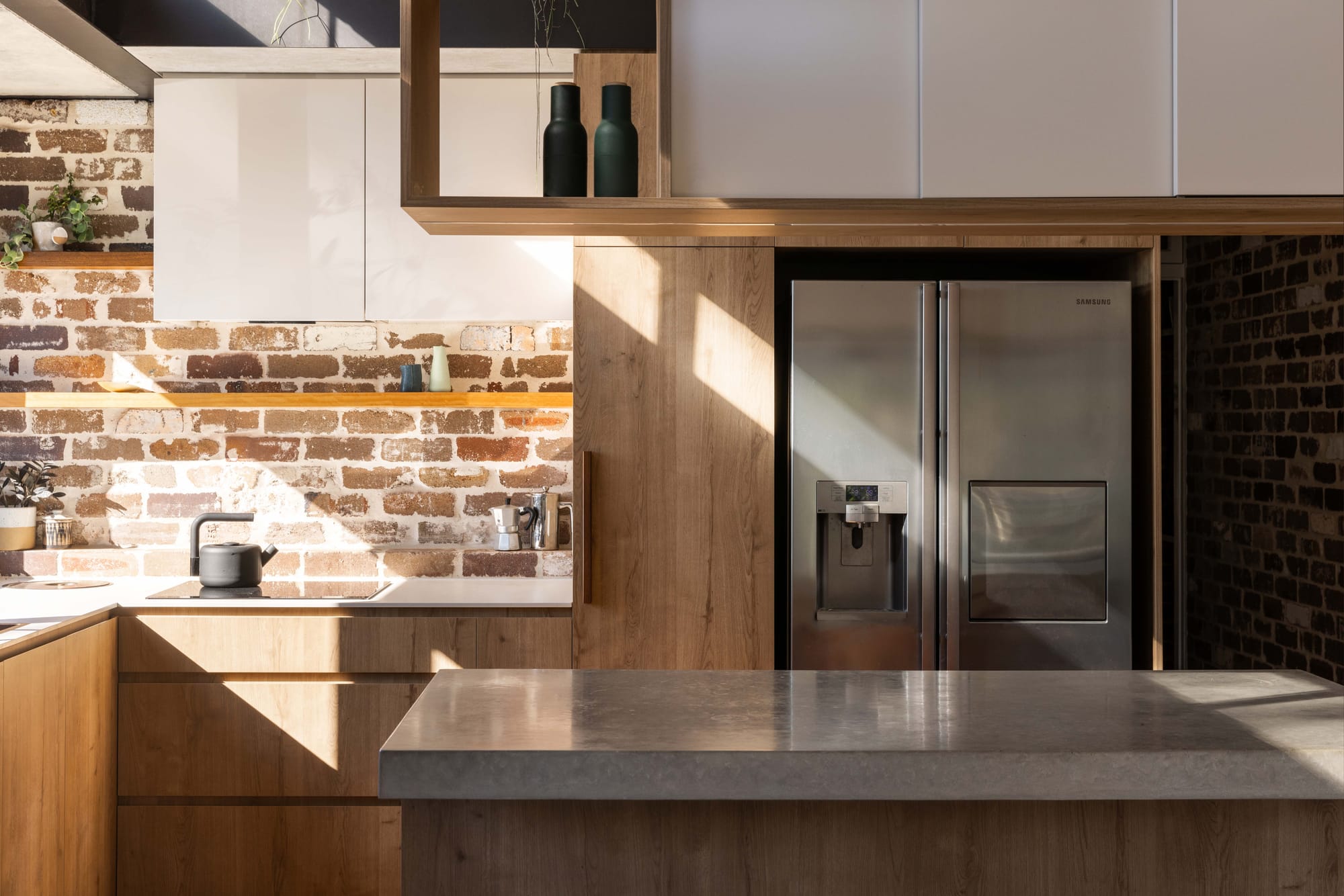
Manly by Matt Day Architect began with a quietly ambitious brief: respect the original semi-detached building, add something new that feels clever and beautiful without overwhelming its host, and do it all with sustainability at the centre. On a corner block with a long northern facade and surprisingly few windows, Matt Day Architect saw an opportunity to create one of Sydney's best-performing passive solar homes.
The design takes full advantage of its orientation, with the northern street-facing facade becoming an engaging composition of adjustable openings, planted fences, a green roof, and a mix of recycled materials. An upper-level deck with an adjustable awning captures ocean views and channels north-easterly breezes through the house in summer, while the thermal mass of concrete floors and a green roof moderates temperature year-round. All three bedrooms are arranged for privacy, and the shared party wall has been lined with recycled brick for both acoustics and thermal performance.
For owners downsizing from a larger block, the design delivers something rare: a smaller footprint that feels connected to the landscape at every turn, through planter boxes, a communal garden, native landscaping, and a rear garden that finally earns its place in the life of the home.
Courtyard House by Atelier M
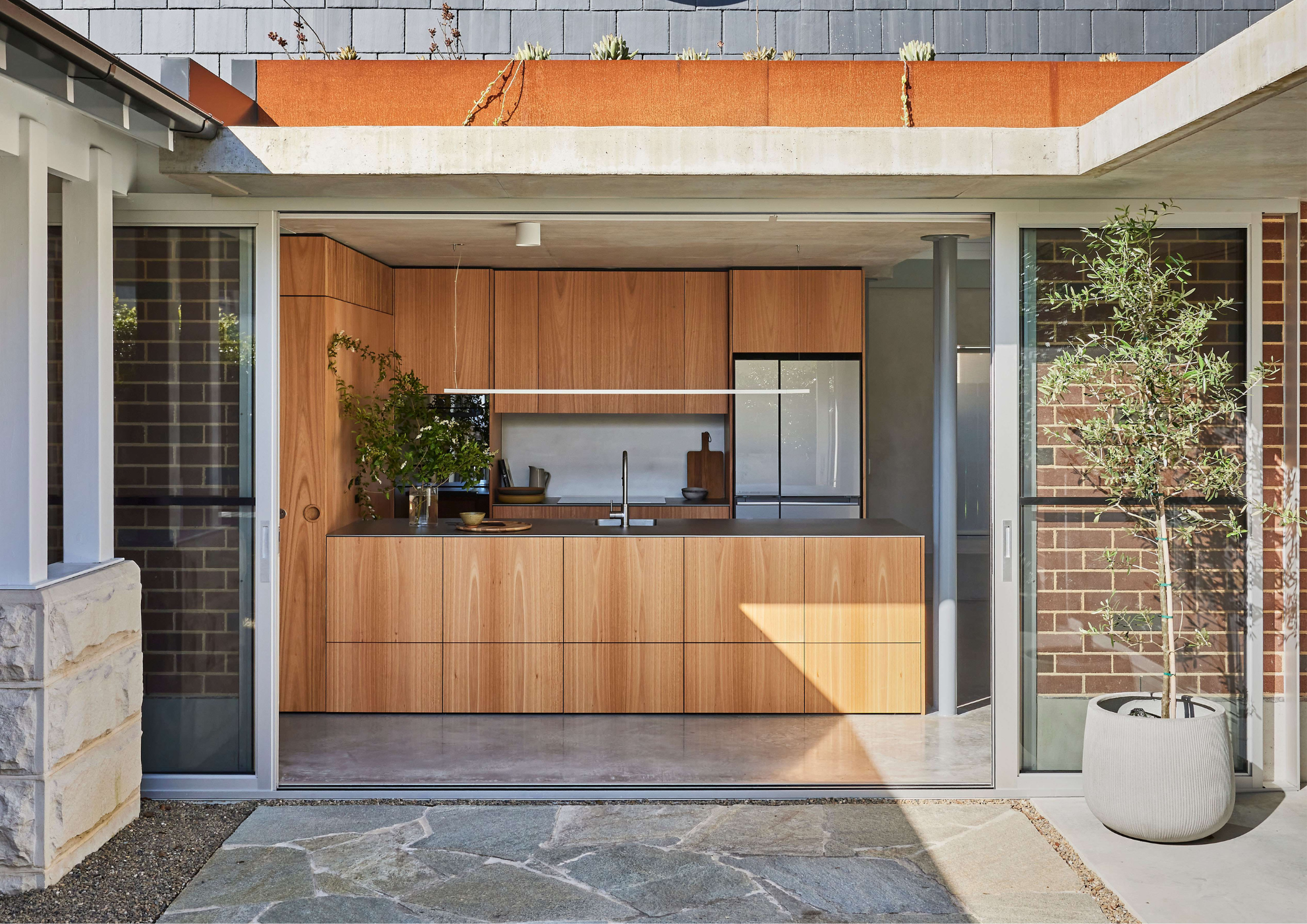
Courtyard House by Atelier M is both a restoration and a reinvention, a heritage-listed Queen Anne dwelling reshaped around light and gardens. Rather than resist the constraints of the past, Atelier M carved two courtyards into the footprint, each capturing the sun at a different time of day and offering a private outdoor sanctuary in a dense neighbourhood. For clients who are keen gardeners and sought a daily rhythm tied to planting and the seasons, these outdoor rooms are central to how the home is experienced.
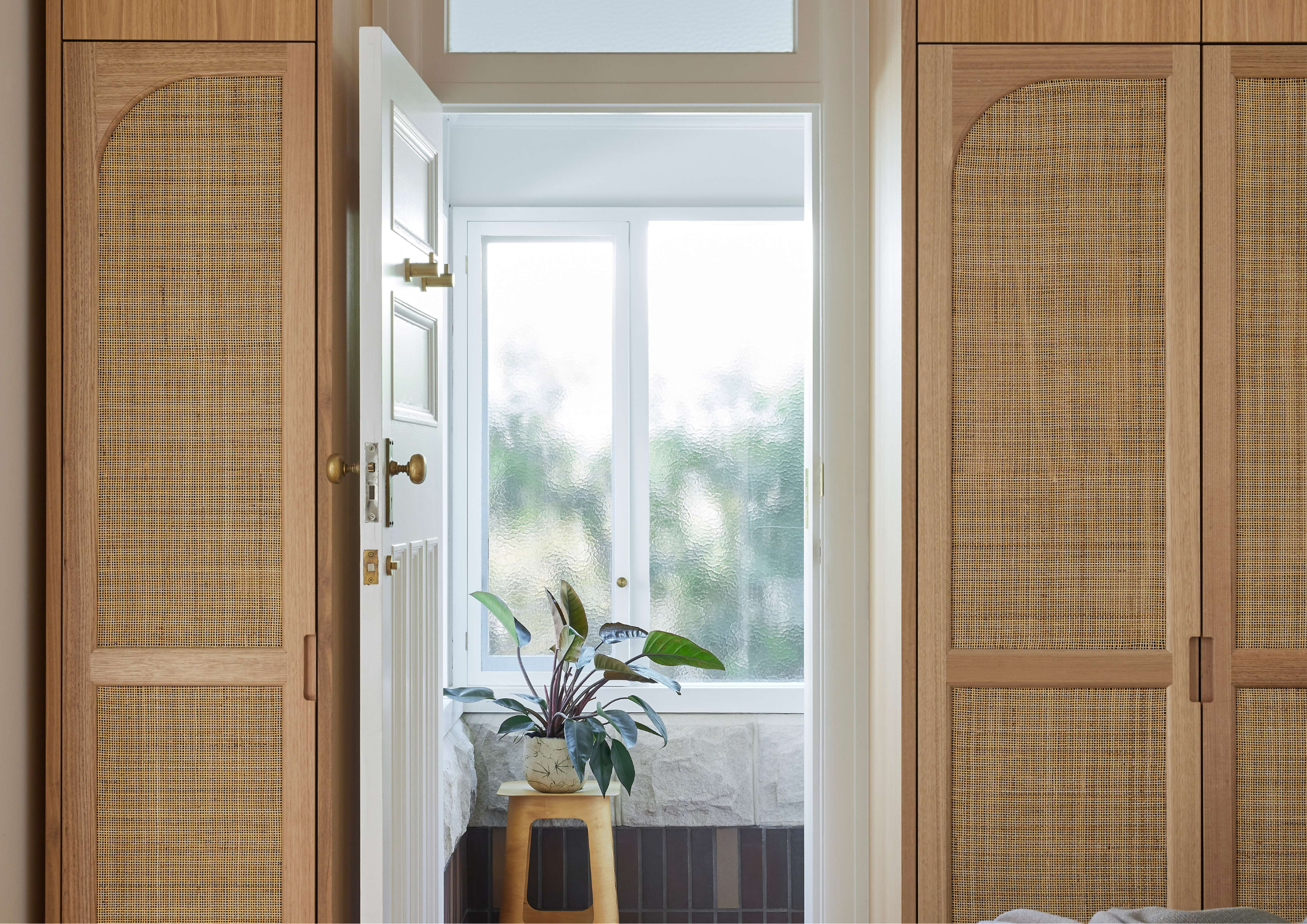
The existing heritage fabric turns inward into a series of intimate rooms, while a contemporary rear addition opens outward through a checkerboard pattern of solid panels and glass curtain walls, creating a considered rhythm between enclosure and openness. Materials carry the same dialogue: the ensuite reinterprets the original veranda in stone and timber, while enduring finishes are chosen for their ability to age gracefully over decades. A circular skylight crowning the mezzanine playroom is a small but telling detail, a reminder that a forever home must flex for different generations and different ways of living.
Balmain House by COSO Architecture
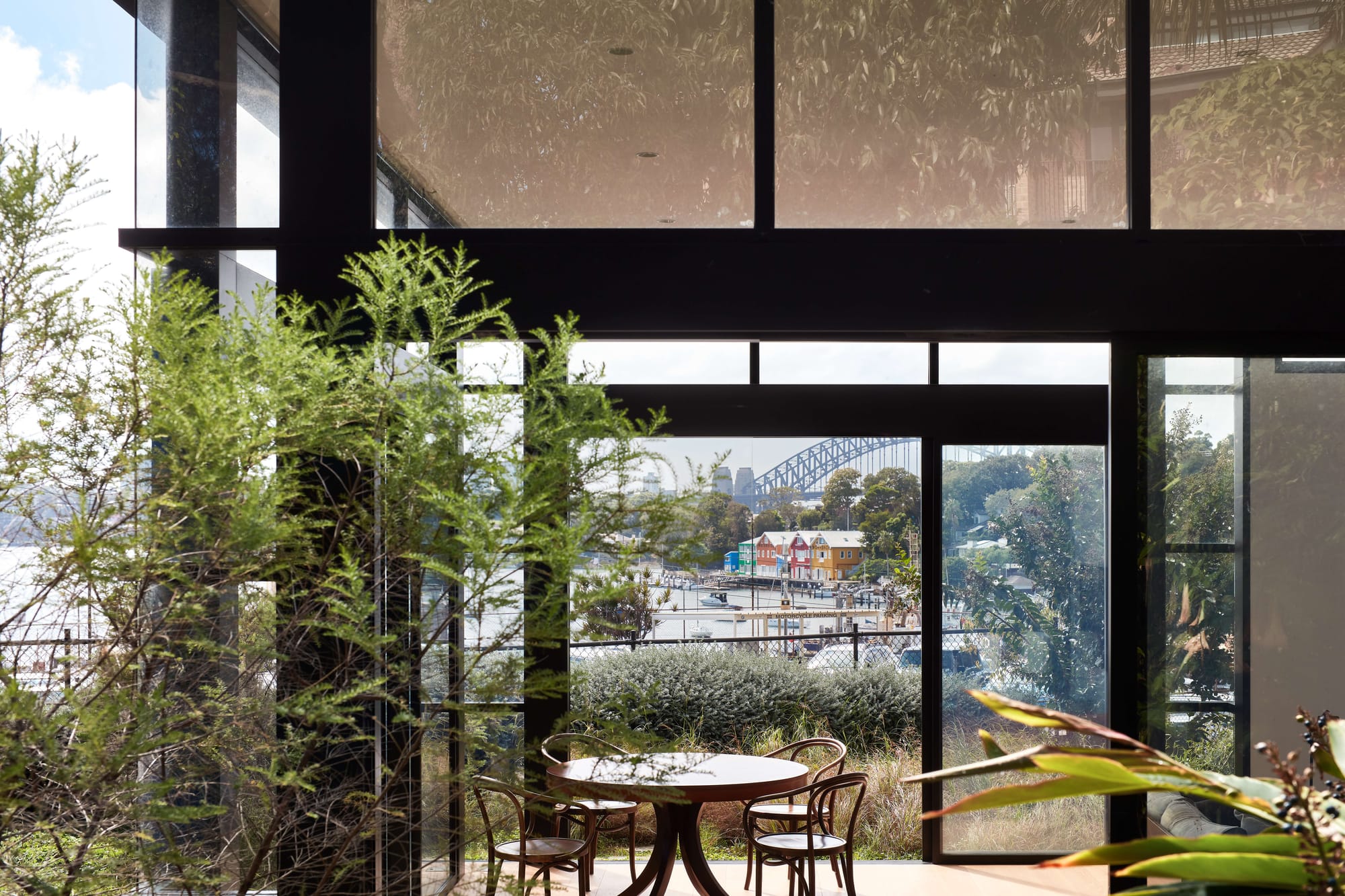
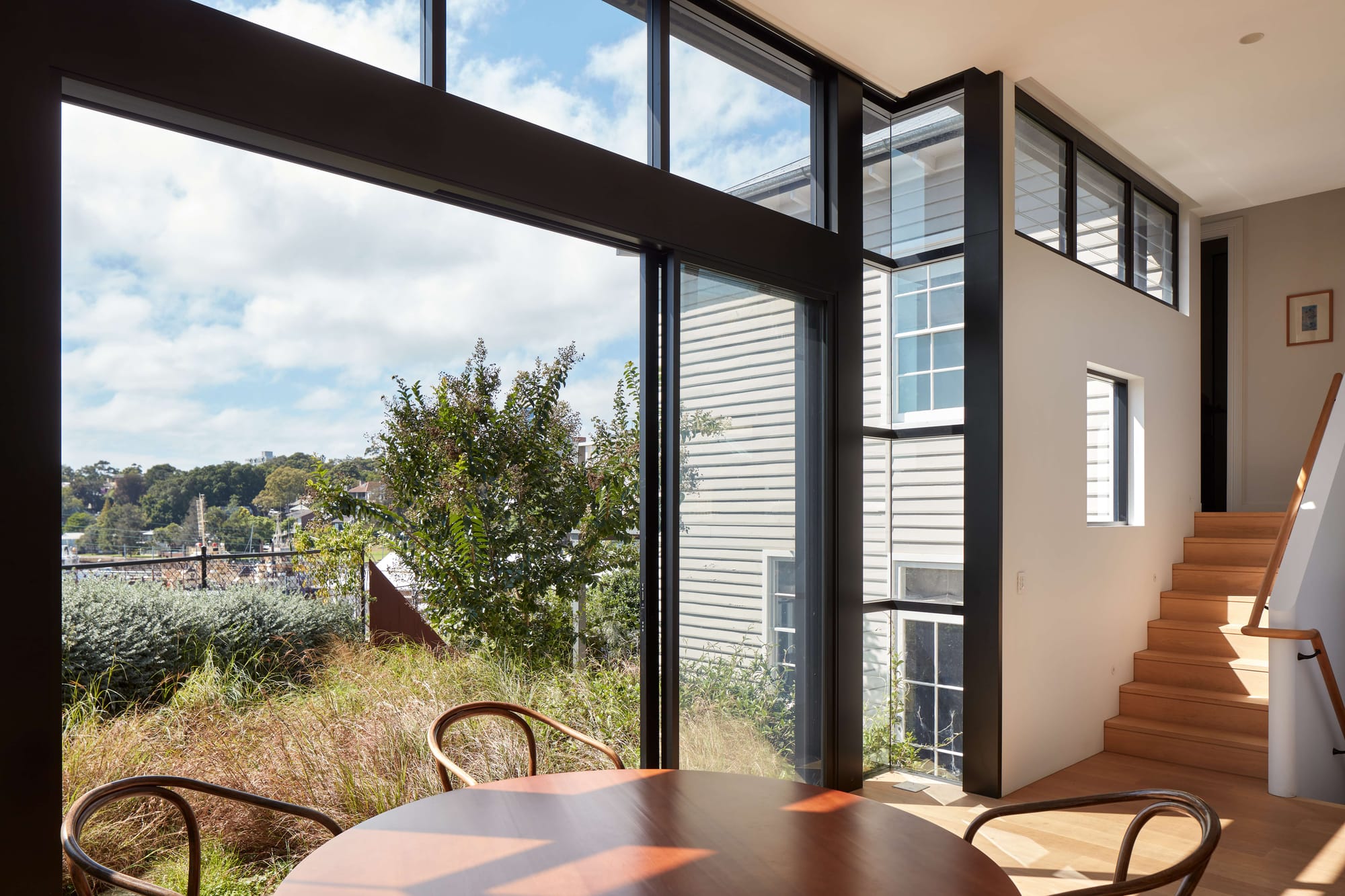
Few architectural conversations are as charged as the one between sandstone and glass, and COSO Architecture has handled Balmain House with precision and confidence. The original heritage cottage, defined by rough-hewn sandstone walls, is preserved with care and placed in deliberate dialogue with a dramatic two-storey contemporary addition conceived as a lightweight glass-and-steel pavilion.
The contrast is the point. Black-framed glazing and minimal white planes create a luminous counterpoint to the textured, organic warmth of the stone, while the extension's transparency strategically frames sweeping water and city views. Inside, the home moves through layers of history: lower levels celebrate the raw materiality of the stone as a backdrop for sharply contemporary fittings, including a minimalist kitchen island and sleek vanities set against herringbone slate and white mosaic tiles. A sculptural light timber staircase connects old and new with quiet elegance, unifying the journey from ground to upper floor. The result is a home that honours its past while creating something entirely its own, a bespoke interior where natural light and historic texture coexist in easy equilibrium.
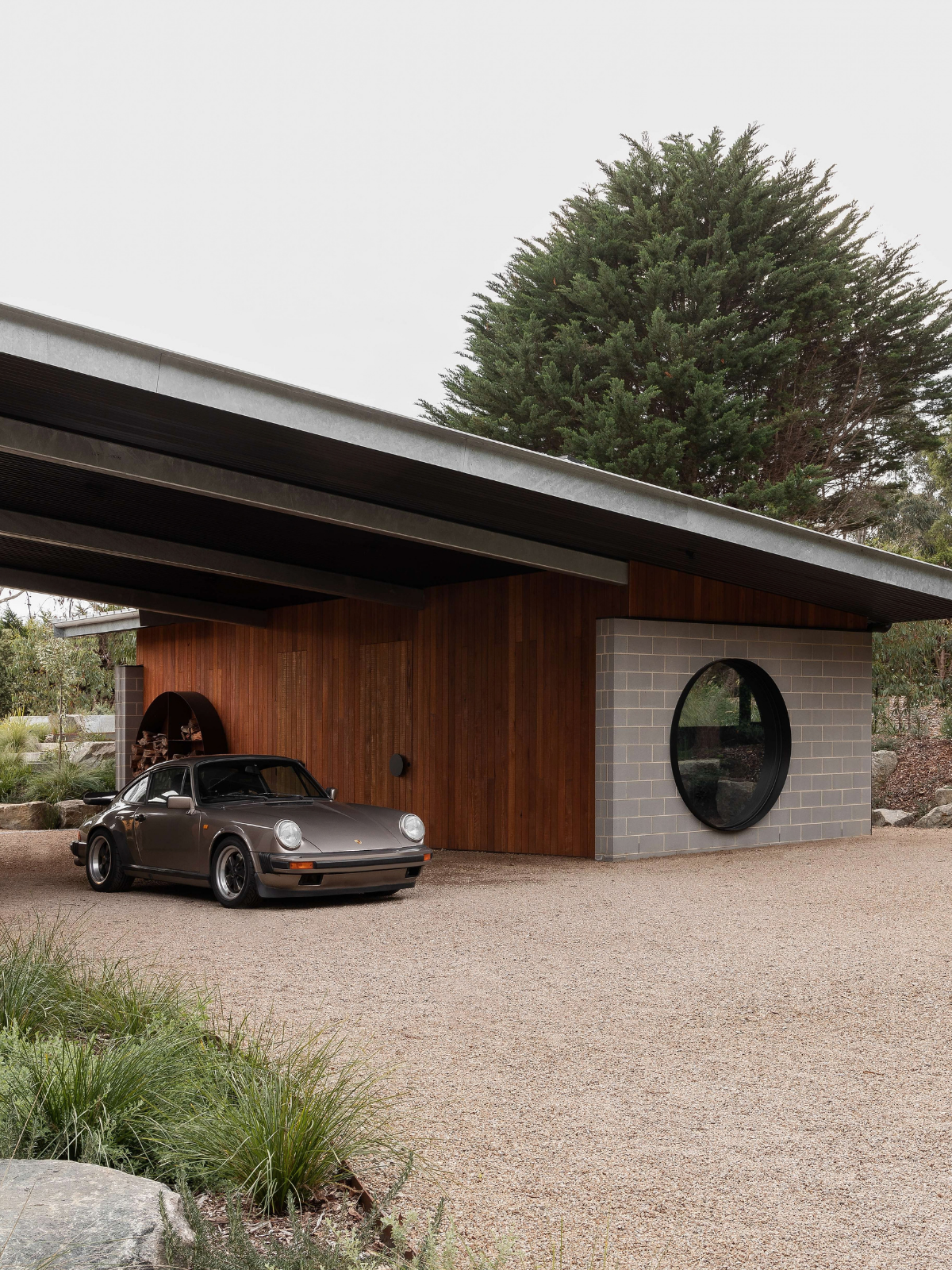
Playhouse by Trennel Architecture
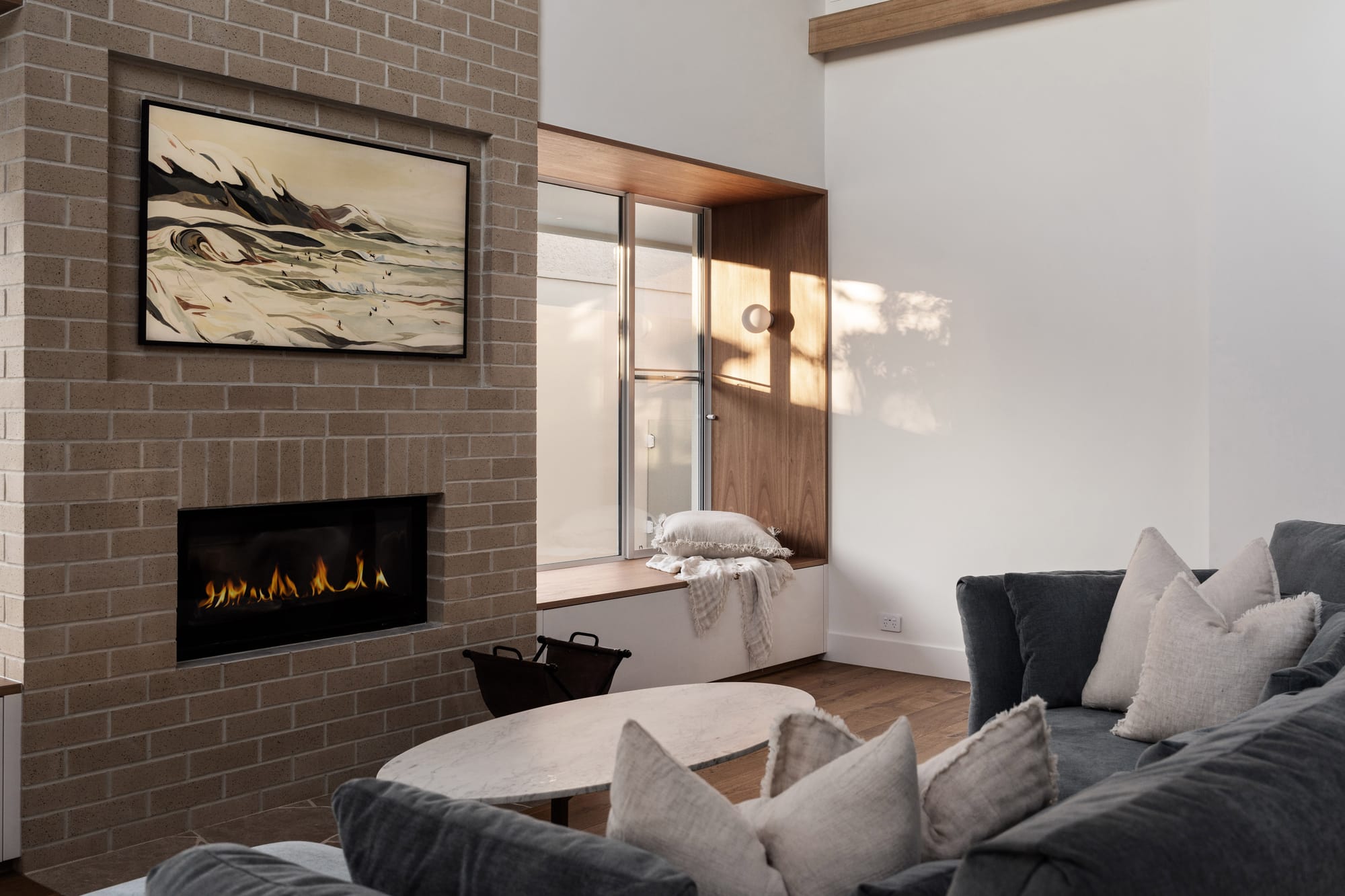
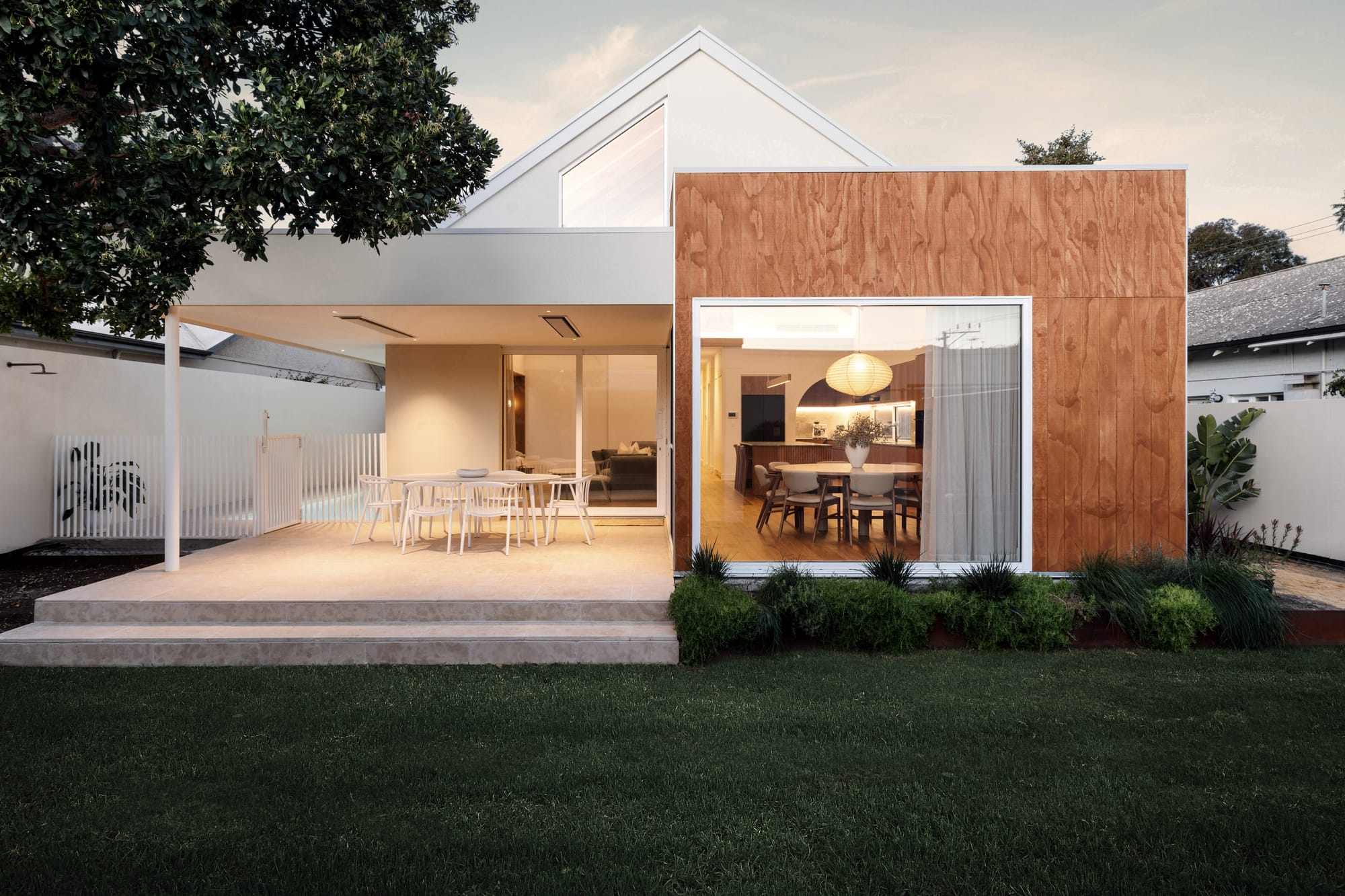
Designed for relaxed family living near the coast, Playhouse is built around the idea that a home should feel at ease in its environment. Trennel Architecture has drawn on a warm, natural material palette, with timber used generously throughout, to create interiors that are calm and tactile, suited to the rhythms of everyday coastal life.
The swimming pool anchors the plan as a focal point from the main living areas, and that visual connection does meaningful work: it draws the eye outward, extends the perceived scale of the home, and keeps family life oriented toward outdoor spaces. The second storey is quietly integrated within the roof form, reducing the building's apparent mass on the street while unlocking varied internal volumes and moments of spatial surprise above.
Among those surprises is a family bathroom that challenges what a bathroom is expected to feel like. Timber flooring extends through into the vanity area, and a direct outlook to a private courtyard brings natural light and greenery into the room, making it feel less like a utility space and more like a considered part of the home it belongs to.
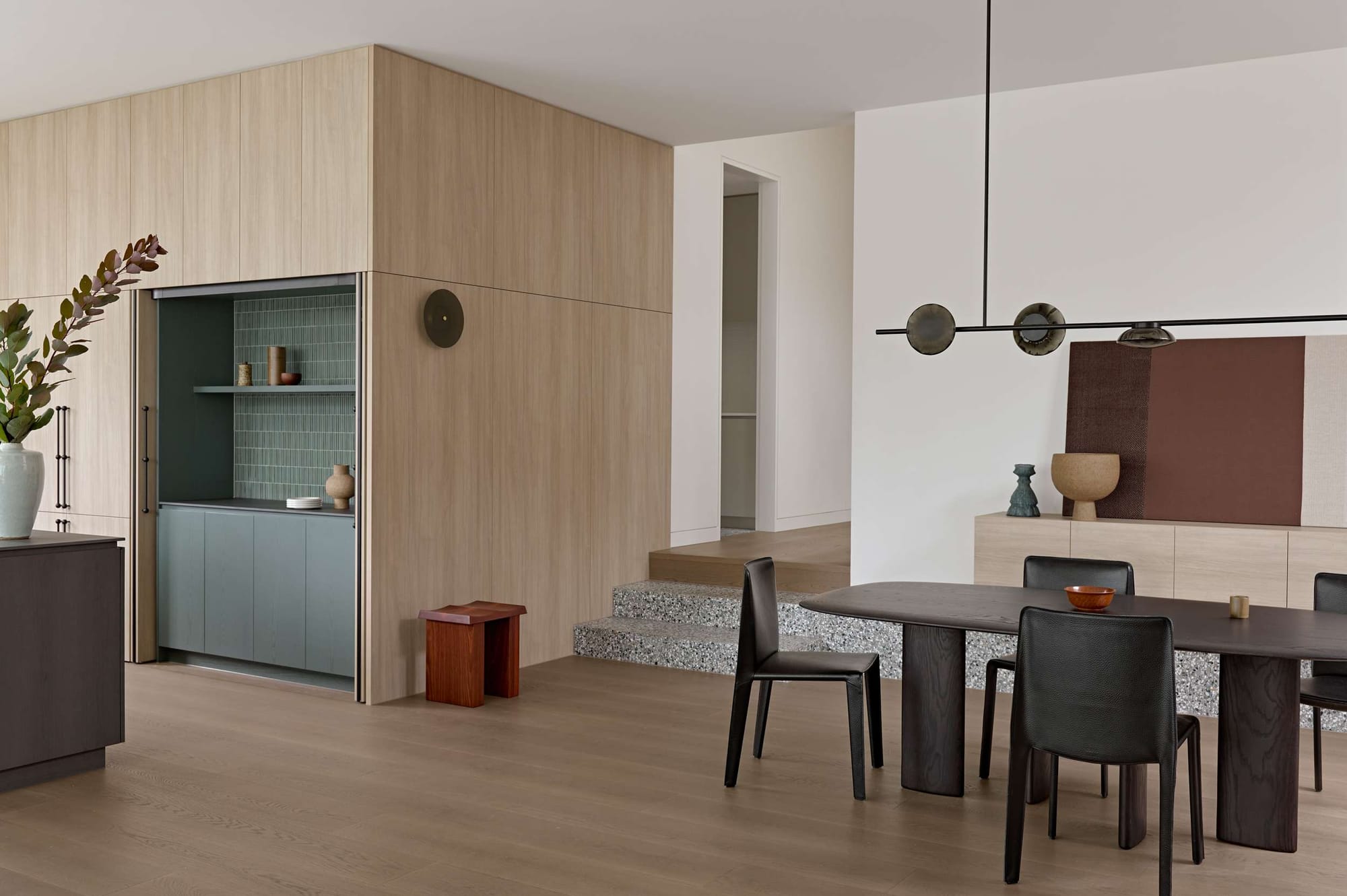
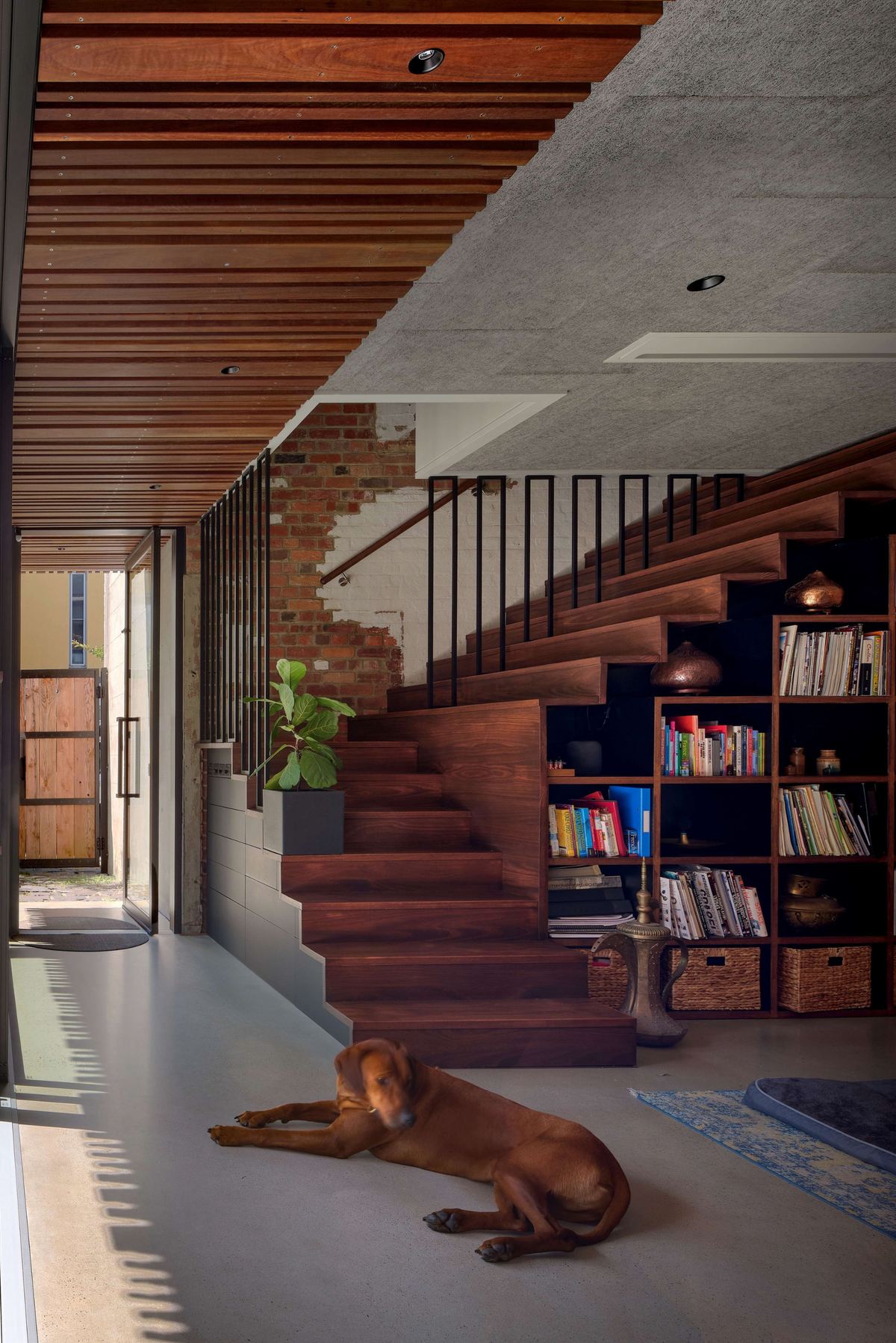
Orrong House by Studio Cobe
Orrong House by Studio Cobe sits behind a familiar Victorian frontage in Elsternwick, announced by a vivid yellow front door. Step through it and the home reveals itself as something fundamentally reimagined: a series of formerly enclosed and disconnected rooms reshaped into a clear and cohesive sequence of spaces, where light and gentle curves soften the former rigidity of the plan.
At the meeting point of old and new, a sculptural in-situ staircase anchors the transition, responding to a tight footprint while drawing the eye upward to a double-height void that pulls natural light deep into the interior. The floor steps down gradually toward the kitchen, dining, and living zones, tracing the natural fall of the site and lending the plan a sense of quiet flow.
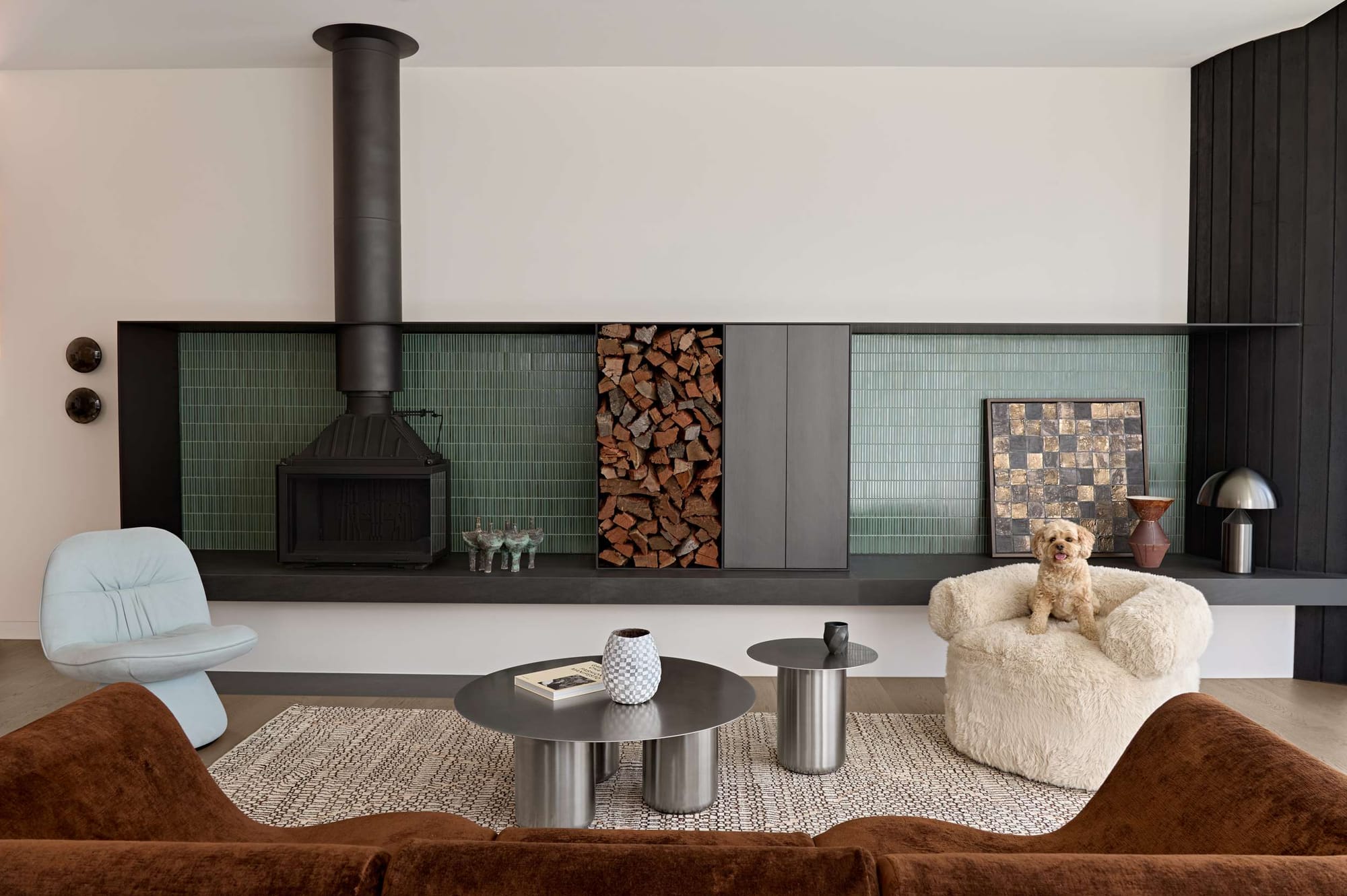
Openings to the garden are softened through curved glazing, dissolving the boundary between inside and out. Charred timber cladding runs across both interior and exterior surfaces, binding the home in a single material language. In the kitchen, concealed joinery reveals moments of colour through green tiling, while a circular skylight casts a soft glow over the island below. Terrazzo extends from the stepped floor to form a raised platform beneath the dining area, and robust powder-coated aluminium joinery integrates a cast-iron fireplace into the living room wall. Lighting by Ross Gardam completes a home of precise, refined geometry and a great deal of warmth.
Frequently Asked Questions
How do architects maximise natural light in Australian homes?
Architects use a range of strategies to maximise natural light, including northern orientation, skylights, double-height voids, courtyard layouts, and generous glazing. The goal is to draw sunlight deep into the home at different times of day while managing heat gain, particularly in Australia's warmer climates.
What is passive solar design and how does it work in Australian homes?
Passive solar design is an approach that uses a home's orientation, materials, and layout to regulate temperature and light without mechanical systems. In Australia, this typically means positioning living areas to face north to capture winter sun, using thermal mass like concrete floors to absorb and release heat, and incorporating cross ventilation to cool the home naturally in summer.
Can a heritage home be renovated to let in more natural light?
Yes. Several of Australia's most compelling renovations involve heritage homes that have been carefully extended to introduce more light. Common approaches include adding skylights, opening up the rear of the home with glass pavilion extensions, and carving courtyards into the plan. The key is ensuring the new addition is architecturally distinct from the original while respecting the existing fabric.
What are the best architectural features for a light-filled home?
The most effective features include skylights (particularly circular or roof-mounted), floor-to-ceiling glazing, double-height voids, courtyards, and open-plan layouts that allow light to travel across the full depth of the home. Curved glazing at garden junctions and adjustable louvres also help balance light and privacy.
How do I find an architect in Australia to help maximise natural light in my home?
CO-architecture connects homeowners with experienced Australian architects and designers who specialise in residential renovation and new builds. You can browse architect profiles, view completed projects, and submit a brief to find the right fit for your home.