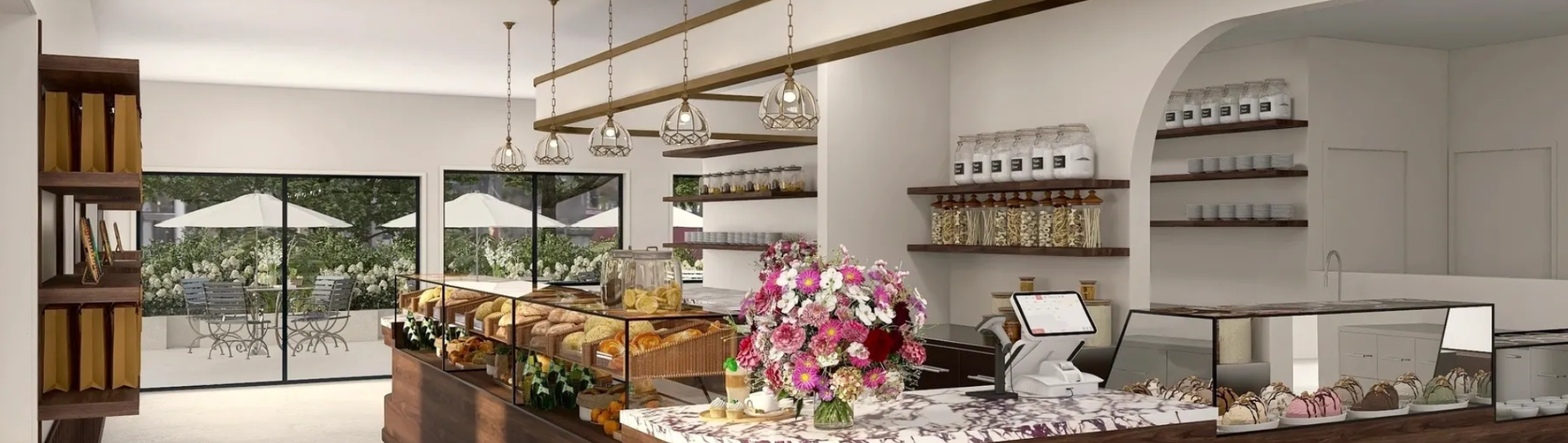
Sara-Ann Interior Design on honest client relationships, the one primary appointment that covers everything and why a whole-project plan matters from day one.
Sara-Ann Interior Design was built around a simple idea: that great design should work around real life, not the other way around. Founded by Sara after leaving a conventional industry role behind, the practice works across residential and commercial projects in both Sydney and Brisbane and it’s surrounds, with a particular focus on custom joinery, bespoke detailing and the kind of honest client relationships that produce spaces people actually want to live in. We’ve spoken with Sara about how her design process works and why having a complete plan for a space matters from day one.
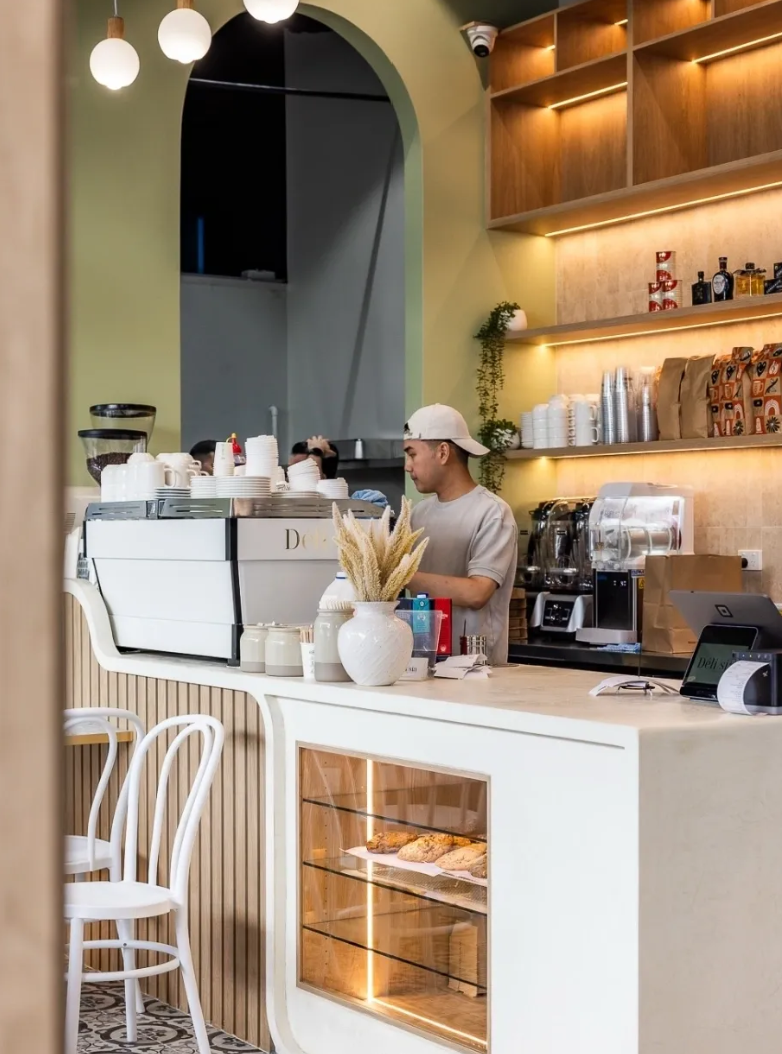
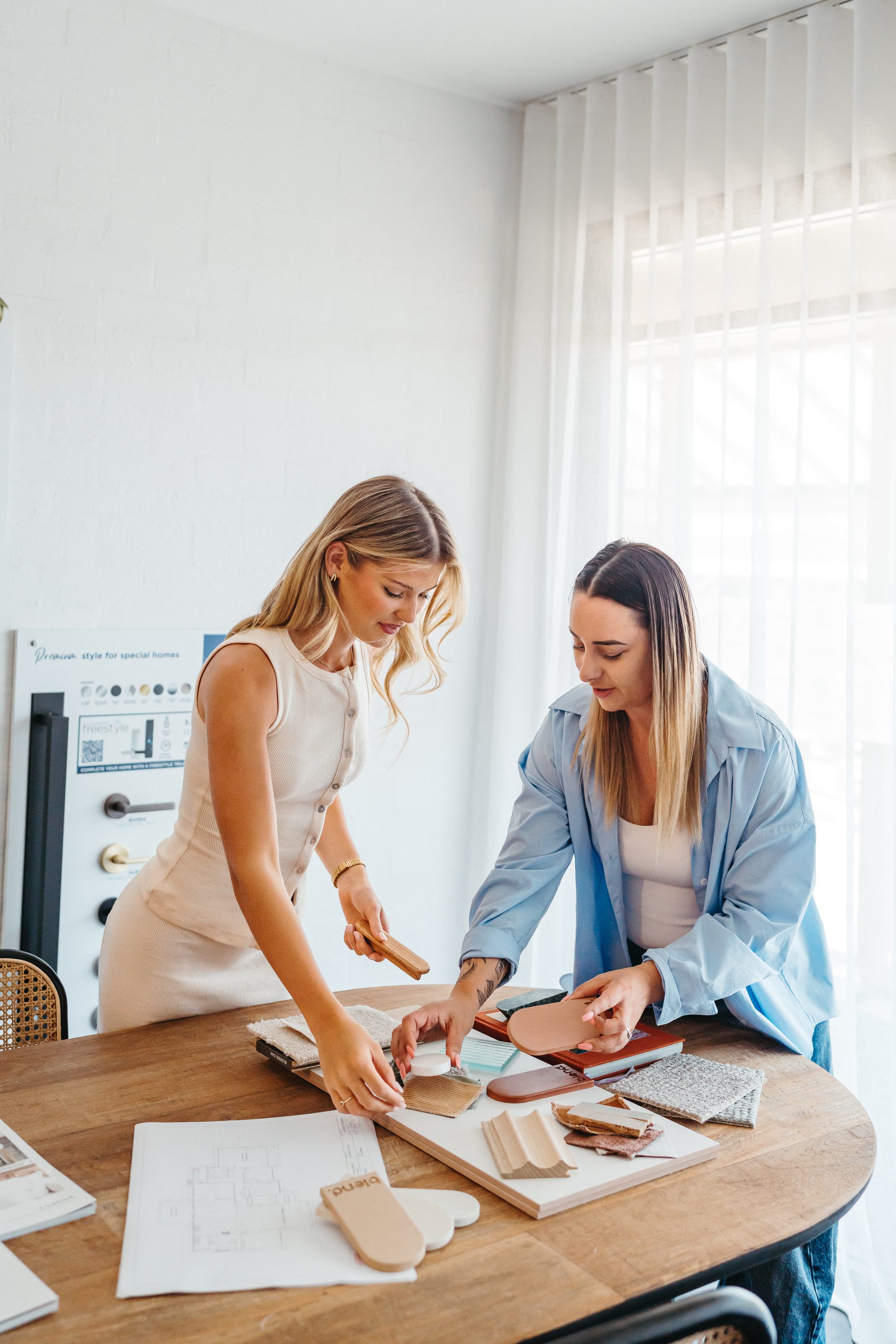
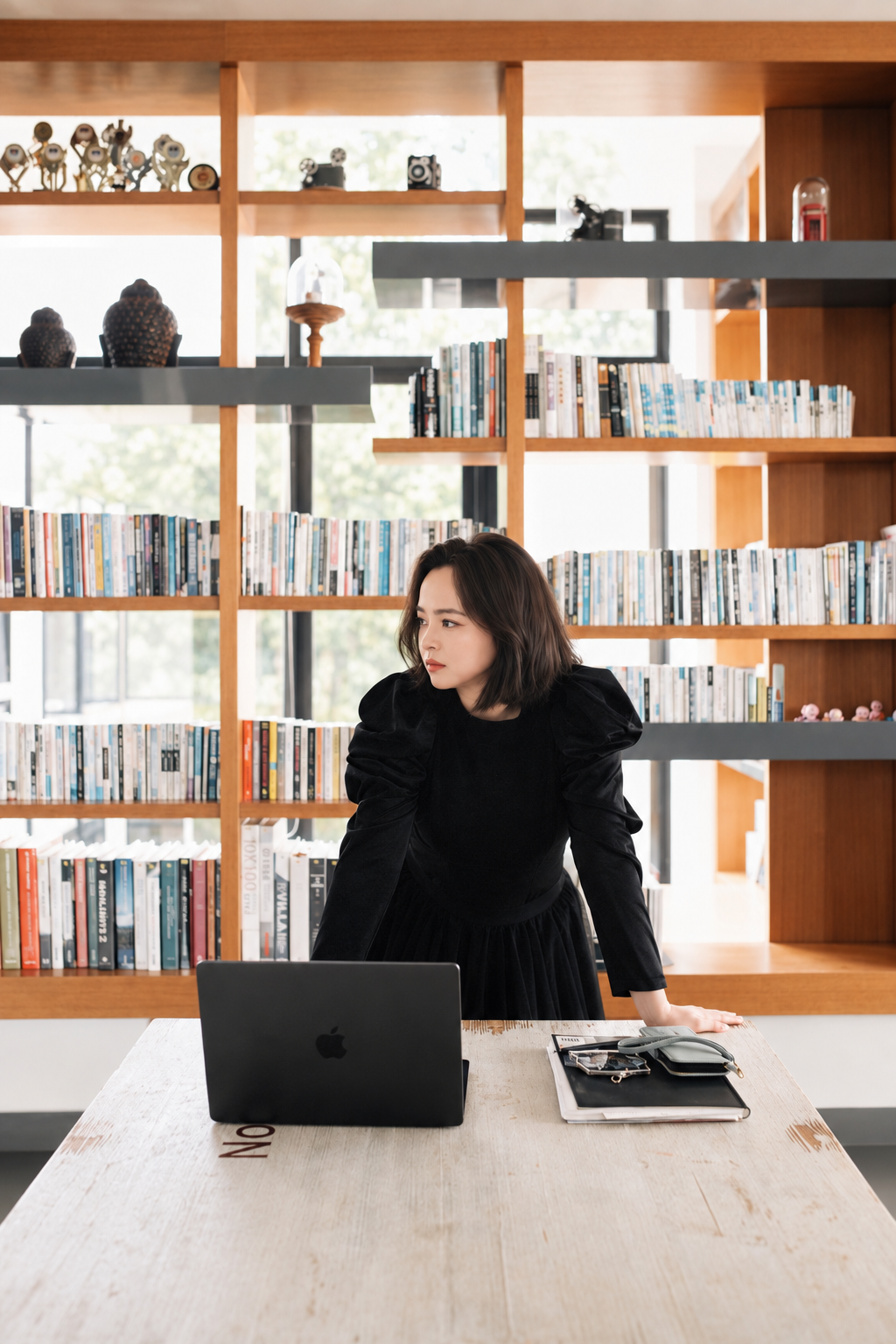
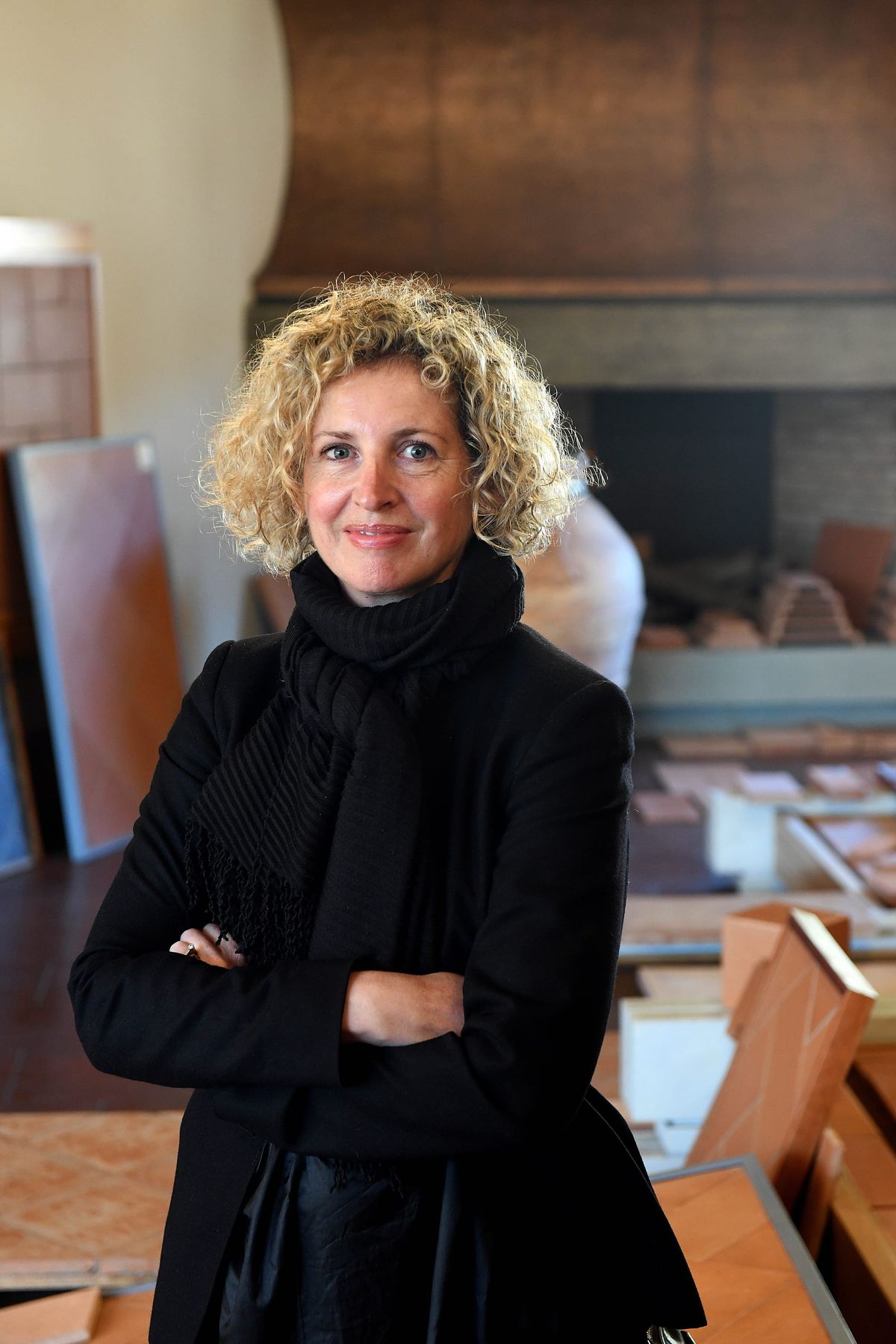
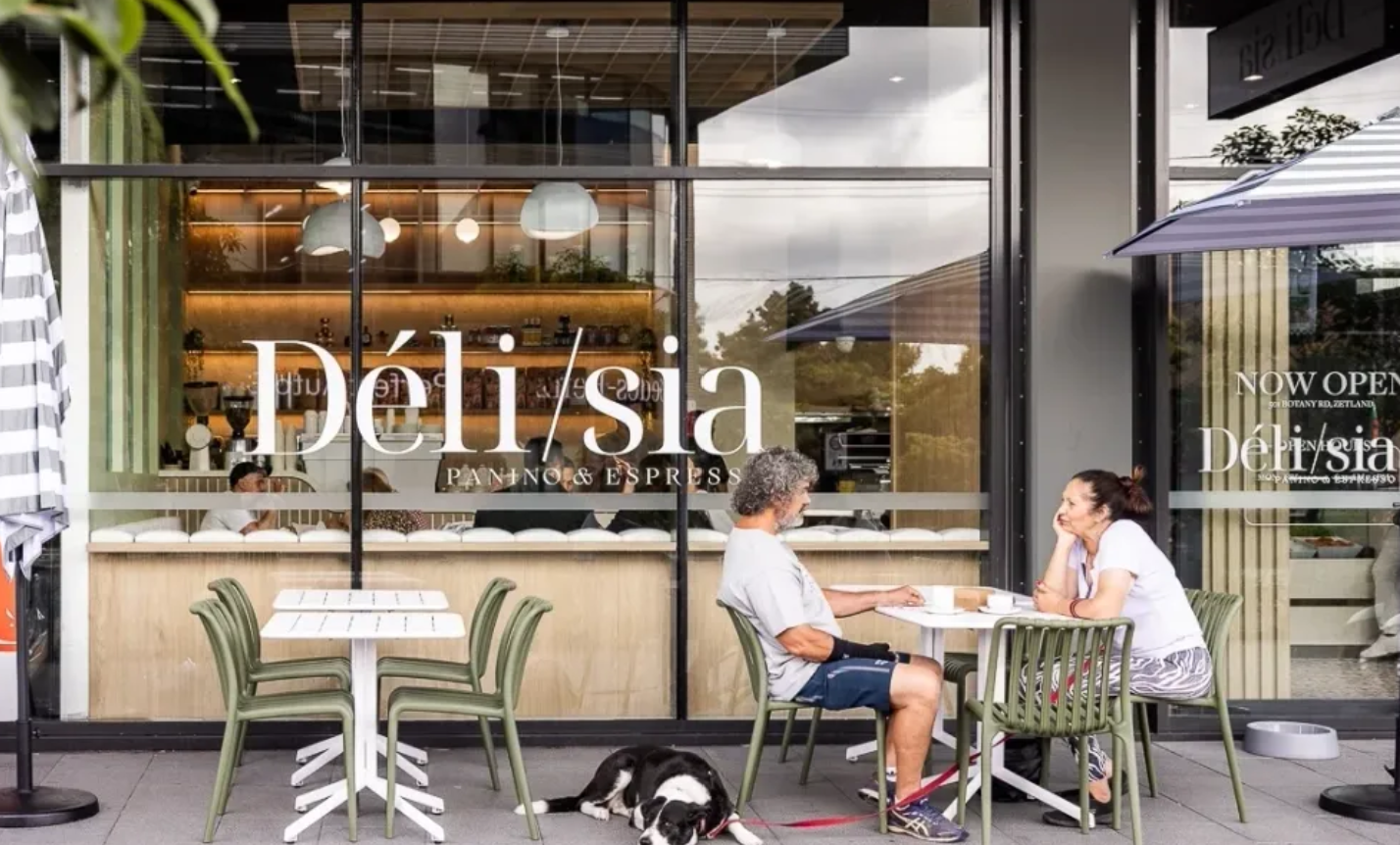
Cafe Sydney (left). Picture of Sara & Indi (right)
Sara, you founded Sara-Ann Interior Design after recognising that a conventional studio model wouldn't align with the life you wanted to build. How would you describe the design philosophy that came out of that decision, and what does it mean for the way you approach a project today?
Life is not simple nor is it easy. Most of us work a 9-5 trying to build a life for our family leaving little time aside to be able to focus on that dream. The dream that the 9-5 is working unbelievably hard to pay for. I completely understand and appreciate the need to meet with clients on weekends and after hours to suit busy schedules. I also completely understand the need for hard-wearing fixtures and finishes as well as the need for storage. We work on the general basis that every project is unique and we adjust our work method to suit.
Our intention with every project is to approach it as though we are your eyes and ears. We take care of all the heavy paperwork needed for a submission and do the necessary research to provide you with suitable selections for your project from a simple inspiration image, saving you hours of research and uncertainty.
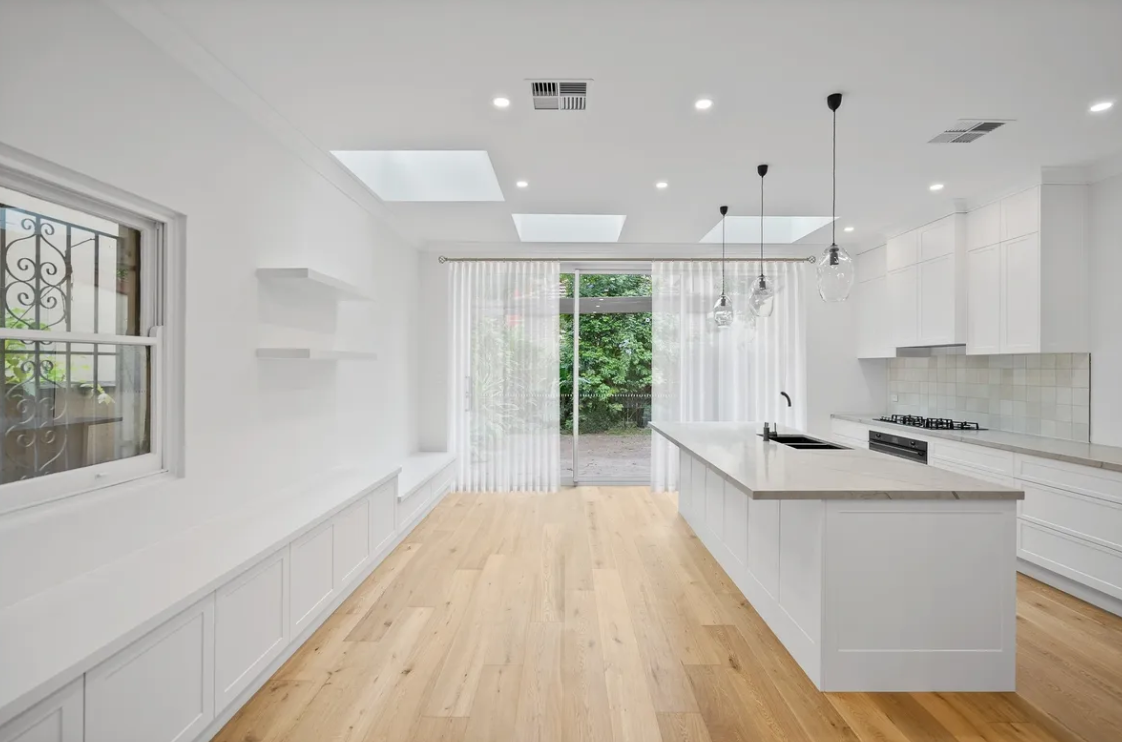
Your process moves from concept and moodboarding all the way through to construction coordination and final styling. What do homeowners most commonly discover about that full process once they're inside it that they didn't expect coming in?
Coming from a custom home project management background, I have worked intricately on every stage of a project from generating the tenders to looking after the fiddly maintenance at the end. I think our most rewarding realisation is when clients finish their one flooring appointment with us, where we sneak in the selection of all fixtures and finishes throughout the project, and they say "Wow, we were prepared for that to be a lot more intense." We think of everything right down to the simple things like hinges, doorstops and grout. We have the solutions in hand for you ready to go. Naturally, this isn't always possible with every project and some need finer refining, but we seem to be able to get it pretty close!
You work closely with clients to translate their vision into reality, but you also bring your own eye and expertise to every project. When your instincts and a client's preferences pull in different directions, how do you navigate that conversation?
In my very initial discussion with the clients, I let them know that I will openly and honestly provide feedback regarding decisions even if it is something that they don't want to hear. I also always ask the same of clients. If they don't like something that has been proposed, I will always stress that they are not to just accept a design if they are not 100% happy with it. It's not always a comfortable conversation but I don't see the point of hiring a designer who can't be honest with you. Often requests are a bit left field and there is not always a way to cohesively bring a vision to life, however there is almost always a workaround or an alternative to achieve the original design vision.
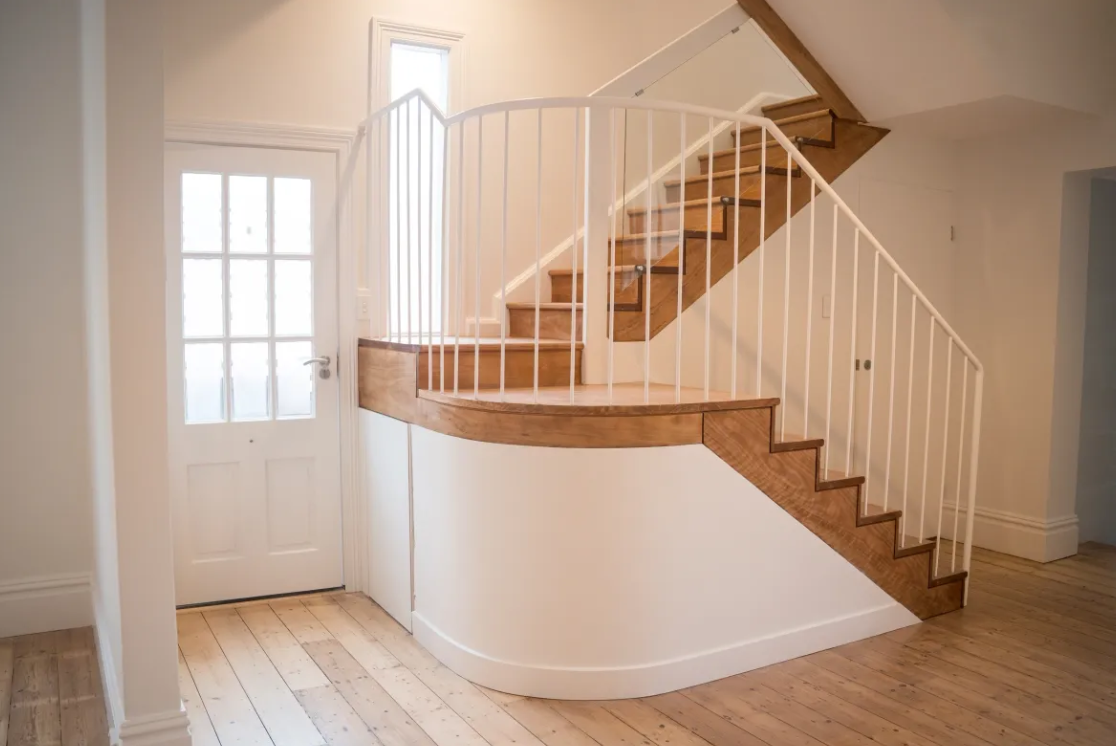
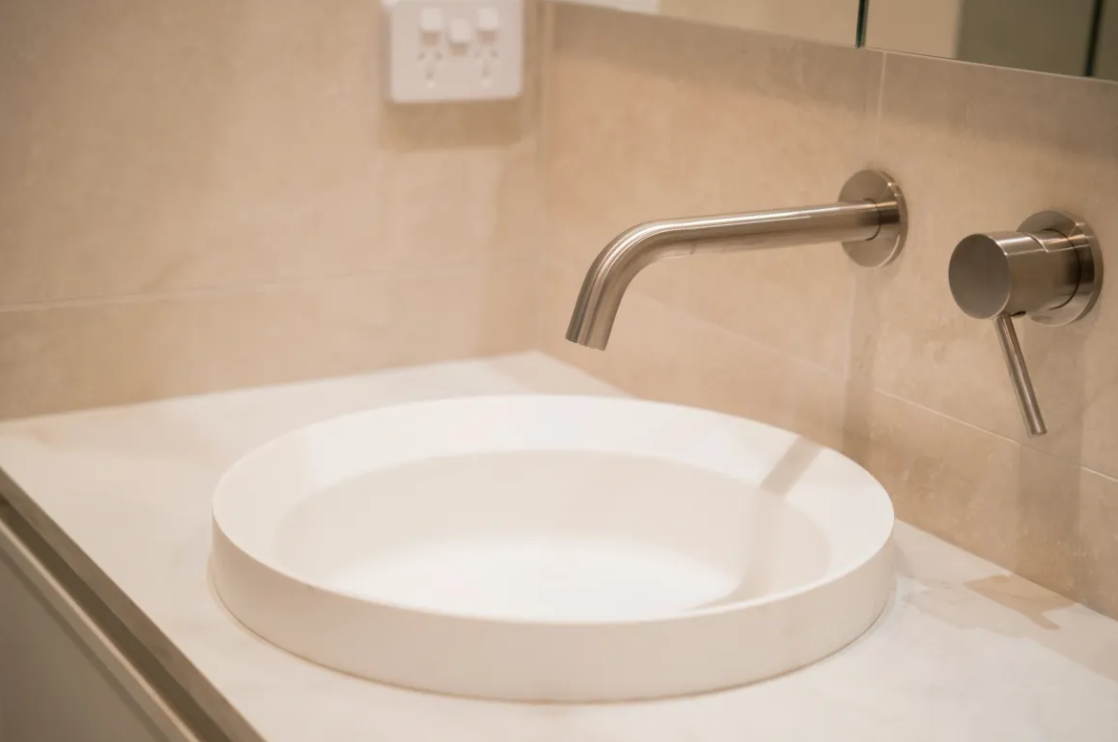
Sara-Ann Interior Design works across residential and commercial projects in both Sydney and Brisbane, with a particular focus on custom joinery and bespoke detailing. Is there a material, a finish, or a design approach that you're especially drawn to in your work right now?
I often see designers who have one design style and I think to myself, maybe this is the direction we need to go, but in the short two and a half years we have been in operation I can't bring myself to the limitation. So in saying that, I wouldn't say we have a favoured material or finish that we are drawn to. The same goes for having an overall preferred design style. We focus on the design approach and the individual client. We take the client's inspiration images and find ways to apply them to their specific space, which in turn may include a material or finish that we love. I'm a huge fan of repurposing everyday items for use within a space, like an old chest of drawers as a bathroom vanity. Things like that!
Not everyone has the same budget as the next, which also forms a key factor in how we work the design process and the overall result. We do also often need to stage projects in terms of completion to work within a client's budget or preferred timeframes.
Balancing motherhood with running a design practice has given you a particular understanding of how spaces need to work for real family life. What is the most honest and useful thing you would tell someone just starting to think about renovating or building before they begin?
Always have a plan including the entire project. You may need to juggle the project in stages to avoid the need for moving out, or it may be an extended project to suit your budget. Keep your overall end goal at the head of the line to ensure you're not wasting time and money on things that won't come together in the end.