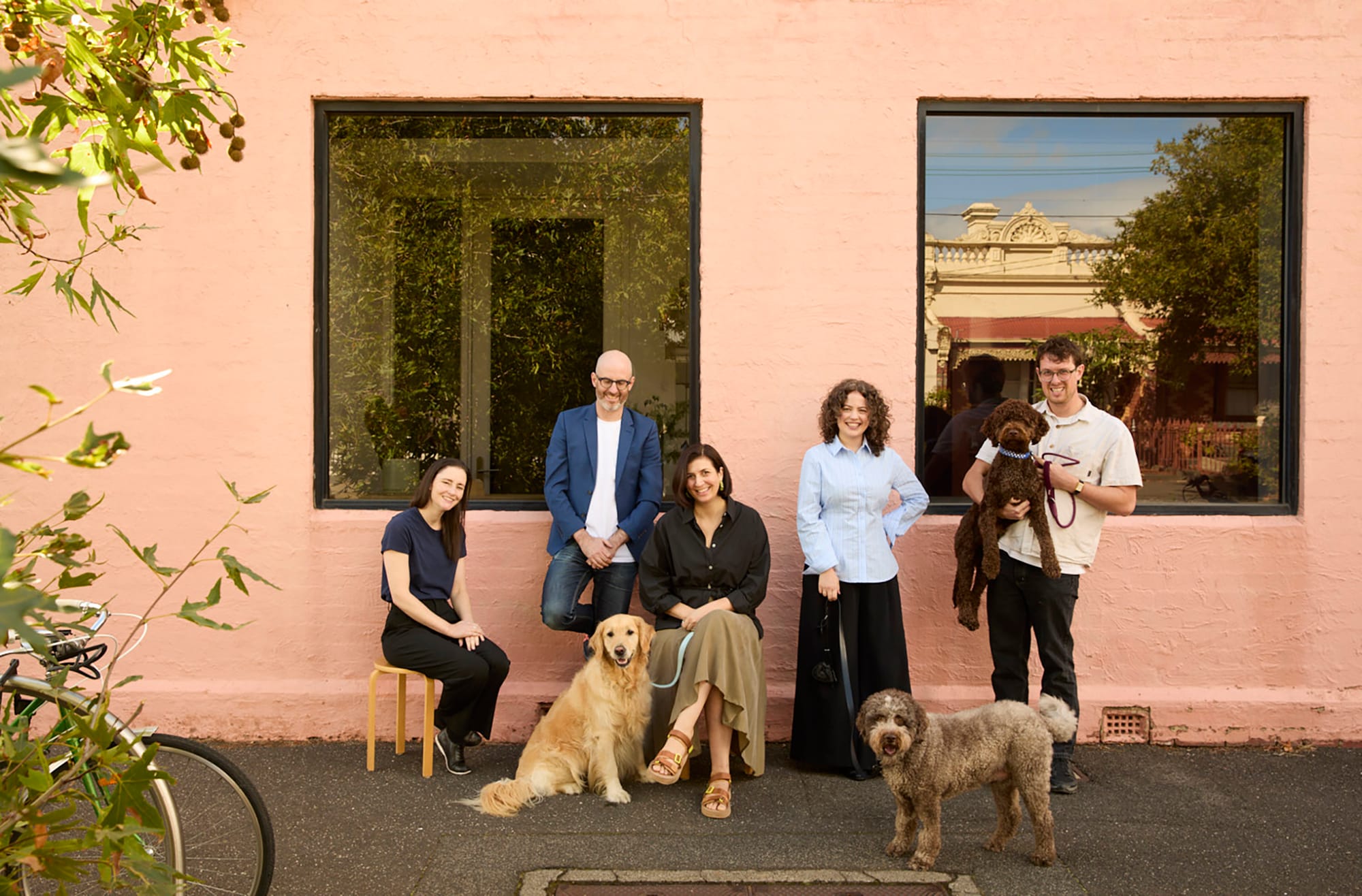
Mihaly Slocombe describes its work as purposeful architecture crafted with joy, guided by principles such as using materials honestly and designing for enduring value. The Melbourne studio works across residential and public projects of varying scales, allowing collaboration to shape the outcome at every stage. We spoke with director Warwick Mihaly about colour, trust, finding the right design partner and why not every decision needs to be made at once.
Mihaly Slocombe describes its work as purposeful architecture crafted with joy, guided by principles such as using materials honestly and designing spaces around the people who will use them. How does this approach shape a project from the first conversation through to the finished building?
We enjoy working very collaboratively with our clients and allowing that collaboration to guide the design outcome of a project. In practice, this means our design work proceeds as a conversation, passing back and forth between us and our clients as we seek their feedback and hone in on the finished building. Of course, we come to each project with many years of experience and our own design tastes, but we want our work to feel purposeful and responsive to our clients’ unique lifestyles. This means we want each space or element to be proportioned and selected with our clients in mind, enduring, beautiful and a joy to use each day.
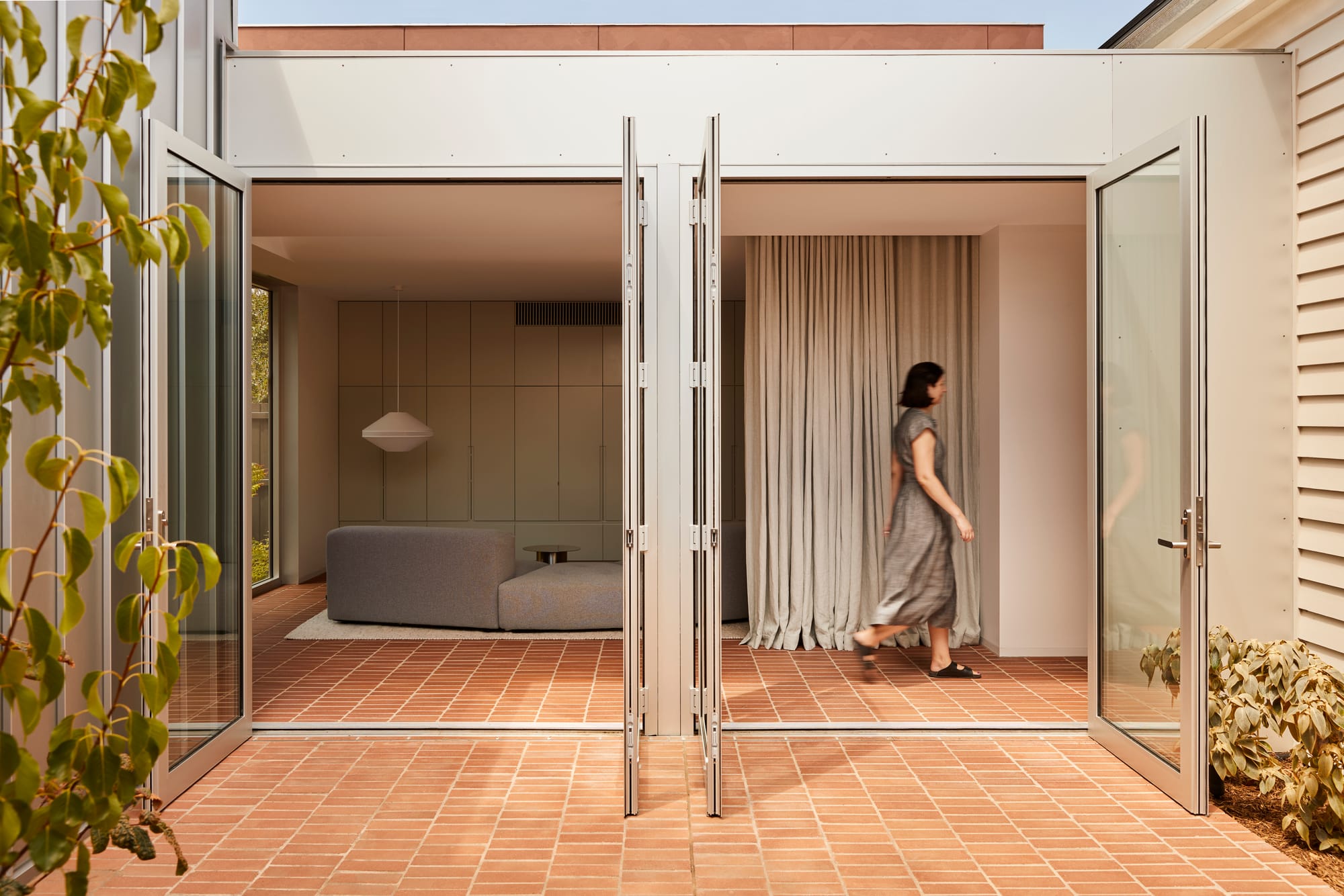
Your process is designed so that design continues every step of the way, from first sketches through to construction, rather than front-loading all the thinking at the beginning. What do homeowners most commonly discover about that process once they're in it that they didn't expect coming in?
I think for a lot of homeowners, the process can feel daunting at the beginning. There are so many decisions to make and folks sometimes feel like they all need to be made at once! But we have time and space for every decision to be made without being pressured, or feeling like it's being overshadowed by other things. For example, big vision decisions like a house's layout during the masterplan phase, and really detailed decisions like tapware selections later on during the interior design phase.
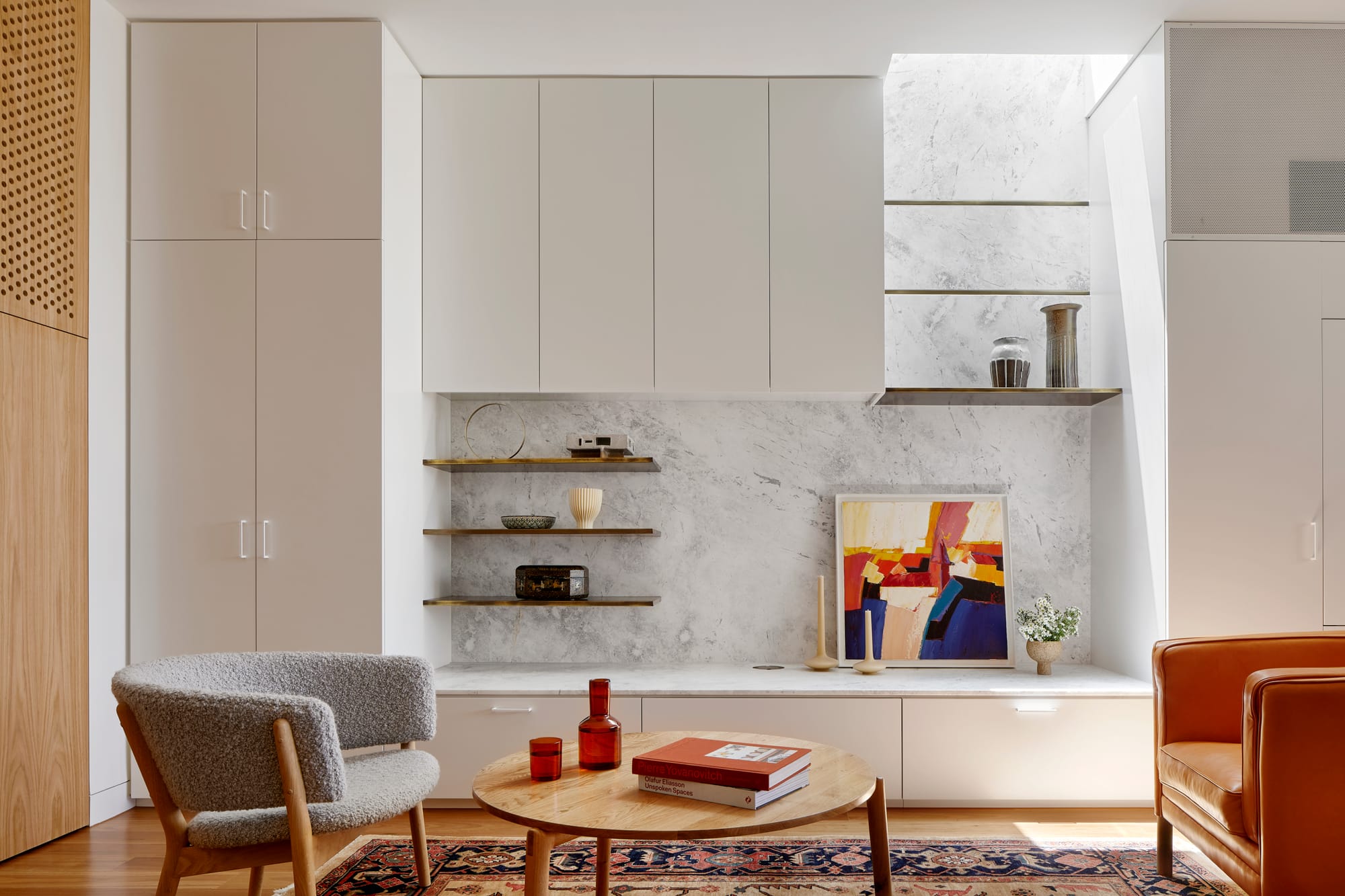
You describe inviting clients into the design process as a core principle, while also pursuing excellence and prioritising quality design. When a client's instincts and your own design thinking pull in different directions, how do you navigate that without losing either the relationship or the outcome?
We generally find that we have excellent relationships with our clients, built on a foundation of deep trust. If there's ever a difference of opinion, we lean on that trust to pull us through. From our end, we listen very carefully to what our clients are saying (and often not saying), to ensure our work maintains that purposefulness we're interested in. And from our clients' end, they come to us because we're the experts, and they want to be guided by us. The design conversation we have is very much open, but we lead it, directing and nurturing.
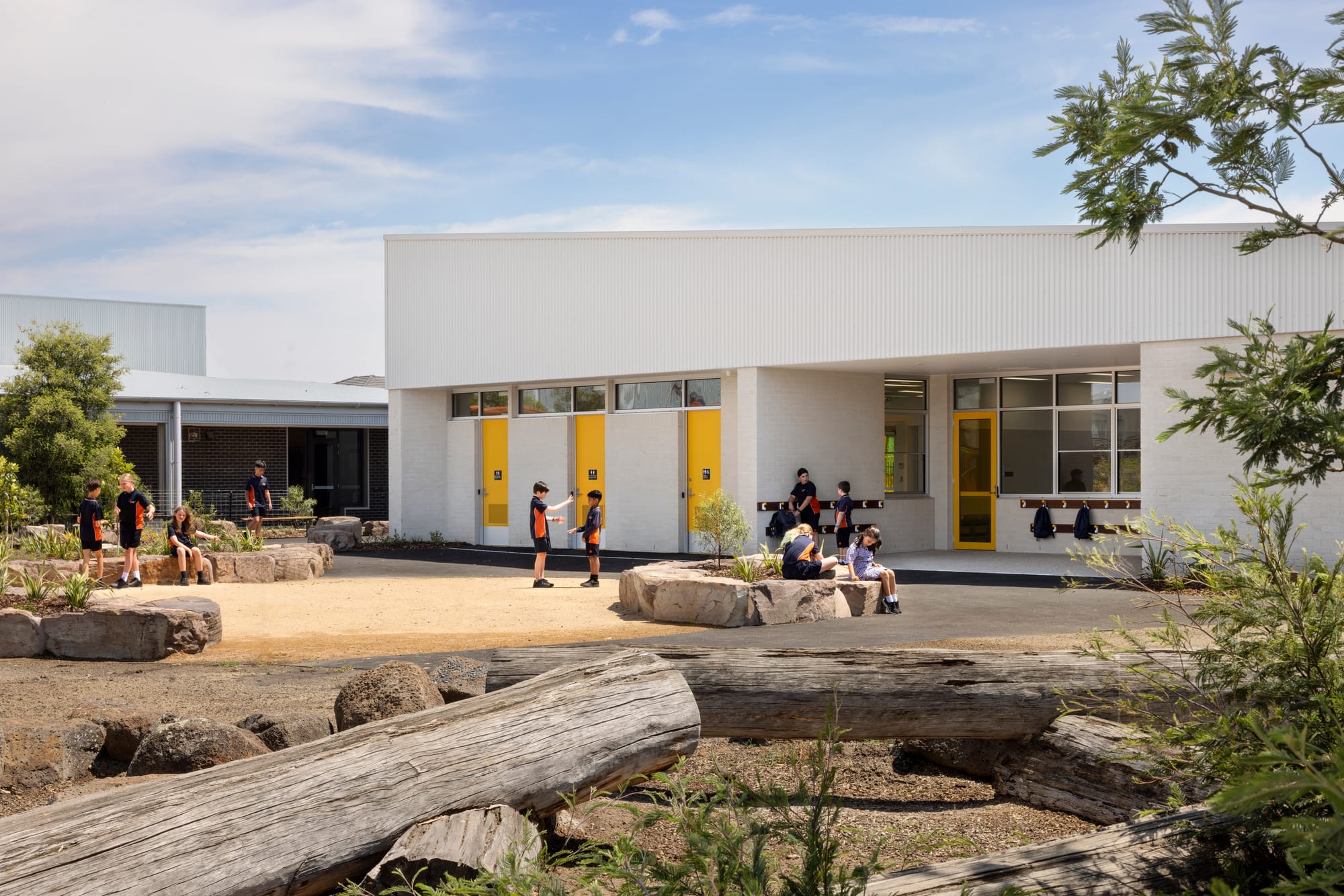
Mihaly Slocombe works across residential and public projects of varying scales, guided by the belief that every project is an opportunity for great design. Is there a particular material, detail, or way of thinking about a problem that you're especially drawn to in your work right now?
We're incorporating a lot more colour in our work at the moment than we have in the past, particularly in our non-residential work. We find it's a great way to express an idea, or reflect the personality of a building's users without adding a lot of extra expense. This could be as simple as a paint colour, but sometimes it's a richly coloured tile or vinyl or stone as well. We try to follow Dieter Rams' maxim (paraphrasing here) that only do something if it's necessary, but if you're going to do it, you may as well make it beautiful!
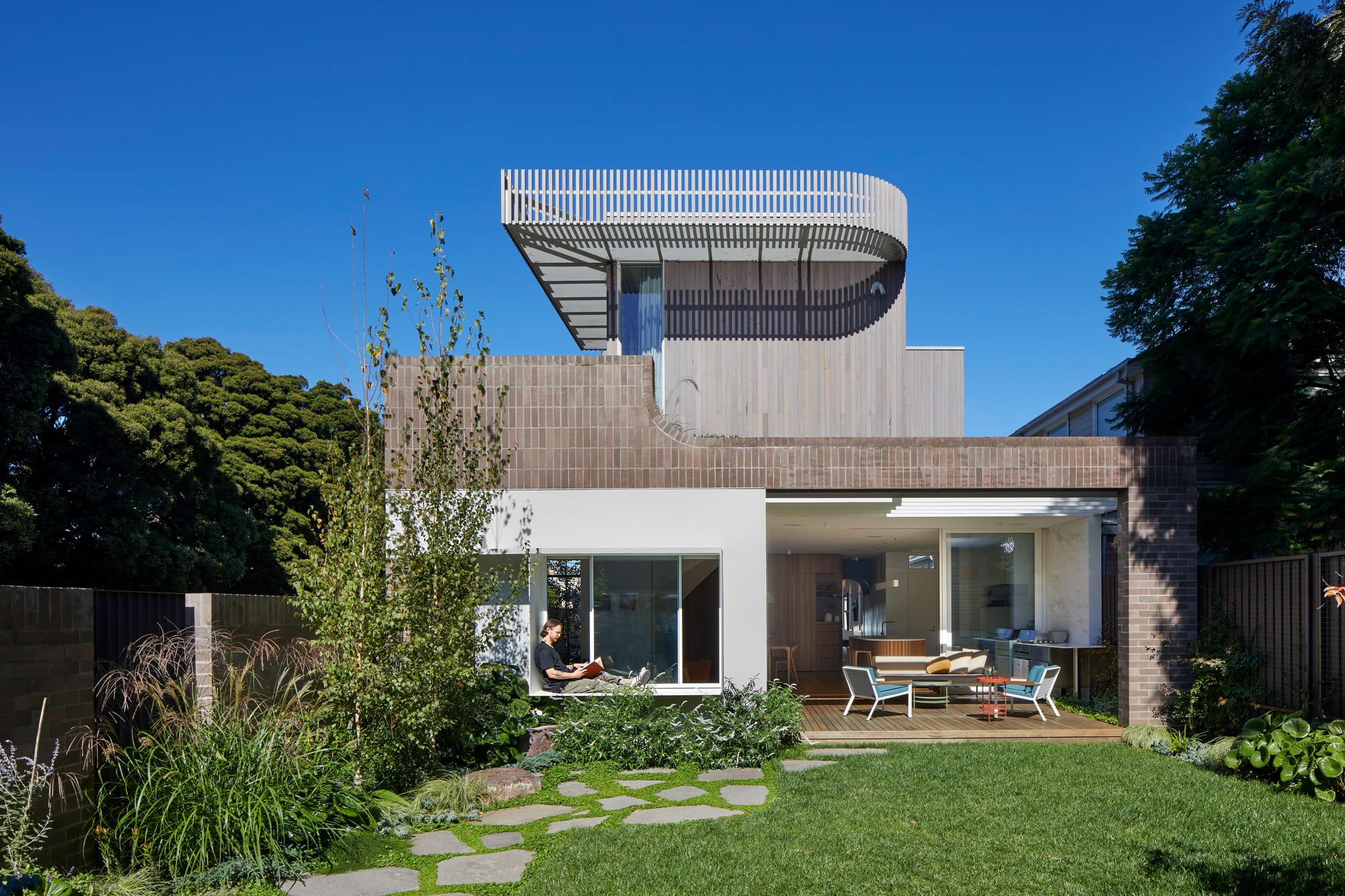
Your blog tackles the real challenges of building in the current climate, from construction costs to the complexity of the process. For someone just starting to think about renovating or building, what is the most honest and useful thing you would tell them before they begin?
I'd say the most important decision to make before starting is finding the right partner on your design journey. There are lots of wonderful architecture studios here in Melbourne that do amazing design work. But the trick is finding an architect that you enjoy working with, that you can trust, that you feel will have your back if the going gets tough. Once you've done that, don't feel like you need to make all the decisions up front. Your architect will guide you through this carefully and thoughtfully, letting you know what input they need and when. Ultimately, I would hope it's a joyful process full of surprise and delight.