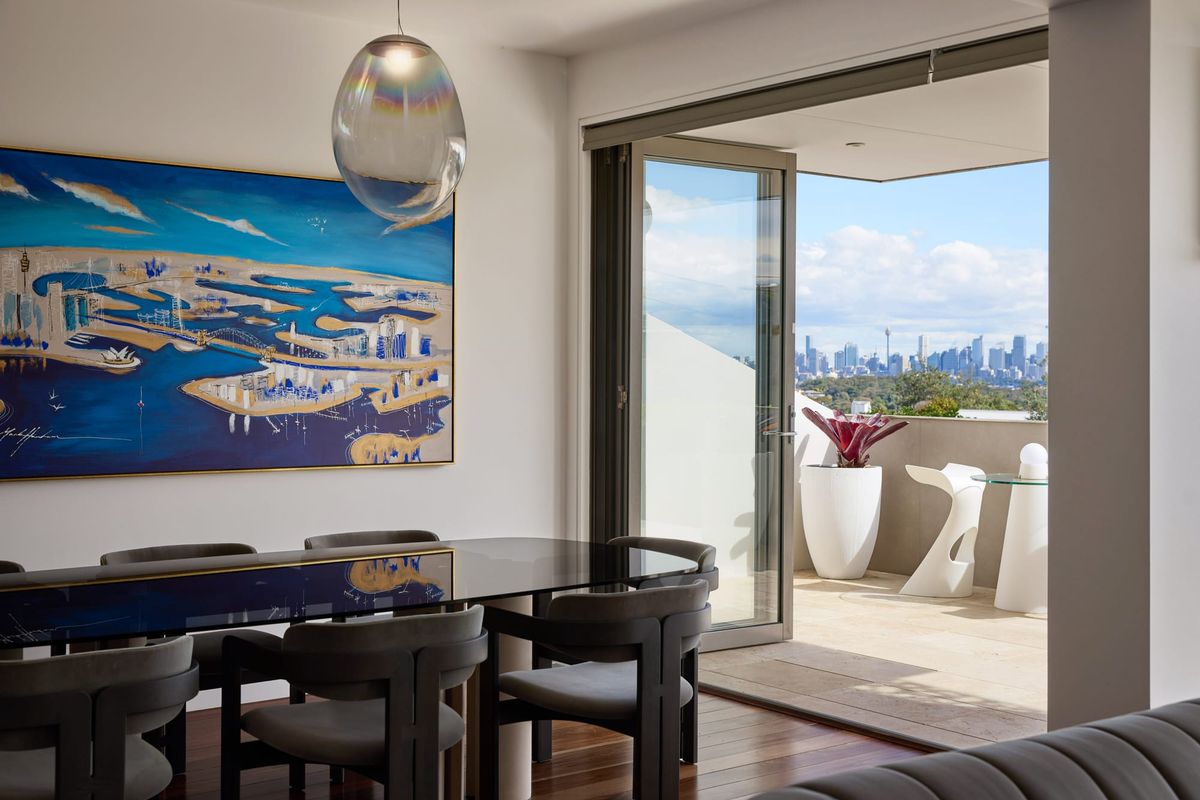
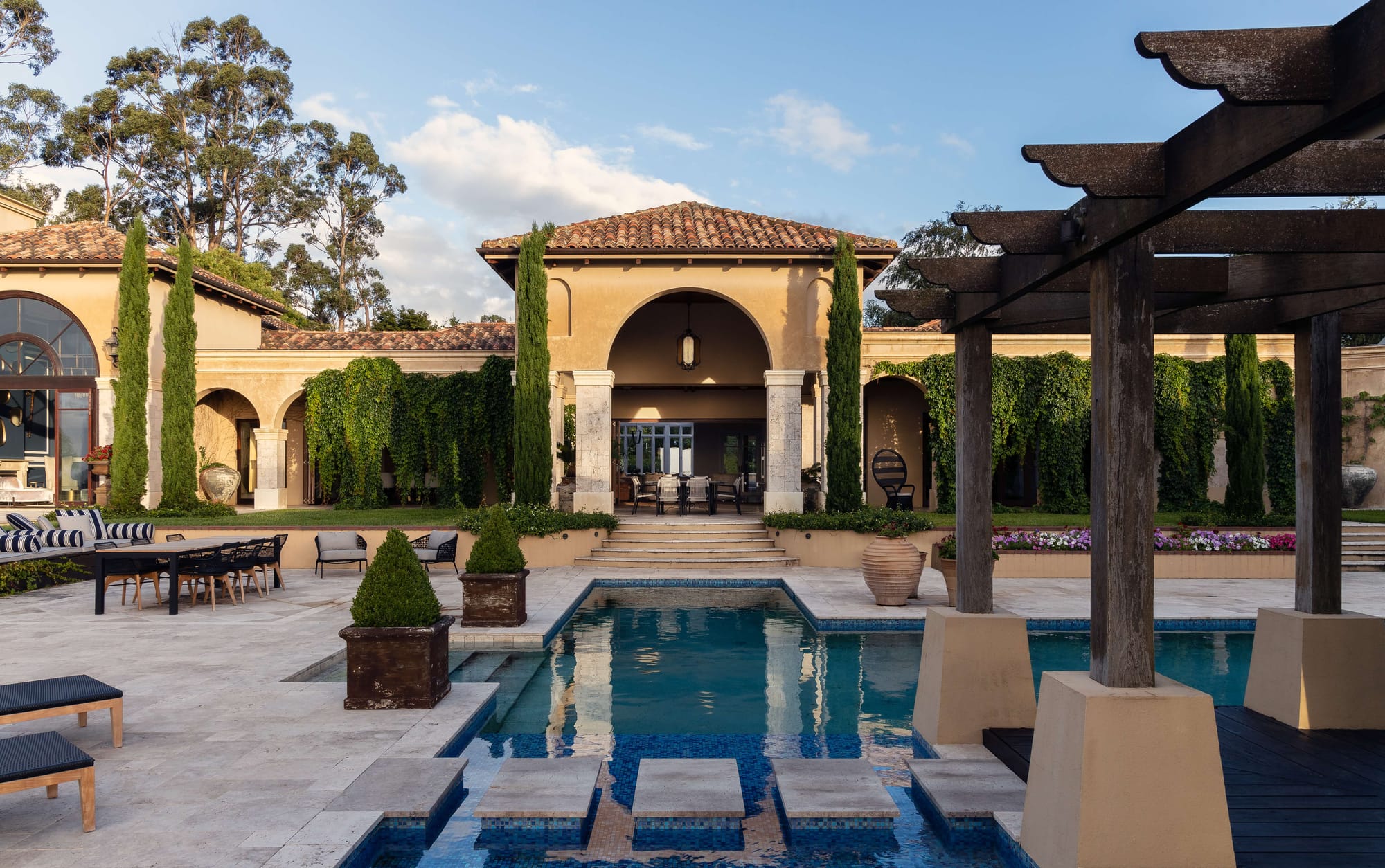
Studio Del Castillo is built on a simple belief: that the right atmosphere creates the right conditions for everything else to follow. Founded by Penny Del Castillo in the French Alps and now based in Melbourne, the studio has grown entirely through word of mouth over 25 years, working across private residences and large-scale hotel renovations with the same conviction: that homes should feel like hotels and hotels should feel like home. We spoke with Penny about reading a room before a word is spoken, the power of a shadow line and why "no" is rarely the final answer.
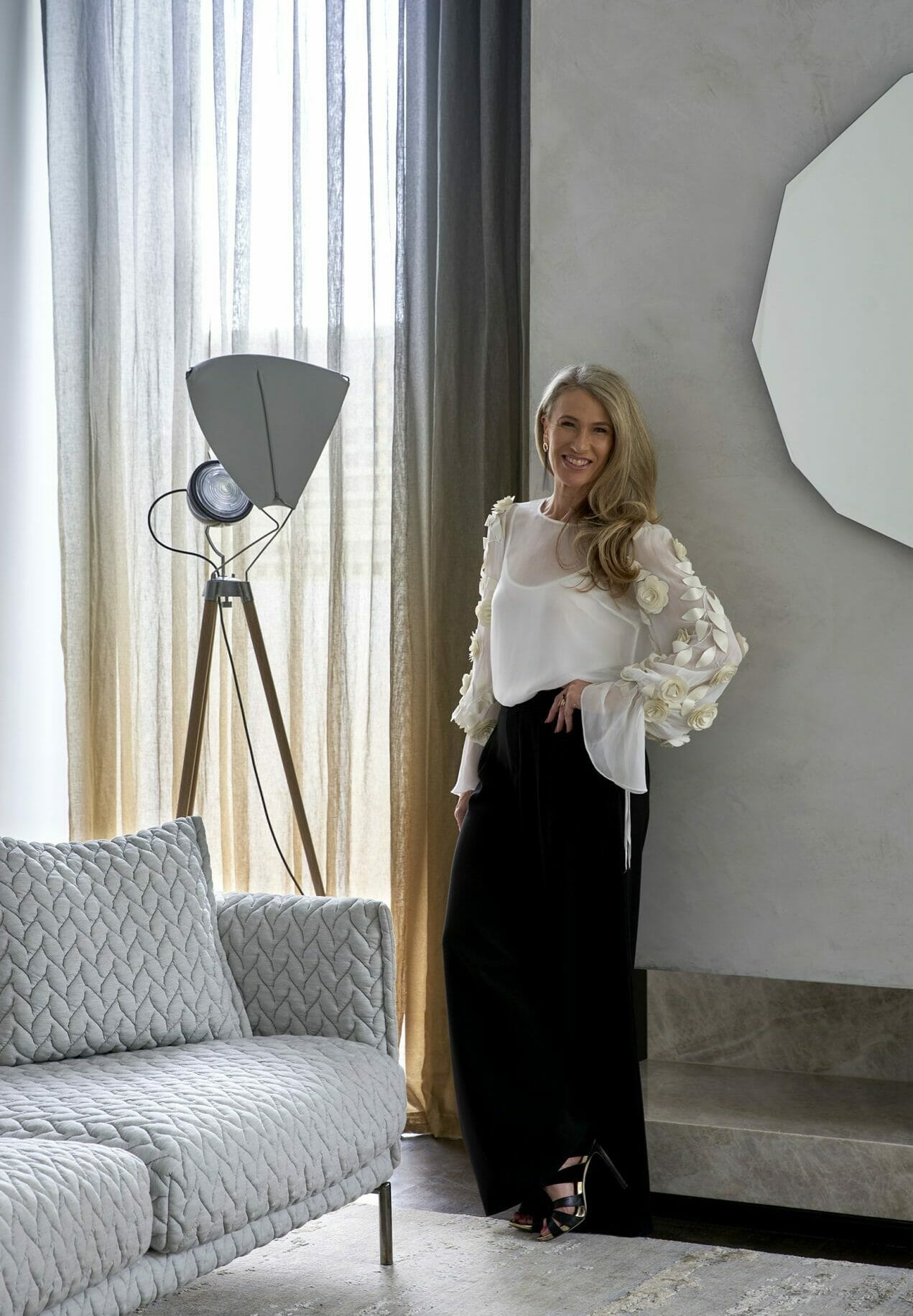
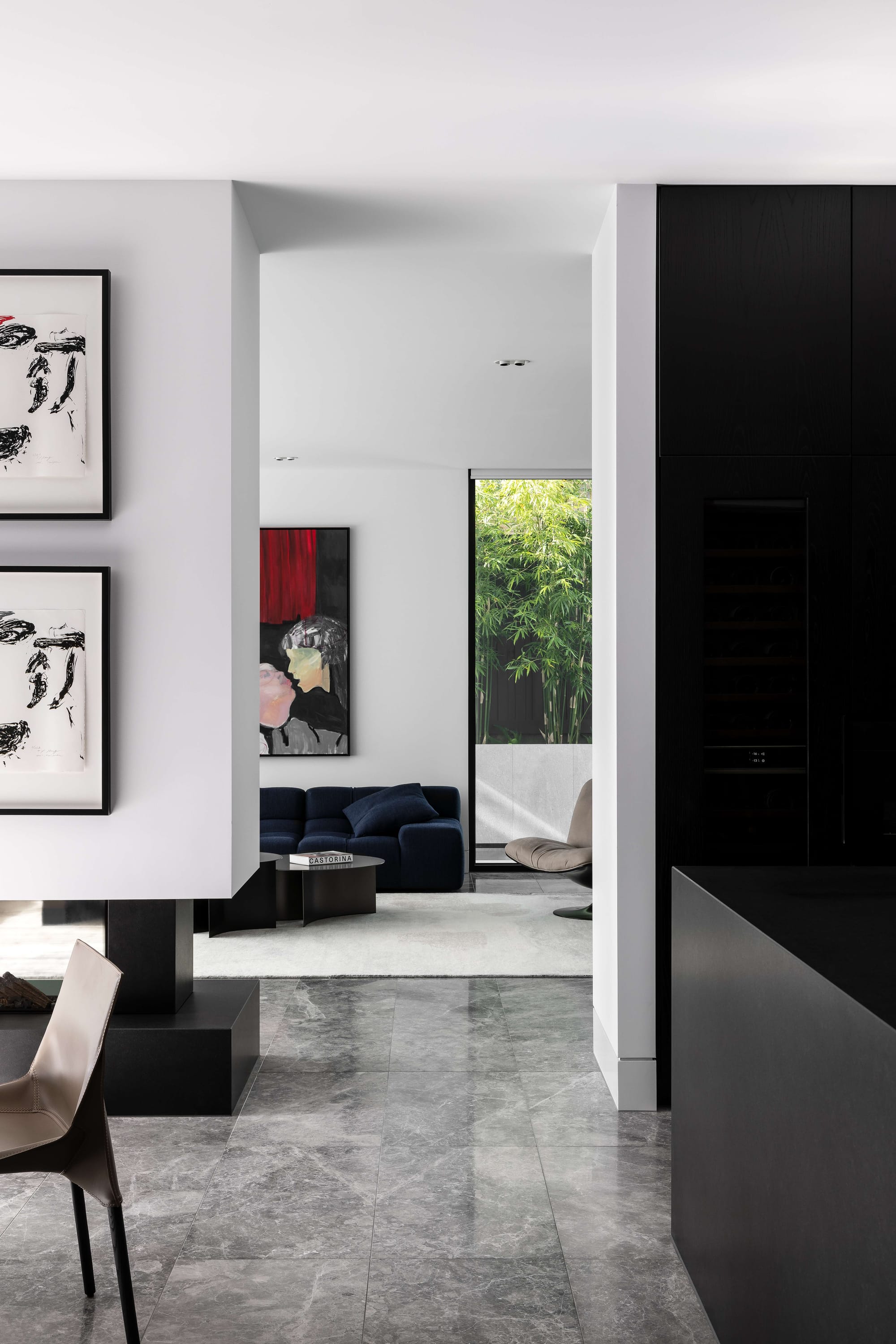
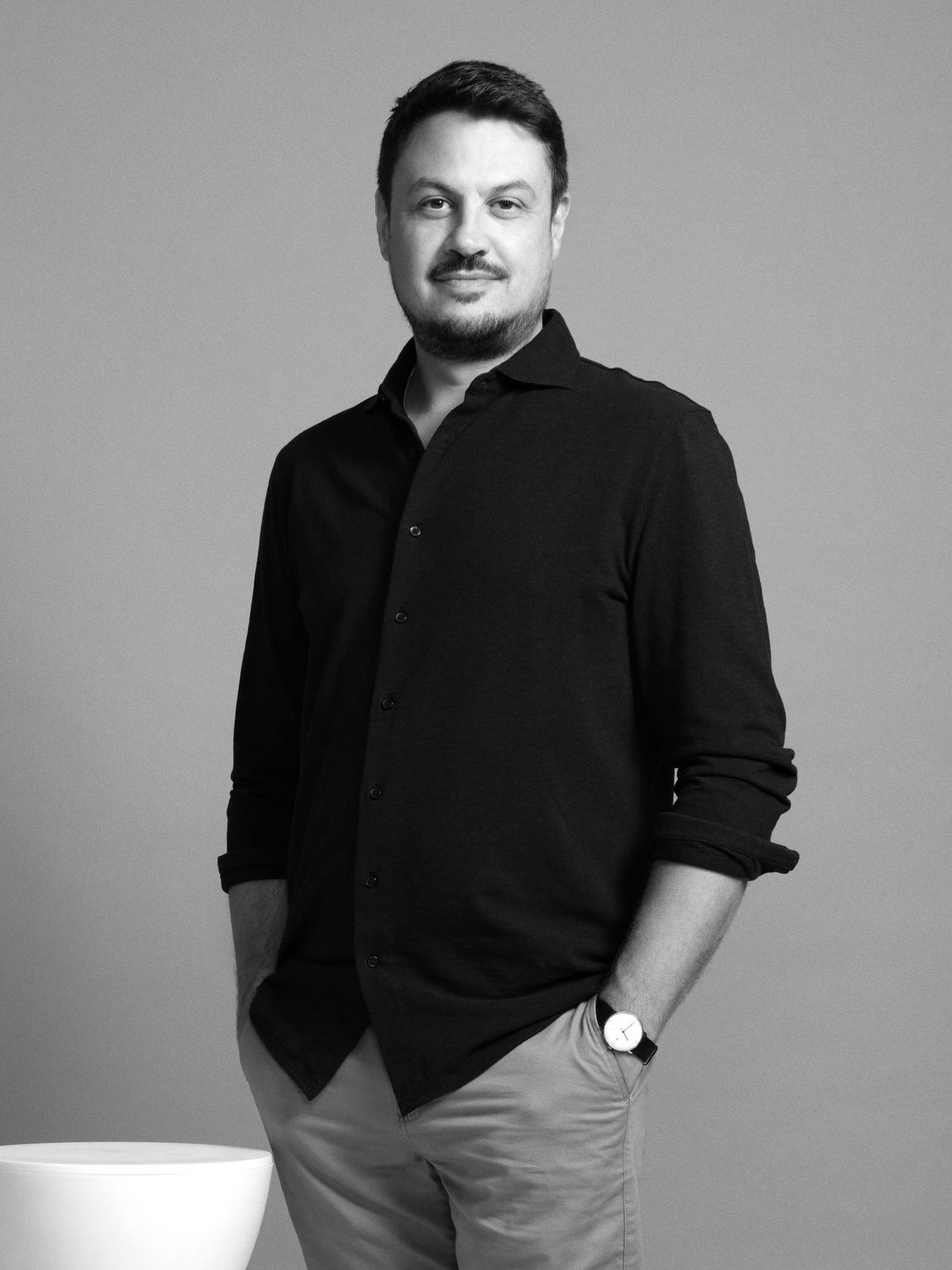
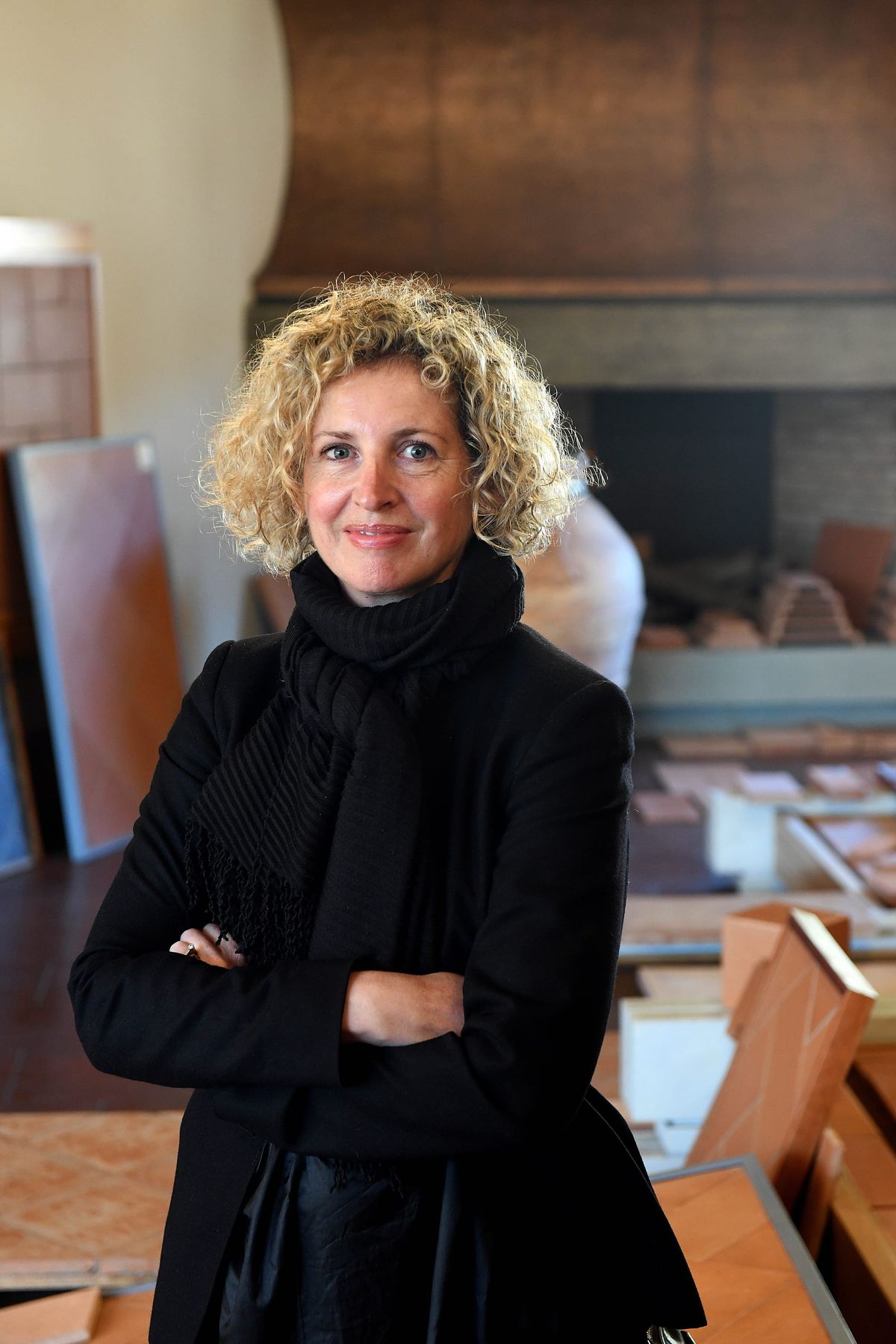
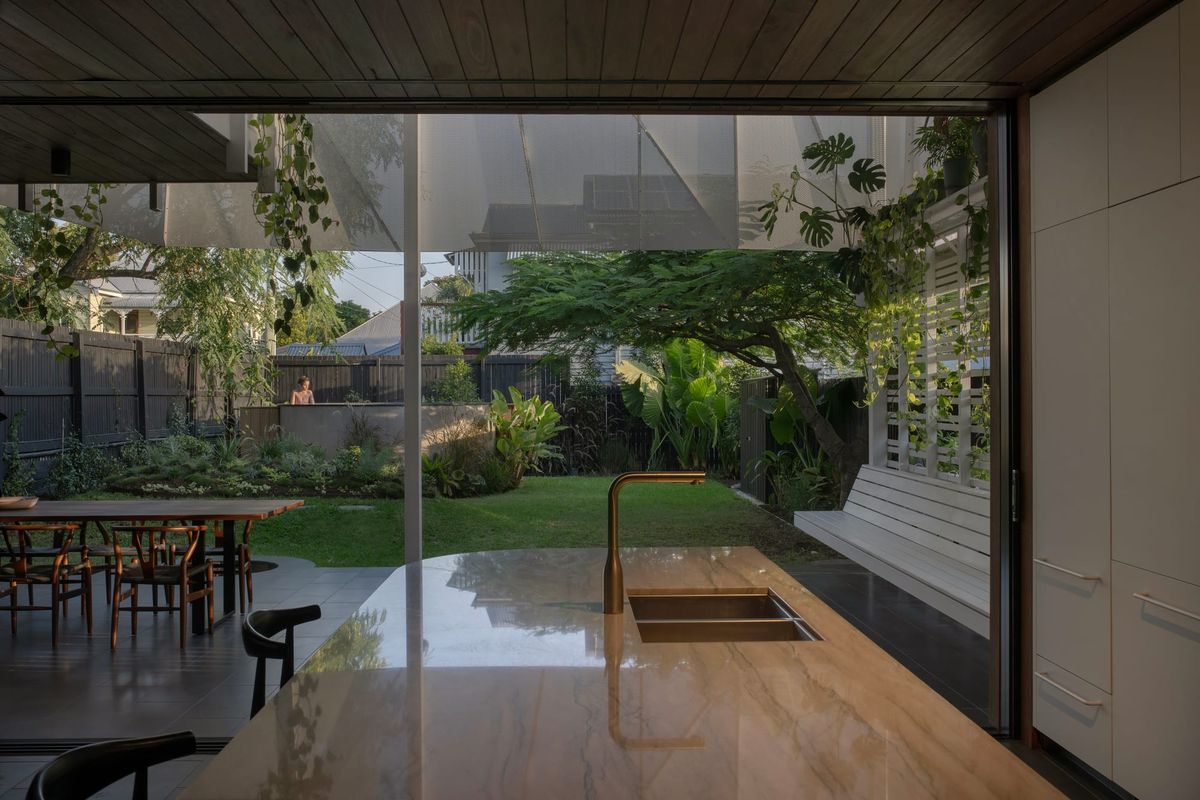
Portrait of Penny Del Castillo (left). CDQ Residence by Studio Del Castillo. Photography by Timothy Kaye (right).
Penny, you founded Studio Del Castillo in the French Alps before eventually landing in Melbourne, and the studio has grown entirely through word of mouth over 25 years. What drove you to start the practice, and what still motivates you when you walk into a new project today?
After almost a decade working in the field for others, observing both failure and success, I felt ready to step out on my own. The drive to start my own business had been building long before university studies, perhaps beginning with a little ambitious middle-child syndrome!
I also believed that if I created a work environment I genuinely enjoyed being in, others would be drawn to it too: team members, clients, builders and collaborators alike. My hope was that the right dynamic atmosphere would naturally create a sense of connection, energy and positivity, with one good thing perpetuating the next.
What still motivates me today is the connection I feel with people and the desire to create spaces they will genuinely love spending time in. The adrenaline rush and dopamine hit I experience through the creative process of visualising a project are addictive. It's neither something I can, nor wish to, turn off!
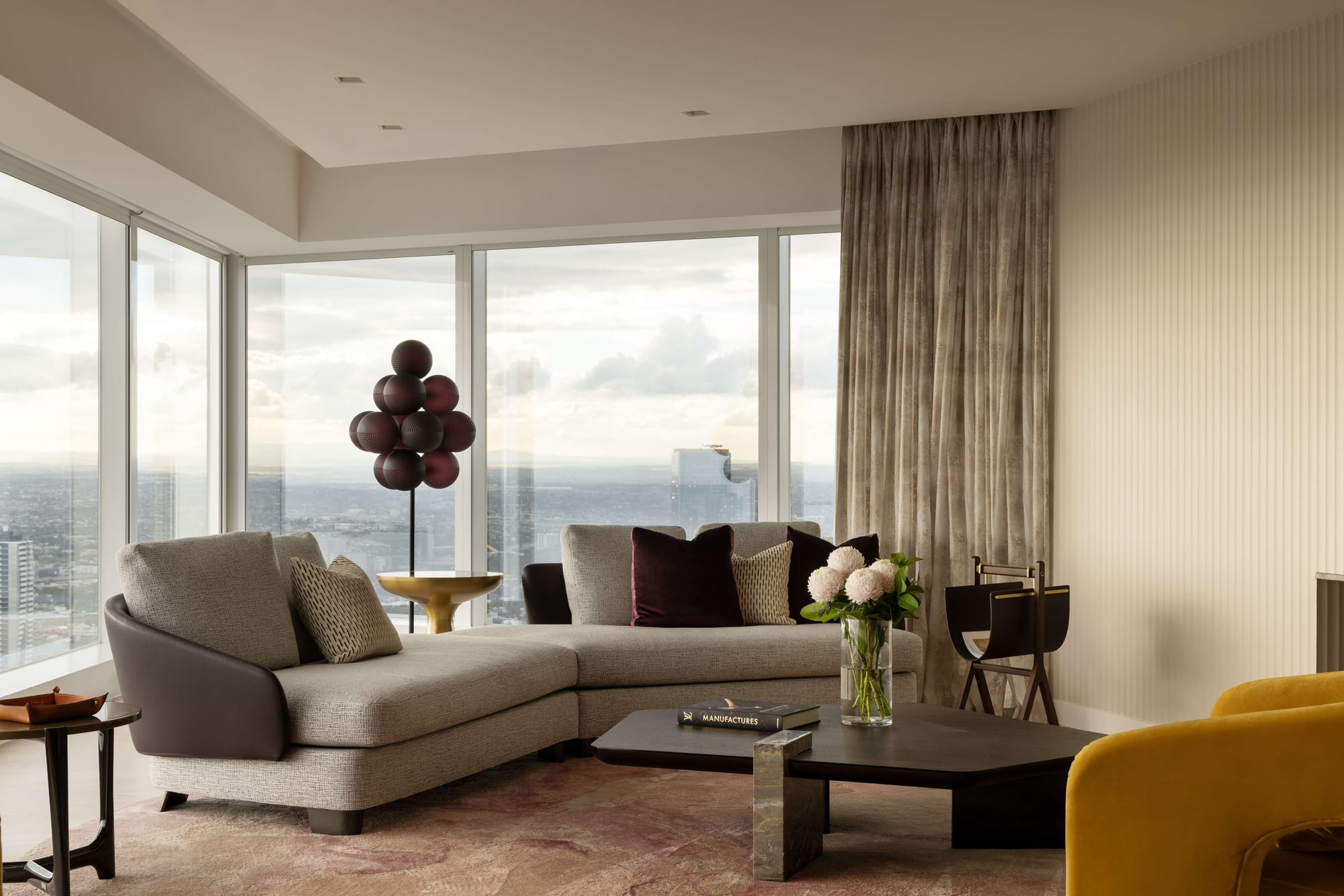
You describe your approach as reading the unspoken brief, getting to what a client hasn't yet found the words for. How do you actually do that in practice, and what does it look like when you unlock something a client didn't even know they wanted?
Ha! If only I could bottle the formula, I'd absolutely break the internet!
I have a 250,000-plus piece scrambled jigsaw of visual references in my head, accumulated since childhood. That puzzle starts to take shape during the very first conversation, as I'm instinctively reading into the little things: the client's aura, facial and verbal expressions, body language and personal style.
Thankfully, I have an amazing team around me and a well-kept database to help retrieve the right pieces on demand. When those pieces connect to reveal something the client hadn't imagined, that's when the magic happens.
Unlocking the unspoken brief is the difference between simply creating a beautifully styled space and creating one that truly belongs to the person who has engaged our services.
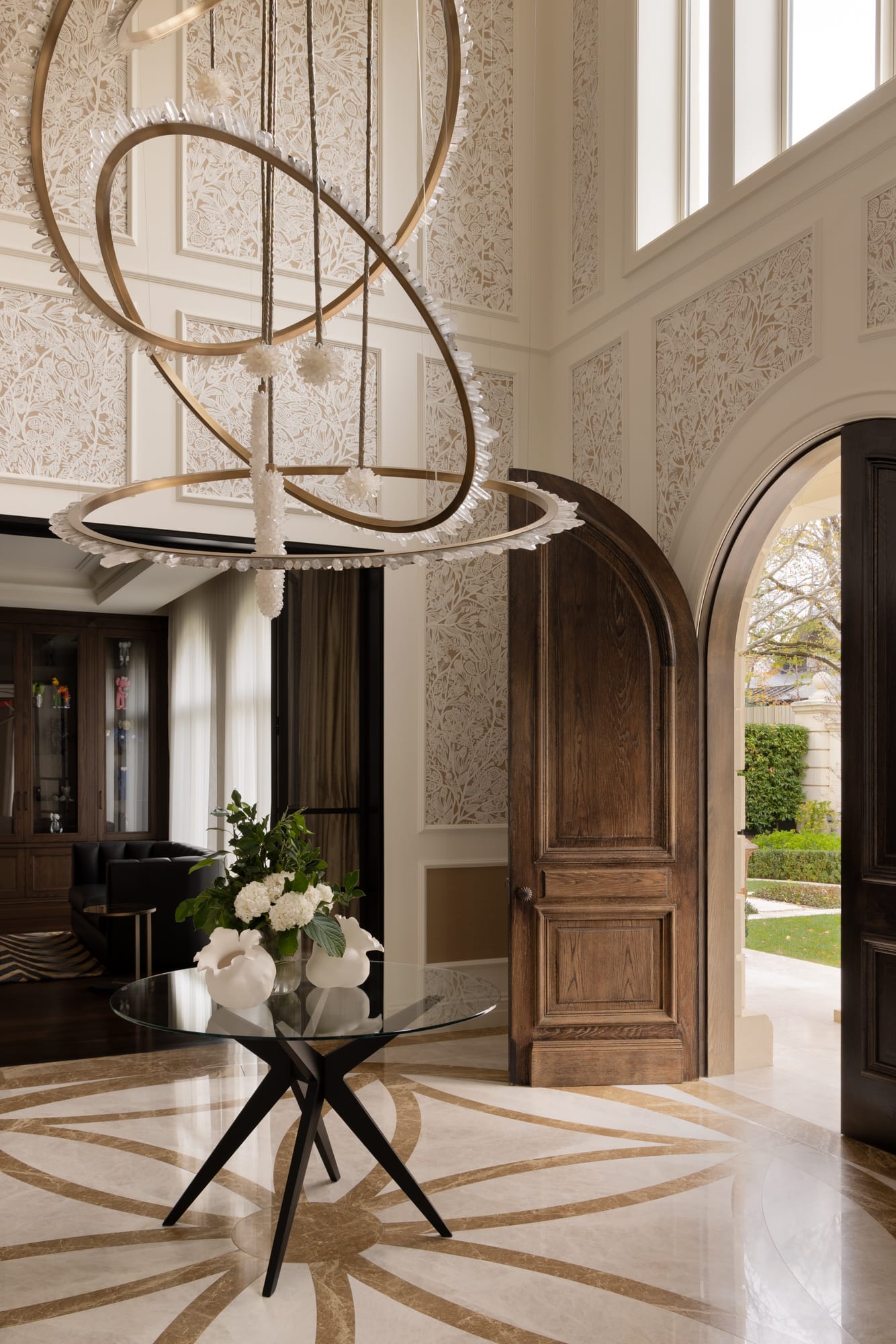
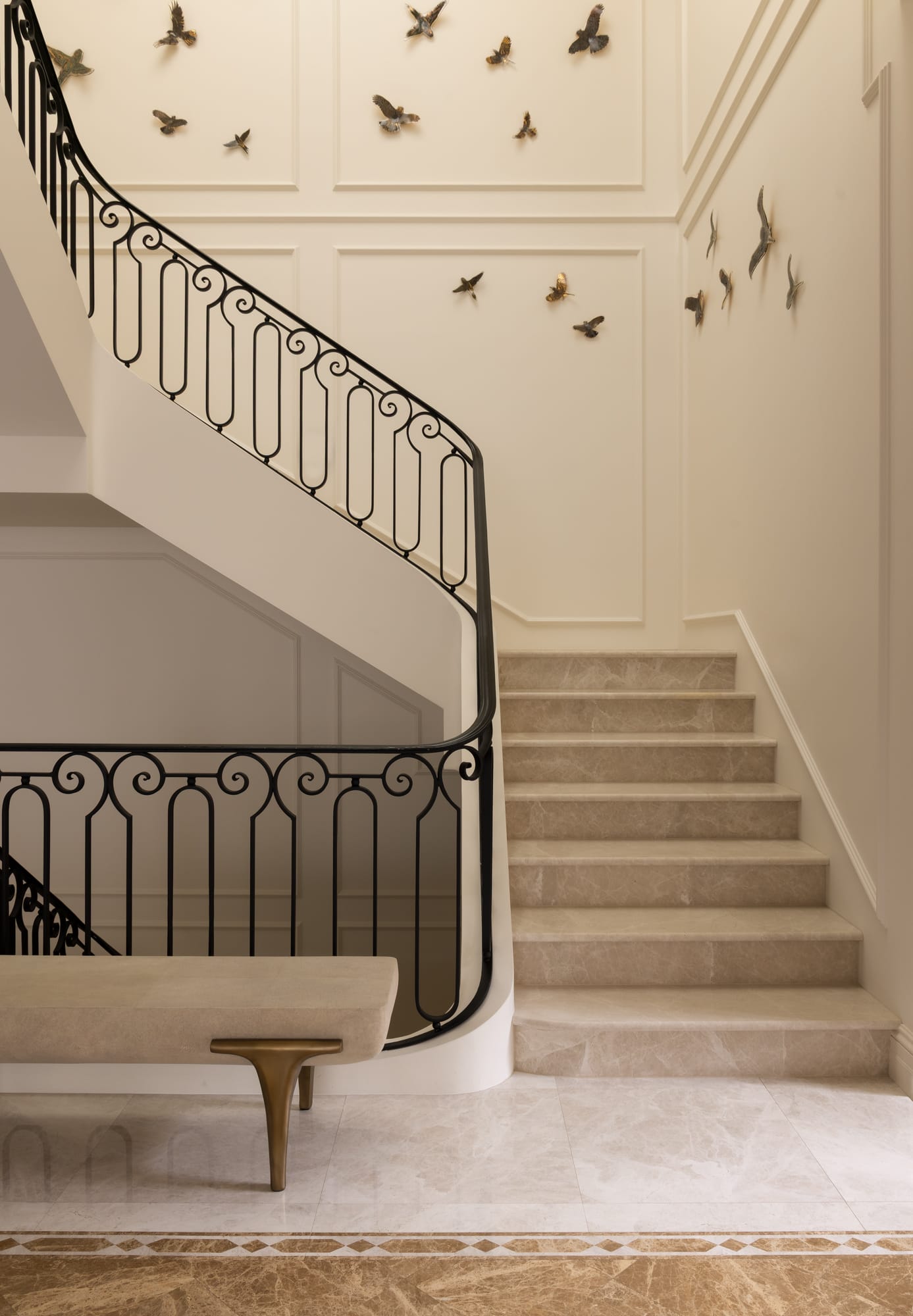
Hawthorn House by Studio Del Castillo. Photography by Timothy Kaye
Your work spans iconic hotel refurbishments and private residences, and you describe the best outcomes as making homes feel like hotels and hotels feel like homes. Is there a small design decision, something that might seem minor on paper, that you find consistently changes how a space feels to be in?
My secret weapon is spatial planning. If a space doesn't flow, nothing feels comfortable. And because I see a project holistically, it's essential to find the right balance of proportion and scale in every element.
The devil really is in the detail. It can be something as seemingly small as changing the dimension of a shadow line from 10mm to 20mm, or the thickness of a door portal from 120mm to 250mm. Those tiny shifts can have a surprisingly profound impact on how a space feels.
Studio Del Castillo works across everything from private residences to large-scale hotel renovations, each with very different timelines and moving parts. For a homeowner coming to you for the first time, what does the journey typically look like from that first conversation to the finished result?
Studio Del Castillo offers a full turnkey service, covering everything from interior architecture and design through to procurement, decoration and, finally, styling.
The journey begins with an introductory conversation, followed by reviewing any architectural plans, photographs or existing information. We then meet face-to-face, which is an important part of understanding the clients: their lifestyle, aesthetic and how involved they would like to be throughout the process.
From there, we provide the scope, establish the budget and develop the design. This can include reviewing and refining floor plans, detailed documentation, material and fixture selections, mood boards, samples, 3D visuals and, ultimately, the full tender documentation.
Once construction begins, we remain closely involved, visiting site regularly to oversee progress and resolve any questions along the way.
Then comes the grande finale: installation and handover. We bring the whole scheme together with furniture, rugs, art, lighting, window furnishings and accessories. The reveal would not be complete without celebratory champagne and chocolates!
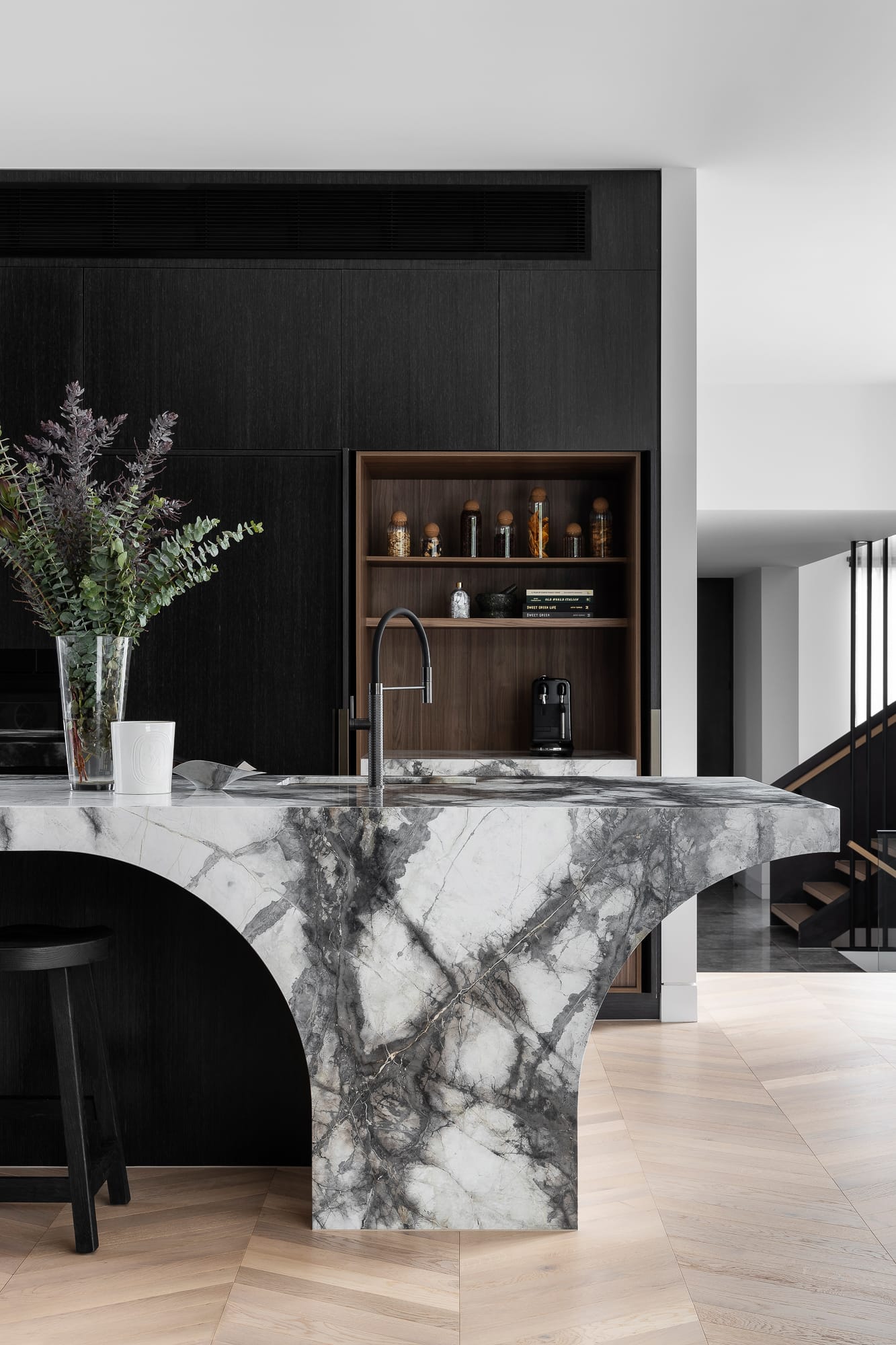
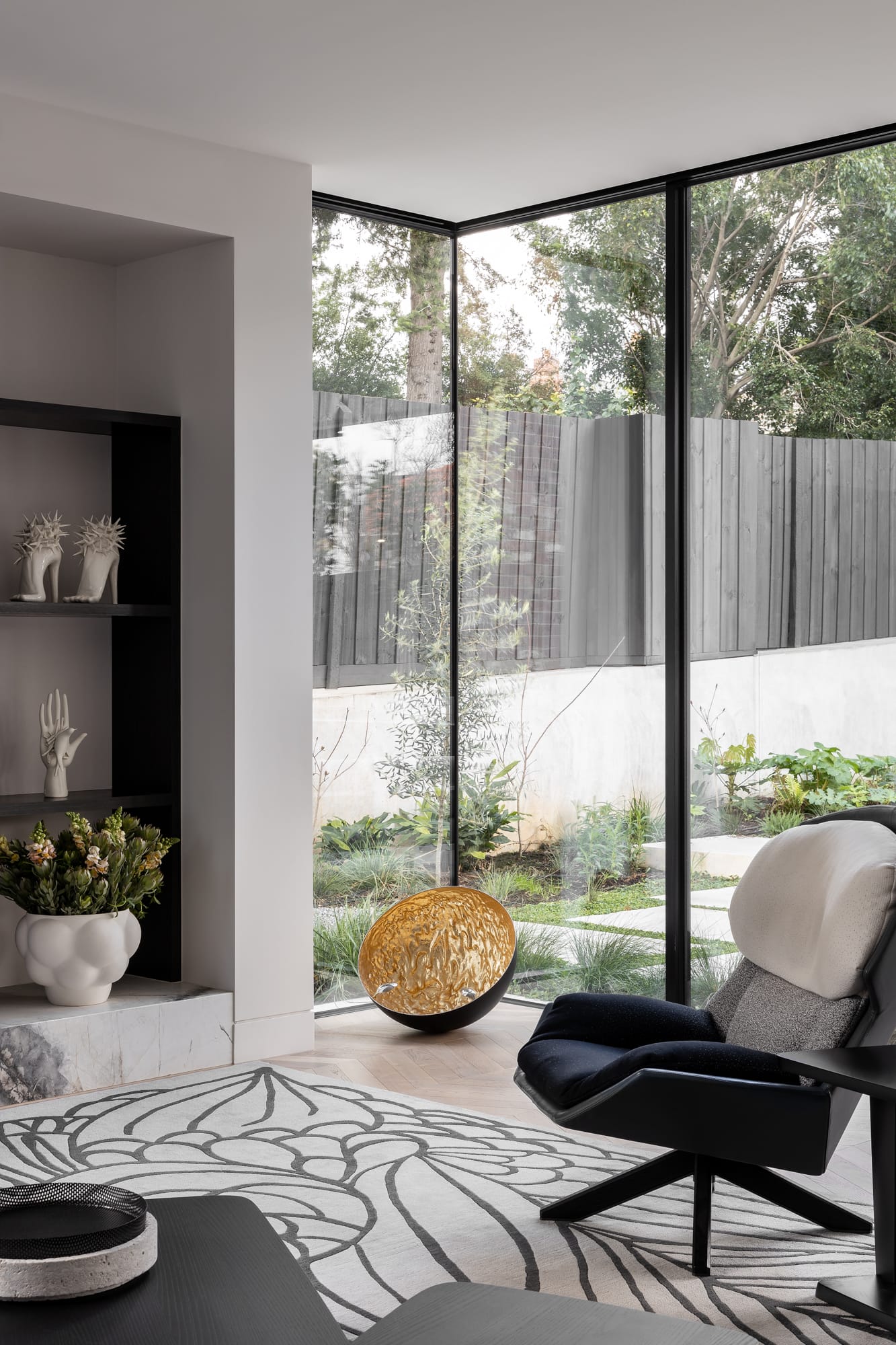
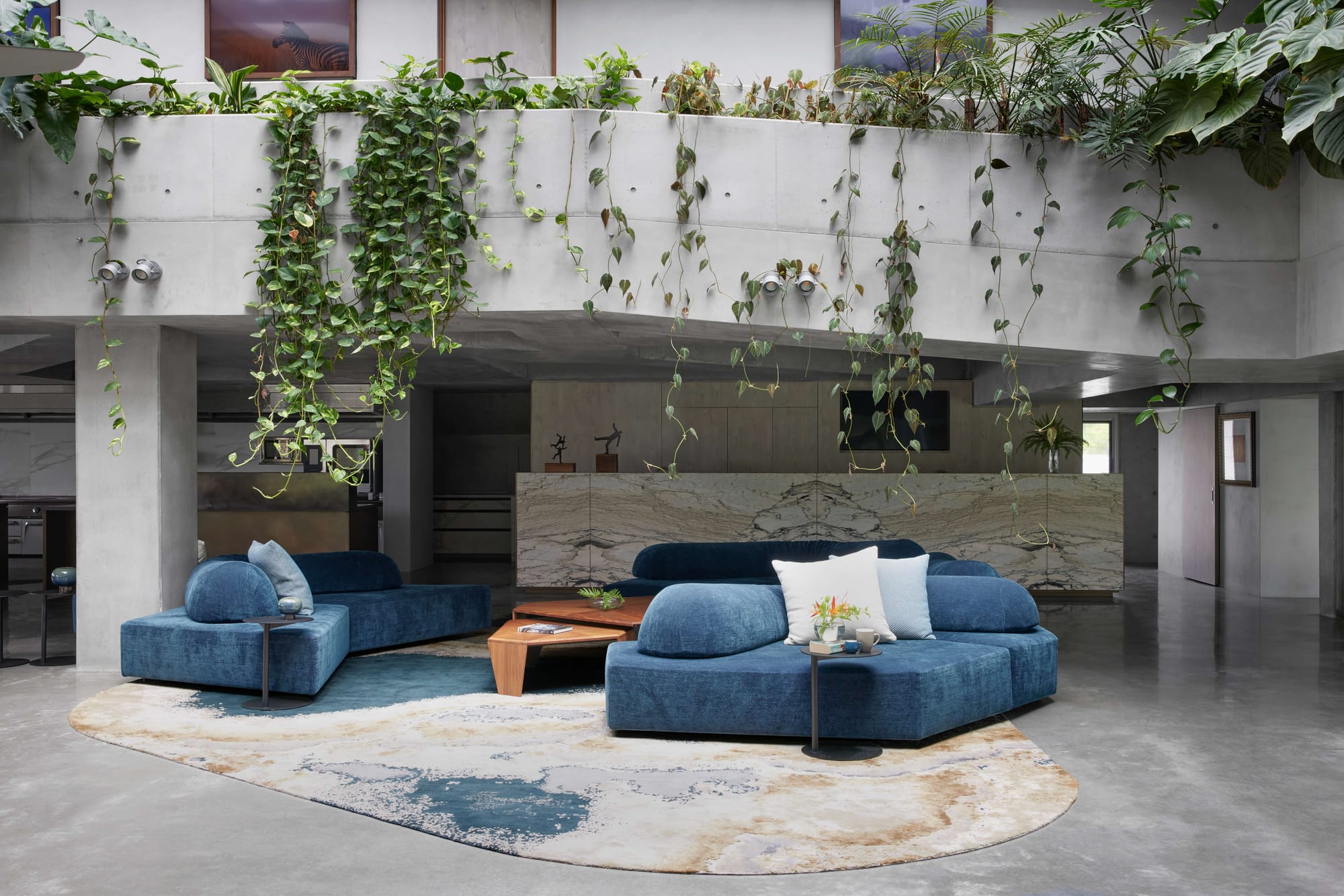
With FJ House by Studio Del Castillo. Photography by Timothy Kaye
You've spent over 25 years hearing "it can't be done" and finding a way through anyway. Is there a particular project or moment that shifted the way you approach your work, and what has stayed with you since?
I believe my exposure to so many different projects, combined with working alongside talented and dedicated trades, has given me a broader understanding of what is possible.
So, if I've seen it done in a foreign country, in another factory, or in a finished article, I won't accept that it can't be done here. Choosing to work with the right people, those who share my determination to fulfil the design vision, certainly helps.
I probably have a scenario from almost every job I've worked on where challenges arise that, from the outset, seem insurmountable. But when we don't take "no" for an answer, you'd be surprised how many miracles happen. We just keep working out solutions collaboratively until everyone can see that it will be possible.