Marra + Yeh Architects was founded by two practitioners originally from Argentina and Malaysia who studied in the United States before settling in Sydney, Marra + Yeh Architects has been championing net-zero and energy-positive architecture since the late nineties. Their work is defined by a conviction that function, performance and beauty can co-exist in equal measure, and that nature always wins. We spoke with the studio about vernacular sustainability, the sealed box problem and why understanding your land's natural systems is where every project should begin.
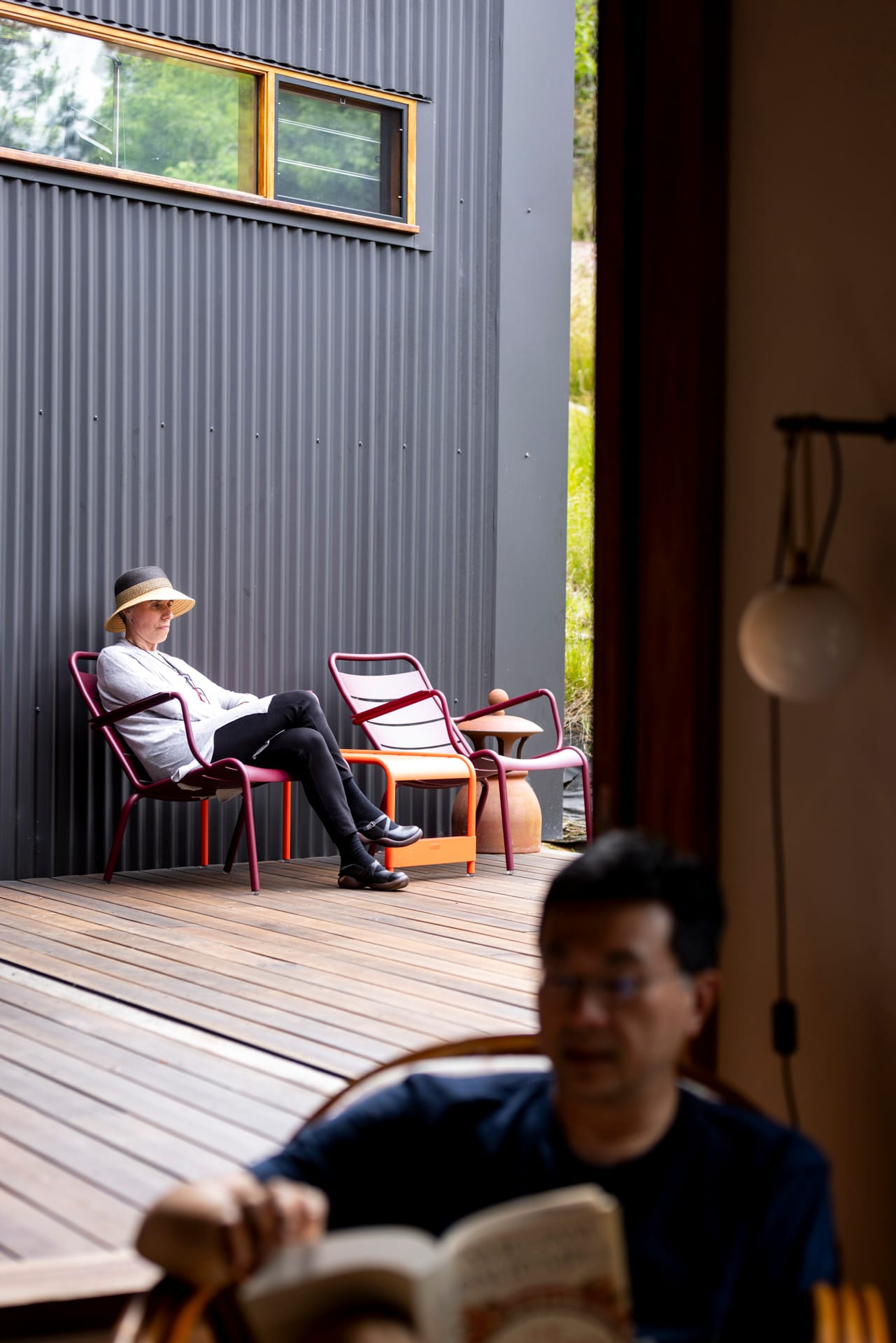
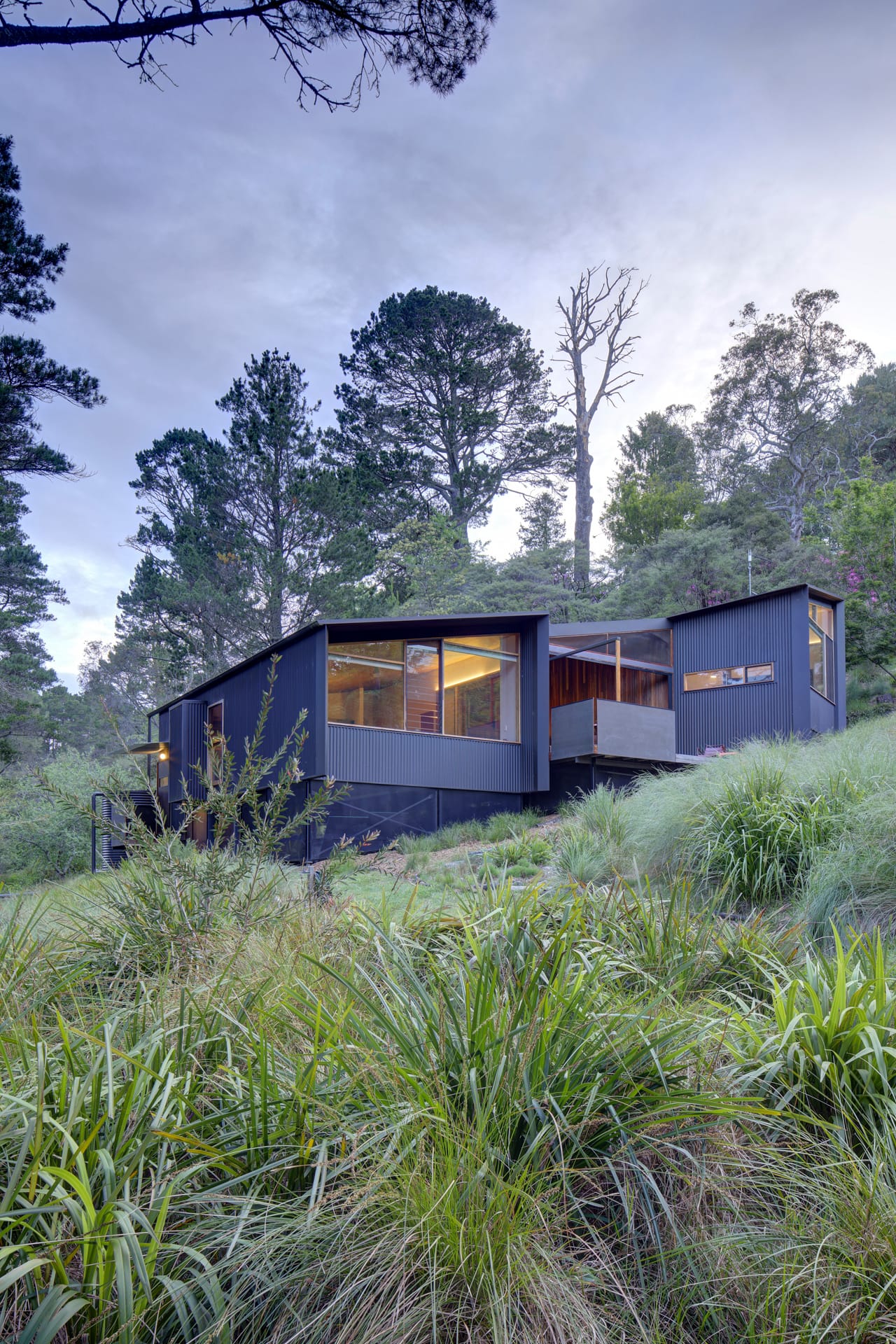
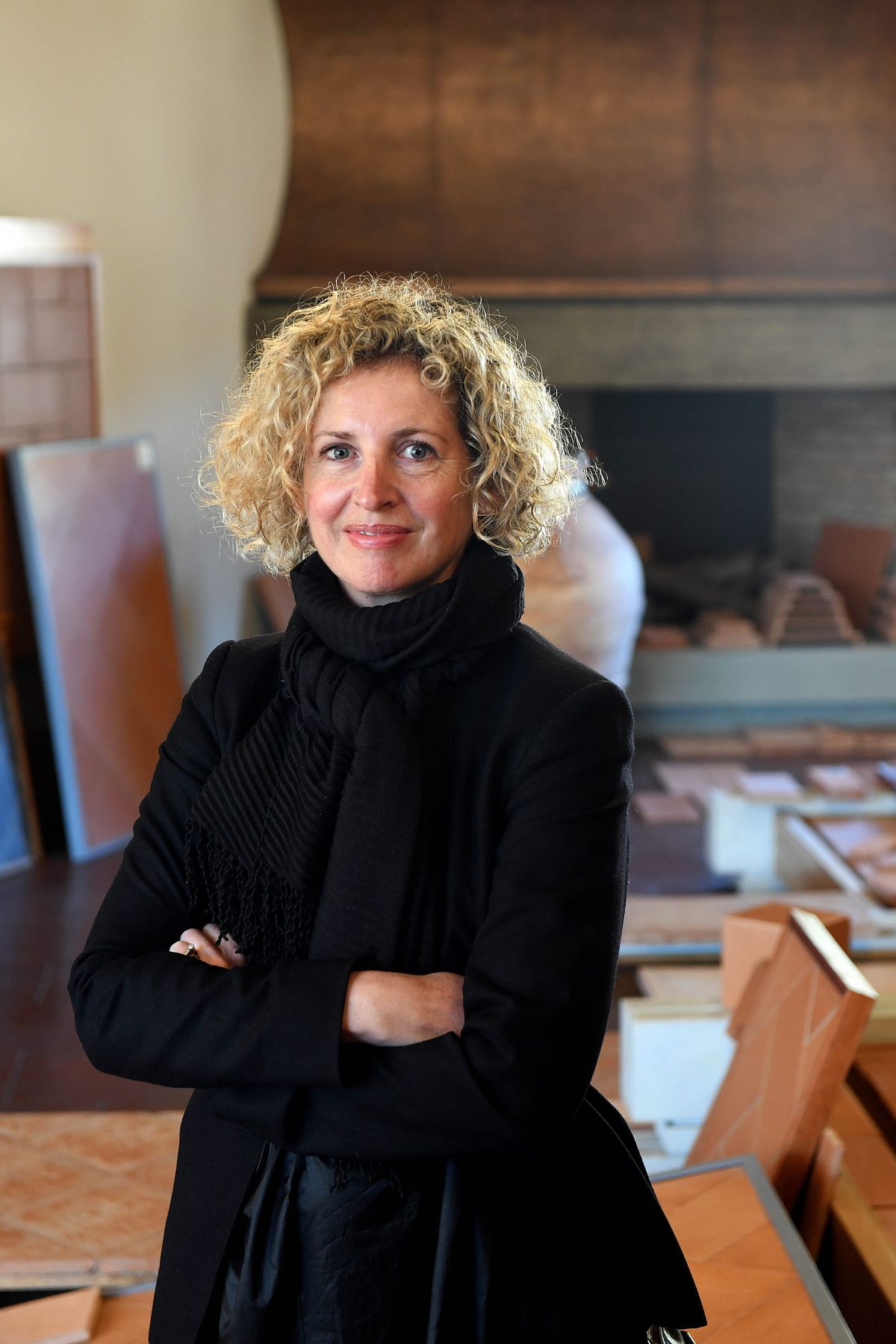
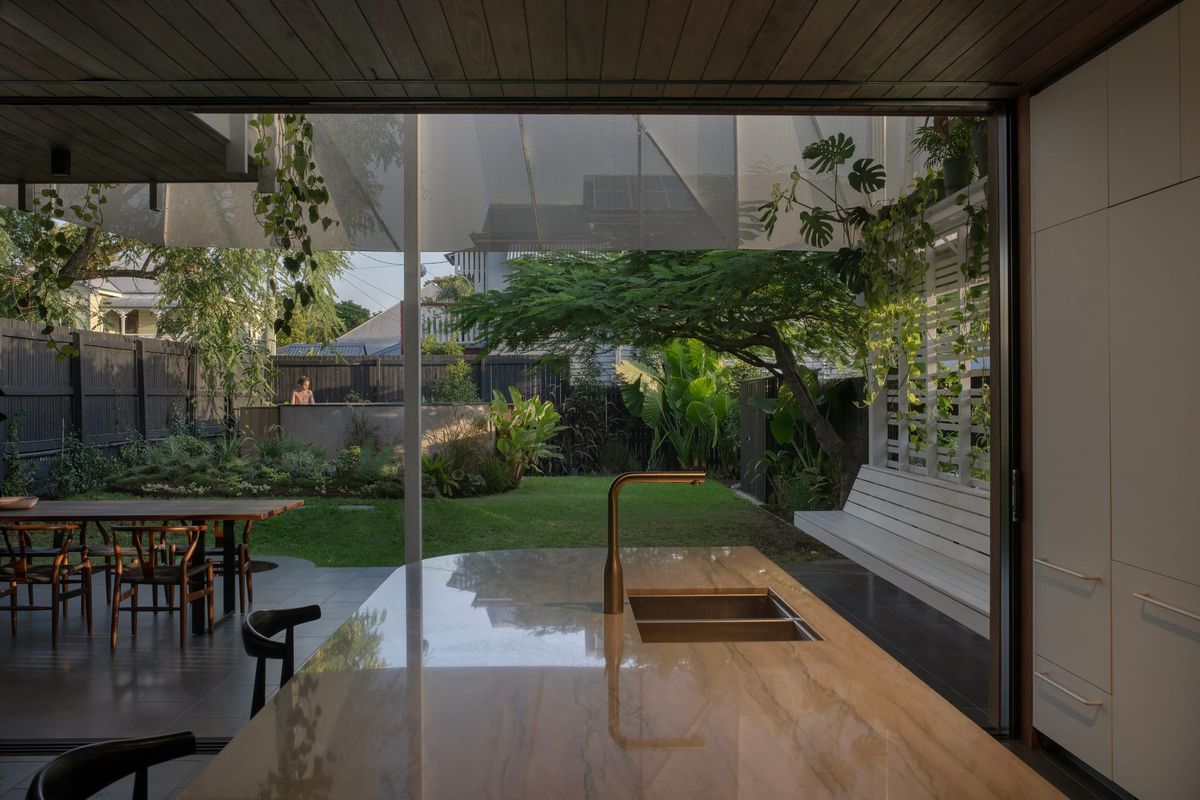
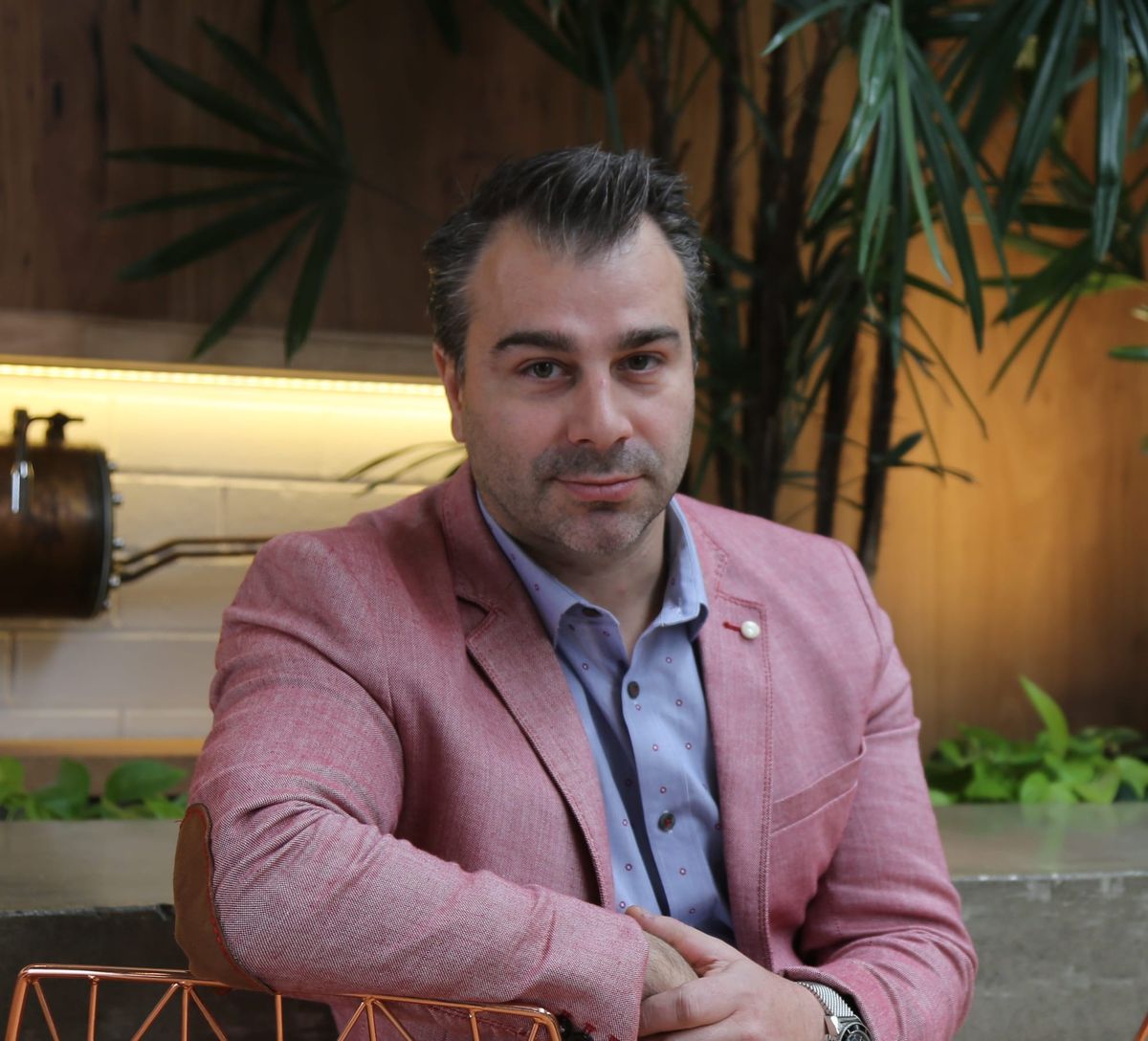
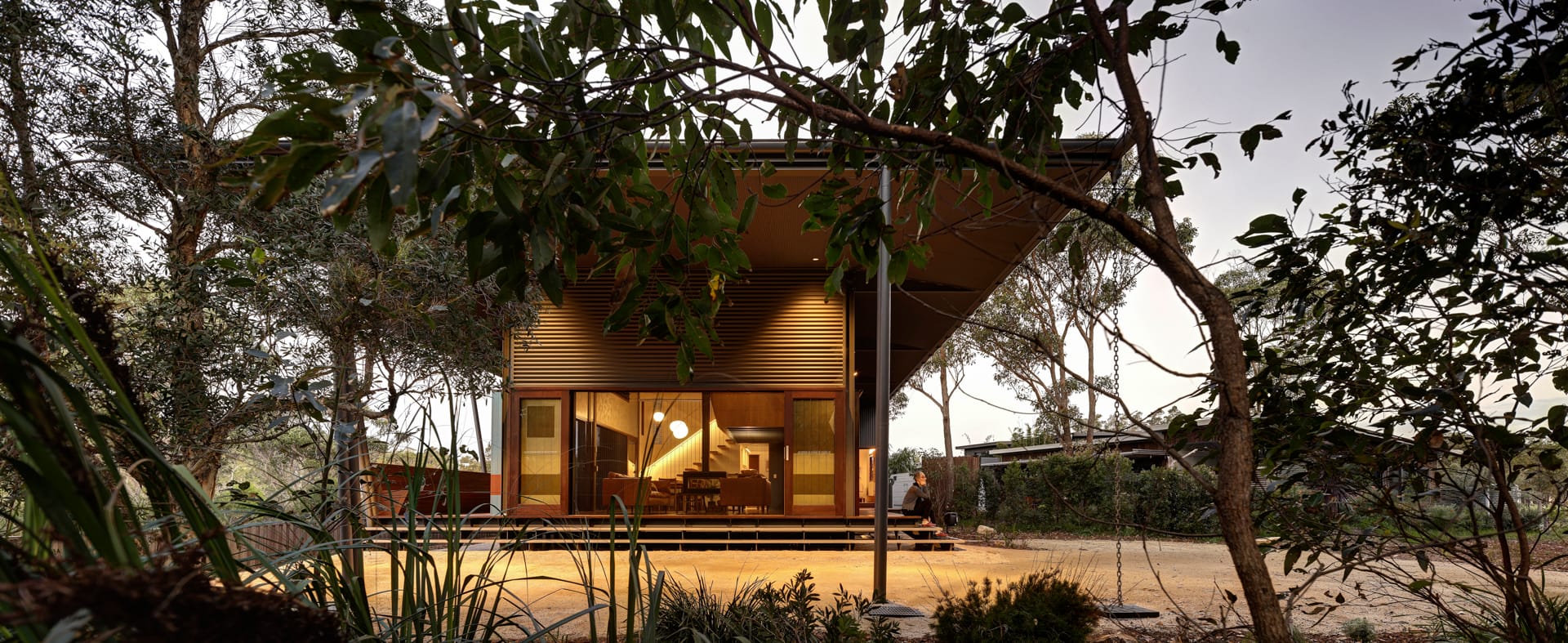
Picture of Carol Marra & Ken Yeh (left). Photography by Brett Boardman. | Eco-House Leura (right). Photography by Brett Boardman.
Marra + Yeh Architects was founded by two architects originally from Argentina and Malaysia who both studied in the United States before settling in Sydney. How does that breadth of cultural and professional experience shape the way you approach sustainable design, and what does it mean for the homes you create for Australian clients?
I would say that our backgrounds and trajectory are not dissimilar from the phenomenon that started post WW2 where migrants, specifically from southern Europe, arrived on these shores and added to the culture, food and lifestyles of the populace. The food analogy here is particularly apt, as the foods of the Mediterranean became more available and the palates of society became varied and, dare I say, sophisticated. Today, the Australian palate is particularly worldly, sophisticated and urbane. We are only too happy to add to and be part of this tradition in the field of Australian architecture and planning.
Our Australian clients, like their palates, are worldly, sophisticated and urbane. This means that they have no issues with novel ideas and concepts that we bring to the conversation and, in fact, often our clients are the ones that usually bring up these ideas during the conversations. At that moment, we are there to listen intently and because of the shared context, the conversation is allowed to be deep and nuanced. The result is homes that are deeply personal but also strive to shift the needle forward in the areas of sustainability and climate resilience.
Sustainability and climate resilience are core to everything Marra + Yeh Architects does, but these can be abstract concepts for a homeowner encountering them for the first time. What do people most commonly discover or understand differently once they're actually inside the design process with you?
I think you would be surprised as to how vivid both sustainability and climate change are to our past and current clients. Their feedback is always through their own skin as well as the pocketbook. Clients approach us because of our experience of actualising solutions to these current and future problems of sustainability and climate change. They then end up with a solution, or solutions, that has a resolution with beauty as a byproduct, and this is perhaps the biggest surprise: function, performance and beauty that co-exist in equal measure.
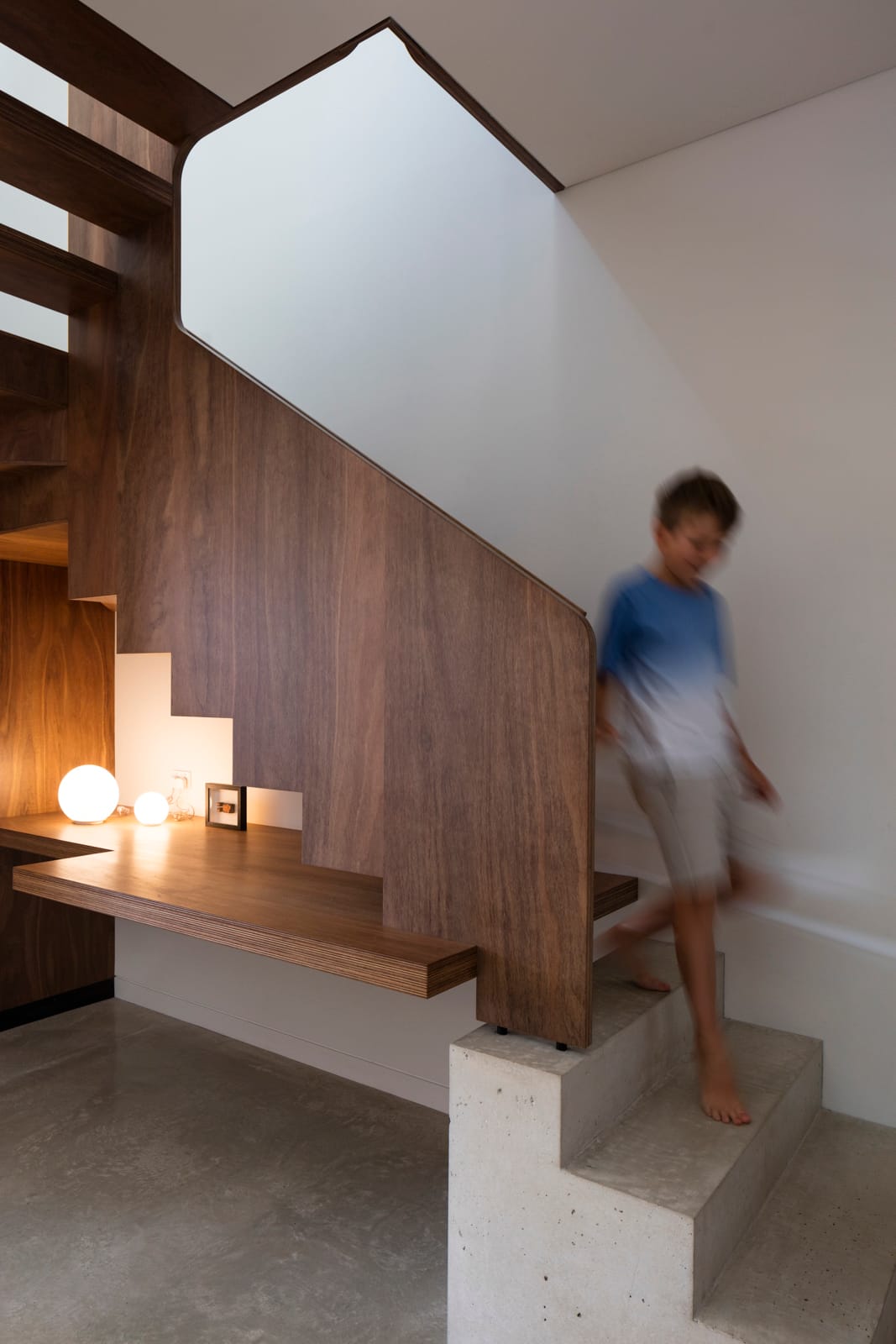
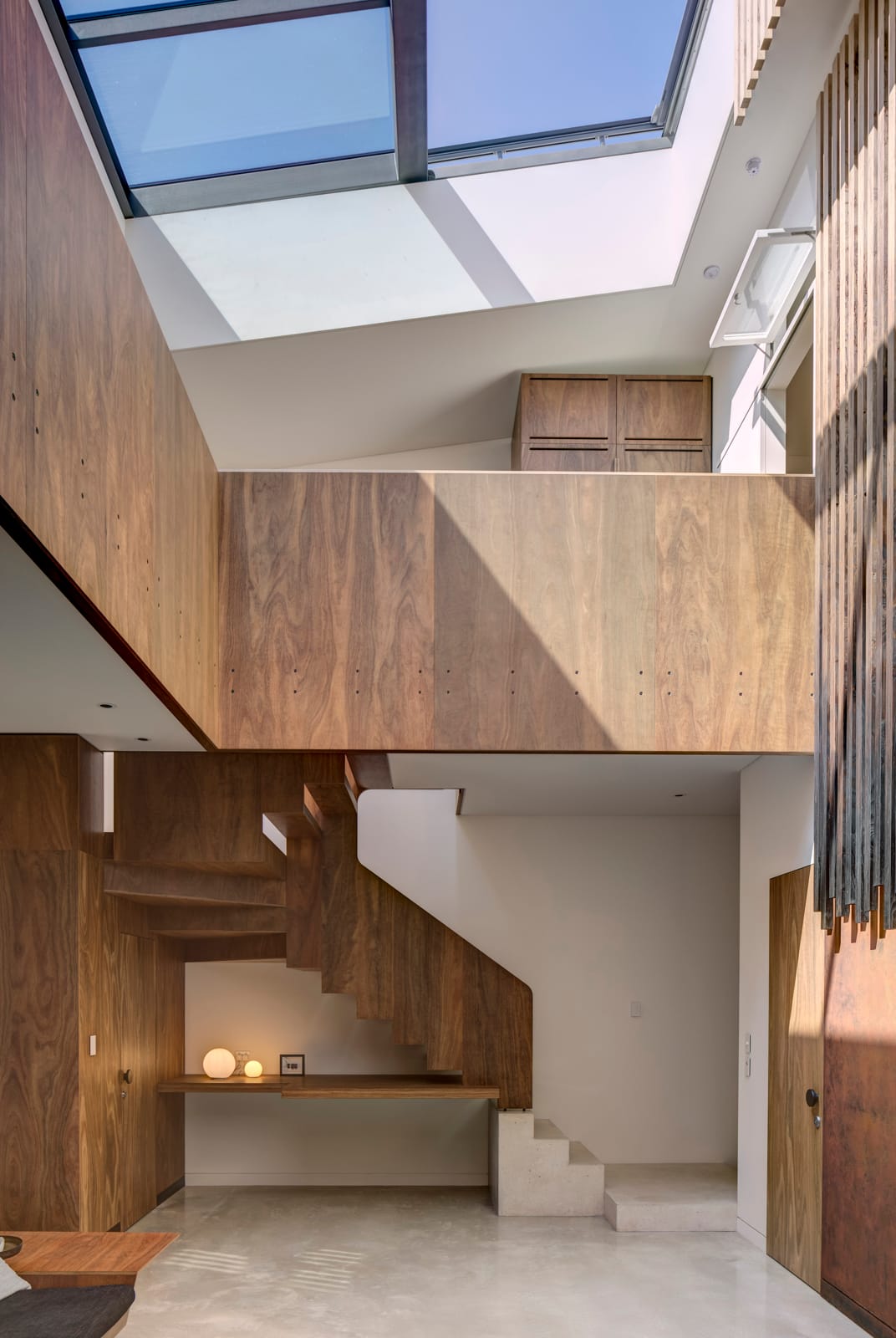
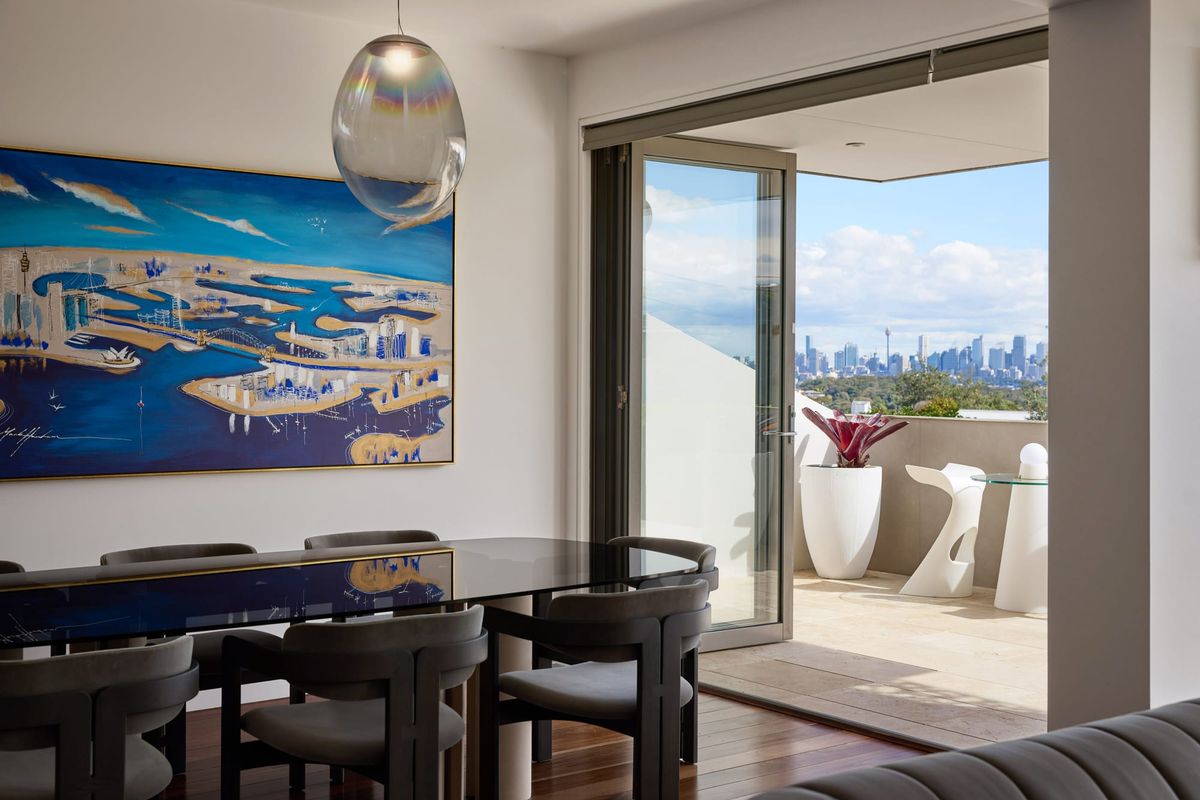
Sky House. Photography by Brett Boardman.
Your practice is known for achieving lifecycle cost savings of at least 50% over typical buildings without relying on mechanical heating or cooling year-round. When a client's instincts or preferences pull against what you know will perform better for them over the long term, how do you navigate that conversation?
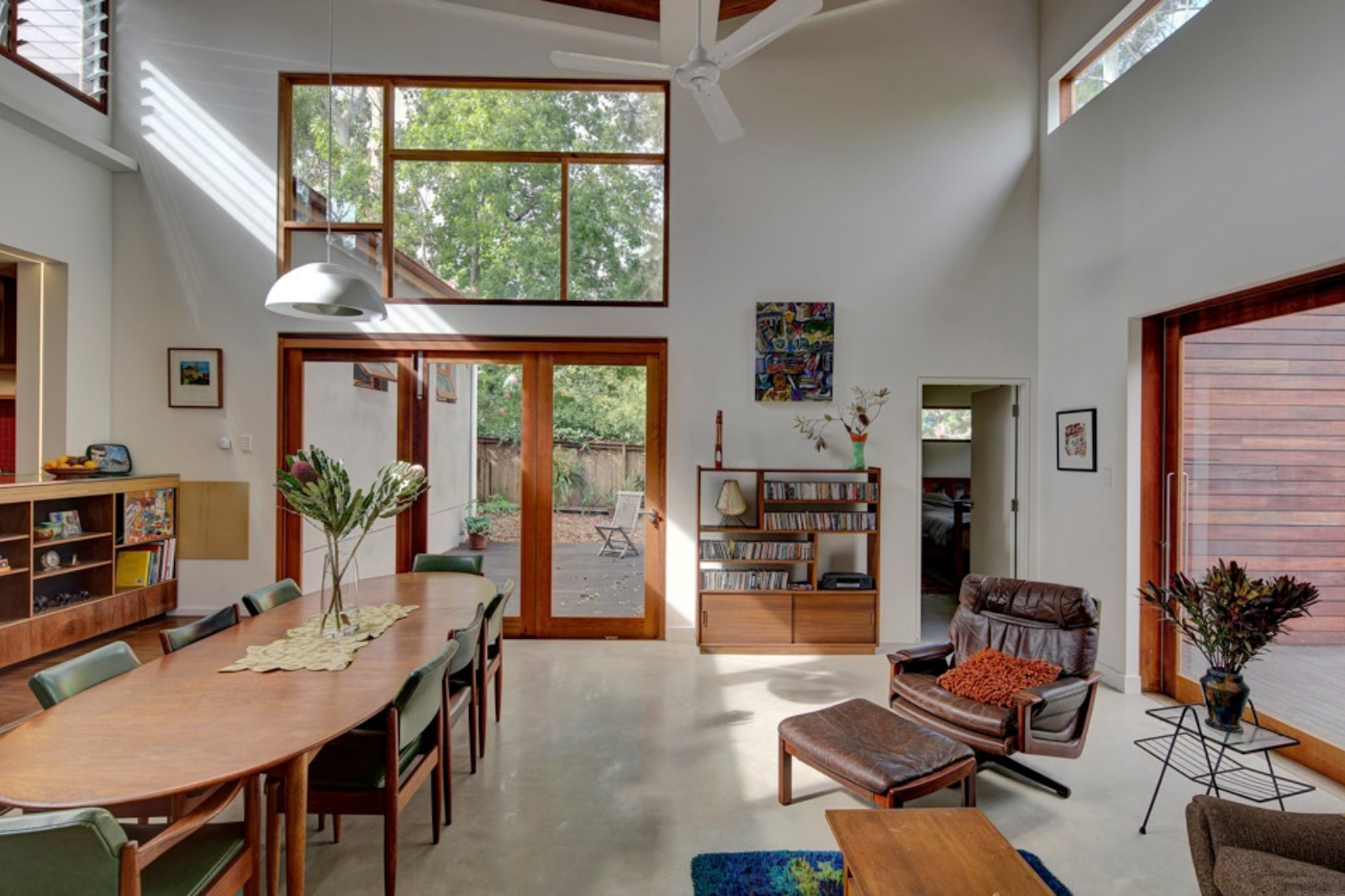
It certainly has become easier over the last two decades as the populace has become much more aware of how their environment affects both their health and mental wellbeing. Basically, this means that having a connection to the outdoors, especially to gardens, becomes really, really important. That connection at its most basic is an operable window or door. Once you open them, whatever mechanical system you envisioned will be compromised, as the fundamental premise of mechanical systems is a sealed box. Being able to find practical solutions to this tension of a sealed box and a fully openable environment is what we have become known for in all scales of architecture.
We make sure our clients are active participants in the discussion. They are not just on the receiving end, and we always discuss the benefits or otherwise of one option over another. We give them confidence to make decisions that will have longevity, not just solve a short-term problem.
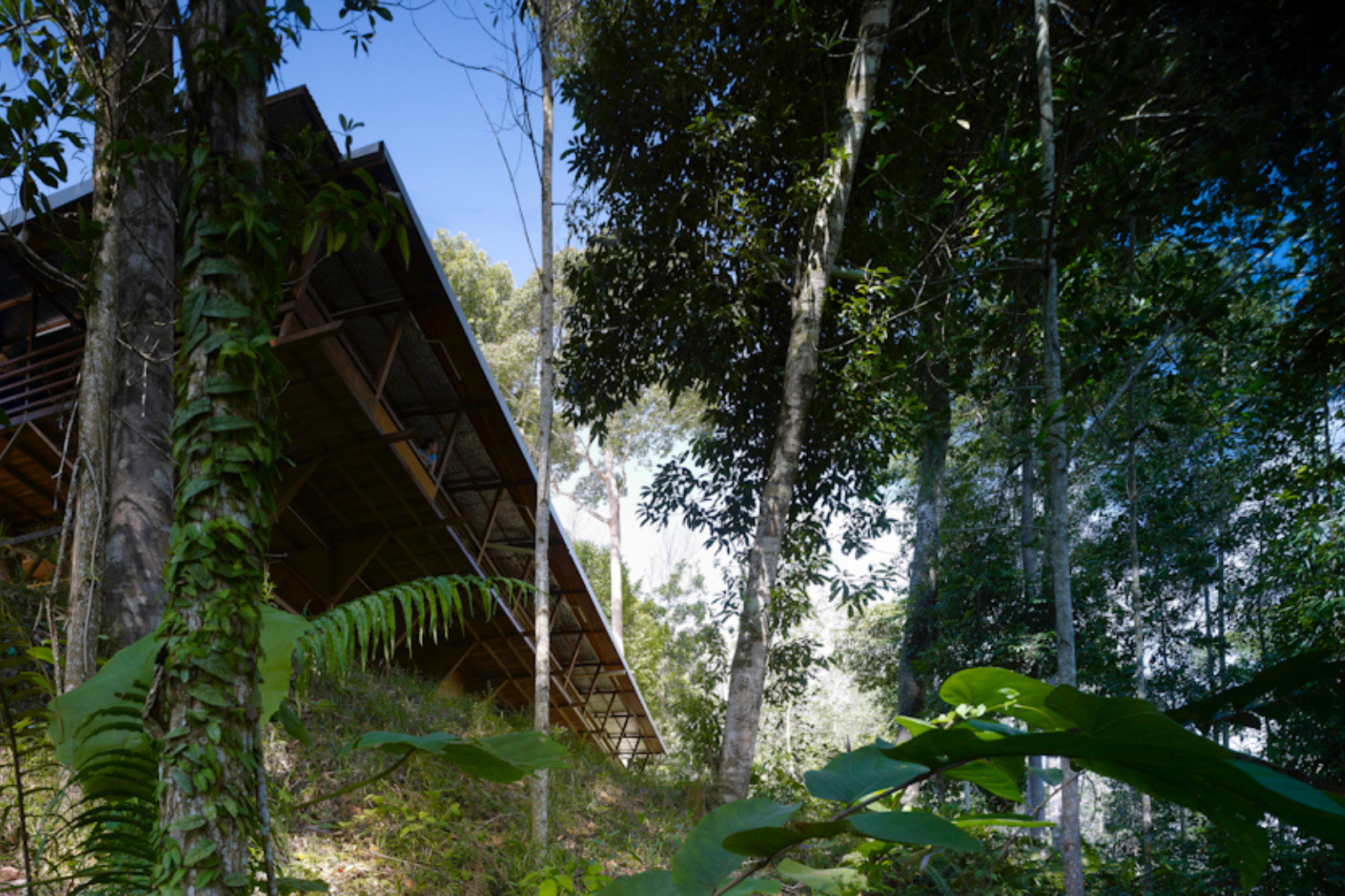
Carol travels internationally to stay across emerging research and practice in sustainable design, and the studio has been championing net-zero and energy-positive architecture since the late nineties. Is there a particular approach, material, or design strategy that you're especially interested in or energised by right now?
We have always held an interest in traditional or vernacular approaches to sustainability: how to achieve performance with very little energy input. We have also shunned trends because these never last and hardly ever provide solutions of longevity. Buildings have very long lifespans and that criteria is key to our design process. We have to design for both the present as well as the far future, and the buildings must respond to changes with ease and anticipation.
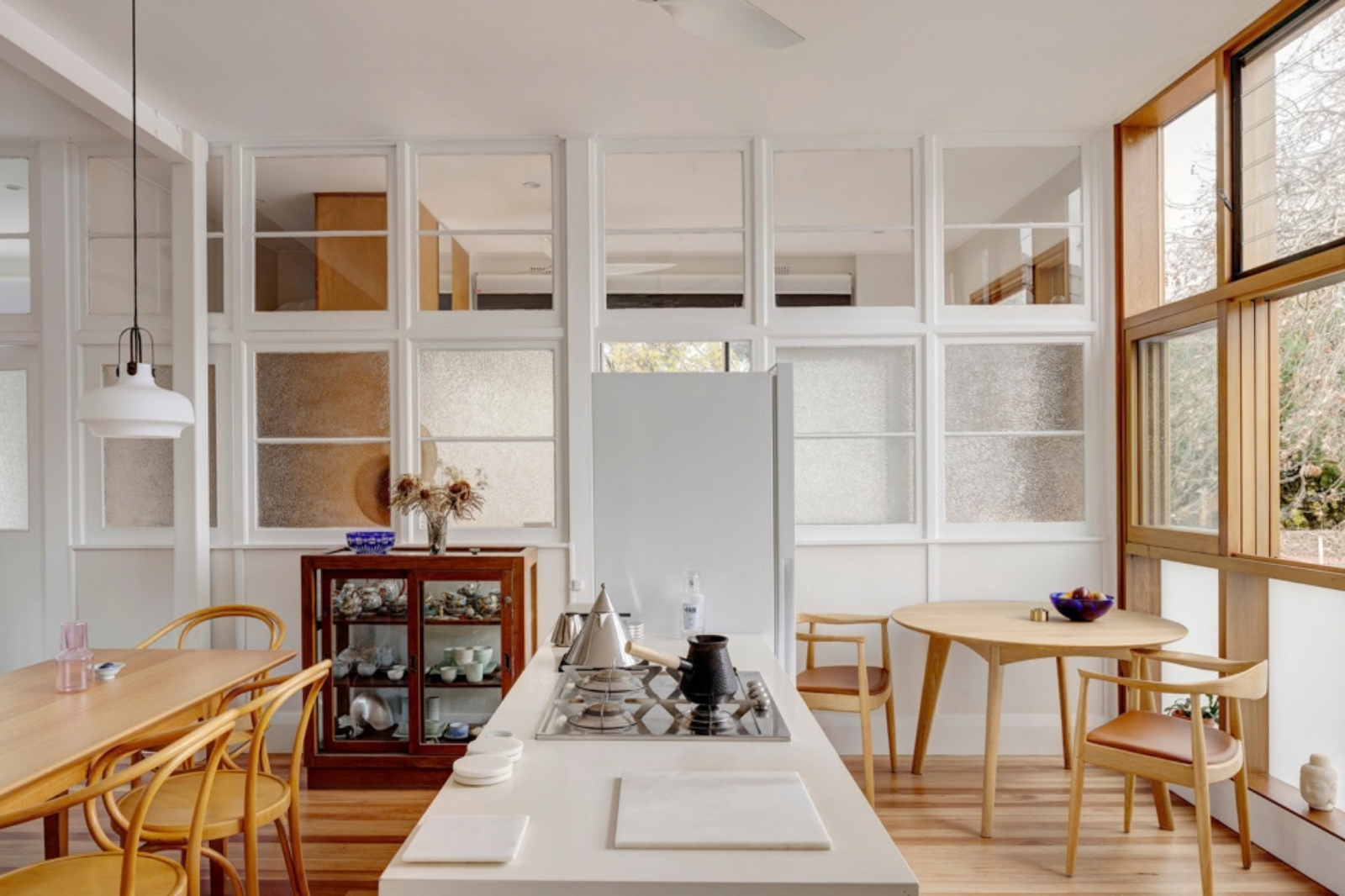
A lot of homeowners come to sustainability late in the process, after key decisions have already been made. What is the single most important thing someone should understand or do before they begin thinking about renovating or building?
That their plot of land or building sits within multiple layers of natural systems. Understanding those natural systems first means you will not be unknowingly making decisions that are in opposition to those systems. Nature always wins, so it is always better to be allied to nature rather than in opposition. Our architecture is distinguished by bringing people in harmony with nature.