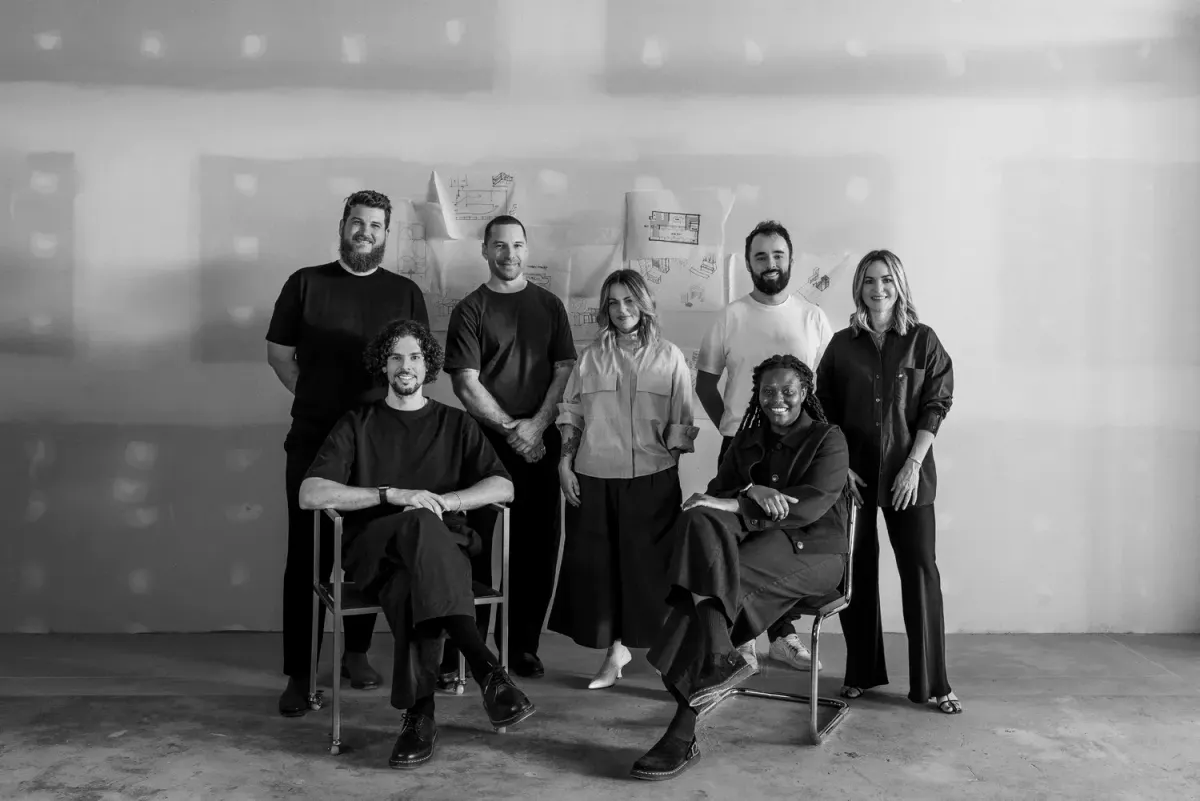
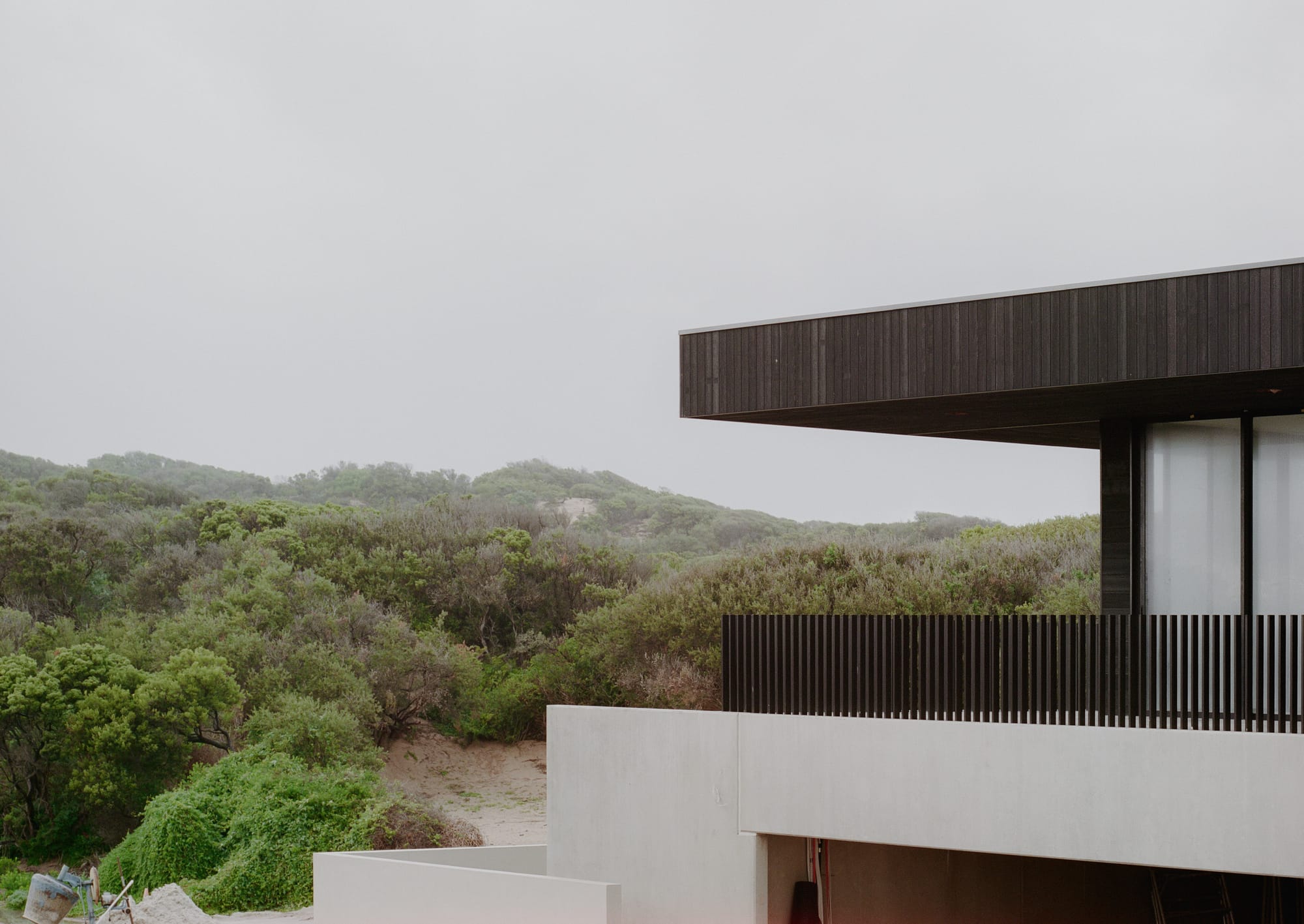
Archive doesn't draw a hard line between architecture, objects, writing and culture. For its founder, these are all part of the same curiosity, the same practice. Working across residential, hospitality and cultural projects in Melbourne and Perth, the studio brings a layered approach to every site and a genuine interest in what architecture can mean beyond the building itself. We spoke with Joel Benichou about empathy, constraints and the review that said it all.
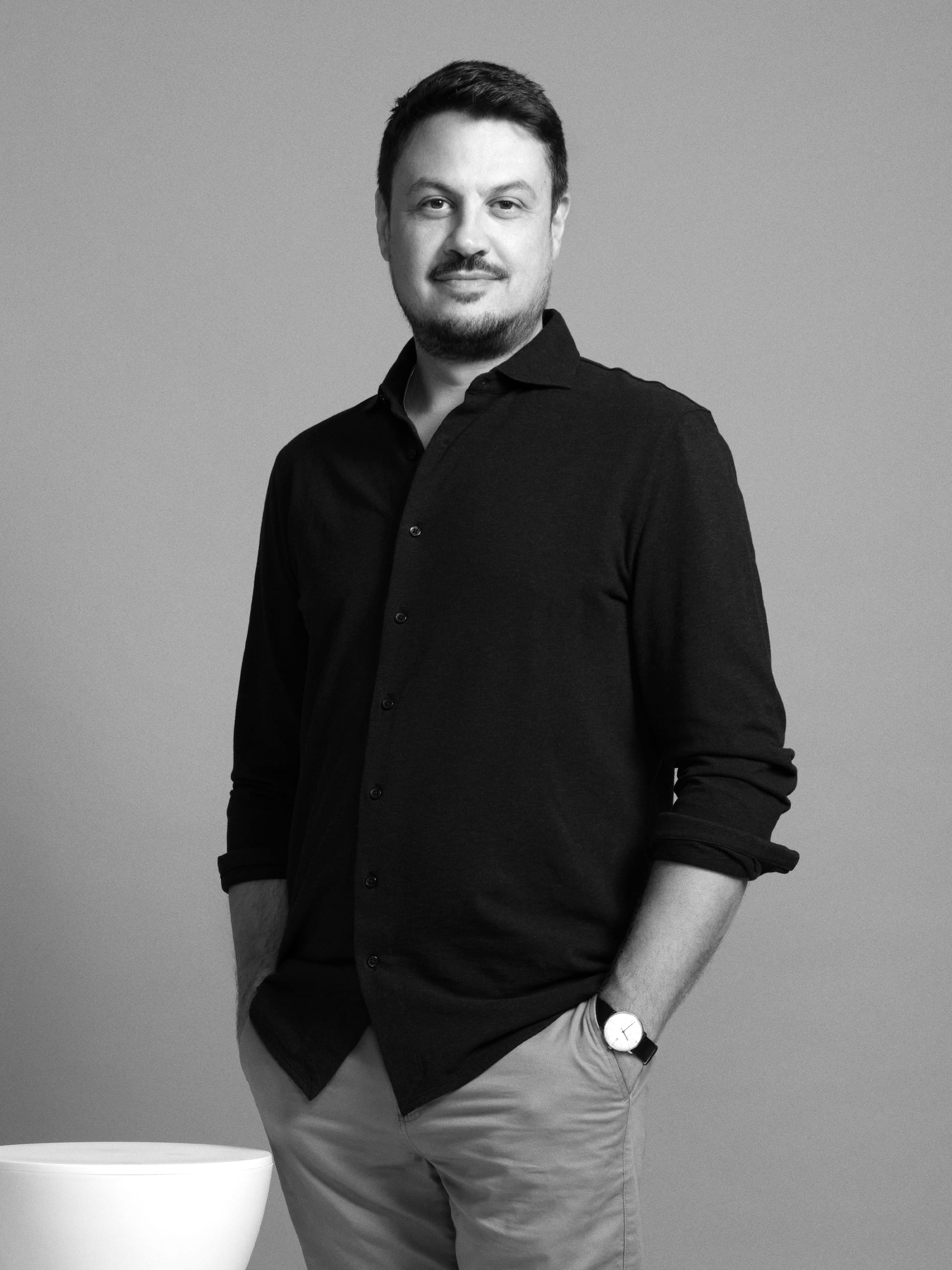
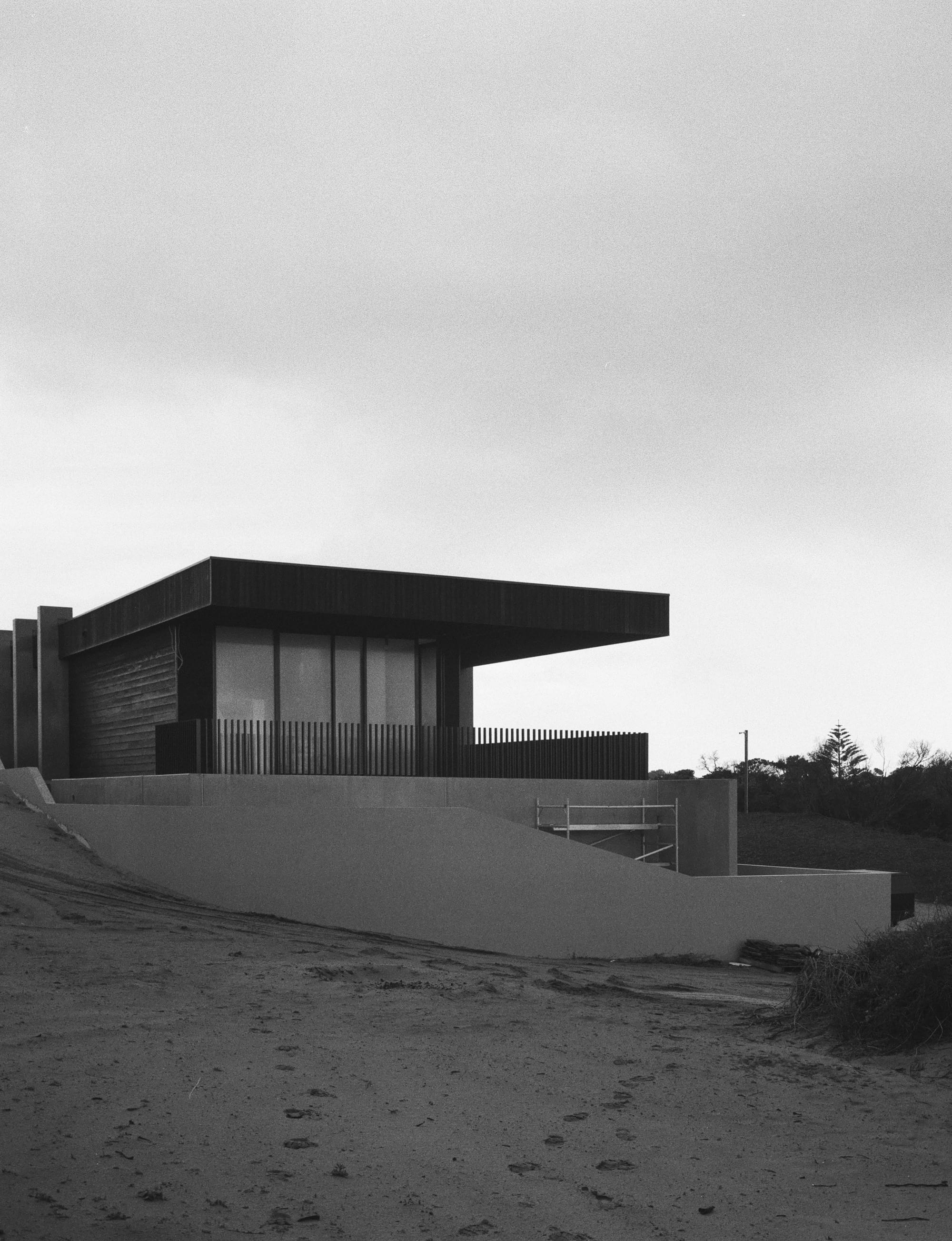
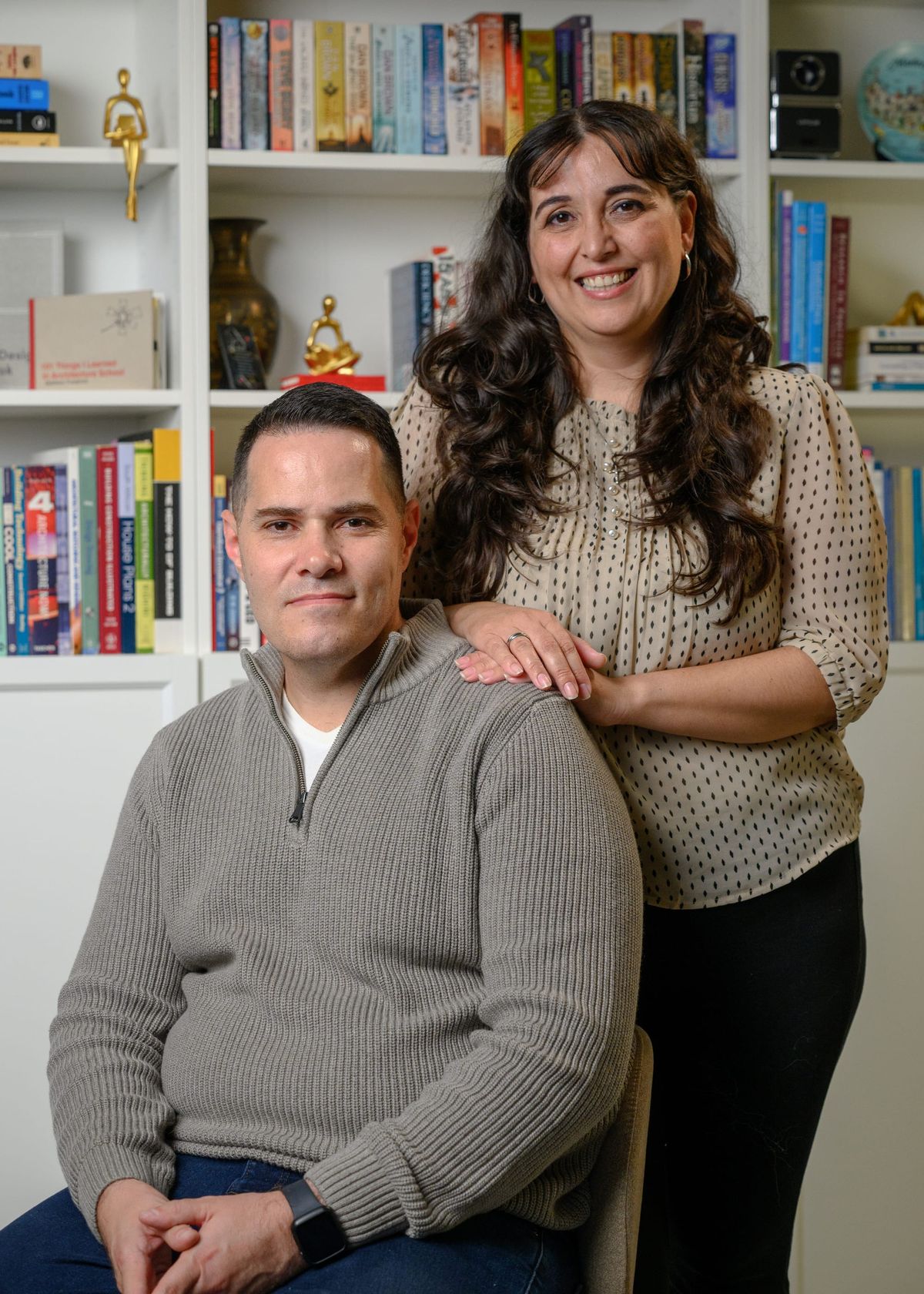
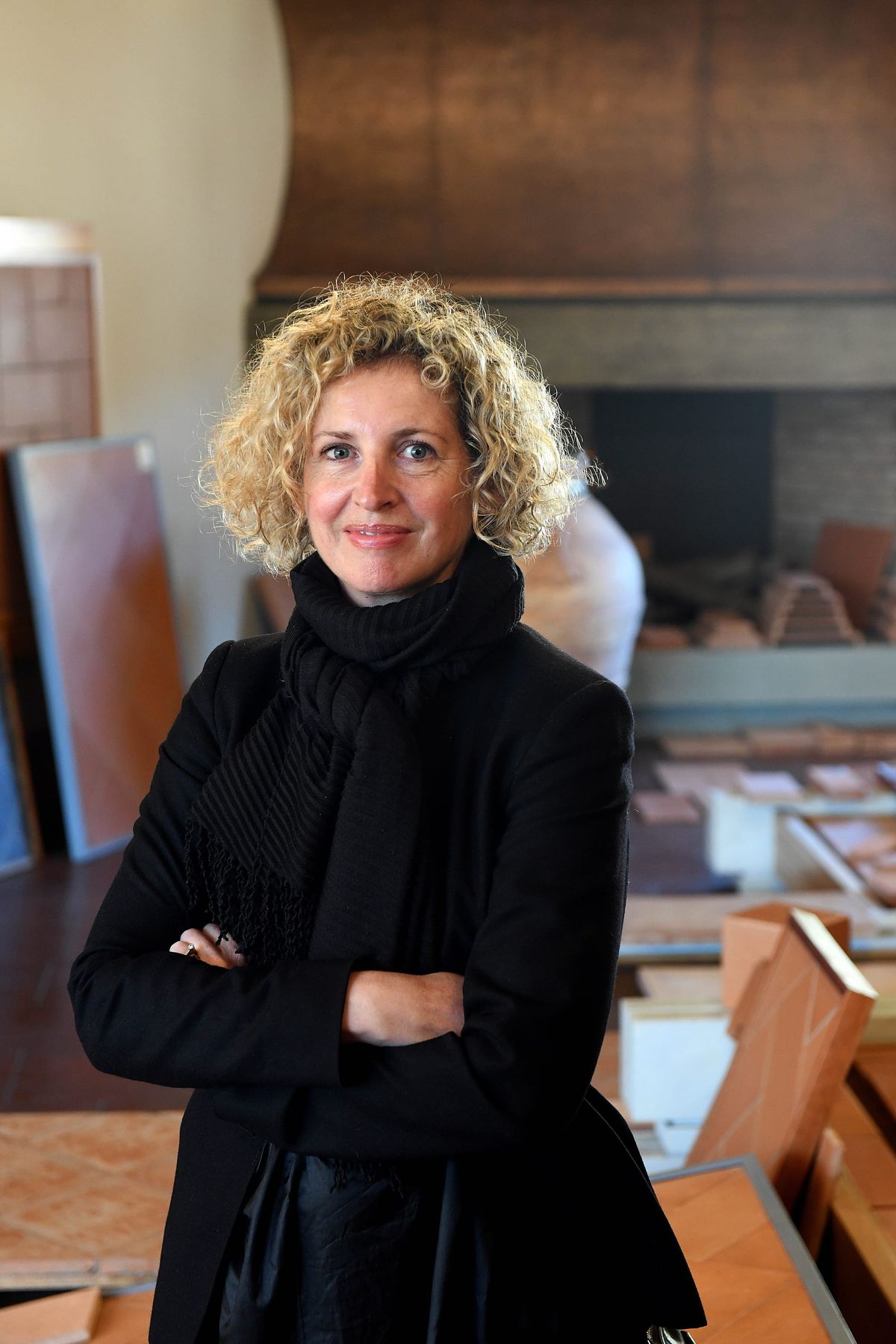
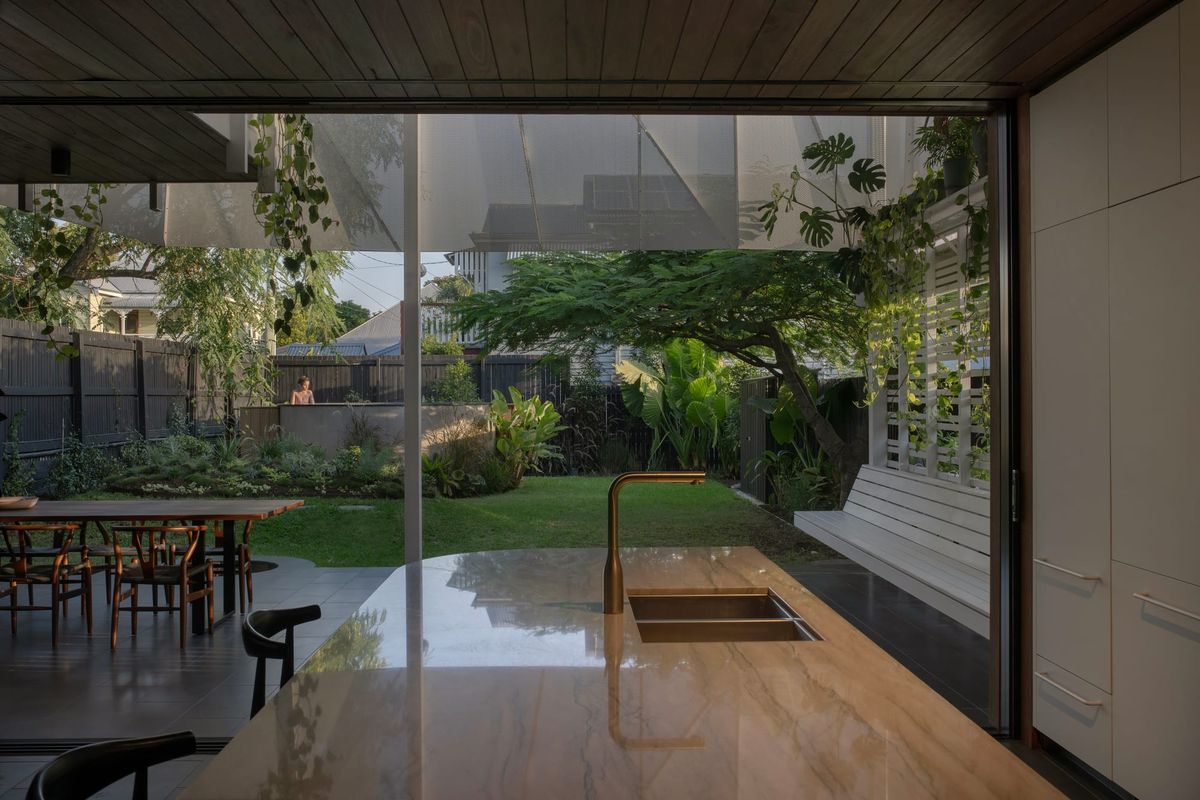
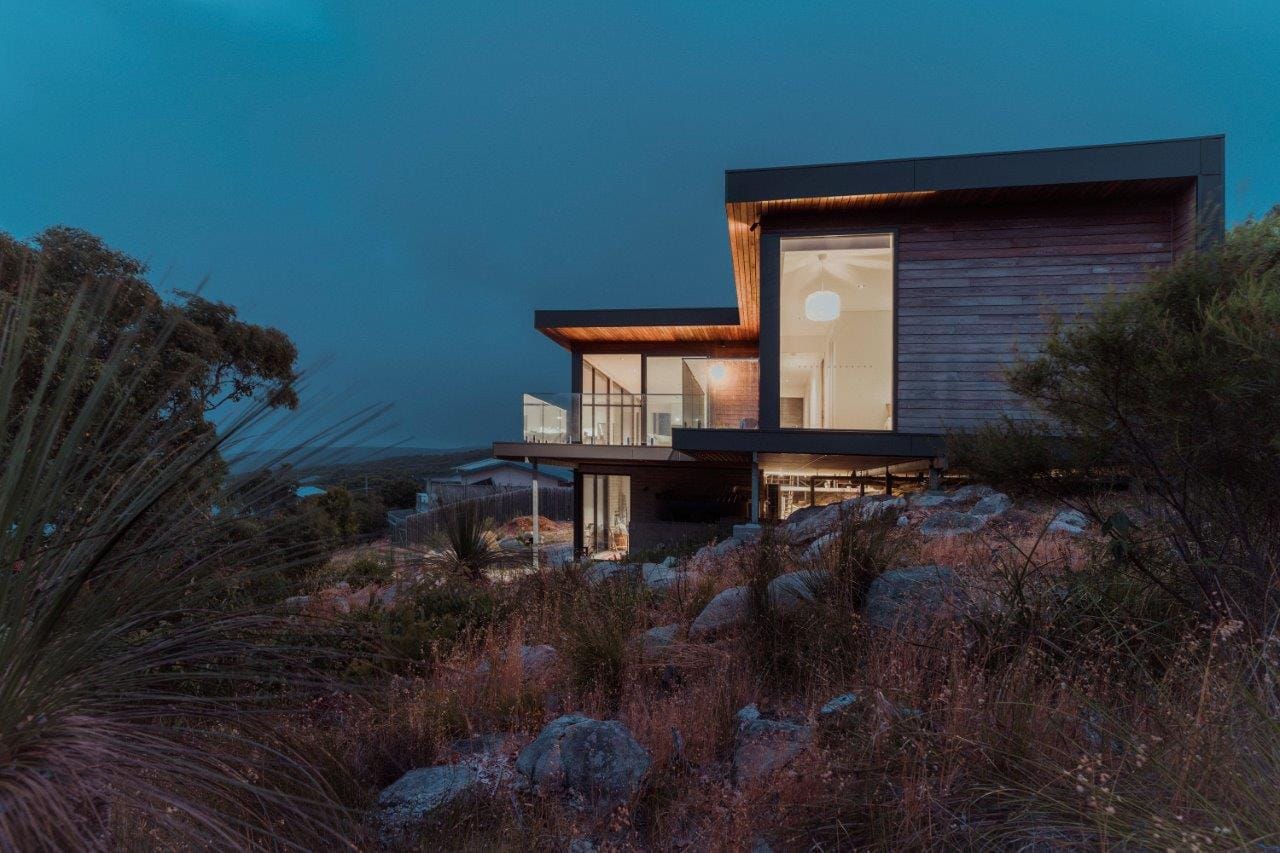
Portait of Joel Benichou (left). | St Andrews. Photography by Brook James (right).
Archive sits at an intersection that most studios don't occupy, treating culture, objects, and writing as part of the same practice as architecture. How does that broader way of working shape the decisions you make in a design, and when do you know something is resolved enough to build?
The diversity of the practice is just a reflection of my interests and passions. If I see an object I love, have an idea for a project, or get pissed off enough about something, I have an opportunity to document and share that on the Archive platform. Through this process, I get to learn, explore, get inspired and develop an endless list of things to test.
Design is a never-ending process, you can go on forever! But I figured out a while ago that it's best to capture SOME ideas in each project, not all of them. The practice of architecture in the real world has so many other parameters and conditions that a lot of the more ambitious ideas get diluted. That's why I love teaching and working with young architects. You get to explore the purity of architecture without all the arduous restrictions!
Archive works closely with clients across residential and cultural projects, and your process is clearly driven by a genuine curiosity about people and place. What does a successful client relationship look like to you, and how do you build that trust from the very first conversation?
I believe that to be a good architect, you need a high level of empathy. To build that trust, a client needs to feel you're able to put yourself in their shoes, understanding their anxieties, what deeper solutions they need solved, and what will ultimately create a successful project for them. We have a great team at Archive, and through each stage of a project, we work very collaboratively with clients and try not to force a rigid approach. Rather, we start by developing a clear brief, nudging in the right direction along the way. We overlay our ideas on theirs and end up in a place that none of us could have come to in isolation.
Place is our other client. On every project, we start with a deep dive into the site: not just a few photos and a quick walk-around, but a multi-layered interrogation of the natural features, history, neighbouring context and wider community. Too many buildings are developed without consideration of the public interface, a shallow response to place, and disregard for the impact on how we all experience that environment.
Archive works across residential, hospitality, and cultural projects in both Melbourne and Perth, two cities with very different relationships to architecture and place. Where do you find the biggest gap between what a client expects the architectural process to involve and what it actually demands of them?
I have deep connections to both cities. Having grown up in Perth, lived for two decades in Melbourne, and then returned home with a family, a piece of me exists in both states. Both cities have very different perspectives on architecture and the value architects can provide. I would say WA has more of a builder-first approach, whereas VIC would typically start with the designer. This is in part because of the regulatory environment, but also just different demographics generally.
It takes a lot of trust to embark on a building journey with an architect, and I think that trust is built through the experience of good architecture. If you haven't directly experienced the difference between a standard, volume-built house and a custom-designed home, you won't be inclined to engage in the process. My favourite review of one of our projects was when I overheard a husband saying to his wife: "Ohh, I get it now."
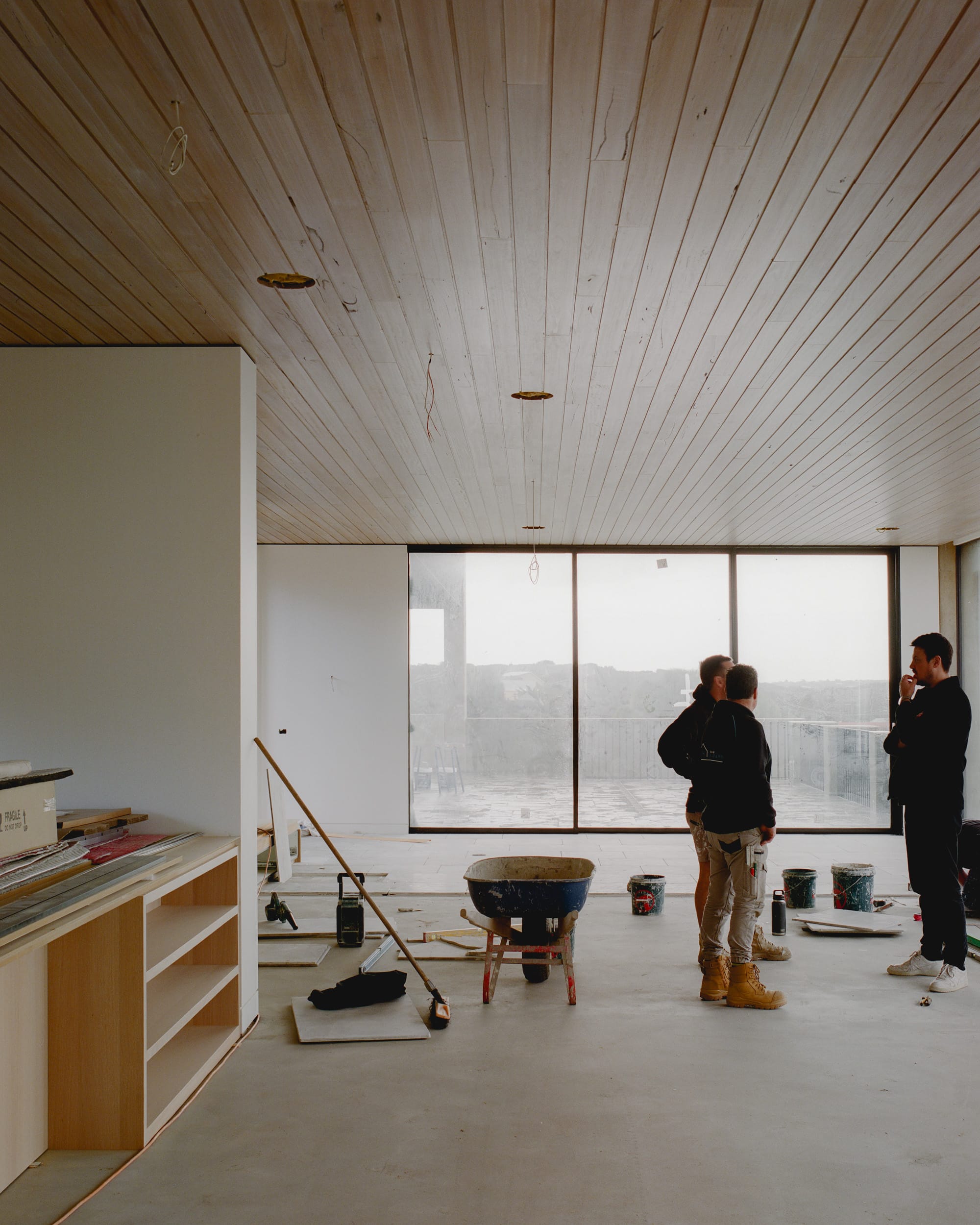
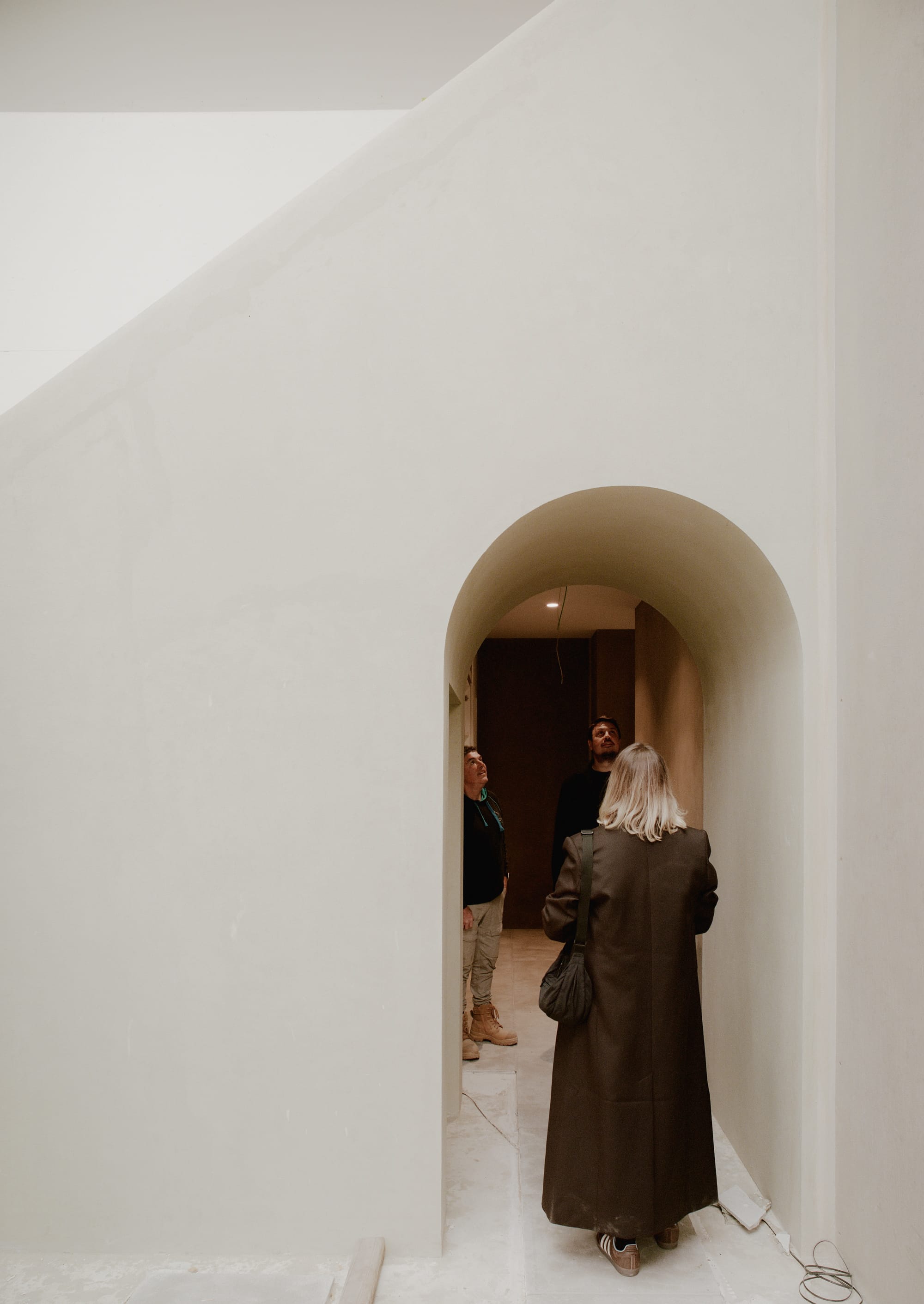
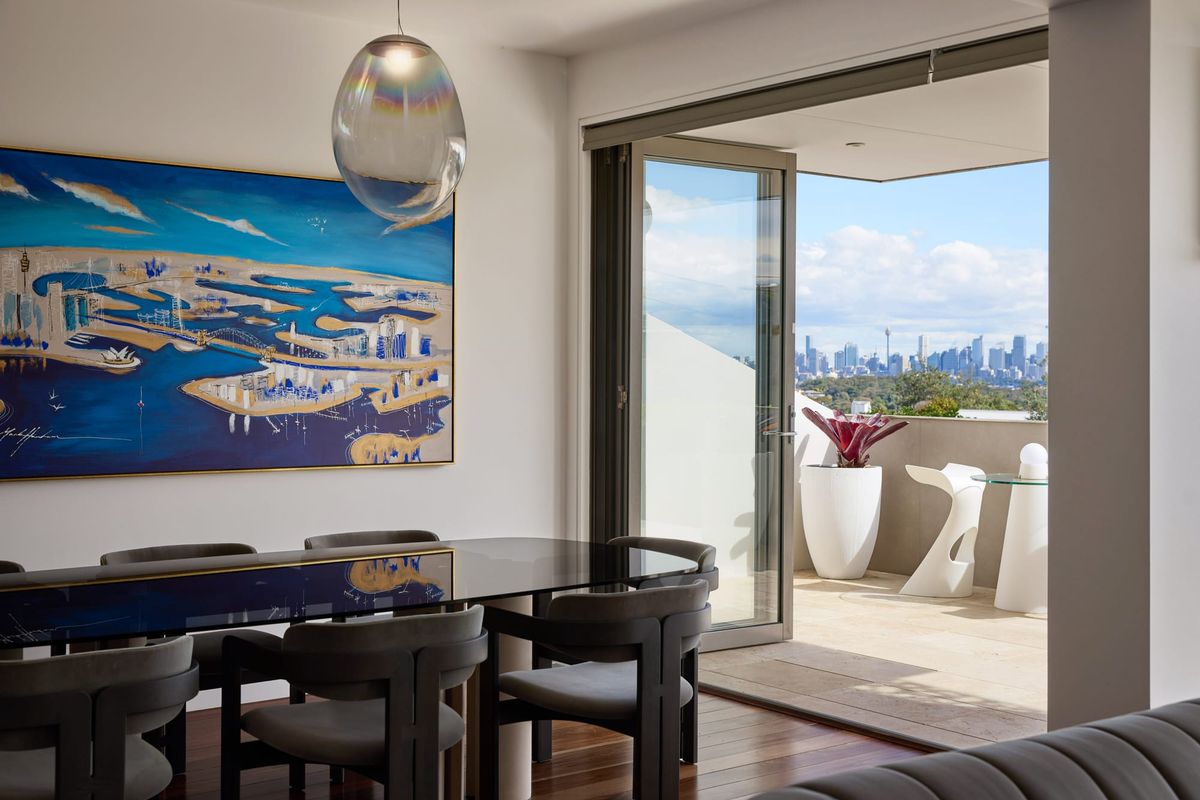
St Andrews. Photography by Brook James.
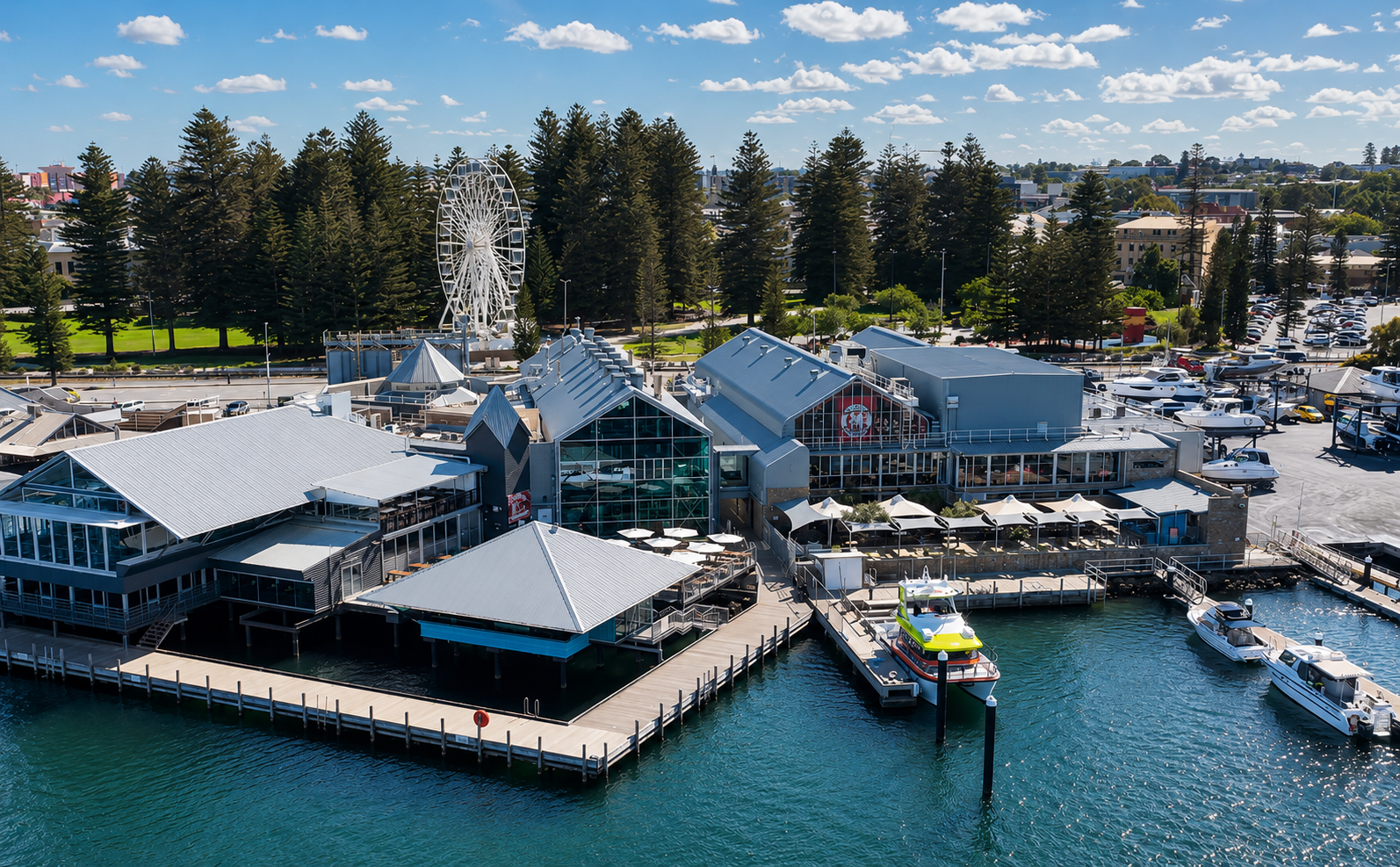
Your portfolio includes beach houses on the Mornington Peninsula, a homestead in regional Victoria, and the Little Creatures brewery in Fremantle, each with a completely different relationship to its site and context. How do you approach a brief that comes with real constraints, whether from the landscape, the budget, or the planning environment?
Every project has constraints. It's how you use those constraints to help you make decisions that is the key. I like to think about a piece of architecture addressing three main topics: Pragmatic, Poetic and Thematic. Typically, a standard building only responds to the pragmatic constraints: things like regulations, size, construction methodology and budget. All critical things, however, to elevate a building into the realm of architecture, you have to overlay the other conditions. The Poetics of a building considers things like light and shadow, texture, volume, repetition and memory. Thematic constraints look at how the building contributes to a greater meaning, be that ecology and the city, sustainable living, density or community.
These relationships are universal. It could be residential or commercial, in Victoria, Western Australia or anywhere else in the world.
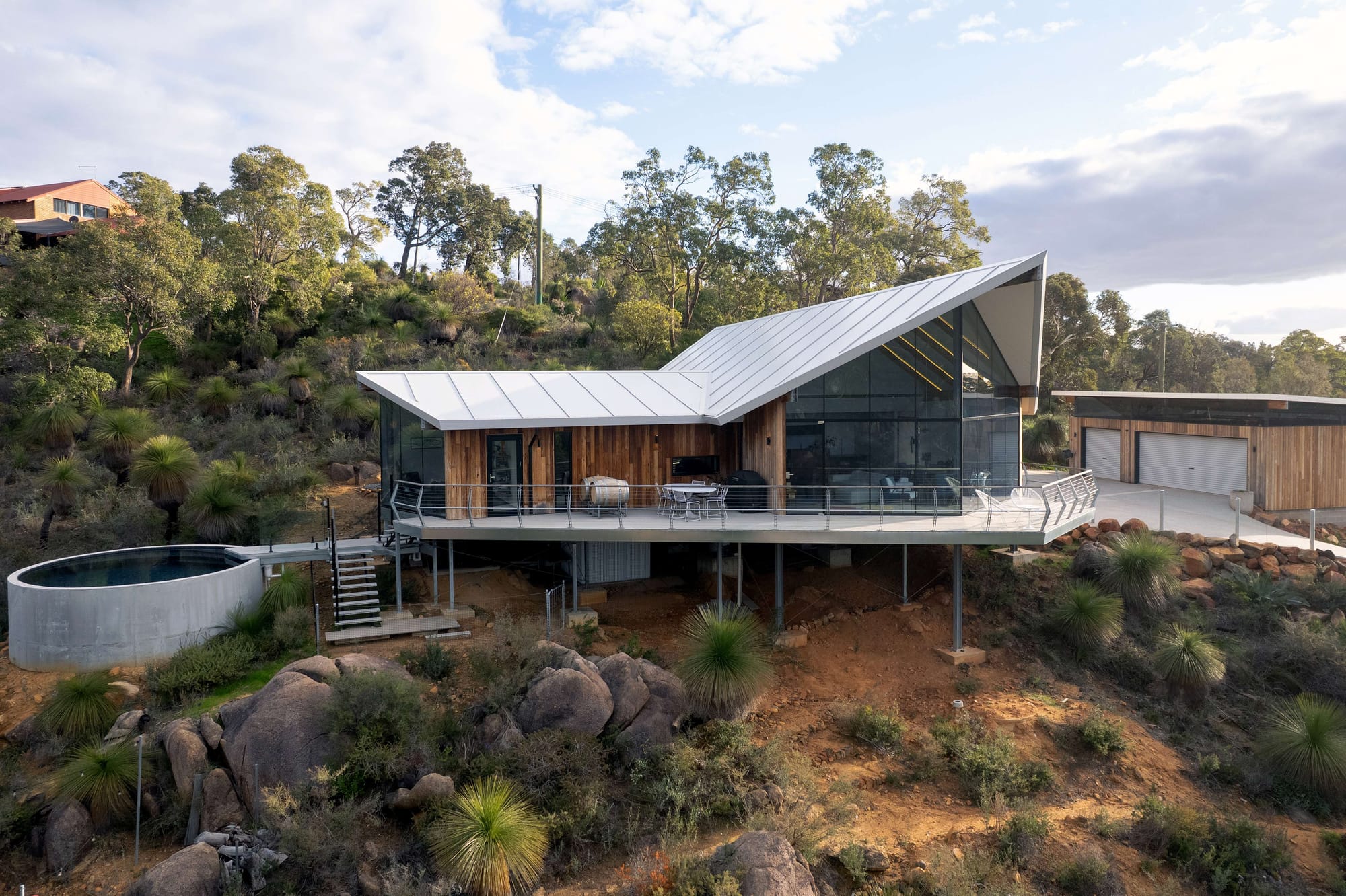
Archive writes about healing rural towns through architecture, reimagining suburbia, and the cultural value of cities. Is there a project type or brief that those ideas are pointing toward that you haven't yet had the chance to realise?
I have tested a lot of these ideas in an academic sense: through teaching Master of Architecture design studios at the University of Melbourne, RMIT, Curtin and UWA, and through my writing. I also run a company called SPACEMRKT, where we activate empty and underused buildings to build precincts with cultural, creative and community life. Rather than just advise from the sidelines, we identify opportunities, negotiate terms with building owners or developers, curate who moves in, and manage the space directly, testing in real time and at a precinct scale what kind of life a place actually wants before anyone commits to permanent architecture. So I get to realise some of these ideas through those endeavours, though we're always looking for the opportunity to test them properly in architectural projects too.
I always implement small ideas in projects at any scale, but to fully explore the potential impact of these ideas, you need a client with equal parts ambition, imagination and budget. Anyone like that reading this, feel free to give us a call!