Marylou Sobel has spent 35 years learning to listen for what a client can't quite put into words yet. In this edition of Behind the Design, she talks through how heritage and contemporary layers can sit together without pretence, how thoughtful communication can guide clients through the uncertainty of a renovation, and why bringing the right team together early is often what separates a good project from an exceptional one.
You describe your approach as starting with "listening" and understanding how a client lives before anything else. How has the way you listen and interpret a brief evolved over your 35 years in practice?
After 35 years, I think I listen very differently. I'm listening not only to what a client tells me they want, but also to what they're not quite able to articulate yet.
Clients often arrive with a list of rooms, ideas or images they love, and all of that helps inform my decisions. It's a combination of the brief, the images they share and understanding how they live. Where does everyone gather? How do they entertain? Where do they escape to? What isn't working now? And most importantly, how do they want to feel in their home? The more information I have from a client, the more successful the outcome can be.
The brief is at the core of what the client wants, and I take that as the starting point. From there, the process unfolds and grows as we design. Often the outcome exceeds what the client initially imagined because the brief has expanded and surprised them along the way.
For me, that's where the really personal homes come from.
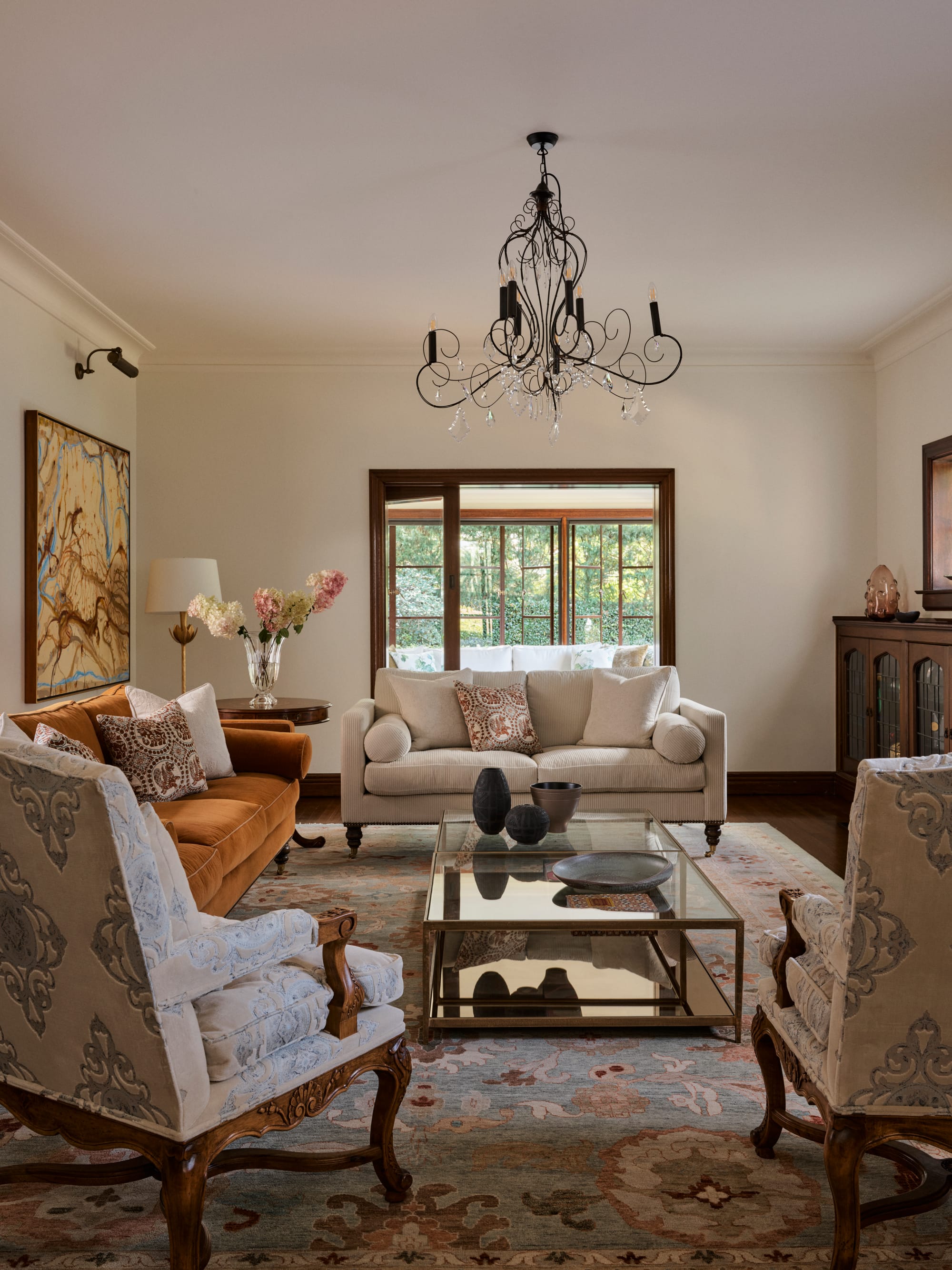
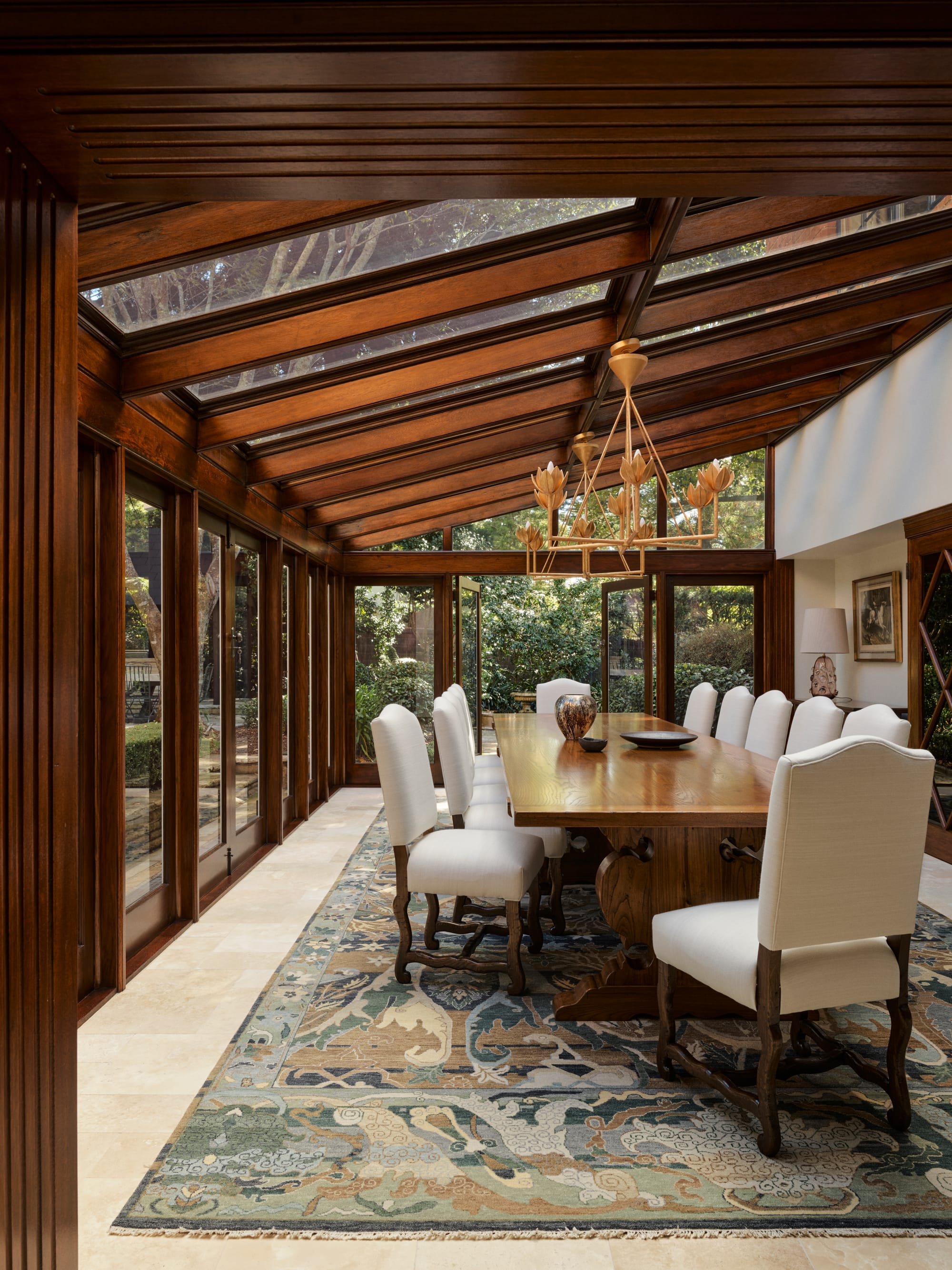
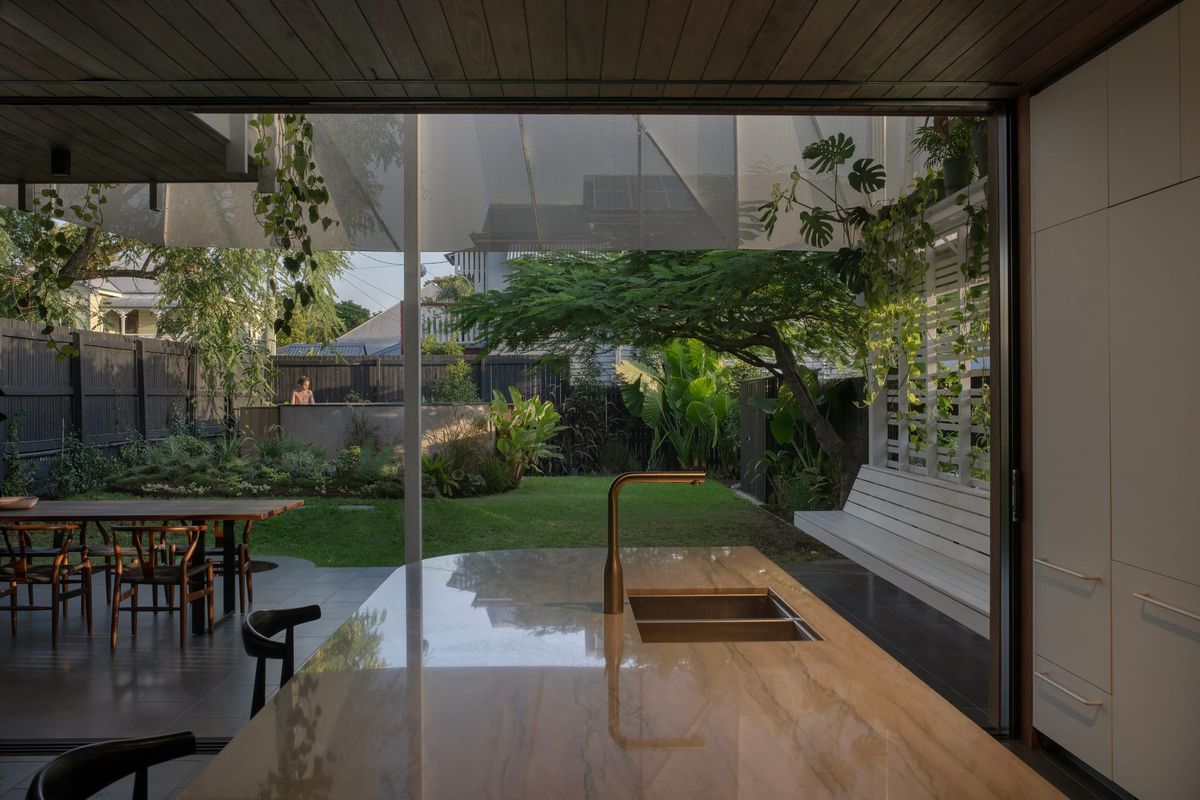
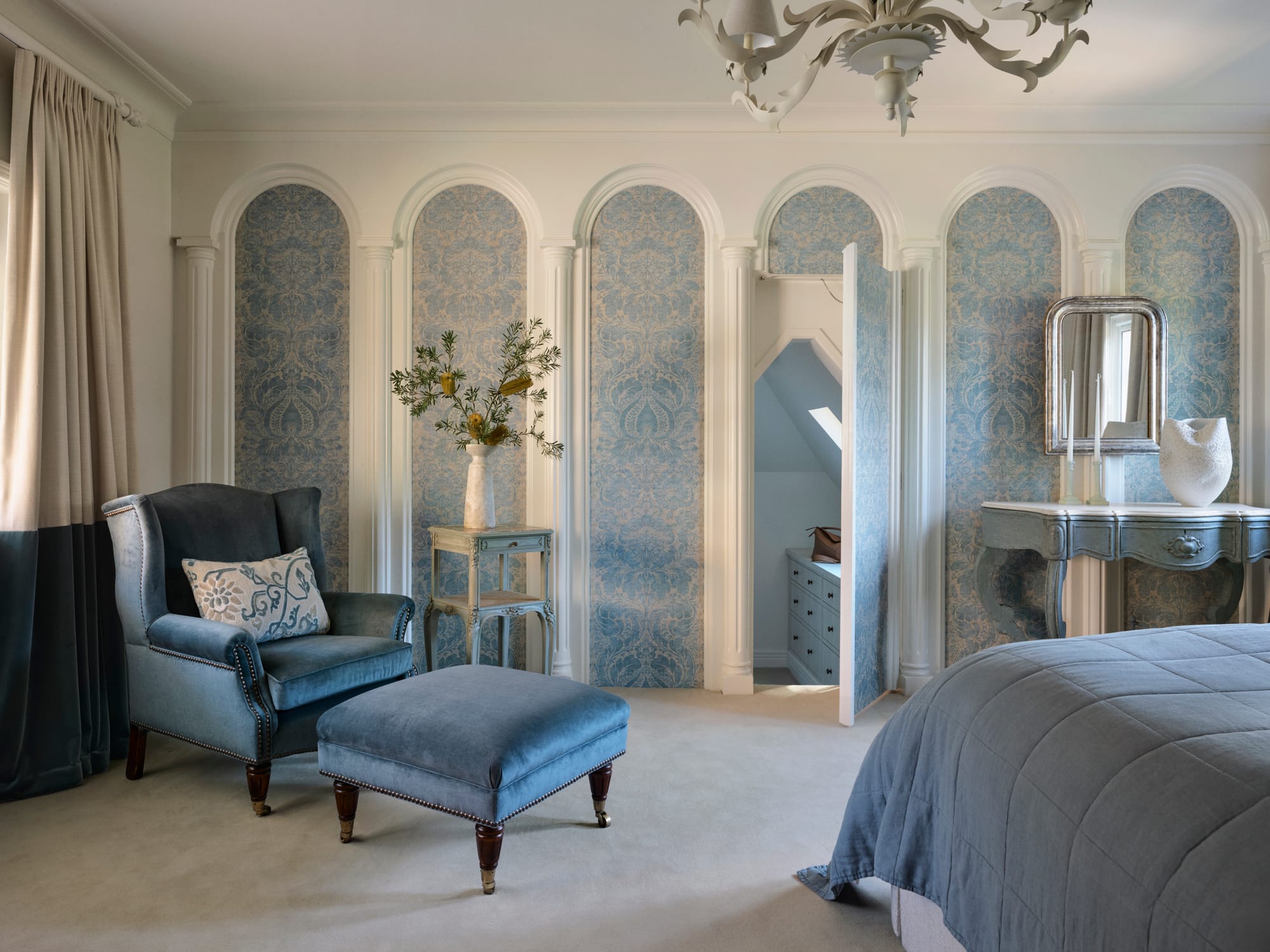
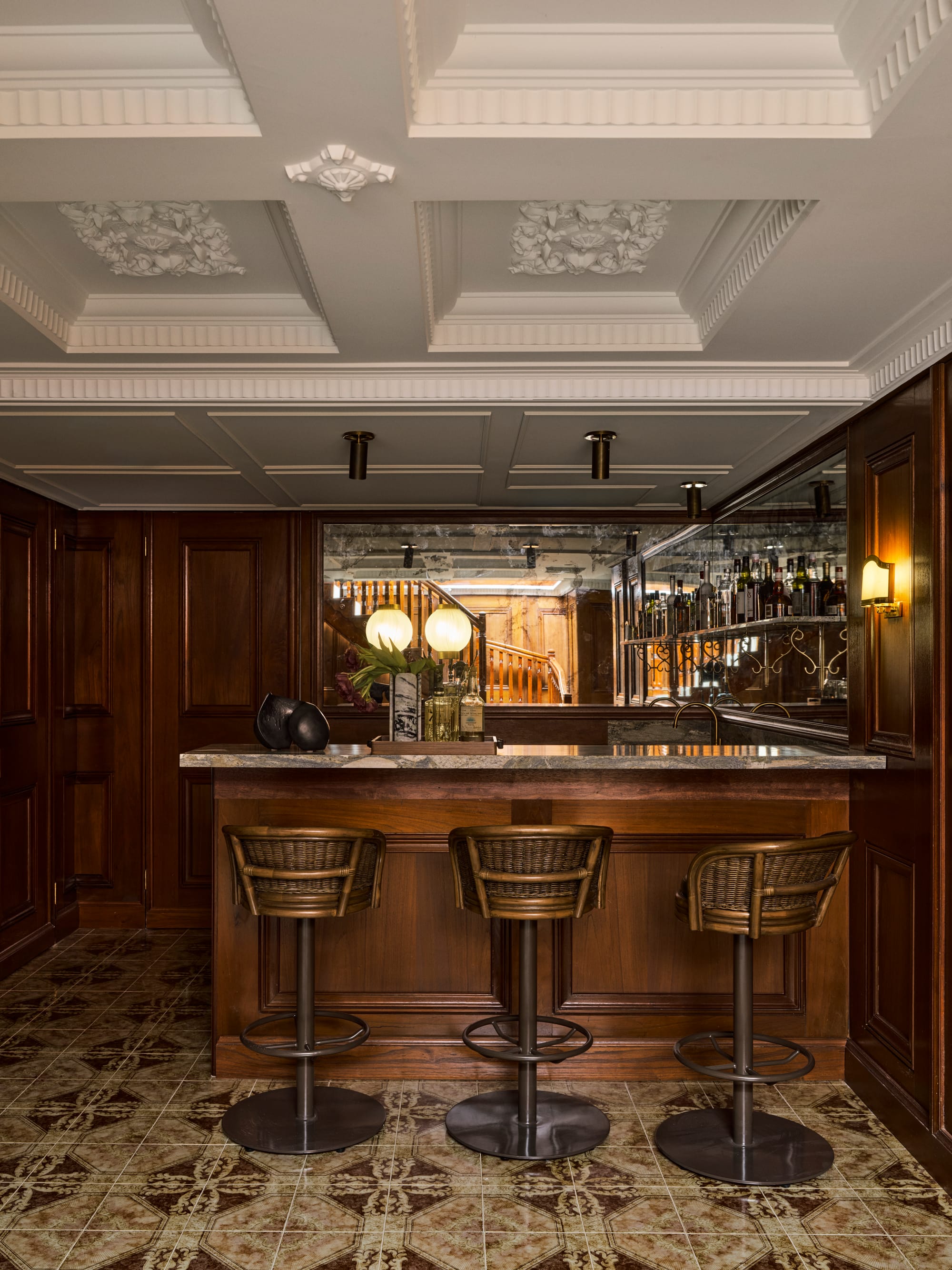
Still House. Photography by Anson Smart.
Your work often layers old and new, especially in heritage homes. Is there a project where that balance of old and new came together in a way you're especially proud of?
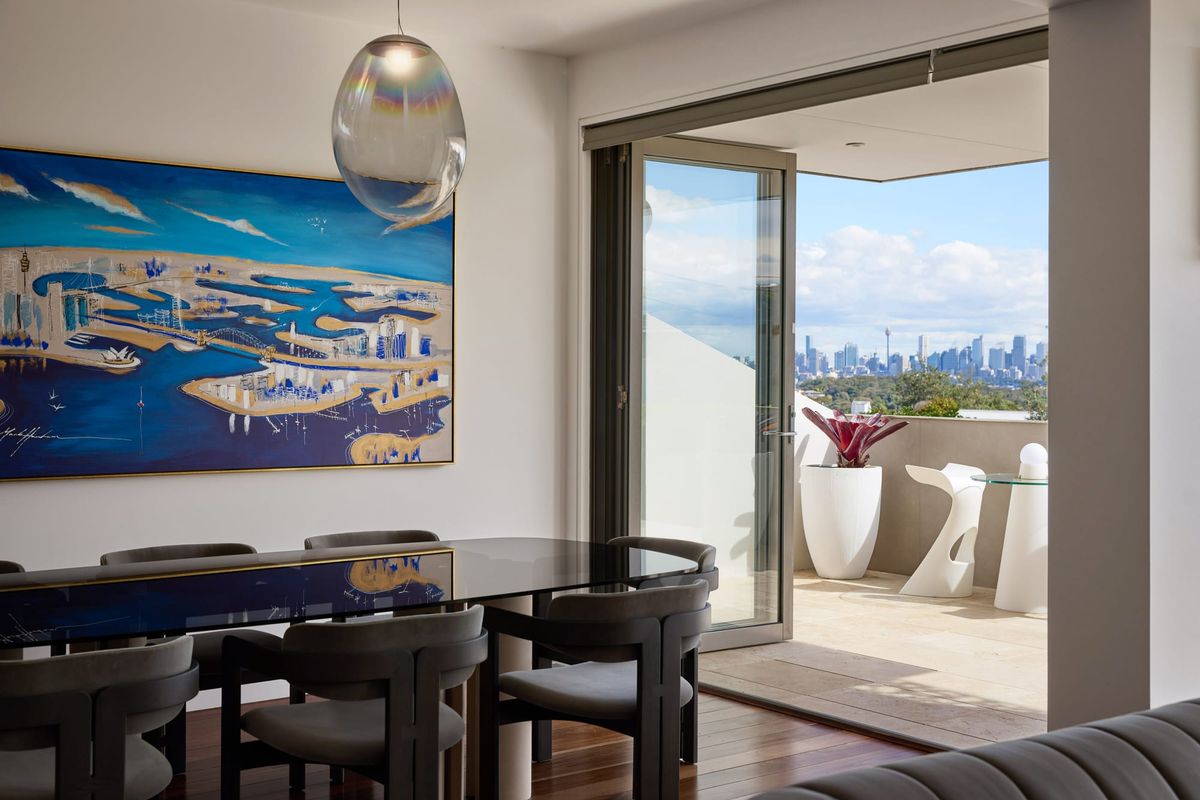
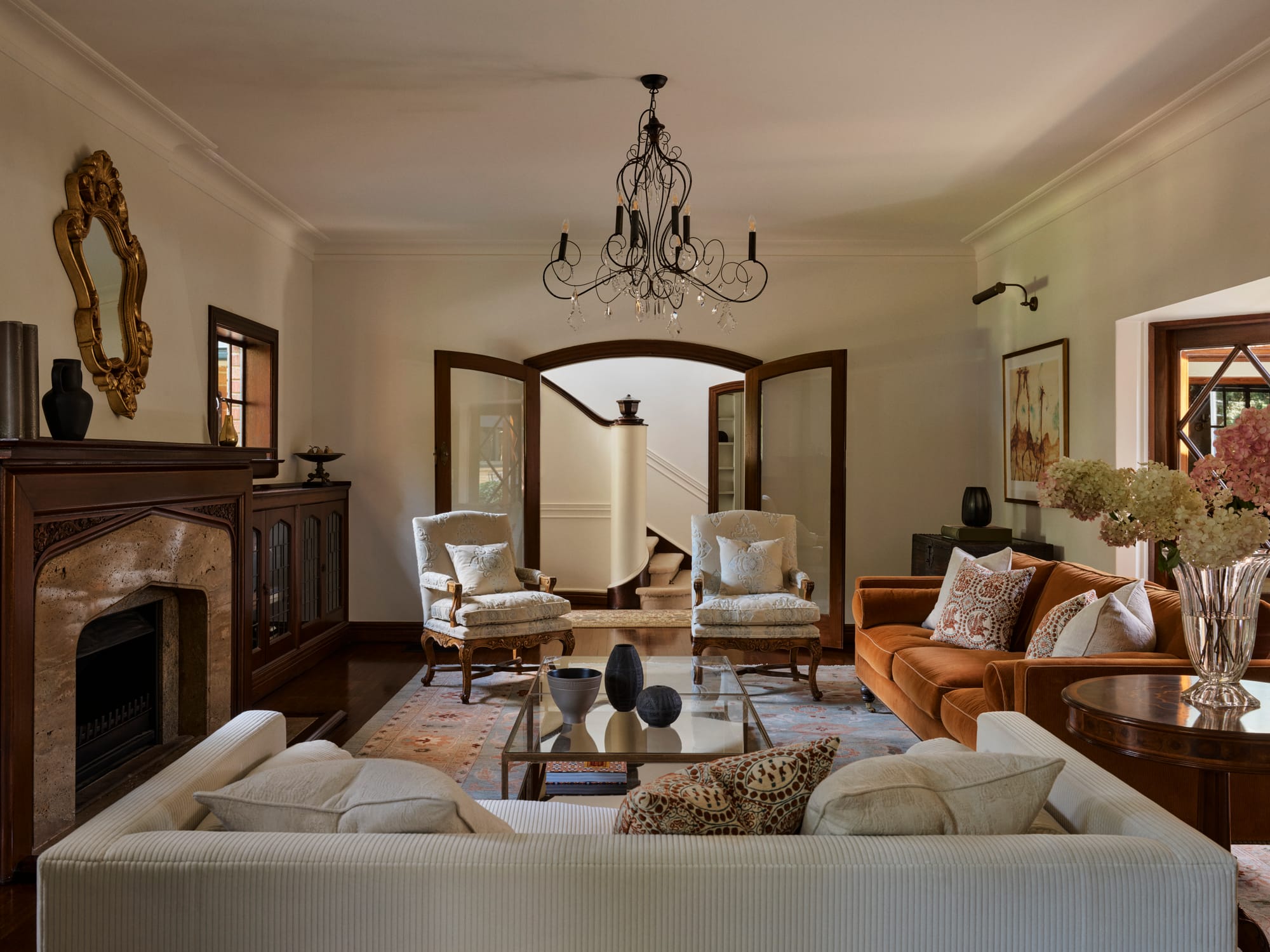
Yes, Still House, a heritage house on the upper north shore of Sydney.
I've always loved working with heritage homes because they already have a story. My job isn't to erase that story, but to add another layer to it.
I don't believe the new parts of a home should pretend to be old, and equally, I don't want the original rooms to feel so precious that nobody can really live in them. There has to be a balance.
Some of my favourite projects have involved taking a beautiful older house that simply doesn't work for the way a family lives today and carefully rethinking it, respecting its proportions, details and character while bringing in light, contemporary joinery, furniture, art and a more relaxed way of living.
When it works, you don't necessarily notice what is old and what is new. It just feels right. The house still has its soul, but it belongs completely to the family living there now.
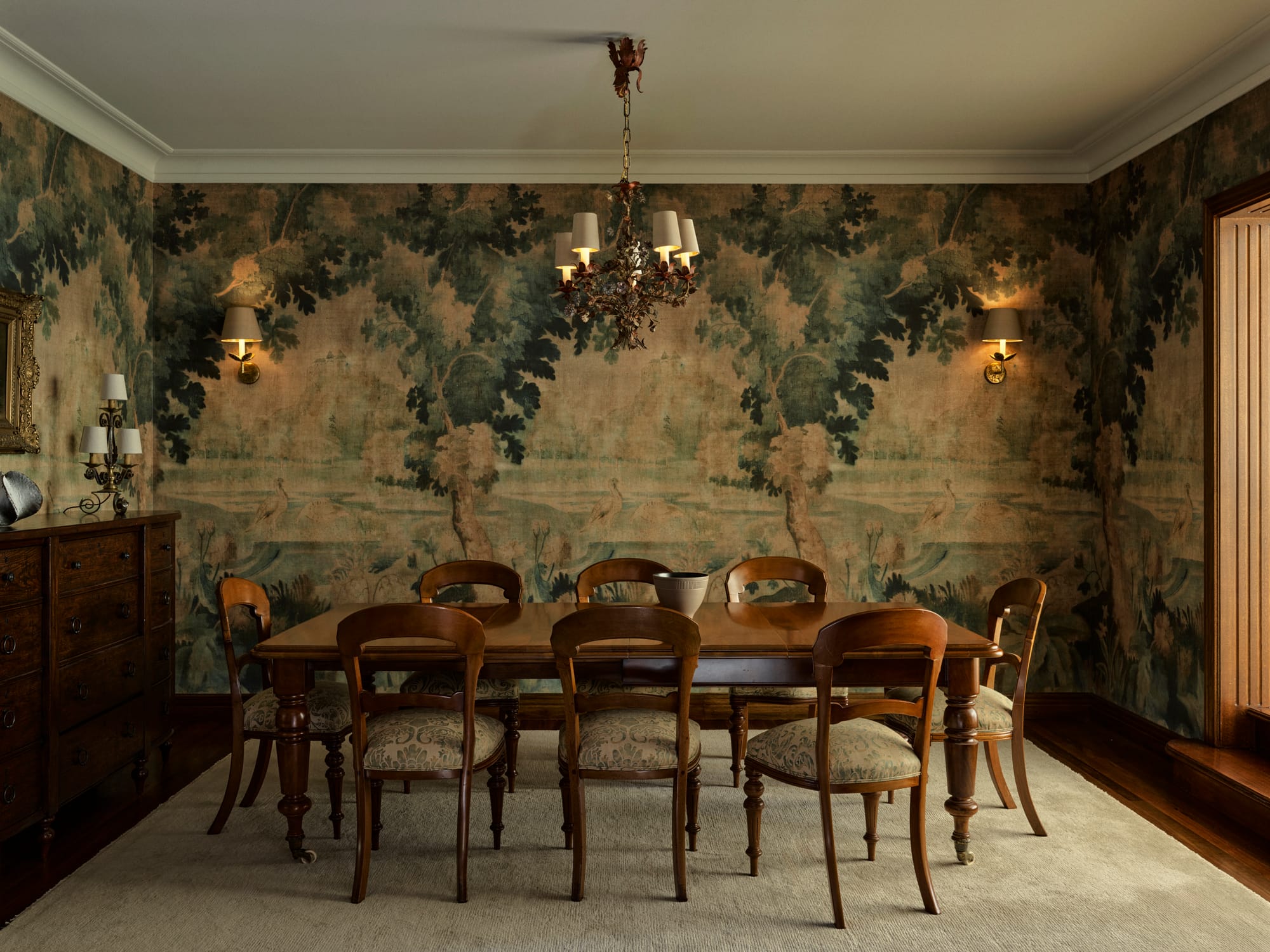
You talk about making clients feel "held" throughout the process. What does that look like in practice, and how do you build that trust early on?
Clients will often start by talking about the overall style they're after, and from there we work through each individual room and space and what it needs to do. We talk about practical things like how many people will be using the spaces, the maximum seating for the dining room or family room, as well as texture, pattern, colour and materials such as timber and stone. Sometimes clients have a strong opinion and other times they're more open.
You don't experience a home one room at a time. You move through it, and every space affects the next. So while I love rooms having their own personality, there needs to be a thread running through the whole house.
That might be in the materials, the proportions, the colour palette, the detailing or simply the feeling we're trying to create.
I don't really have a set order when designing. I think in a lateral way, and my mind can move from one thing to another quite quickly. I most often begin with materials and fabrics before we have concrete designs or selected furniture.
I'm always holding that finished picture in my head, even when we're discussing something as small as a door handle.
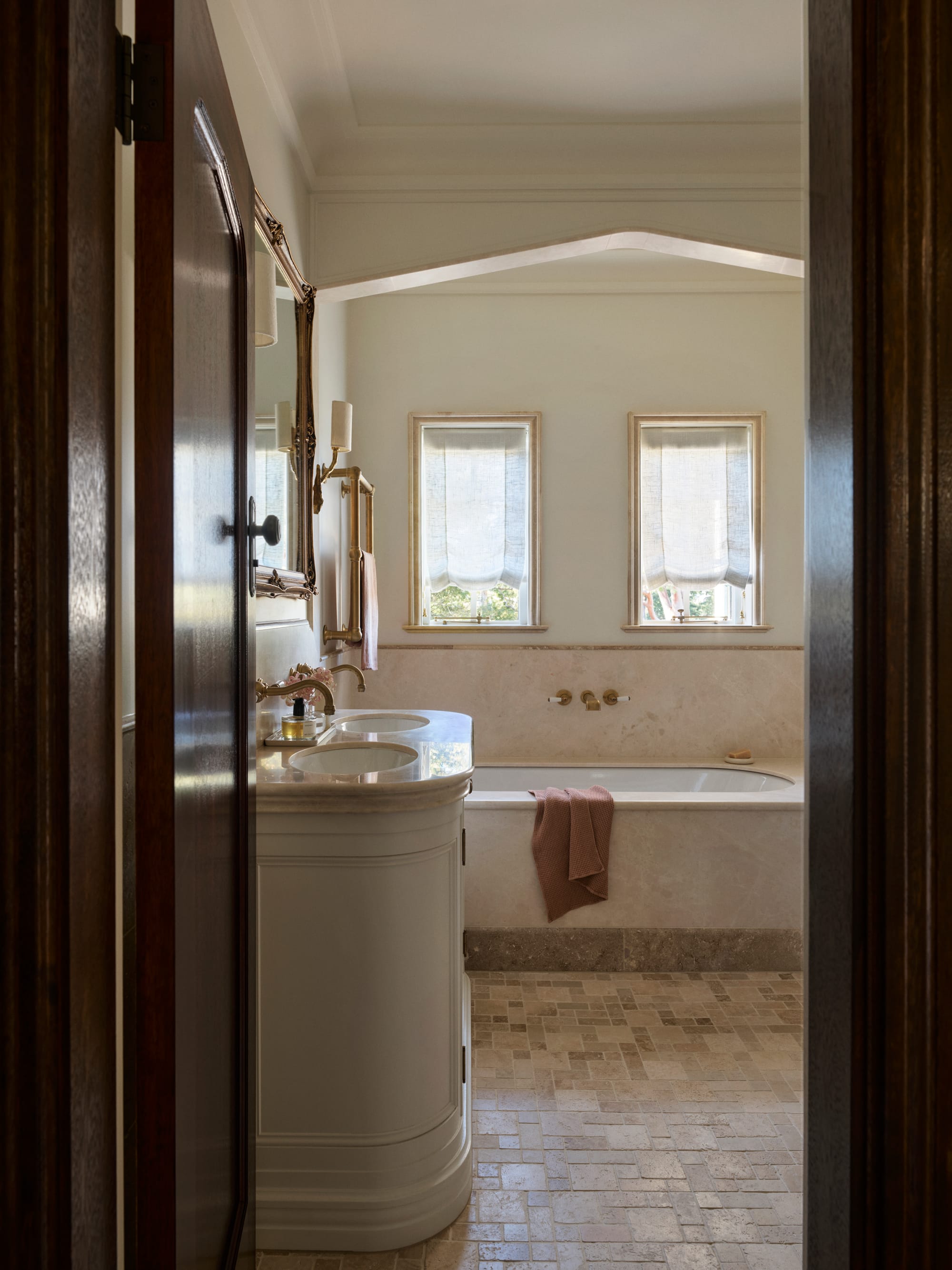
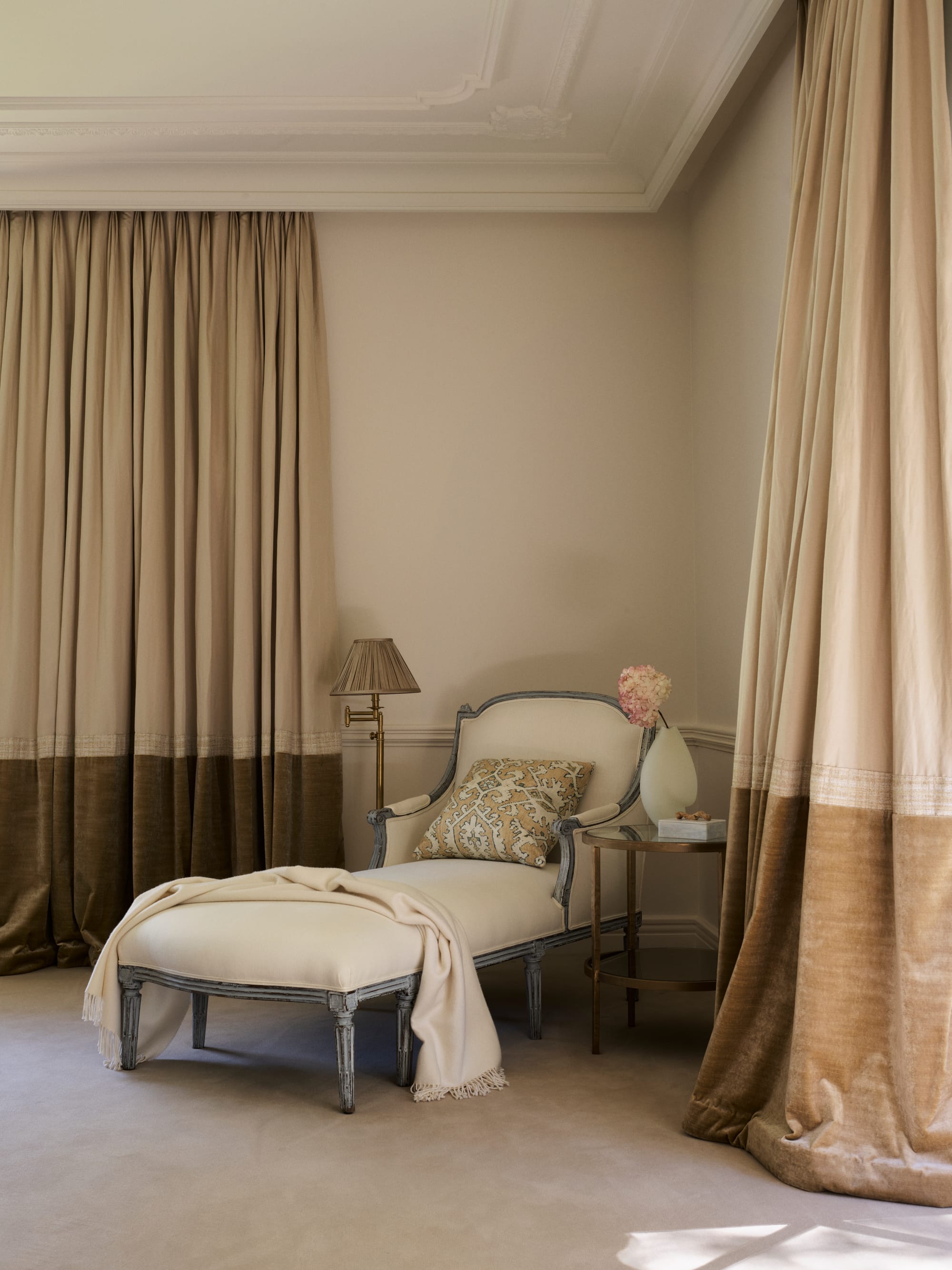
Still House. Photography by Anson Smart.
You take a holistic view, where every room relates to the next. How do you help a homeowner see that bigger picture when they're often focused on just one room at a time?
I find clients naturally want to focus on individual rooms, what are we doing in the kitchen, what sofa are we putting here, what colour is this room. My job is to keep pulling the lens back.
You don't experience a home one room at a time. You move through it, and every space affects the next. So while I love rooms having their own personality, there needs to be a thread running through the whole house.
That might be in the materials, the proportions, the colour palette, the detailing or simply the feeling we're trying to create.
It's also why I'm quite particular about making decisions in the right order. If you choose things in isolation, you can end up with lots of beautiful elements that don't necessarily make a beautiful home.
I'm always holding that finished picture in my head, even when we're discussing something as small as a door handle.
What's the most important thing a homeowner can do to set a project up for success?
Choose the right people, bring them together early and then trust them to do what they do best.
The best projects are genuinely collaborative. The architect, interior designer, builder and consultants all bring different expertise, and when that team respects one another and communicates well, the client feels the benefit of it.
I also think honesty at the beginning is incredibly important. Be honest about how you really live, what matters to you and what you're prepared to invest. There's no benefit in designing a dream that isn't aligned with the reality of the project.
And then be open to the process. You should feel comfortable questioning things and expressing what you love or don't love, but you've also engaged experienced people because you want them to bring something you couldn't necessarily arrive at yourself.
That trust is often what takes a project from being good to something really special and far exceeding the clients expectations.
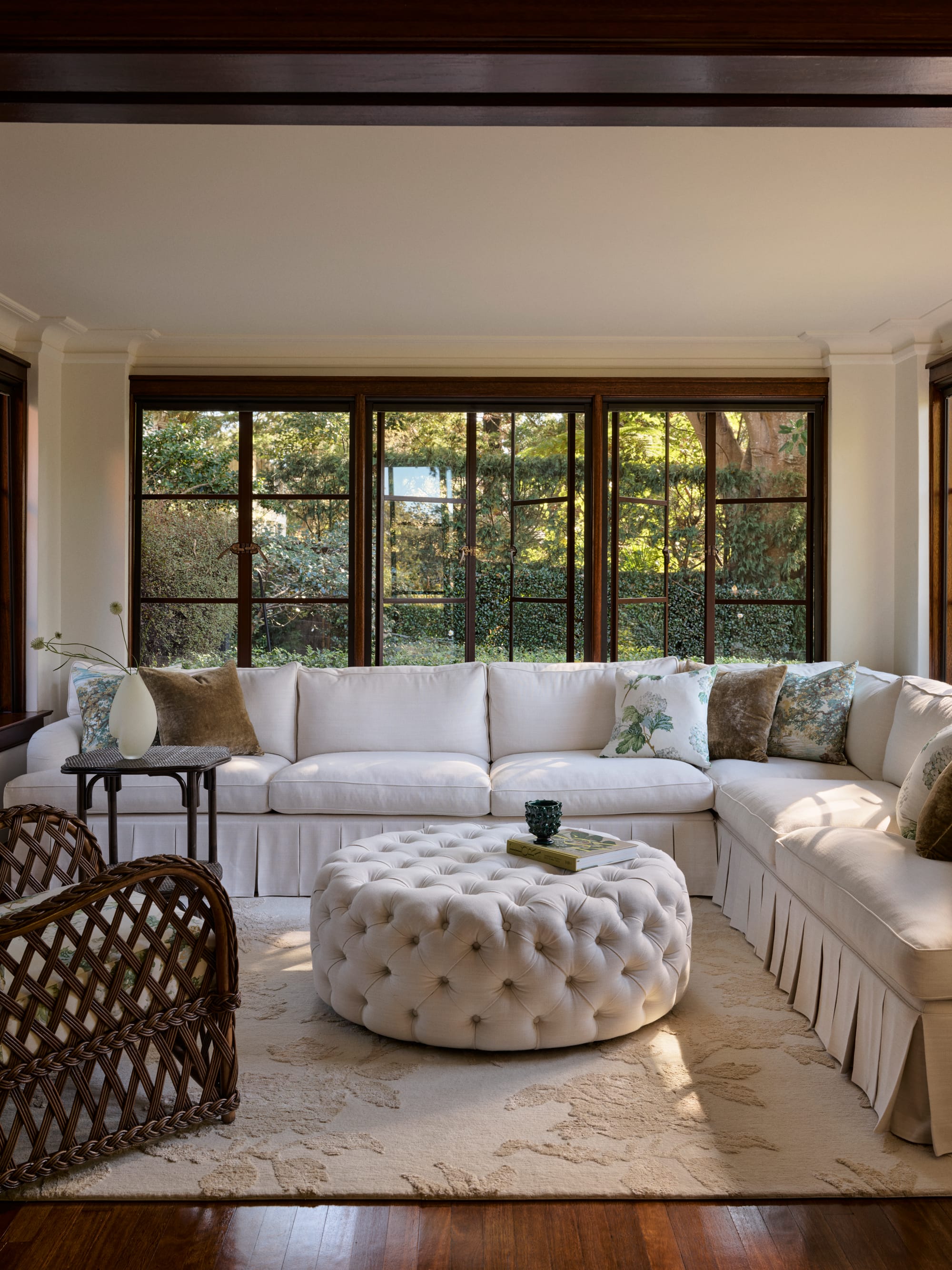
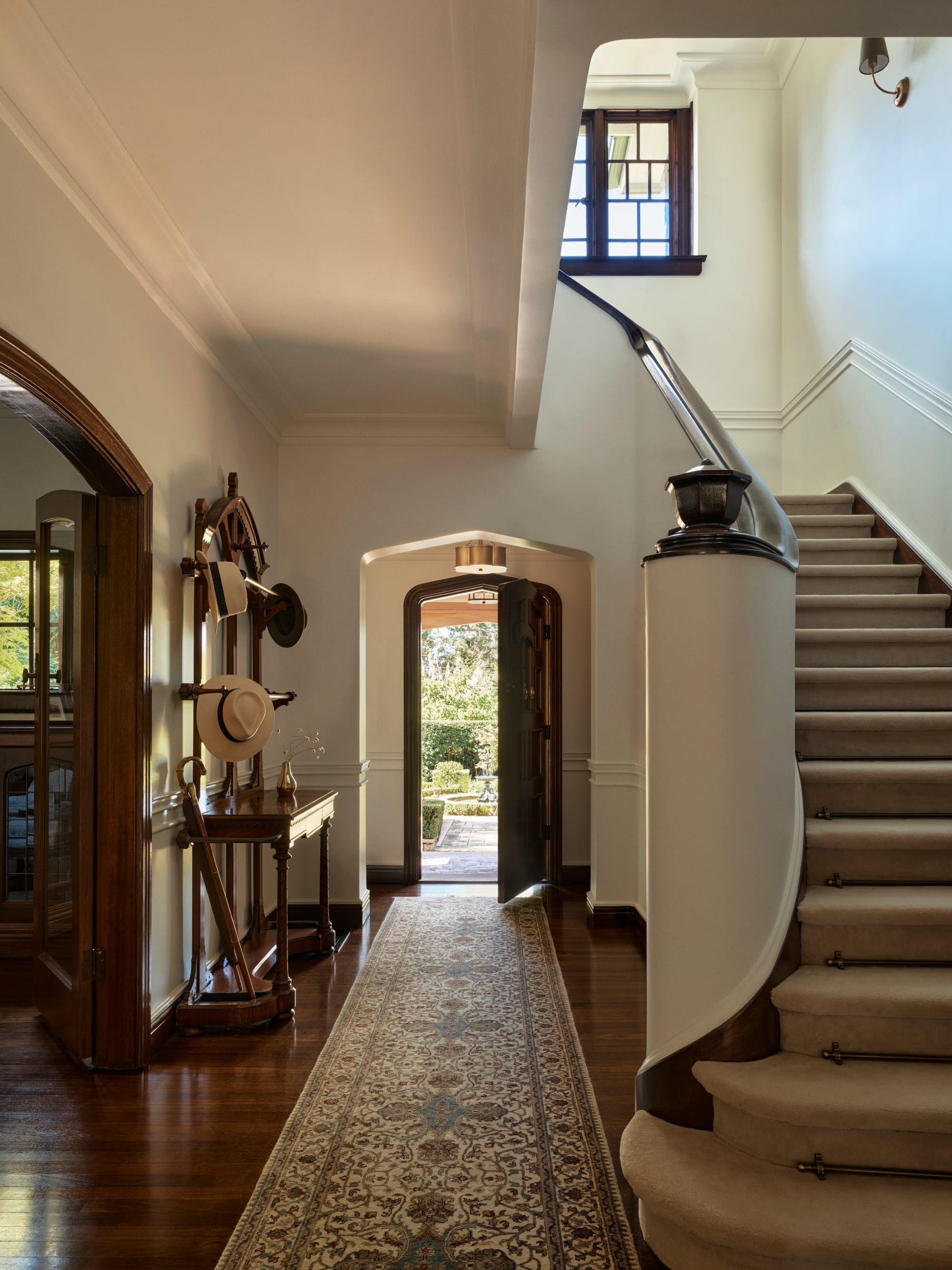
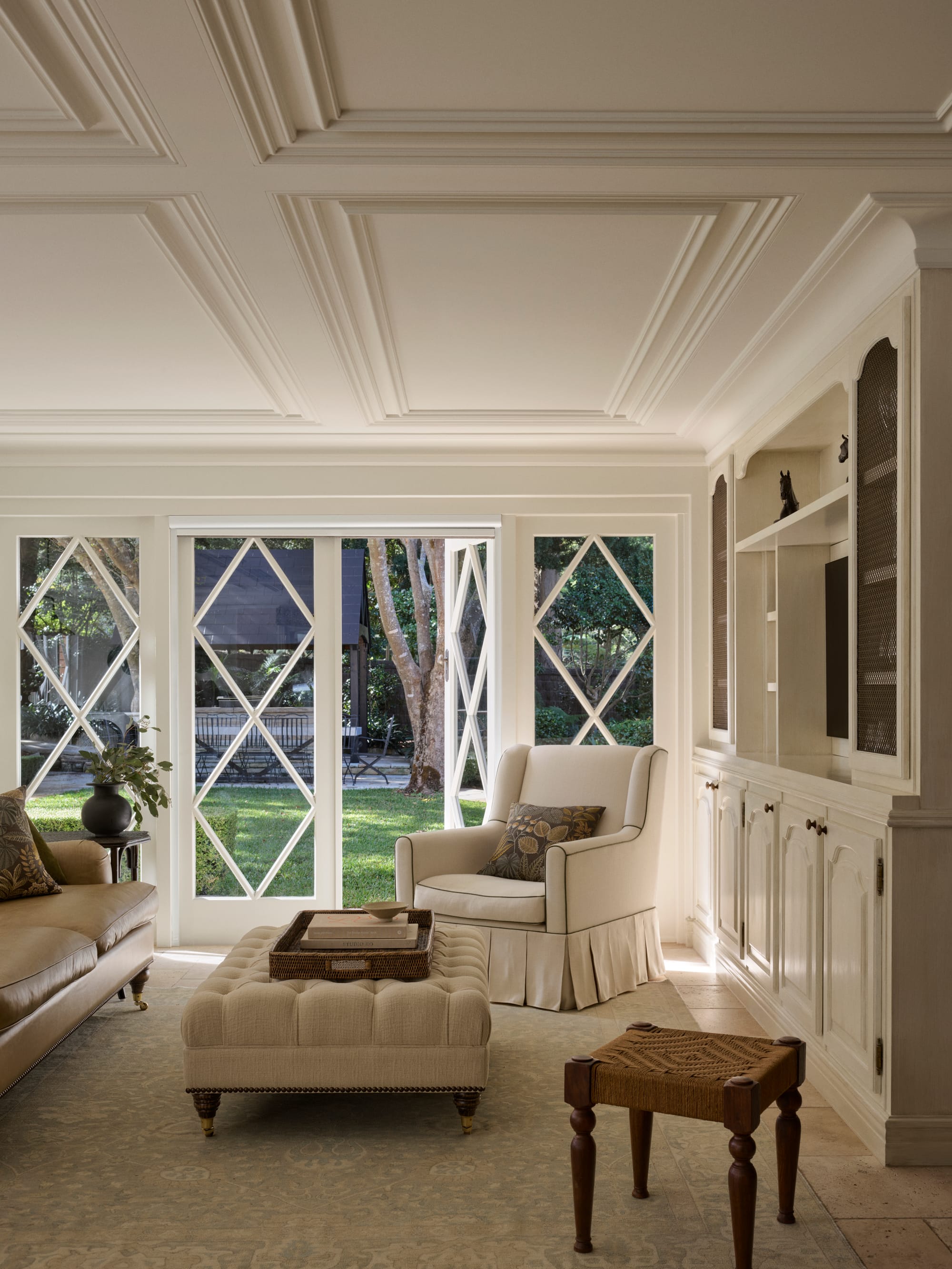
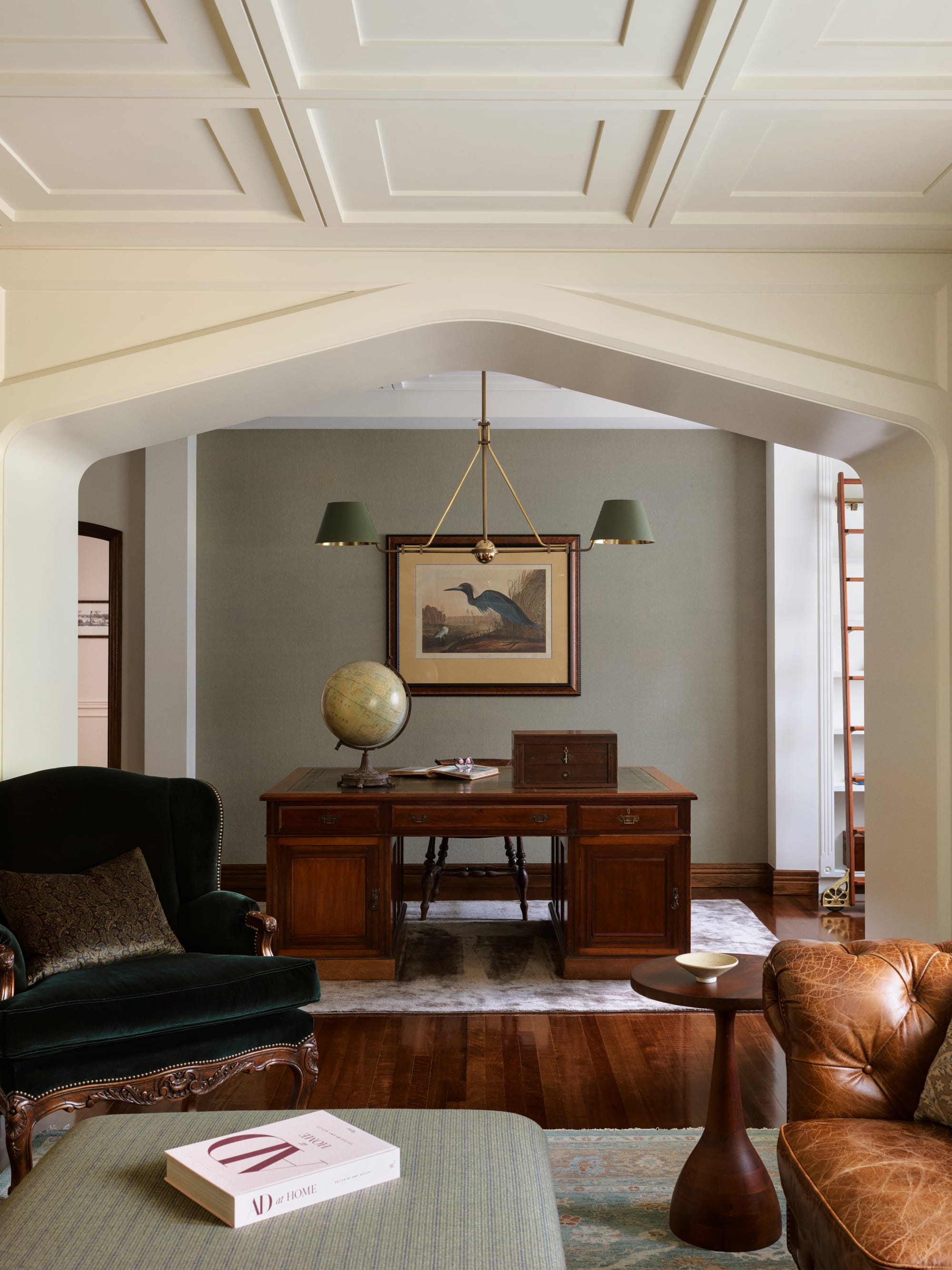
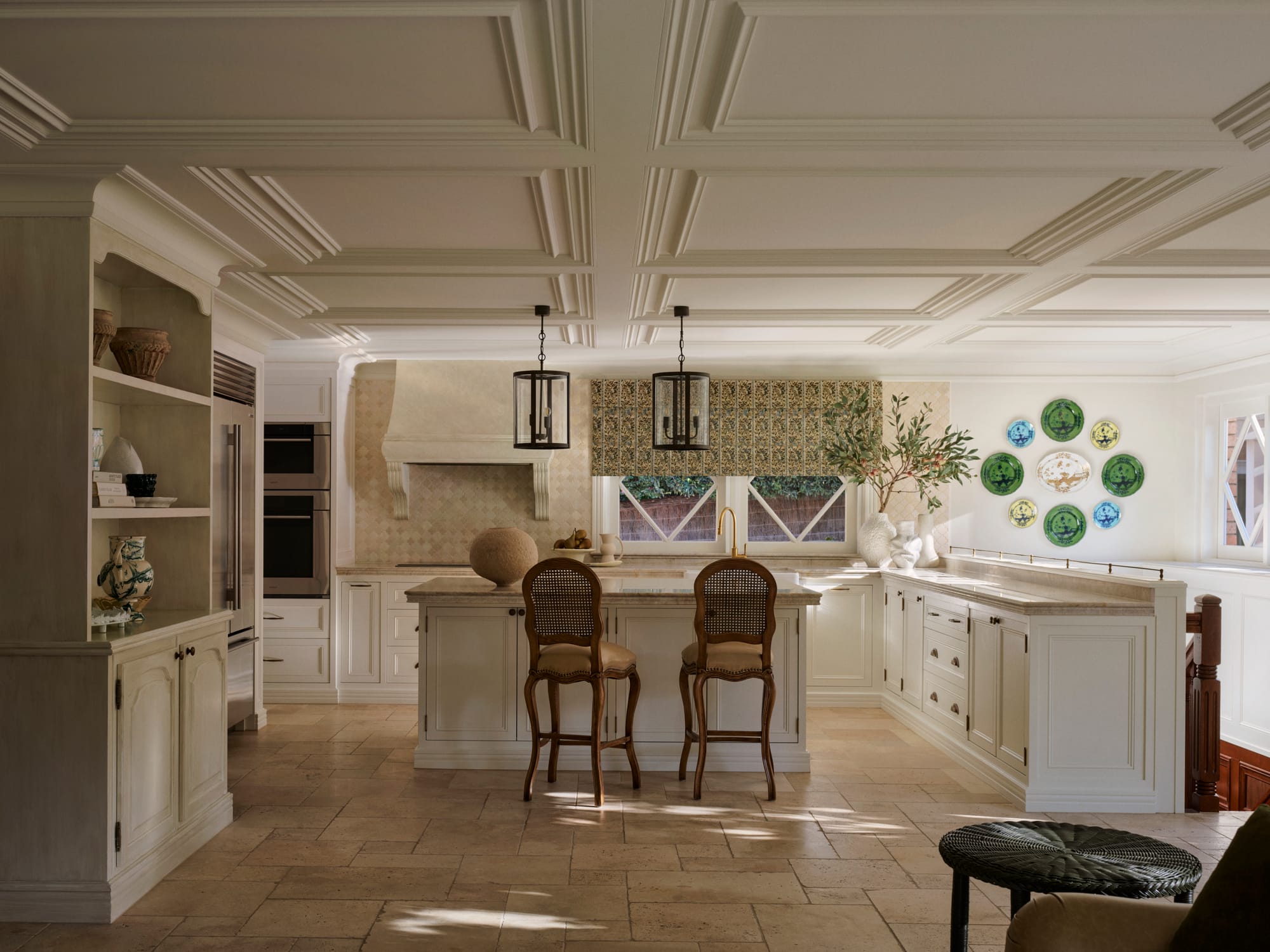
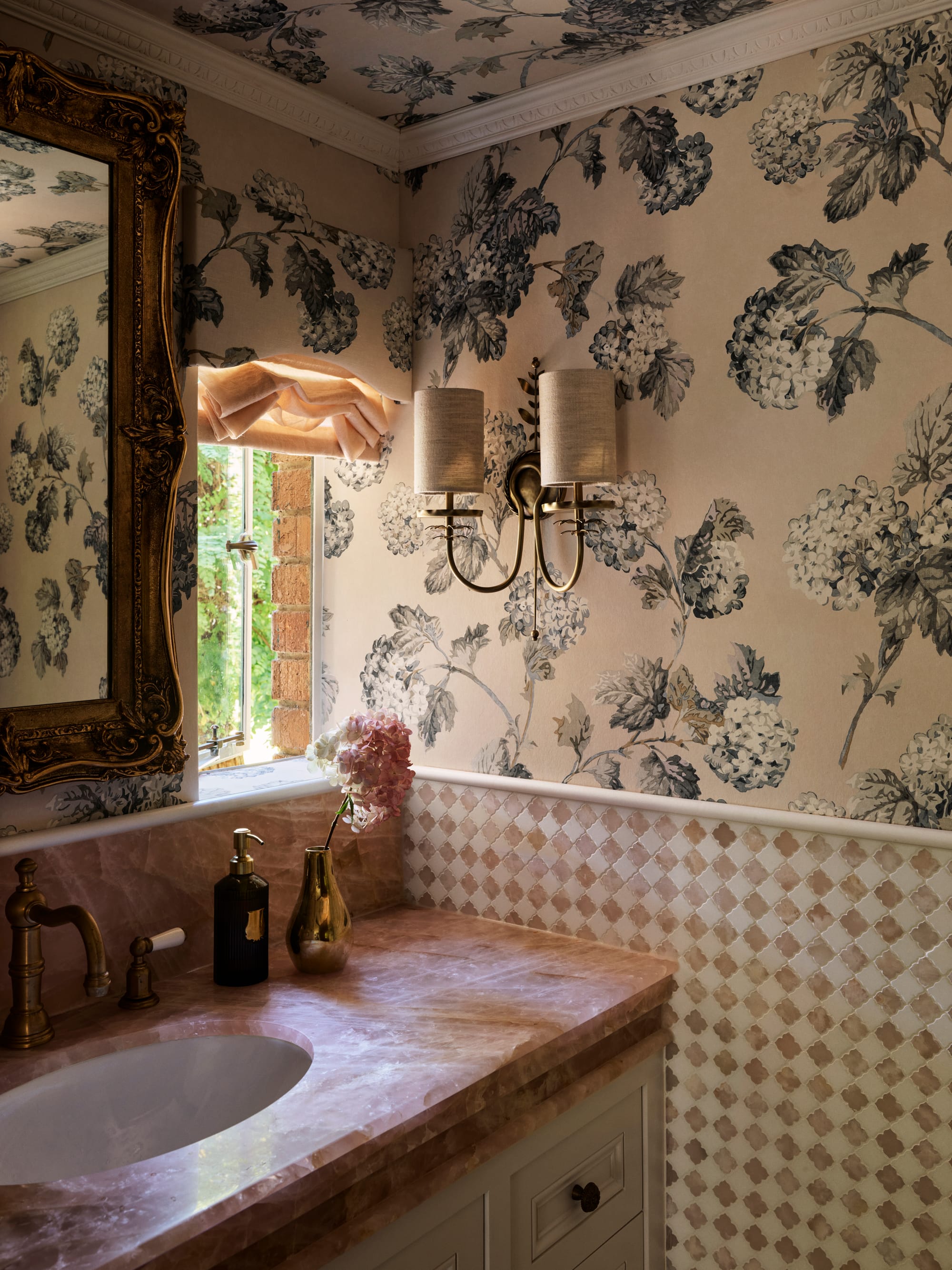
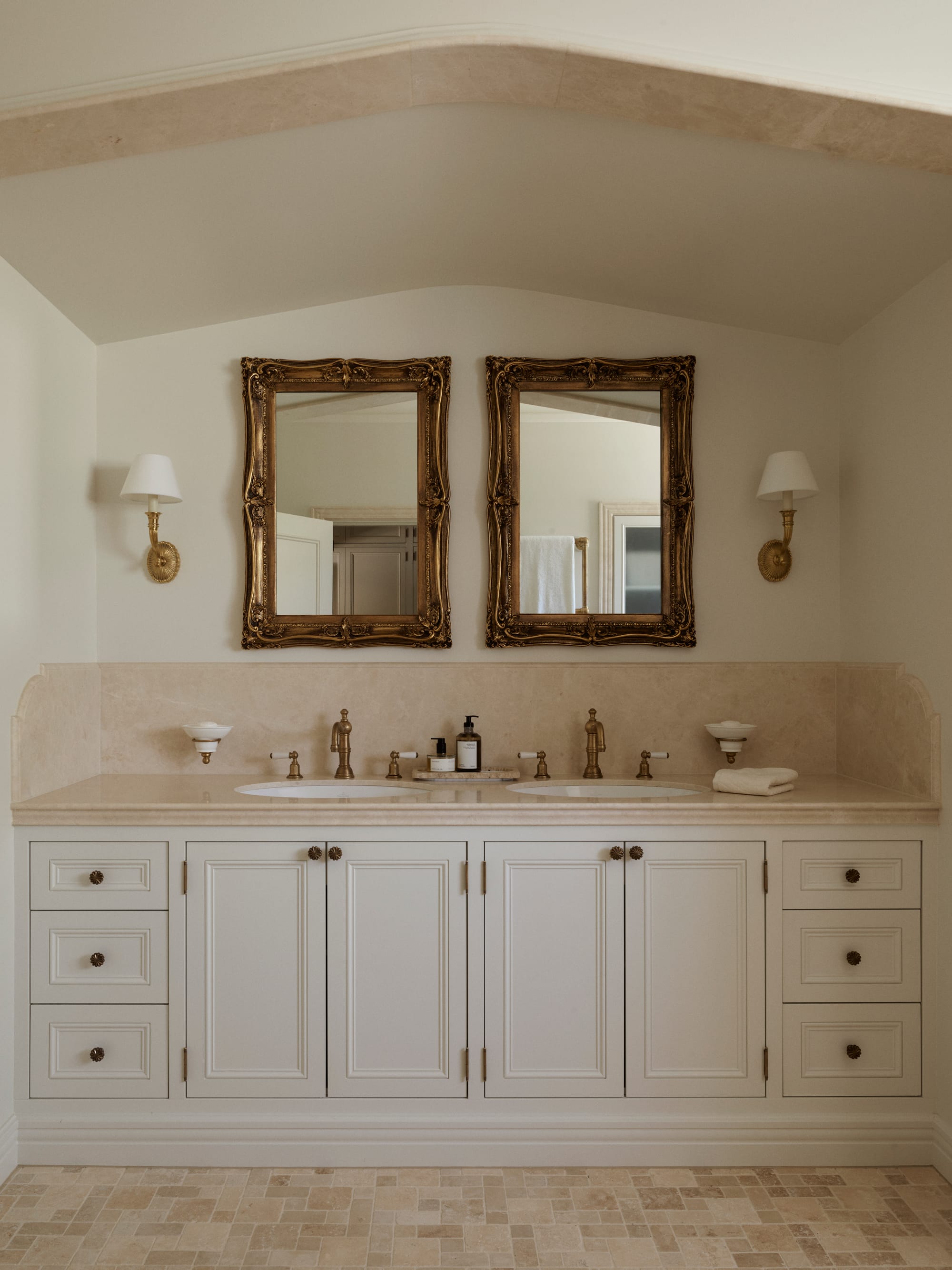
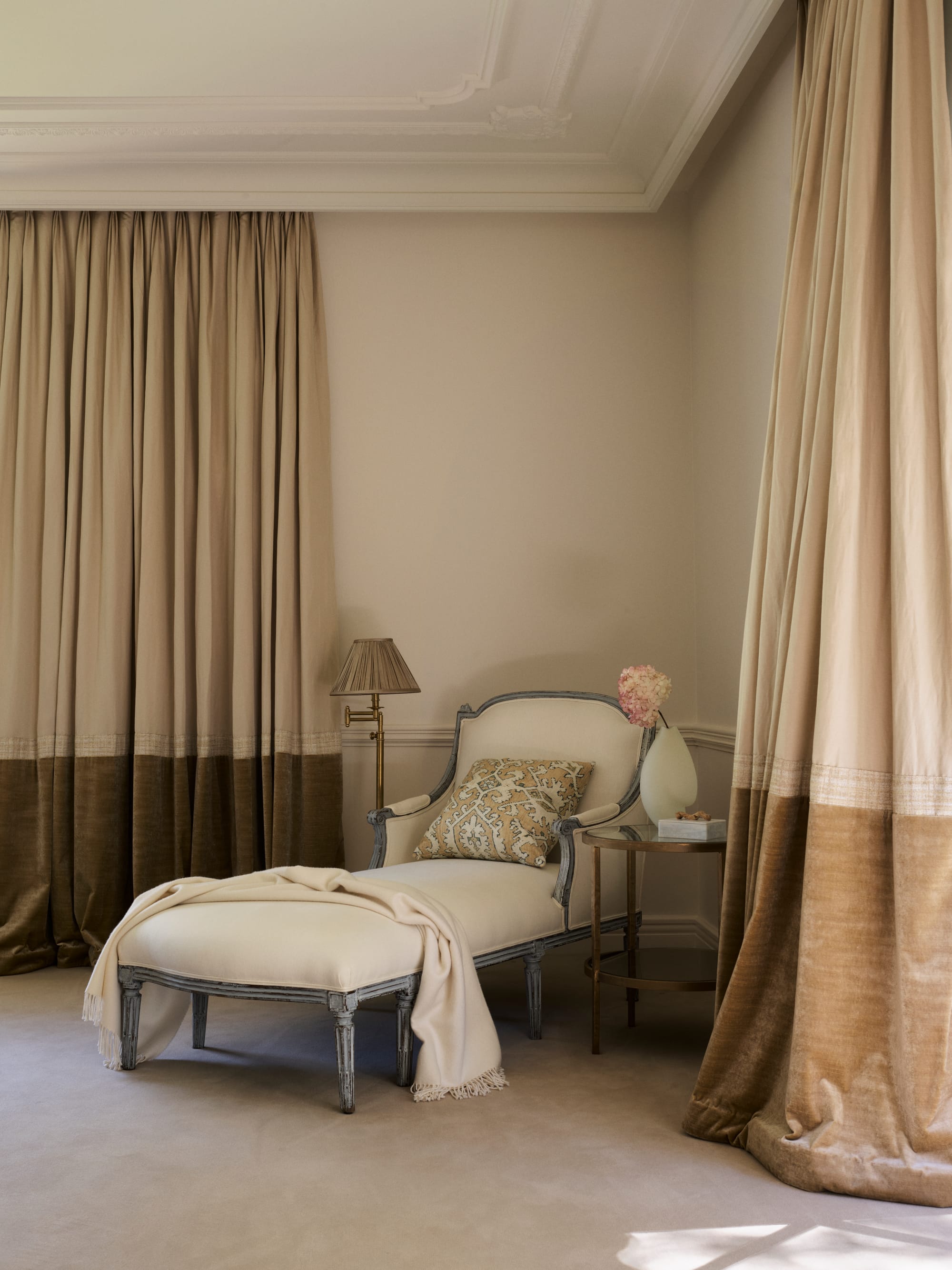
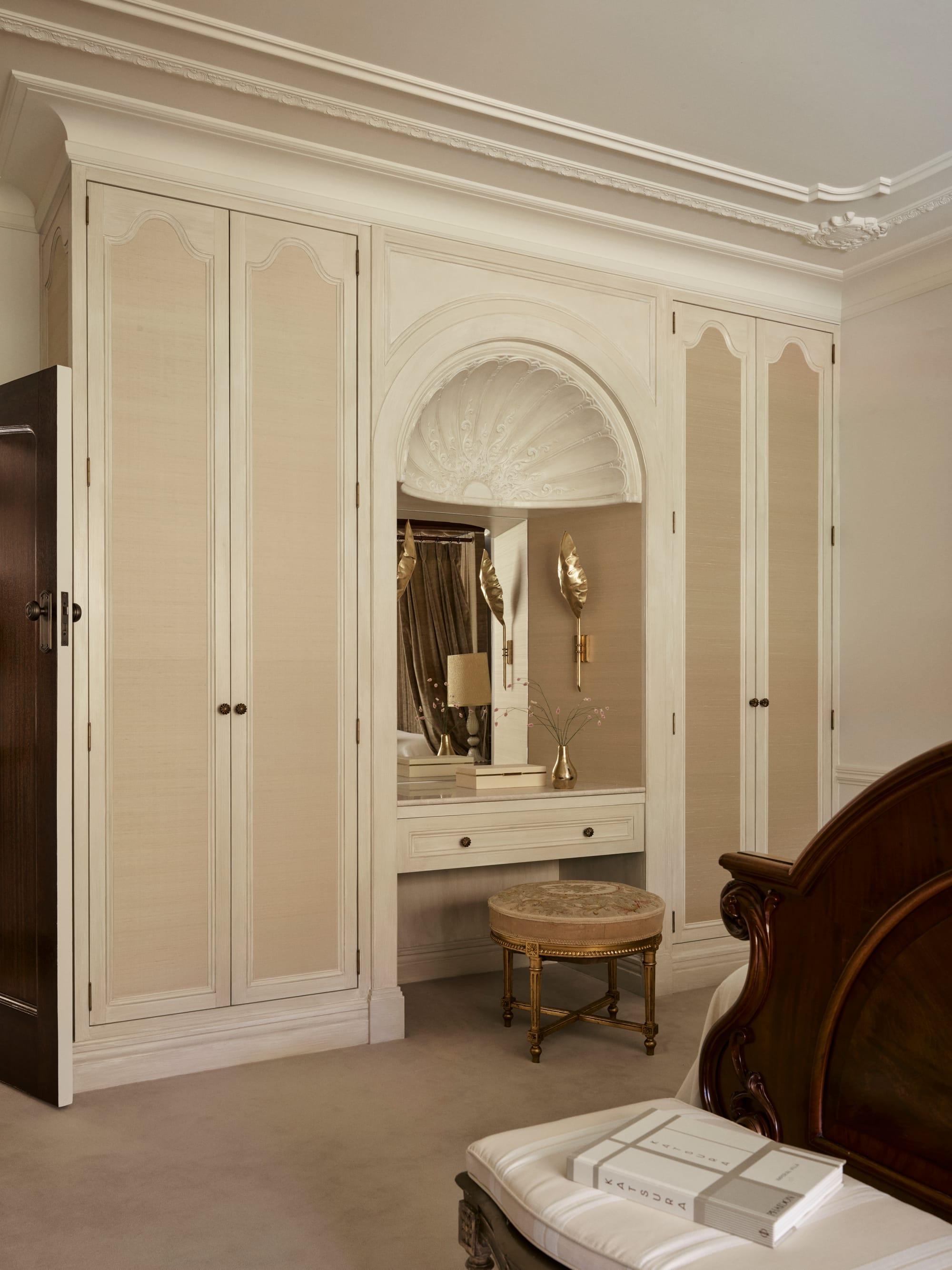
Still House. Photography by Anson Smart.
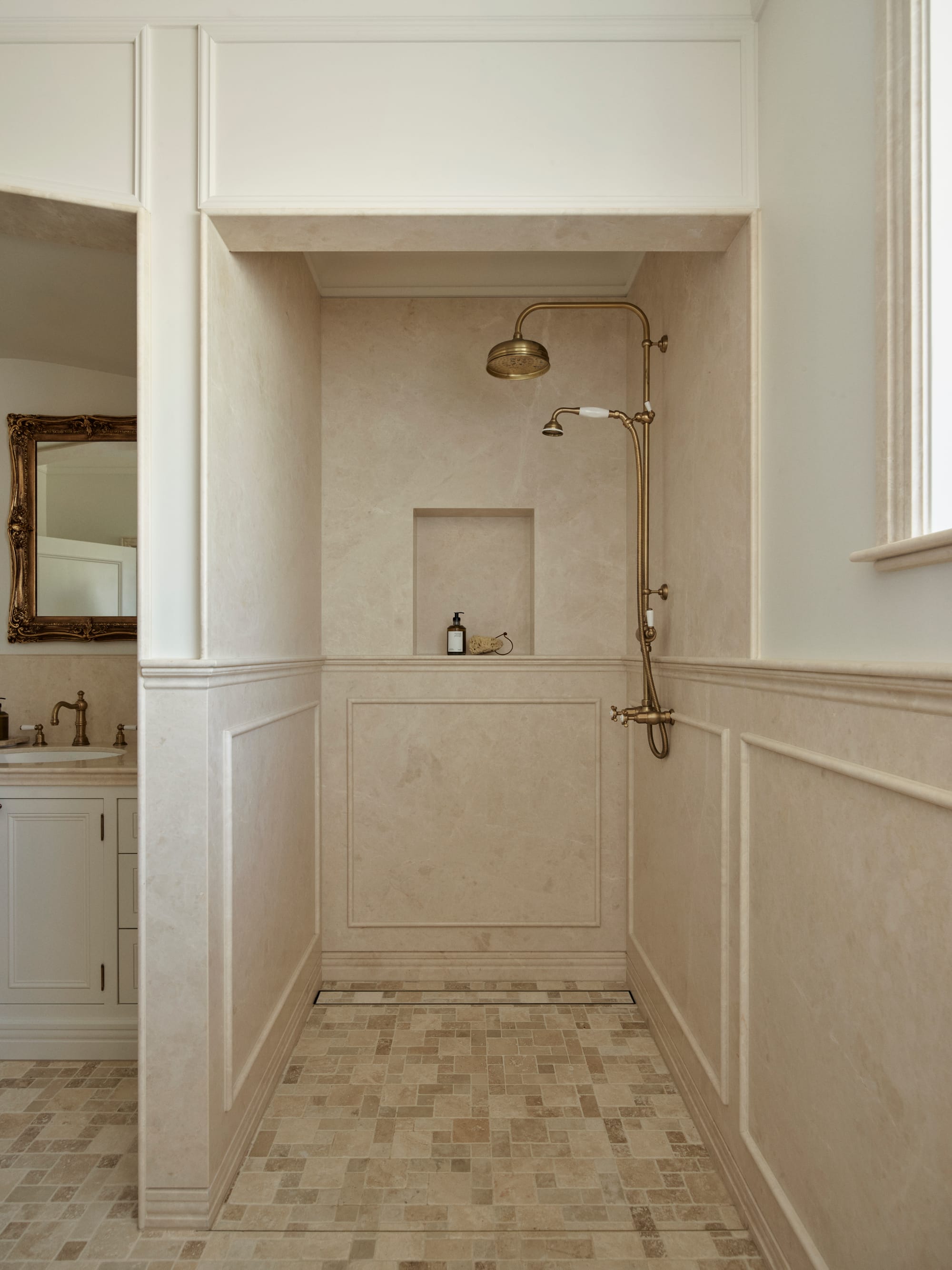
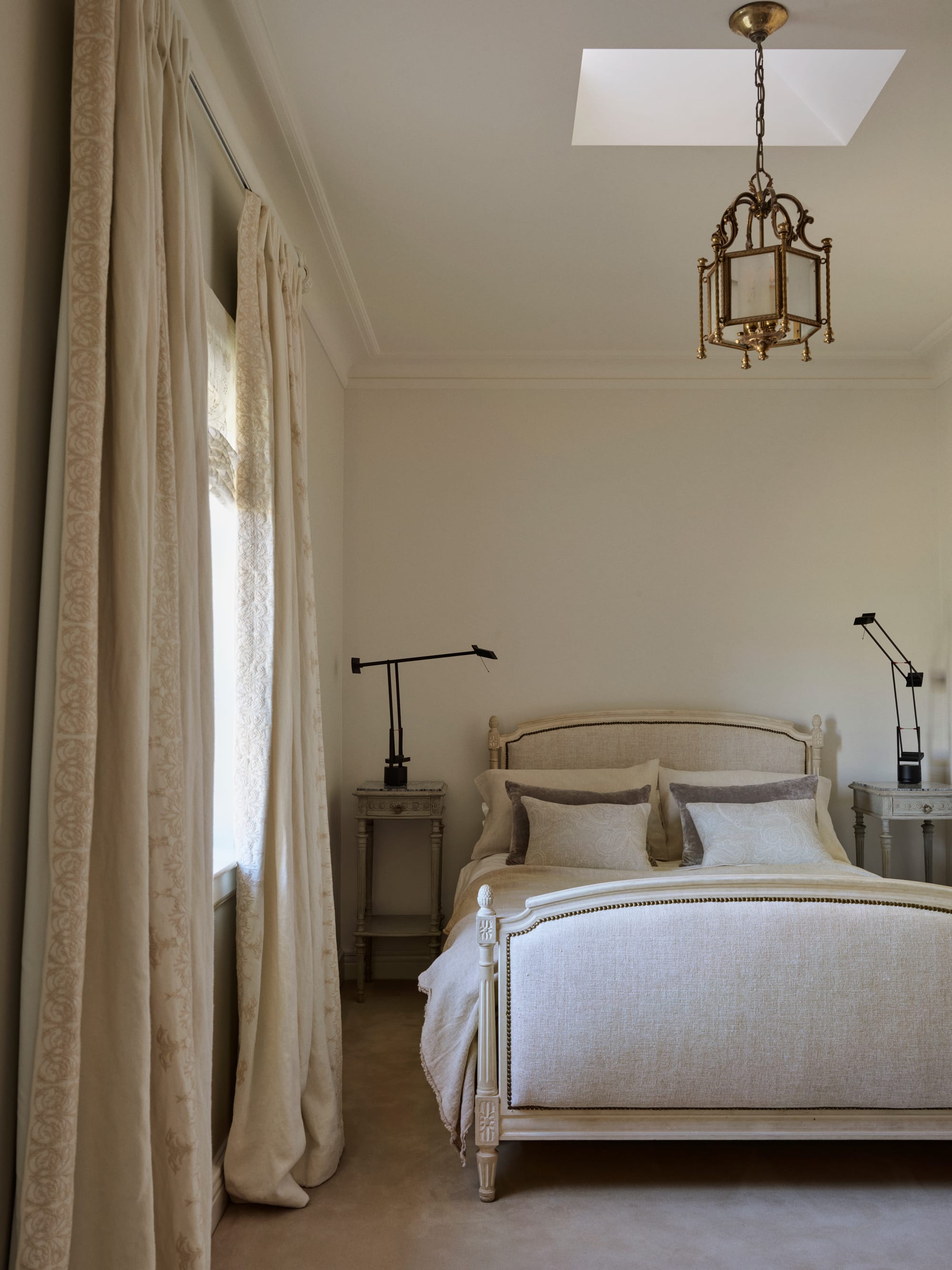
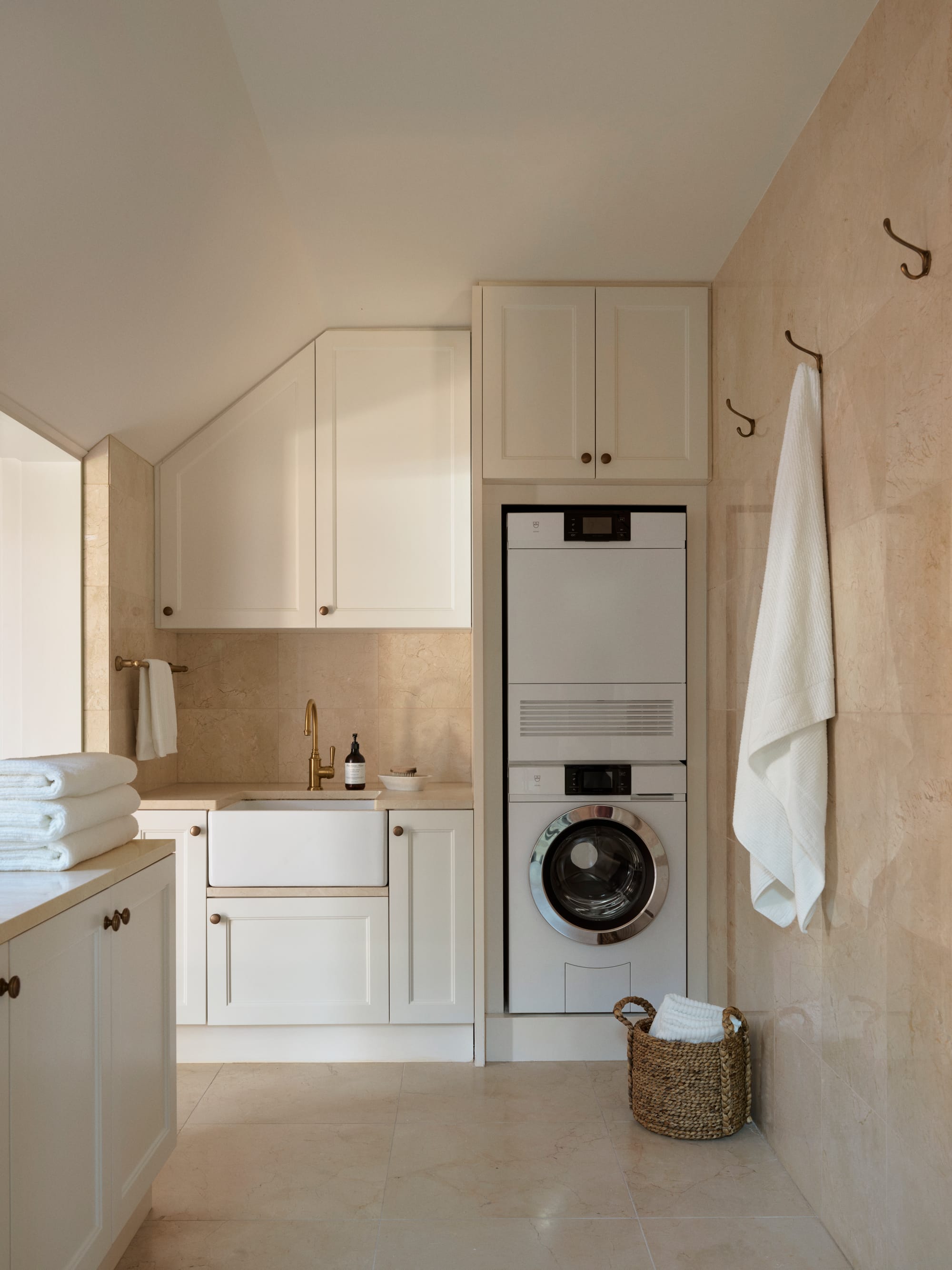
Still House. Photography by Anson Smart.