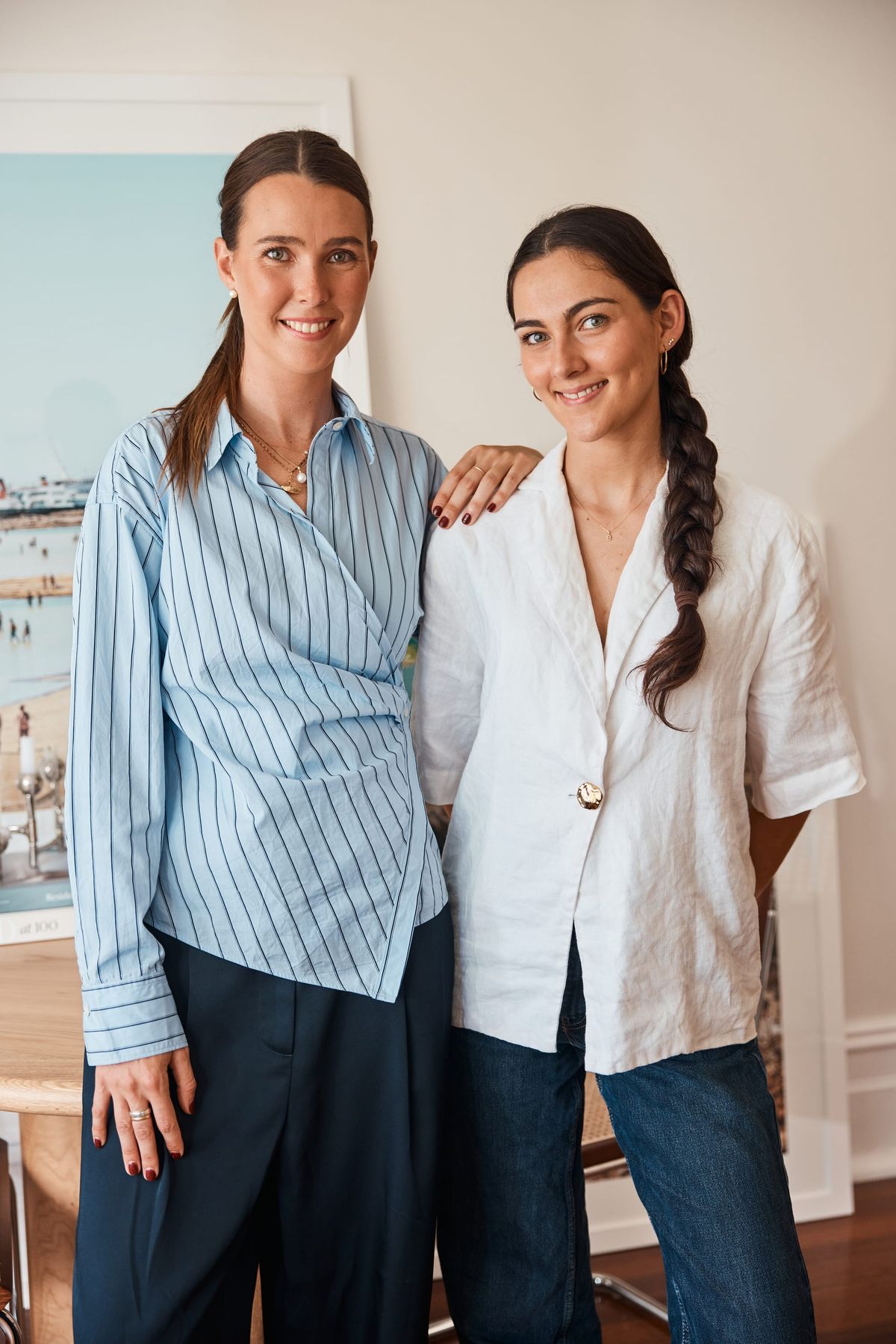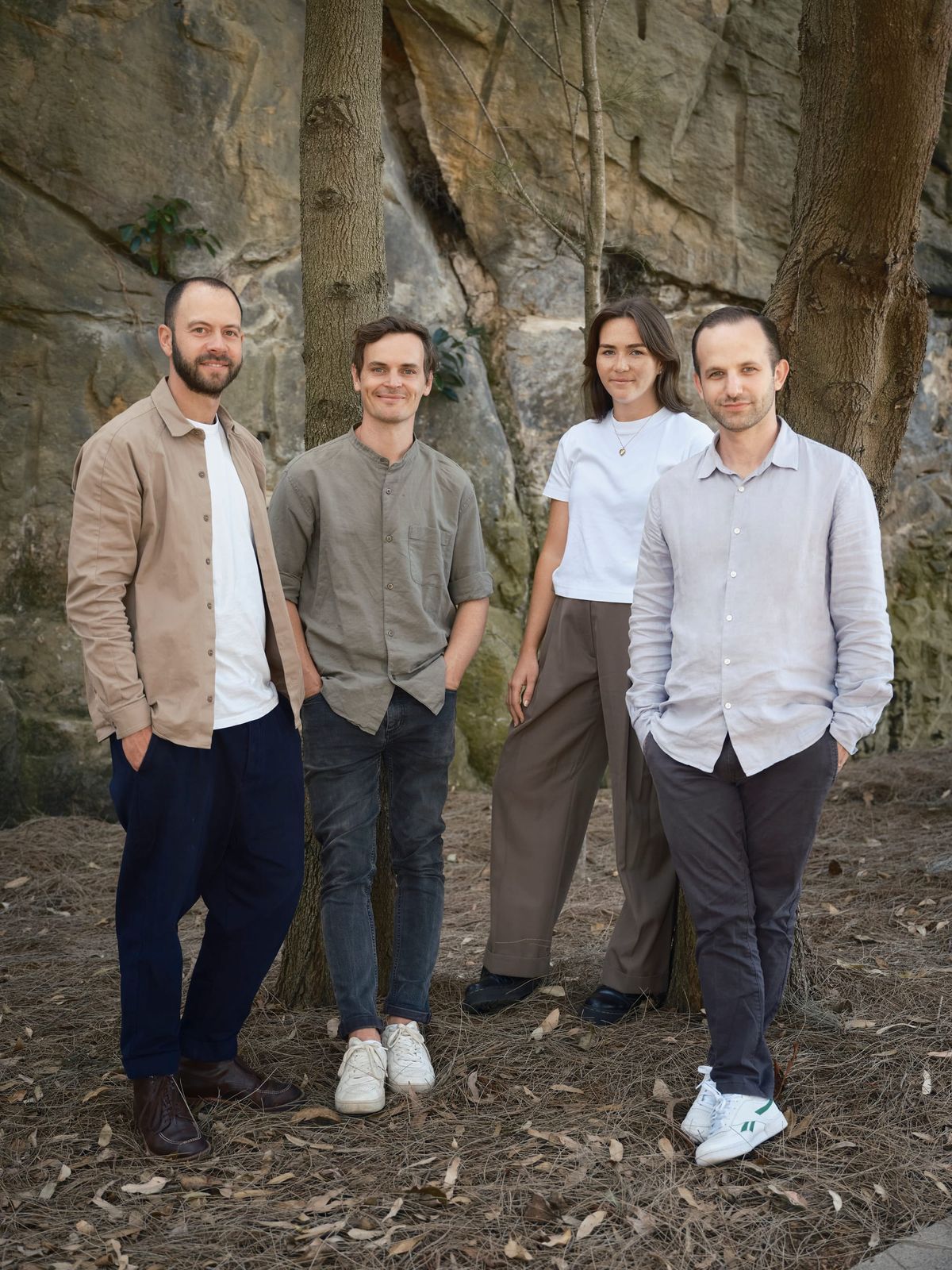
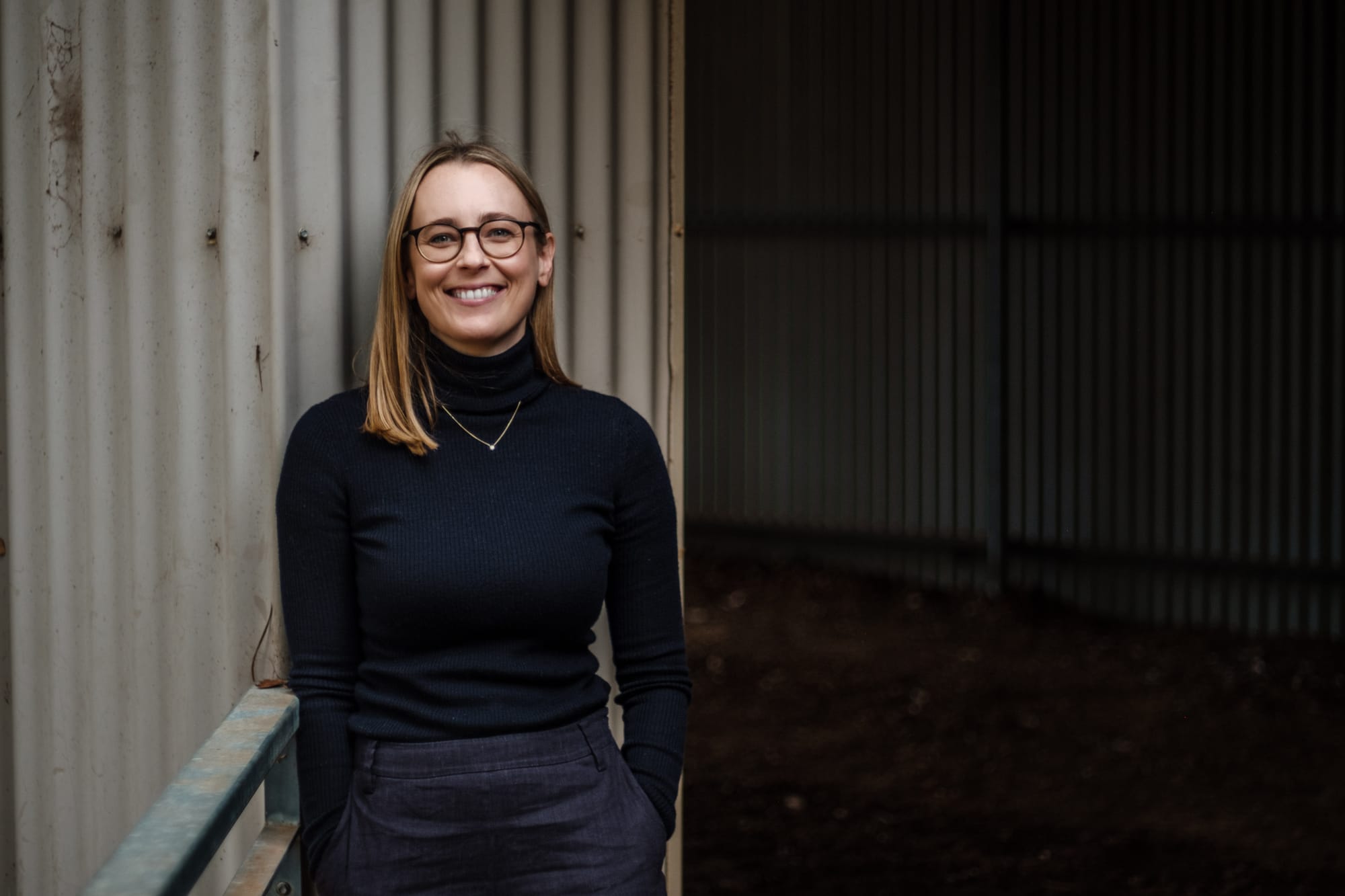
This edition of Behind the Design turns the spotlight on St. Helier Studio, a Perth-based practice bringing a quietly considered approach to residential architecture and interiors. Drawing on experience across London, Melbourne, and Perth, the studio weaves a respect for the past with a clear-eyed focus on how homes can serve the people living in them now and well into the future. From heritage cottages to coastal retreats, their work is shaped by deep listening, material restraint, and a belief that the best results come from trusting the process.
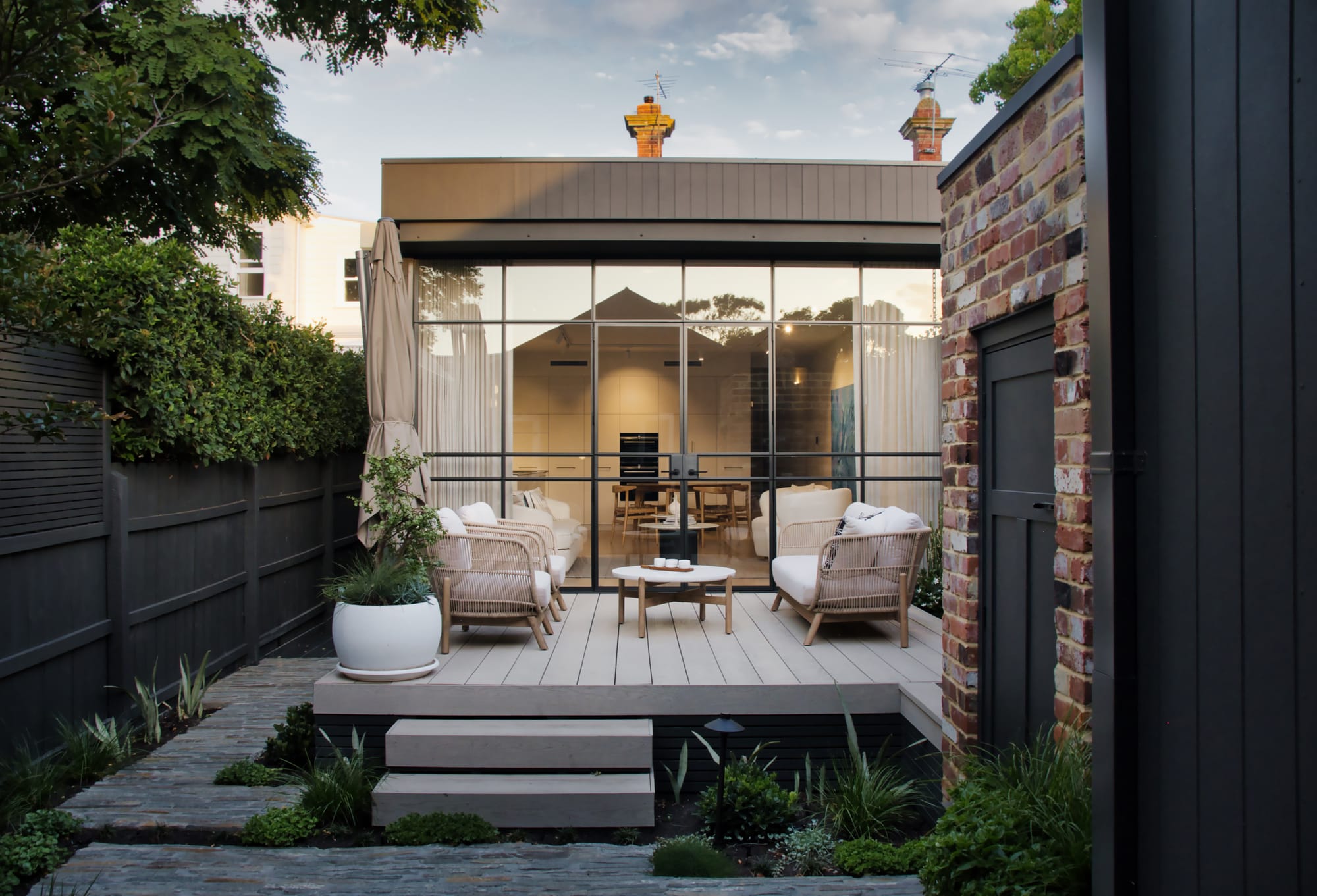
St. Helier Studio was established in 2021 after working across London, Melbourne and Perth. How has moving between those cities and contexts shaped the way you design for people living in Western Australia?
Working in London really sparked my appreciation for historic buildings and interior design, particularly how existing fabric can be adapted and extended to serve the next hundred years. I developed a real respect for the past, and for the richness and character that renovation projects can hold when they're handled thoughtfully rather than erased.
Since returning to Australia, that interest in working with older homes has continued to grow. Working in different locations has given me a more rounded perspective on architecture overall, and a stronger appreciation for the variety of briefs, sites, and constraints that shape each project in a different way.
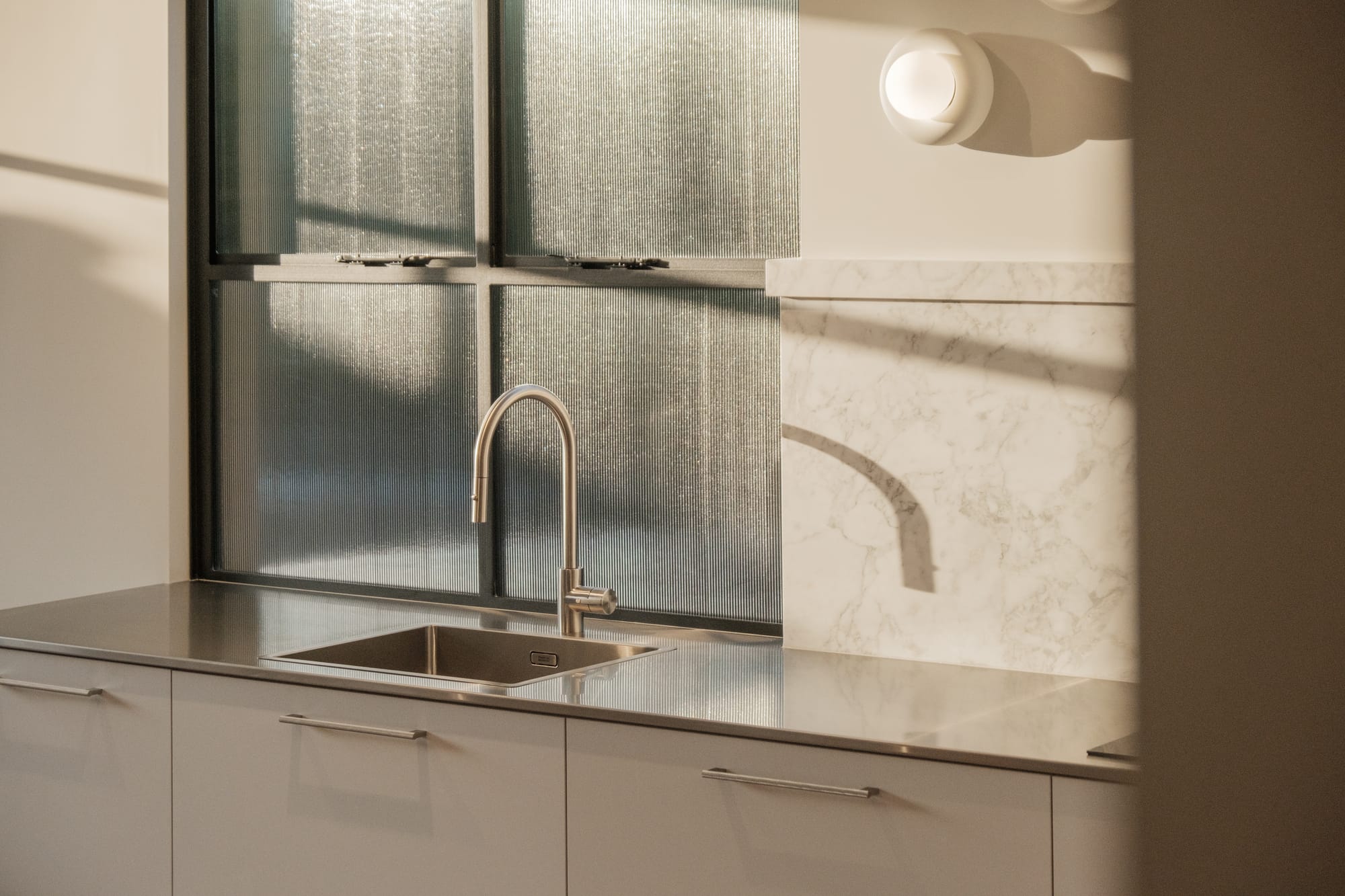
Your work spans everything from a heritage cottage restoration to a brand new coastal retreat. How do you help a homeowner figure out what "feel-good" actually means for them specifically, when that looks so different from one project to the next?
What makes a home feel good varies from person to person. We take the time to understand each client through a detailed briefing process, getting to know their needs, values, and what "feels like home" to them, before we put pen to paper. Clients may not always be able to articulate why they feel at ease in a space, but our role is to interpret those qualities and translate them into a clear and considered architectural language.
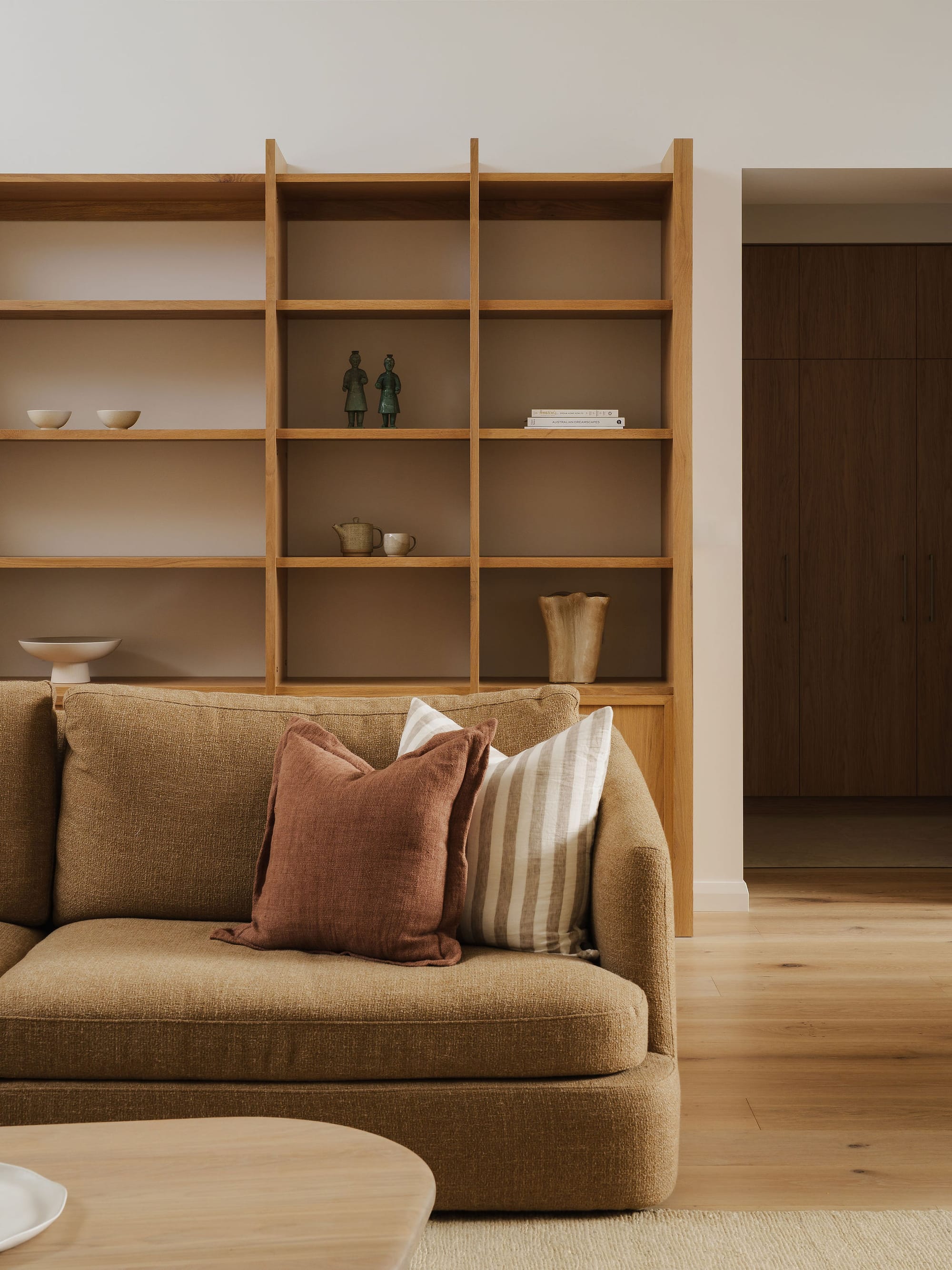
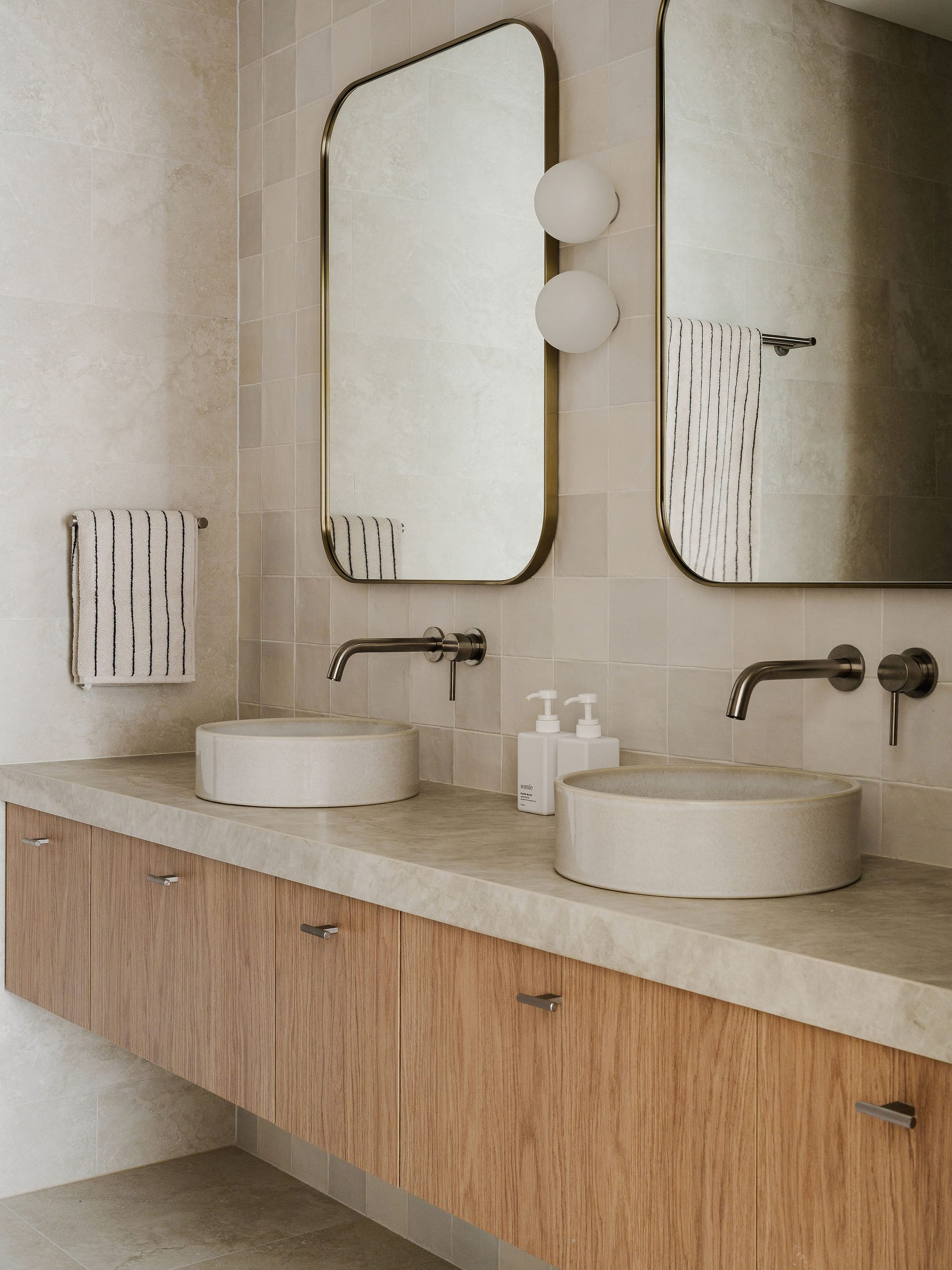
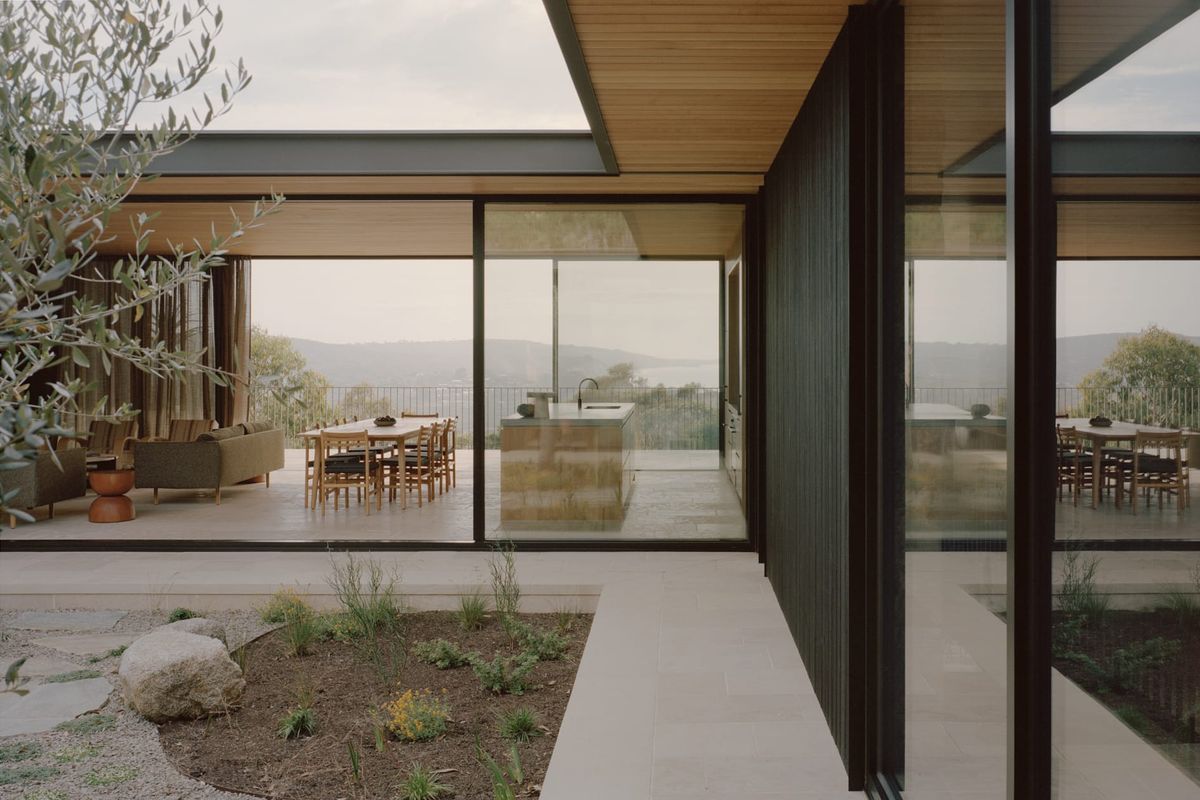
Geographe Bay Road by St. Helier Studio. Photography by Blake Hobson.
You work across both architecture and interiors as a single integrated discipline. Is there a detail, a material choice, or a moment in a space that you find yourself coming back to as an example of when that combined approach really pays off for the people living in it?
Cohesion and material simplicity are key, creating a calm feel throughout the project and allowing the interior and exterior to read as one. A considered, limited material palette forms the foundation of the home and is carried consistently throughout the project, creating cohesion, clarity and a strong architectural language from interior to exterior.
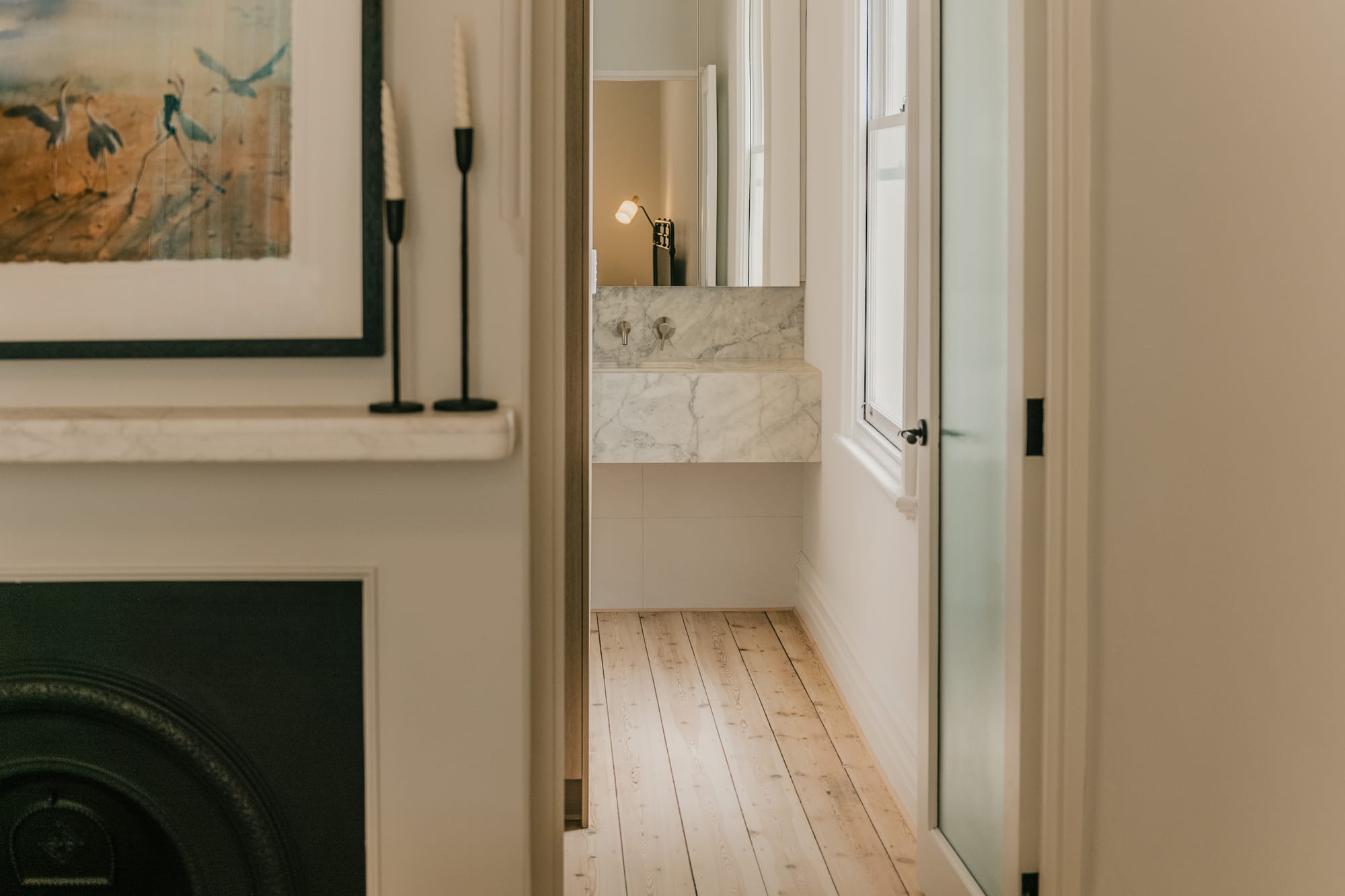
A lot of your material choices draw from natural surroundings, like the coastal palette at Geographe Bay Road. Has your thinking around how you source and specify those materials changed as sustainability has become a bigger part of the conversation in architecture?
A strong connection to the surrounding site helps the project sit naturally within its context, which is key to its long-term relevance. When a building responds thoughtfully to its environment, it feels more grounded and enduring, rather than imposed. This kind of integration is, in itself, a form of sustainability, reducing the need for constant change or replacement. Ultimately, our aim is to create projects that are considered, resilient, and able to stand the test of time both functionally and aesthetically.
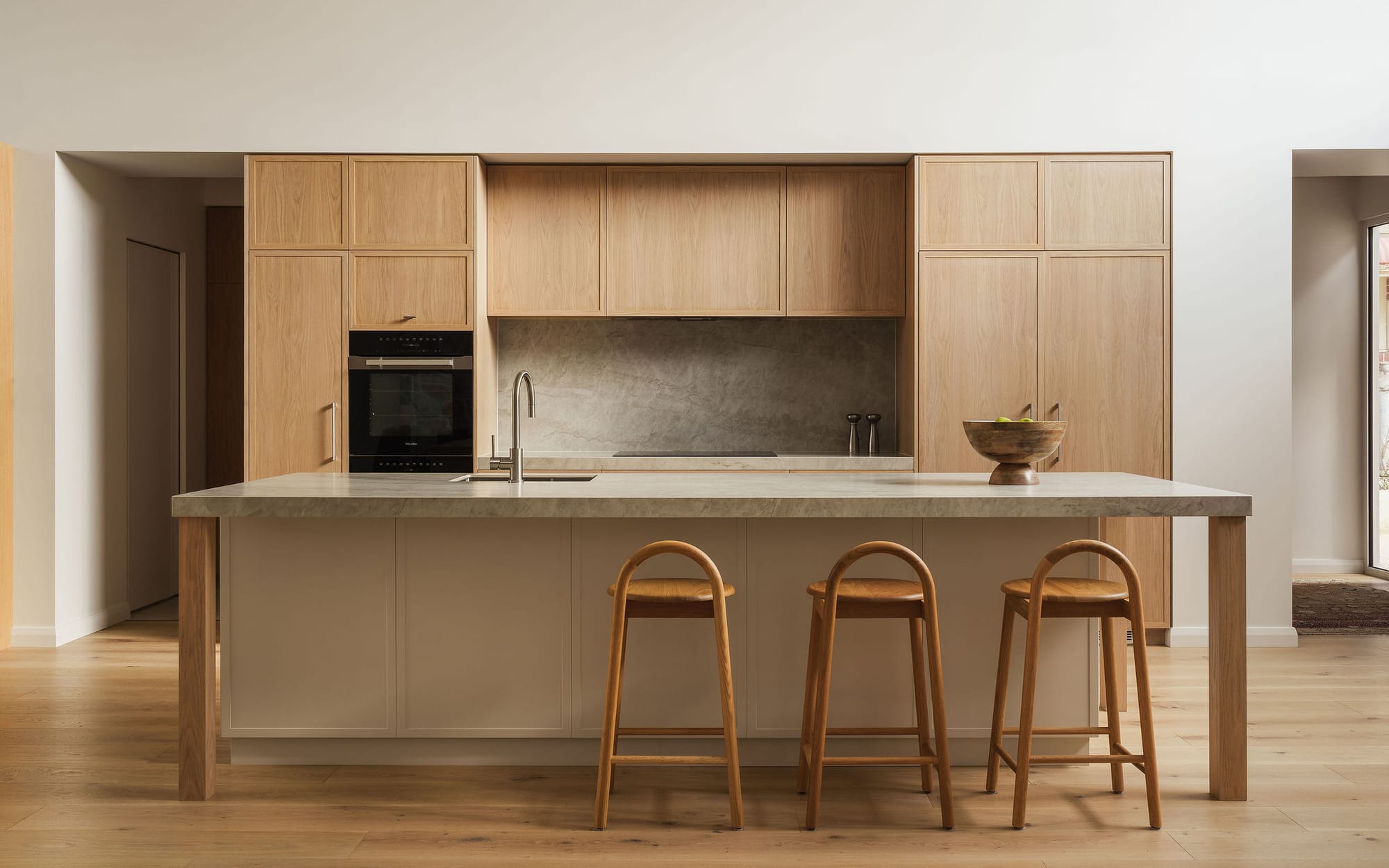
Your process runs all the way from briefing through to furniture and styling. What is the most important thing a homeowner can bring to that very first briefing to make sure the project ends up somewhere genuinely personal rather than just polished?
An open mind and a willingness to trust the process are essential. We work through a structured design process to keep things clear, considered, and enjoyable for the client. The aim is to balance clarity with creativity, guiding the project in a way that feels collaborative and considered. Ultimately, delivering a result that is both personal and well-resolved.