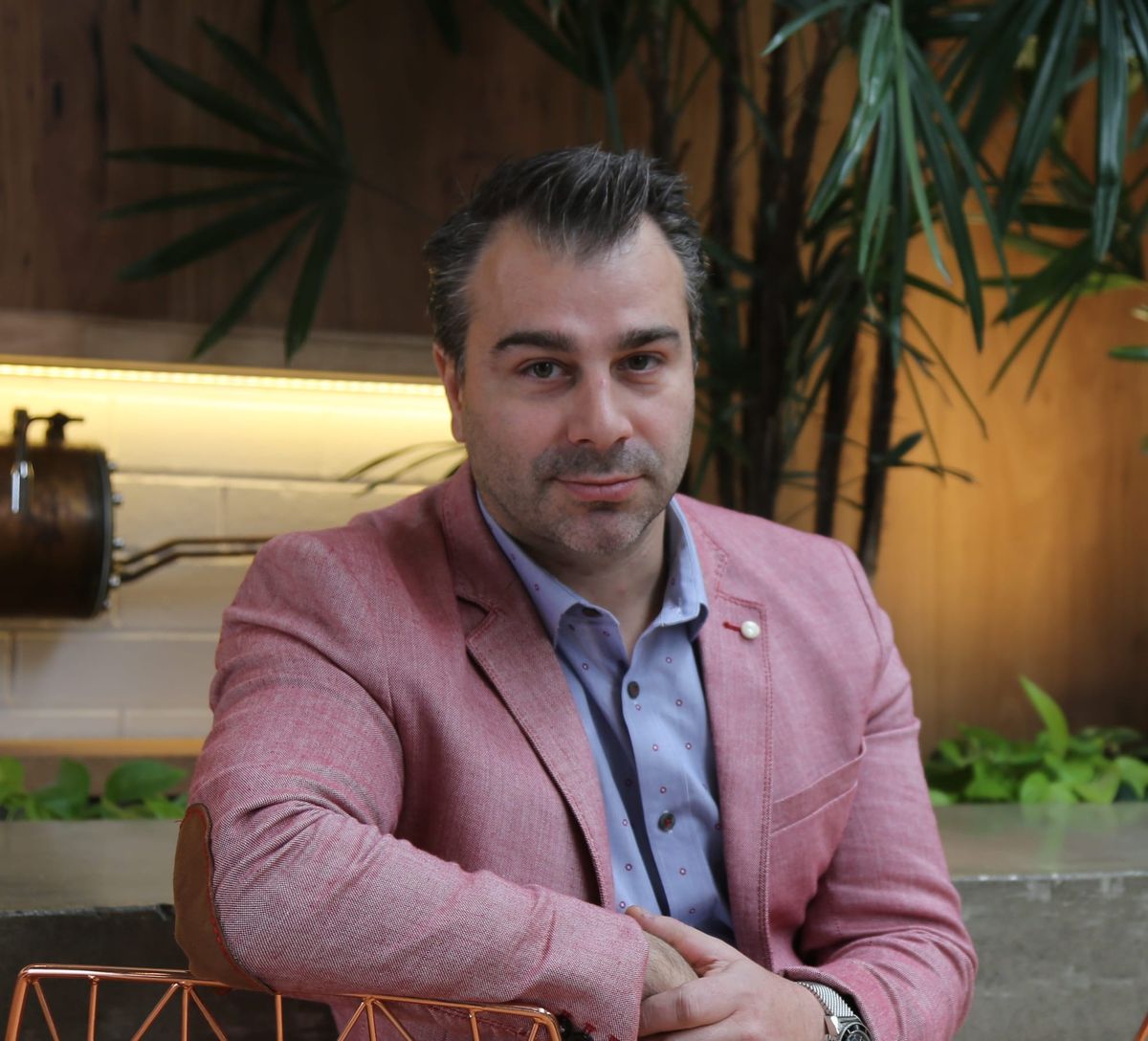
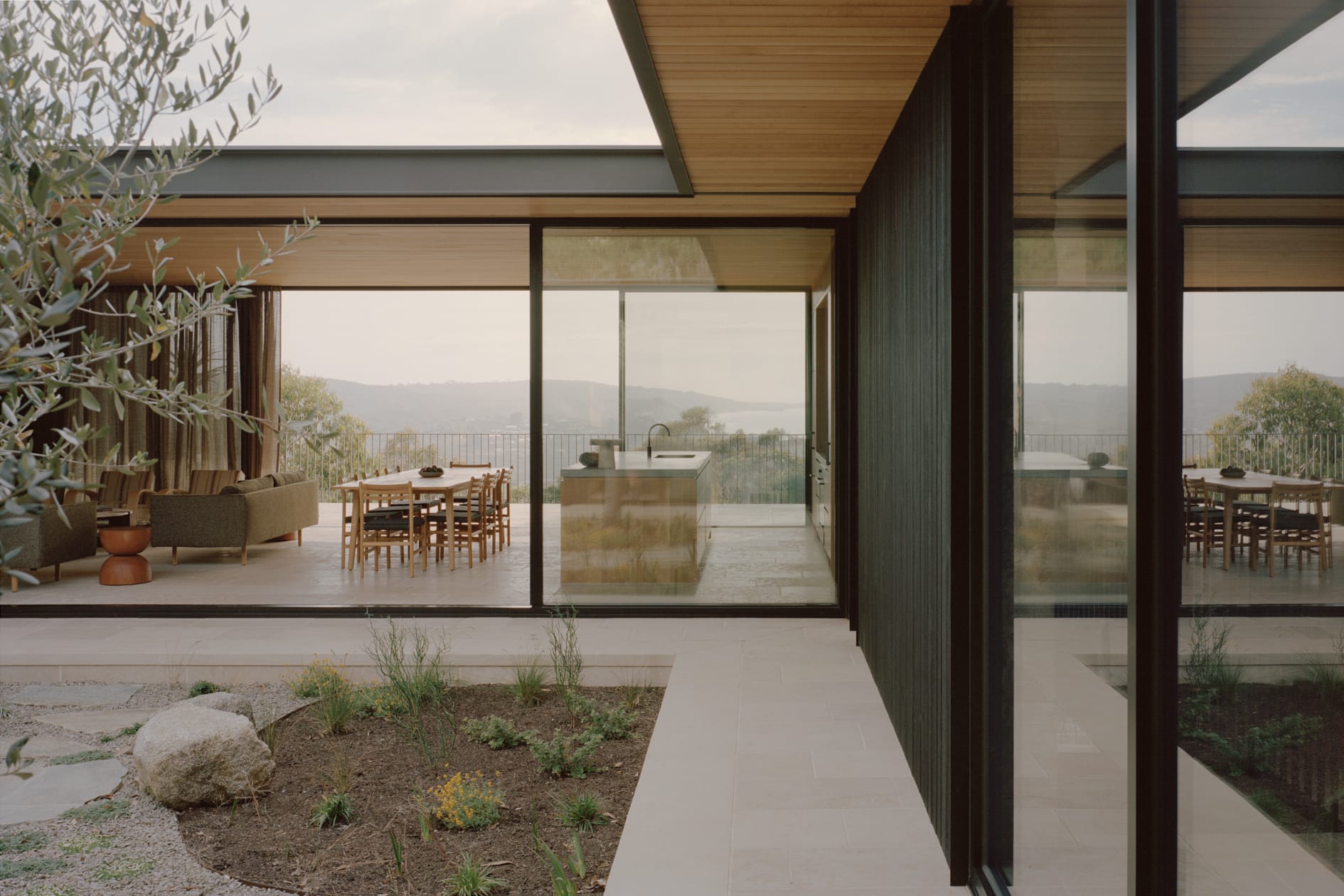
In this instalment of our Behind the Design series, we speak with Eckersley Architects, a practice defined by a clear and considered approach to residential design. Their work is grounded in understanding how people live, balancing thoughtful planning with practical delivery to create homes that feel both refined and enduring.
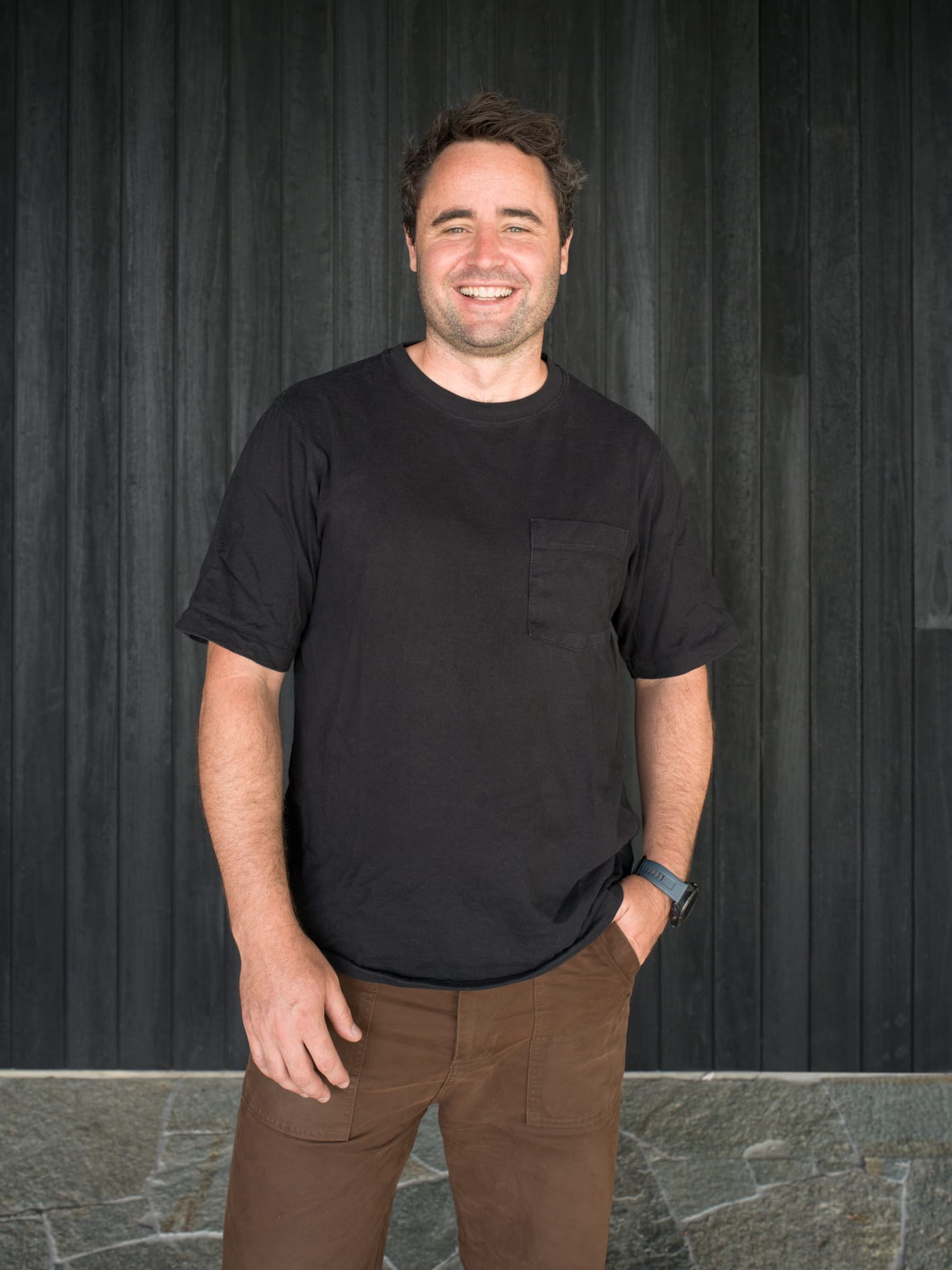
What does the first meeting with a new client look like at your studio?
Our first meeting is really about getting to know each other and understanding what you're hoping to achieve. We’ll usually start by looking at your current space or site together, then sit down for a proper conversation about how you actually live day to day. We want to understand your routines, how you use different spaces, whether you love entertaining or prefer quiet evenings, and what’s driving the need for change.
We’re not there to pitch ideas or show you pretty pictures , we’re there to listen. We’ll also talk through budget realities and timelines, and walk you through our design process so there are no surprises later. By the end of the meeting, we should both have a clear sense of whether we’re a good fit. The best projects always begin with a strong foundation of understanding and trust.
What’s the most common mistake you see homeowners make before engaging an architect or designer?
The most common mistake is designing for resale rather than for personal needs. Clients often make decisions based on what they think a future buyer might want, rather than how they actually live and what would improve their daily life.
In our experience, well-designed homes have no trouble selling. Good architecture is timeless and functional, and those qualities resonate widely. When clients design for their own needs, the result is a home that feels more authentic, more comfortable, and ultimately more valuable. Ironically, these personal, well-considered decisions often create the most desirable homes on the market.
How do you approach setting and managing a client’s budget throughout a project?
Budget conversations begin early and continue throughout the project. In the initial stages, we establish a realistic total budget that includes design fees, construction costs, permits, and contingency.
We’re transparent about what different budgets can achieve, often referencing past projects to illustrate outcomes at various price points. We also work closely with trusted contractors to ensure reliable pricing, and we never develop a design without considering its financial feasibility.
Can you tell us about a recent project you’re proud of and what made it special?
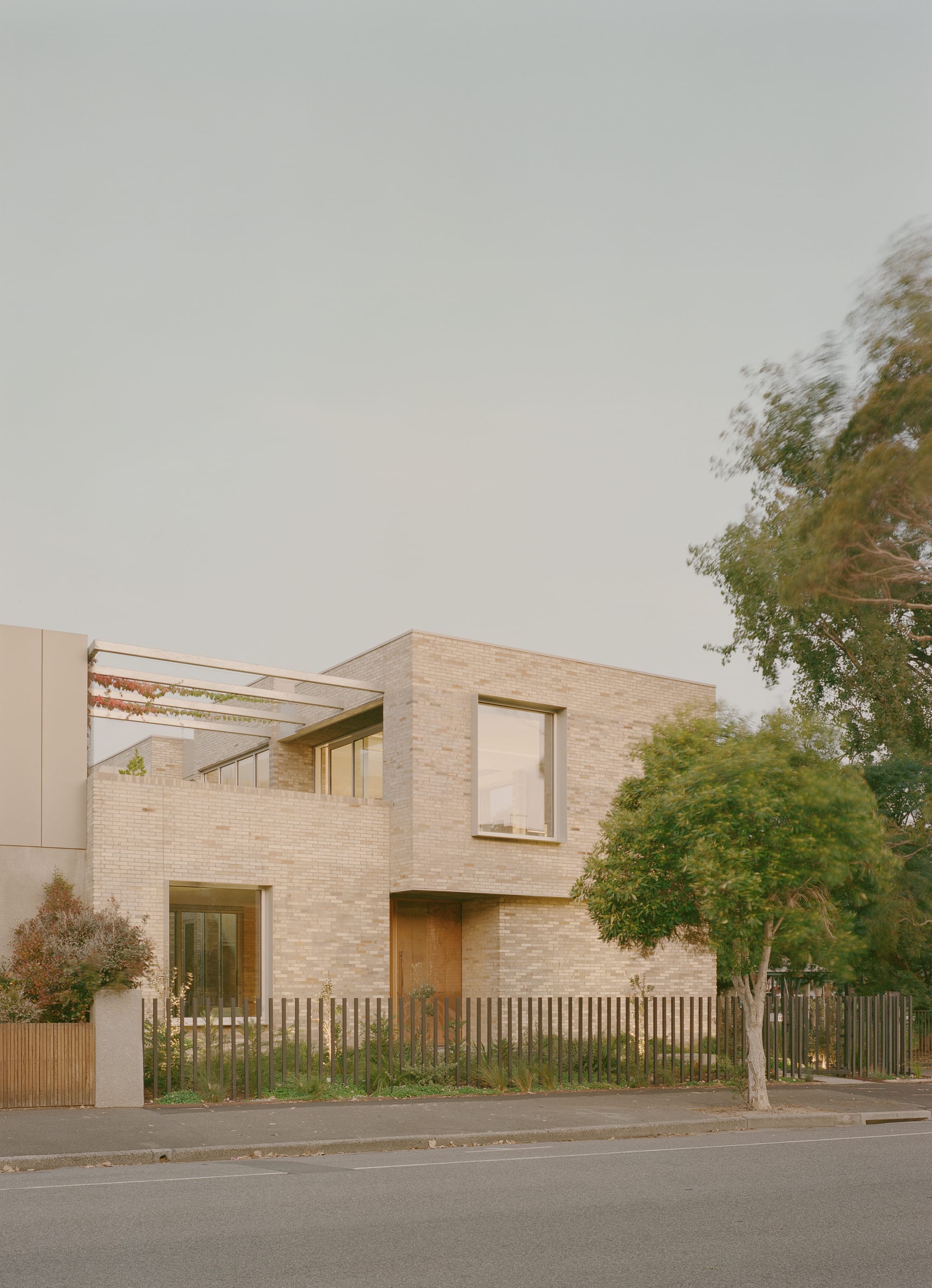
We recently completed a Passive House for a young family in Melbourne’s inner north, achieving certification to the Passive House Institute’s international standards , one of fewer than sixty such homes in Australia.
What makes the project particularly rewarding is that its performance isn’t immediately visible. It reads as a warm, considered family home, yet delivers exceptional comfort year-round with extremely low energy use. While many Passive Houses in Australia can feel technical or institutional, this project prioritised a sense of home without compromising performance.
What’s one question you wish every client would ask at the start of a project?
“How will this design improve our daily life in five years?”
Too often, clients focus on immediate wants or current trends. This question shifts the conversation toward longevity , how needs might evolve over time. It opens up discussions around growing families, changing work patterns, and aging in place.
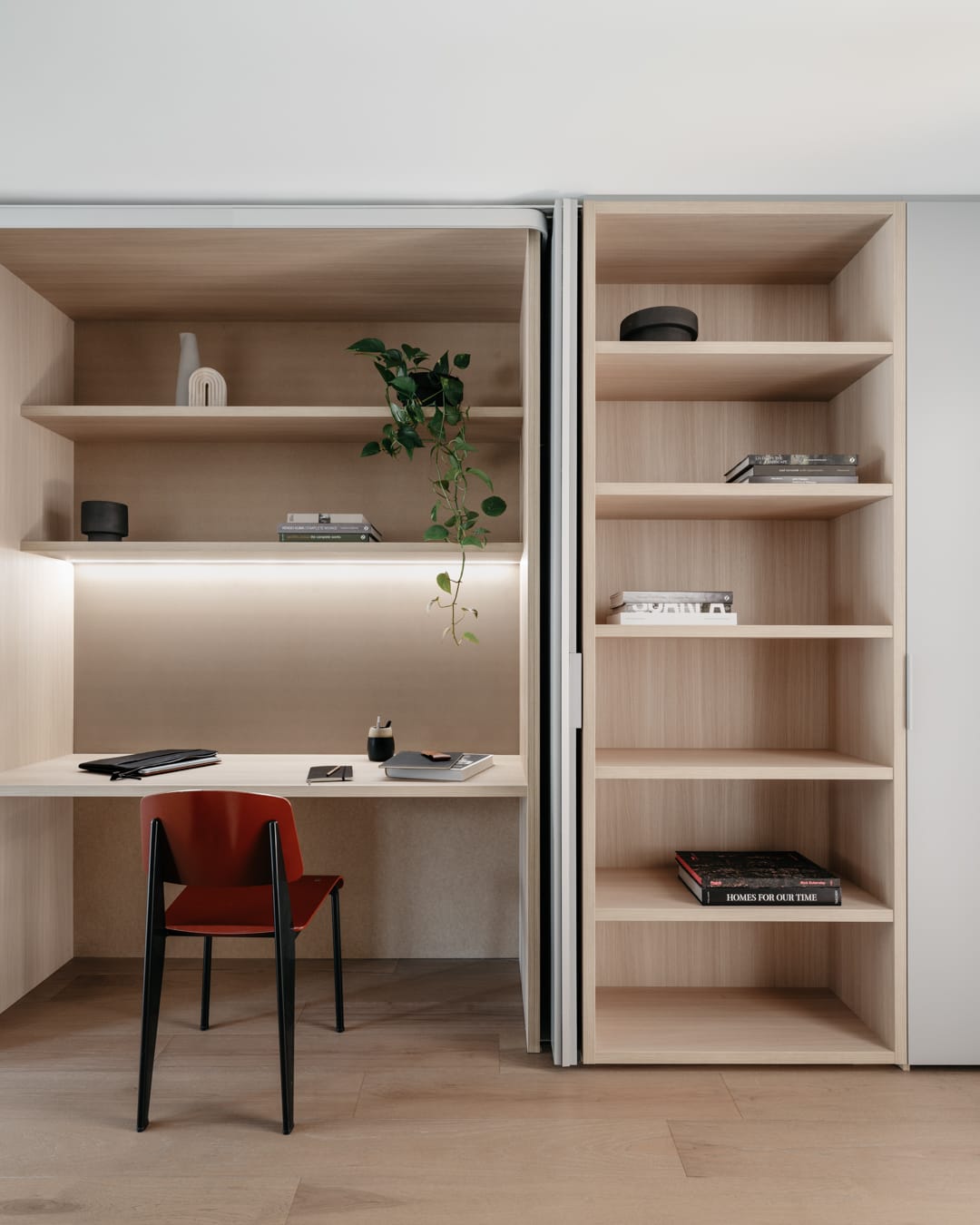
It also encourages flexibility in design: a home office that could become a guest room, or subtle accessibility features that may become valuable later. Thinking long-term allows us to create homes that adapt over time, reducing the need for future renovations and supporting more sustainable, considered design outcomes.