For this instalment of Behind the Design, we sit down with BelBon Design, a Perth-based studio whose approach to residential interiors goes well beyond aesthetics. Guided by a deep curiosity about how people actually live, BelBon brings the same rigour they apply across residential, commercial, and marine projects to every home they touch. The result is spaces that feel effortless, personal, and built to give back to the people in them long into the future.
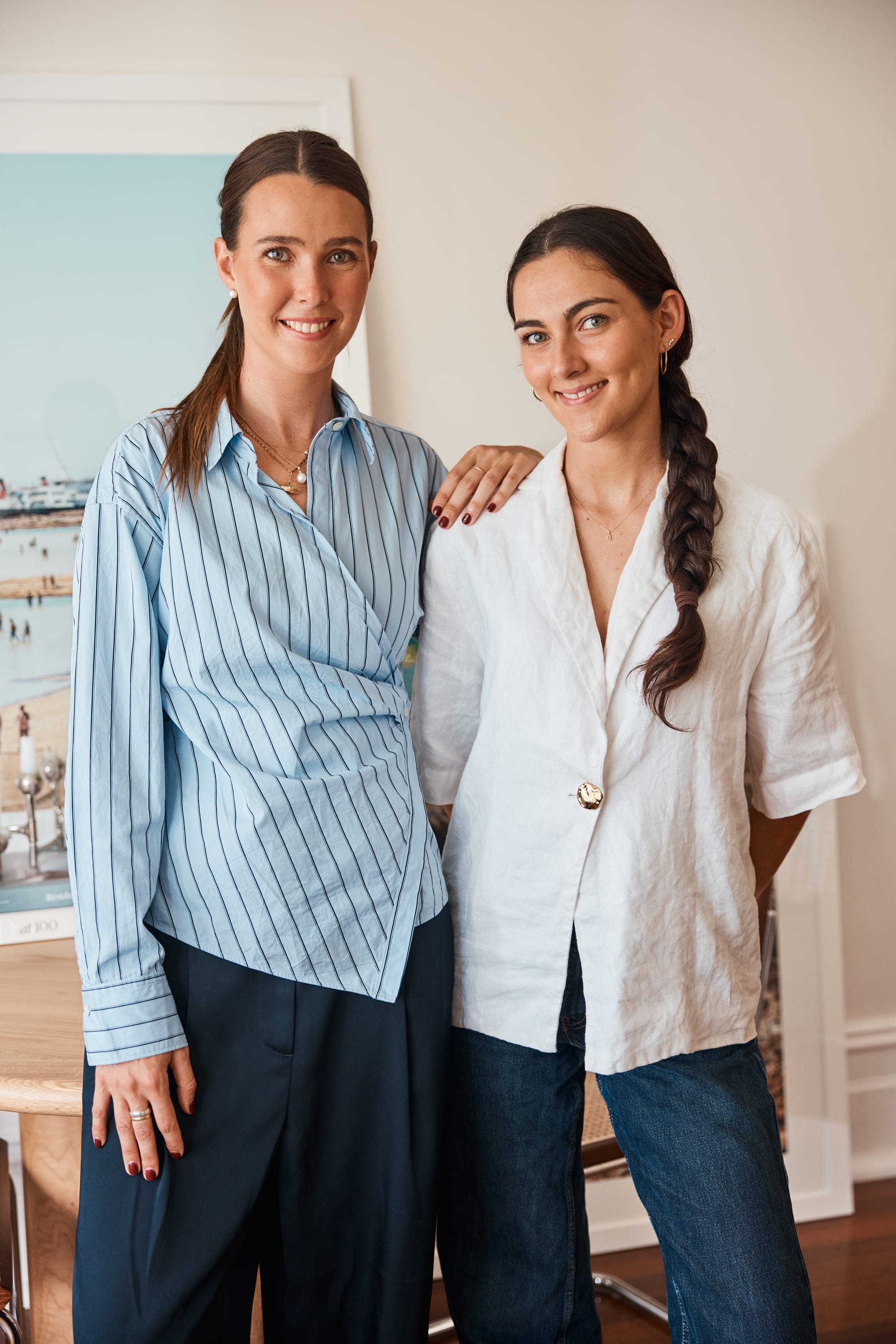
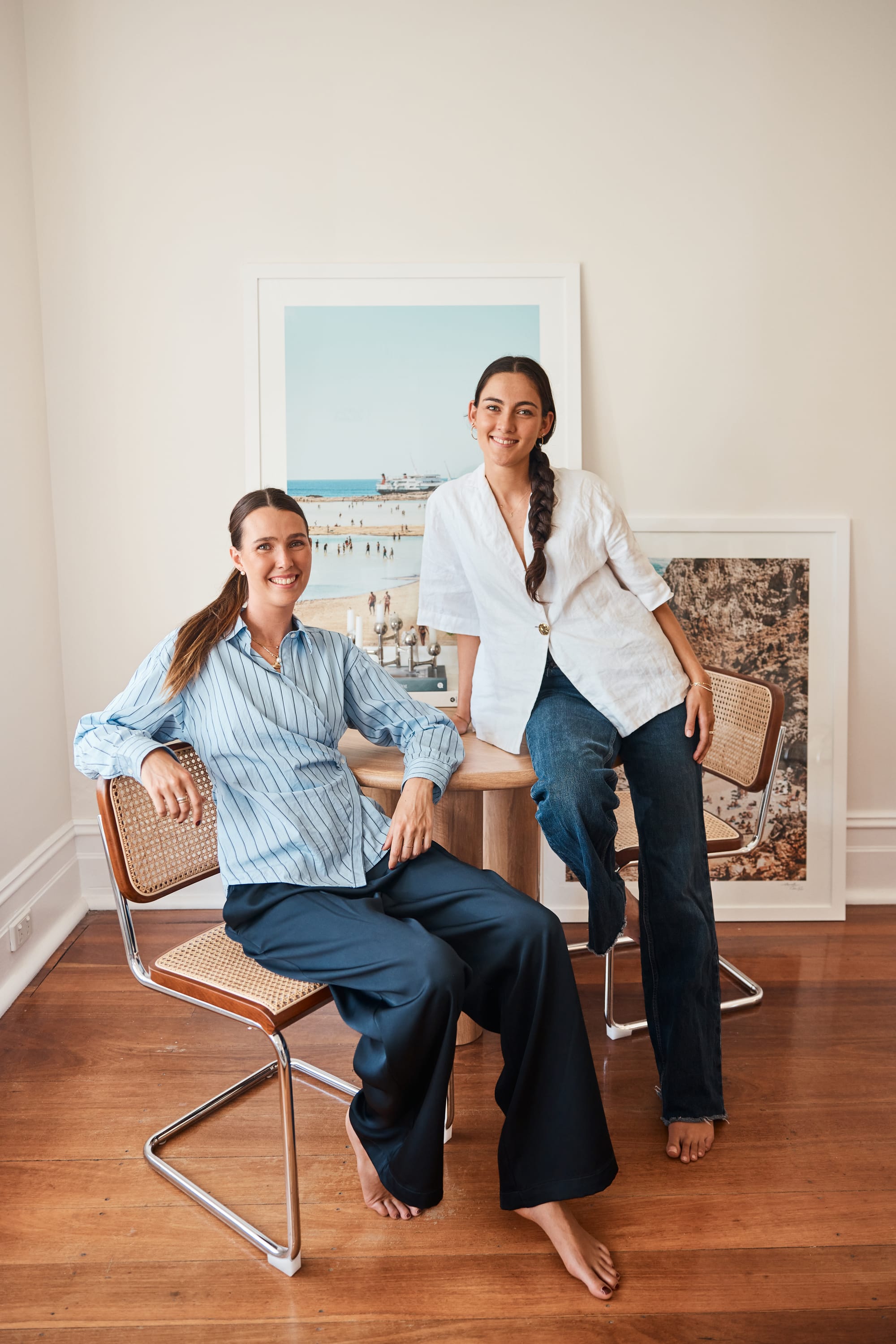
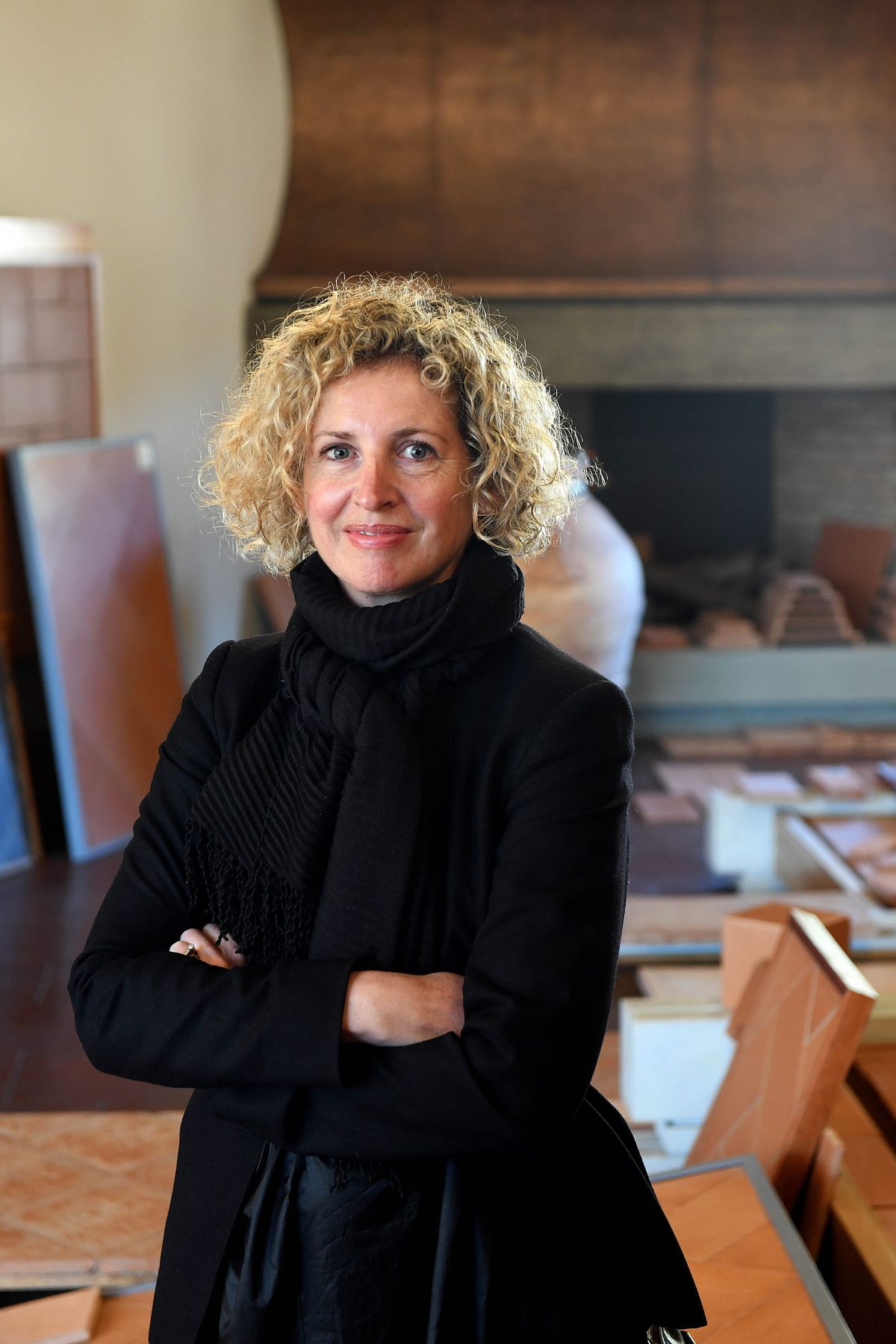
Portrait of Ishbel and Bonnie Laing, Directors of BelBon Design. Photography by Sana Brotherson.
What does good design mean to you, and how do you know when a space has truly succeeded?
Good design for us isn't necessarily about aesthetics, it's to improve the way occupants live, work and experience spaces every day. While the look of a space is important, this is only one part of the equation. A successful space should feel effortless and respond to the user's lifestyle, continuing to give back to them long into the future.
We know a space has truly hit the mark when the client voices the interior feels like them and reflects their family or personality. The best compliment from clients is when they stop noticing the design and simply enjoy living in their home or space.
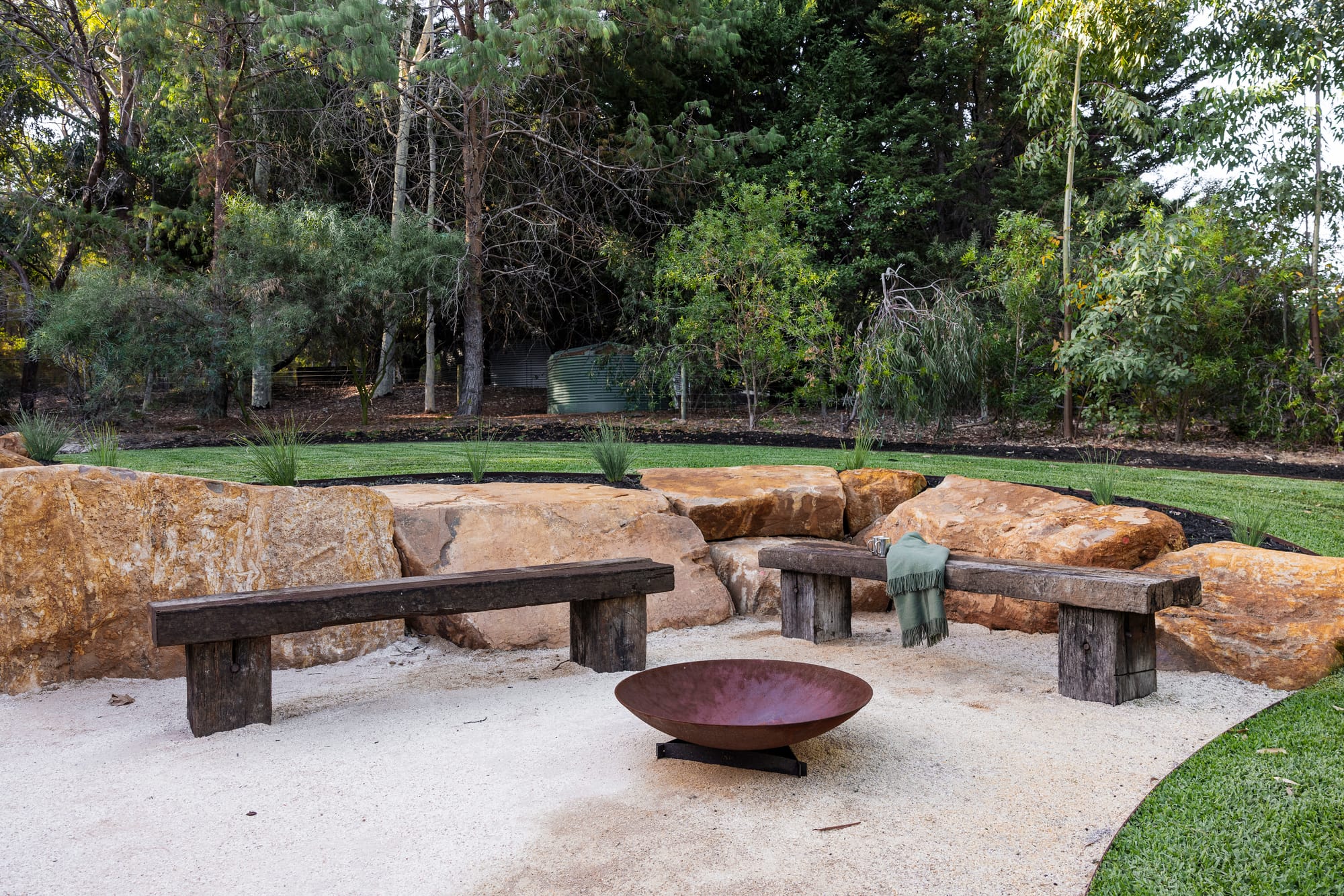
When you first meet with a homeowner, how do you get to the heart of how they actually want to feel in their home, not just what they want it to look like?
We spend a lot of time listening and learning about the individuals before designing. Rather than beginning with colours, finishes, design outcomes, we ask them questions about their lifestyle and dynamic. If it's a residential project, we ask them questions such as, how do you spend your mornings? Where do you gather as a family? What are the negative aspects of your current home?
Often, what people think they want visually is actually a response to a feeling they're trying to achieve. They might say they want a large kitchen, but what they're leaning to is seeking connection with family while cooking or they love entertaining and are looking for more bench space. Understanding these emotional and physical requirements allows us to design spaces that are both beautiful and personal.
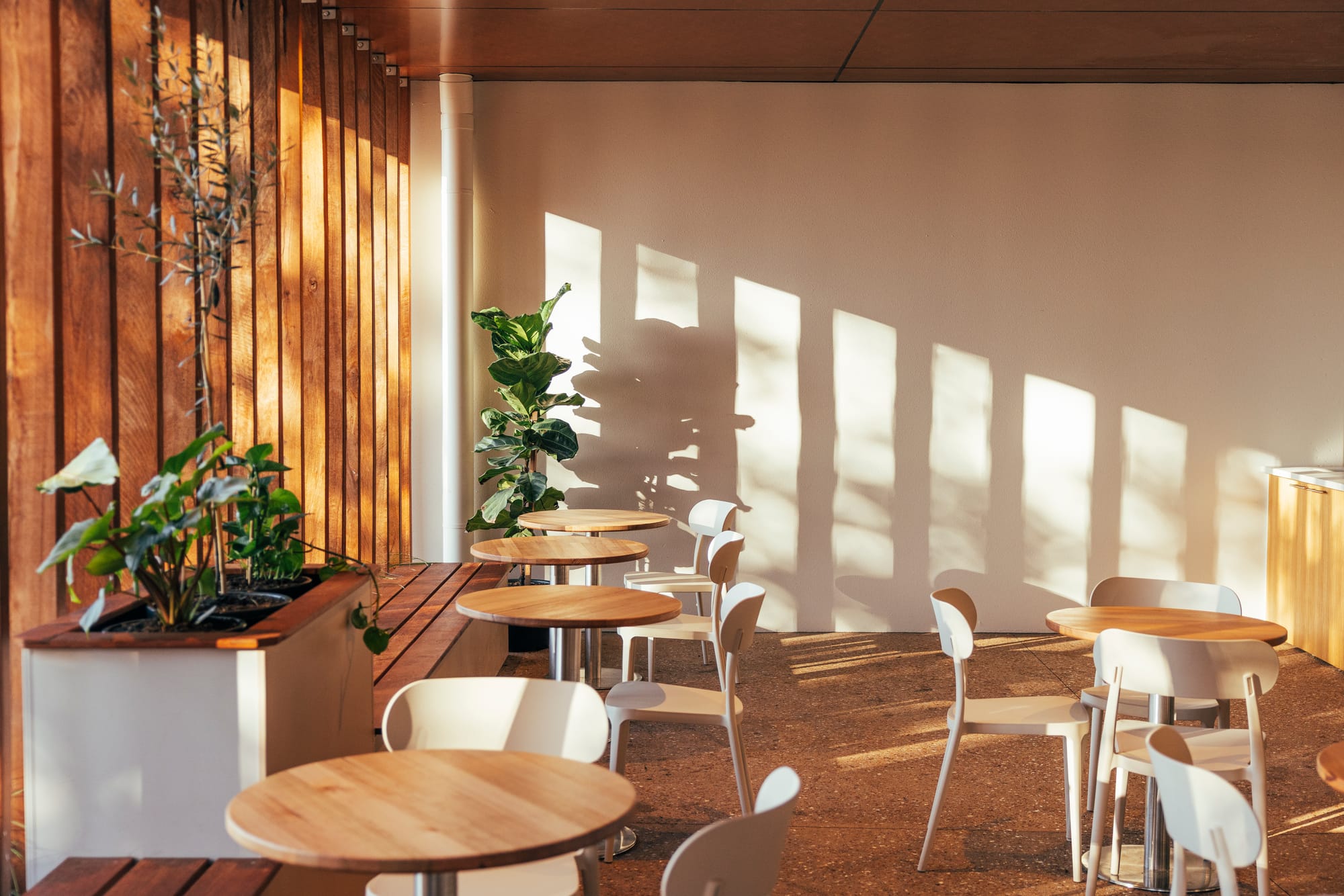
BelBon works across such different project types. How does approaching a residential home with the same rigour as a commercial or marine project end up benefiting the homeowner?
Working across the residential, commercial and marine sectors has taught us that each project is a refined balance of creativity and technical precision. Every design has its one-of-a-kind challenges and setbacks, and with this experience it allows us to approach residential homes with a unique and broader perspective.
For homeowners, this means more considered and precise planning, attention to detail and a deeper understanding of how materials, functionality and durability come together in the construction details. We think deeply about how spaces perform over time, not just how they look on completion day.
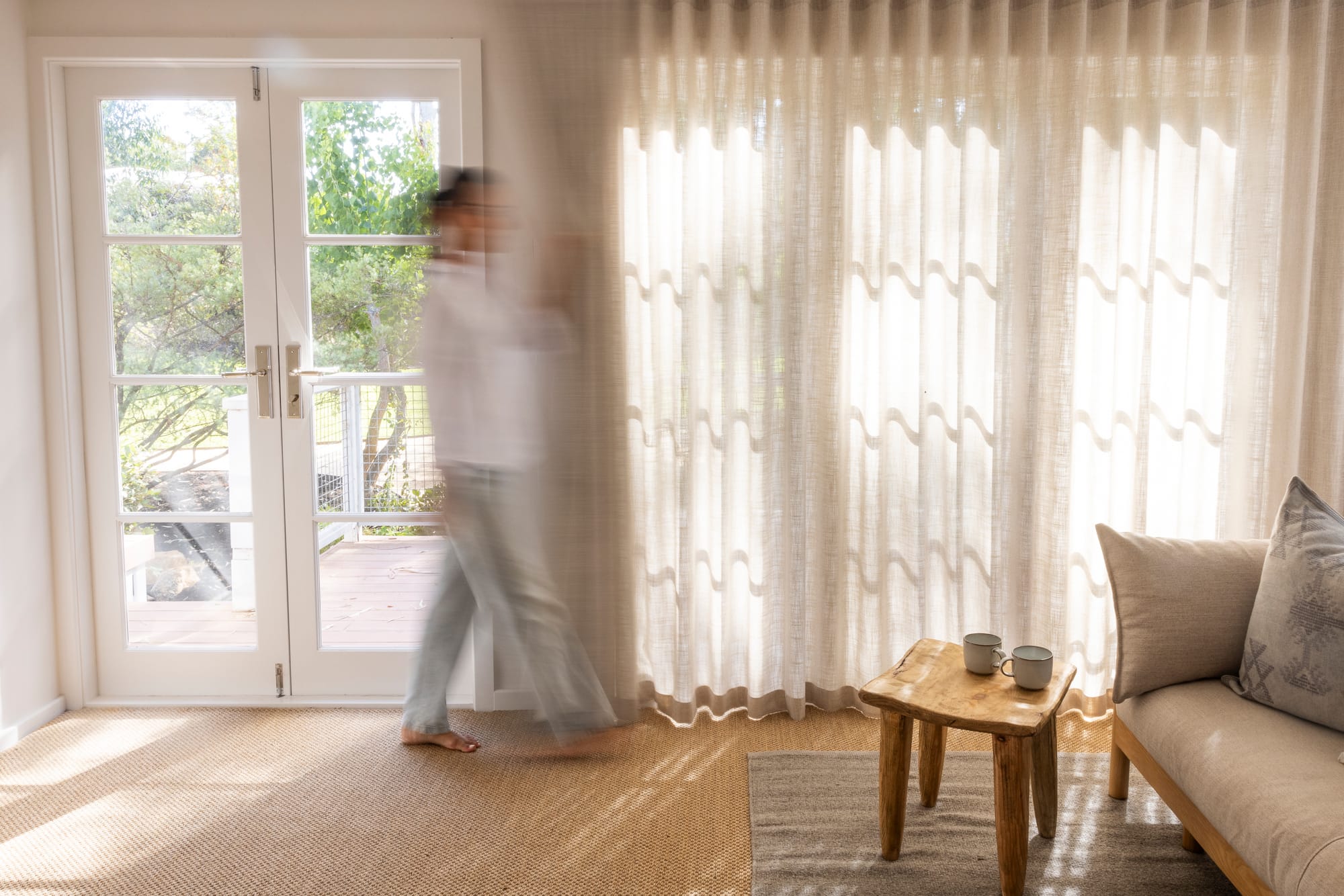
Your process runs all the way through to post-completion. What does that final phase look like for a homeowner, and why does it matter?
The final phase is where everything comes together. Once construction is complete, we work closely with homeowners to ensure the home not only looks as envisioned, but functions exactly as intended. We see this stage as an important part of the journey because a home isn't truly completed until it's lived in. By remaining involved after handover, we can help refine the small details that make a significant difference to how the space feels day to day.
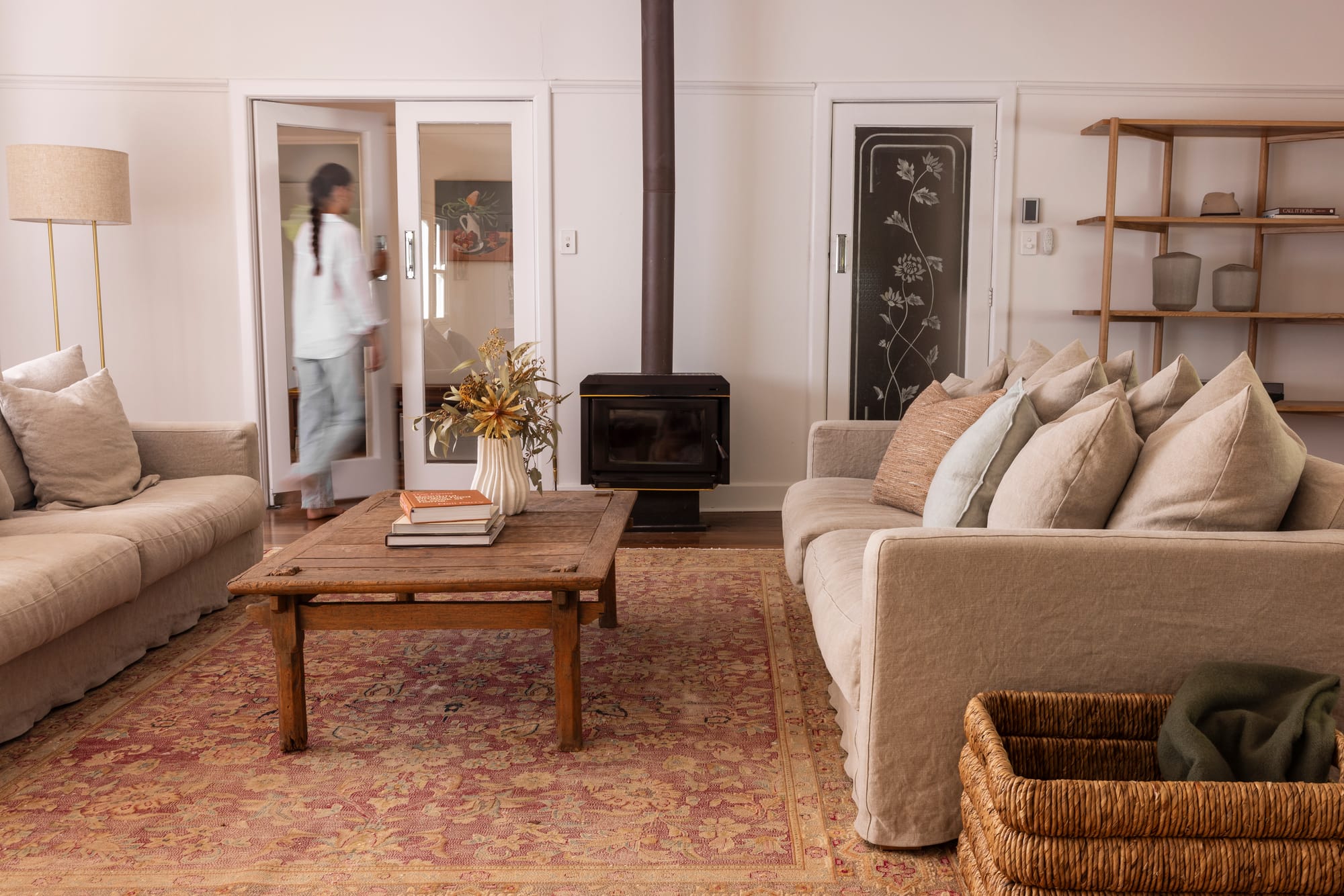
Is there a moment from a past project that shifted the way you think about what a homeowner really needs from their space, and how has that shown up in the work since?
As we work on a vast amount of heritage homes, we have clients approaching us wanting more space. We had a recent client approach us, and it became clear the issue wasn't a lack of square metres, it was how the home was functioning for them. Our goal with heritage homes specifically is to keep the charm and character without compromising on modern family lifestyle and needs. For this client, we were thoughtful with planning and the reimagination of spaces to make the home have flow and connection. We were able to transform the way they lived without dramatically increasing the home.
This experience reinforced the idea that homeowners aren't always looking for more, they are looking for better. Better flow, connection, use of space and a home that supports their way of living. Since then, we've placed emphasis on understanding lifestyle, routines and future needs before making design decisions.
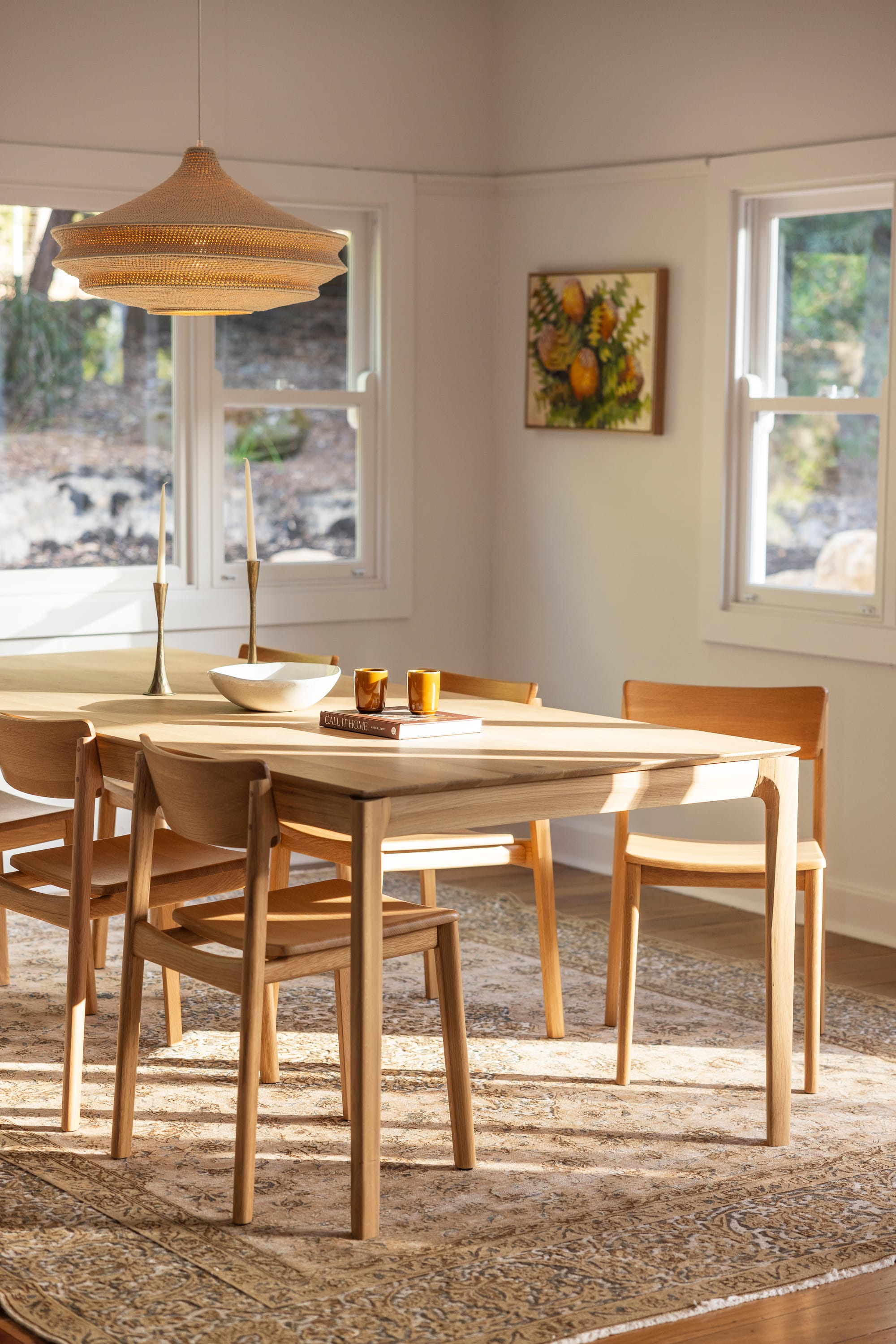
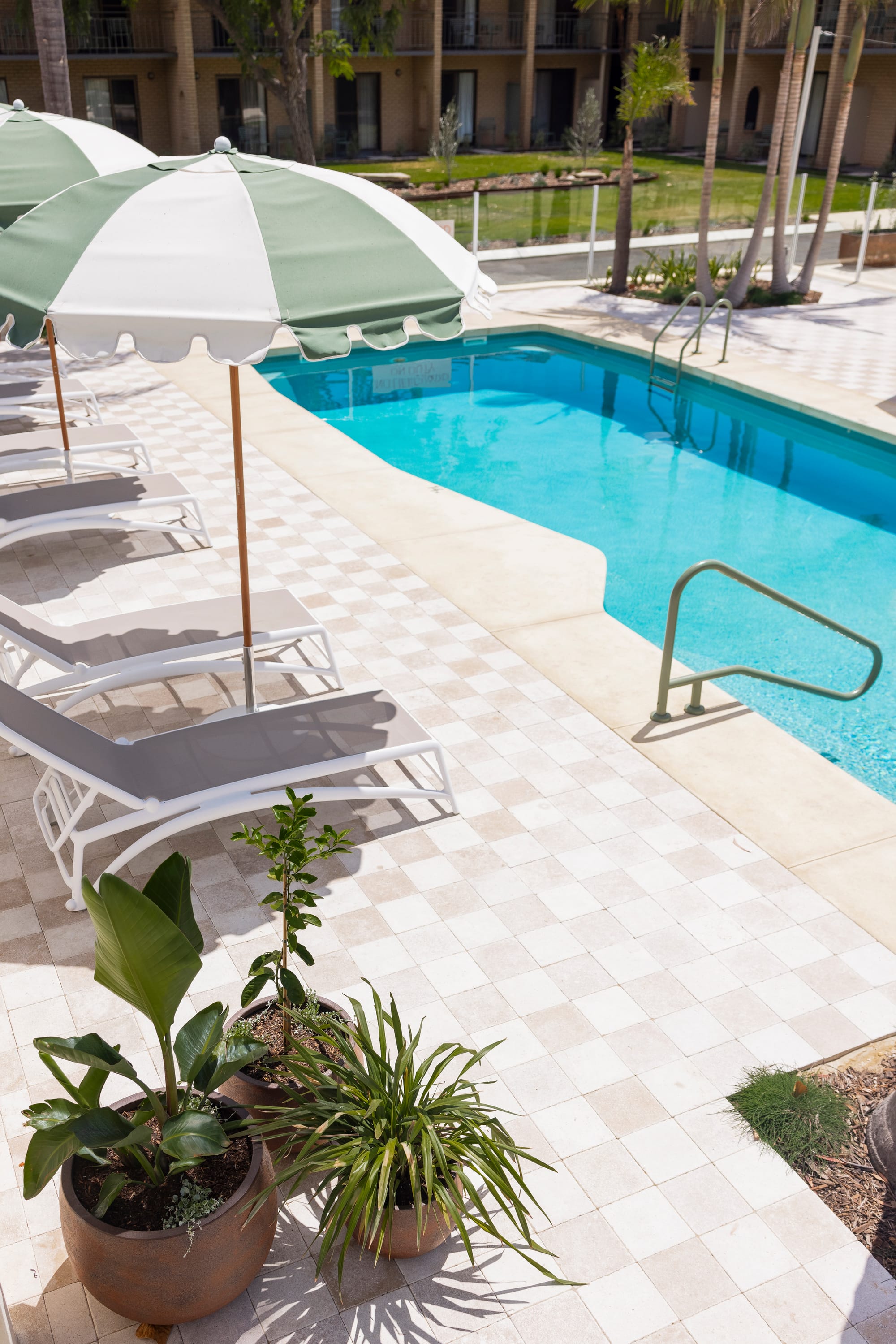
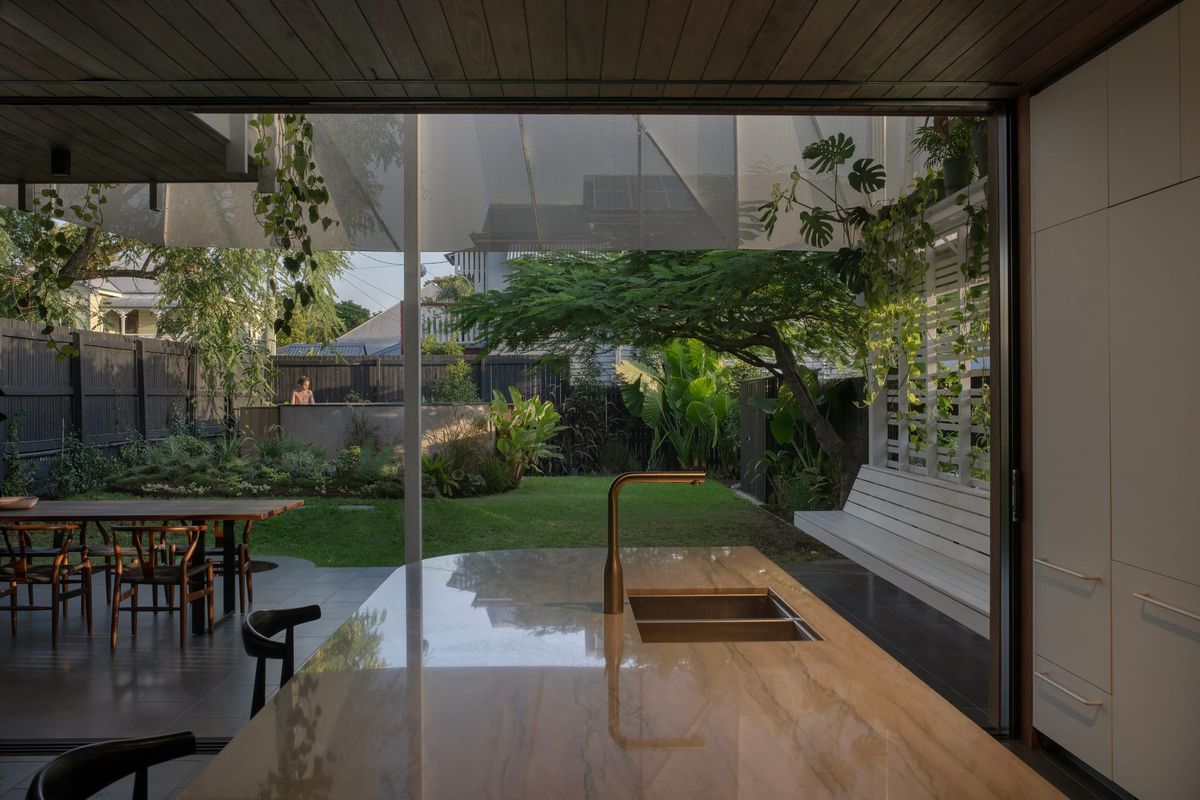
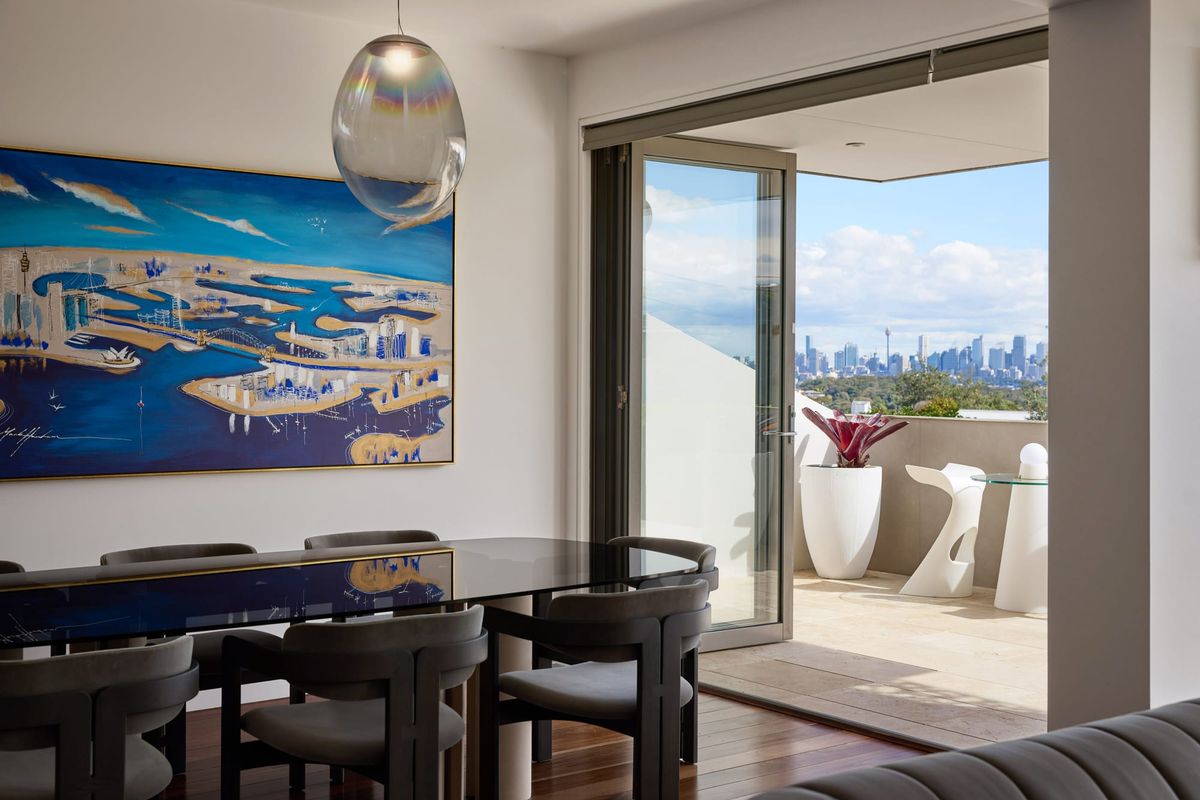
Photography by Sana Brotherson.