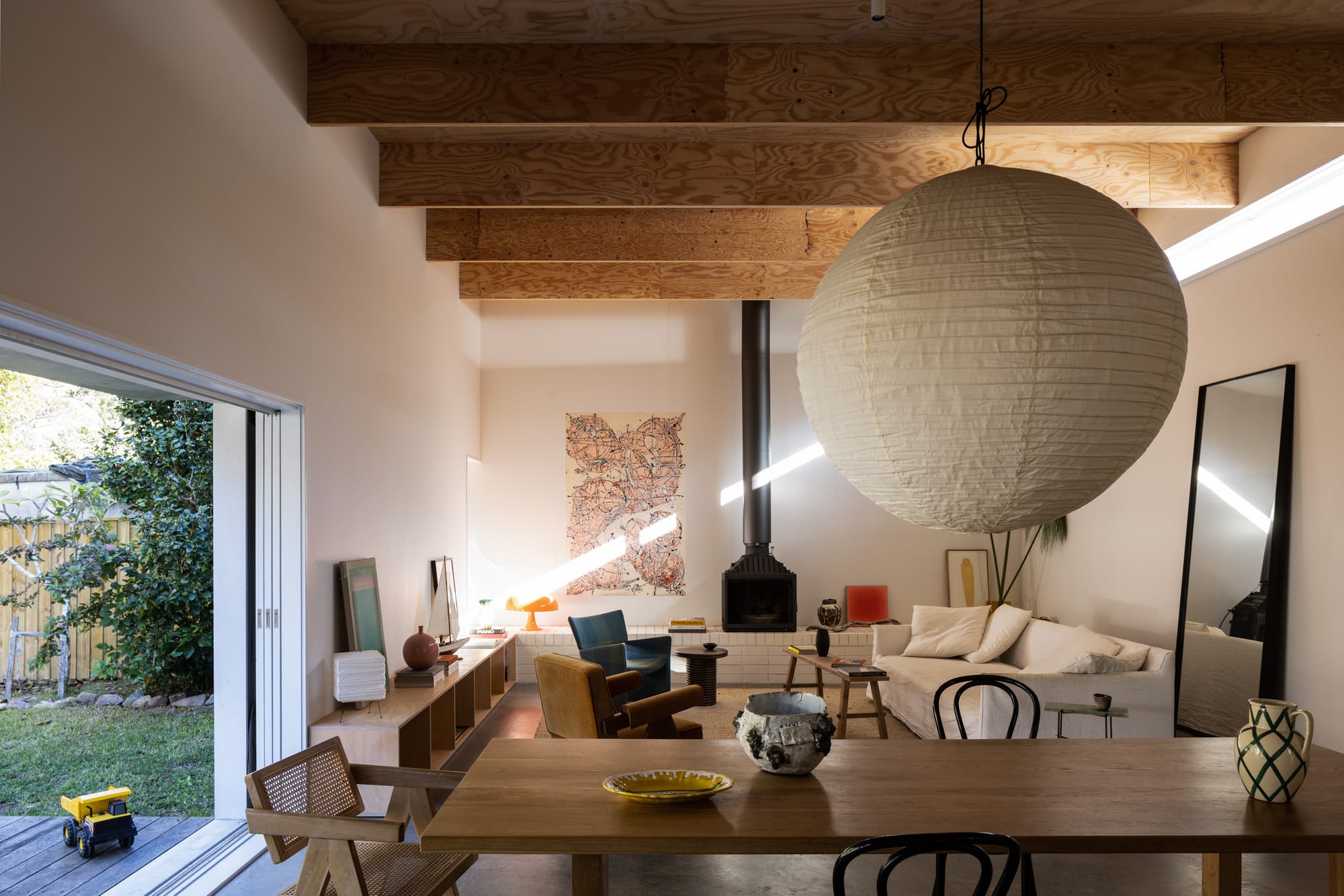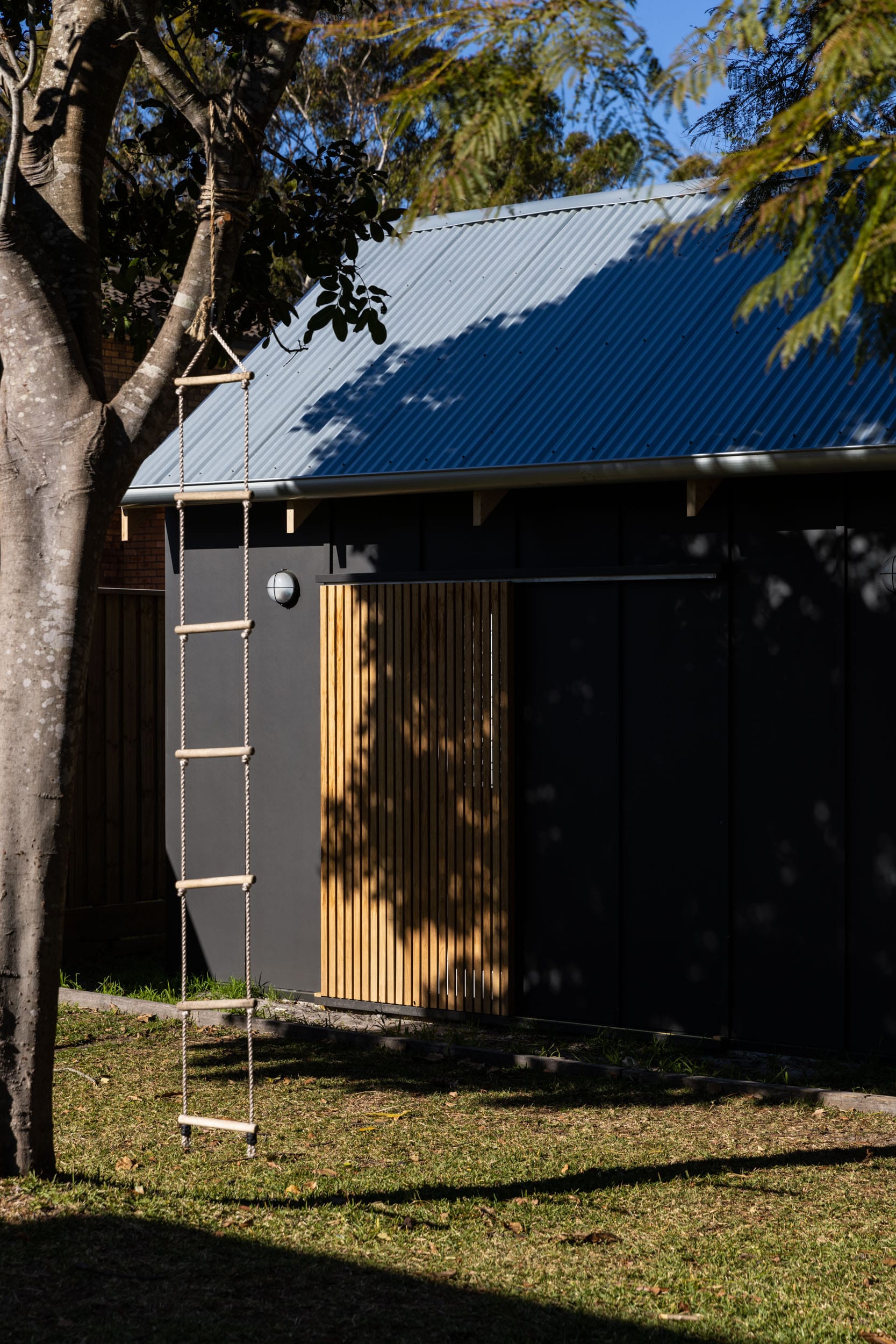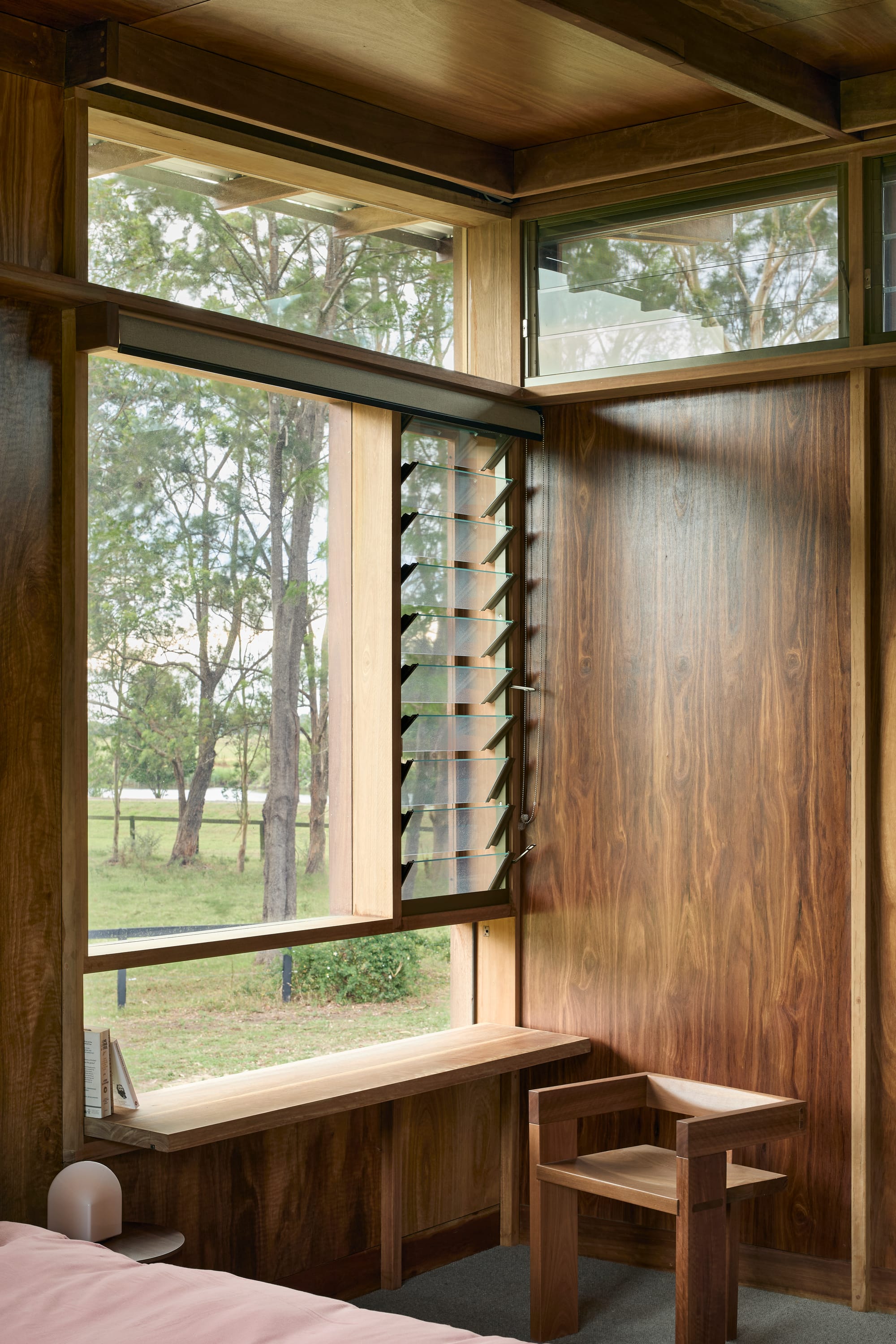
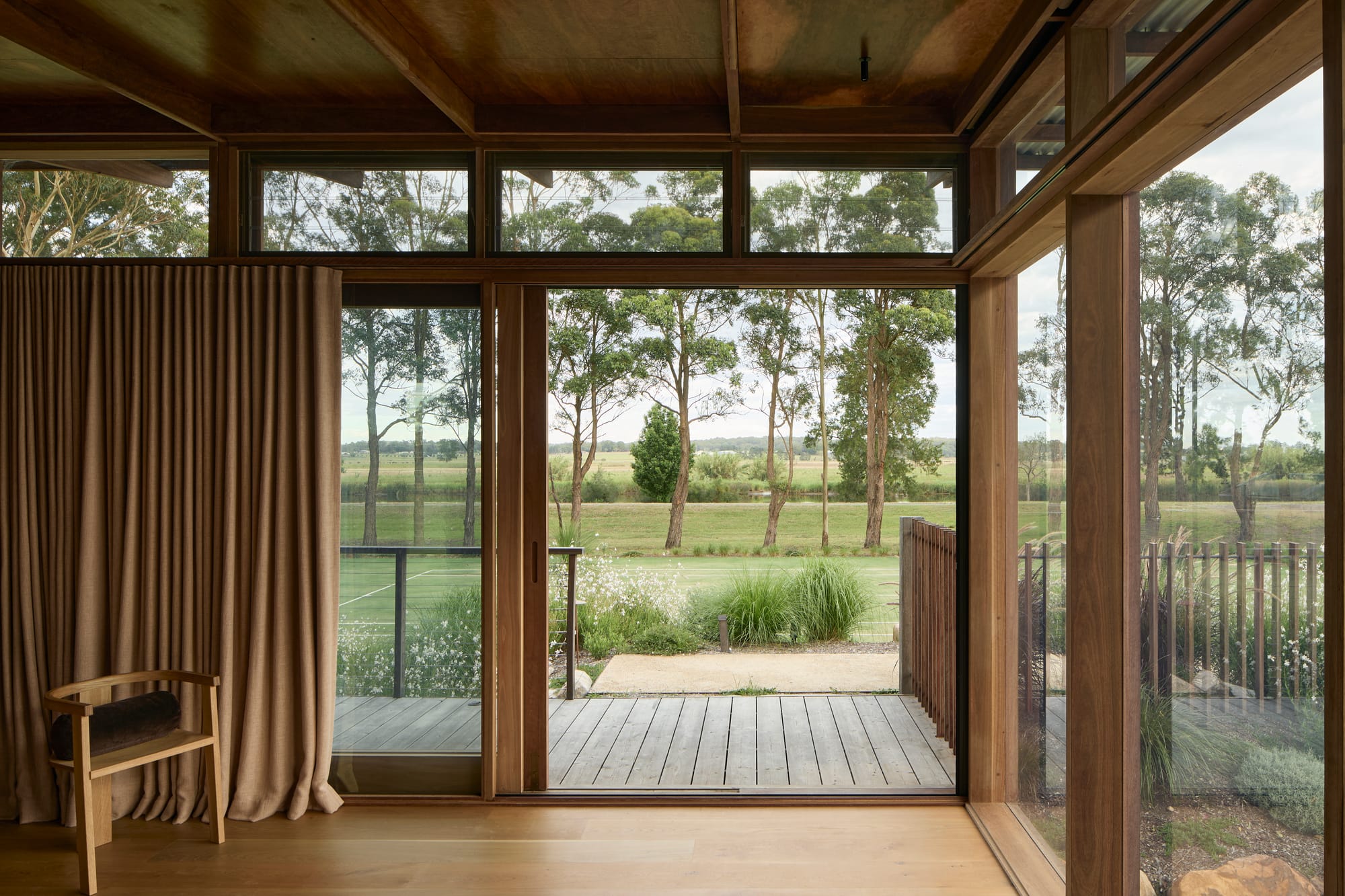
In this instalment of our Behind the Design series, we speak with Marker Architecture about a practice shaped by material honesty, collaborative thinking, and a deep respect for the relationship between home and landscape. Drawing from both traditional architectural wisdom and contemporary approaches, their work balances tactile richness with thoughtful, client-led design, resulting in homes that feel considered, enduring, and deeply personal.
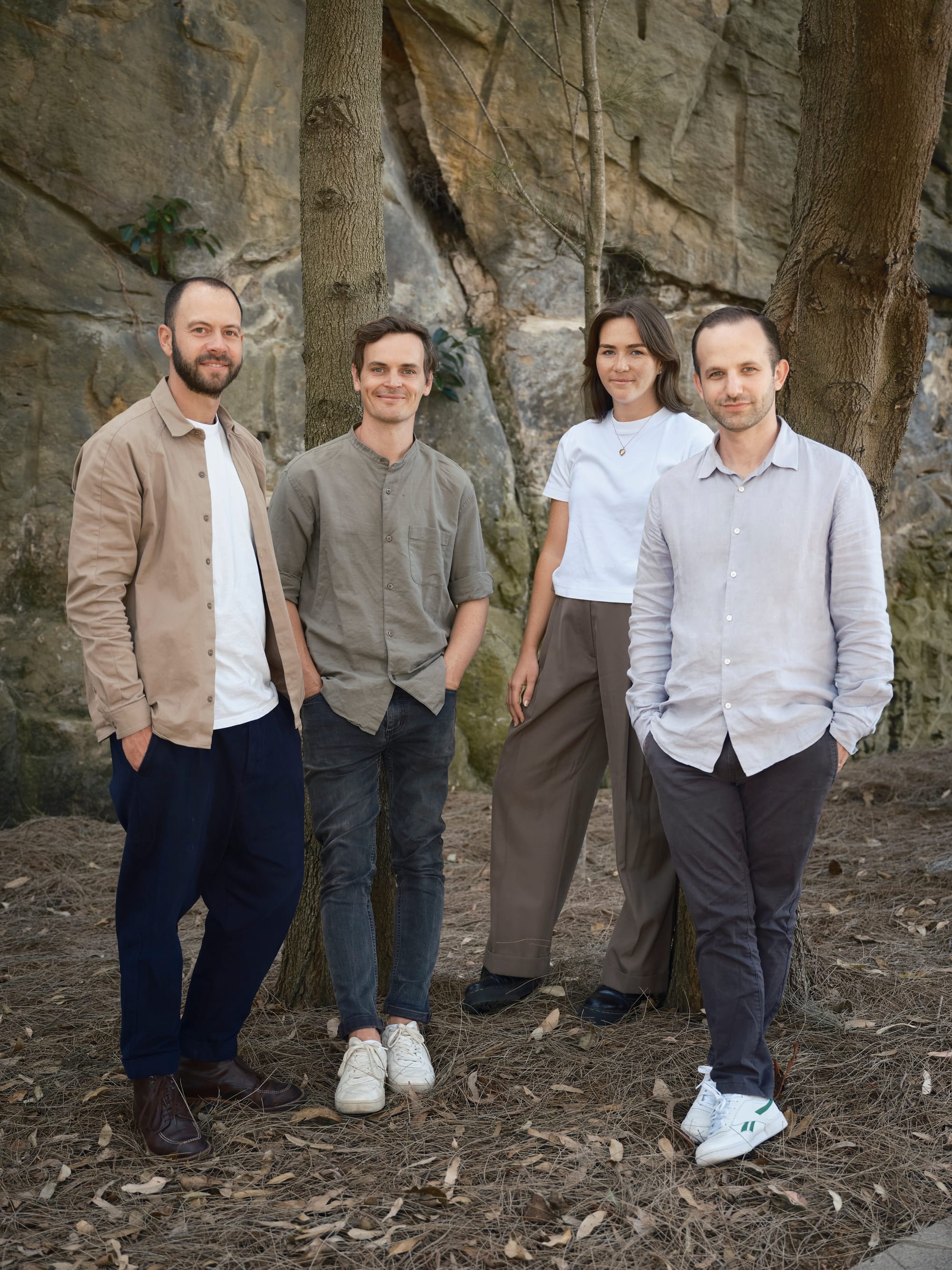
How would you describe your studio's design approach in a few sentences?
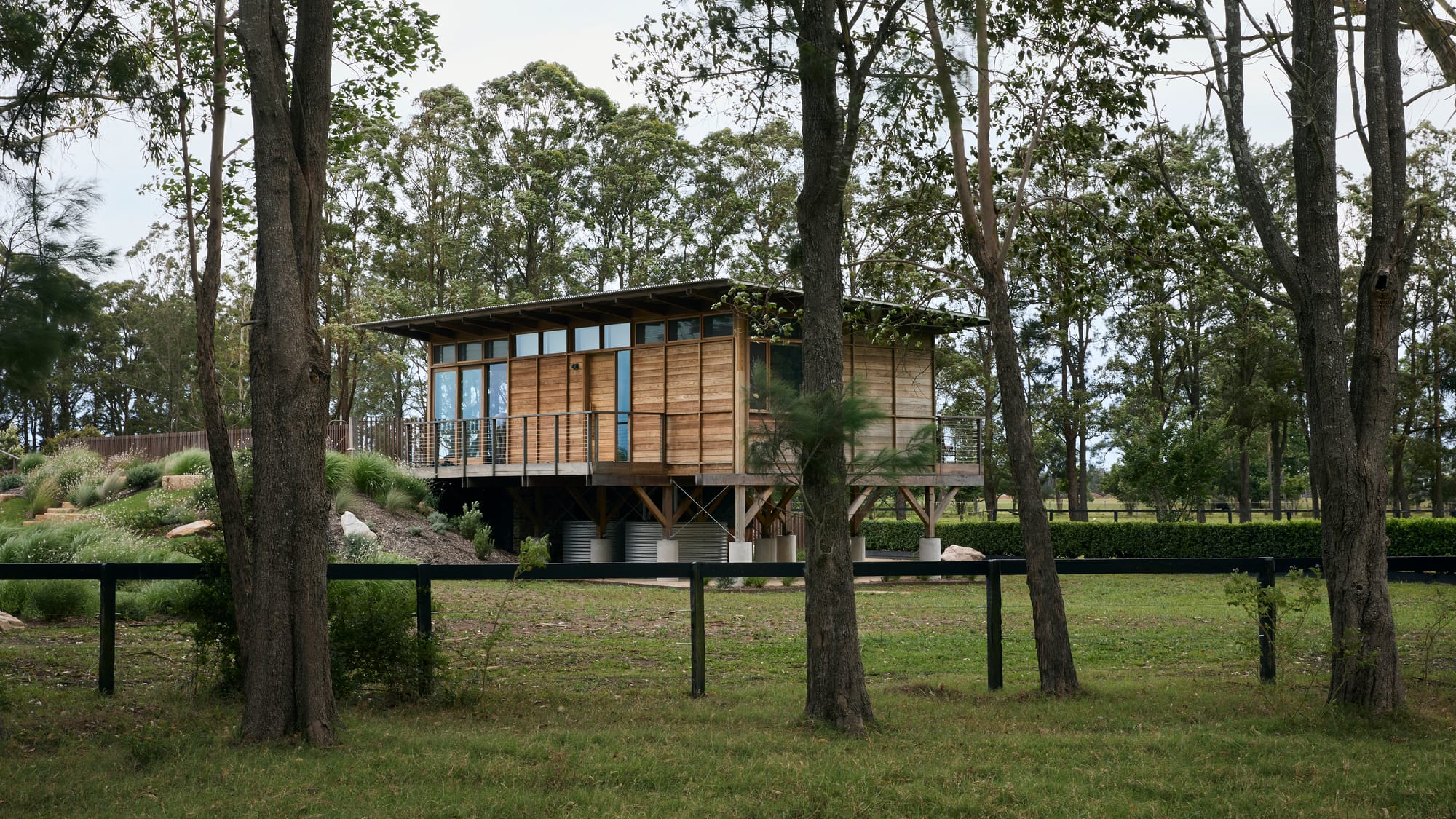
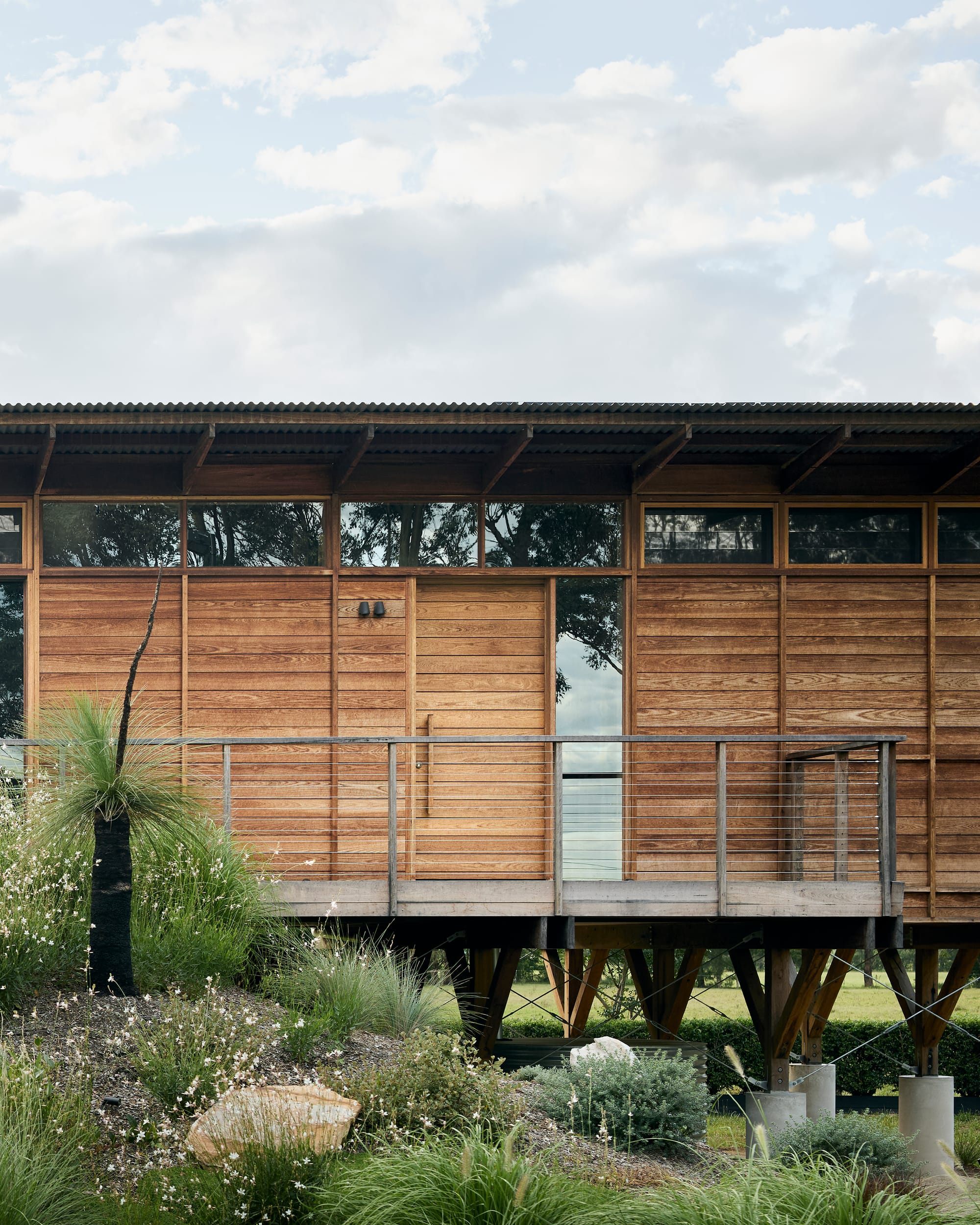
We're drawn to natural, tactile materials, and we're always looking for ways to deploy them in unexpected contexts: a material associated with the exterior finding its way inside, or a traditional building element reinterpreted through a contemporary lens. We think carefully about how our buildings relate to their surrounding landscape, and we work hard to keep that relationship reciprocal rather than imposing.
Equally important to us is the human side of the process. Every project begins with a thorough effort to understand who our clients are, how they live, what they value, and what their home means to them. That understanding shapes every design decision we make, and it extends well beyond the design itself. We take the same care and diligence into how we manage the construction process, keeping our clients informed, supported, and confident at every stage.
Our work is an expression of their lives, not just our ideas, and we take that responsibility seriously from the first conversation to the final handover.
What's one thing about the design process that most homeowners are surprised by?
Most clients come to us expecting to be handed a design. What surprises them, and what we hear about most often afterwards, is how much choice they have throughout the process.
We don't work by presenting a single resolved vision and asking clients to sign off on it. Instead, we open up the conversation: we explore options together, we explain the reasoning behind different directions, and we make sure our clients feel genuinely empowered rather than passively consulted.
Architecture can feel intimidating from the outside, and there's a perception that engaging an architect means handing the reins over entirely. We push back against that. The best outcomes we've achieved have come from a genuine back-and-forth, where the client's insights about their own life and habits shape the design in ways we couldn't have anticipated on our own.
How do you balance what a client wants with what you know will work better?
People engage us because they want our expertise and experience brought to bear on their project, so we don't shy away from offering a considered professional opinion when we have one.
But we also understand that an opinion alone is not as powerful as demonstrating an idea. When we believe a different approach will serve a client better, we show them why. We model it, we draw it, and we walk them through real-world examples of how it performs over time or works spatially.
Once clients can see and understand the full picture of what they're asking for, the path forward usually becomes clear to everyone.
Ultimately, we're always working in the same direction as our client. We love finding ways to inject their personality and lifestyle into a project, and when we suggest an alternative on something, it's because we can see a better way to get them where they want to be.
What's a material, detail, or design approach you're particularly drawn to right now?
We're finding ourselves returning more and more to traditional styles of architecture, not to replicate them, but to revive their purpose.
Traditional builders and designers solved problems of climate, light, and habitation with remarkable ingenuity, and many of those solutions remain as relevant today as they ever were. There's a quiet intelligence in a deep verandah, a breezeway, or a thickened wall.
What excites us is finding ways to utilise that wisdom within a contemporary architectural language, so the result feels modern rather than nostalgic.
What's also changed our thinking is the emergence of new fabrication technologies that are making once cost-prohibitive hand-crafted elements accessible again. Details that would have been ruled out on cost grounds 10 years ago are back within reach, and we're enthusiastic about reintroducing that kind of richness and resolution into an everyday residential context.
What advice would you give someone just starting to think about renovating or building?
Finding a design partner who gives you realistic budget expectations from the outset makes an enormous difference.
We often have clients come to us after being disappointed by previous architects who designed to their brief but not to their budget. Have some honest conversations early about what your must-haves are and what your nice-to-haves are, and work together with your architect to plan accordingly.
The same care applies to choosing who you work with. Take your time choosing your architect. Look at their built work, read what they write about it, and ask yourself if their values feel aligned with yours.
The design and construction process is long, and often demanding, and the relationship you have with your architect matters enormously. When the fit is right, the whole experience, not just the outcome, is something to be proud of
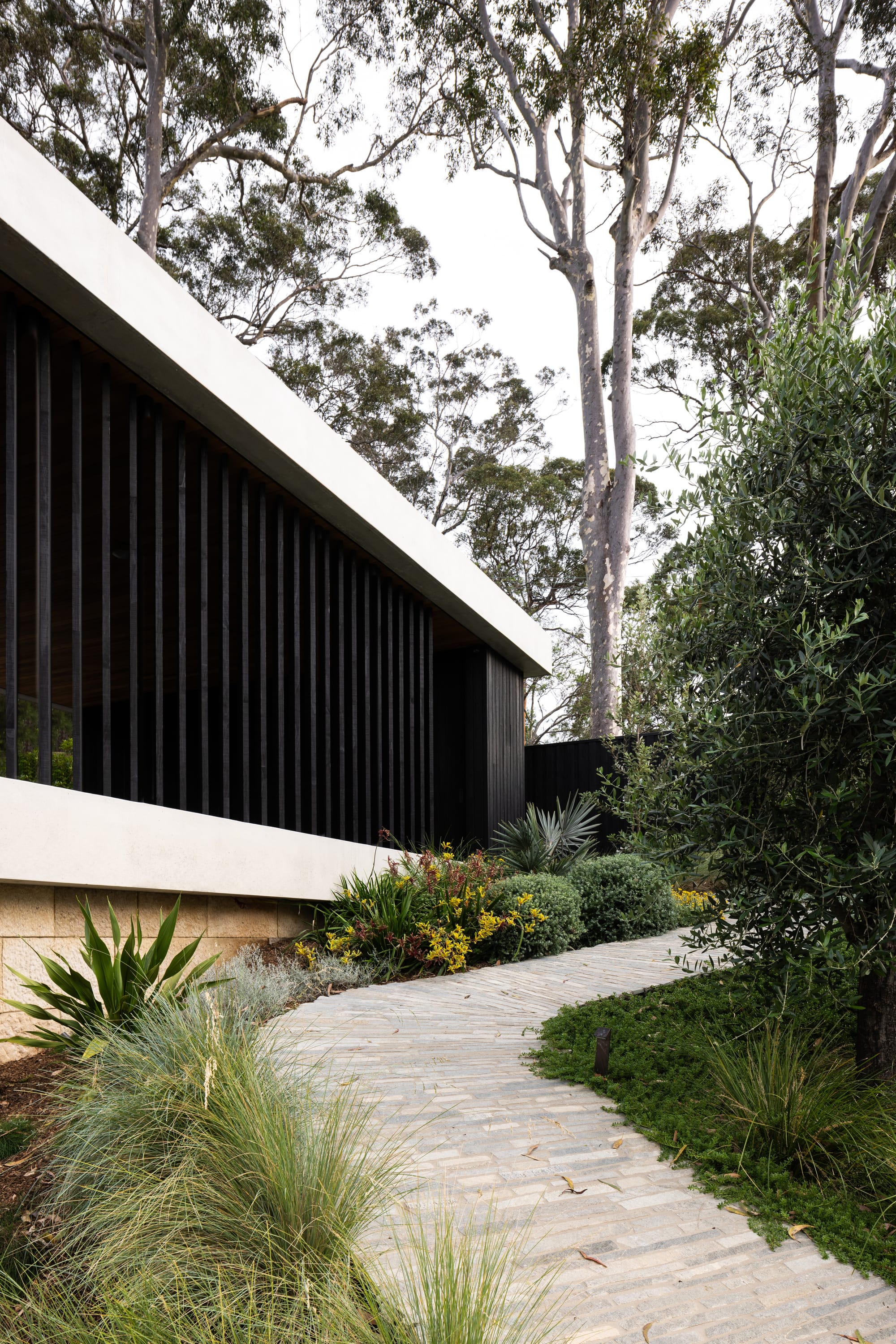
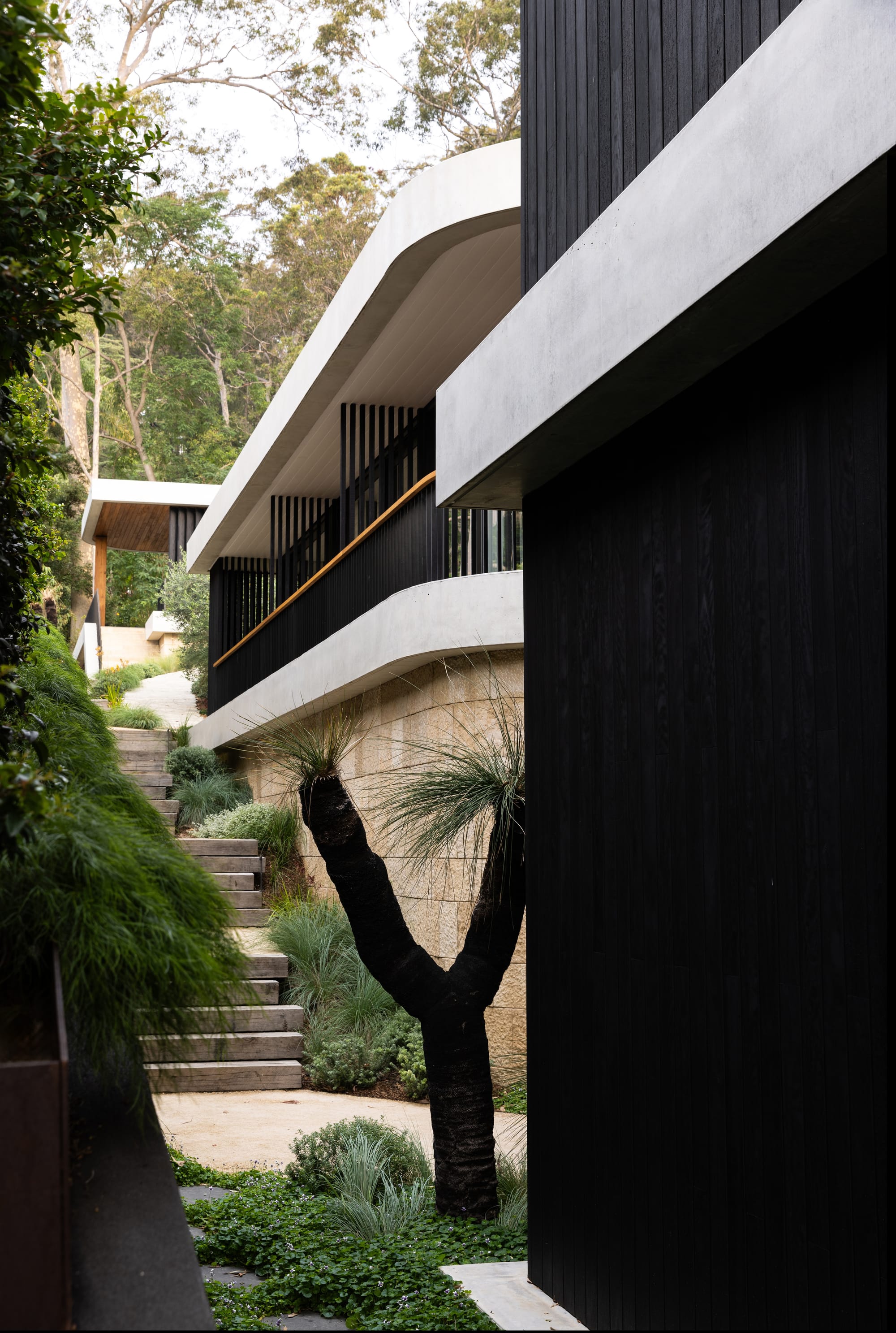
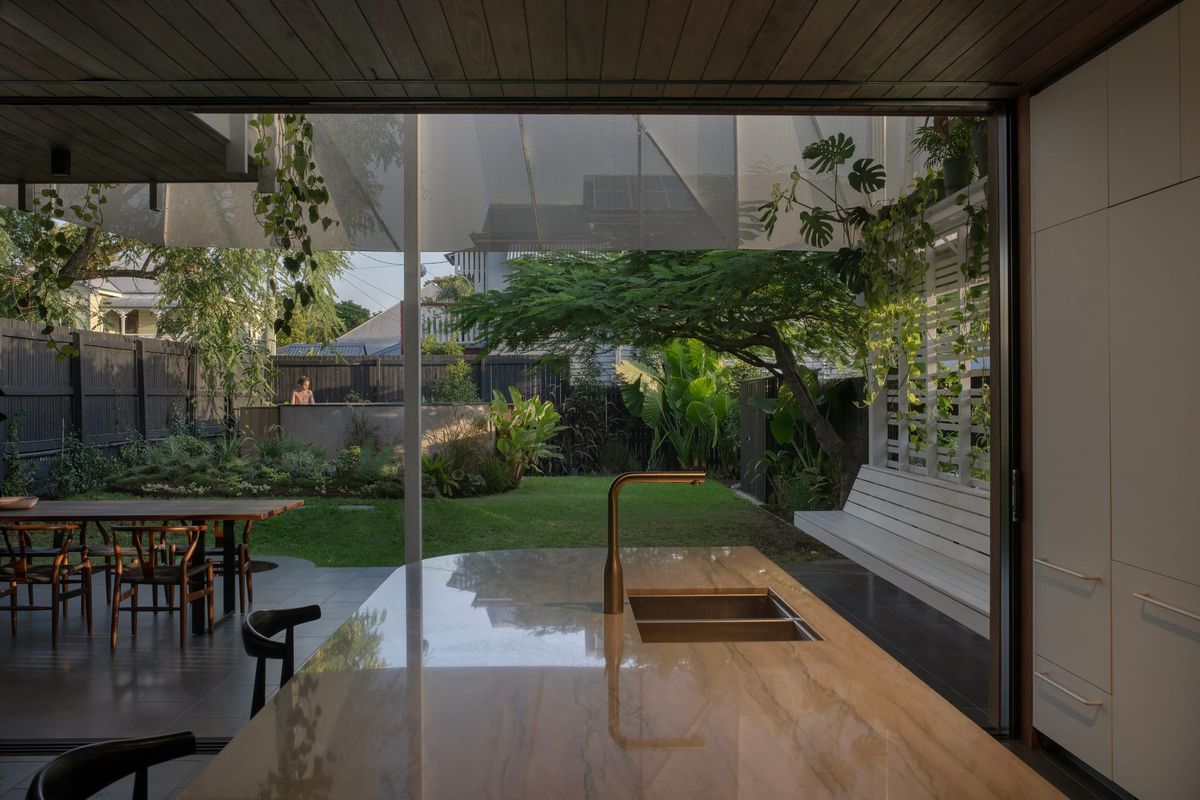
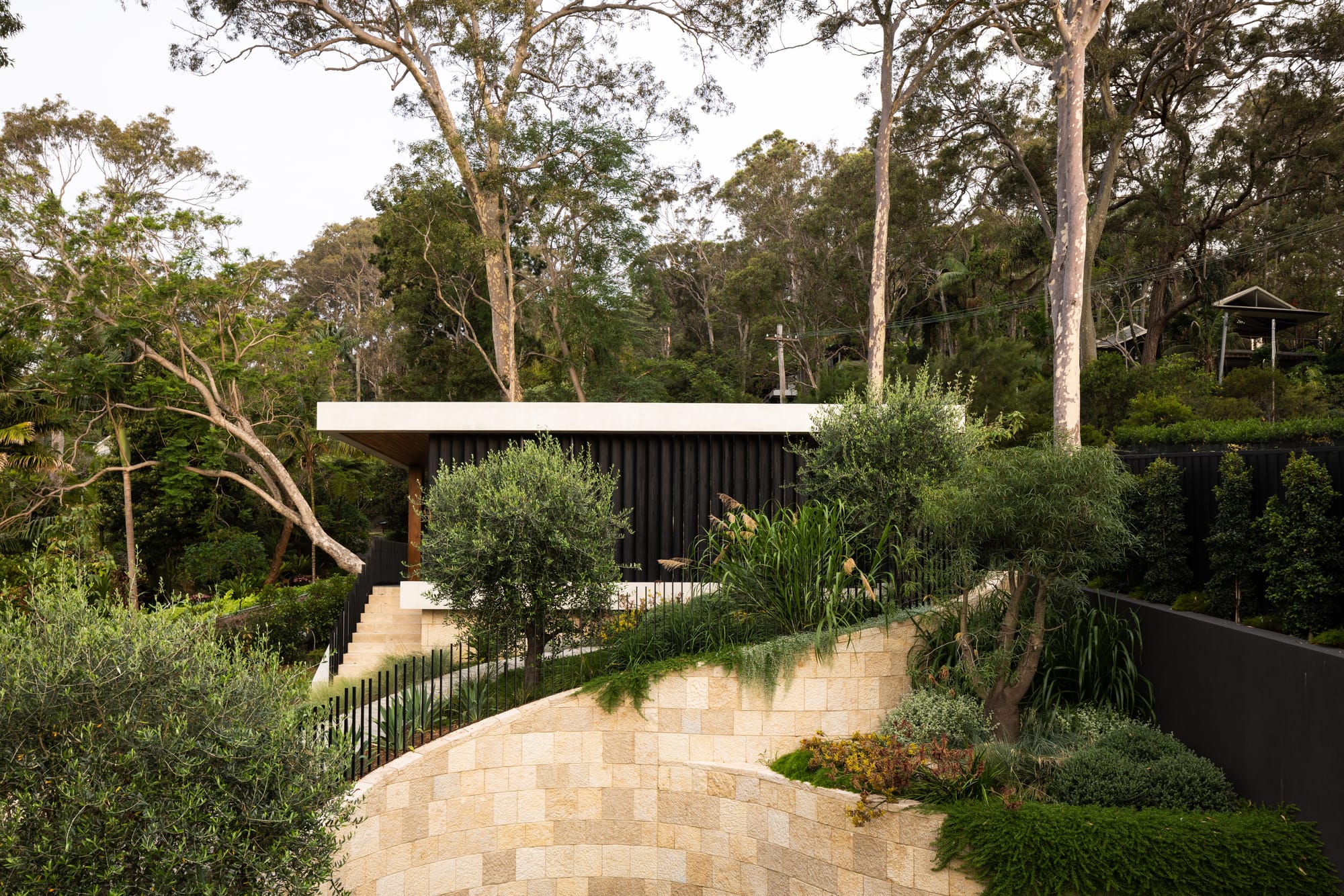
Ripple House by Marker Architecture. Photography by Simon Whitbread.