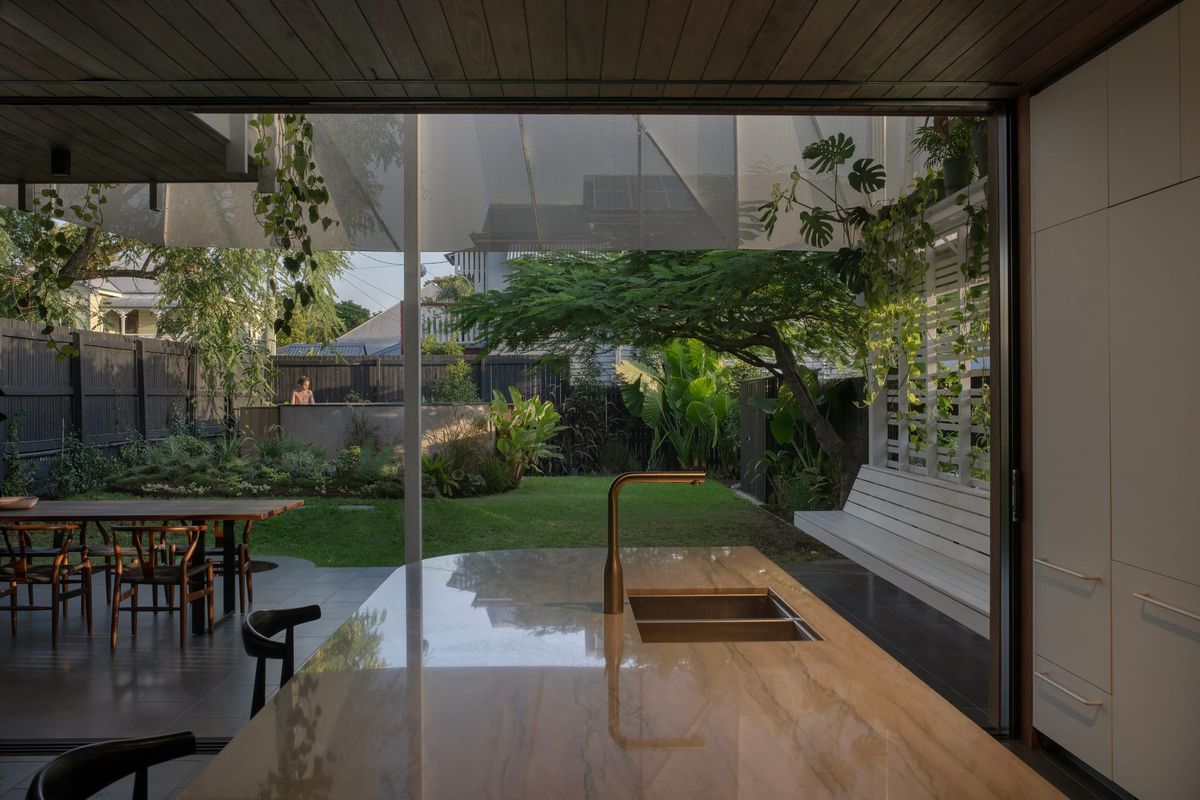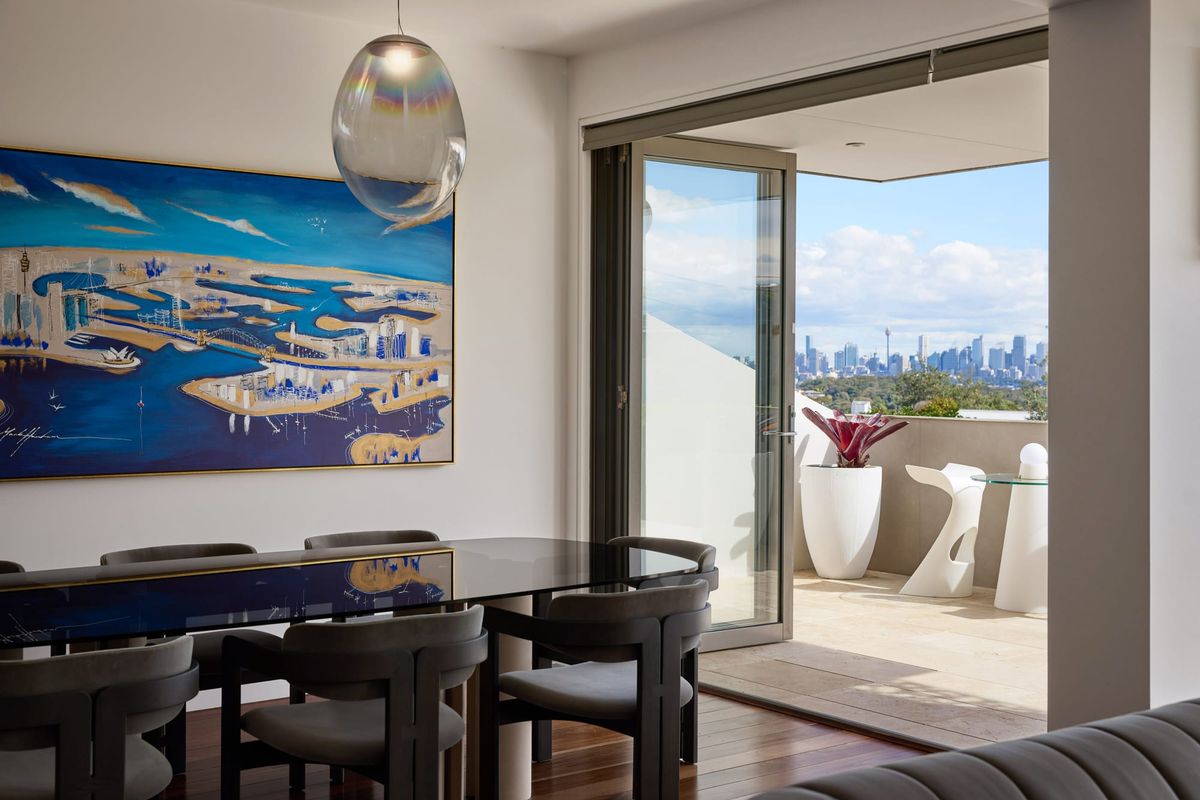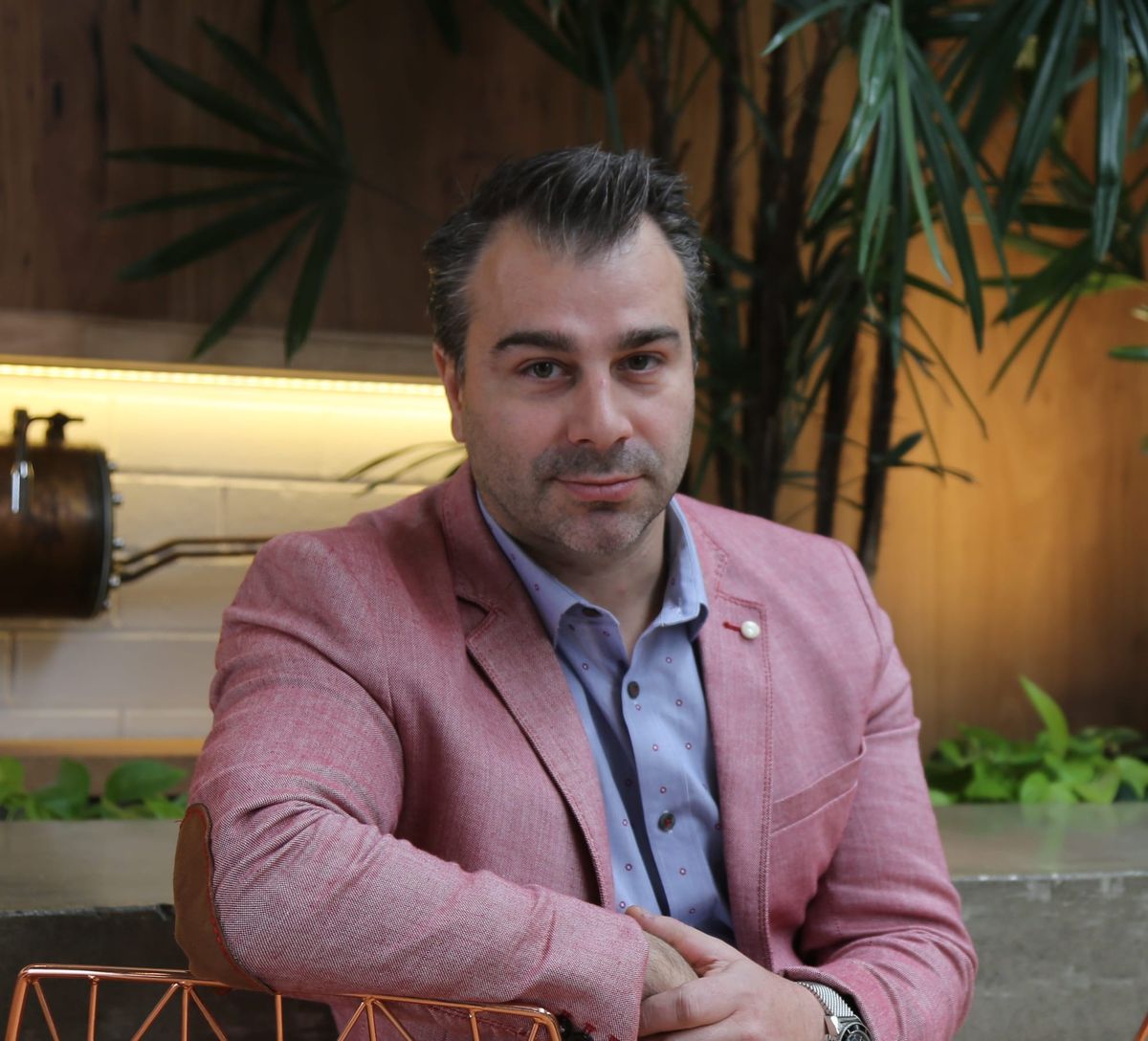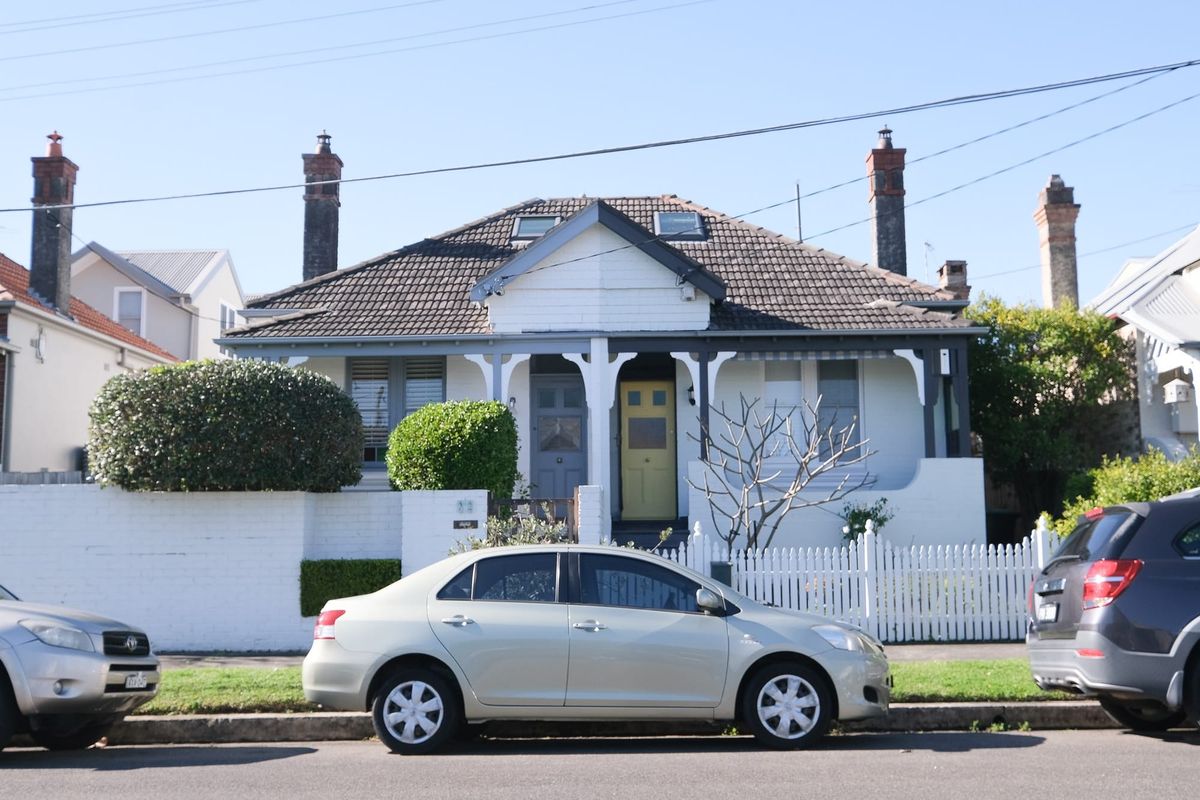
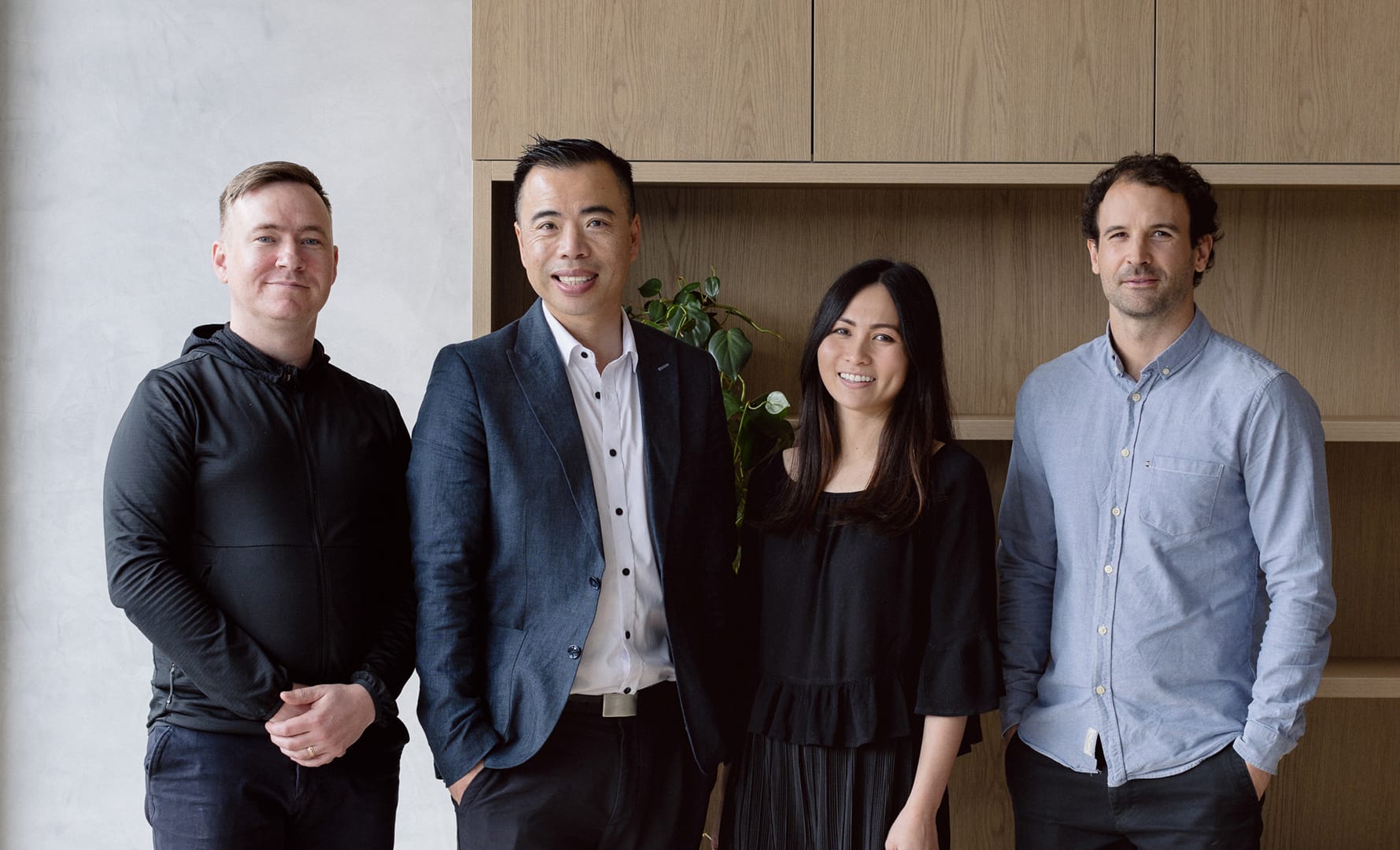
In this instalment of our Behind the Design series, we speak with Chan Architecture, a practice shaped by a thoughtful and human-centred approach to residential design. Their work is grounded in understanding how people live, with a focus on light, materiality, and creating homes that feel both intuitive and enduring.
What made you start your practice, and what drives the work you do today?
Before establishing my own practice, I worked within larger firms where I gained valuable experience but I increasingly felt drawn to a more personal, human,centred approach to design. Residential architecture, at its best, has a profound impact on how people live day to day, and I wanted to engage with that more directly.
Starting my own practice allowed me to focus on more thoughtful, tailored outcomes rather than one-size-0fits-all solutions. What continues to drive me is the opportunity to meaningfully improve people’s lives, creating homes that not only function well, but feel deeply aligned with the individuals who inhabit them.
How do you help a client figure out what they actually need versus what they think they want?
We place a strong emphasis on the briefing process, which goes beyond a checklist of rooms or spaces. Instead, we take the time to understand how our clients live , their routines, habits, aspirations, and even the small rituals that define their day.
Often, what a client initially asks for is a starting point rather than the answer itself. By unpacking their lifestyle and priorities, we’re able to reinterpret those ideas into something more meaningful and refined. This process often reveals opportunities they hadn’t considered, resulting in a home that feels intuitive, personal, and genuinely supportive of how they live.
What's a small design decision that tends to make a big difference in how a home feels to live in?
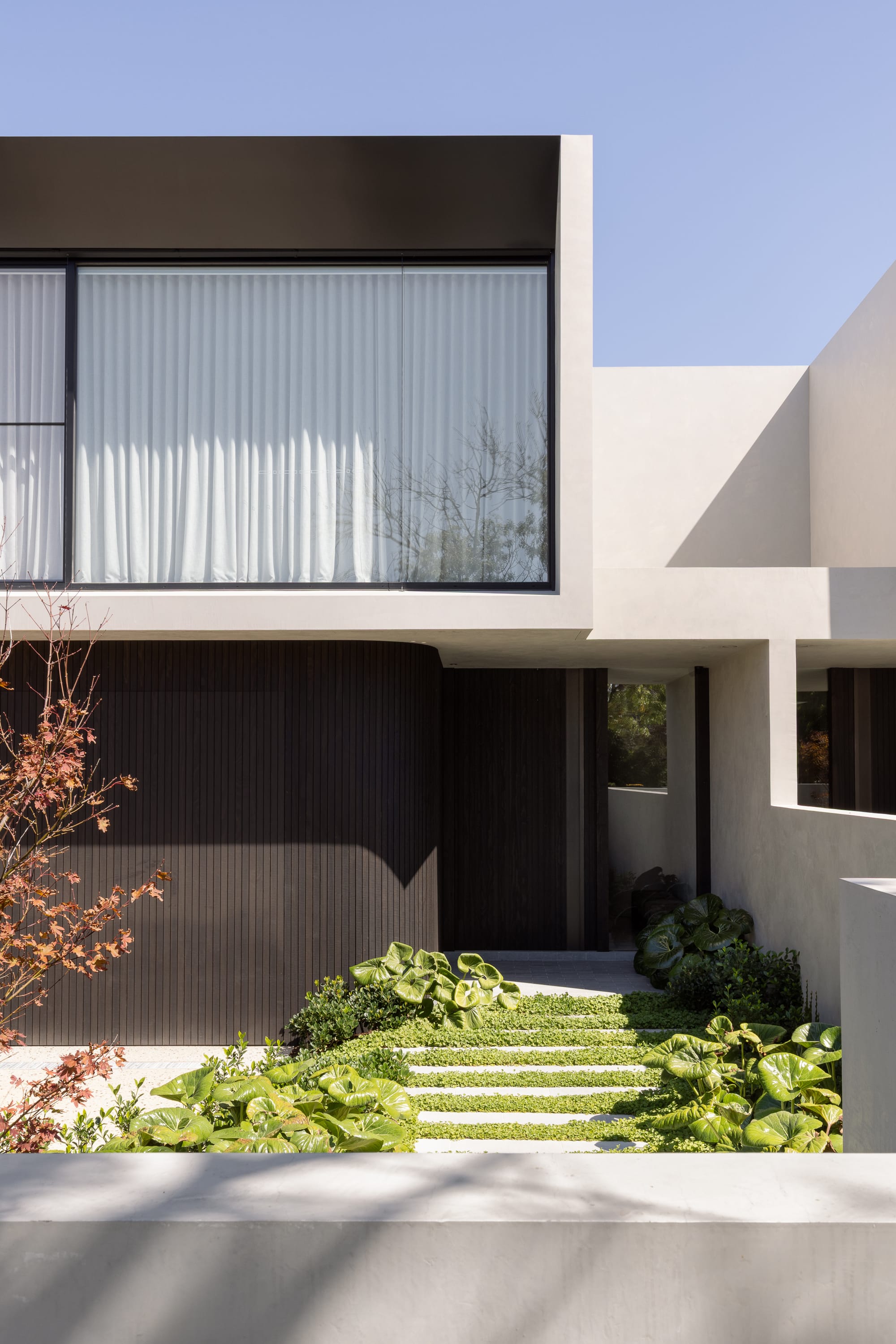
The way natural light is considered and controlled within a home can have an enormous impact on how it feels to inhabit. It’s not simply about maximising light, but about curating its quality, direction, and intensity depending on the function of each space.
Living areas might benefit from abundant, open light, while more private spaces can feel intimate and more calming with softer, filtered light. Thoughtful placement of openings, materials, and shading devices allows light to shape atmosphere, creating moments of contrast, warmth, and intimacy that elevate the everyday experience of the home.
What does a typical project timeline look like from first conversation to moving in?
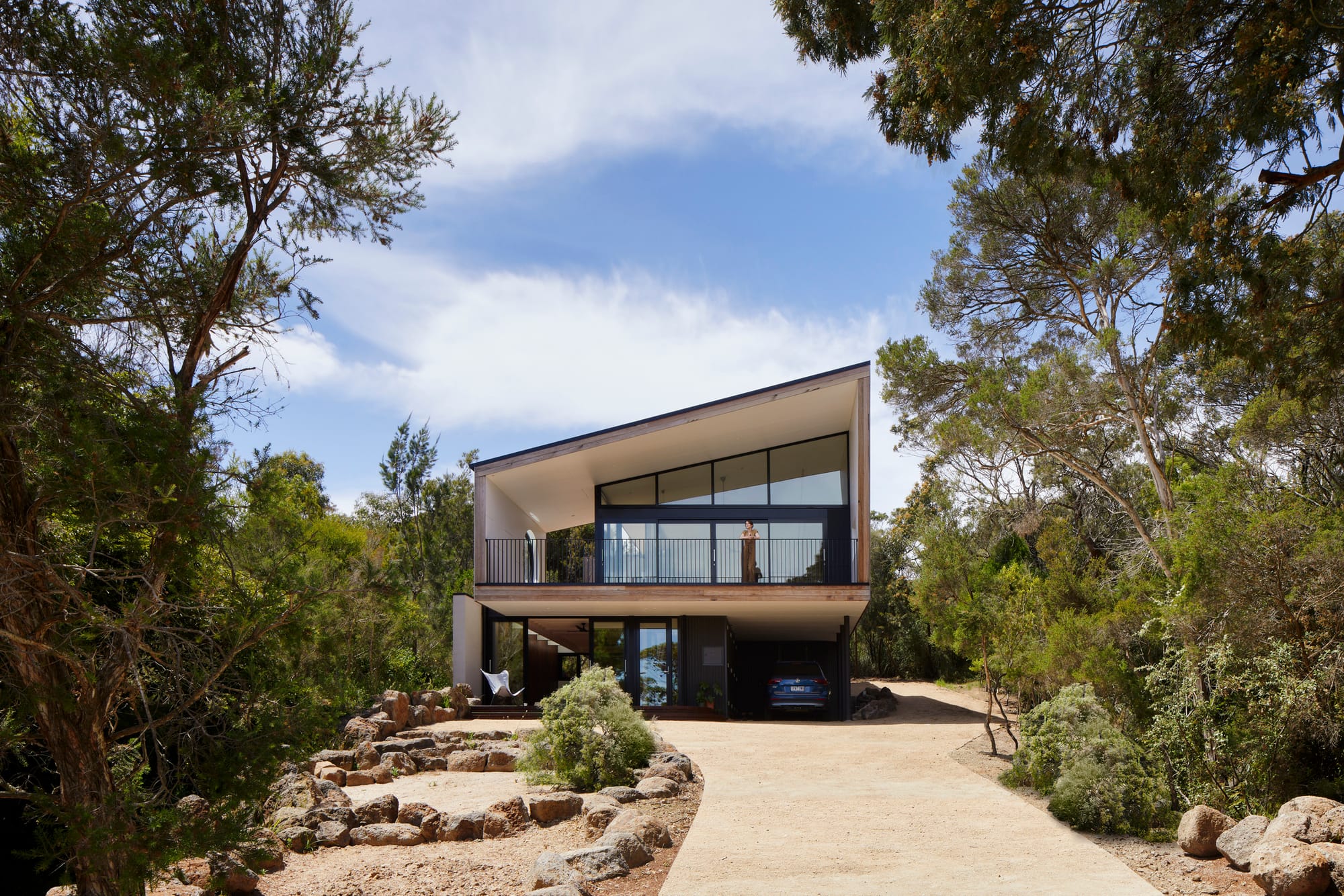
A typical residential project , from initial consultation through to completion , generally spans around two years. This includes the concept and design phases, any required planning approvals, detailed documentation, and the construction process itself.
Where a planning permit is not required, the overall timeline can often be reduced by approximately six months. While this may seem like a significant duration, each stage plays a critical role in ensuring a considered, well,resolved outcome. Taking the time to properly develop and document the design ultimately leads to a smoother construction process and a more refined final result.
What's something you've learned from a past project that changed how you approach work now?
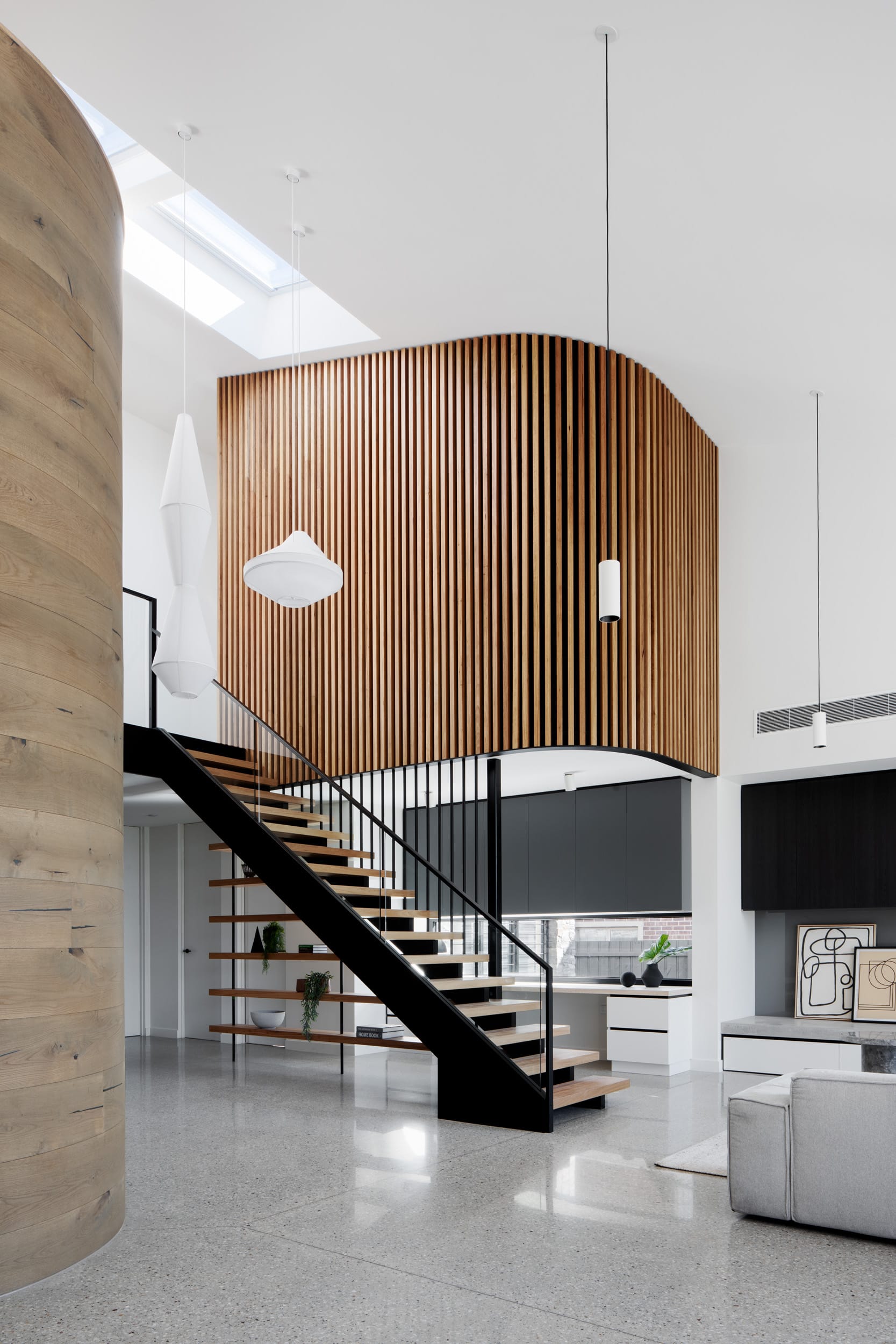
Collaborating with talented interior designers in the past has influenced how we approach our work. It reinforced the idea that interiors should be as considered and expressive as the architecture itself.
Through these collaborations, we’ve embraced a more playful and exploratory approach to materials, finishes, lighting, and detailing, moving beyond conventional selections to create spaces with greater depth and personality. This has since become embedded in our own process, allowing us to deliver more cohesive and richly layered environments where architecture and interior design work seamlessly together.
Head over to the Chan Architecture CO-architecture profile, where you can explore other projects such as LOLA Essendon, and learn about the studio's principles.