Most homeowners underestimate what a second storey addition actually costs. The builder's quote is only part of the story. Structural engineering, temporary accommodation, a new staircase, asbestos removal, and ground floor make-good can add tens of thousands to a project before you have even chosen your finishes.
This guide gives you a clear, current picture of the real numbers, what drives them up or down, and what to ask before you commit to anything.
Typical total cost
$250k – $600k+
Metropolitan Australia, 2026
Cost per m²
$3,500 – $6,000
Full second storey
Build time
4 – 8 months
Construction only
The short answer: what does a second storey addition cost in 2026?
For most Australian homeowners, a second storey addition will cost somewhere between $250,000 and $600,000 depending on size, location, materials, and the condition of the existing structure. These estimates are informed by current residential construction and renovation activity data published by the Housing Industry Association (HIA) and broader industry cost benchmarks. On a per square metre basis, expect to pay between $3,500 and $6,000 per m² for a full second storey. Partial additions typically fall at the lower end of that range if the footprint is modest, but can still reach the upper end once structural remediation and finishing work are factored in.
These figures include design, documentation, structural engineering, demolition of the existing roof, construction of the new floor plate and structure, a new roof, internal fit-out, and connection of services. They do not include landscaping, furniture, or significant ground floor renovations that are often triggered by the disruption of building upward.
To understand the full picture of renovation costs in Australia, read our renovation cost guide, which sets second storey additions within the broader context of what homeowners are spending across all project types.
What a second storey addition actually involves
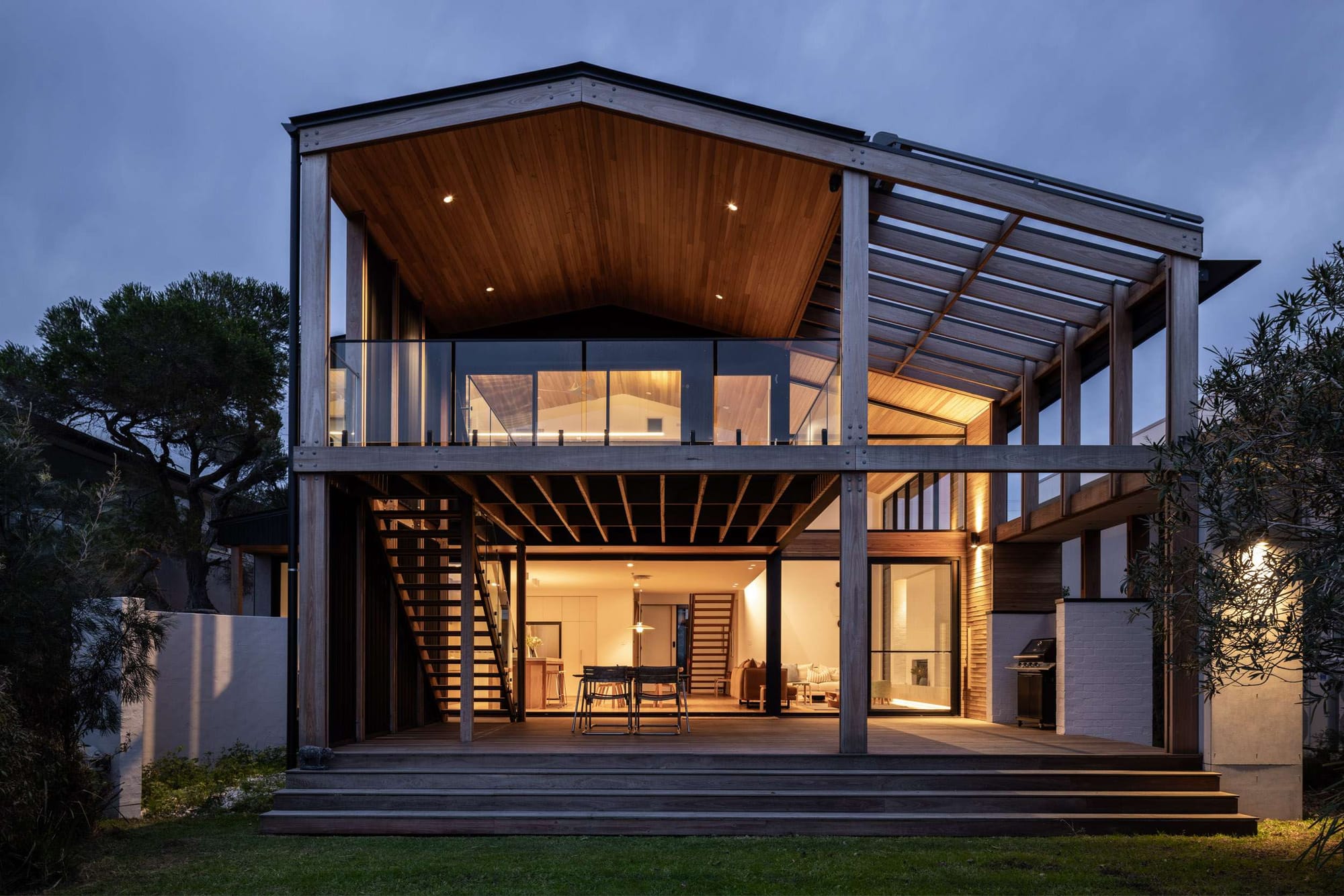
Many homeowners underestimate how invasive a second storey addition is. Unlike adding a room at the back of the house, a second storey addition touches the entire home. Understanding the stages helps you appreciate why the costs are what they are.
Structural engineering and assessment
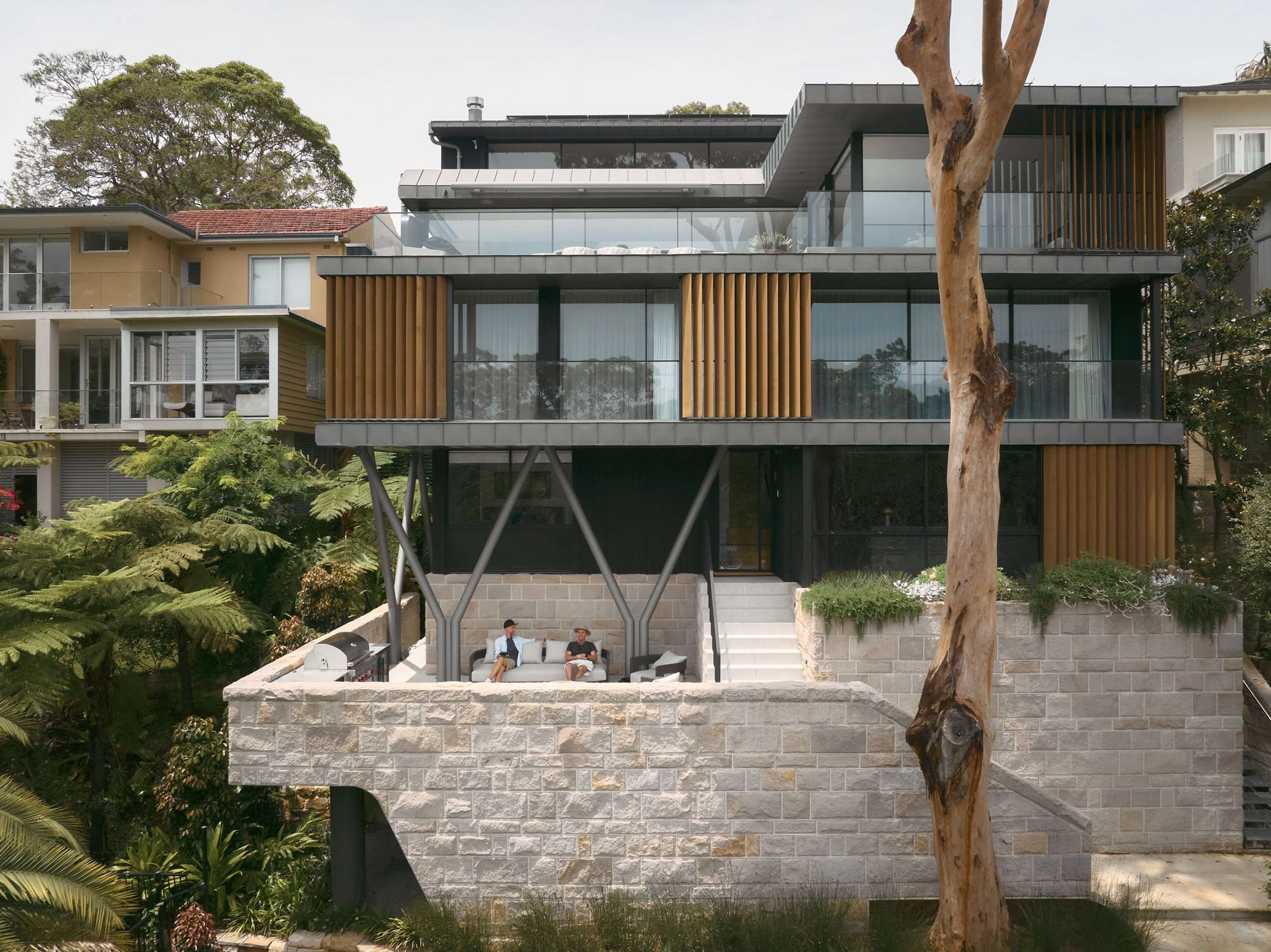
Before a single piece of timber is removed, a structural engineer must assess whether your existing foundations and walls can support the load of a second storey. Most homes built in Australia before the 1980s were designed as single-storey structures. Adding a second storey can require significant reinforcement of footings, walls, and load-bearing elements. Structural engineer fees typically run between $2,000 and $8,000 for the assessment and certification stage alone.
Roof removal and temporary weatherproofing
Your existing roof must come off entirely. Builders typically install a temporary weather barrier, but this adds time and cost, and it is a stressful period for any family that chooses to remain in the home during construction. Most families cannot and do not stay in the home during this phase.
Temporary accommodation
If you need to rent elsewhere during construction, expect to budget between $2,000 and $6,000 per month depending on your location and family size. A second storey addition typically takes between four and eight months from the start of construction to practical completion. This cost is real, significant, and rarely included in the builder's quote.
The new floor structure
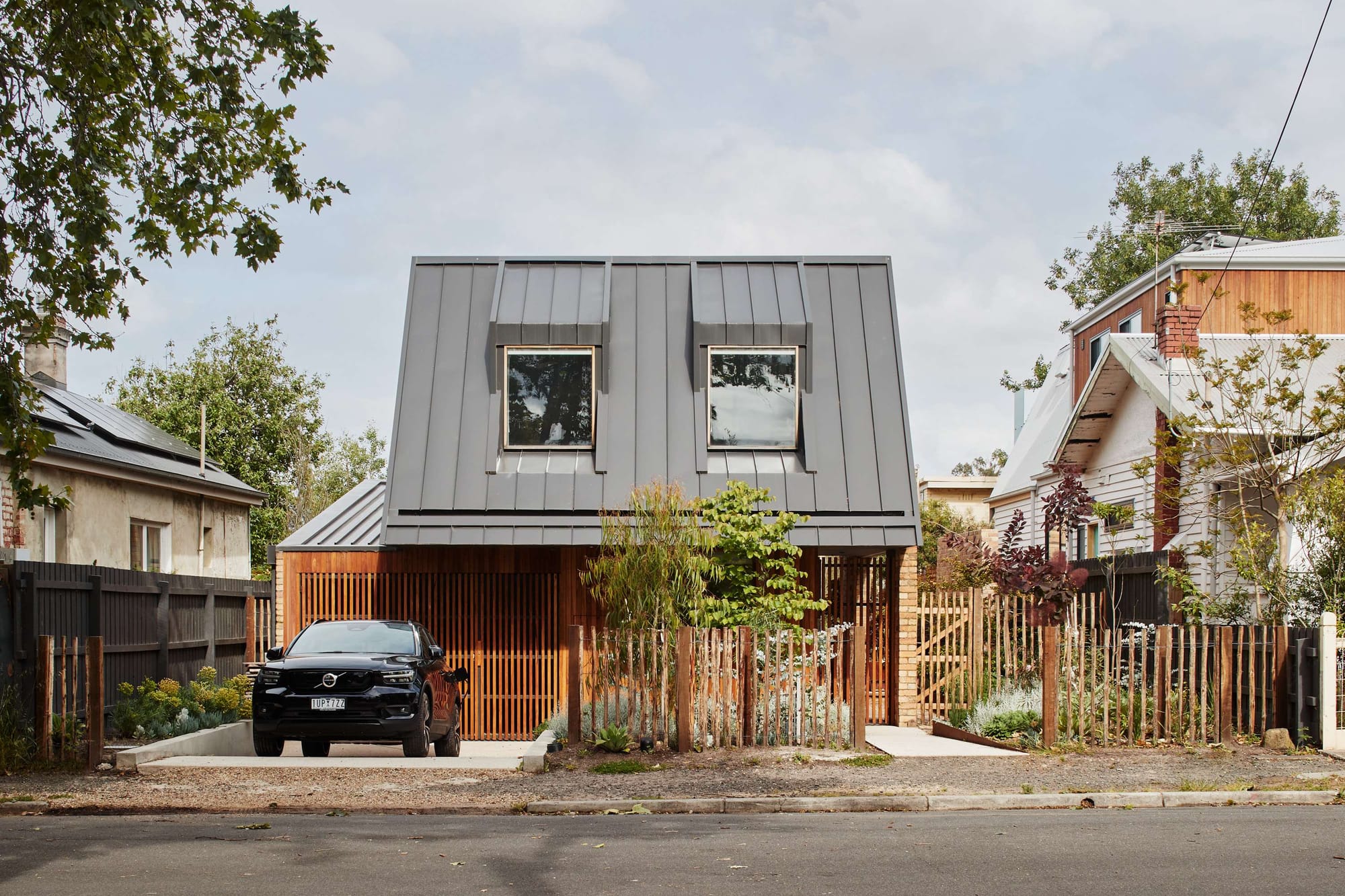
The builder will construct a new floor plate over your existing ground floor. This involves engineered floor joists, structural steel in some configurations, and substantial work to tie the new structure into the existing walls below. This stage is one of the primary drivers of cost variability between quotes.
Staircase
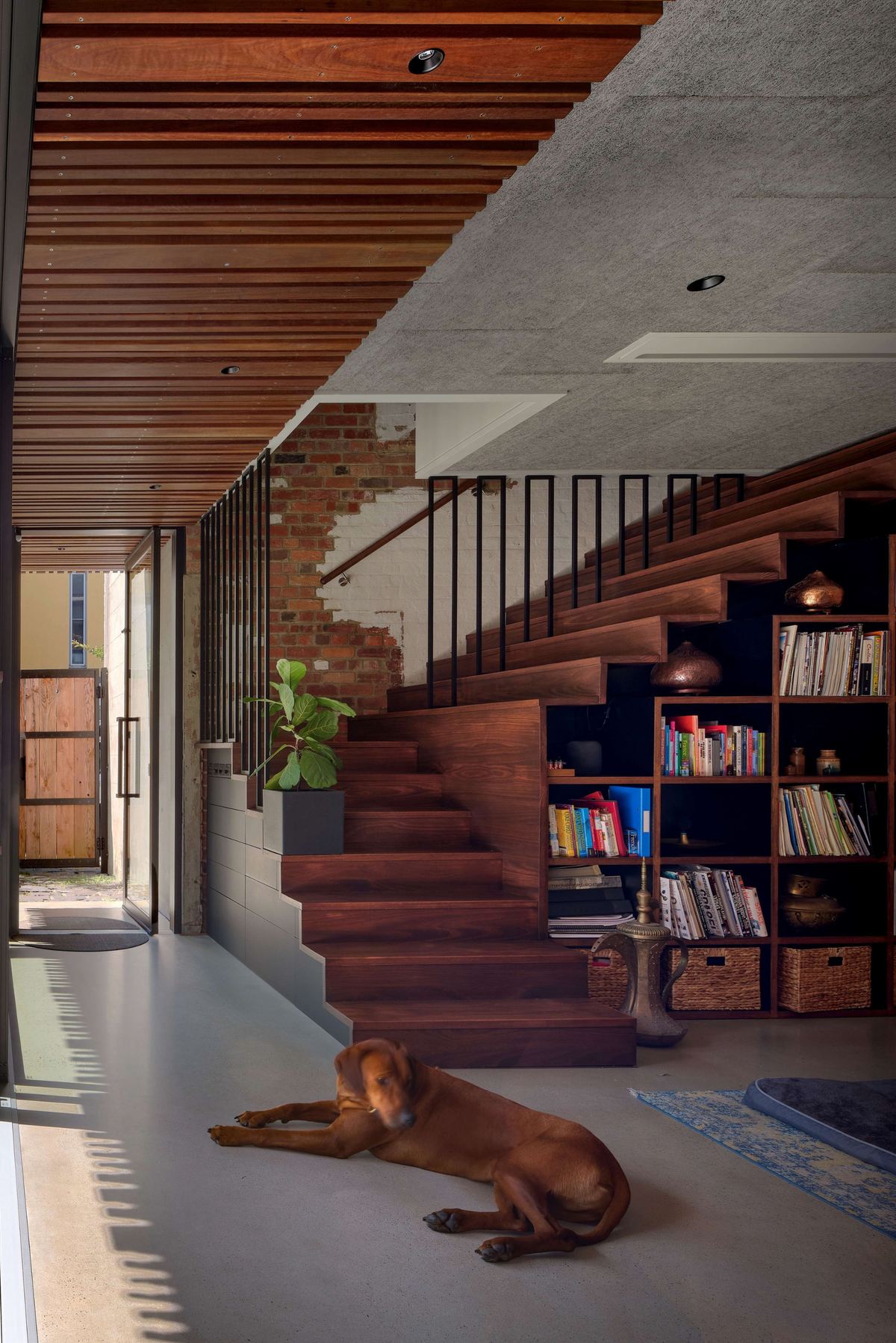
A second storey addition requires a new internal staircase, taking up four to six square metres of ground floor space. Staircase costs range from $15,000 to $30,000 depending on whether you choose a simple straight flight or a feature staircase with glass panels, steel stringers, or hardwood treads.
Services extension
Every service in your home needs to extend upward: electrical wiring, lighting circuits, plumbing, HVAC, and data cabling. Services often represent fifteen to twenty percent of total construction costs and are frequently the area where scope creep is most common.
New roof
Once the second storey walls are in place, a completely new roof is constructed. Roofing on a second storey addition typically costs between $30,000 and $80,000 depending on pitch, material, and complexity.
State-by-state cost comparison
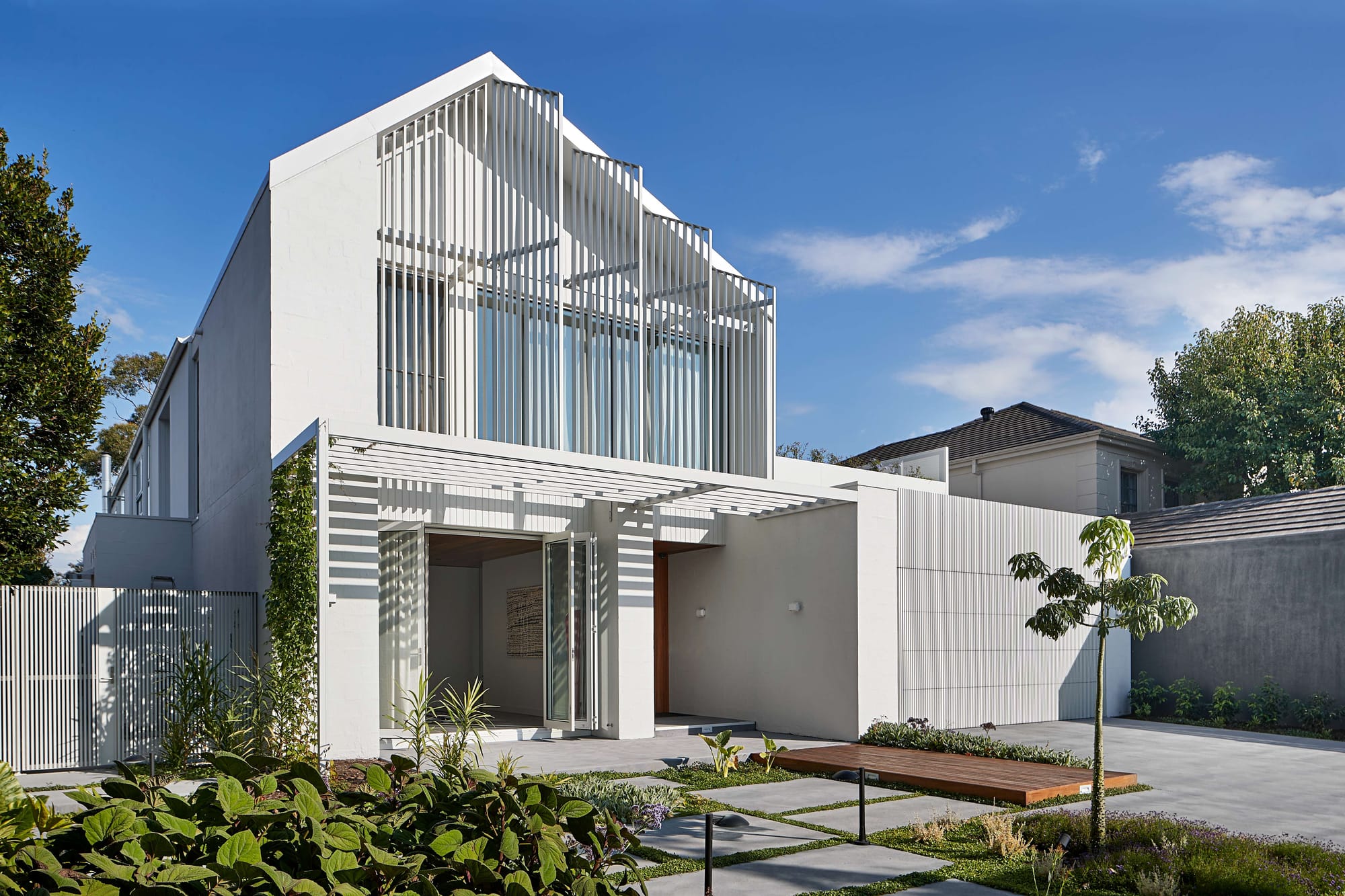
Construction costs vary meaningfully across Australian states and territories, driven by labour market conditions, council processing times, and local regulatory requirements. The following reflects typical cost ranges for a 100m² second storey addition in each jurisdiction as at 2026.
| State / Territory | Cost per m² | Council approval |
|---|---|---|
| New South Wales | $3,800 – $5,800 | 3 – 9 months |
| Victoria | $3,600 – $5,400 | 3 – 8 months |
| Queensland | $3,300 – $5,000 | 3 – 7 months |
| Western Australia | $3,200 – $4,900 | 2 – 6 months |
| South Australia | $2,900 – $4,500 | 2 – 6 months |
| ACT | $3,700 – $5,600 | 4 – 10 months |
| Tasmania | $2,800 – $4,200 | 2 – 5 months |
| Northern Territory | $3,100 – $4,800 | 2 – 6 months |
Sydney and Melbourne consistently sit at the upper end of their state ranges due to subcontractor demand and land value pressures. The HIA Building Activity Report 2025 notes that residential alteration and addition activity has remained elevated across the eastern seaboard, sustaining upward pressure on trades pricing into the second half of the decade.
Second storey addition vs ground floor extension
This is the question we are asked most often. The honest answer is that it depends on your site, your goals, and your budget. Here is how the two options compare across the factors that matter most.
| Factor | Second storey addition | Ground floor extension |
|---|---|---|
| Cost per m² | $3,500 – $6,000 | $2,500 – $4,500 |
| Disruption during construction | High – must vacate home | Lower – can often stay |
| Garden / outdoor space preserved | Yes | Reduced |
| Structural complexity | High – engages entire existing structure | Lower – new footings only |
| Suitable for small blocks (300–500m²) | Yes – builds up, not out | Limited by setbacks |
| Council approval required | Yes – DA or CDC pathway | Yes – DA or CDC pathway |
| Property value uplift | Strong in established suburbs | Moderate |
| Typical construction time | 4 – 8 months | 3 – 6 months |
Building up preserves your garden, your outdoor living area, and your daylight access to the ground floor. In established metropolitan suburbs, increasing a home's floor area and accommodation can also improve its appeal relative to comparable properties, particularly where larger homes command a premium. Property market analysis consistently identifies dwelling size, bedroom count, and overall functionality as key drivers of residential value.
For a broader comparison of extension types and their typical costs, see our extension cost guide, which covers ground floor rear extensions, side extensions, and full second storey additions.
The hidden costs nobody tells you about
The following costs are consistently underestimated or overlooked entirely in early budget planning.
Structural engineering
$2,000 – $8,000
Assessment and certification; more for older or complex homes
Staircase
$15,000 – $30,000
Plus floor area reconfiguration on the ground floor
Asbestos removal
$2,000 – $30,000+
Mandatory on pre-1990 homes where sheeting is disturbed
Temporary accommodation
$2,000 – $6,000 / month
Typically 4 – 8 months during construction
Ground floor make-good
$20,000 – $50,000
Ceilings, floors, kitchen and bathroom changes triggered by the build
Landscaping and external works
$10,000 – $30,000
Restoring yard, driveway, and garden after construction
Council contributions and infrastructure levies can also apply, particularly in New South Wales and Victoria. These vary by council and project value and can range from a few hundred dollars to tens of thousands on higher-value projects.
Council approval and the planning process
A second storey addition requires council approval in every Australian state and territory. In most cases this means lodging a Development Application (DA) assessed against local planning controls including height limits, setbacks, overshadowing rules, and in some areas, heritage controls.
The planning approval process typically takes three to nine months, although timeframes vary significantly depending on the local authority, application complexity, and whether additional information is requested during assessment. Recent planning data published by state governments shows that residential development applications can range from several weeks to many months depending on jurisdiction and council workloads.
In New South Wales, Queensland, and Victoria, a second storey addition to a detached dwelling will typically require at minimum a Complying Development Certificate (CDC) or full DA pathway. Projects in heritage conservation areas face additional complexity and potentially much longer timelines.
Your architect will guide you through the specific planning requirements for your site. Early engagement with the relevant planning authority or a town planner specialising in your local council area can significantly reduce the risk of delays.
Frequently asked questions
How long does a second storey addition take from start to finish?
From engaging an architect to moving back into your completed home, most second storey additions take between twelve and twenty-four months. Design and documentation typically takes three to six months. Council or permit authority approval takes a further three to nine months depending on your state and local council. Construction runs four to eight months from the issue of a building permit or construction certificate. Projects in heritage overlay areas or on complex sites will take longer.
Do I need to vacate my home during construction?
In almost all cases, yes. Once the roof comes off and the structure is open to the weather, the home is not safe or comfortable to occupy. Dust, noise, and the presence of construction workers and machinery across your entire home make continued occupation impractical. Plan for full vacation from the start of demolition through to practical completion.
Can any home support a second storey addition?
Most homes can support a second storey addition with appropriate structural engineering and remediation, but the cost of that remediation varies enormously. Homes on concrete slab foundations generally require more significant footing work than those on pier and beam foundations. Full brick construction requires different approaches to timber frame and brick veneer. The structural engineer's assessment is the definitive answer for your specific home and should be one of the first things you commission before spending significant money on architectural design.
What is the best way to finance a second storey addition?
Most homeowners finance a second storey addition through a construction loan, a refinanced mortgage that releases equity, or a combination of redraw from an existing mortgage and personal savings. Construction loans release funds in stages as the project progresses, which suits the way builders invoice for work. As a broad guide, ensure your total borrowing including the addition does not exceed eighty percent of the projected completed value of the property. We recommend you seek qualified financial advice before committing to finance.
How do I choose a builder for a second storey addition?
Second storey additions require a builder with specific experience in structural additions, not just new construction or cosmetic renovation. Ask prospective builders for references from second storey addition clients specifically and follow up those references directly. Obtain at least three detailed quotes and satisfy yourself that each is pricing the same scope of work before comparing on price alone. The cheapest quote is often not the best value on a project of this complexity.
What happens if my neighbours object to my development application?
Neighbour objections are common on second storey additions where overshadowing and privacy impacts are genuine concerns. If objections are received during the public notification period, the council assesses them against its planning controls and the merits of the application. In most cases, well-designed additions that comply with local planning controls will be approved despite objections, though the process may take longer. If your application is refused or you disagree with conditions, each state has its own appeal mechanism. Examples include VCAT in Victoria, the Planning and Environment Court in Queensland, and SACAT in South Australia. Your architect or planner can advise on the relevant process in your state.
Can I add a second storey to a granny flat?
The answer depends on the original approval for the dwelling, local planning controls, and the structural design of the existing building. Most secondary dwellings approved under state affordable housing policies were approved as single-storey structures, and adding a storey would require a new development application or planning permit assessed against current controls. Requirements differ significantly between states, so check with your local council or a town planner familiar with your jurisdiction.