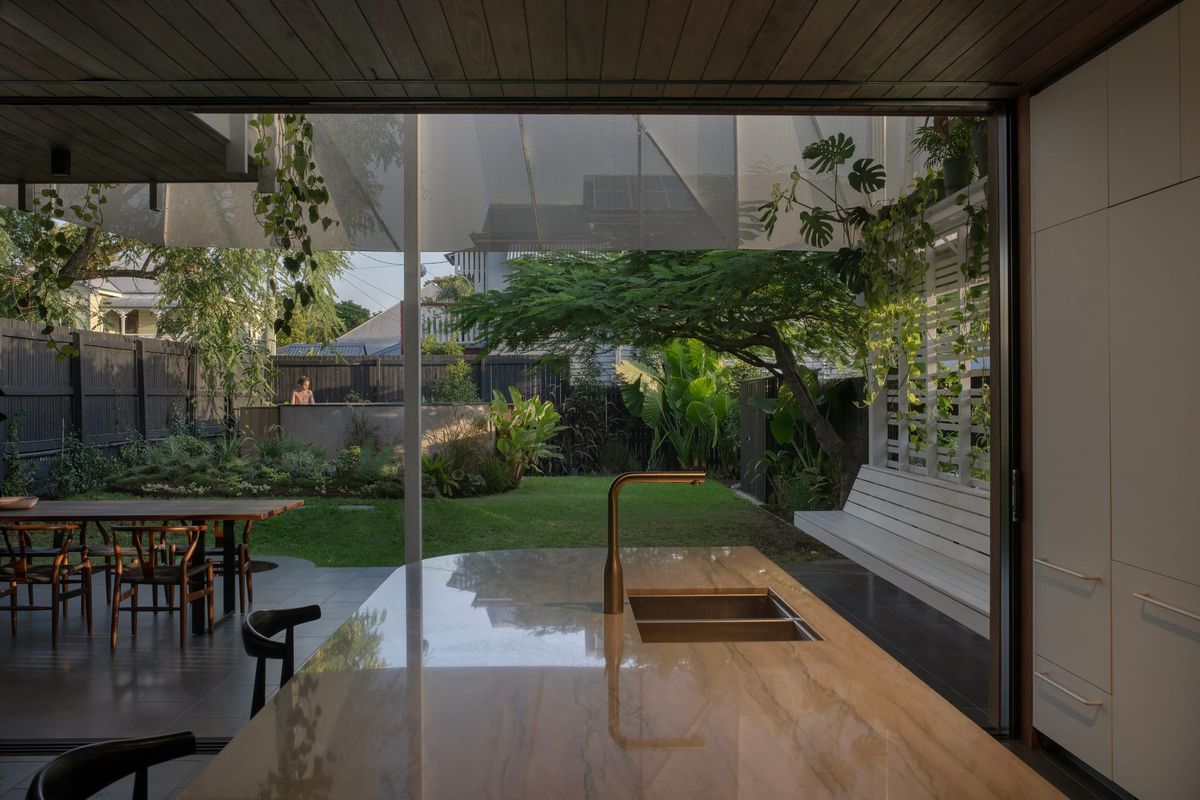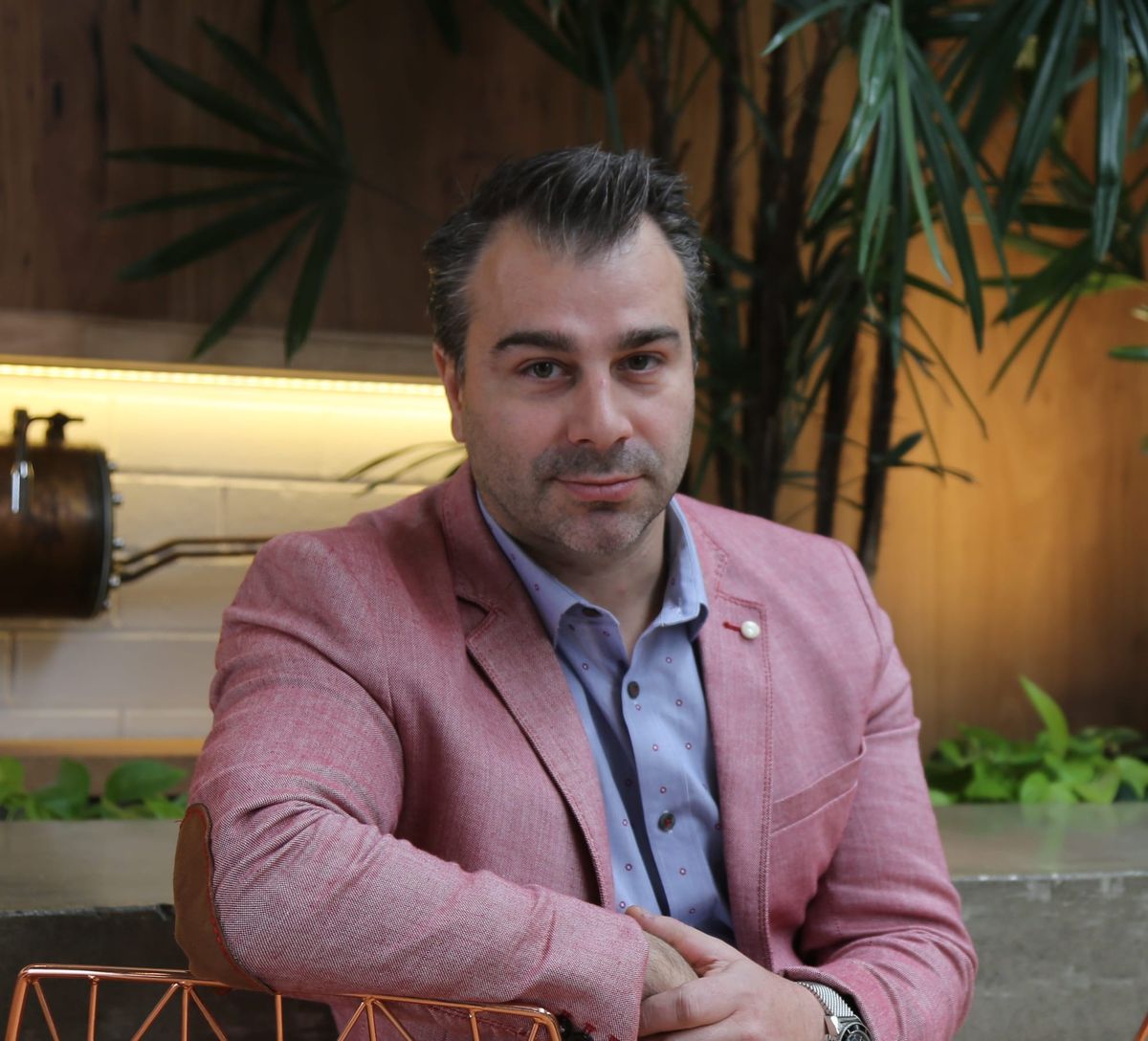
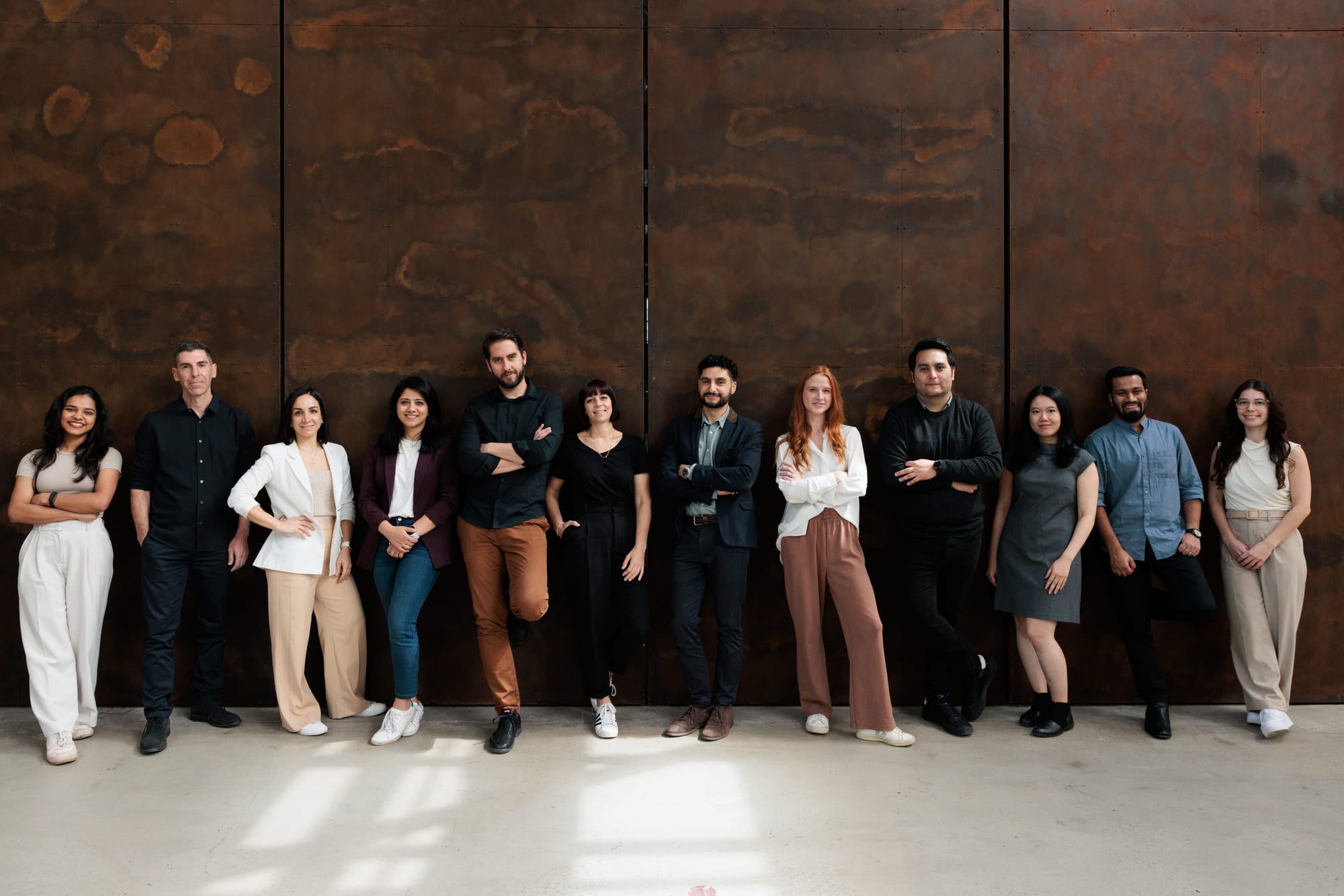
In this instalment of our Behind the Design series, we speak with BJB Architects about a practice grounded in longevity, craftsmanship, and a thoughtful response to the Australian way of living. Their work balances refinement with warmth, creating homes that feel enduring, deeply personal, and carefully attuned to context.
What does the first meeting with a new client look like at your studio?
Ideally, our first meeting happens on site rather than in the studio. It allows us to understand the context firsthand and begin a conversation about how our clients envision living in their home. This often takes some time to draw out and will evolve as we progress through the design stages.
When we do meet in the studio, we take clients through the full journey — design, approvals and delivery — using past projects to illustrate each stage and help them clearly understand what to expect.
We’re also mindful that embarking on a building project can feel overwhelming. From the outset, we aim to establish open and transparent communication. As we are a collaborative practice, introducing clients to the broader project team goes a long way in building strong relationships and is key to a successful and enjoyable process.
What’s the most common mistake you see homeowners make before engaging an architect or designer?
A common misstep is handing us a fully resolved floor plan. While it’s natural to come to us with ideas, a fixed layout can sometimes limit the design’s potential to evolve in response to site conditions — orientation, light and the surrounding context. It can also limit the ability to think in three dimensions, which is ultimately how we experience and occupy space.
We encourage clients to focus less on specific layouts and more on how they want to live: how spaces should feel, how they move through them, and what moments of light, comfort or joy they’ve valued in past homes. These insights are far more powerful starting points. And of course, functionality always remains essential.
How do you approach setting and managing a client’s budget throughout a project?
We begin by understanding our client’s budget — which is often shaped by lending capacity — and then work backwards to align the design with that framework. We benchmark against recent comparable projects as a useful starting point and always allow room for contingency.
Projects inevitably evolve through the design phase as new possibilities emerge, but we continually refer back to the project budget. Where possible, we involve builders early during the design development stage to provide feedback. It’s far more efficient to refine scope at that stage than to revisit decisions once approvals are in place and construction is imminent.
Can you tell us about a recent project you’re proud of and what made it special?
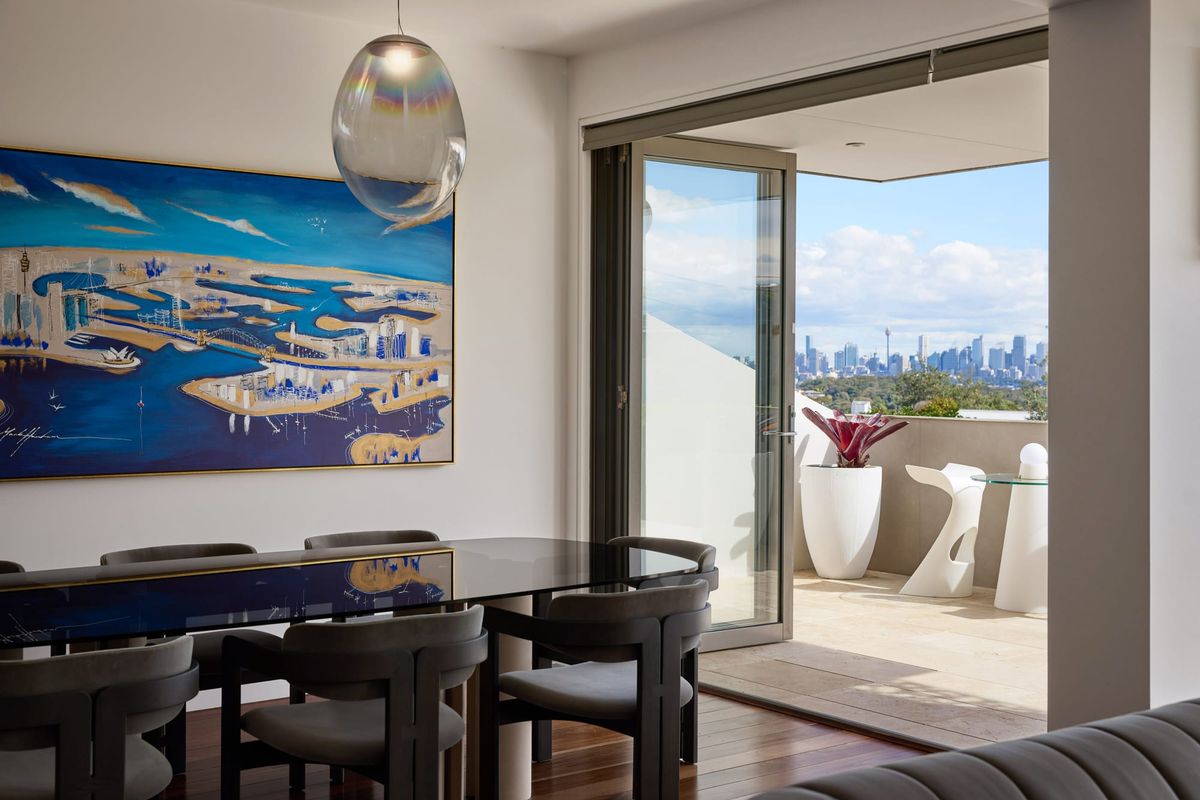
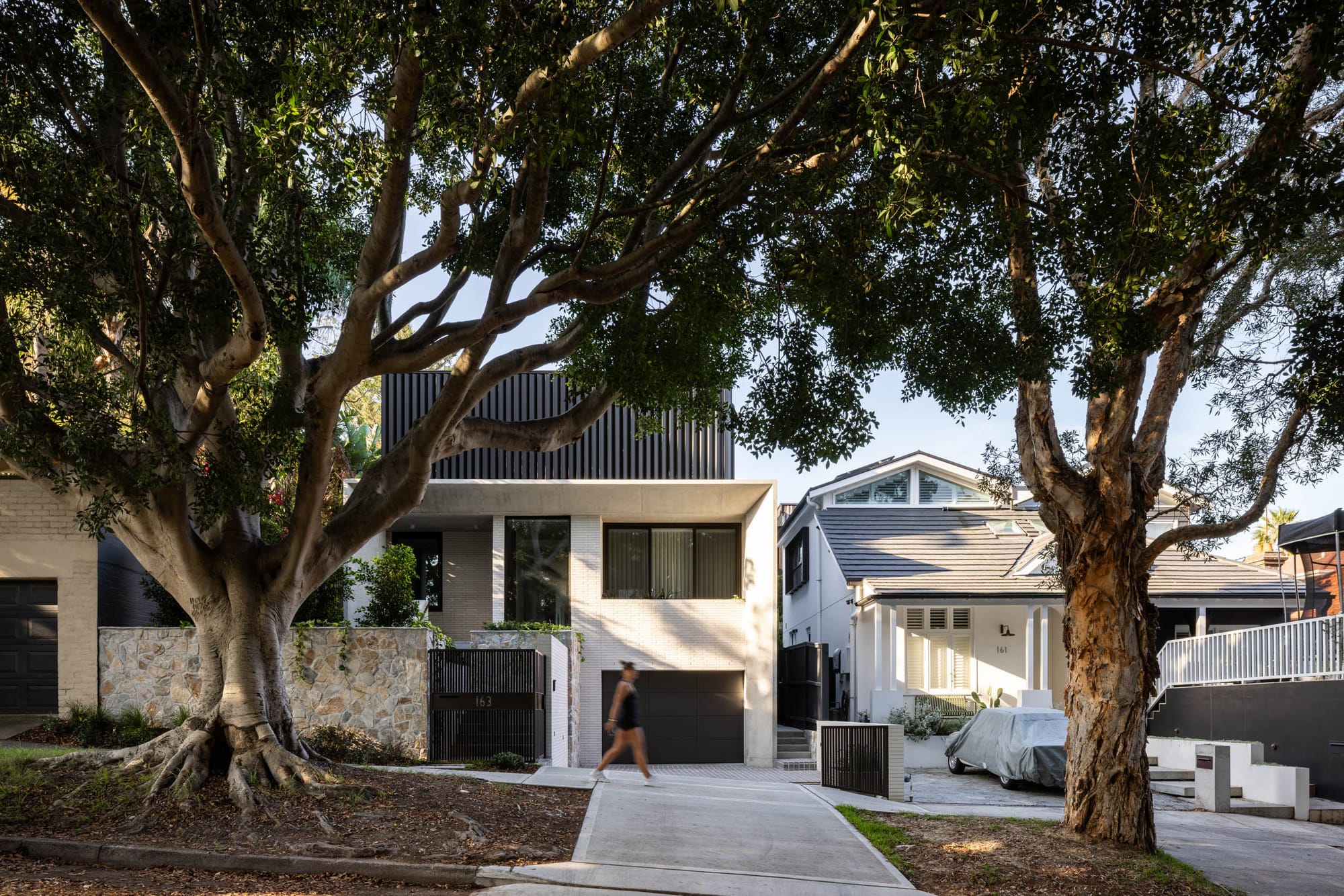
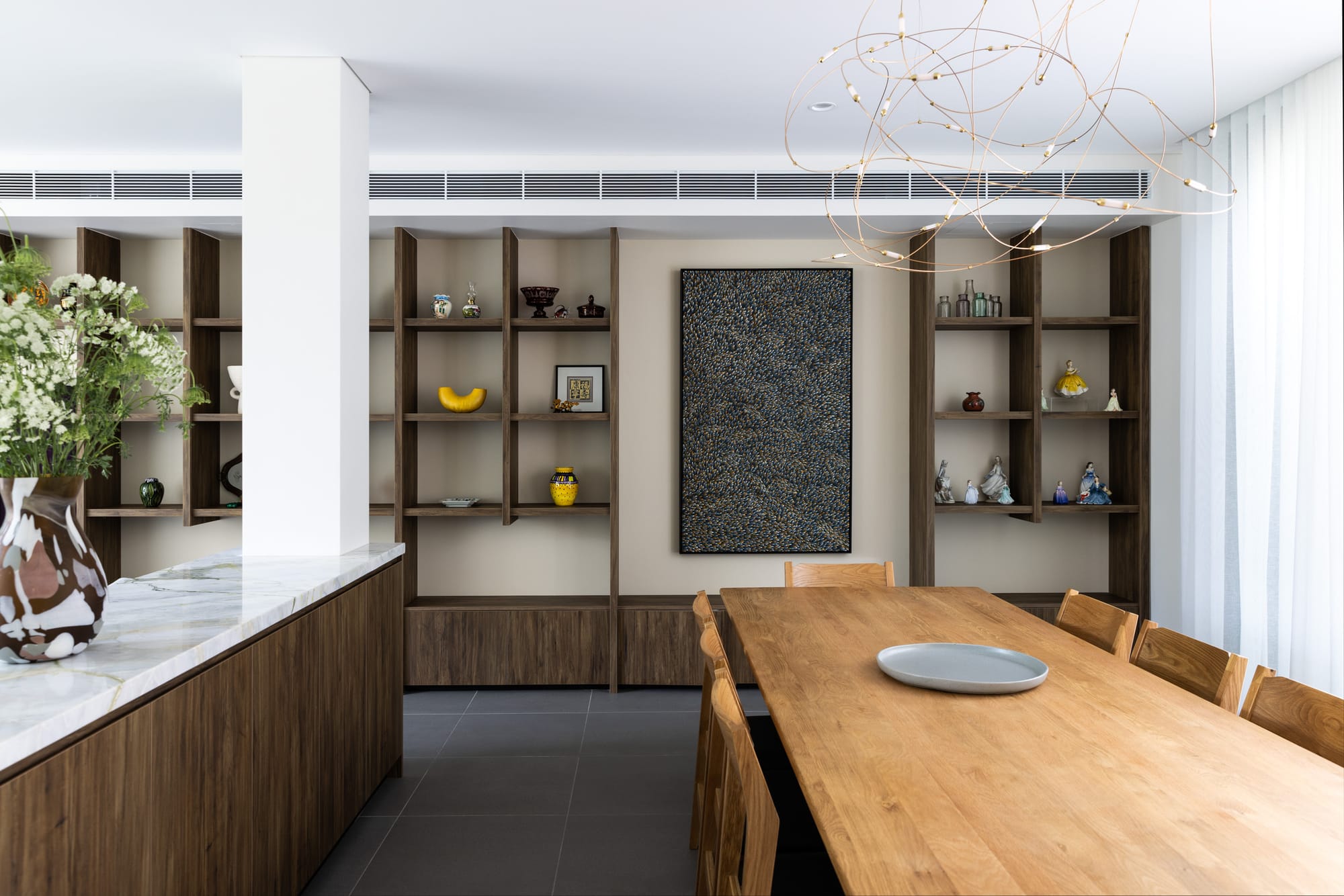
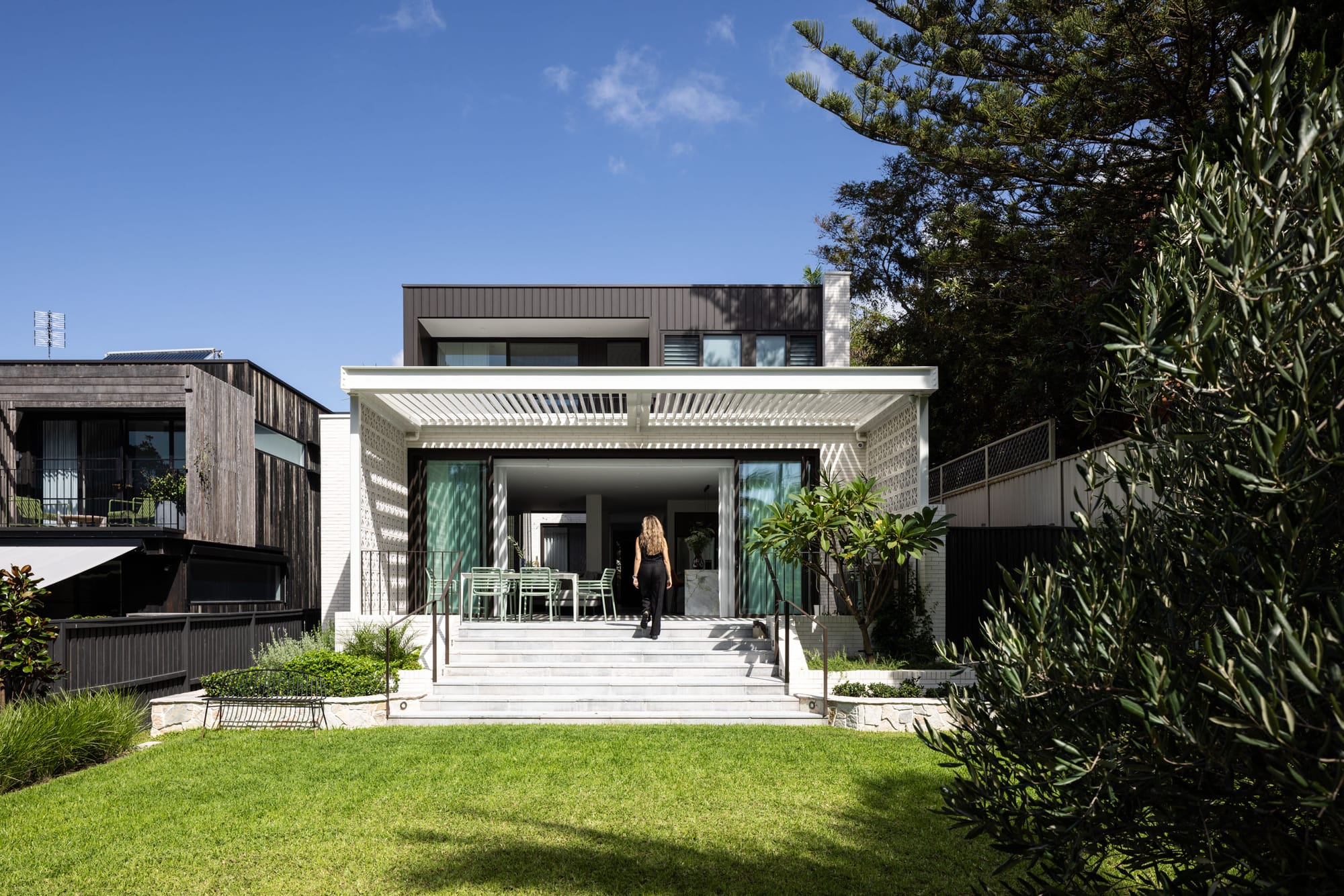
A recently completed home in Bondi stands out as a project we’re particularly proud of.
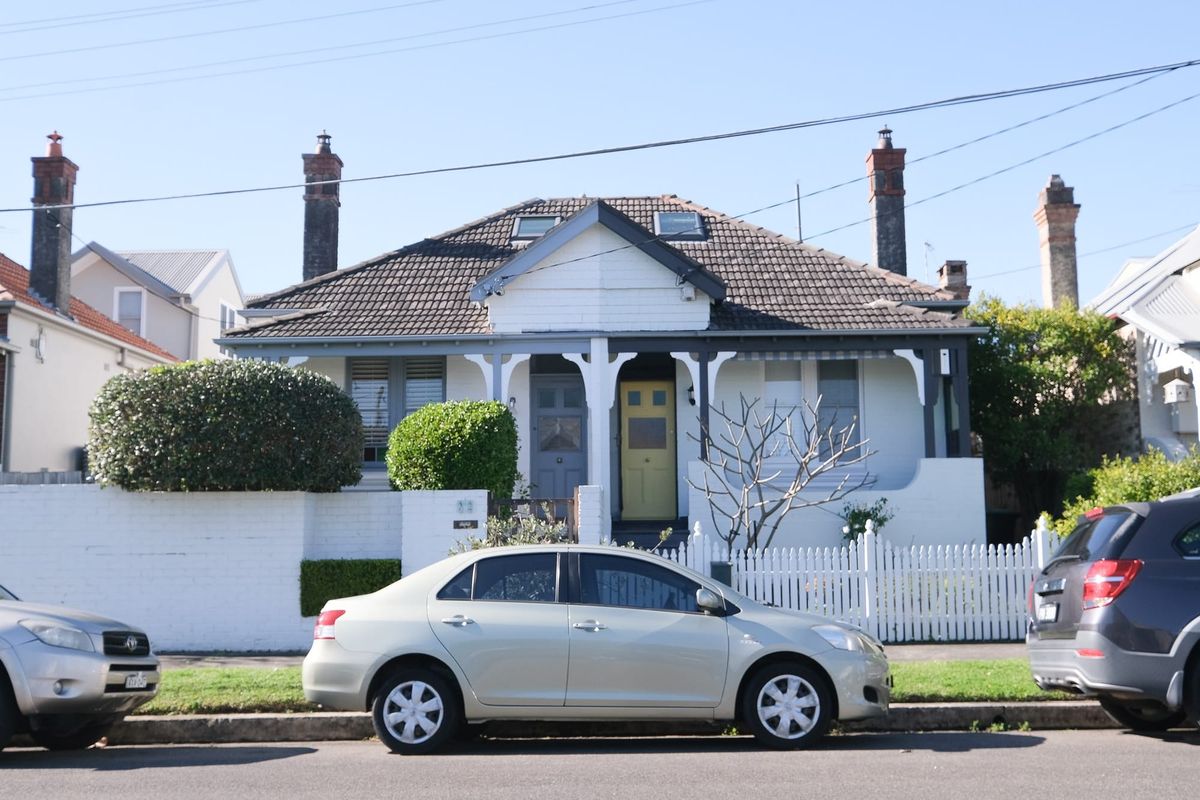
We recently caught up with the owners, who mentioned that people often pause on the street to look at their home. We hope this speaks to its quiet complexity — there’s a subtle depth to the façade that reveals itself over time, while still sitting comfortably within the streetscape.
This was our second project with these clients, so there was already an established level of trust and understanding. Like any project, there were challenges along the way, but navigating those together is part of the process. It makes the outcome all the more meaningful when you see clients genuinely enjoying and inhabiting the spaces you’ve created together.
What’s one question you wish every client would ask at the start of a project?
“How can we make this project sustainable?”
And by that, we don’t just mean environmentally sustainable — although that’s certainly important. We mean sustainable in the broader sense: how can we create a home that will endure over time, adapt to changing needs, and remain meaningful 10, 15 or 20 years from now?
For us, it’s about designing thoughtfully — minimising waste, responding to context, and creating spaces that support daily life in a genuine and lasting way. A home doesn’t need to be grand to be successful; it needs to be considered, comfortable and capable of evolving with the people who live in it. Ultimately, it’s about turning a house into a home.
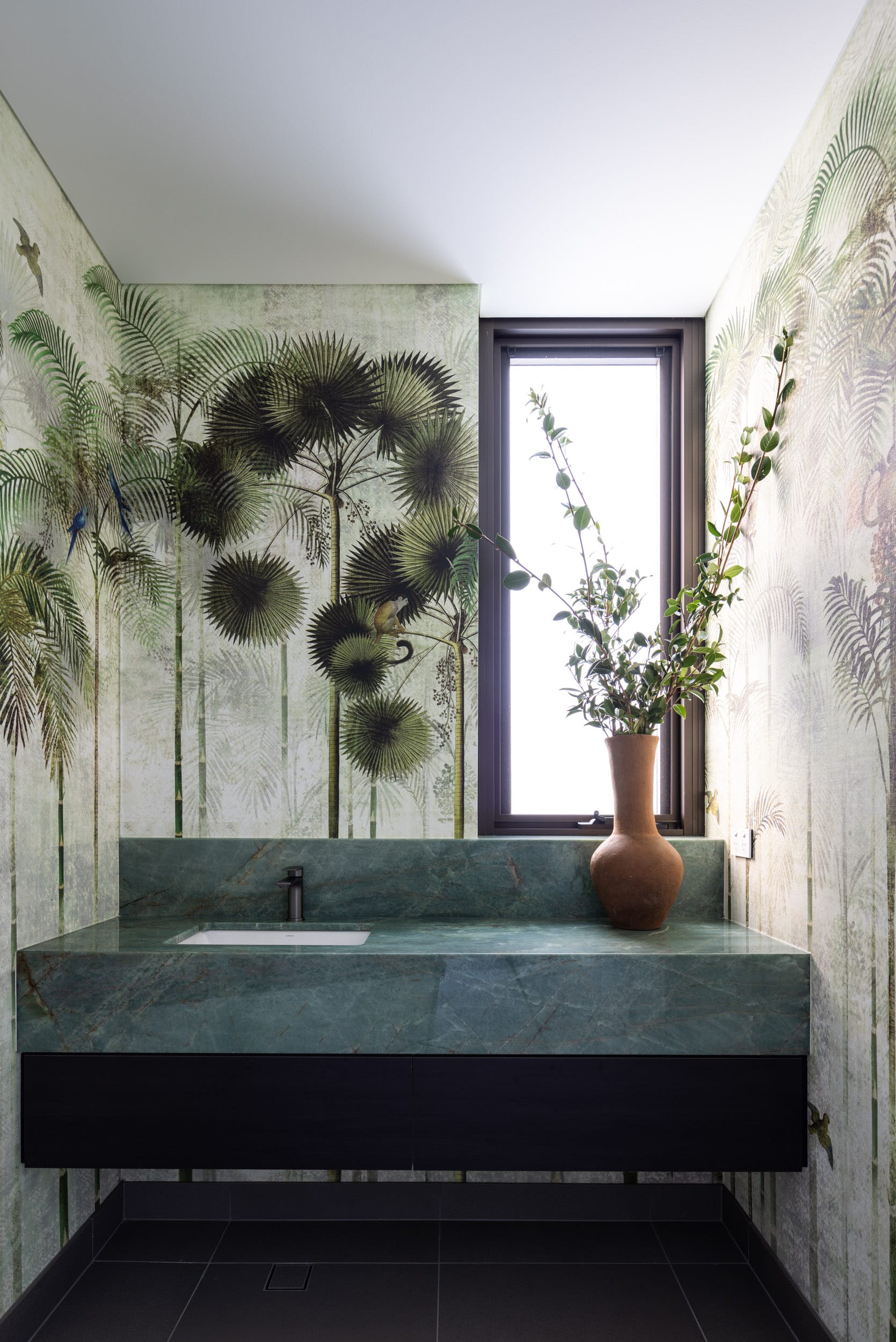
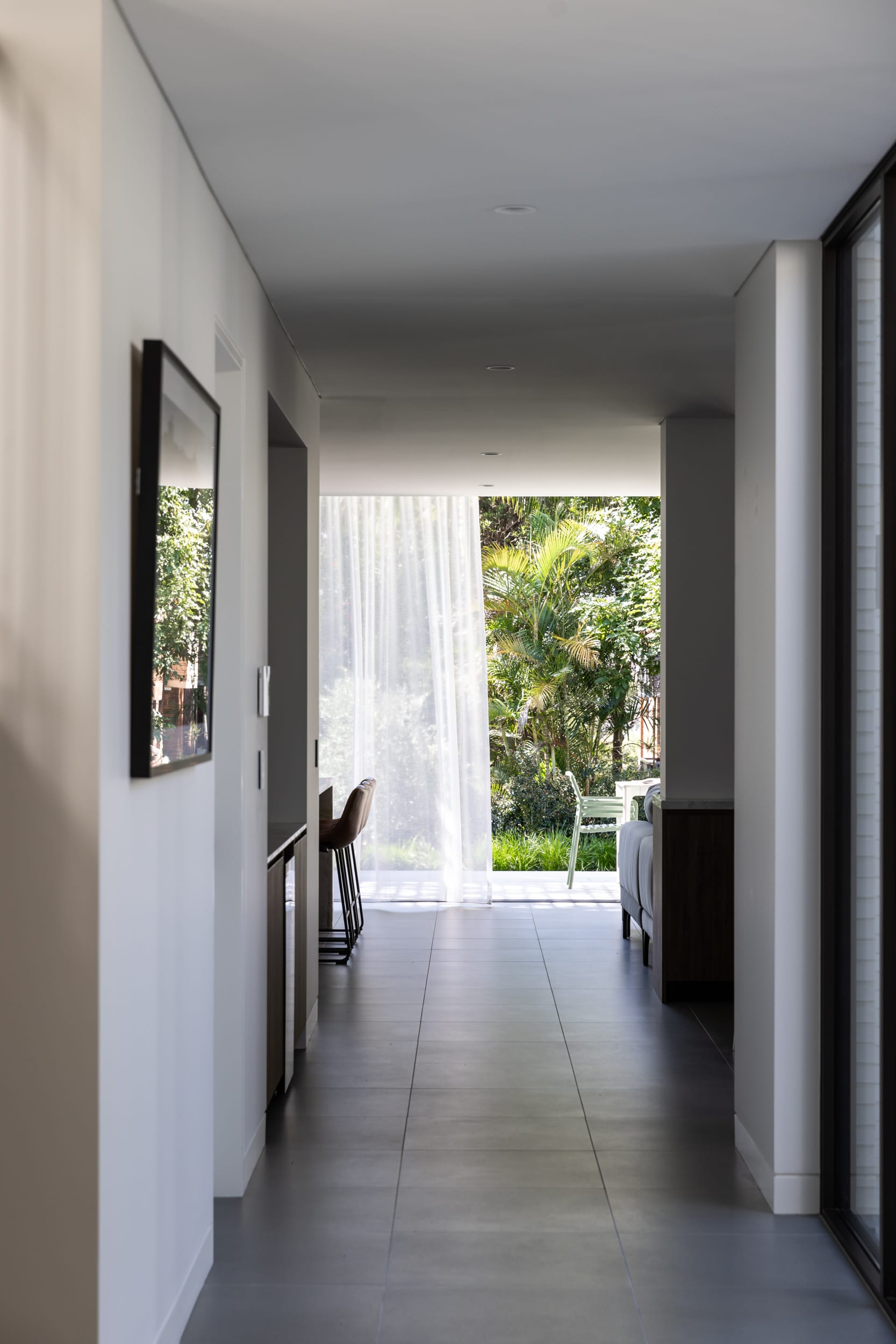
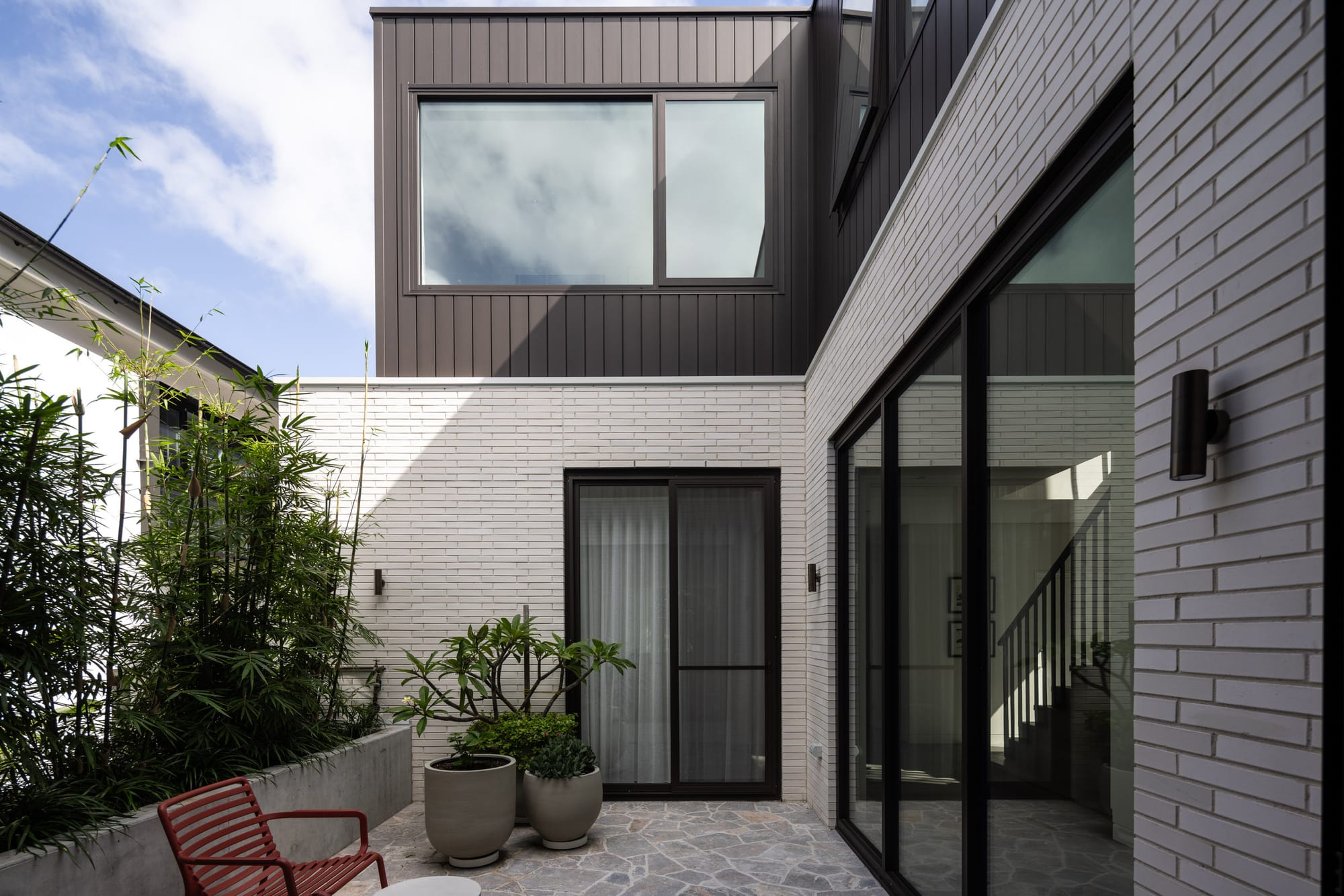
Life, Bondi Style by BJB Architects. Photography by Simon Whitbread.
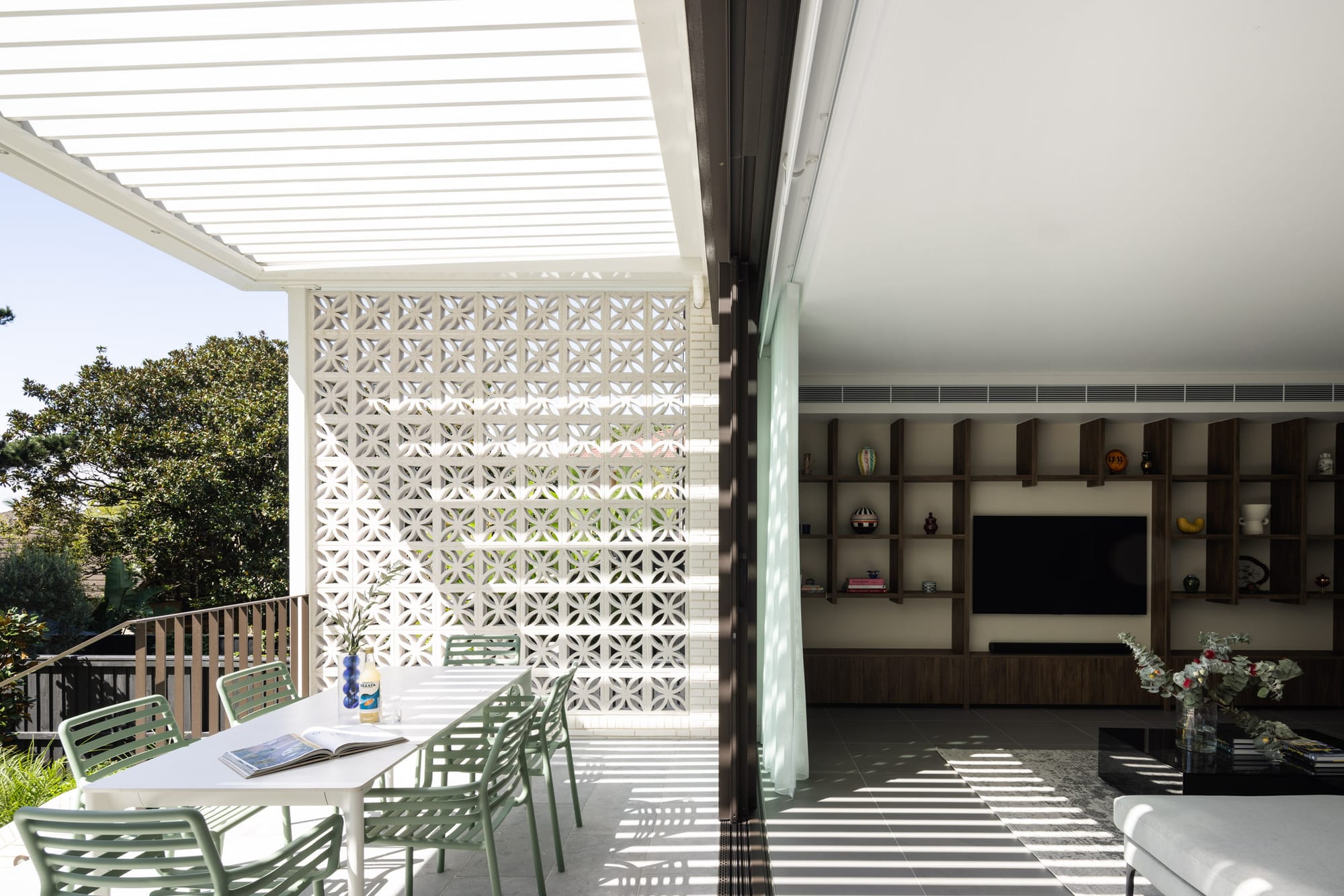
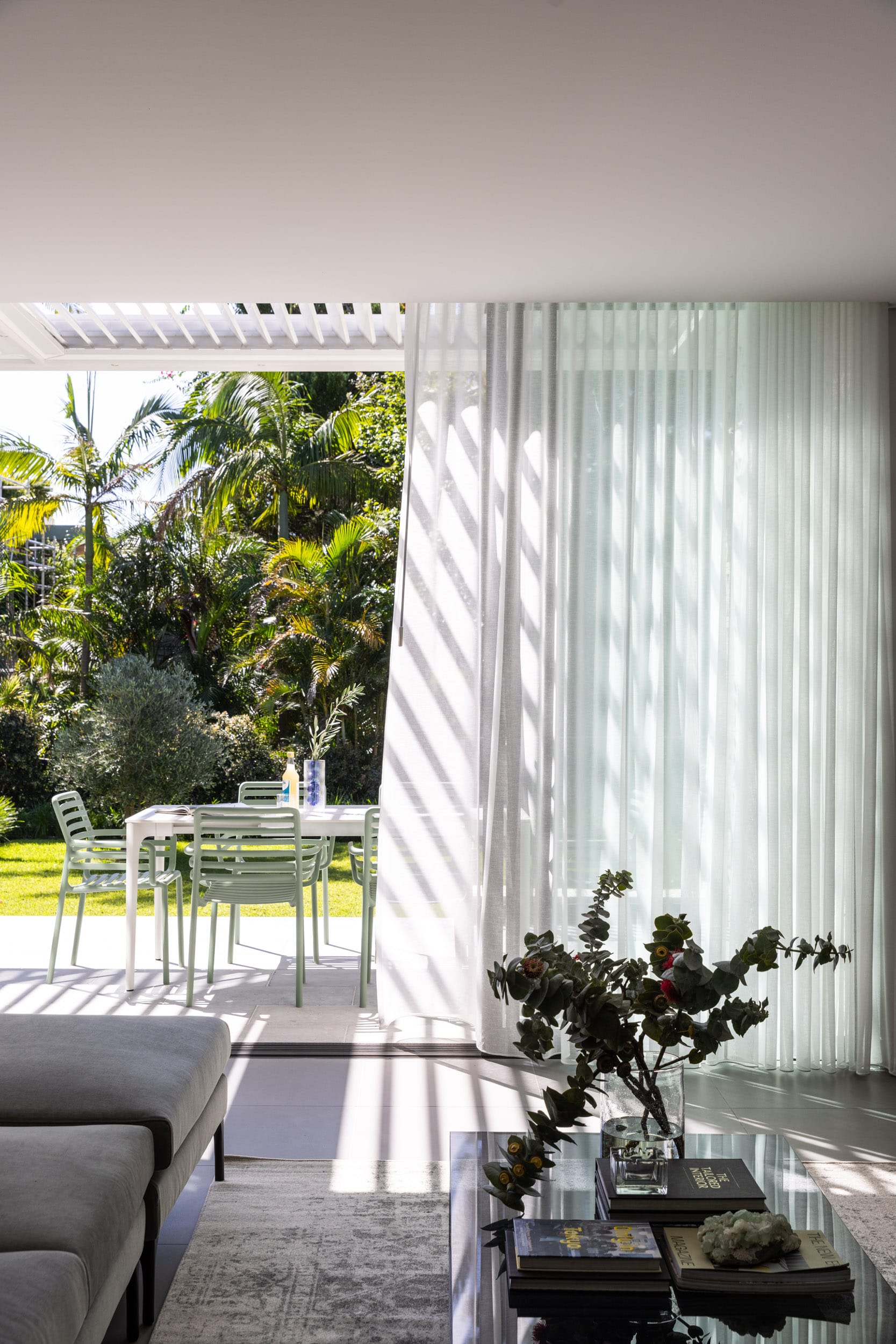
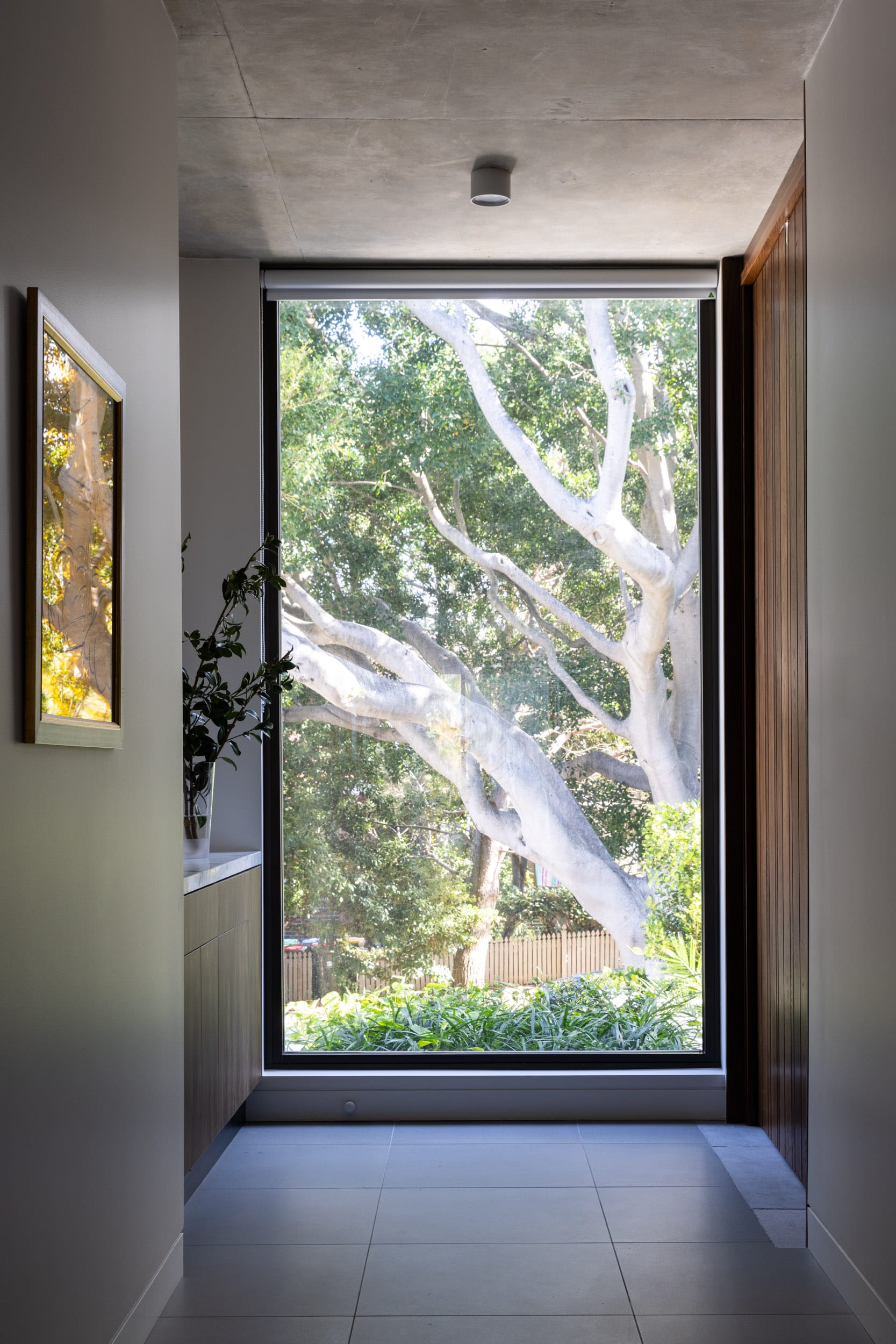
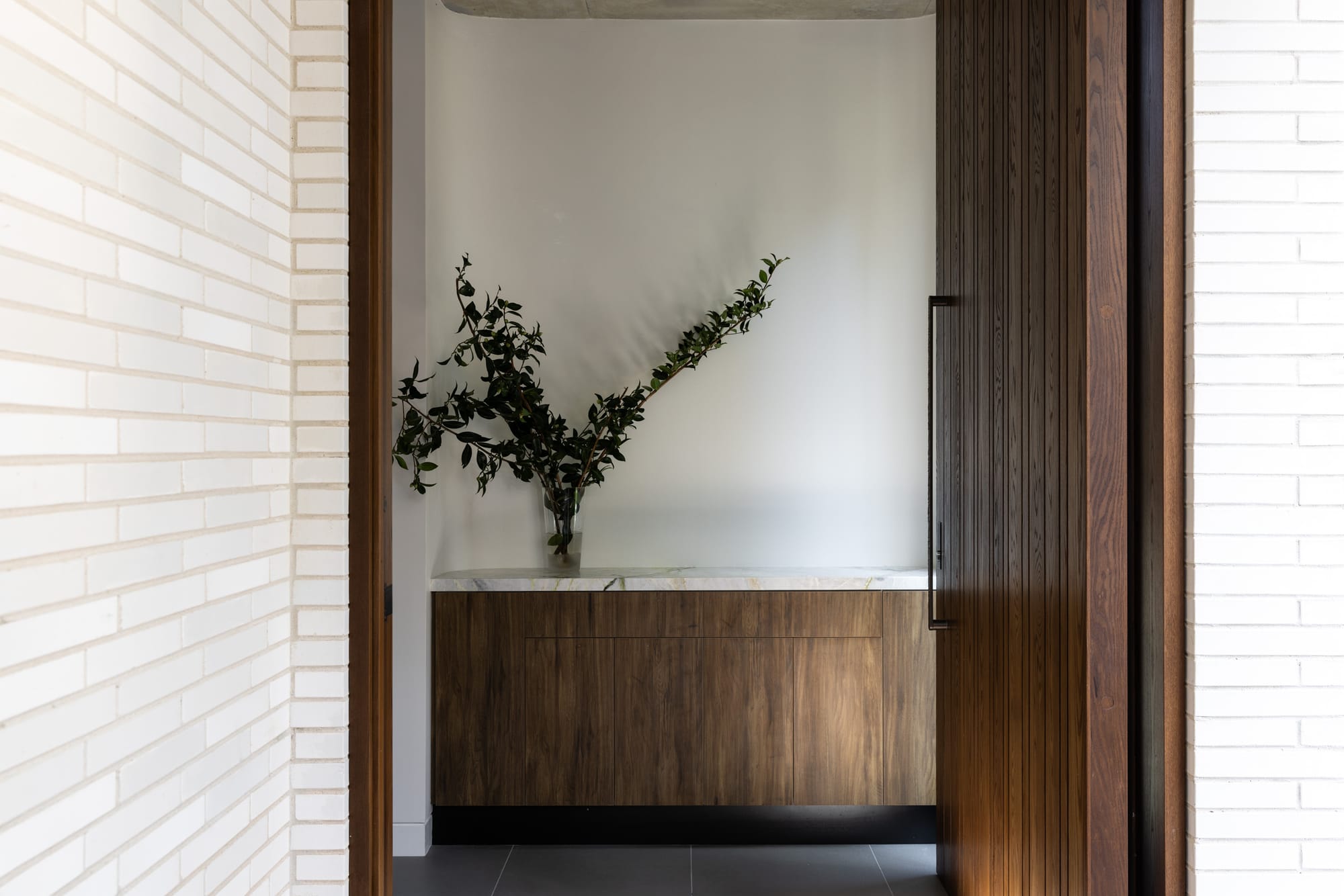
Life, Bondi Style by BJB Architects. Photography by Simon Whitbread.