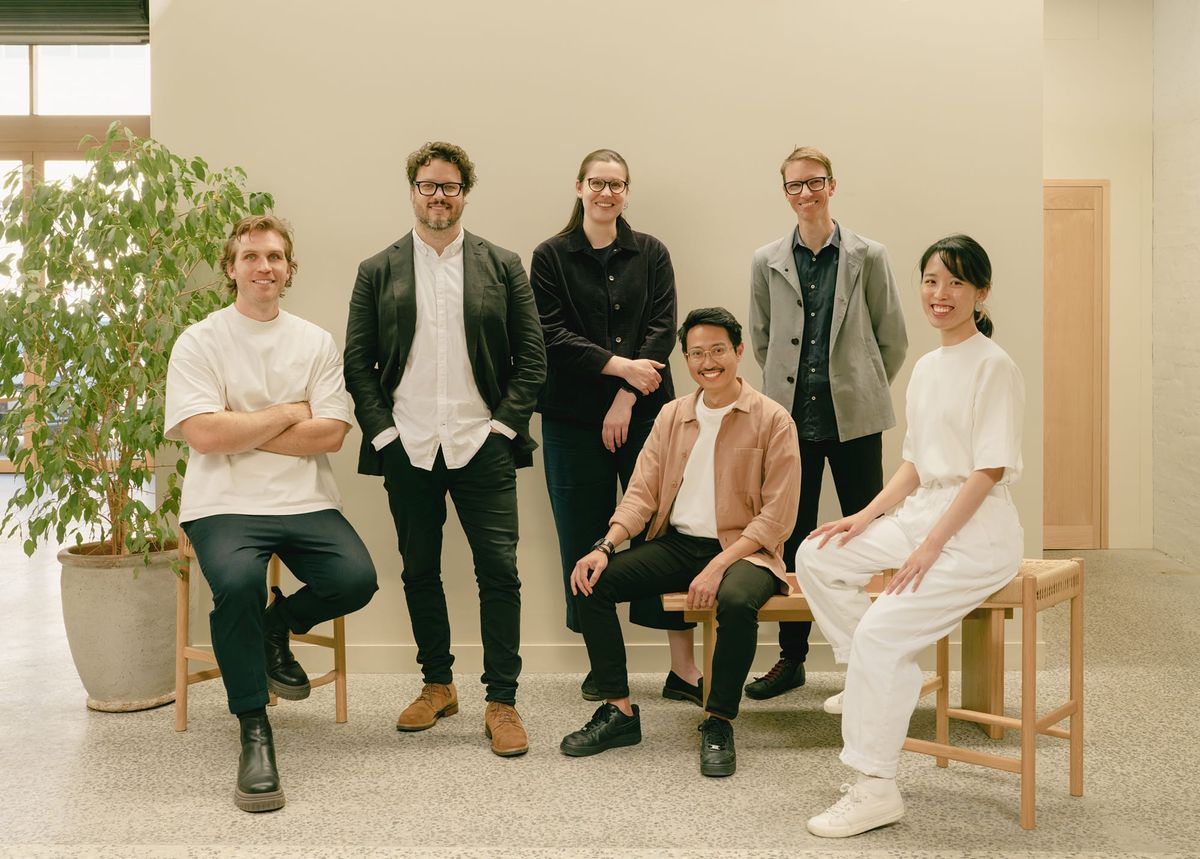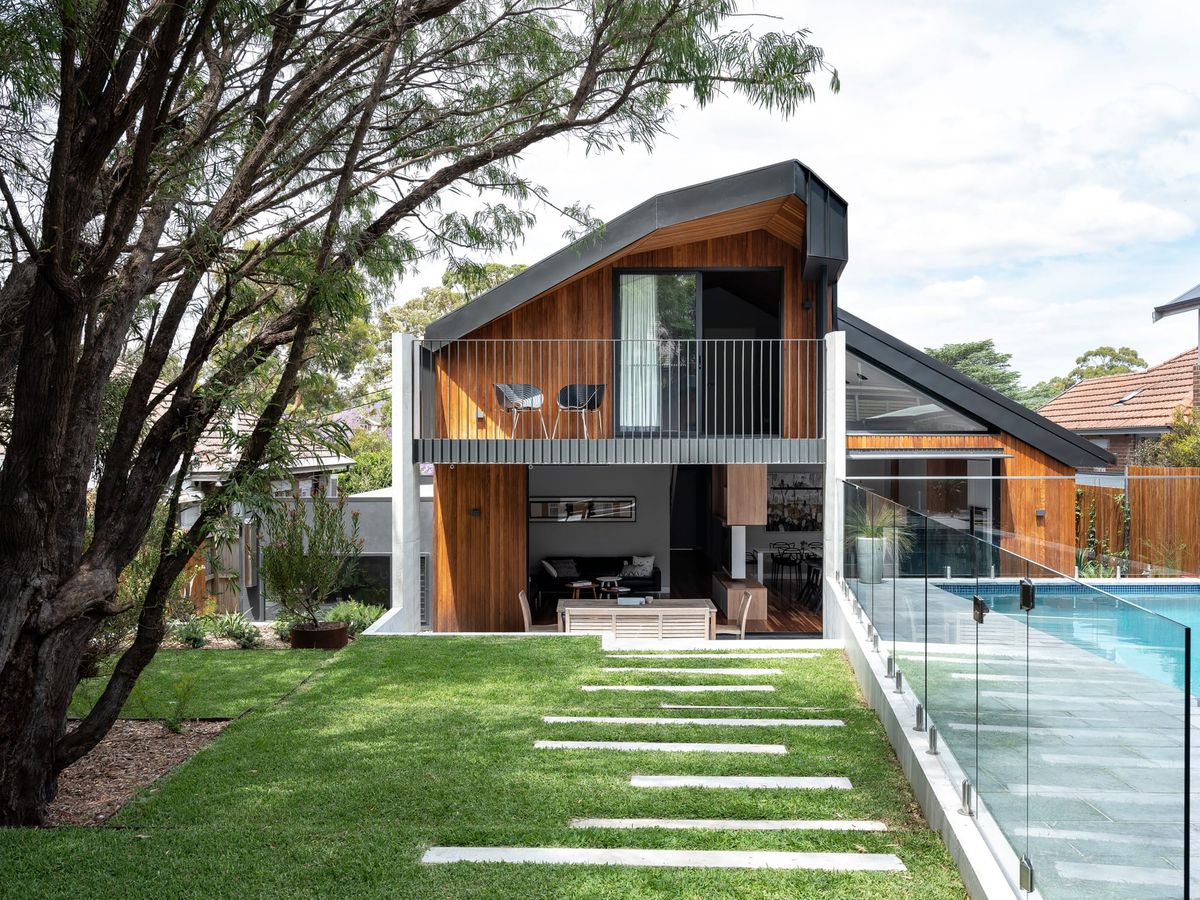
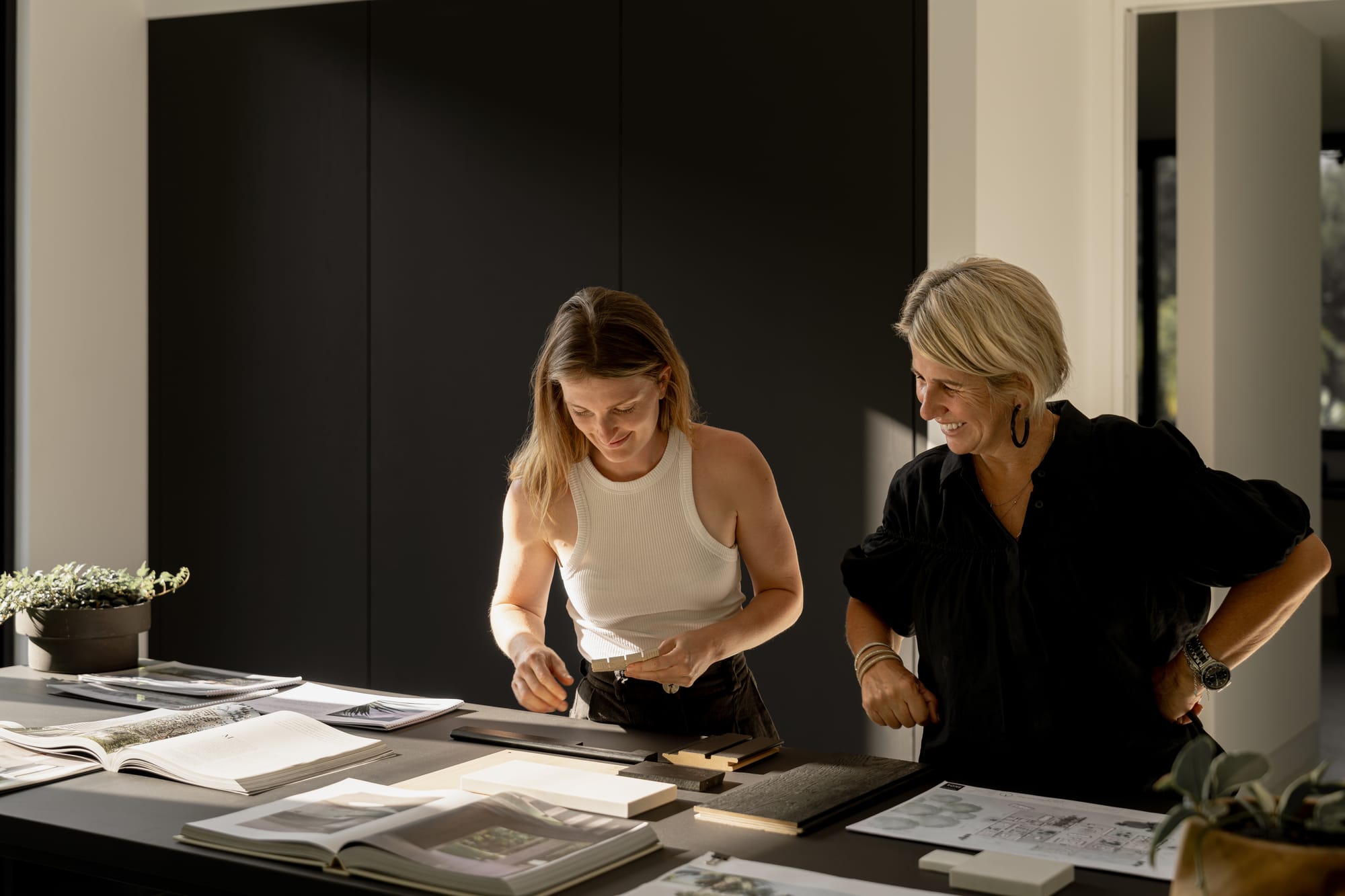
“Clients often come to us with an idea of what they want, our role is to unpack that and translate it into what will actually work for their life, their site, and their budget.” - Sarah Waller, Principal Architect
In this edition of Behind the Design, we speak with Sarah Waller Architecture about the thinking, process, and lessons behind their work. With a perspective that spans both architecture and construction, the studio brings a grounded and highly considered approach to residential design.
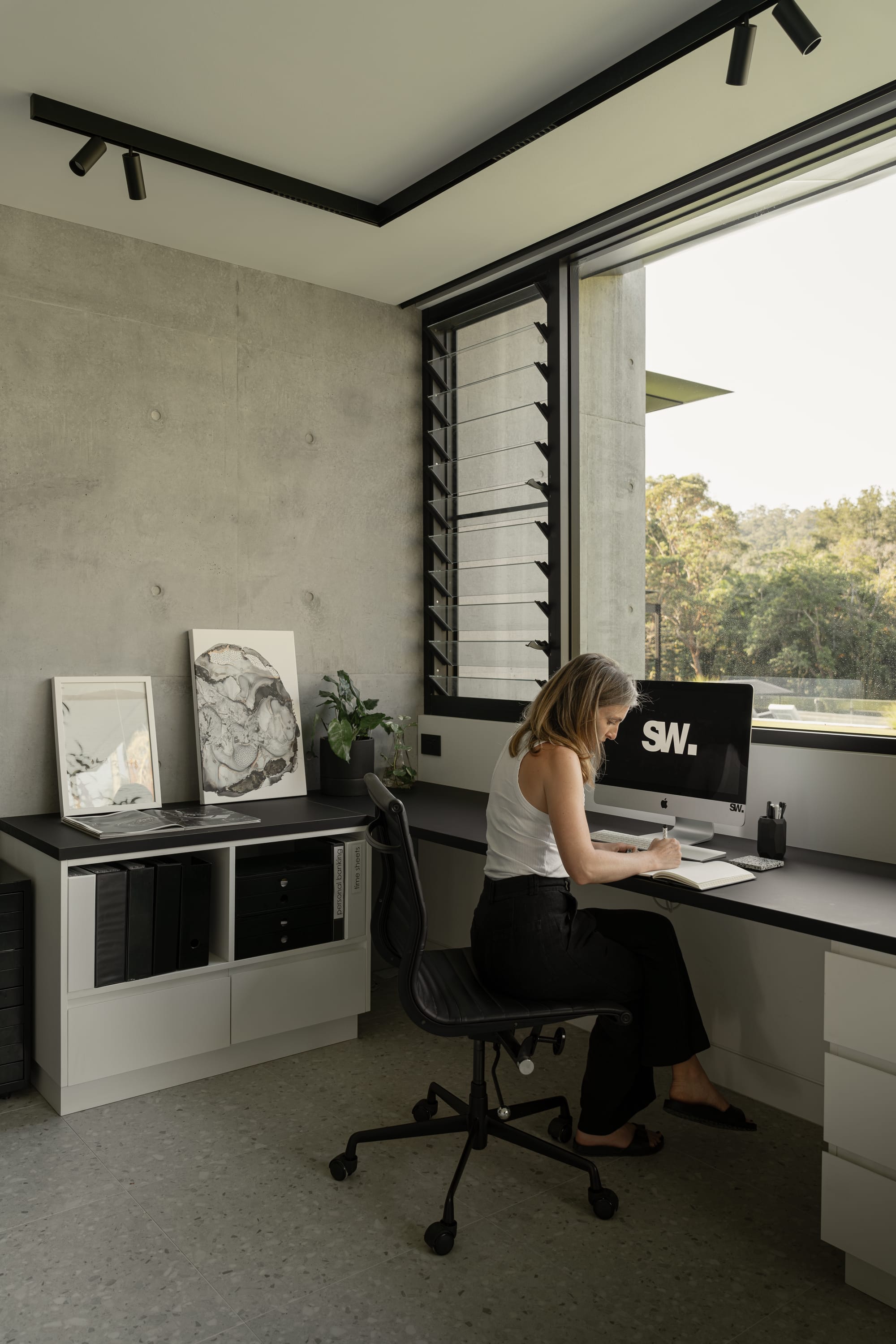
“Growing up on building sites shaped how I see architecture, not just as design, but as something that has to be built well. What drives me today is closing that gap between design and construction, so the outcome is both considered and buildable.” - Sarah Waller, Principal Architect
What made you start your practice, and what drives the work you do today?
From an early age, I was inspired by my father, who ran a building company in the UK and often took me to site. Those early experiences shaped my interest in the built environment and set me on the path toward a career in the industry.
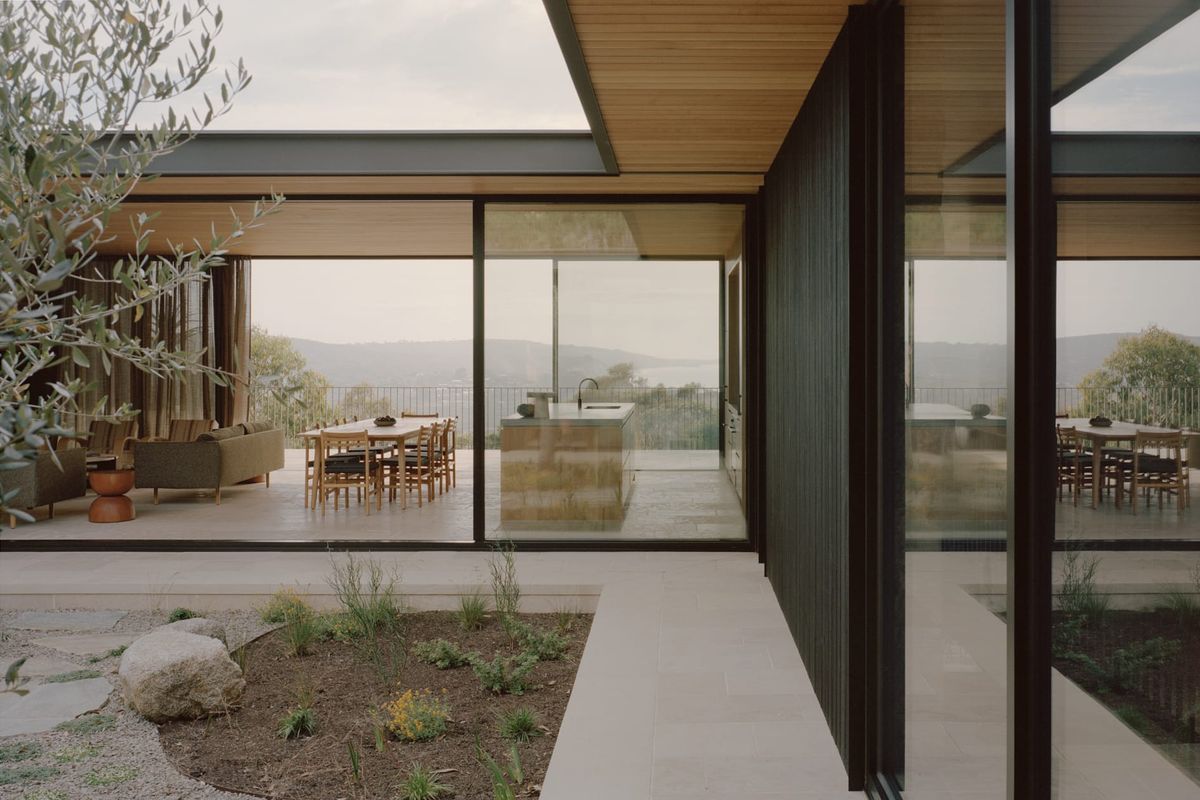
Starting my own practice was a natural progression of that journey. As both a registered architect and a registered builder, I bring a dual perspective to my work. This journey has led to significant milestones, including winning the HIA Home of the Year Award 2025 for Blackwood, where I was involved as both architect and builder.
What drives me today is the ambition to bridge the gap between design and construction, encouraging architects to think more about buildability, and builders to engage more deeply with architectural intent. Having insight into both worlds allows me to create work that is considered in design and grounded in how it is realised.
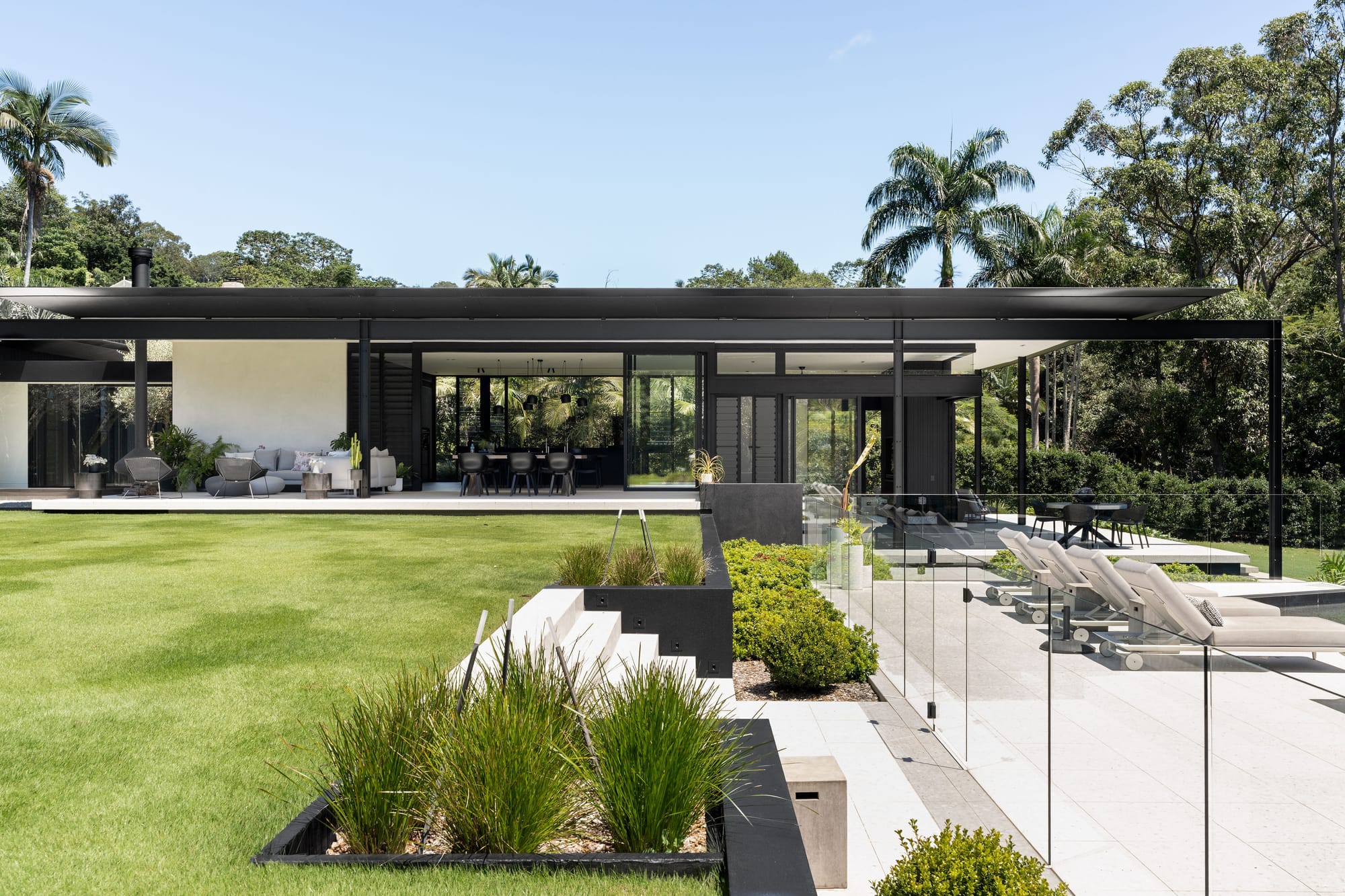
“It’s a process of starting broad and then refining. We explore possibilities first, and then carefully align the brief with how the client truly lives. That’s where the real clarity happens.” - Lena Keilhofer, Architect
How do you help a client figure out what they actually need versus what they think they want?
At Sarah Waller Architecture, we guide clients through a process of discovery early on. In the first meetings, we focus on understanding their ideas, aspirations, and inspirations, what they think they want in an ideal world.
From there, we prepare a detailed return brief that responds not only to their vision, but also to the realities of the site, including land characteristics, orientation, and long term considerations like resale value.
The key is translating that initial wish list into what the client actually needs. We start broad, exploring possibilities without constraints, and then gradually refine the brief by aligning priorities, lifestyle requirements, and budget.
This process helps uncover what truly matters to the client, ensuring the final design is both aspirational and achievable, not just what they thought they wanted, but what genuinely works for them.
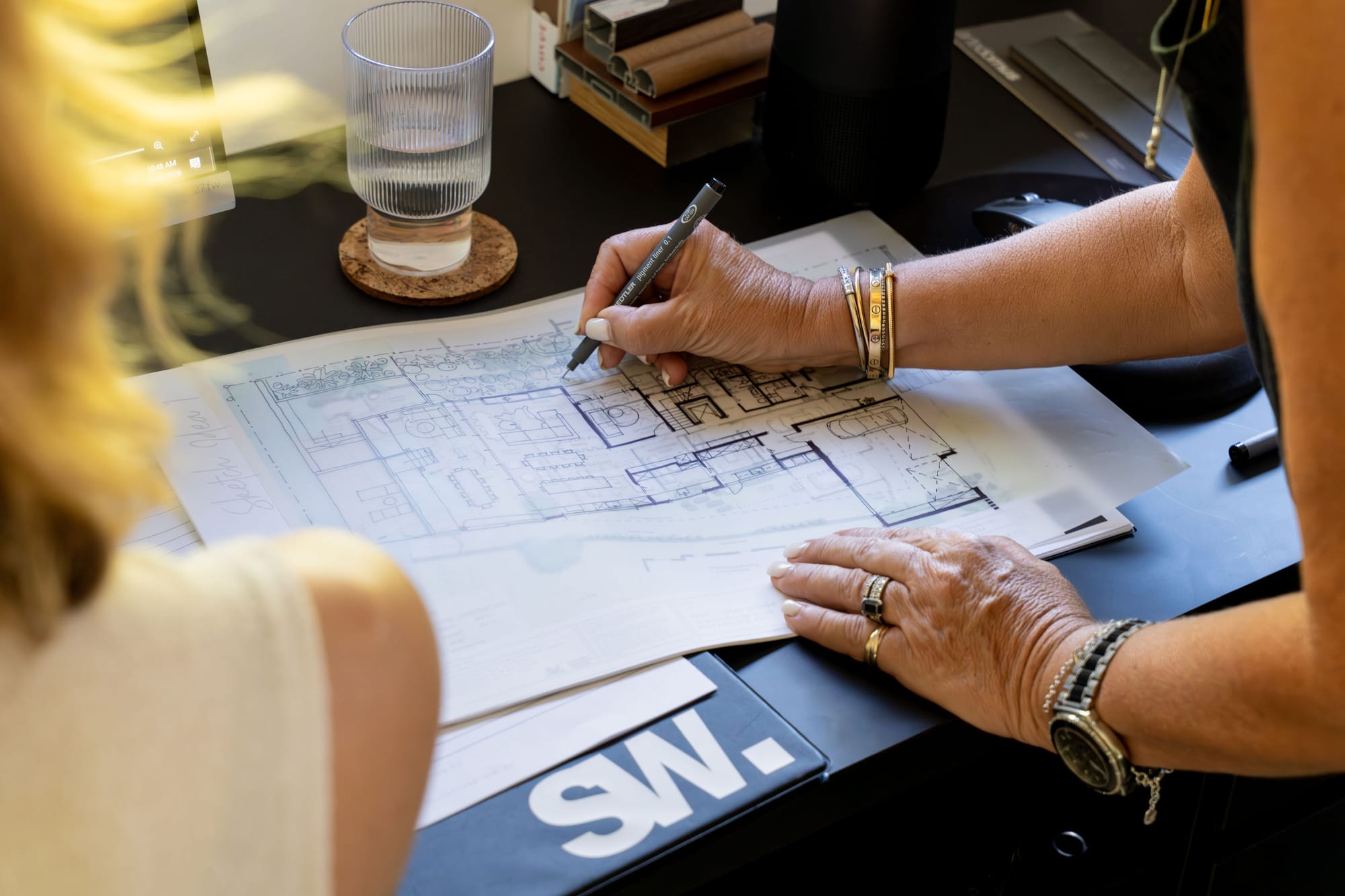
“The smallest decisions often have the biggest impact, particularly in joinery and material selection. That’s where a house shifts from being well-designed to truly feeling like home.” - Sarah Waller, Principal Architect
What is a small design decision that makes a big difference?
At Sarah Waller Architecture, one of the smallest design decisions that makes the biggest difference to how a home feels is the joinery and interior design package. While the architecture sets the framework, it is the detailed layer of interiors that transforms a well designed house into a home that feels personal and lived in.
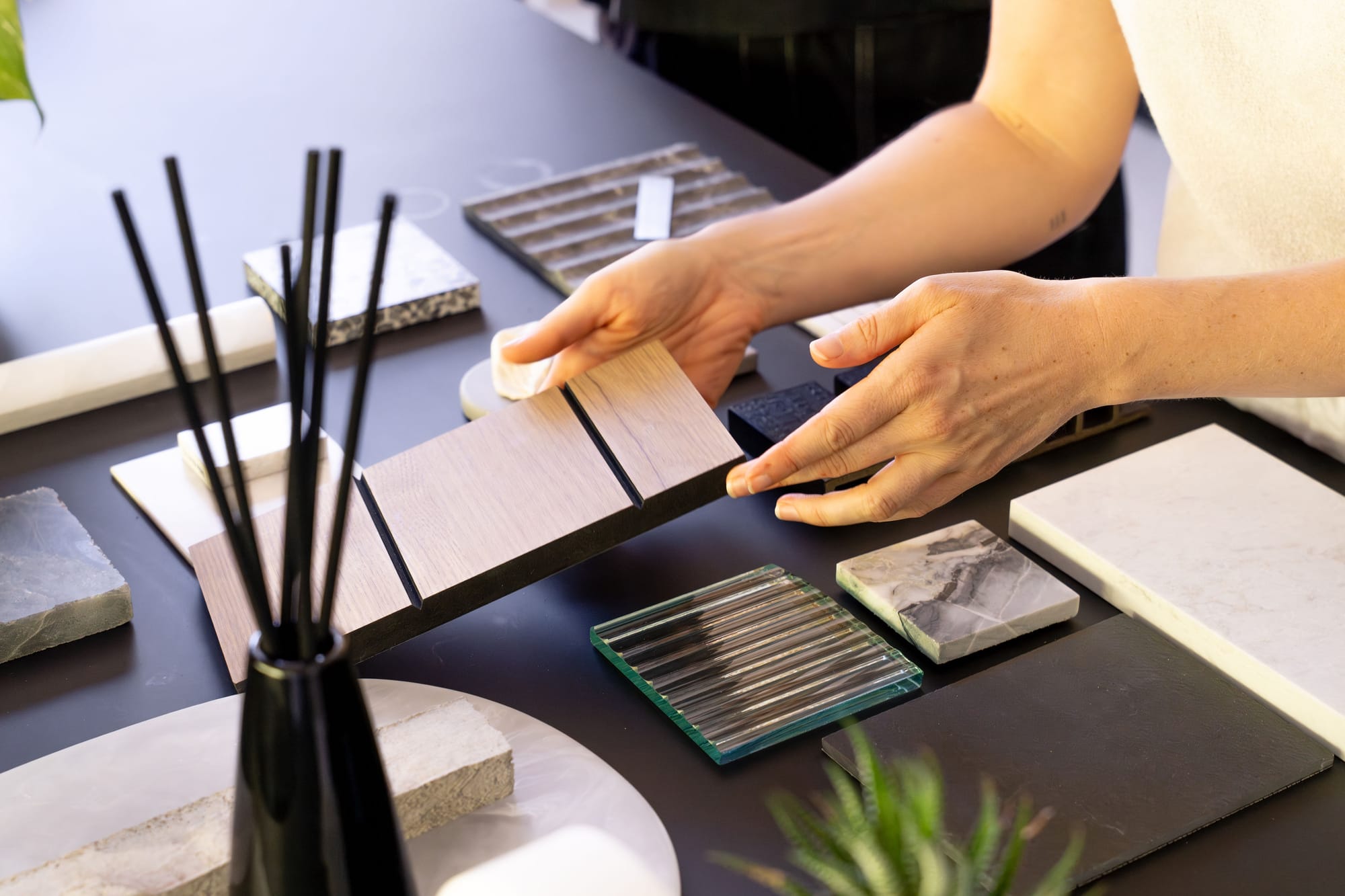
We often find that elements such as joinery detailing, material selection, and the consistency of a colour palette have a strong impact on the overall atmosphere. Choosing the right tones and textures, and carrying them through from finishes and fittings to furniture, creates a cohesive experience that feels intentional rather than fragmented.
This is why we offer a complete design package. It allows us to ensure that every element is considered as part of a whole, rather than as isolated decisions. A carefully curated interior can shift the mood of a space, making it feel calm and retreat like, or vibrant and social, depending on the client’s lifestyle.
Ultimately, it is this level of detail that elevates a house into a place that feels like home.
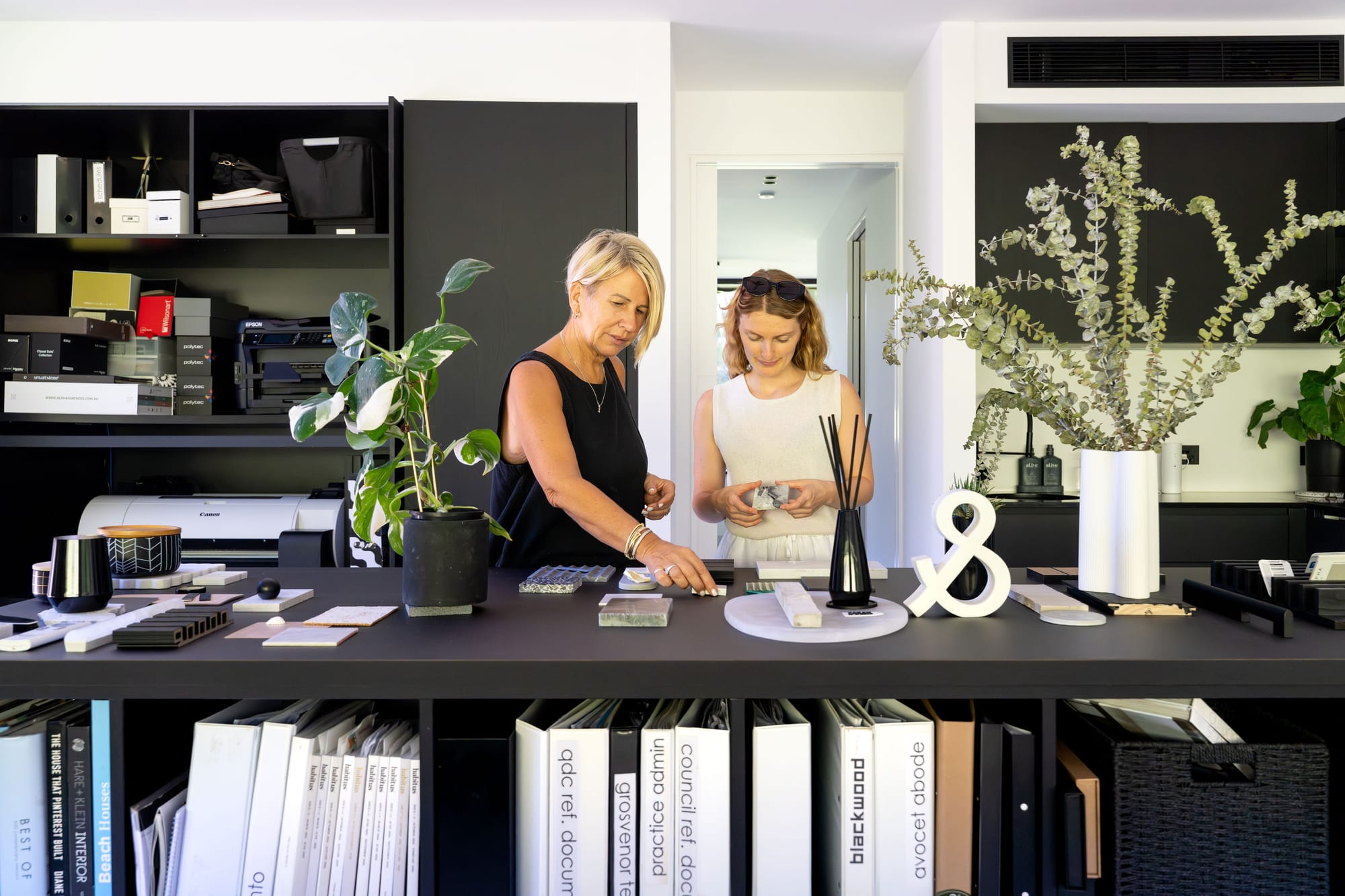
“We always encourage clients to allow for flexibility in the timeline. The best outcomes come from giving the design process the time it needs to evolve properly.” - Lena Keilhofer, Architect
What does a typical project timeline look like?
For the high end residential projects we typically work on, a realistic timeline from the first conversation to moving in generally spans around two to three years.
The design phase usually takes between 8 to 12 months. This includes developing the concept, refining the design, coordinating with consultants, and preparing documentation for approvals. Builder selection can run alongside or extend this phase depending on the procurement approach.
Construction itself typically requires around 18 months or more, depending on the scale and complexity of the project.
It is important to note that this is an ideal timeframe. In reality, the process often depends on external factors, including client feedback, consultant coordination, and council approvals, all of which can influence the overall duration.
We always guide clients early on to allow for flexibility in the program, ensuring there is enough time to design thoughtfully and deliver a well resolved outcome.
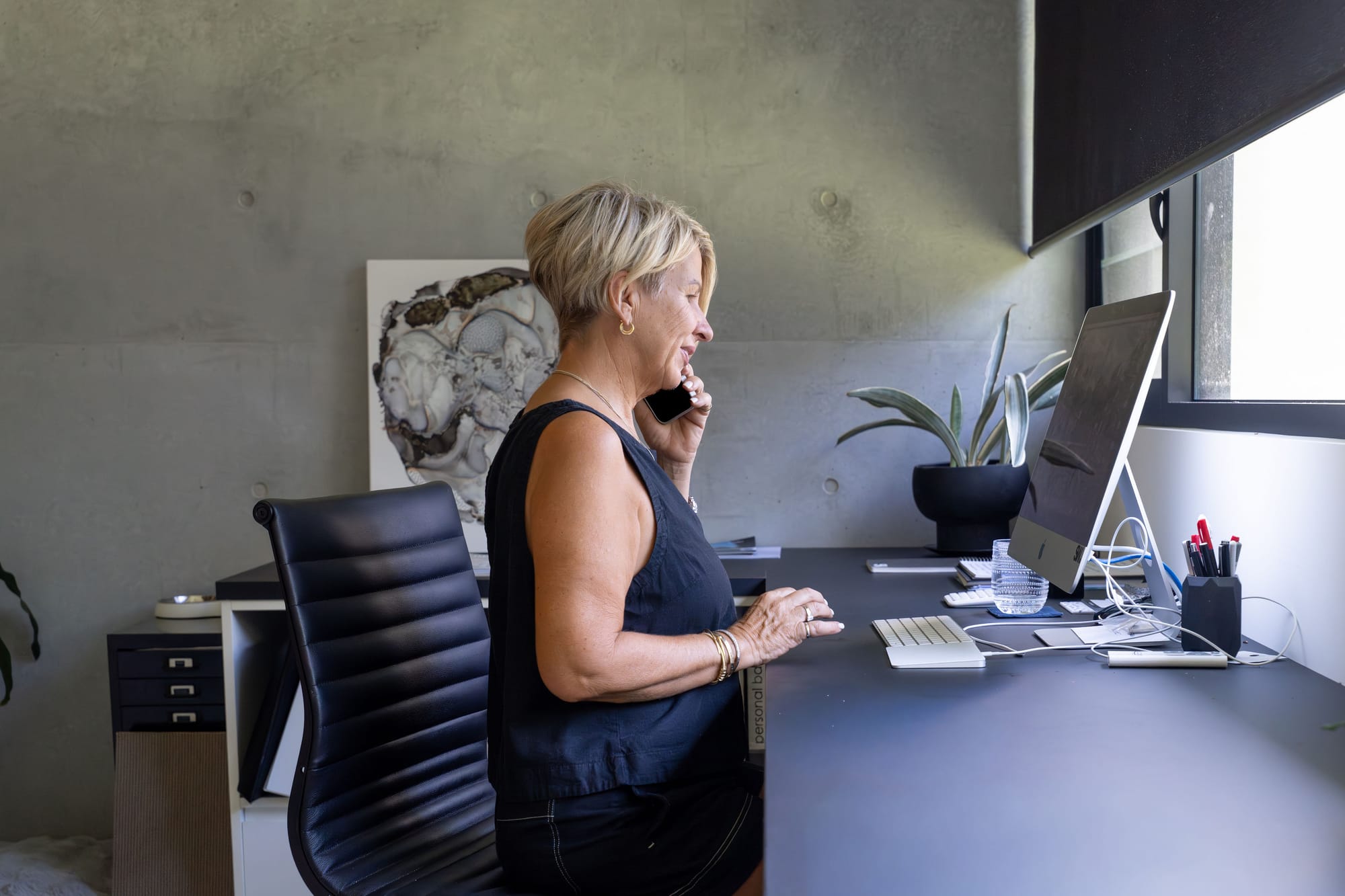
“We’ve become much more focused on how people actually read and understand a project. Tools like BIMx allow us to communicate spatially, not just through drawings, which creates alignment early and avoids confusion later on site.” - Lena Keilhofer, Architect
What has changed your approach over time?
Working in architecture means constantly evolving, and one of the biggest shifts in our approach came from recognising how critical clear communication is during construction. At Sarah Waller Architecture, we learned from a past project that even well resolved drawings can leave room for interpretation on site, which can slow down decision making.
In response, we introduced BIMx as a standard across all our projects. By providing builders and clients with an interactive 3D model alongside the documentation, it allows everyone to understand the design intent, spatial relationships, and key details before and during construction.
This has improved coordination on site, reduced the number of queries, and helped avoid misinterpretation. It also empowers builders to visualise complex elements more clearly, leading to more efficient execution.
Implementing BIMx has raised the standard of how we deliver our projects across the entire team involved. It is a strong example of how adopting the right tools can enhance both the design process and the construction outcome.