In this edition of Behind the Design, we speak with Melonie Bayl-Smith, Director and Principal Architect of Bijl Architecture about the motivations behind starting a practice and the lessons that continue to shape their work. With a focus on meaningful outcomes, careful decision-making, and a strong client dialogue, their approach reflects both a commitment to design quality and the realities of practice.

What made you start your practice, and what drives the work you do today?
It was a combination of professional and personal considerations that provoked me to start my own practice. It has always been important for me to create meaningful architecture that has a lasting, or at least long term, positive impact. I could see that I had possibly a better chance of achieving this by establishing a practice of my own. I desired autonomy, not only as a designer but also as a business owner with responsibilities across the breadth of the practice’s demands. Taking on lots of responsibility was appealing to me.
How do you help a client figure out what they actually need versus what they think they want?
I like to ask the client to explain the ‘why’ of what they think they want. If I have questions or can see a potential misalignment with the project parameters and goals, then I gently challenge them to think about this ‘want’ alongside the other aspects of the project brief. Considering whether this desire or want truly fits with the brief, or whether including it will help them achieve the overall goal/s of the project, is really important for a great design process and outcome at the end.
What's a small design decision that tends to make a big difference in how a home feels to live in?
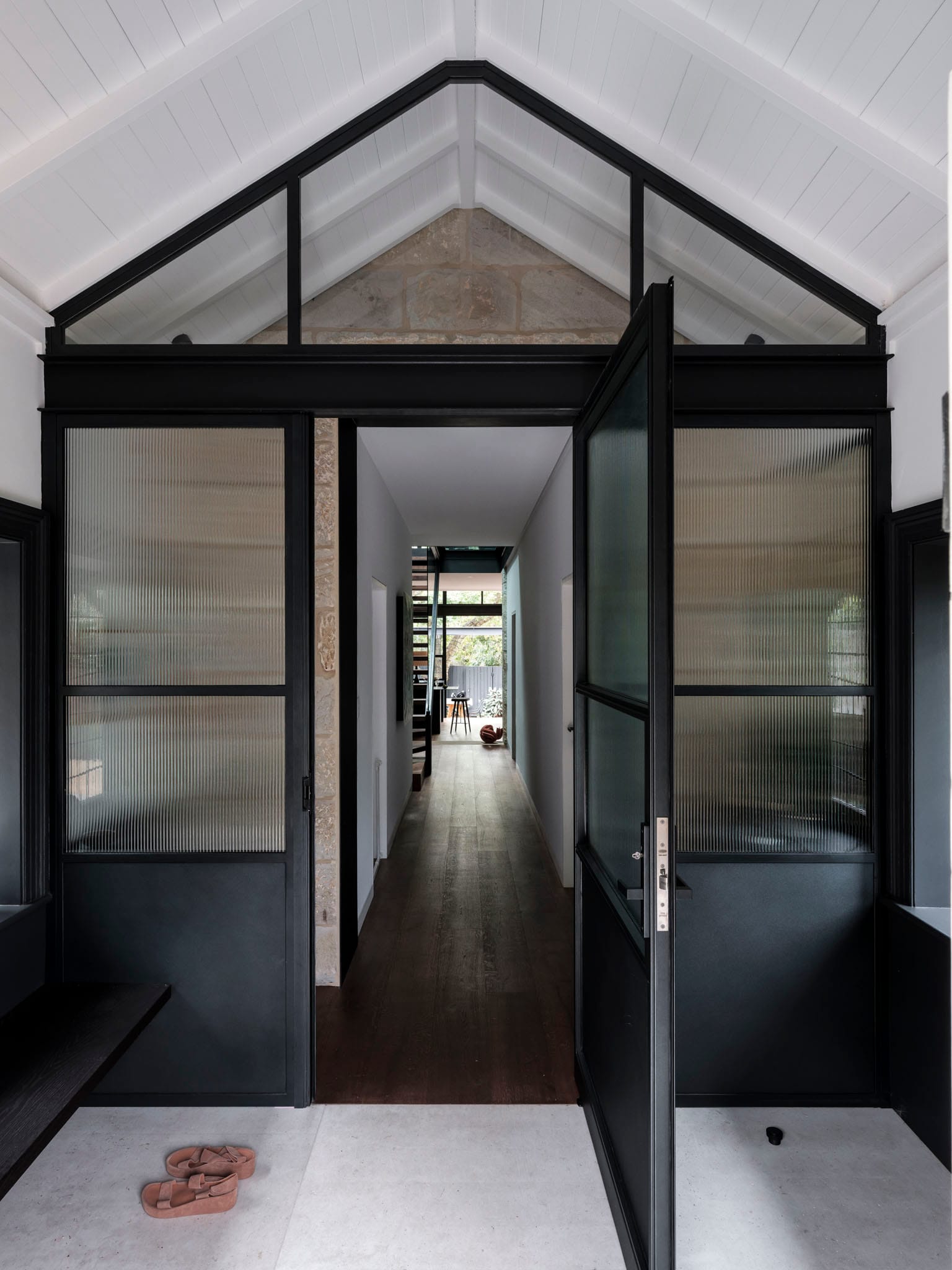
A ‘small’ design decision that makes a big difference is the specification of the internal doors and their door furniture. How a door handle feels in your hand, its shape, finish and weightiness (or not), and how smoothly or gently a door opens and closes because of both the door furniture and the door’s design, these all can have a significant sensory impact on the perceived quality of the spaces, their construction and functionality.
What does a typical project timeline look like from first conversation to moving in?
That’s a really tricky question. In Sydney or much of NSW, if your project requires a DA, then you’ll probably spend most of the first year of your project undertaking the design, documentation and then assessment of your DA, hopefully with a happy ending of an approved design. Because of this, we encourage clients to commence construction documentation during the DA assessment period, to run the stages in parallel and reduce the loss of time. Depending on the scale of project and its scope, the construction documentation and interior design stages can take anywhere between two and six months. Tendering and contract negotiations usually take around 6–10 weeks. As for the length of build, it really depends on many factors. How easy the site is to work on is a very valid and common factor that can greatly affect a project’s viability and time program. The last few projects we have built have all taken between 10–14 months. We’re about to start a large new house build and the program is 19 months, as an example.
What's something you've learned from a past project that changed how you approach work now?
I’ve learned that clear, timely communication and patience, in its many forms, is entirely essential, even with clients who may have undertaken numerous previous projects.