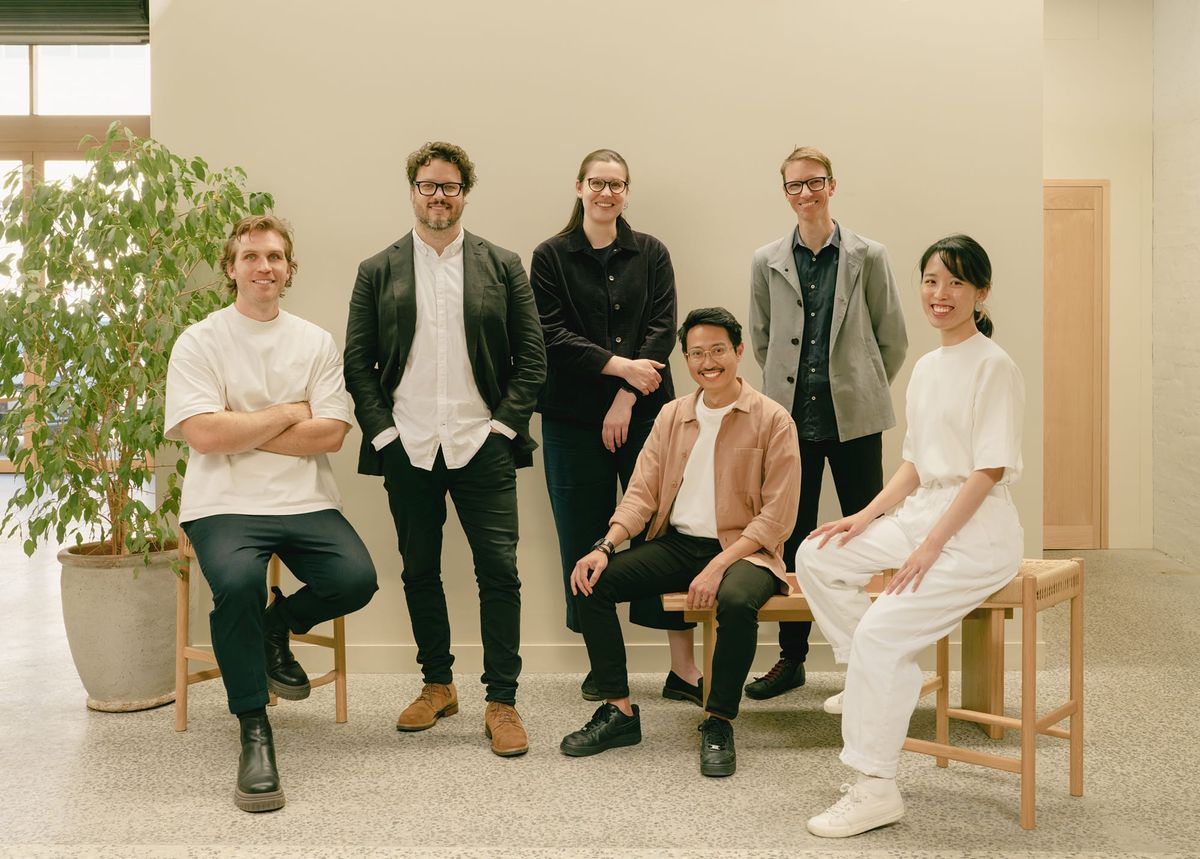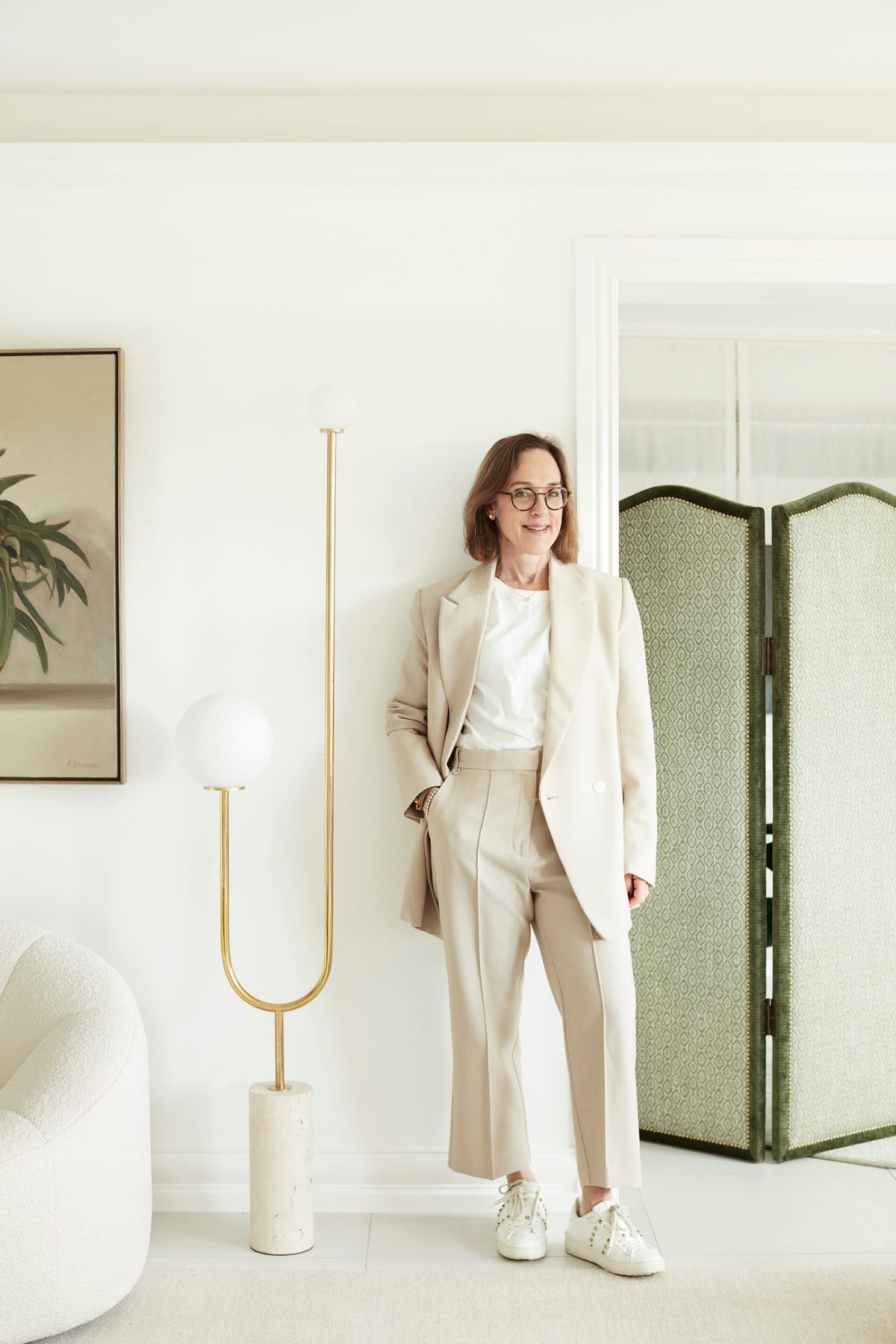
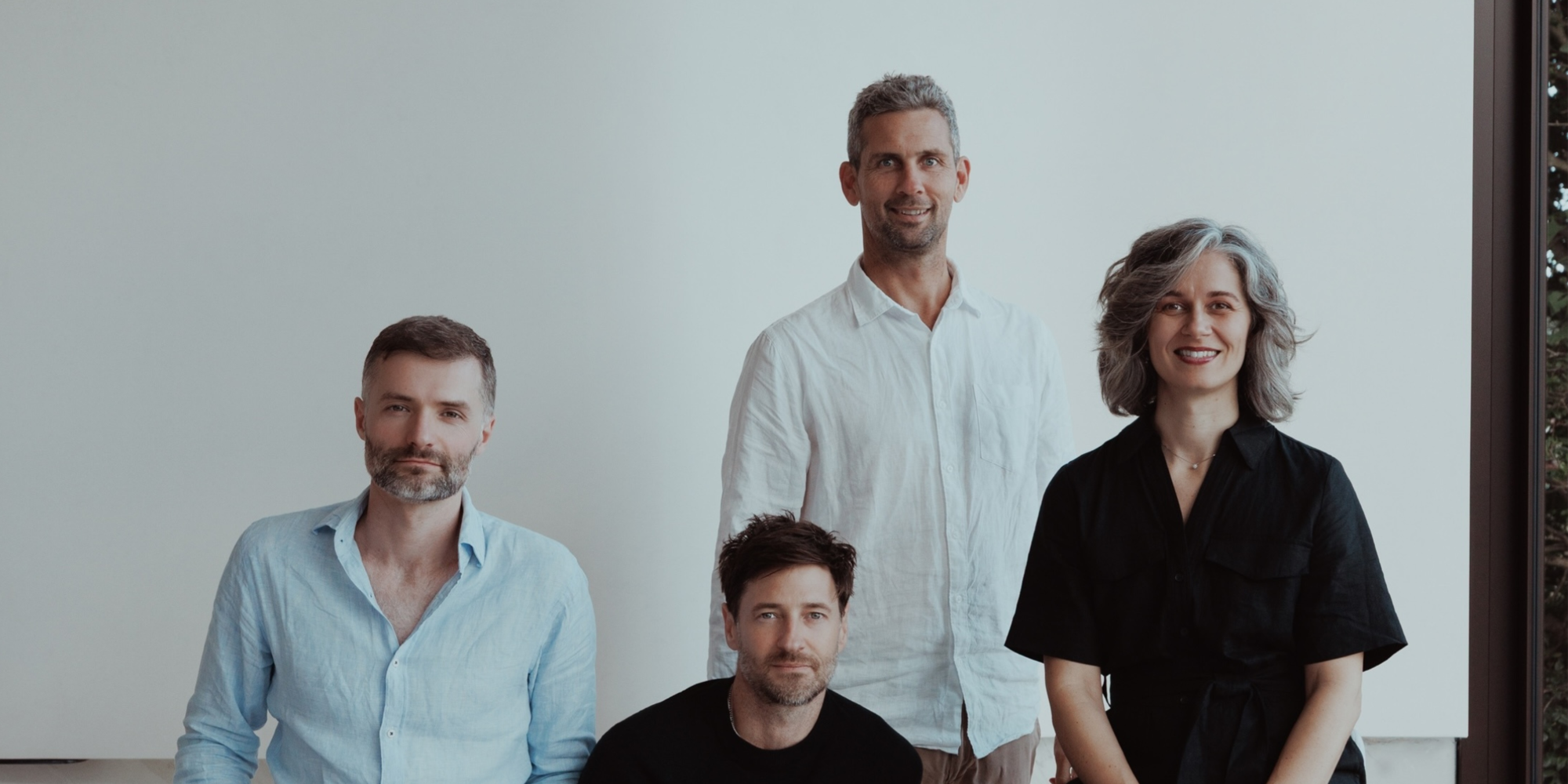
In this instalment of our Behind the Design series, we speak with Buck & Simple about a process shaped by careful listening, clarity of intent, and a strong alignment between design ambition and construction realities. Their approach emphasises considered decision making from the outset, resulting in homes that are both highly resolved and deeply connected to how people live.
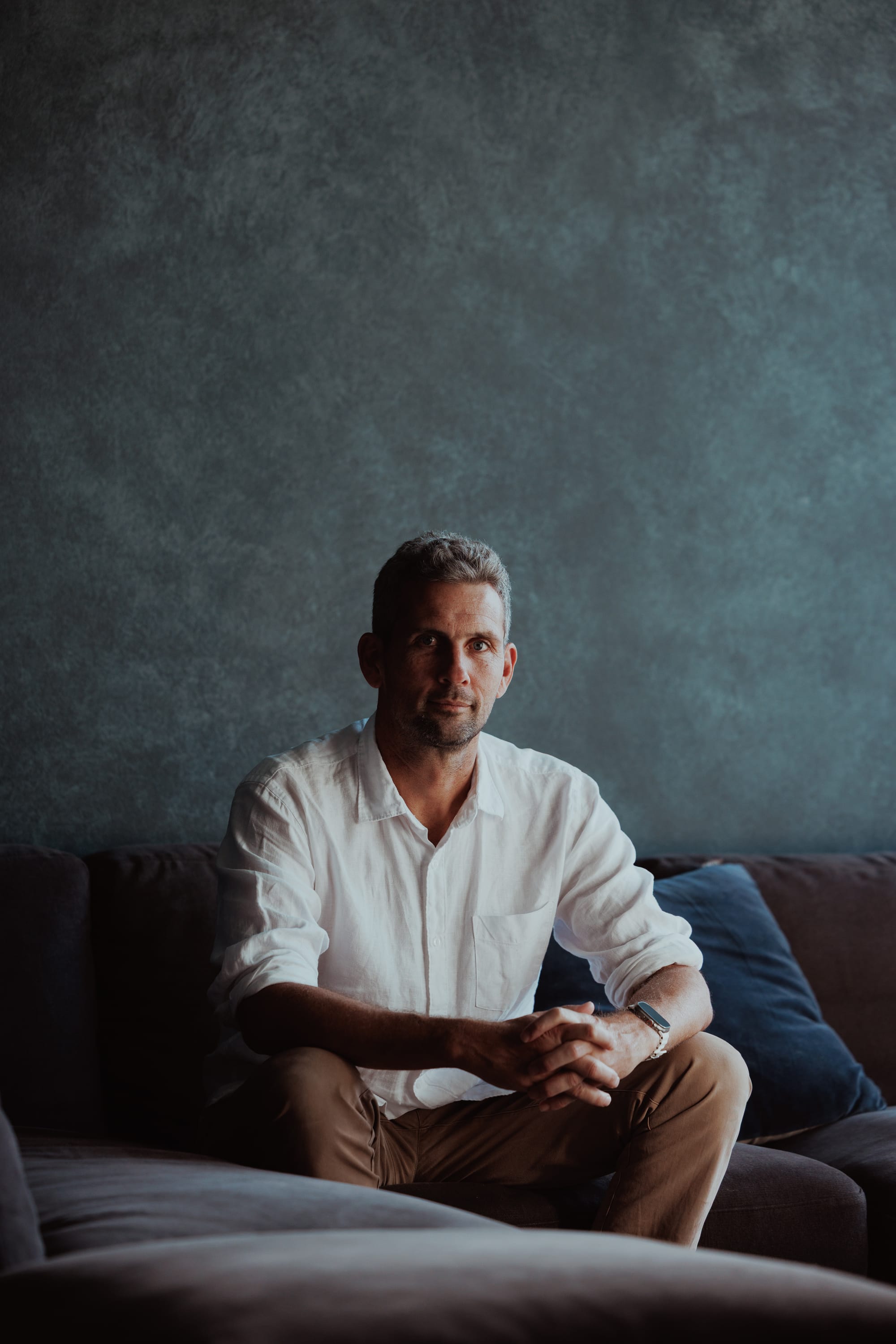

Photography by Tim Pascoe.
What does the first meeting with a new client look like at your studio?
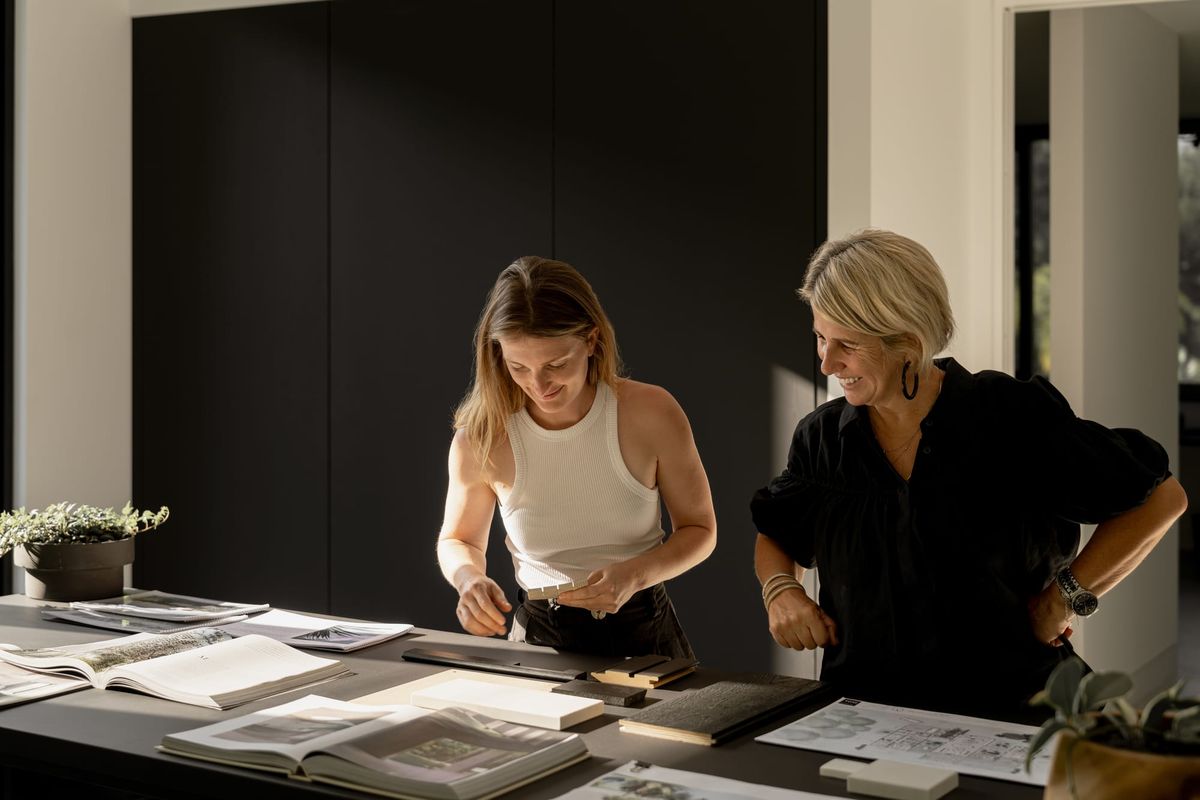
The first meeting is intentionally relaxed and often takes place on site. It allows us to meet properly, establish a connection and begin understanding how the site and the brief come together. We walk the land or existing home and discuss how the clients want to live, what is important to them, and what they are hoping to achieve. It is less about presenting ideas and more about listening, observing and understanding context, including orientation, constraints and opportunities within the site. By the end of the meeting, we aim to have a clear sense of the brief, the site conditions and the foundations of a shared direction.
What’s the most common mistake you see homeowners make before engaging an architect or designer?
A common misconception is that clients try to solve the design before engaging an architect. Often they arrive with fixed ideas or resolved layouts based on inspiration images. In reality, the most valuable role we play is in defining and refining the brief, not simply executing preconceived solutions. We are the design specialists. Clients are best served focusing on how they want to live, what is not working in their current home, and what they hope to achieve from the new one. Another common issue is budget misalignment. People often overestimate what their budget will deliver, or allocate it toward size rather than quality. A well resolved home is less about scale and more about how the budget is distributed across space, materials and detail.
How do you approach setting and managing a client’s budget throughout a project?
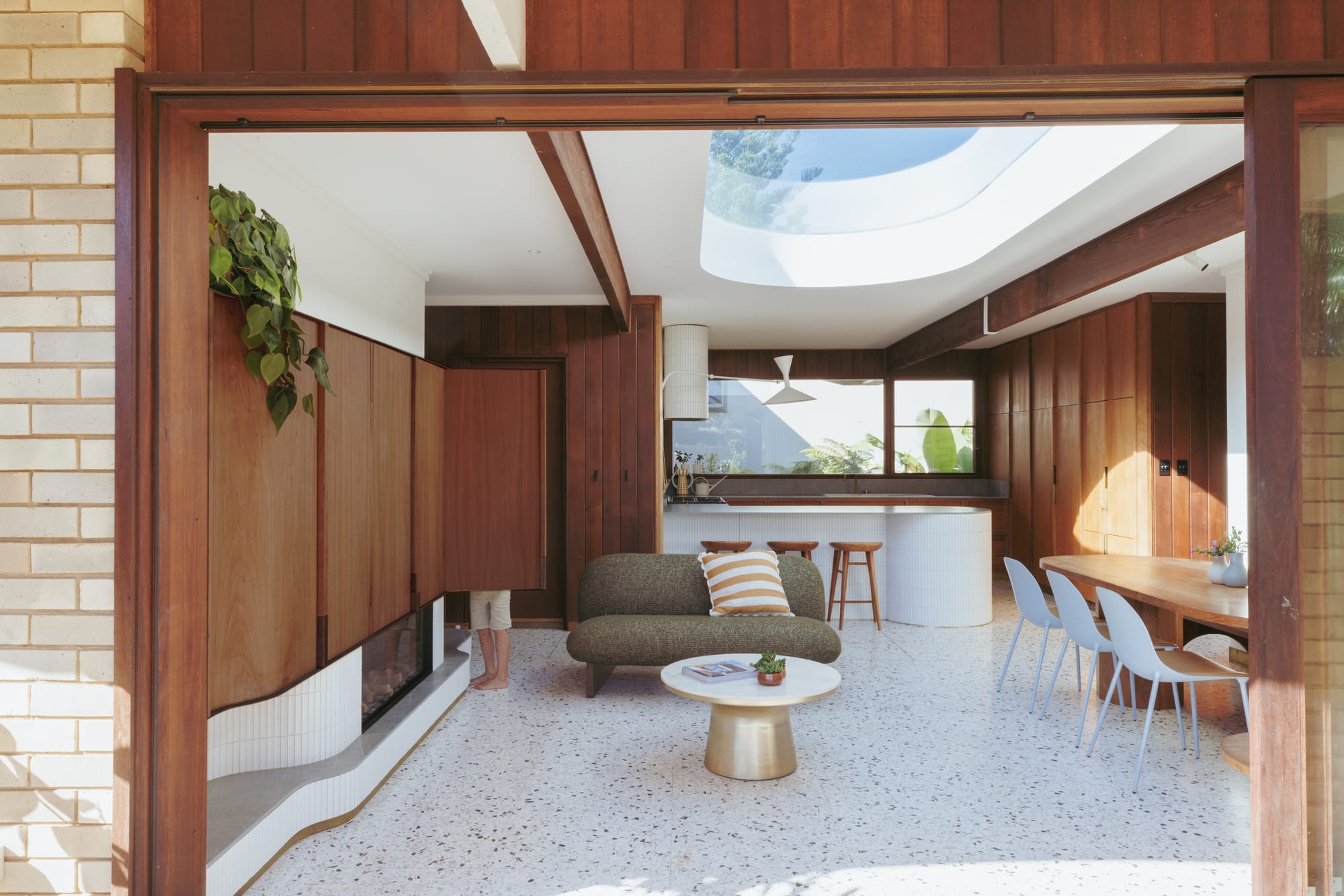
We establish a realistic budget early, drawing on industry standards, recent project data and our experience across high end residential work. We also leverage our network of builders and consultants to ensure early cost expectations are grounded in current market conditions. Throughout the design process, the budget is continuously reviewed as the design develops and more accurate pricing information becomes available. Depending on the procurement method, we adjust scope where required to maintain alignment between design intent and financial parameters. The goal is to maintain design integrity while ensuring the project remains deliverable, with clear decision making around priorities, materials and spatial outcomes.
Can you tell us about a recent project you're proud of and what made it special?
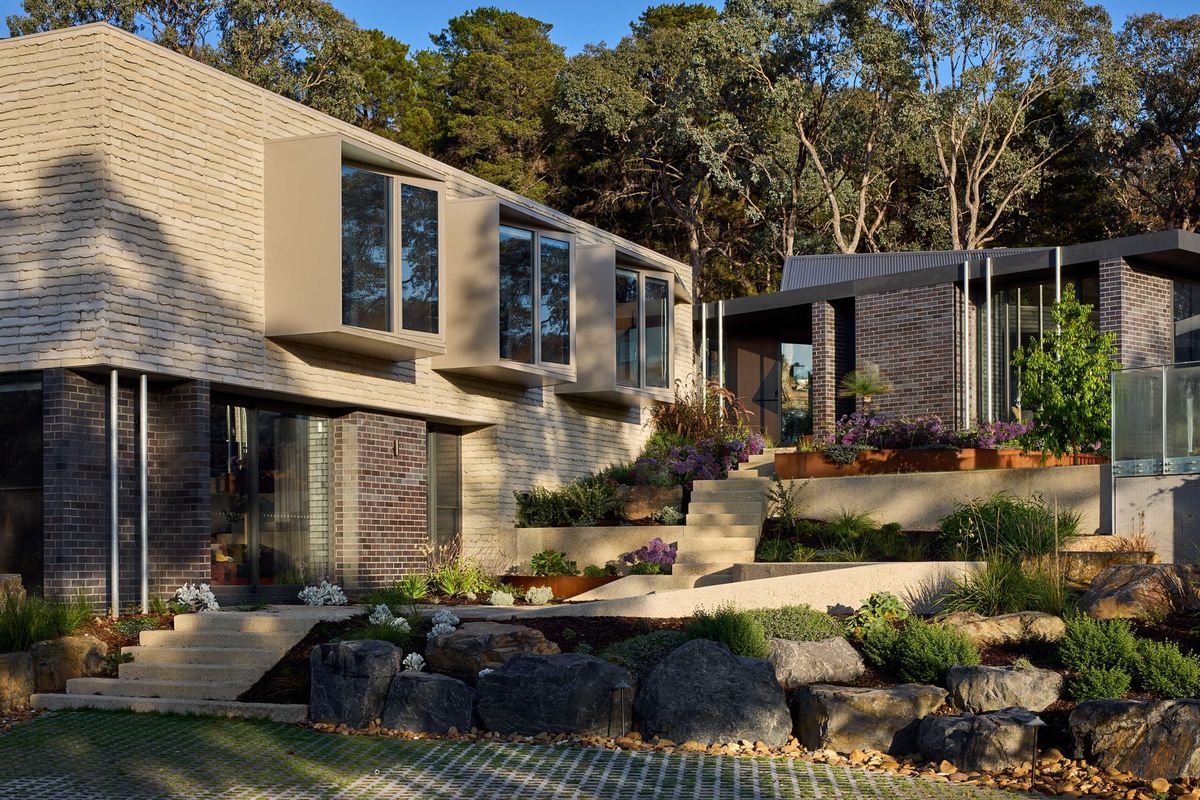
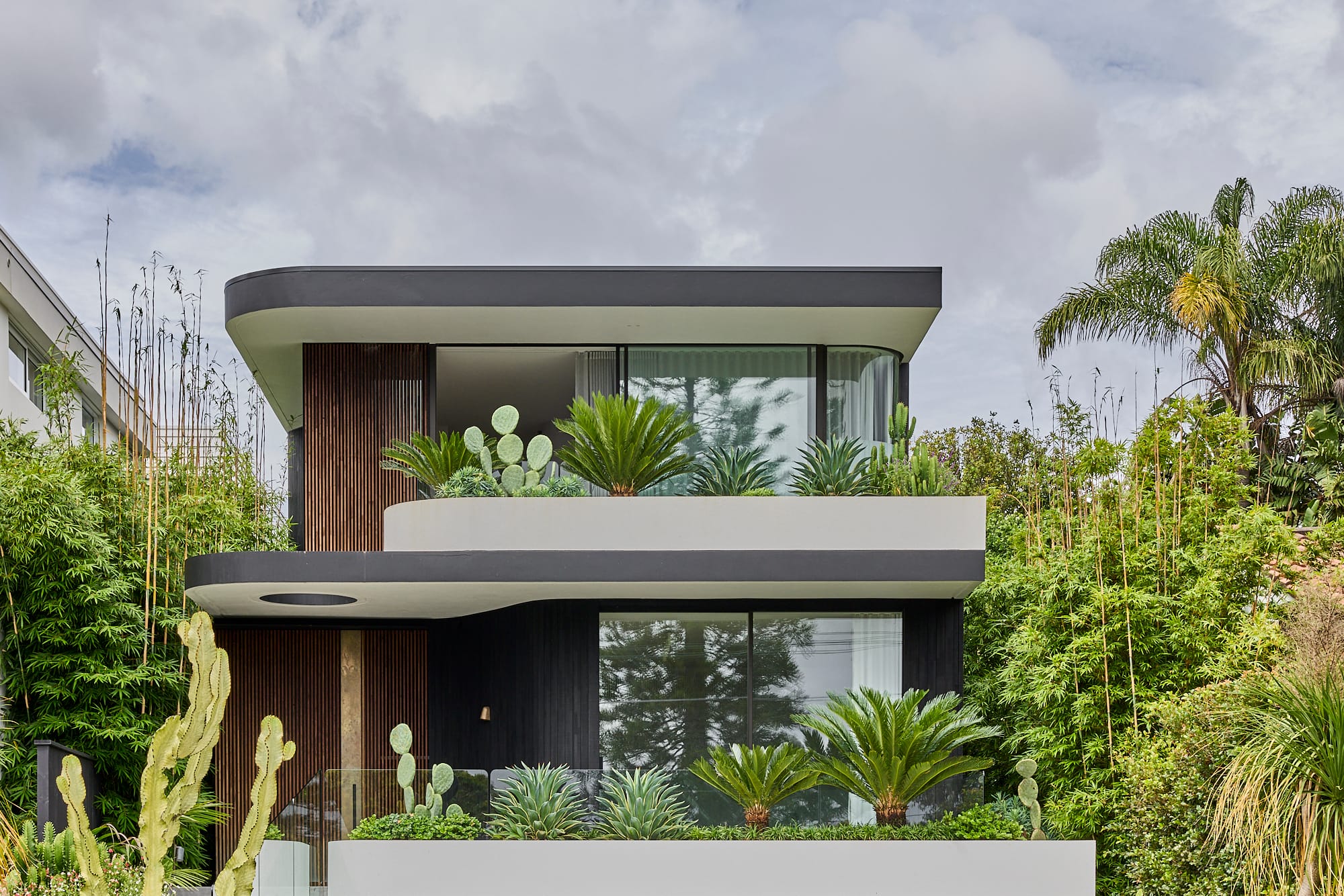
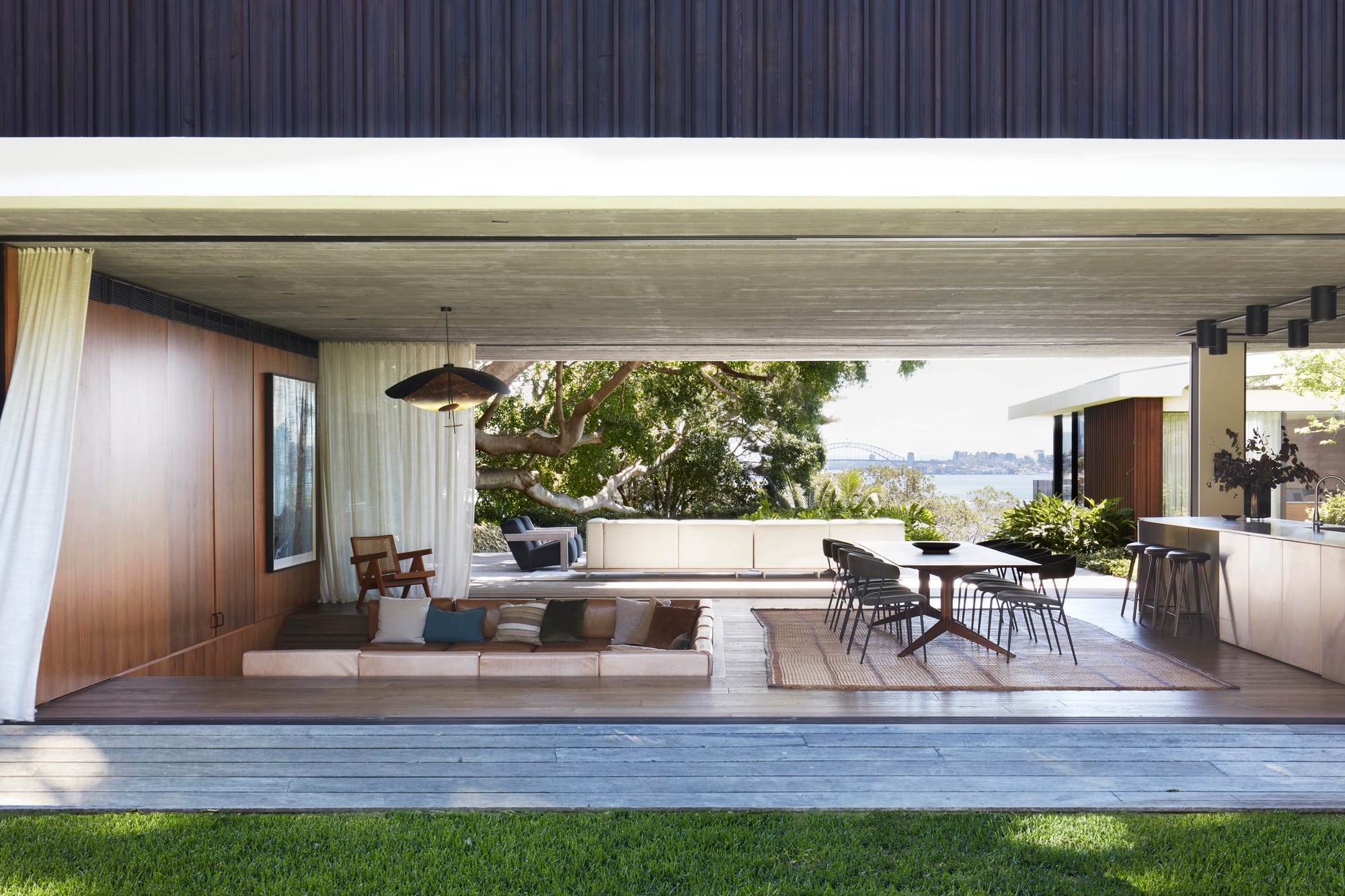
Sasso Nero is a recent project that reflects our approach to materiality, restraint and connection to landscape. The architecture is calm and resolved, with a focus on clarity of form and detail. A defining quality of the project is its strong engagement with the surrounding landscape. The home is carefully positioned and composed to maintain a continuous connection between interior spaces and the external environment. This relationship to landscape plays a central role in how the project is experienced, with outlooks, transitions and thresholds all carefully considered. The material palette is refined and enduring, supporting a sense of quiet luxury without excess. It is a project that demonstrates how simplicity, when paired with careful siting and spatial clarity, can create a deeply grounded and livable home.
What’s one question you wish every client would ask at the start of a project?
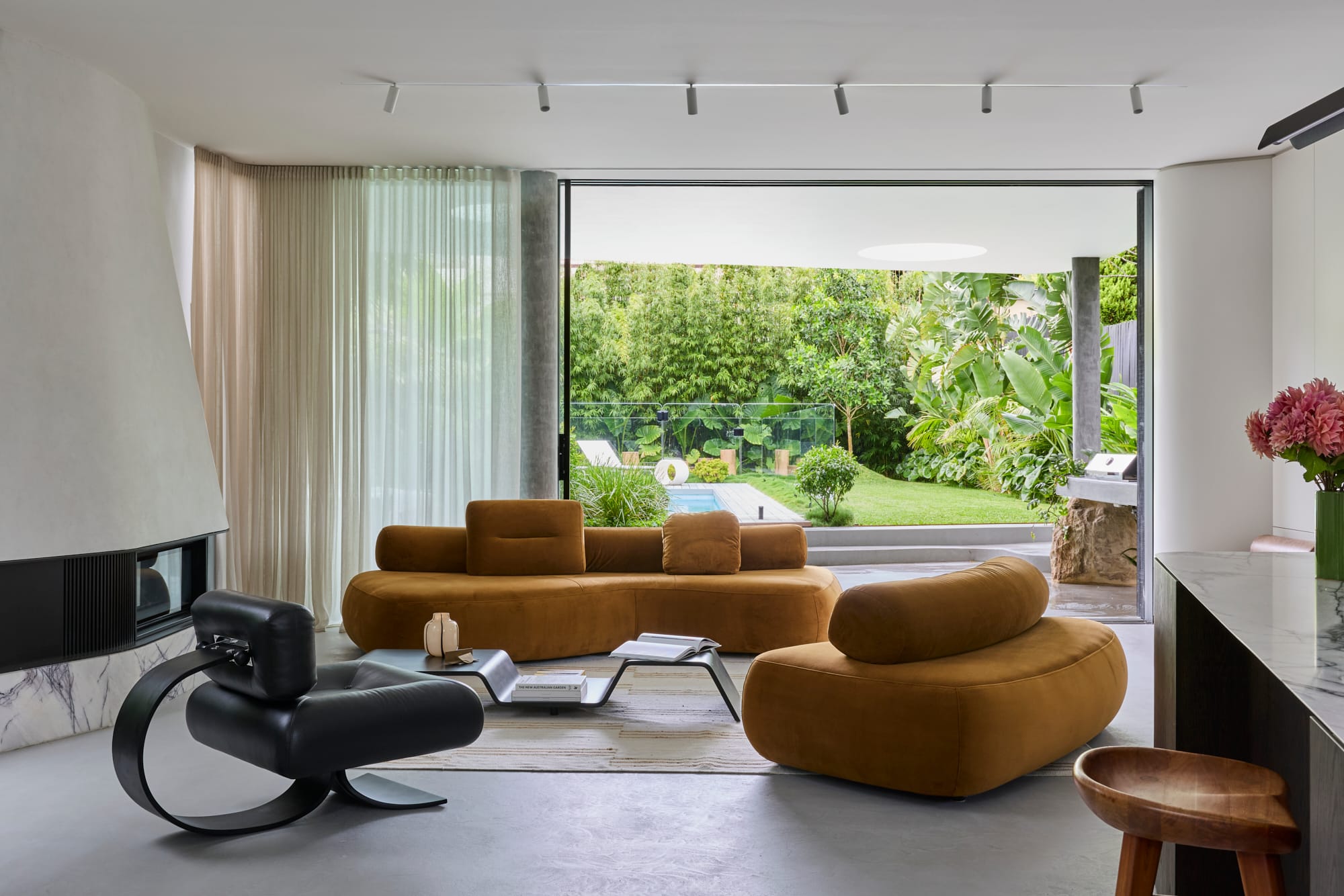
“How do we get the best outcome, not just the biggest one?” This question shifts the focus away from size and toward quality of space. Often, the most successful homes come from restraint rather than expansion. By refining the floor plate and focusing on what is essential, we are able to create more considered spaces, better connections to site and opportunities for unique architectural moments. It allows for investment in detail, materials and spatial experience rather than unnecessary scale. Ultimately, the best outcomes come from clarity in priorities, not maximising area.
How do you balance design ambition with construction realities in high end residential architecture?
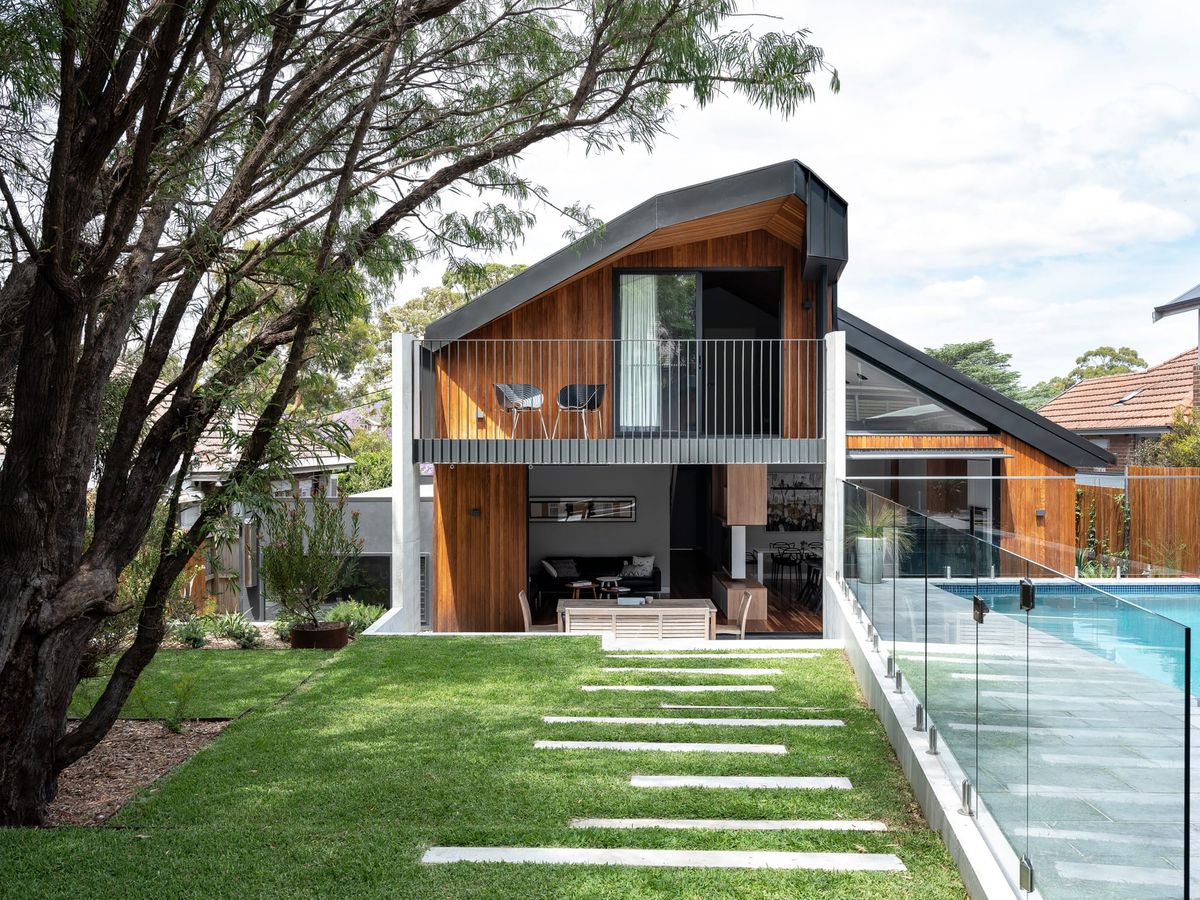
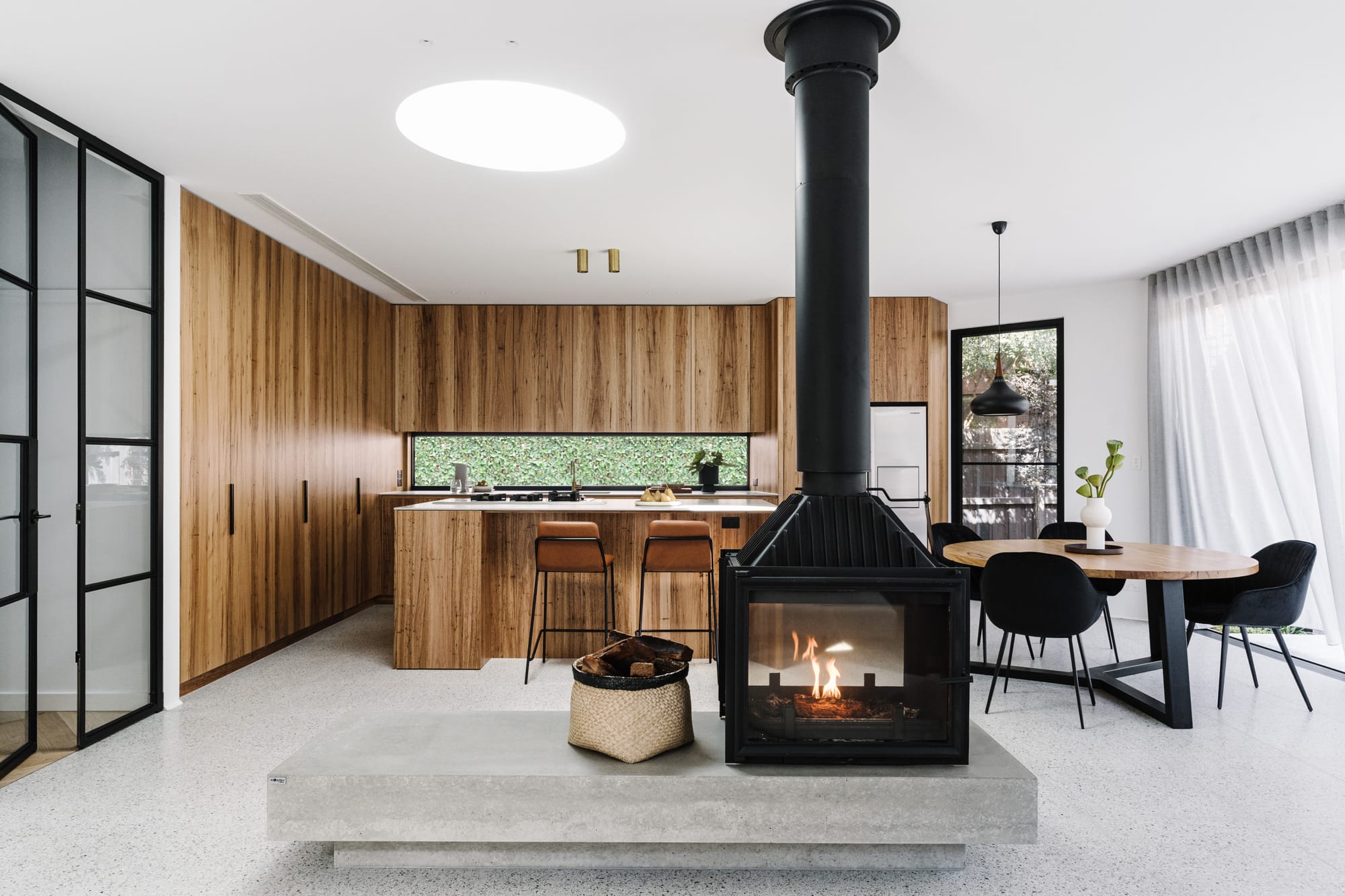
We see this as a constant and productive tension in every project. The strongest outcomes come from aligning design intent with the realities of construction, budget and context from the outset. Rather than separating design and delivery, we develop them together. Early decisions are tested through a practical lens so the architecture can evolve in a way that is both resolved and buildable, without losing clarity of intent. Our role is to hold the design ambition while ensuring it translates into something that can be executed with precision. This allows us to focus effort and investment on the elements that define the experience of the home, particularly spatial quality, materiality and detail. When these factors are balanced well, the result is not compromise, but a more refined and intentional piece of architecture.