

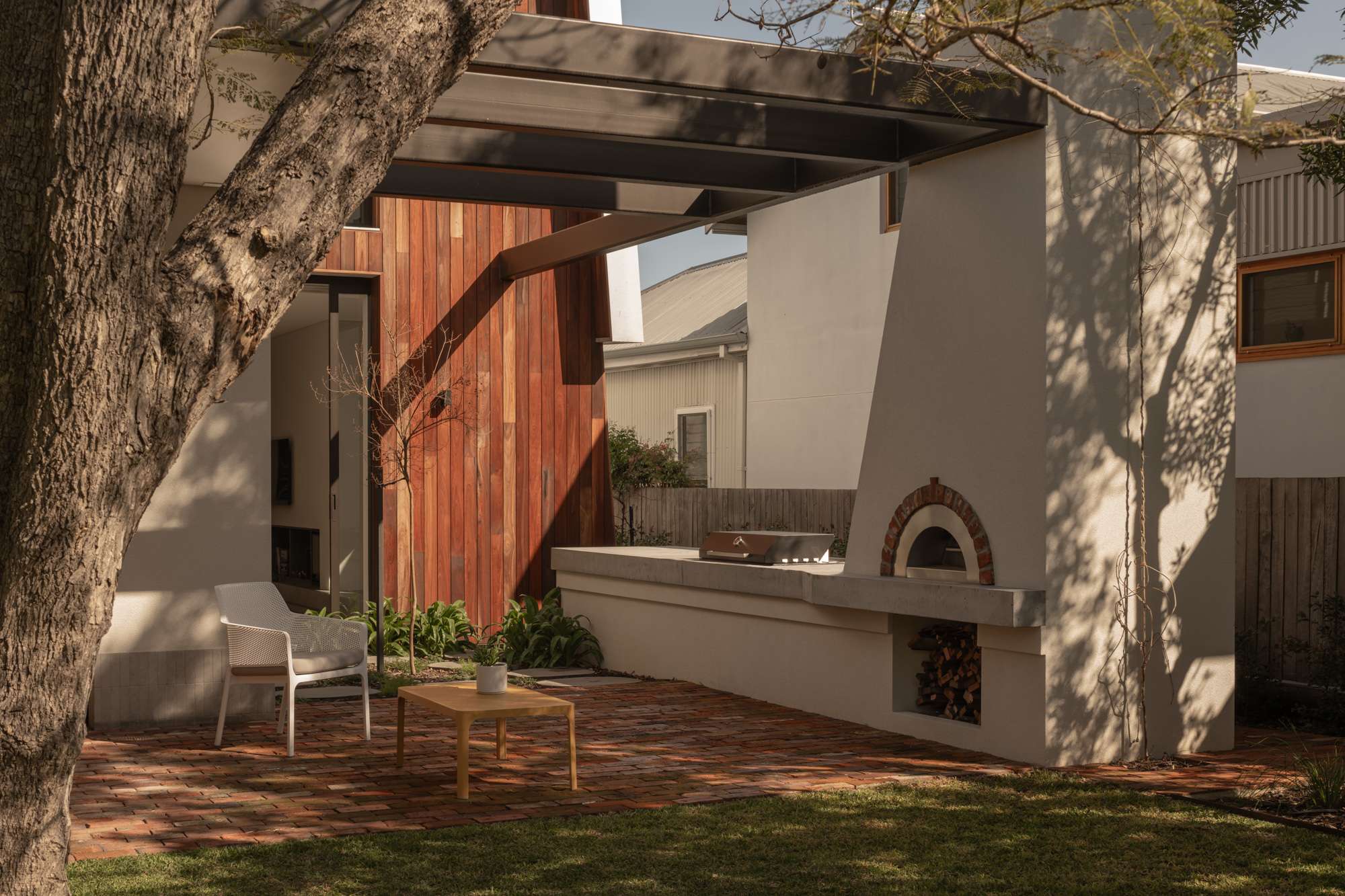
If you have spent the last few months circling the same question at 11pm with a laptop full of open tabs, you are not alone. Renovate or relocate is one of the most common crossroads Australian homeowners hit, and in 2026's market, with interest rates still shaping borrowing capacity and construction costs holding firm after several volatile years, the decision carries more weight than it used to.
There is no universally right answer here. Sometimes the smartest financial and lifestyle move is to stay and rebuild what you have. Sometimes it is to sell and start fresh somewhere else. This guide is not going to tell you renovating is always better, because it isn't. It is going to walk you through the real numbers on both sides, the signals that point one way or the other, and a practical framework to help you make the call with your own numbers rather than someone else's rule of thumb.
The Real Cost of Relocating
Selling and buying again is more expensive than most people budget for. The purchase price is only the headline figure. Underneath it sits a layer of stamp duty, agent commissions, legal fees, moving costs, and the small transactional costs that add up faster than expected.
Using a $1.2 million property as a working example, here is roughly what relocating costs once every line item is counted.
| Cost category | Typical range | Notes |
|---|---|---|
| Stamp duty on new purchase | $50,000 to $66,000 | Varies significantly by state, see table below |
| Real estate agent commission on sale | $18,000 to $30,000 | Typically 1.5 to 2.5 percent of sale price plus marketing costs |
| Legal and conveyancing fees (buy and sell) | $3,000 to $5,000 | Covers both transactions |
| Moving costs | $2,000 to $8,000 | Depends on distance, volume, and whether storage is needed |
| Building and pest inspections | $800 to $1,500 | For the new purchase |
| Loan discharge and establishment fees | $1,000 to $3,000 | Discharging the old loan, establishing the new one |
| Minor fit out and settling in costs | $5,000 to $15,000 | Window furnishings, minor repairs, reconnections |
Add it up and relocating a $1.2 million property typically lands between $80,000 and $150,000 once every cost is accounted for, before you have changed a single thing about the new home to suit your family. That figure assumes a like for like purchase. If the new property needs work of its own, the total climbs further.

Stamp duty by state, approximate figures for a $1.2 million established home
| State or territory | Approximate stamp duty |
|---|---|
| New South Wales | Around $54,000 |
| Victoria | Around $66,000 |
| Queensland | Around $52,000 |
| Western Australia | Around $52,000 |
| South Australia | Around $59,000 |
| Tasmania | Around $54,000 |
| Northern Territory | Around $59,000 |
| Australian Capital Territory | Around $50,000, phasing arrangements differ from other states |
These figures are indicative estimates for planning purposes only. Stamp duty rates, thresholds, and first home or concession eligibility change regularly, so confirm the exact figure for your situation using your state revenue office's calculator before making a decision.
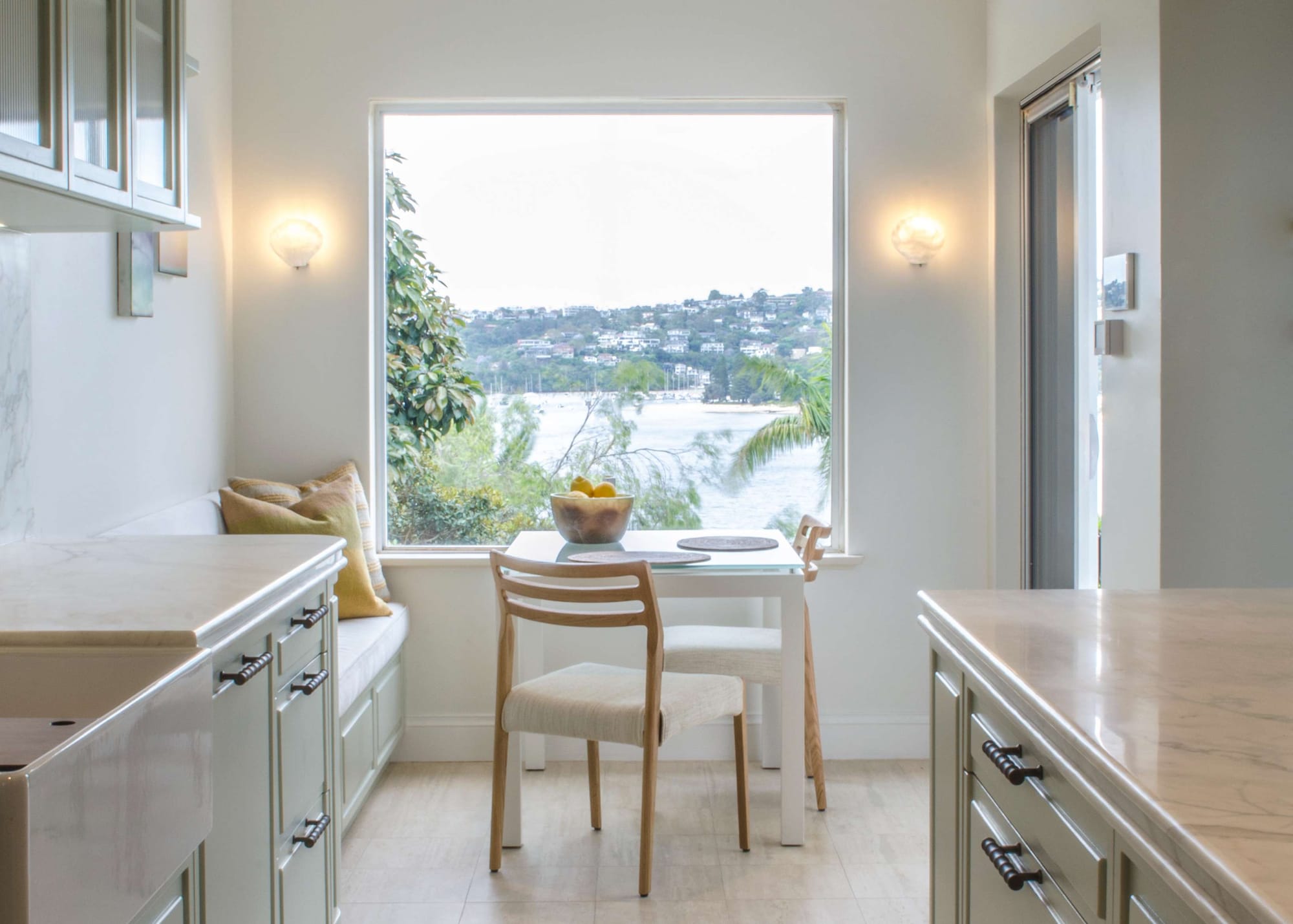
The Real Cost of Renovating With the Same Budget
Now put that same $80,000 to $150,000 toward the home you already own. What does it actually buy?
At the lower end of that range, homeowners are typically looking at a substantial kitchen or bathroom renovation, or a moderate whole home refresh covering flooring, fixtures, and cosmetic updates throughout. At the upper end, that budget starts to stretch to a single storey extension, a full kitchen and living area reconfiguration, or a significant structural upgrade such as removing walls to open up a floor plan.
What it does not typically buy at this budget is a second storey addition on most properties, which tends to sit well above this range once structural, engineering, and finish costs are included. If your renovation ambitions include adding an entire level, it is worth reading our second storey addition cost guide before comparing it against relocating, since the two paths may end up closer in cost than expected.
The advantage of renovating is that the money is spent entirely on the parts of the home that matter to you. There is no cost buried in someone else's agent commission or your own selling costs. Every dollar goes into the walls, the layout, or the finish. For a full breakdown of what different renovation types cost in 2026, our kitchen and bathroom guides cover extensions and structural work in detail.
When Relocating Makes Sense
Renovating is not always the sentimental favourite it is made out to be. There are situations where selling is genuinely the smarter move.
You are in the wrong suburb. No renovation fixes a location that no longer matches your life. If your commute, school catchment, or lifestyle needs have shifted and the suburb itself is the problem, spending on the existing home only delays an inevitable move.
The land size cannot support what you need. Some blocks are simply too small for the floor plan a growing family requires, regardless of budget. If the land cannot physically accommodate the extra bedrooms, living space, or outdoor area you need, no amount of clever design solves that.
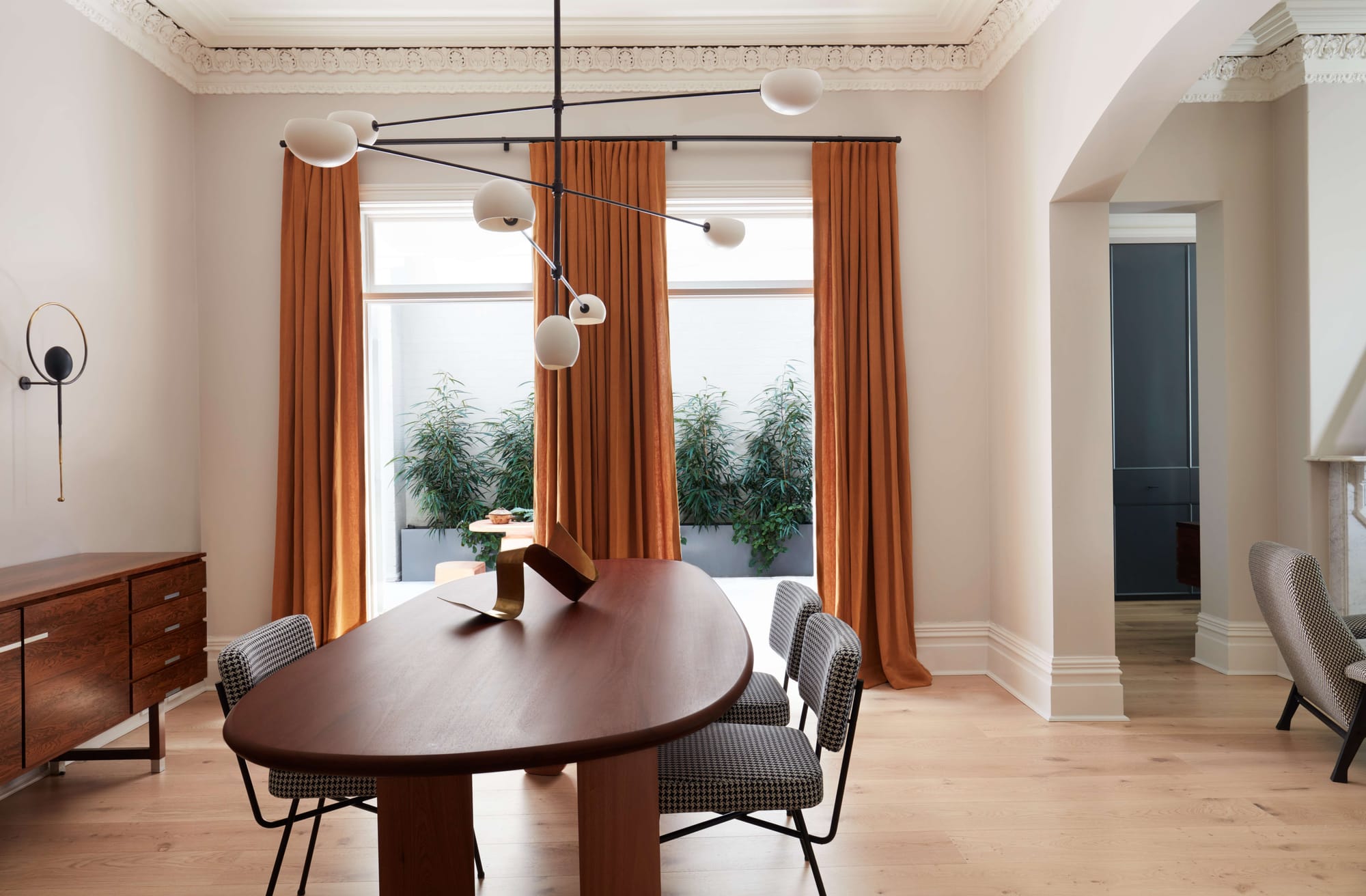
Structural problems run deep. Significant issues such as failing foundations, widespread rising damp, or asbestos throughout the structure can turn a renovation budget into a series of expensive surprises. If a building inspection reveals the home's bones are compromised rather than simply dated, relocating can be the more financially disciplined choice.
You are at risk of overcapitalising. Every suburb has a ceiling on what buyers will pay, regardless of how much is spent on the home. If your renovation budget would push your property well above what comparable homes in the area are selling for, that extra spend may not come back to you at resale. This is one of the most common and costly mistakes in renovation planning, and it is worth reading closely before committing to a scope of works.
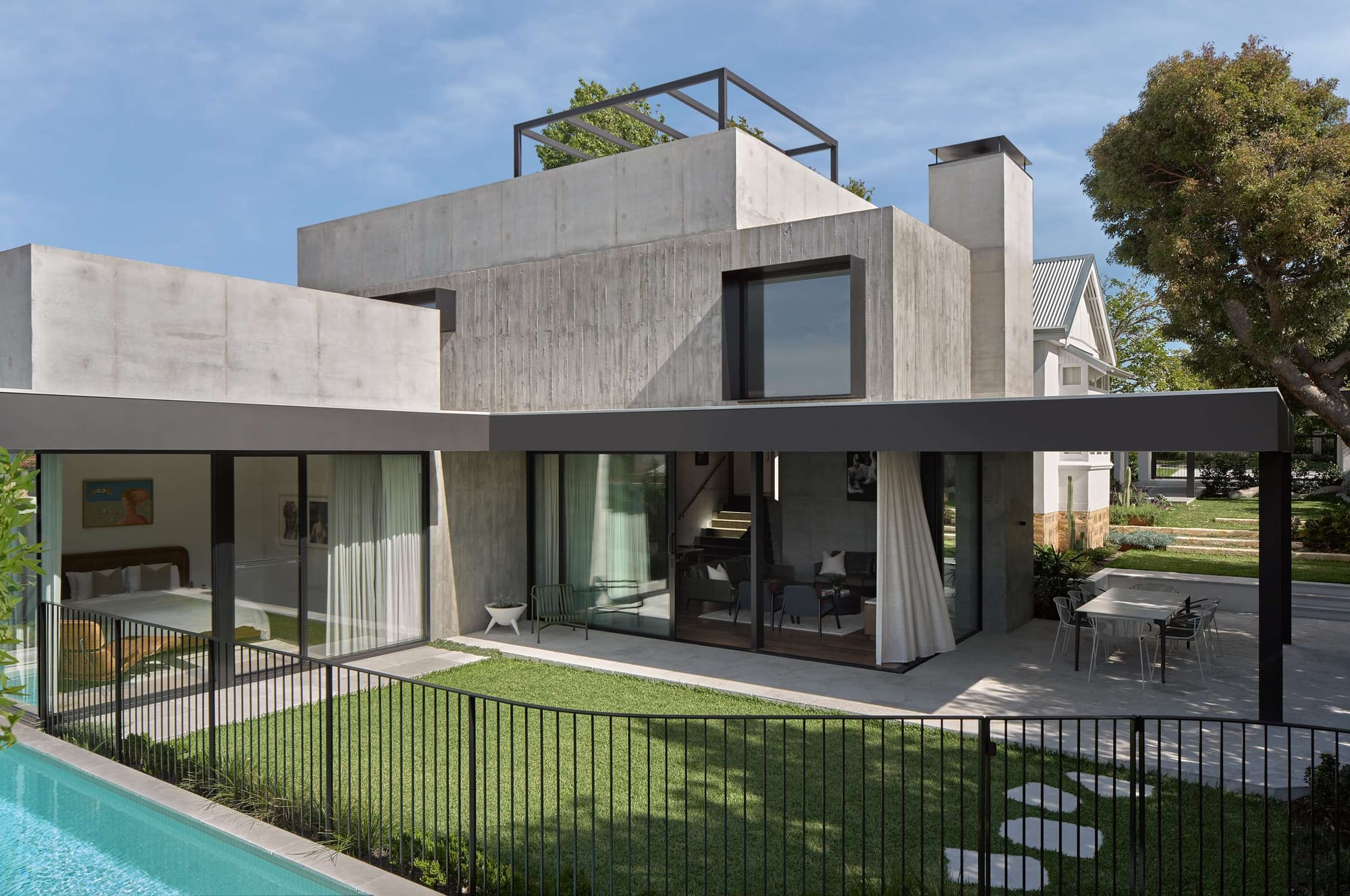
When Renovating Makes Sense
On the other side of the ledger, there are clear signals that staying and renovating is the stronger financial and lifestyle decision.
You love the suburb. If the location itself is right, close to the school, the commute, the community, the walkability, that is not something you can simply buy again elsewhere for the same price. Location value compounds over time, and staying preserves it.
The home has strong bones. A solid structure, good orientation, adequate ceiling heights, and a layout that can be reconfigured without major structural intervention all mean your renovation budget goes further and lasts longer.
You are under the 2 to 3 percent ceiling. As a general guide, if your total renovation spend keeps your home's value within roughly 2 to 3 percent of the top sales in your immediate street or pocket, you are unlikely to overcapitalise. Staying under that ceiling means your renovation is more likely to be reflected in resale value rather than lost to it.
A Practical 5-Question Decision Framework
If you are still torn after weighing the costs and signals above, work through these five questions in order. They are designed to surface the real constraint, rather than the loudest one.
1. Is the problem the house, or the location? Be honest about which one you are actually unhappy with. A location problem cannot be renovated away.
2. Does the land physically support what I need? If the answer is no, regardless of budget, that points toward relocating.
3. What does a building inspection say about the structure? Get a professional opinion before assuming the bones are fine or beyond saving. This single step resolves more renovate or relocate debates than any other.
4. Where does my renovation budget sit against the suburb ceiling? Compare your intended spend, plus current value, against recent sales in your immediate area. If you are near or above the ceiling, relocating protects your capital.
5. If I do nothing for five years, am I happy here? This question cuts through renovation fatigue and decision paralysis. If the honest answer is yes, that is a strong signal to stay and invest. If it is no, no renovation will change that.
Answer all five honestly and a clear direction usually emerges. If it does not, that itself is useful information, it may mean the numbers are close enough that either path is reasonable, and the decision comes down to appetite for disruption versus appetite for a fresh start.
Frequently Asked Questions
Is it cheaper to renovate or relocate in 2026?
It depends entirely on the property and the scope involved. On a like for like budget, renovating typically delivers more usable space and finish quality per dollar than relocating, since relocating carries stamp duty, agent fees, and transaction costs that renovating does not. However, if the renovation required is extensive enough to approach or exceed the suburb's value ceiling, relocating can become the more financially sound option.
How much does it cost to sell and buy again in Australia?
For a $1.2 million property, total relocation costs, including stamp duty, agent commission, legal fees, moving costs, and settling in expenses, typically range from $80,000 to $150,000. The exact figure depends heavily on which state you are in, since stamp duty varies significantly by jurisdiction.
What is overcapitalising and how do I avoid it?
Overcapitalising means spending more on a renovation than the local market will pay back at resale. It is avoided by researching recent comparable sales in your immediate street or suburb before finalising a renovation budget, and keeping total spend within roughly 2 to 3 percent of the top sales in that pocket.
Should I get a building inspection before deciding to renovate?
Yes. A professional building inspection is one of the most useful steps in the entire decision process, since it reveals whether structural issues are cosmetic and fixable or deep and costly. This single piece of information often resolves the renovate or relocate question more clearly than budget comparisons alone.
Does a renovation add more value than it costs?
Sometimes, but not always, and this varies by project type and suburb. Kitchens, bathrooms, and additional living space tend to return value more reliably than highly personalised or niche upgrades. The safest approach is comparing your intended spend against your suburb's ceiling before committing to a scope.
How long does a major renovation typically take compared to buying and selling?
A significant renovation or extension typically takes four to nine months depending on scope and approval requirements, while a full relocation process, selling, purchasing, and moving, often takes three to six months from listing to settlement, though this varies with market conditions. Recent ABS building and renovation approvals data shows approval timelines have remained fairly steady over the past year, so this range is a reasonable planning guide for most metro projects.
Still deciding which path fits your situation? Explore the full cost breakdown for your specific project type in our renovation cost guide, or read our build or renovate comparison for a deeper look at how these decisions play out for different property types.