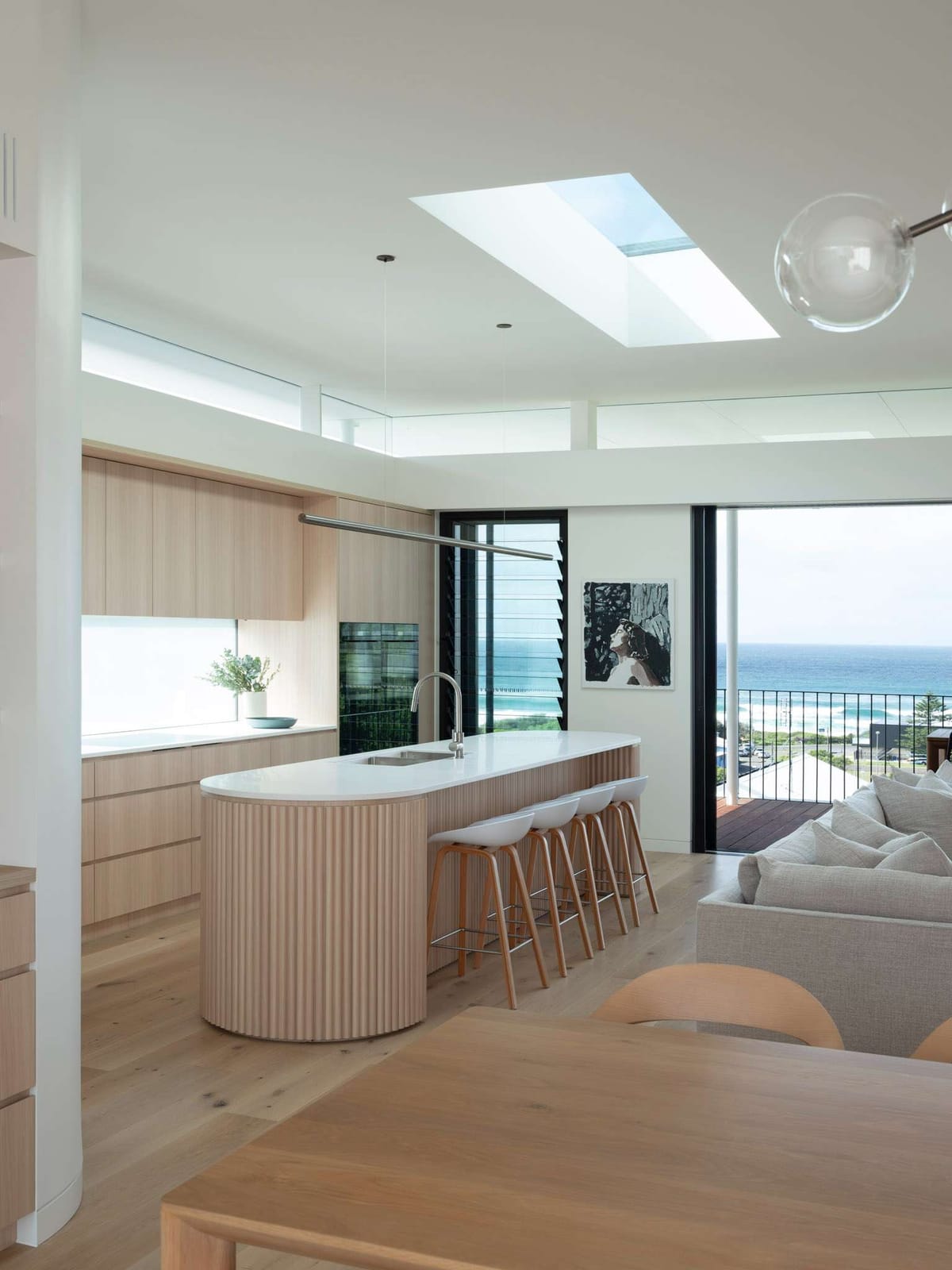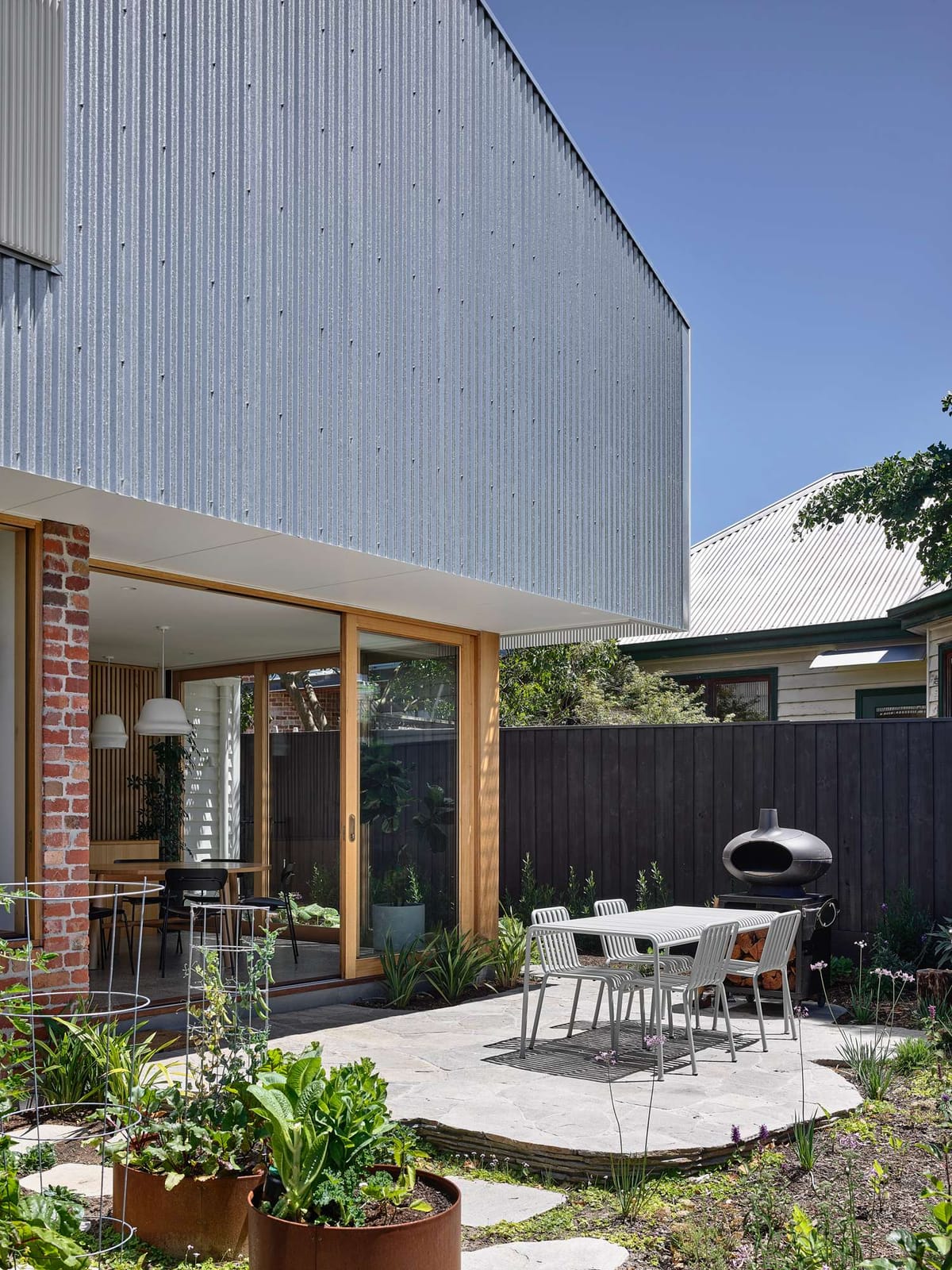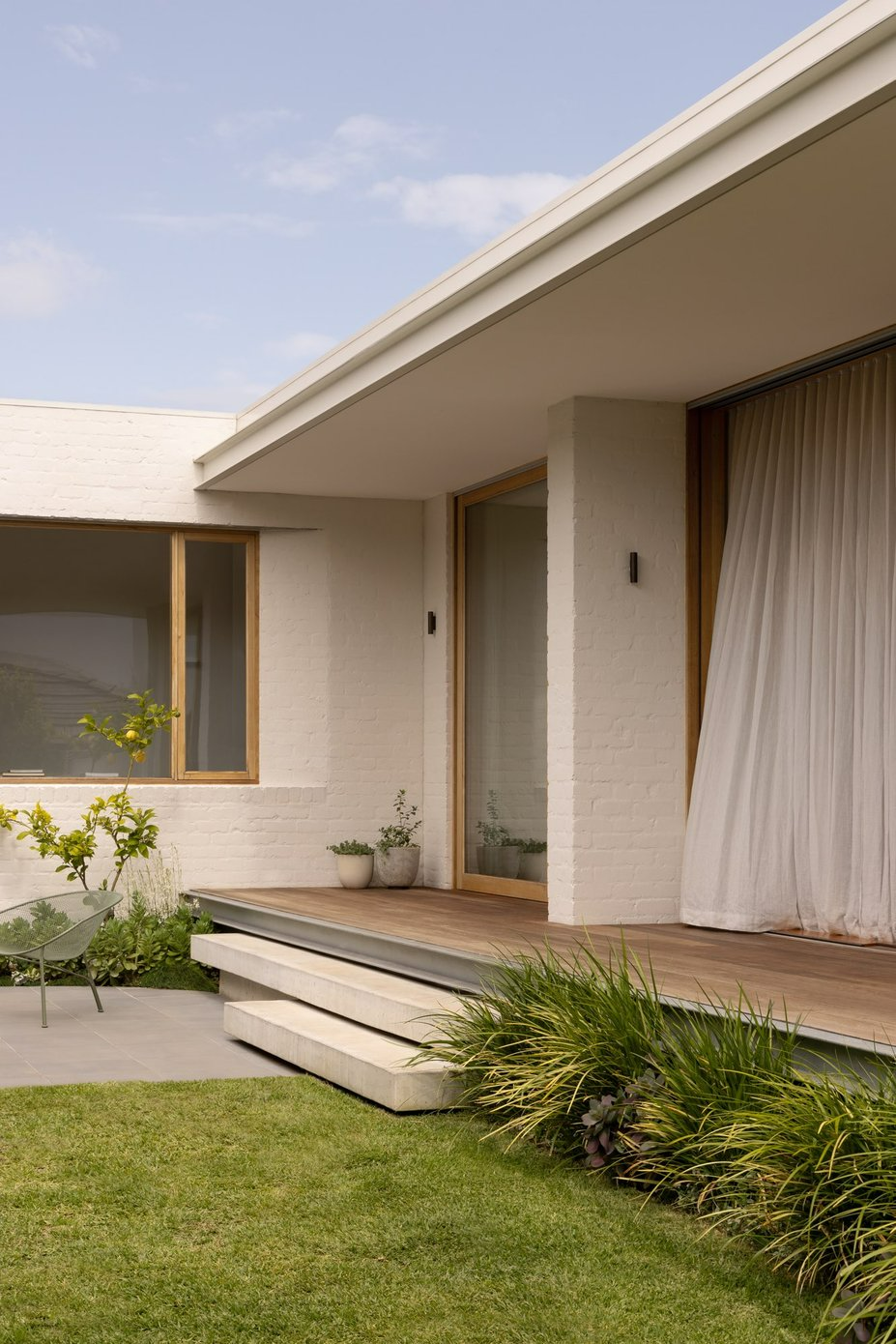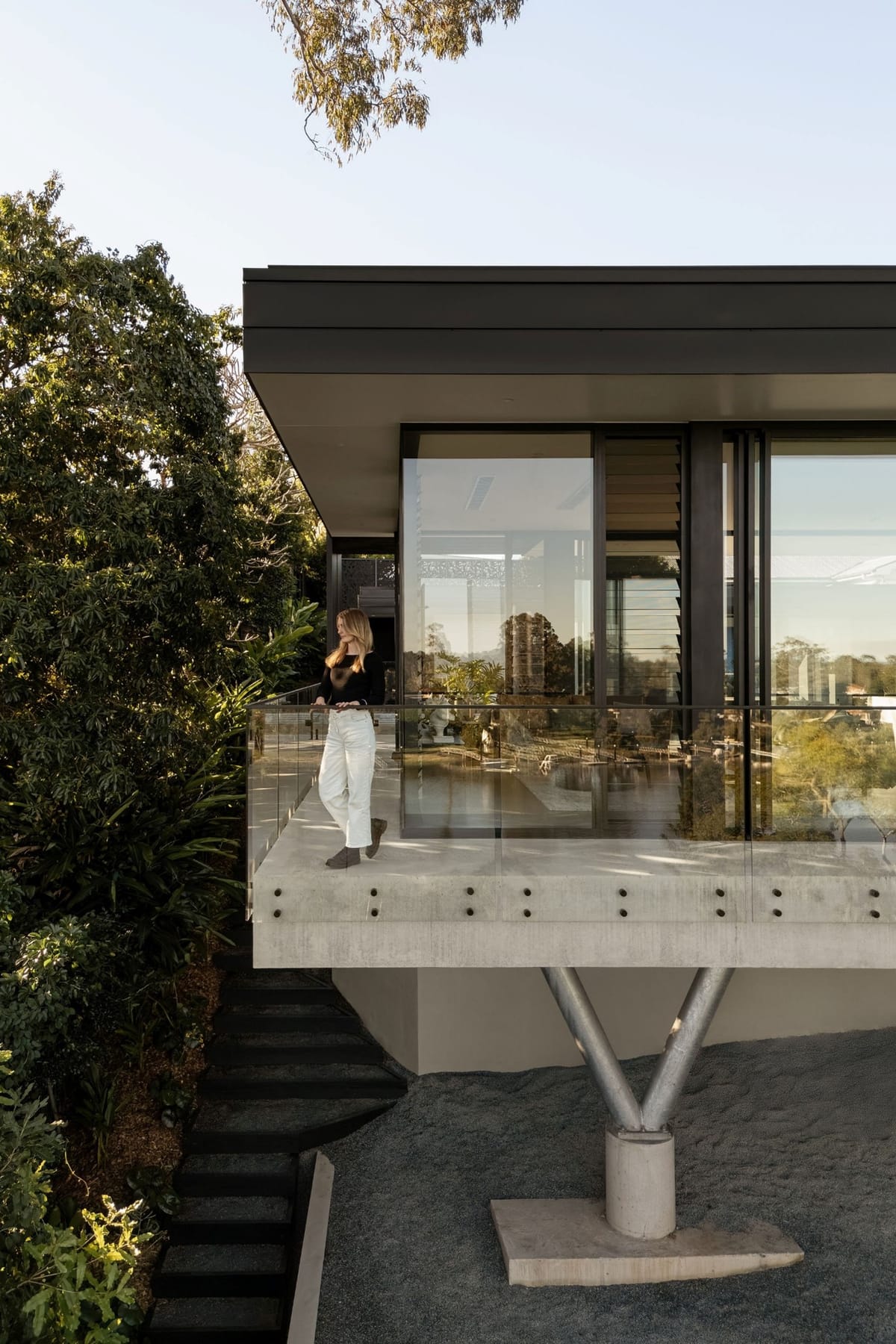
From rolling farmland in New South Wales to rugged ridgelines in Victora, Australian rural architecture is a masterclass in designing for, not against, the landscape. Here at CO-architecture, we are proud to highlight six of our favourite rural projects that showcase the talent and innovation of Australian architects and designers. Each home responds thoughtfully to its setting, embracing expansive views, adopting natural materials and integrating sustainable principles to create spaces that are grounded, resilient and deeply connected to place. These projects provide inspiration for living simply, sustainably and in harmony with the vast and varied Australian landscape.
Marraweeney by Tom Robertson Architects
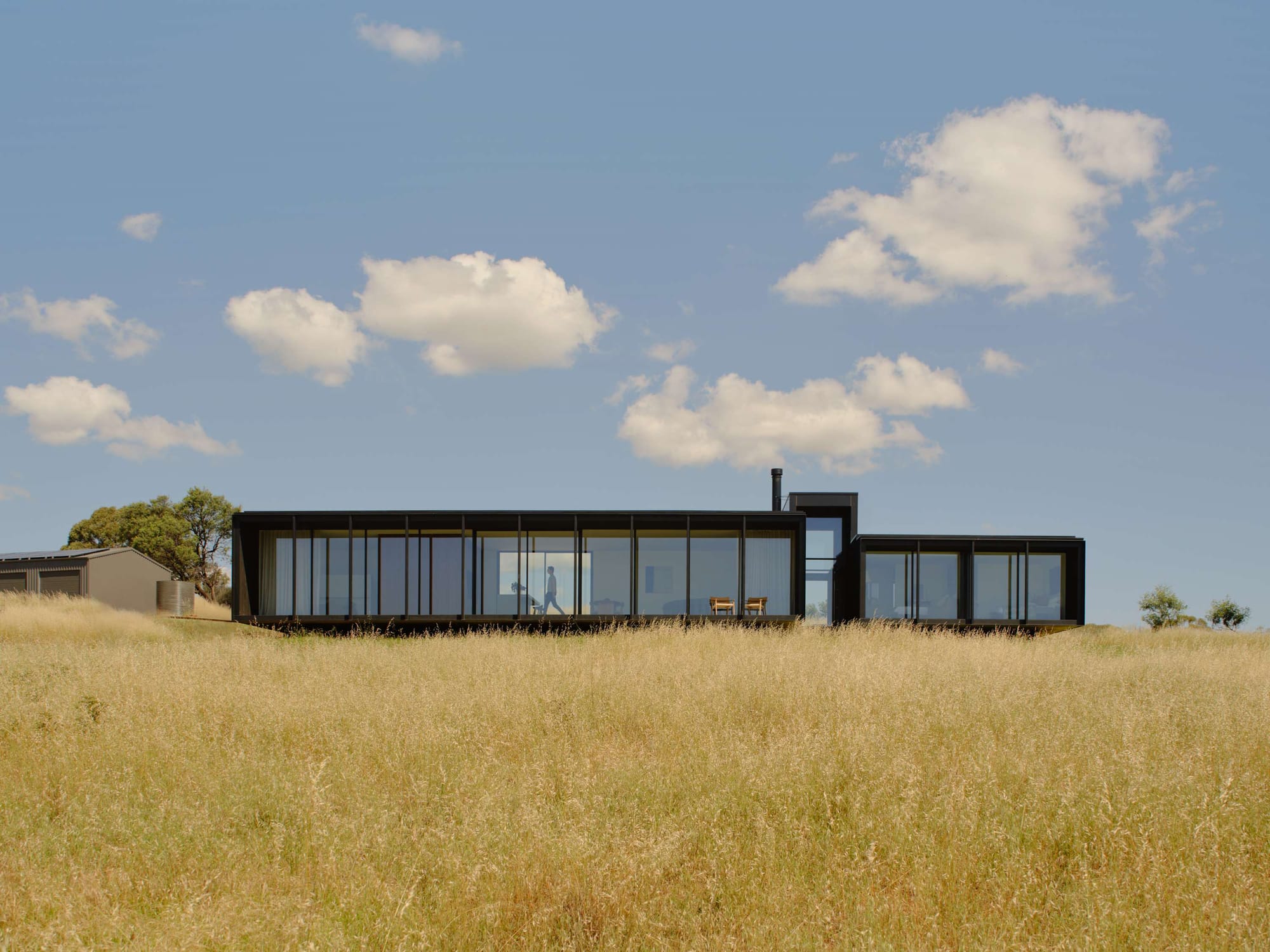
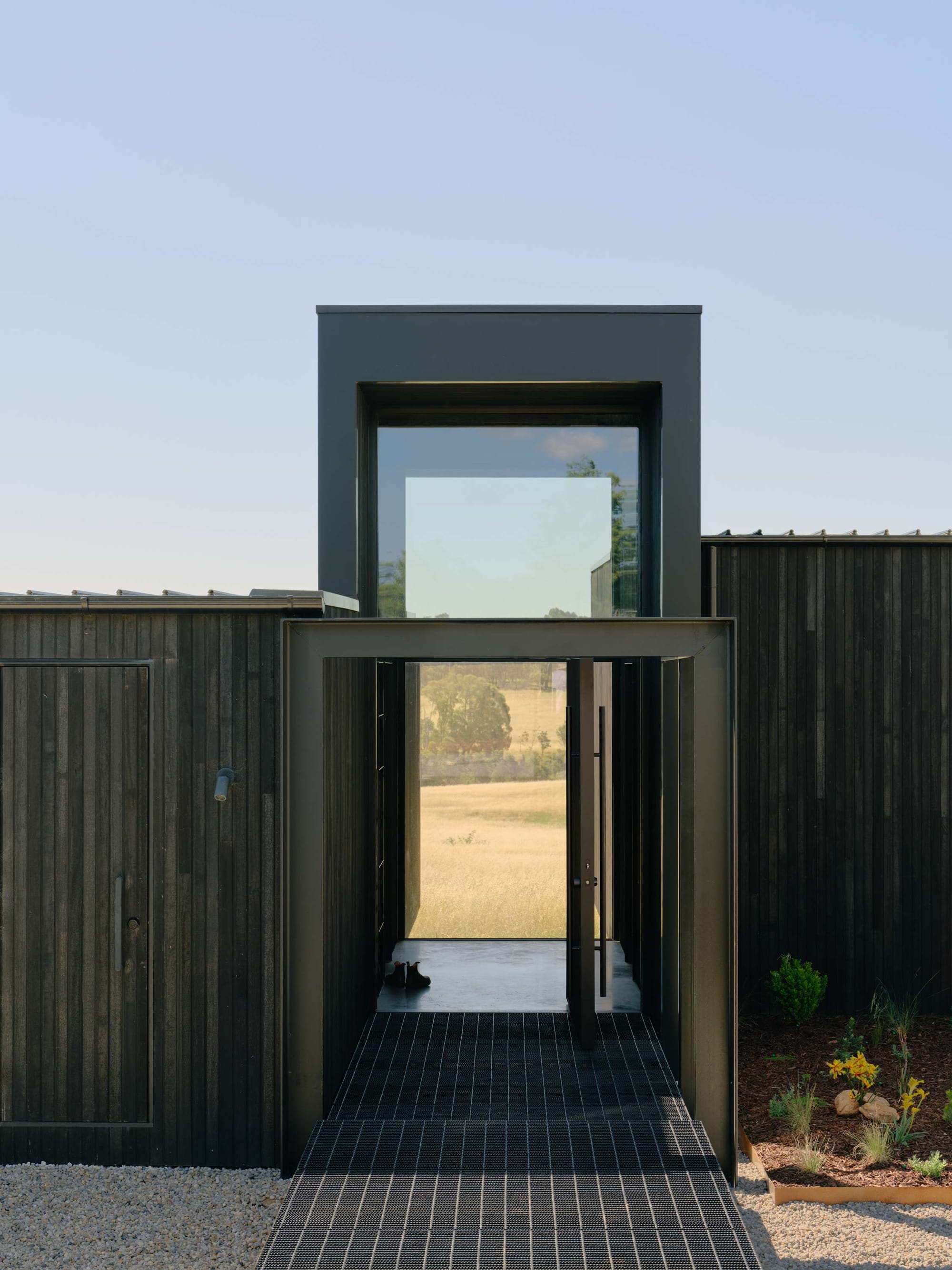
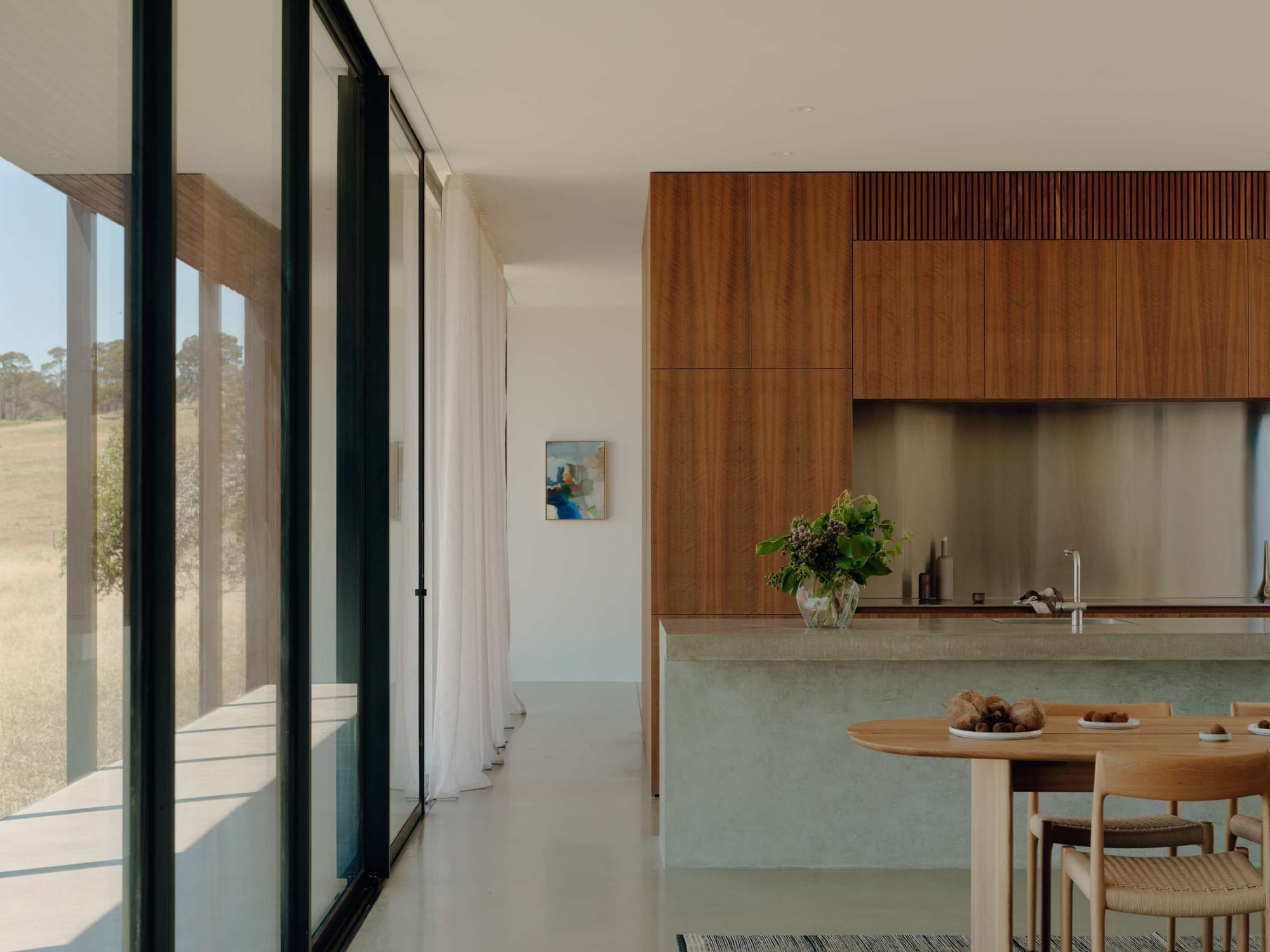
Marraweeney by Tom Robertson Architects adorns the high point of a ridge in country Victoria, specifically selected to maximise expansive views of over the rural landscape below. Designed to float seamlessly above the landscape and sit quietly atop the hill, the home honours the natural environment. The home rests upon a recessed plinth, allowing native grasses to grow freely, whilst a rhythmic sequences of columns create a show of evening light and shadows across the homes intentionally simple, horizontal form. Columns have been intentionally placed to frame impressive vistas across the stunning landscape, and to maintain the deliberately minimal materiality that characterises the remainder of the home.
Charred, exterior cladding and dark steel detailing provide contrast against the light, flowing grasses, engaging the environment as the most precious material of all. A generous, 1.8 metre deep, full length veranda stretches the length of the main living and bedroom wing, echoing the traditional farmhouse typology, whilst also providing refuge from the sun in the northwest.
See more of Marraweeney by Tom Robertson Architects.
Let Us Help You Find the Right Professional
Not sure where to start with finding an architect, building designer or interior designer? We've got you covered. Our network includes trusted, experienced professionals who understand the Australian building landscape — and your unique vision.
Get Matched With the Right ProfessionalHausen Court by Keen Architecture
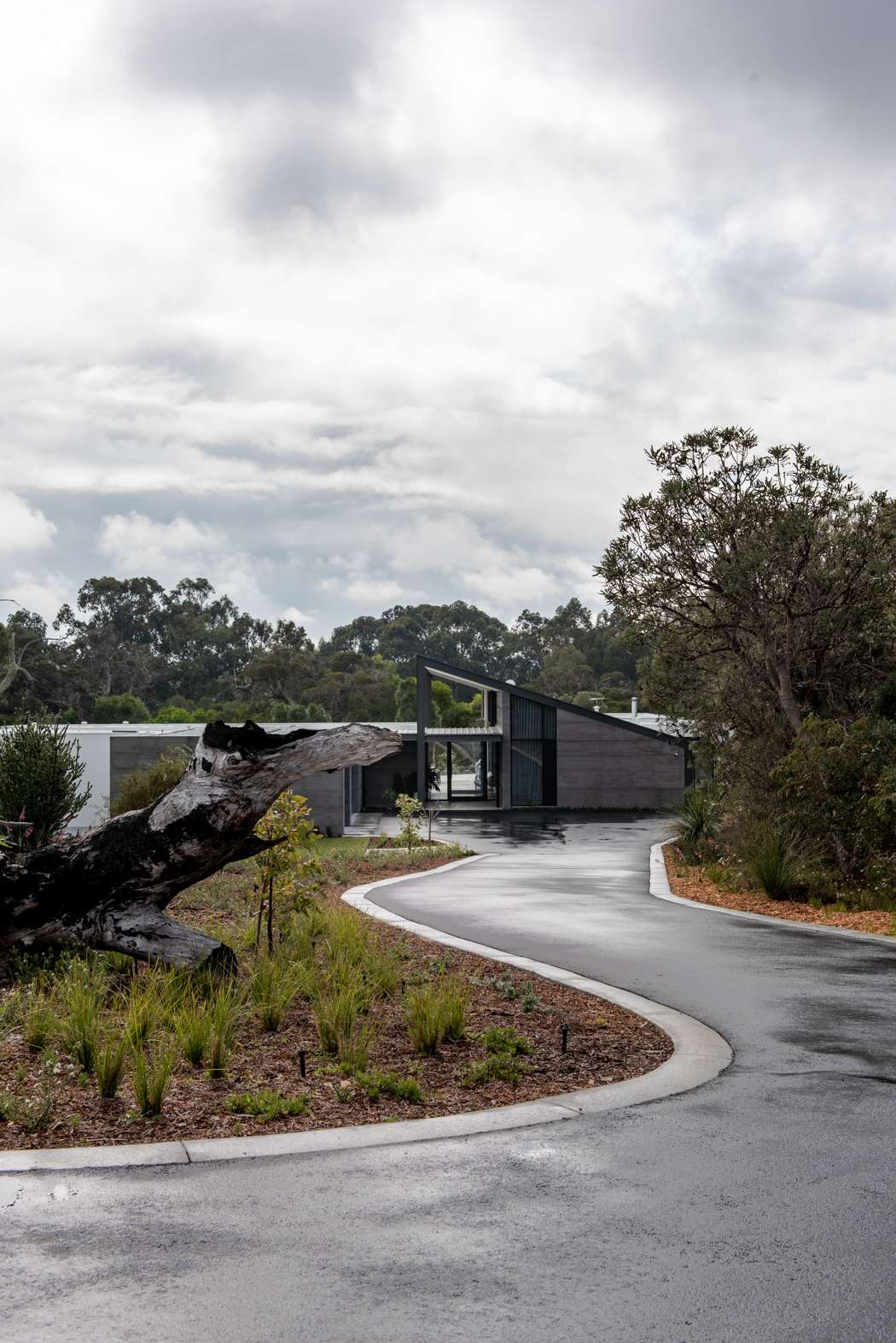
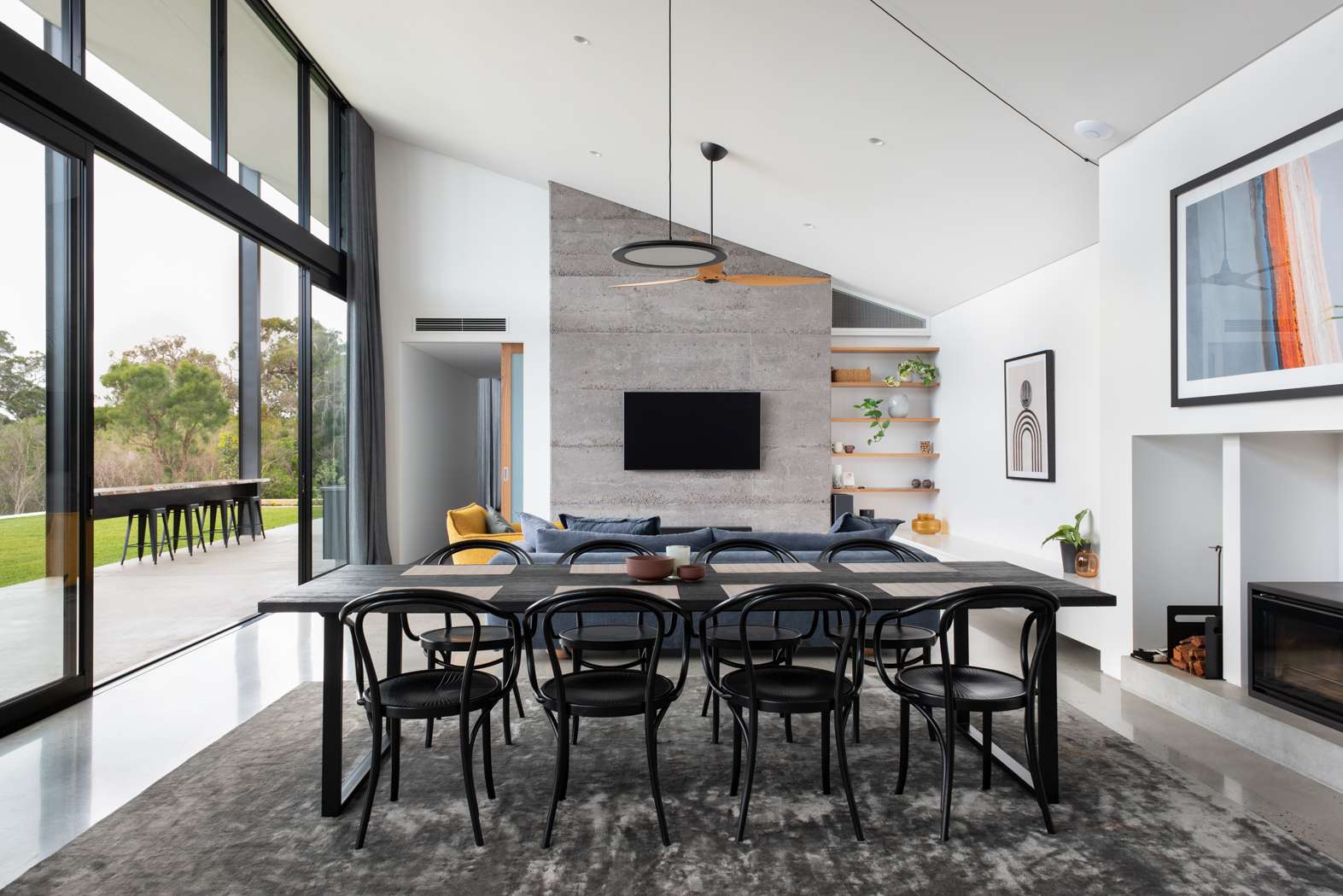
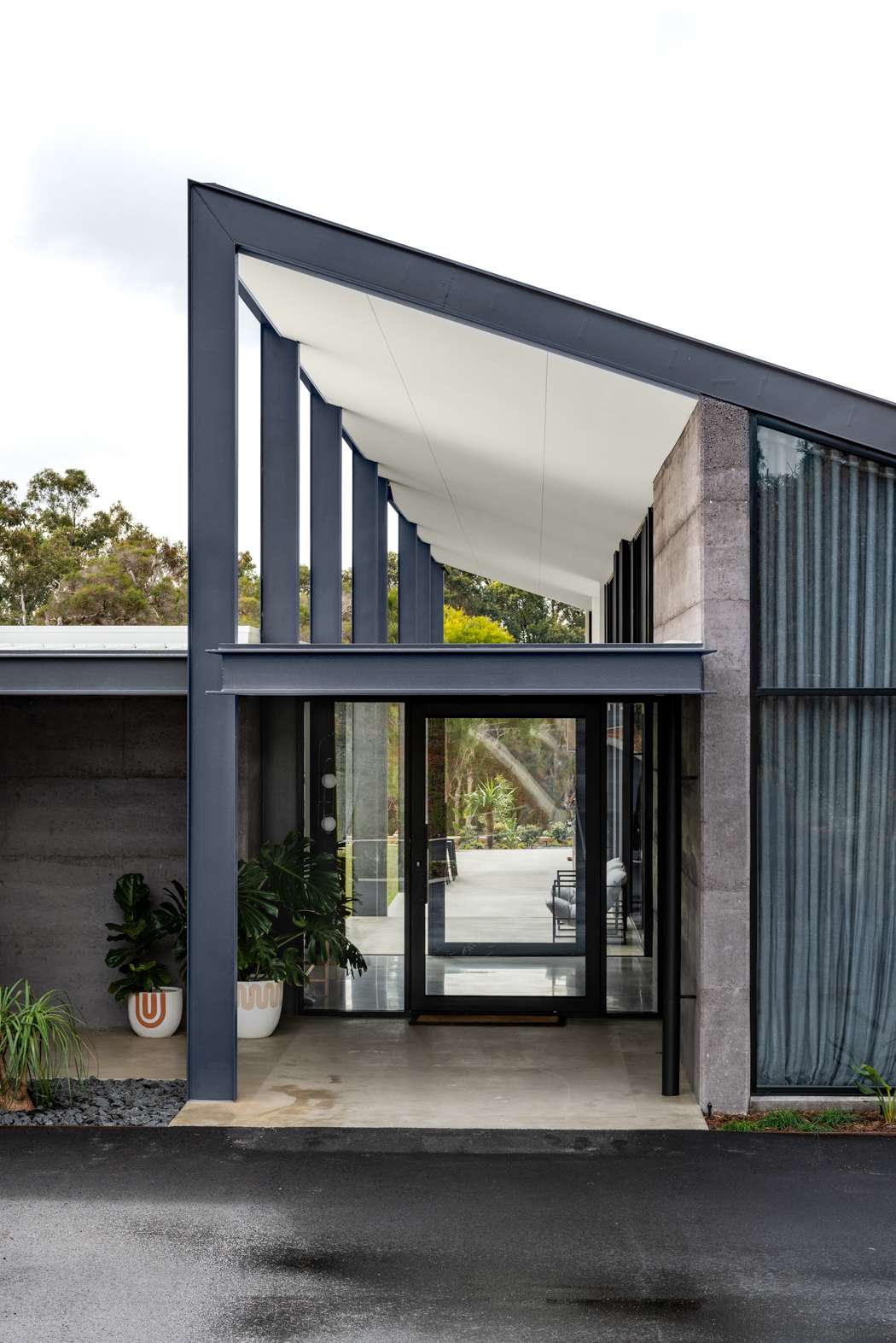
Affectionately known as Banjup Rec Centre, Hausen Court by Keen Architecture pivots around an outdoor activity space. The homeowners endeavoured to create a forever home on a semi-rural bush block, where they could enjoy the serenity of the isolated location and provide space for their three young boys to play outside. The design centres around maximising their acreage through exciting outdoor activities like a go-cart track, goal posts for football and an indoor basketball court.
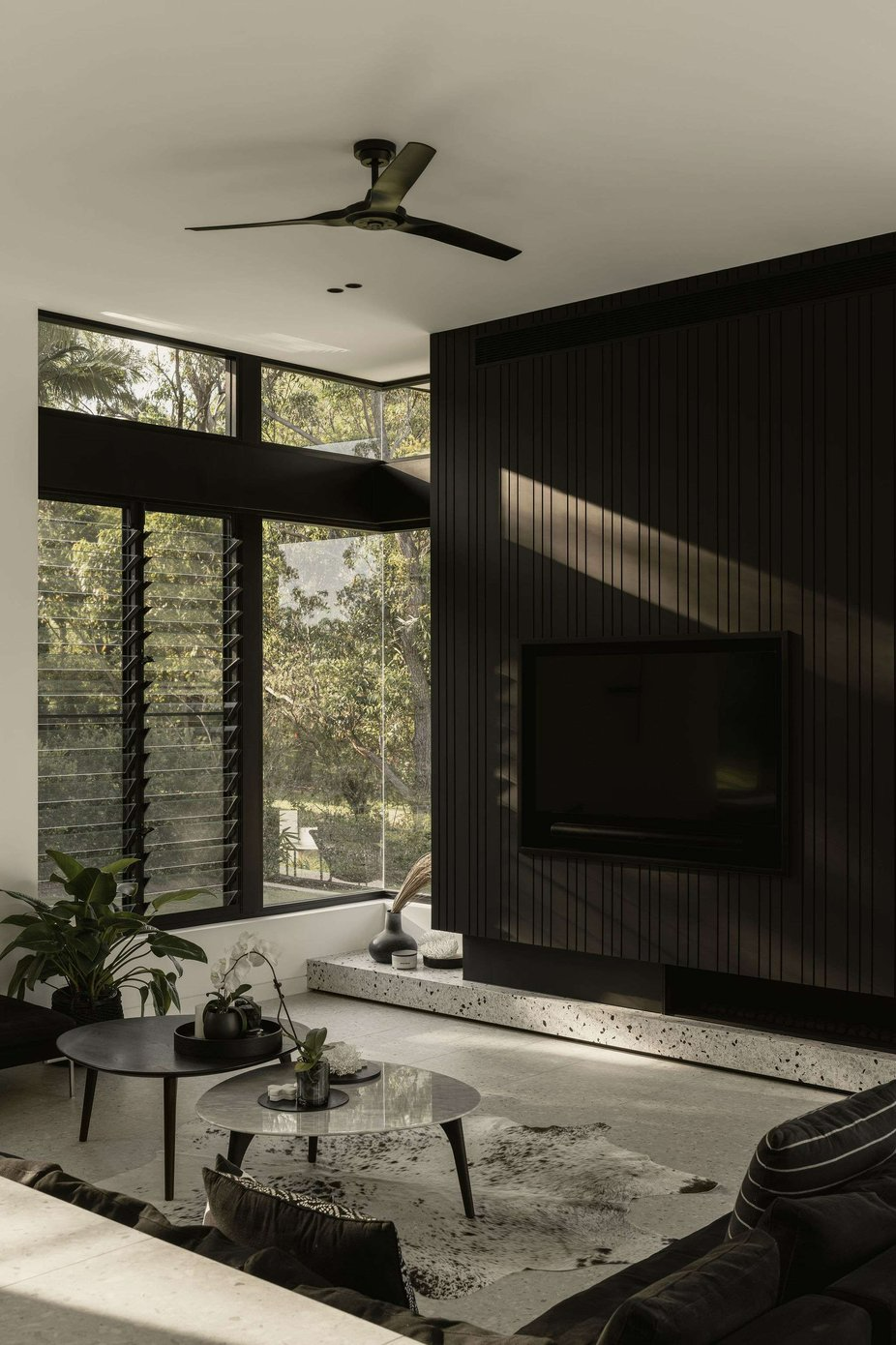
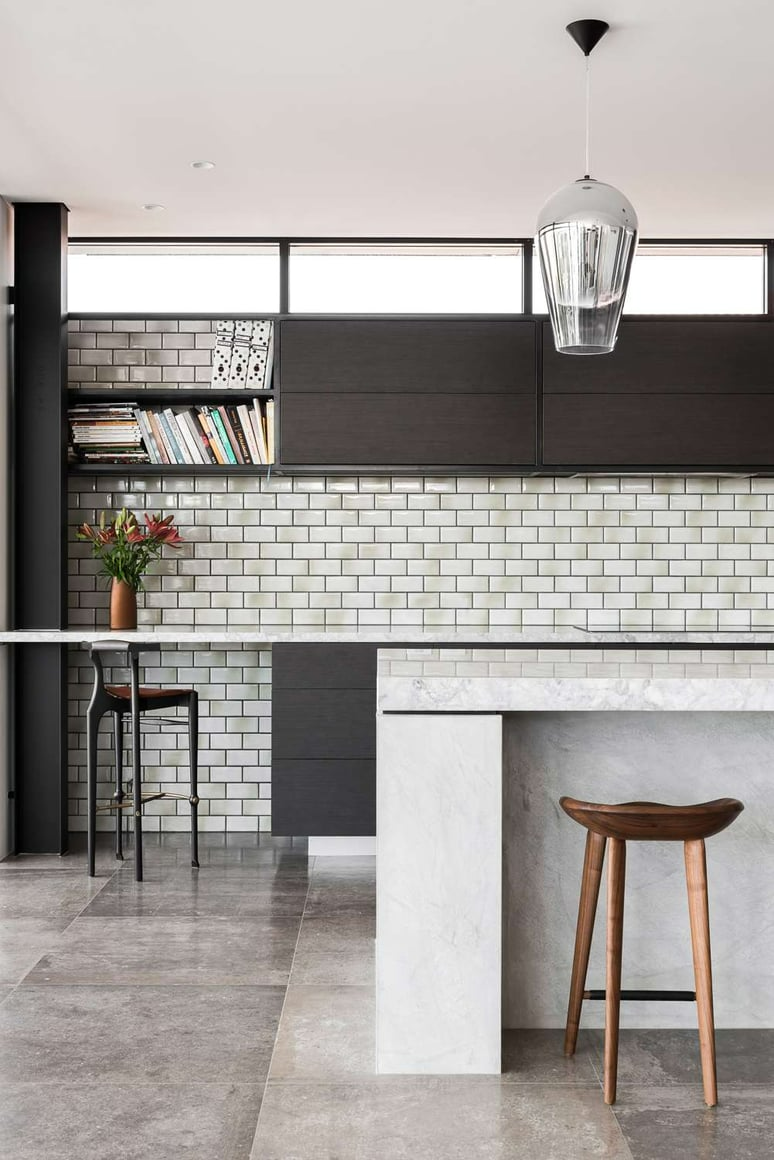
The home honours its rural surrounds and landscape, with interior spaces designed to blend seamlessly with the outdoors. Elevated interior spaces such as the kitchen, or dining spaces like the indoor/outdoor dining space, encourage you to leave the home and explore the outdoors. The materiality is also inspired by the site, with materials and design borrowing from the landscape two key overtones; invincibility and serenity. Rammed earth walls can endure wild weather and wild, growing boys, with similar durability factored into materials such as concrete floors, black granite countertops, exposed steel and low maintenance finishes. The homes raw and robust aesthetic not only ensures it can withstand the demands of a growing family, but blend seamlessly with the rural landscape it is so inspired by.
See more of Hausen Court by Keen Architecture.
Moorooduc Farm by Merrylees Architecture
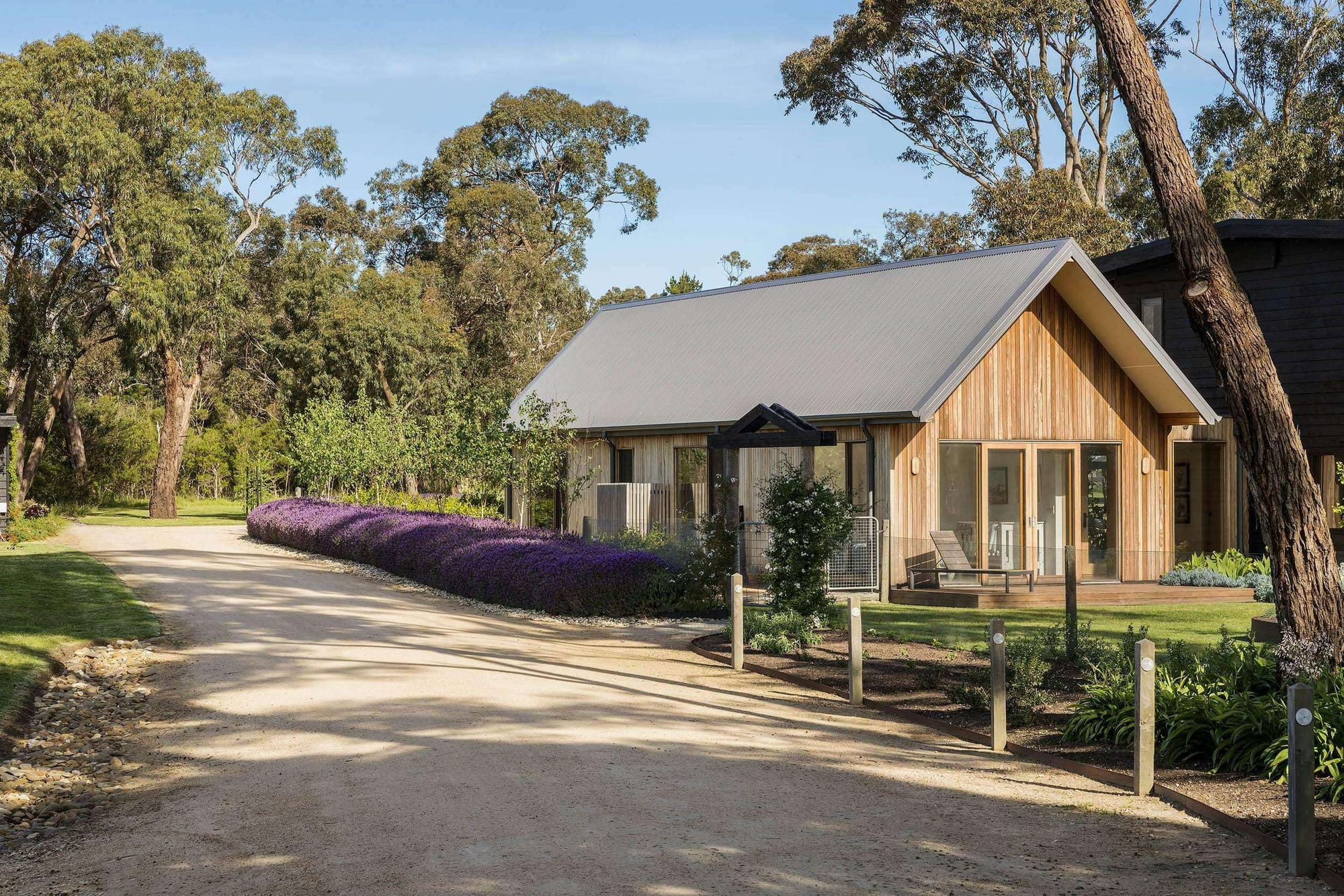
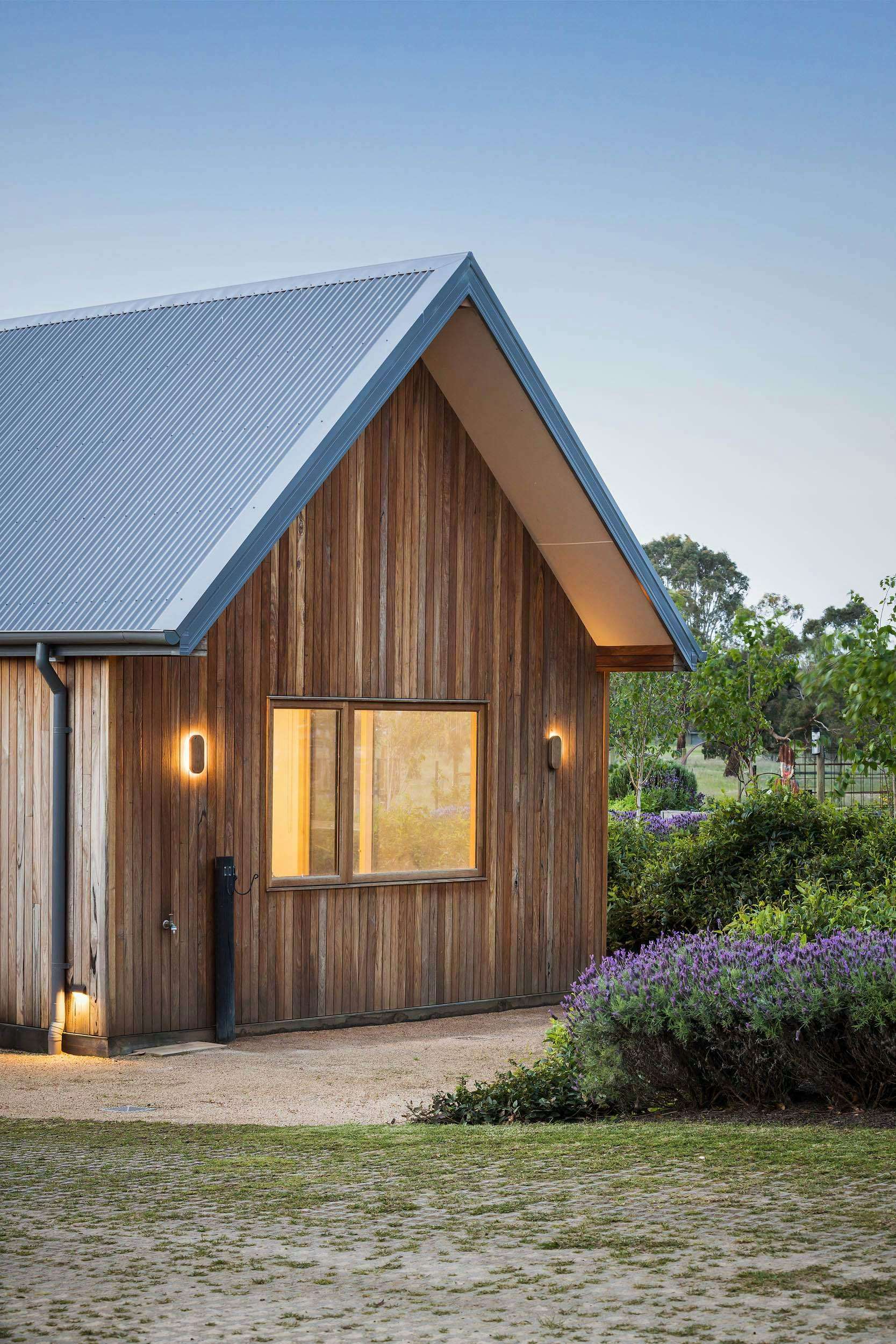
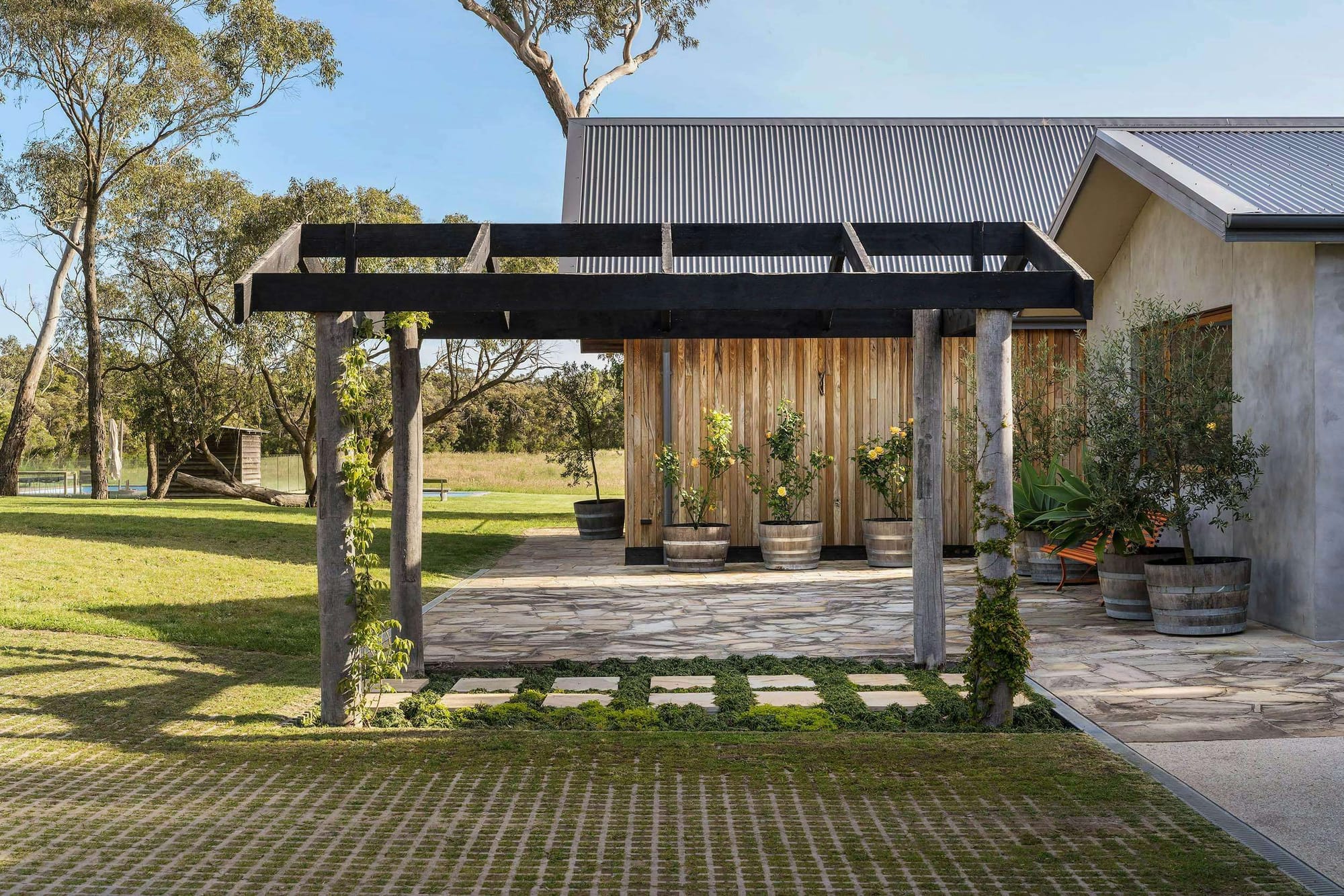
Moorooduc Farm by Merrylees Architecture sees the renovation and expansion of an original, double-storey farmhouse on the Mornington Peninsula. The project serves as a holiday home throughout the year, hosting up to four or five families at a time, and so had to be designed with multigenerational use in mind. The extension takes the form of three, semi-self-contained wings, designed to wrap around the original home, acting as a buffer from strong winds and sun throughout the year to the main hub and outdoor entertaining areas which overlook the lake. These pavilion-style structures are orientated to capture light and views across the rural property and lake, whilst also ensuring privacy, with the in-built flexibility to be closed off when not in use. The landscape, designed by Vassily Skinner, is a year-long project, thoughtfully designed and maintained to ground and connect various zones in the garden, creating a harmonious bond between interior, exterior and the rural landscape.
See more of Moorooduc Farm by Merrylees Architecture.
Let Us Help You Find the Right Professional
Not sure where to start with finding an architect, building designer or interior designer? We've got you covered. Our network includes trusted, experienced professionals who understand the Australian building landscape — and your unique vision.
Get Matched With the Right ProfessionalHouse Kimberley by AO Design Studio
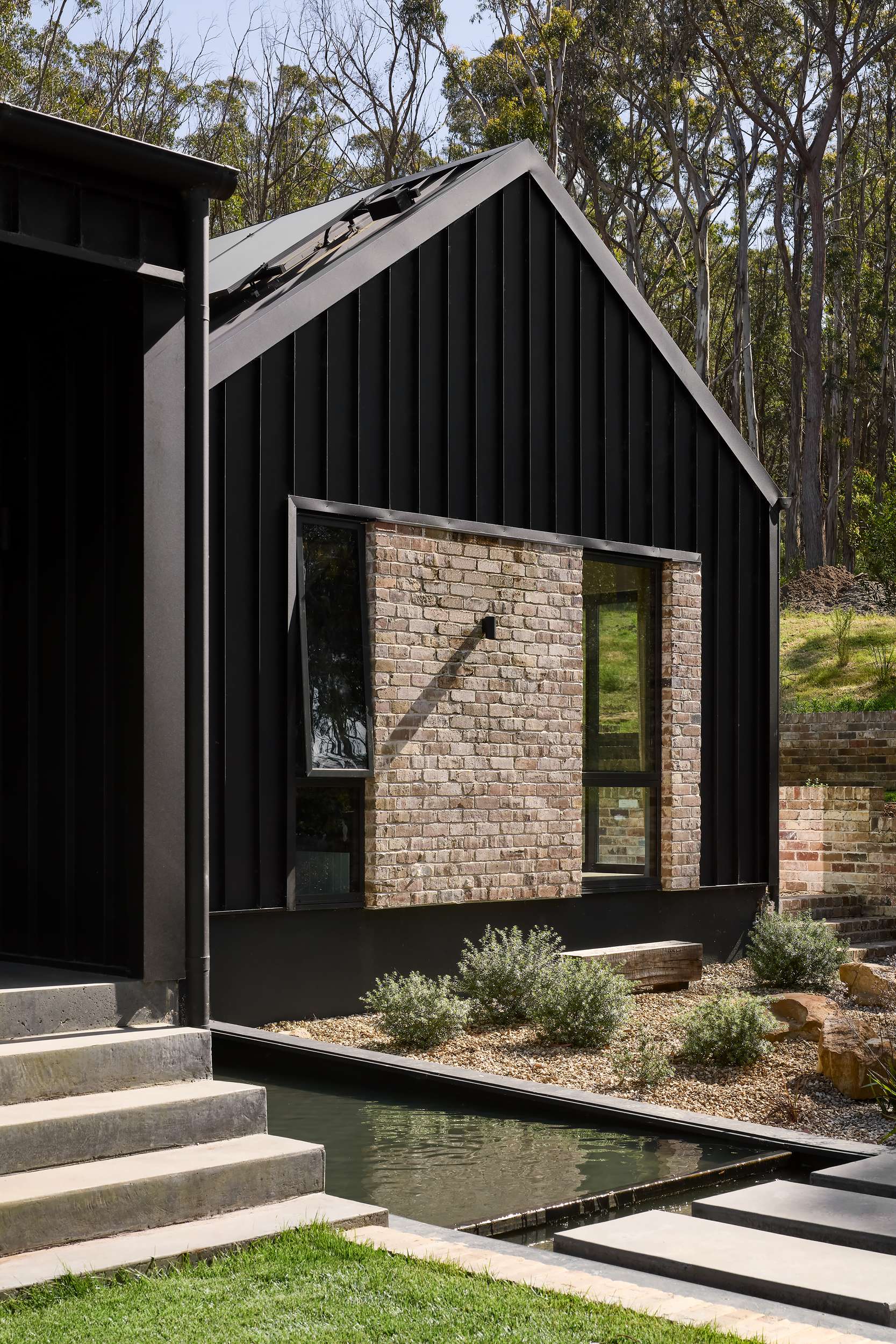
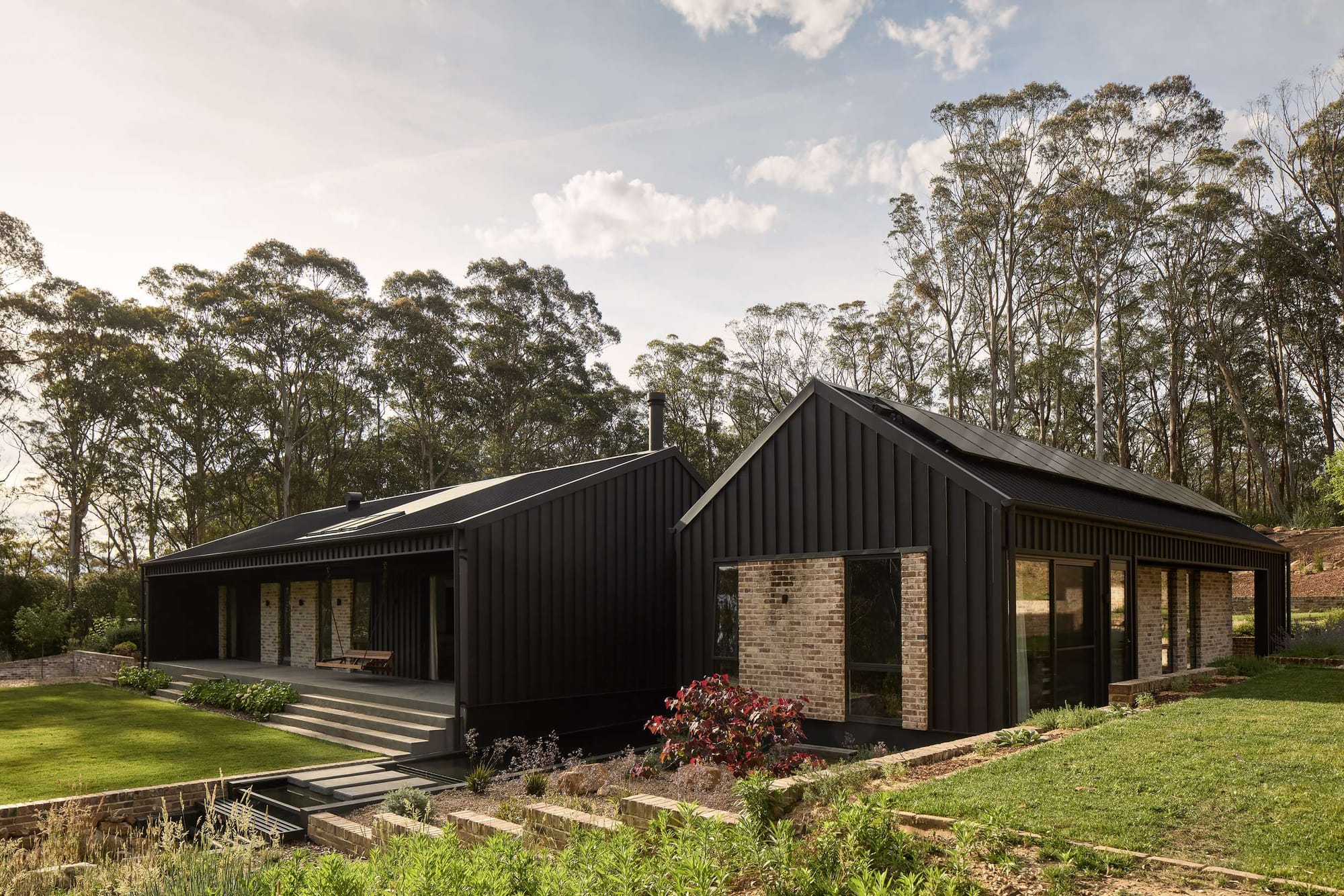
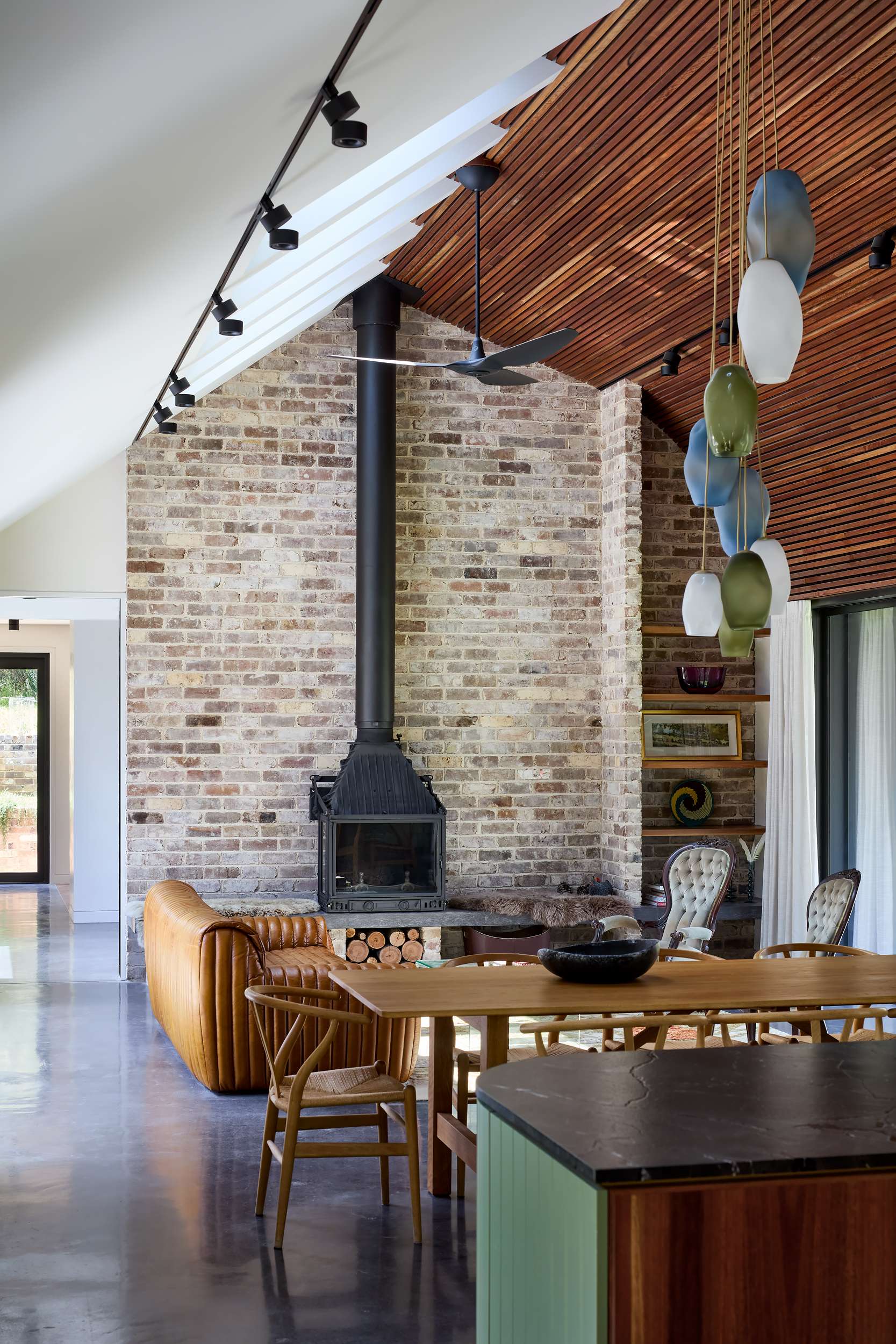
House Kimberley is a home born out of a deep respect for the site, with sustainability and environmental sensitivity driving every decision. The single-storey, pavilion-style home is designed to integrate seamlessly with its rural surrounds whilst offering a refined living experience for family and friends, who often congregate in large social gatherings in the space. The interior is broken into three distinct wings; one for communal living, a master suite, and guest quarters, whilst also offering three bedrooms and an additional study on the floorplan. The interior layout creates delineation between zones, allowing for moments of quiet and relaxation in between key movements.
Outside, the home honours the natural surrounds in which it sits, by gently stepping down in levels, rather than imposing itself on the landscape. This approach leans into the natural contours of the land, rather than excavating, minimising earthworks but also fostering a closer relationship between the home and its landscape. This method also creates a series of green spaces in between the homes structures, that allow for pause and tranquillity, and encourage residents to soak in the rural setting.
See more of House Kimberley by AO Design Studio.
Birrigai House by Studio ERA
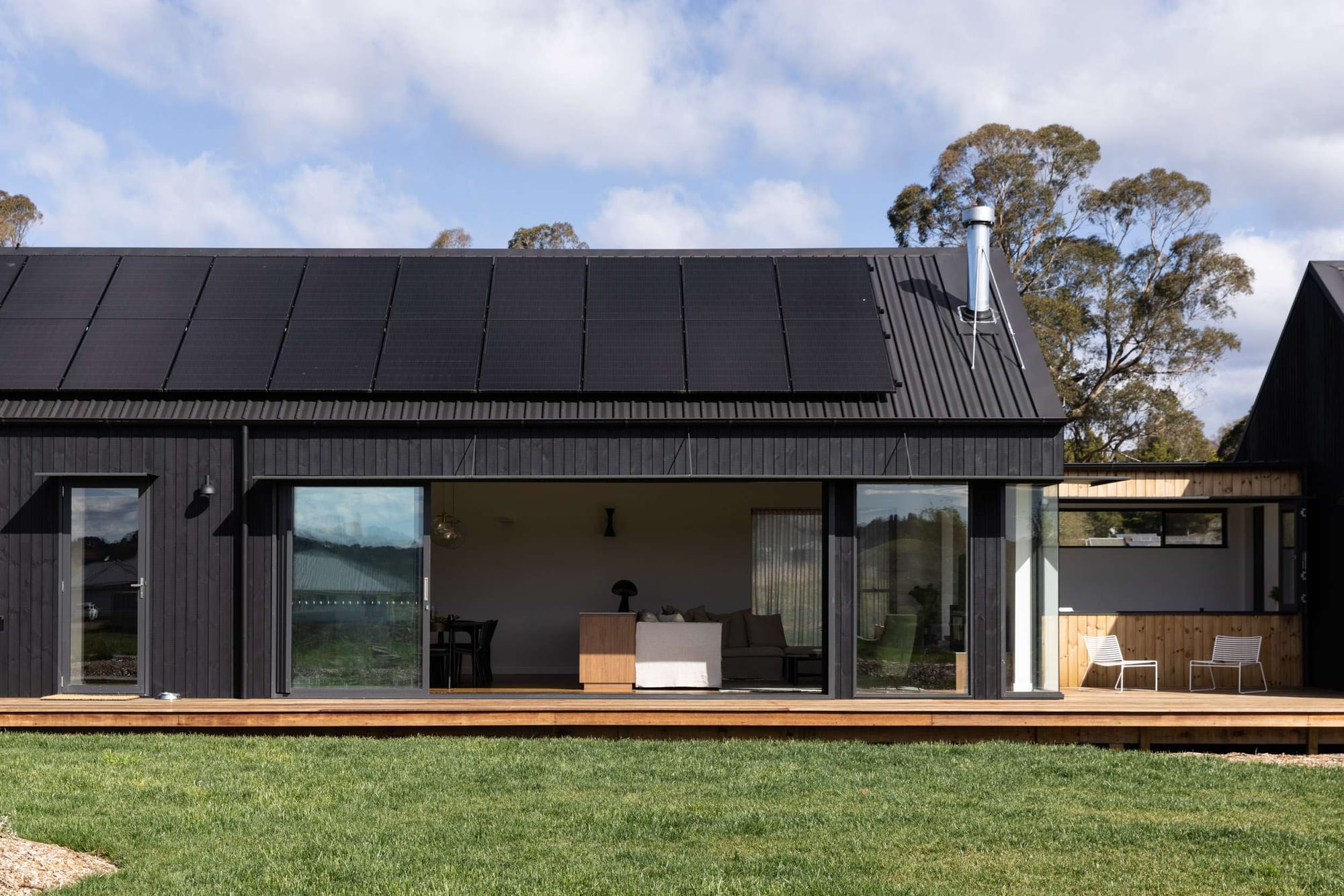
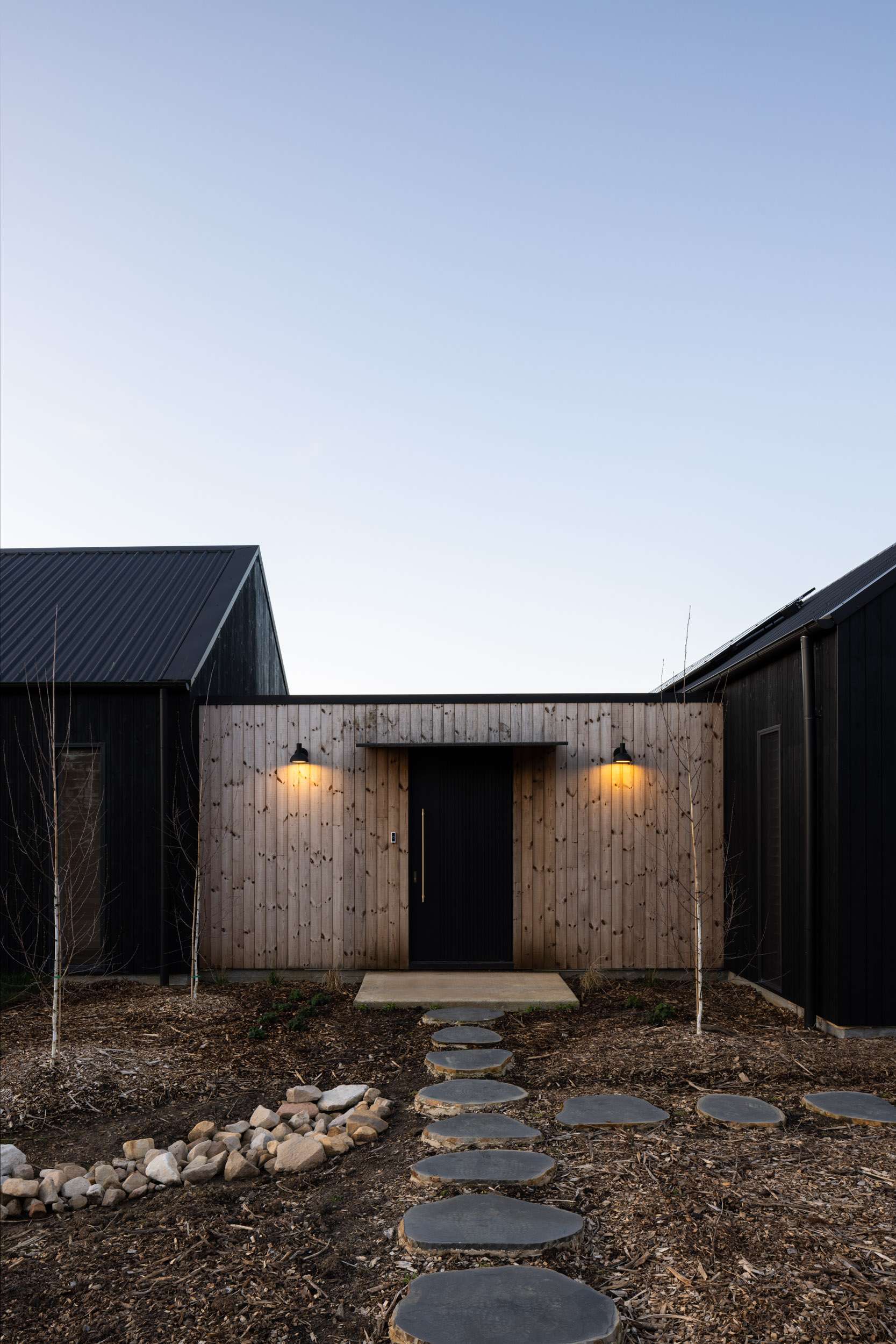
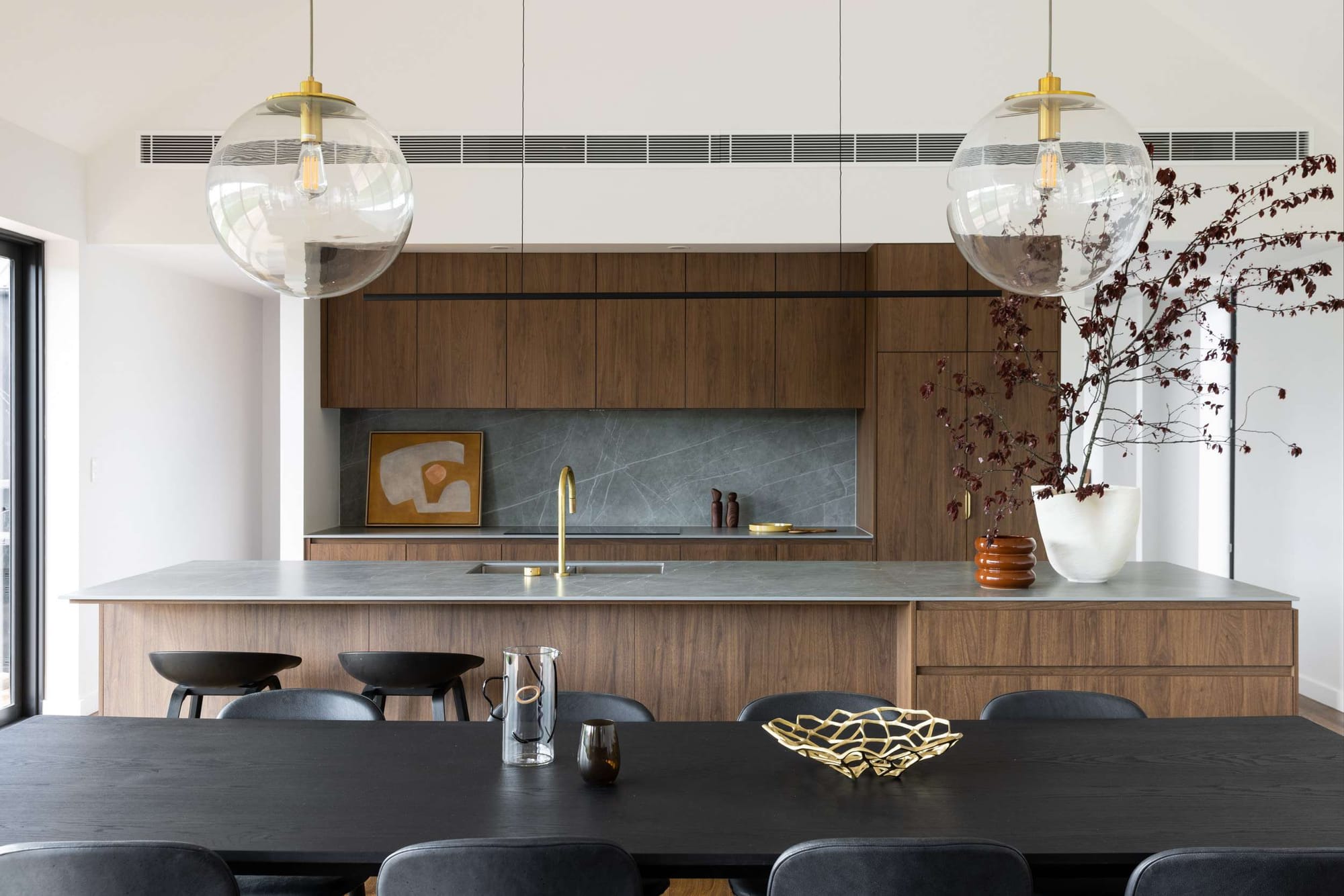
Birrigai House by Studio ERA, is located in a small village in the Southern Highlands of NSW, Bundanoon, on Gundungurra Country. The home sits on a one-acre battle-axe block, which was previously the site of a former Cattle Holding yards on the outskirts of the village. This north-facing lot is privy to uninterrupted views of the rolling farmlands of Exeter; views which inspired the homes design and connection to site.
The brief called for the creation of a sanctuary; a home that instantly relaxed and transported its clients away from everyday life. The home is oriented to the north, to not only maximise upon views, but to allow for passive heating during the colder months. Designed in line with a restricted budget, called for Studio ERA to focus on maximising standard construction techniques to simplify the design, in turn keeping costs down. The design team and the clients worked closely together to devise a list of priorities, and work towards the items that were most important and integral, allowing for others to fall away if they did not greatly influence the final product. The result is a thoughtfully resolved home that feels both grounded in its setting and effortless to live in.
See more of Birrigai House by Studio ERA.
Let Us Help You Find the Right Professional
Not sure where to start with finding a builder, architect, or interior designer? We've got you covered. Our network includes trusted, experienced professionals who understand the Australian building landscape — and your unique vision.
Get Matched With the Right ProfessionalHoran's Track by TANDEM Design Studio
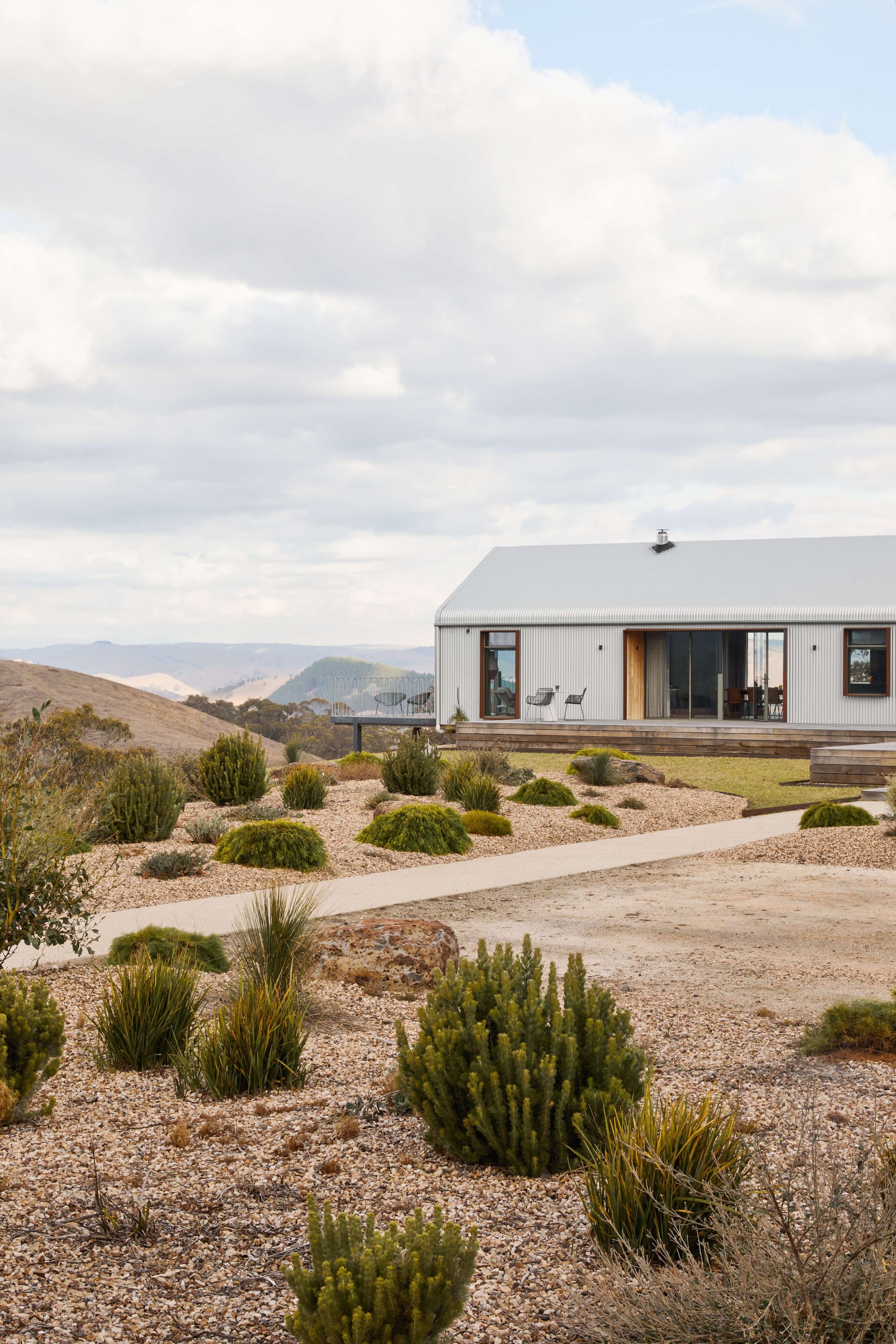
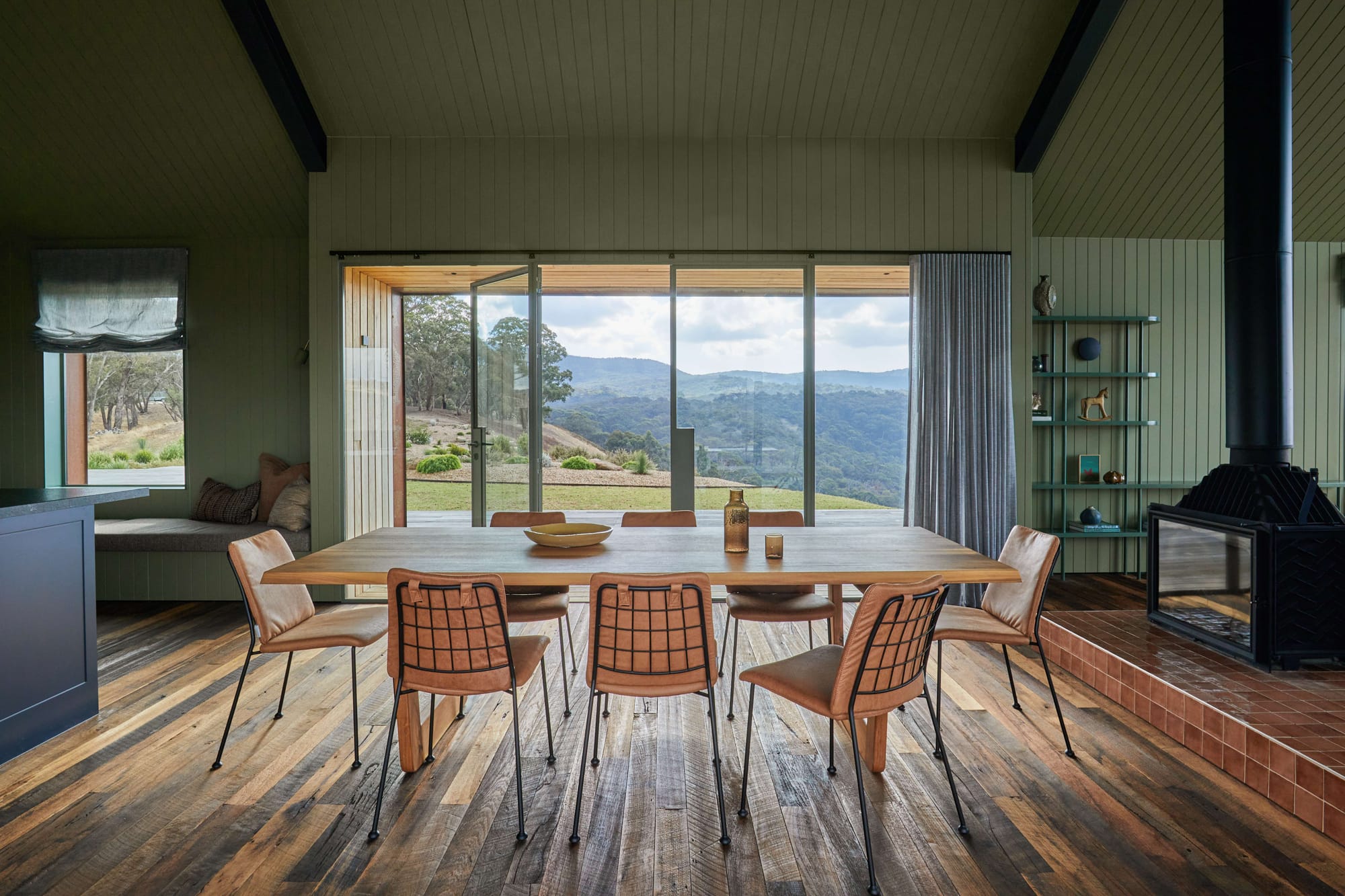
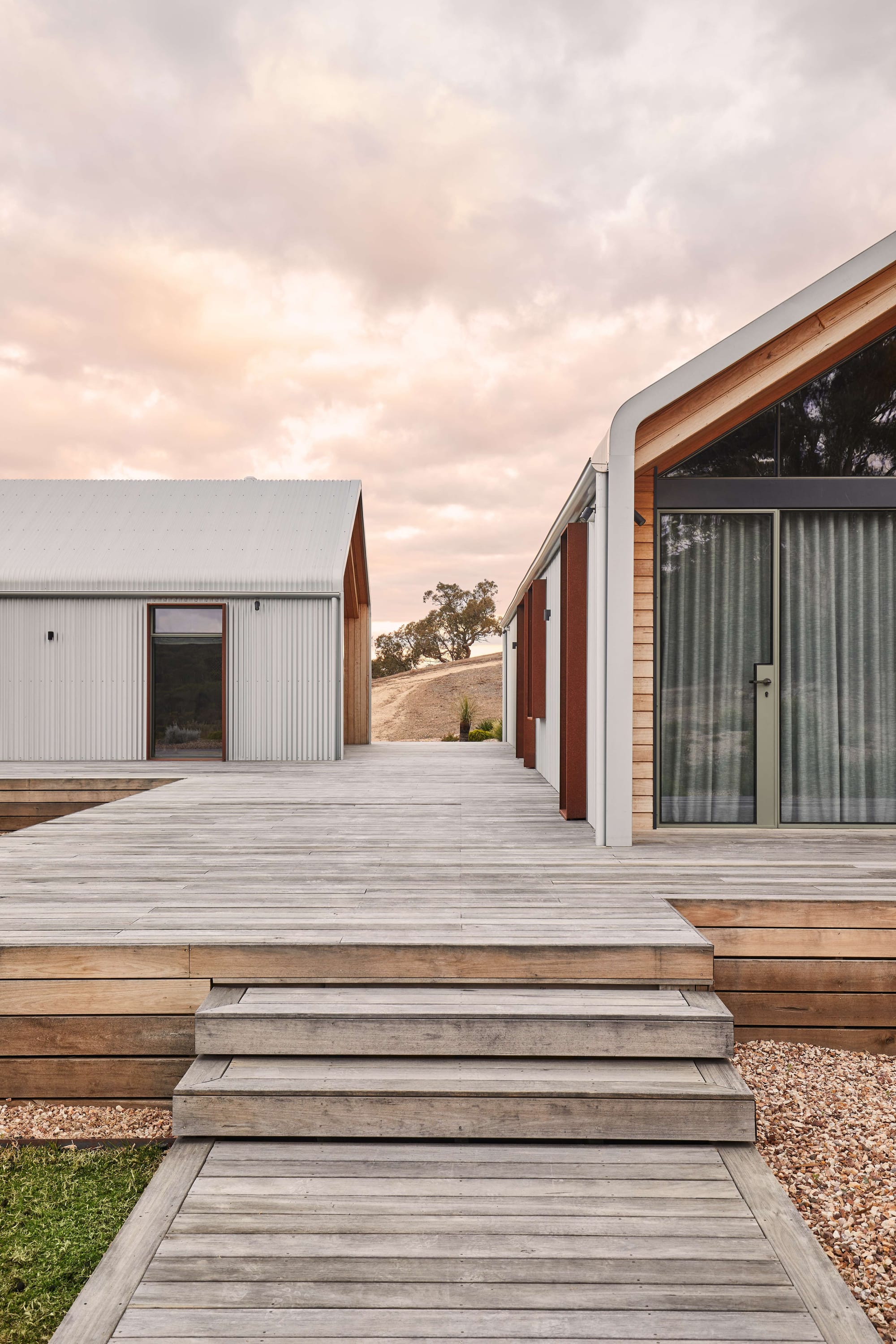
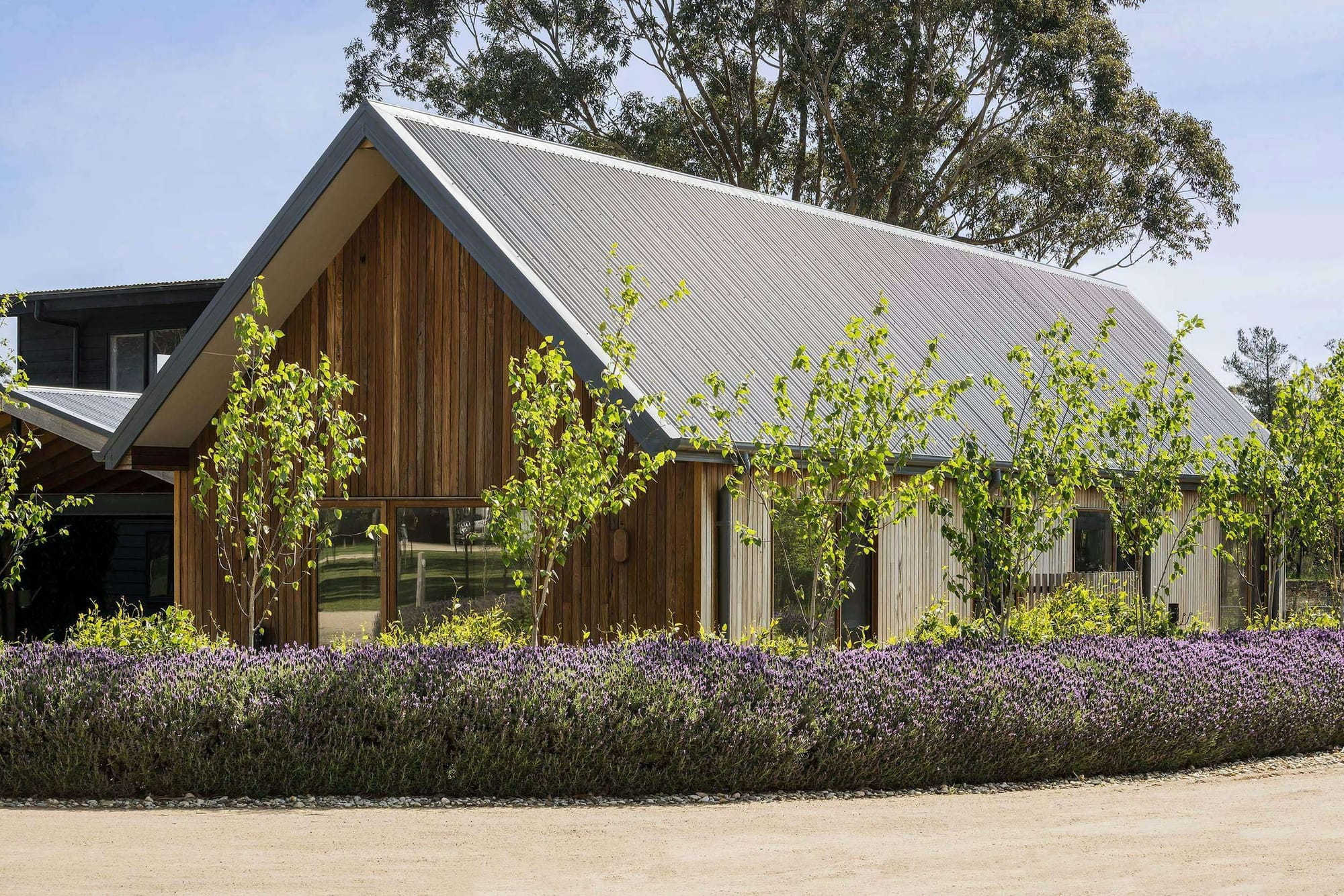
Horan's Track by TANDEM Design Studio sits atop a hill, defining the rugged terrain with a structure that blends modern design, sustainability and expansive rural views. Located just an hour outside of Melbourne, the home takes its cues from the traditional shearing shed, engaging two connected pavilions and a central 220sqm deck in a contemporary revision of the rural motif.
The Private Quarters Pavilion houses four bedrooms including a main ensuite, with loft spaces above bathrooms for additional sleeping areas for the children. The Living Pavilion features an open-plan kitchen, dining and living area, oriented to capture the sweeping views of the rolling hillside. The deck provides connectivity between the two pavilions, as well as an abundance of space to view the stunning rural surrounds. Materiality is also inspired by the landscape, leaning into natural, earth textures such as steel, glass and timber, which additionally promote passive house principles and offer off-grid capability. The home works hard to harmonise itself with nature, creating a comfortable and intimate connection to the land, though structure, materiality and design.
See more of Horan's Track by TANDEM Design Studio.
Let Us Help You Find the Right Professional
Not sure where to start with finding an architect, building designer or interior designer? We've got you covered. Our network includes trusted, experienced professionals who understand the Australian building landscape — and your unique vision.
Get Matched With the Right Professional