Renovating your home is one of the most significant financial decisions you will make. And unlike buying a property, where the price is set, renovation costs are deeply variable - shaped by what you are renovating, how extensively, what finish level you are aiming for, and where in Australia you live.
Most cost guides give you a national average and leave you to figure out the rest. This one does not. Below you will find a full room-by-room breakdown of 2026 renovation costs across Australia, a clear explanation of what drives the numbers, and a free calculator to estimate your own project.
Use the free 2026 Renovation Cost Calculator
Select your state, project type, floor area, finish level, storeys, and site complexity for an instant estimate based on current 2026 market rates.
Ready to take the next step? CO-architecture matches Australian homeowners with qualified architects and building designers based on your project type, location, and brief - at no cost to you.
Let Us Help You Find the Right Professional
Not sure where to start with finding a builder, architect, or interior designer? We've got you covered. Our network includes trusted, experienced professionals who understand the Australian building landscape — and your unique vision.
Get Matched With the Right ProfessionalRenovation costs at a glance - 2026
Before going room by room, here is the high-level picture.
| Renovation type | Cost range | What it covers |
|---|---|---|
| Cosmetic refresh | $15,000 – $60,000 | Paint, flooring, fixtures, fittings - no structural work |
| Partial renovation | $60,000 – $150,000 | Kitchen or bathrooms plus associated trades |
| Whole-house renovation | $150,000 – $500,000+ | Full structural and cosmetic overhaul |
| Heritage / complex renovation | $300,000 – $700,000+ | Significant structural, heritage compliance, major services upgrade |
Per m², renovation costs in Australia range from $2,000 to $7,000+ per square metre depending on project scope, with standard quality renovations typically sitting between $3,000 and $5,000/m².
Kitchen renovation costs - 2026
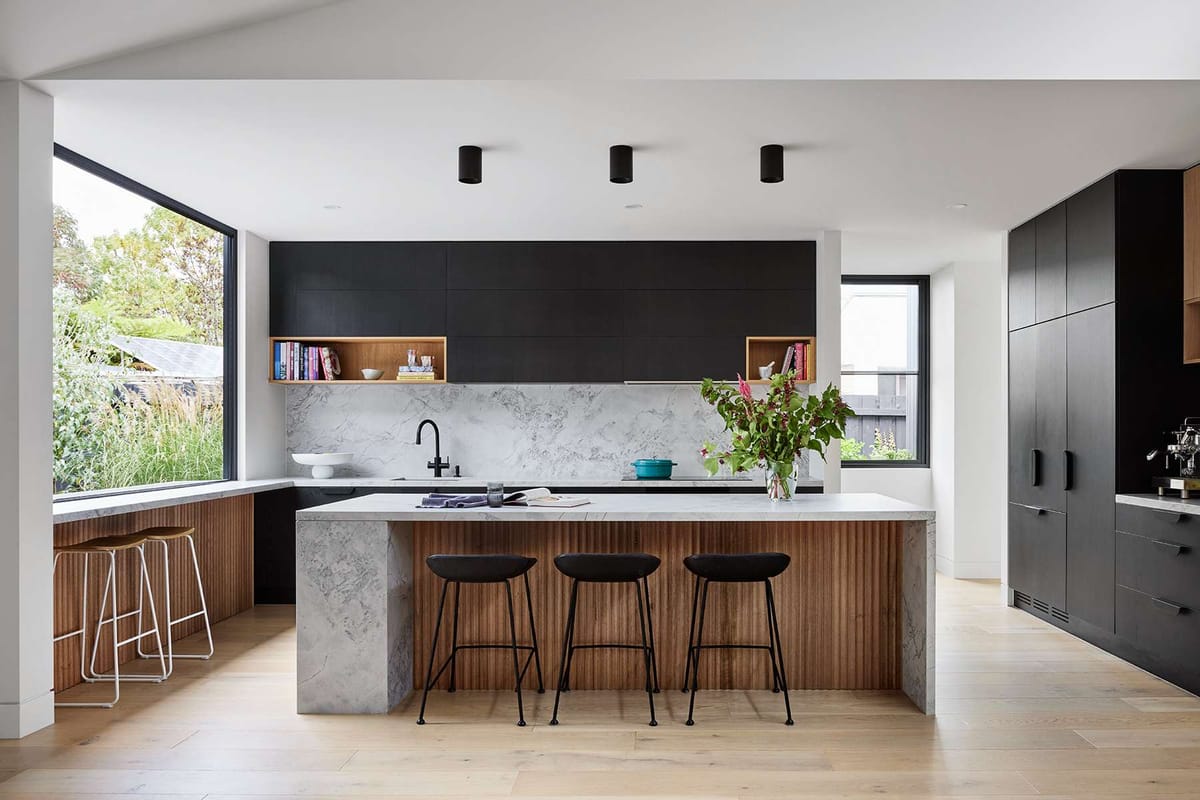
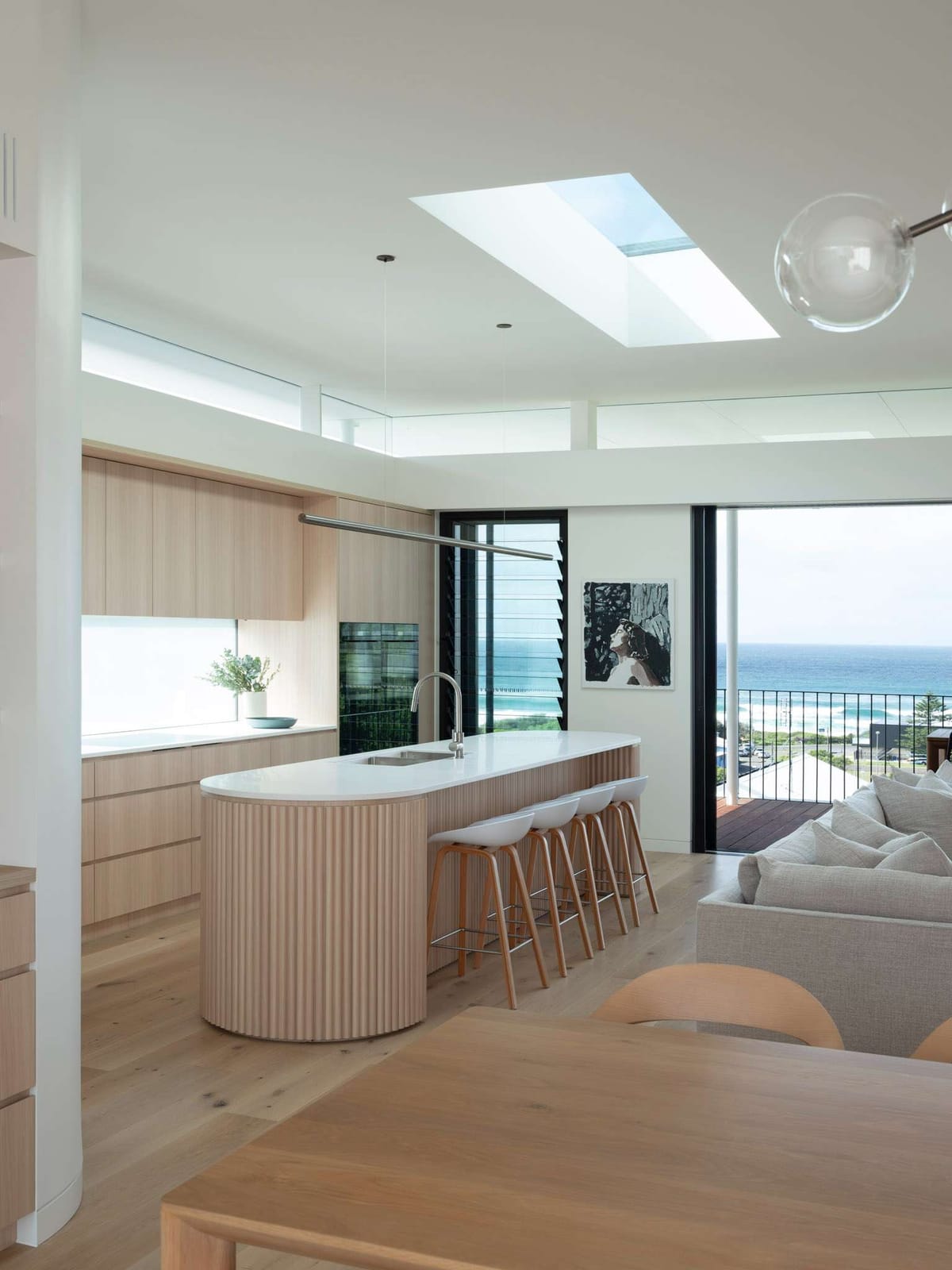
The kitchen is the most renovated room in the Australian home and consistently the highest-cost single room.
The average kitchen remodel cost for most Australian homeowners falls in the mid-range bracket: $25,000–$45,000. This gets you new cabinetry, a stone or engineered benchtop, tiled splashback, updated appliances, and the plumbing and electrical work to connect everything.
| Tier | Cost range | What's included |
|---|---|---|
| Cosmetic update | $8,000 – $20,000 | New paint, handles, tapware, benchtop reseal - layout unchanged |
| Mid-range | $25,000 – $45,000 | New cabinetry, engineered stone, appliances, tiling, trades |
| Premium | $45,000 – $80,000+ | Custom joinery, natural stone, integrated appliances, layout changes |
The single biggest cost lever in a kitchen renovation is whether you move the plumbing. Keeping your sink, dishwasher, and cooking positions where they are is the most effective way to control cost. The moment plumbing is relocated - particularly on a concrete slab - costs escalate significantly due to concrete cutting, additional drainage, and replanning.
Cabinetry is often the single largest cost in a kitchen renovation, accounting for 30–40% of the budget. After cabinetry, benchtops and appliances are the next largest variables.
Kitchen renovation cost by city (mid-range)
| City | Typical mid-range cost |
|---|---|
| Sydney | $35,000 – $60,000 |
| Melbourne | $30,000 – $50,000 |
| Brisbane | $28,000 – $45,000 |
| Perth | $28,000 – $45,000 |
| Adelaide | $25,000 – $40,000 |
| Canberra | $35,000 – $55,000 |
Bathroom renovation costs - 2026
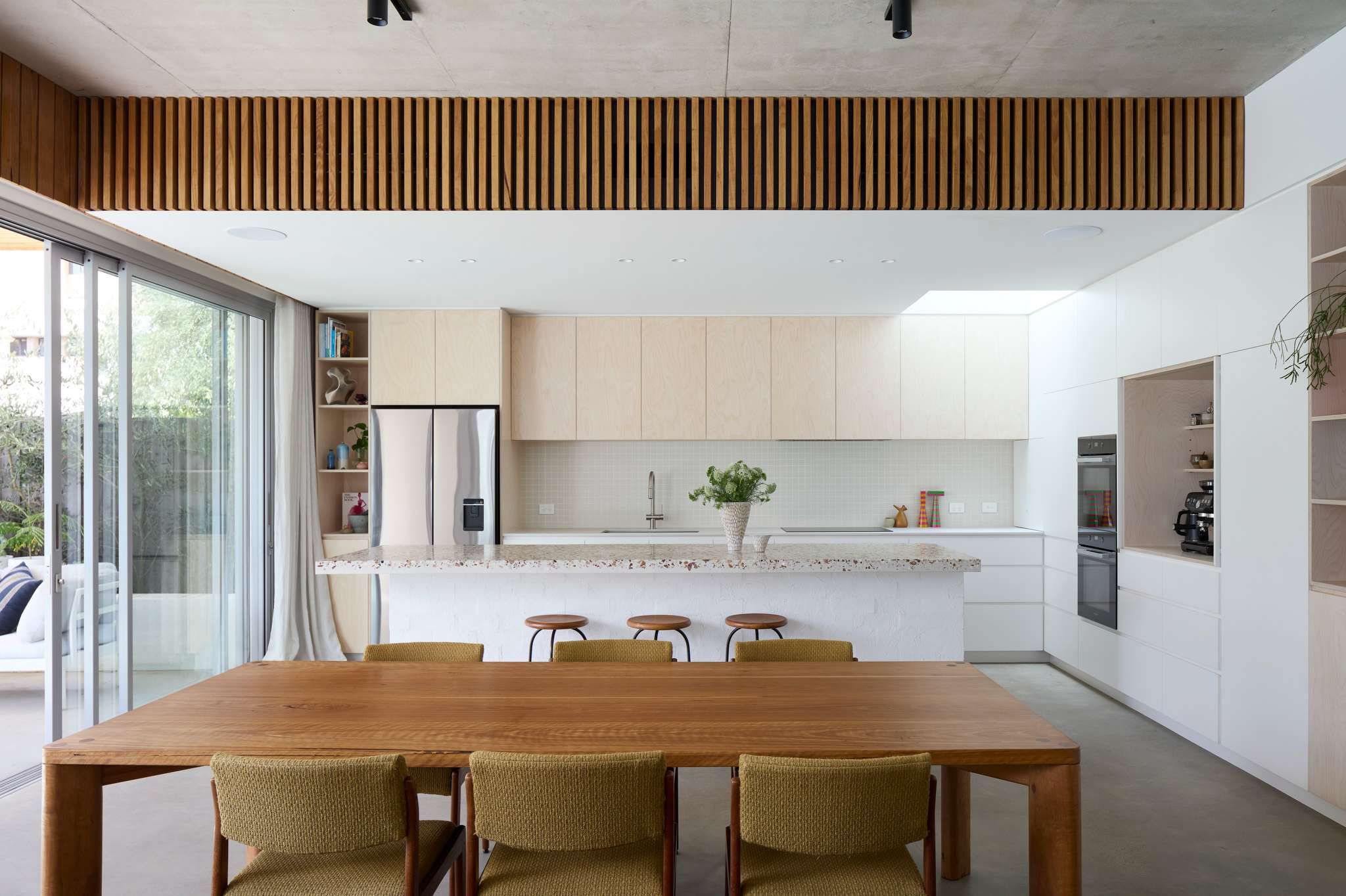
Bathrooms are the second most renovated space in Australian homes and among the most technically complex. A bathroom renovation in Australia typically costs around $26,000 for a mid-range project, with budgets ranging from $5,000–$15,000 for cosmetic makeovers through to $35,000–$95,000+ for high-end transformations.
| Tier | Cost range | What's included |
|---|---|---|
| Cosmetic refresh | $8,000 – $15,000 | New tapware, vanity, paint, accessories - no retiling or plumbing moves |
| Mid-range | $20,000 – $35,000 | Full strip-out, waterproofing, new tiling, quality fixtures, trades |
| Premium | $35,000 – $60,000+ | Full rebuild, relocated plumbing, designer fixtures, frameless screens |
| Luxury | $60,000+ | Freestanding bath, heated flooring, custom joinery, architectural detail |
The most underestimated cost in bathrooms is waterproofing. While it is tempting to focus on visible elements like taps and tiles, the majority of your spend secures the invisible infrastructure - waterproofing, plumbing, and electrical compliance that protects your home from structural damage.
Ensuite vs family bathroom vs main bathroom
| Bathroom type | Typical mid-range cost |
|---|---|
| Ensuite (small, 3–4 m²) | $15,000 – $25,000 |
| Family bathroom (5–7 m²) | $22,000 – $35,000 |
| Main bathroom with bath (7–9 m²) | $30,000 – $50,000 |
Laundry renovation costs
Often overlooked, the laundry can deliver significant functional improvement at relatively low cost - provided plumbing stays in place.
| Scope | Cost range |
|---|---|
| Cosmetic refresh | $3,000 – $8,000 |
| Mid-range (new joinery, tiling, tapware) | $8,000 – $18,000 |
| Full rebuild with plumbing changes | $18,000 – $30,000+ |
Living areas, flooring, and internal spaces
Cosmetic work on living areas, bedrooms, and hallways - new flooring, painting, lighting, built-ins - is the most budget-friendly category of renovation.
| Scope | Cost range |
|---|---|
| Full interior repaint (standard home) | $5,000 – $15,000 |
| New flooring throughout (standard home) | $8,000 – $25,000 |
| Built-in wardrobes (per room) | $2,500 – $8,000 |
| Living area refresh (paint, flooring, lighting) | $10,000 – $30,000 |
Whole-house renovation costs - 2026
A whole-house renovation - where you address multiple rooms, structural elements, and services throughout the home - is a fundamentally different financial proposition to a room-by-room update.
Full house renovation costs for 3 to 4 bedroom houses range from $250,000 to $450,000+ in 2026. These projects involve complete structural updates and premium finishes. The scope includes electrical, plumbing, flooring, and interior design work.
| Home size | Basic finish | Standard finish | High-end finish |
|---|---|---|---|
| 2 bed / 1 bath | $80,000 – $130,000 | $130,000 – $220,000 | $220,000 – $350,000+ |
| 3 bed / 2 bath | $120,000 – $200,000 | $200,000 – $320,000 | $320,000 – $500,000+ |
| 4 bed / 2–3 bath | $160,000 – $280,000 | $280,000 – $450,000 | $450,000 – $700,000+ |
Whole-house renovations in older properties (pre-1990) carry additional risk. Services upgrades (rewiring, replumbing), asbestos removal, and structural surprises are common and can add $30,000 – $100,000+ to any budget.
What drives renovation costs in Australia?
Cosmetic vs structural scope
The single biggest cost driver is whether your renovation involves structural work. Cosmetic renovations - paint, flooring, fixtures - are predictable and relatively affordable. The moment you start moving walls, relocating services, or dealing with the building fabric (roofing, foundations, external skin), costs increase substantially and become harder to predict.
Asbestos and older homes
Any Australian home built before 1990 should be assessed for asbestos-containing materials before any renovation begins. Asbestos is found in wall sheeting, floor tiles, roof sheeting, eaves, and insulation in millions of Australian homes. Removal must be carried out by a licensed contractor, and costs range from $2,000 for minor removal to $30,000+ for extensive work. Budget for it, and do not skip the assessment.
Working around an existing building
Renovation work is inherently less efficient than new construction. Tradespeople work in confined spaces, sequence work around what is already there, and encounter the unexpected - hidden timbers, pipes in inconvenient locations, non-compliant previous work. This is a primary reason renovation costs per m² regularly exceed new build costs per m².
Services upgrades
Older homes frequently require electrical panel upgrades, rewiring, and replumbing to meet current standards - particularly if you are adding wet areas, a kitchen, or additional circuits. These costs are largely invisible until the walls open up.
Heritage and character overlays
Properties in heritage overlay zones face restrictions on what can be altered, how it must look, and what materials can be used. Heritage-compliant renovation work is typically more expensive due to specialist materials, additional approvals, and stricter documentation requirements.
The three types of renovation
Understanding which category your project falls into helps set realistic expectations.
Cosmetic renovation
Focuses on aesthetics rather than structure. Paint, flooring, lighting, tapware, door hardware, and surface finishes. No walls moved, no plumbing relocated. This is the most cost-predictable type of renovation and the most achievable on a tight budget.
Best for: Refreshing a sound home, improving presentation for sale, incremental upgrades over time.
Partial renovation
Typically focuses on one or two high-impact rooms - most commonly kitchen and bathrooms. Involves trades (plumber, electrician, tiler, carpenter) and may include minor structural changes such as removing a non-load-bearing wall. More complex to coordinate and more exposed to hidden cost risk than cosmetic work.
Best for: Targeting the rooms with the highest impact on daily life and resale value.
Full renovation
A comprehensive overhaul of the entire home - structural, services, and cosmetic. Often involves relocating or upgrading electrical and plumbing, opening up floor plans, adding new wet areas, and replacing most internal linings, joinery, and finishes. This type of project is closest to a new build in complexity and requires proper design documentation, full trade coordination, and robust contingency planning.
Best for: Properties that are structurally sound but functionally or aesthetically obsolete. Particularly relevant for pre-1990 homes in established suburbs where land value strongly favours renovation over knockdown-rebuild.
Should I renovate or knock down and rebuild?
This question comes up repeatedly for homeowners with older properties, and there is no universal answer. Here is a framework for thinking it through.
Renovation makes more sense when:
- The existing structure is fundamentally sound with no major defects
- The home's footprint, orientation, and layout work well for your lifestyle
- You are in a heritage or character overlay zone that restricts what can be built
- The land value is high enough that a renovation delivers equivalent value at lower cost than a rebuild
- You have emotional attachment to the existing home and neighbourhood
Knockdown and rebuild makes more sense when:
- The existing structure has significant defects - severe termite damage, major structural issues, extensive non-compliant work
- The floor plan is fundamentally unsuited to modern living and cannot be economically reconfigured
- The cost of bringing the existing building up to current NCC standards approaches or exceeds new build cost
- You want a fully custom home designed around your specific life, orientation, and future needs
- Asbestos is extensive throughout the structure
The middle ground - partial retention
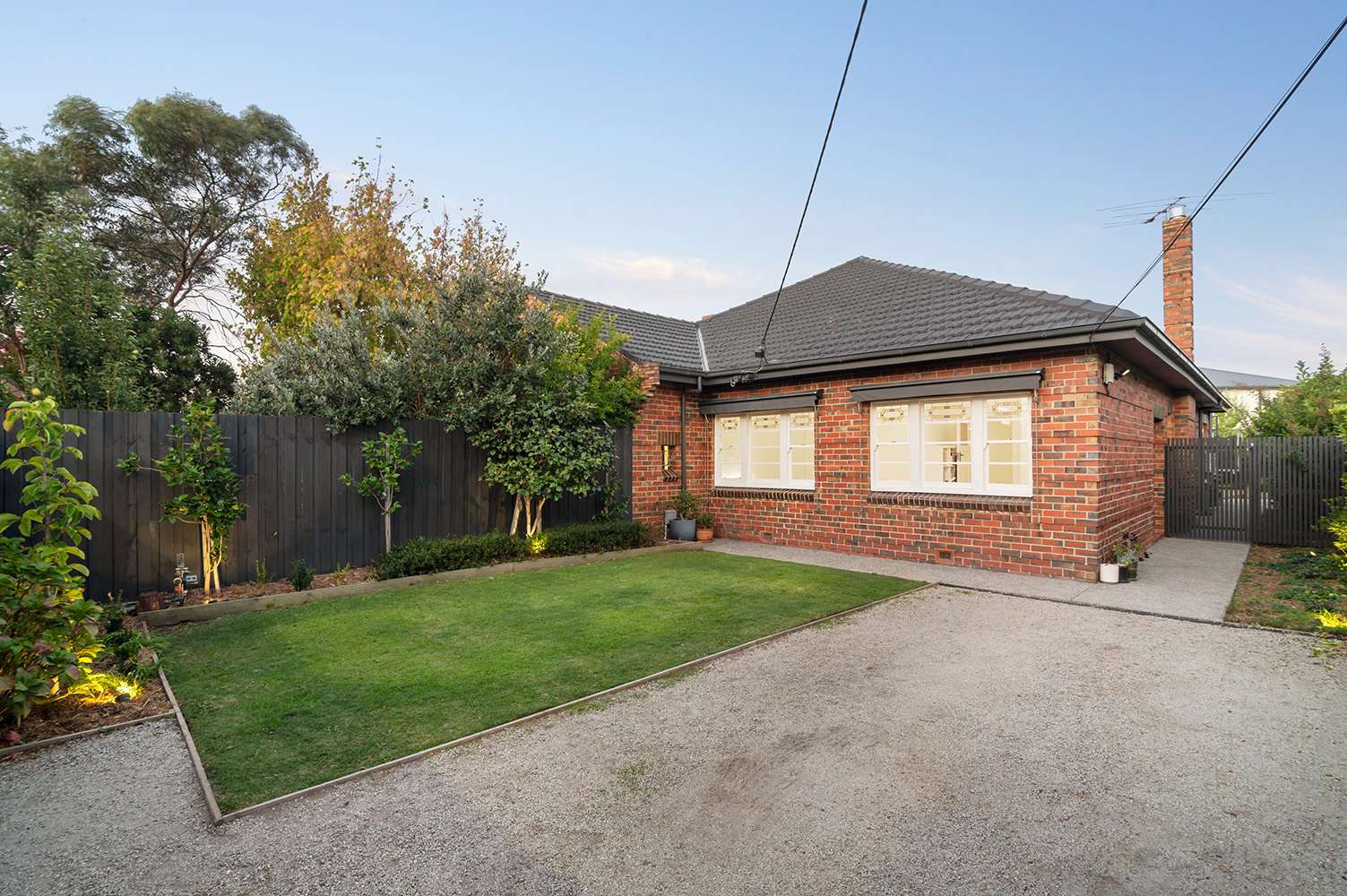
Many of the most successful renovation projects retain the bones and primary structure of the existing home while extensively renewing the interior and sometimes extending. This approach captures the cost efficiency of working with an existing slab and frame while achieving a result that feels thoroughly new.
This is precisely where a good architect adds the most value - helping you understand what is worth keeping, what needs to go, and what can be transformed.
If you are considering adding floor area rather than reconfiguring what you have, read our Home Extension Cost guide for a full breakdown of ground floor and second storey costs.
How to budget for a renovation
Start with total project cost - not just construction cost
Many homeowners budget for construction and are then surprised by the associated costs. A realistic renovation budget includes:
Before construction
- Architecture and design fees: 8–15% of construction cost
- Structural engineering: $2,000 – $8,000
- Soil and asbestos testing (if required): $1,000 – $5,000
- Development application (if required): $5,000 – $25,000+
- Building permit: $2,000 – $8,000
During construction
- Temporary accommodation (if vacating): highly variable
- Storage: $200 – $500/month
- Variations - expect them
After construction
- Landscaping and external works: $15,000 – $60,000+
- Window furnishings: $3,000 – $15,000
- Furniture and appliances: highly variable
A realistic total budget is typically 25–40% above the construction cost alone.
The 15% contingency rule
Add a minimum 15% contingency to your construction budget and treat it as non-negotiable. Renovations open up buildings - and buildings always contain surprises. Homeowners who skip the contingency consistently regret it.
Get detailed design documentation before going to tender
Detailed, well-produced design drawings generate more accurate and more competitive builder quotes. When a builder is quoting from complete documentation, they have less uncertainty to price in. When a builder is quoting from a rough brief, they price the unknown - and that uncertainty is expensive.
Renovation cost by state - 2026
| State | Cosmetic renovation /m² | Standard renovation /m² | High-end renovation /m² |
|---|---|---|---|
| NSW | $2,400 – $3,600 | $3,700 – $5,300 | $5,200 – $7,600 |
| VIC | $2,200 – $3,400 | $3,500 – $5,100 | $4,800 – $7,200 |
| QLD | $2,100 – $3,300 | $3,300 – $4,700 | $4,500 – $6,900 |
| WA | $2,100 – $3,300 | $3,300 – $4,700 | $4,500 – $6,900 |
| SA | $1,900 – $2,900 | $2,900 – $4,300 | $4,000 – $6,200 |
| ACT | $2,400 – $3,600 | $3,700 – $5,300 | $5,200 – $7,600 |
| TAS | $2,000 – $3,200 | $3,100 – $4,700 | $4,400 – $6,800 |
| NT | $2,000 – $3,200 | $3,100 – $4,700 | $4,400 – $6,800 |
All figures include GST. Rates per m² of gross floor area renovated.
Let Us Help You Find the Right Professional
Not sure where to start with finding a builder, architect, or interior designer? We've got you covered. Our network includes trusted, experienced professionals who understand the Australian building landscape — and your unique vision.
Get Matched With the Right ProfessionalHidden costs that catch renovators out
Scope creep. "While we're at it" is the most expensive phrase in renovation. Every addition to scope during construction triggers variations - and variations are priced at the builder's discretion, typically at a premium. Make your decisions before construction begins.
Services behind the walls. Electrical panels that need upgrading, plumbing in inconvenient locations, gas lines that weren't on the plan. These discoveries are common and can add $5,000 – $30,000 depending on severity.
Non-compliant previous work. Many Australian homes - particularly those renovated by previous owners without permits - contain non-compliant work that must be rectified before any new work can be signed off. This is unpriceable until the walls open.
Asbestos. Pre-1990 homes in particular. Assessment is cheap. Removal is not. Budget for it from the start in any older home.
Finance costs. Construction loans have higher interest rates than standard mortgages. On a $400,000 renovation with a 12-month build programme, finance costs alone can add $15,000 – $25,000 to the total project cost.
What renovations add the most value?
Not all renovations return their cost at resale. These tend to perform best:
Highest ROI
- Kitchen renovation (mid-range): typically returns 60–80% of cost in added value
- Bathroom renovation (mid-range): similar return profile to kitchen
- Fresh paint and flooring throughout: often returns close to full cost, particularly before sale
- Opening up floor plan (removing non-load-bearing wall): high impact, moderate cost
Moderate ROI
- Additional bedroom or bathroom (if the home is undersized for the suburb)
- Outdoor entertaining area or deck
- Energy efficiency upgrades
Lower ROI (but high lifestyle value)
- Luxury finishes and bespoke joinery in excess of the suburb's price ceiling
- Swimming pool
- Highly personalised design choices
The rule of thumb is to renovate to the standard of the suburb, not above it. Overcapitalising - spending more than the market will return - is a common and avoidable mistake.
When should you engage an architect for a renovation?
The answer is: earlier than most people think.
An architect or building designer is most valuable at the concept stage - before you have committed to a scope, a builder, or a budget. At this stage they can:
- Assess the existing building and tell you what is worth keeping
- Help you understand what is achievable within your budget
- Design a renovation that works with the building's structure rather than against it
- Produce documentation that generates genuinely competitive builder quotes
- Navigate council approval processes and heritage requirements
Engaging a designer after you have already decided what you want to do significantly limits their ability to add value. The best renovation outcomes - the ones that feel effortlessly resolved and budget-efficient - almost always involve a designer from the very beginning.
Frequently asked questions
How much does a renovation cost per m² in Australia in 2026? Standard quality renovation work costs $3,000 – $5,000/m² in most Australian capital cities. Basic cosmetic renovation sits at $2,000 – $3,000/m². High-end renovation starts at $5,000/m² and can exceed $7,000/m² for luxury finishes.
Is it cheaper to renovate or build new? Not always. Renovation can exceed new build cost per m² when significant structural work, services upgrades, or asbestos removal is involved. However, in established suburbs where land value is high, renovation typically delivers better value than a knockdown rebuild. The right answer depends on the condition of your existing home, your brief, and your site.
Do I need council approval to renovate? It depends on the scope. Cosmetic renovations - paint, flooring, fixtures - generally do not require council approval. Structural changes, plumbing relocation, additions, and anything affecting the building envelope typically require a development application and building permit. Always check with your local council before starting any structural work.
Do I need an architect to renovate? You are not legally required to use an architect for most residential renovations, but it is often the most effective financial decision you can make. Good design documentation reduces builder pricing risk, generates more competitive quotes, reduces variations during construction, and ensures council approval is achievable. On any renovation above $100,000, the design fee is likely to return its cost several times over.
How long does a whole-house renovation take? Design and approval: 3–6 months. Construction: 4–12 months depending on scope. Total programme: 9–18 months from engagement to handover for a substantial renovation. Factor this timeline into your planning, particularly if you need to vacate during construction.
What is the biggest cause of renovation budget blowouts? Scope changes during construction (variations), underestimating hidden costs in older homes, and insufficient contingency. The three most effective ways to control cost are: invest in thorough design documentation before going to builders, engage a designer before committing to a scope, and maintain a minimum 15% contingency throughout.
How does CO-architecture match me with an architect or designer? You post a project brief describing your renovation type, location, budget, and goals. CO-architecture matches you with qualified architects and building designers from our national network suited to your project. You receive introductions and choose who to proceed with - at no cost to you.
Ready to find the right architect for your renovation?
A well-designed renovation is one of the most rewarding investments you can make in your home. The difference between a renovation that works and one that doesn't is rarely budget - it is design. The right architect will help you get more from what you have, spend it in the right places, and build something that lasts.
CO-architecture connects Australian homeowners with architects and building designers matched to your renovation type and location. Post your brief today.
Let Us Help You Find the Right Professional
Not sure where to start with finding a builder, architect, or interior designer? We've got you covered. Our network includes trusted, experienced professionals who understand the Australian building landscape — and your unique vision.
Get Matched With the Right ProfessionalThis guide is published by CO-architecture and updated annually. All figures are indicative and based on 2026 Australian construction market data. CO-architecture recommends engaging a licensed architect or building designer and obtaining a minimum of three independent builder quotes before committing to any renovation contract.
See also:
 CO-architecture
 CO-architecture