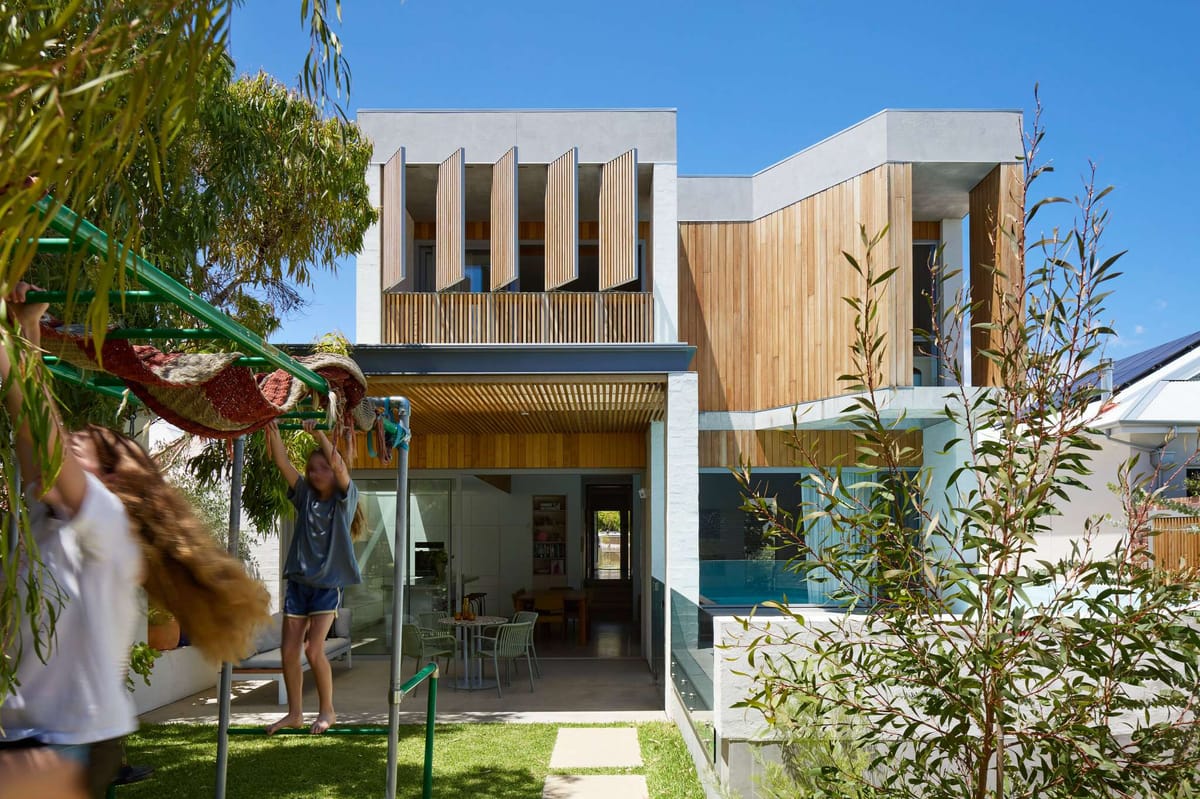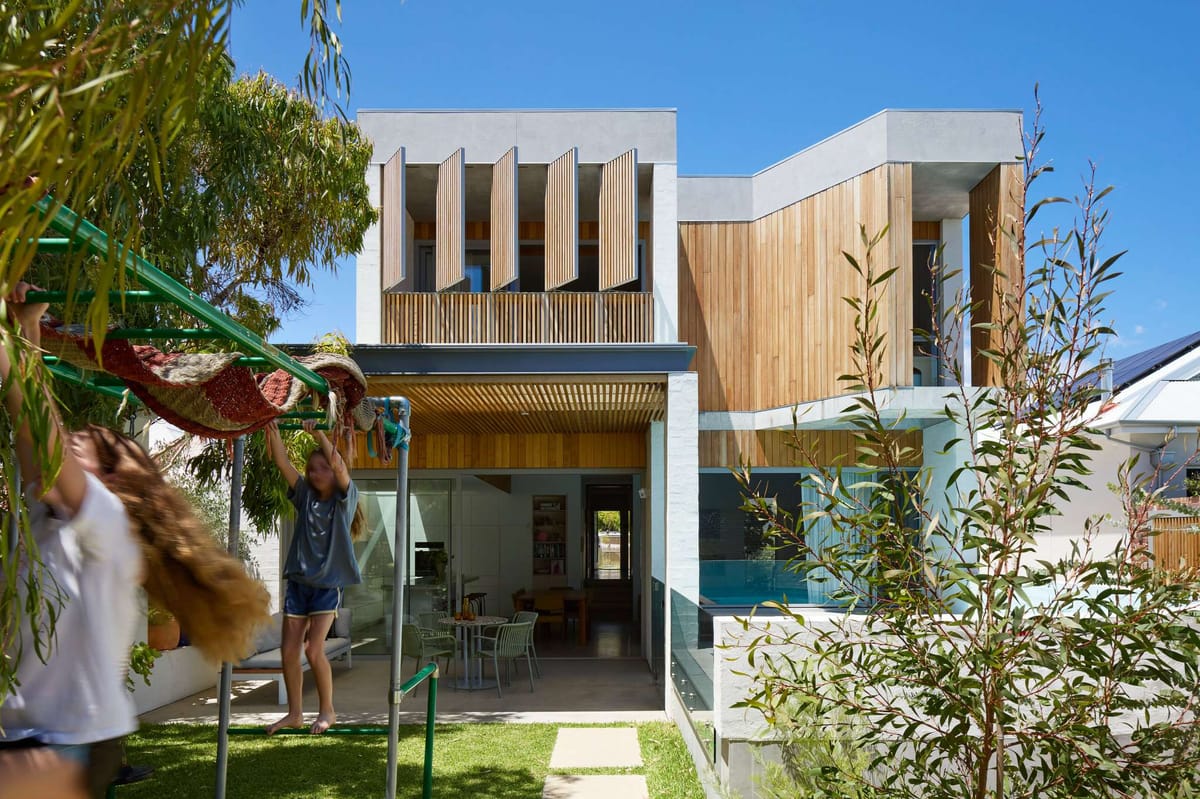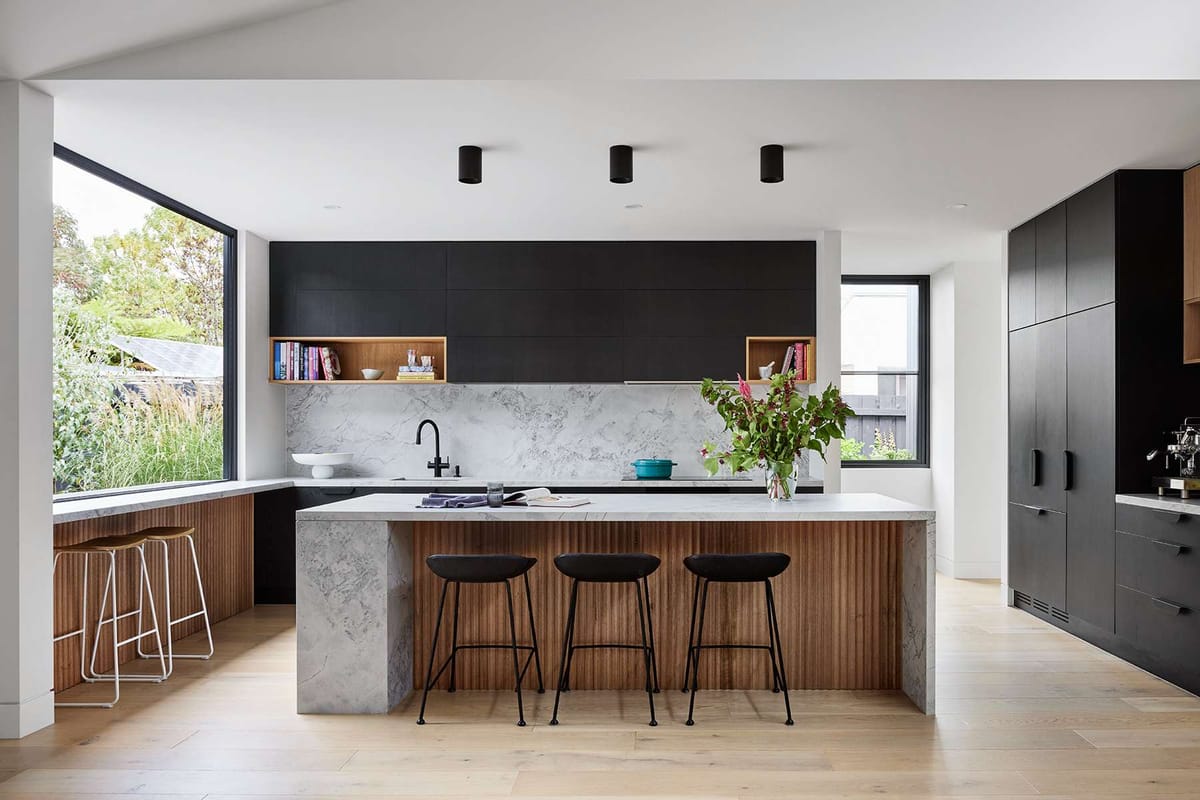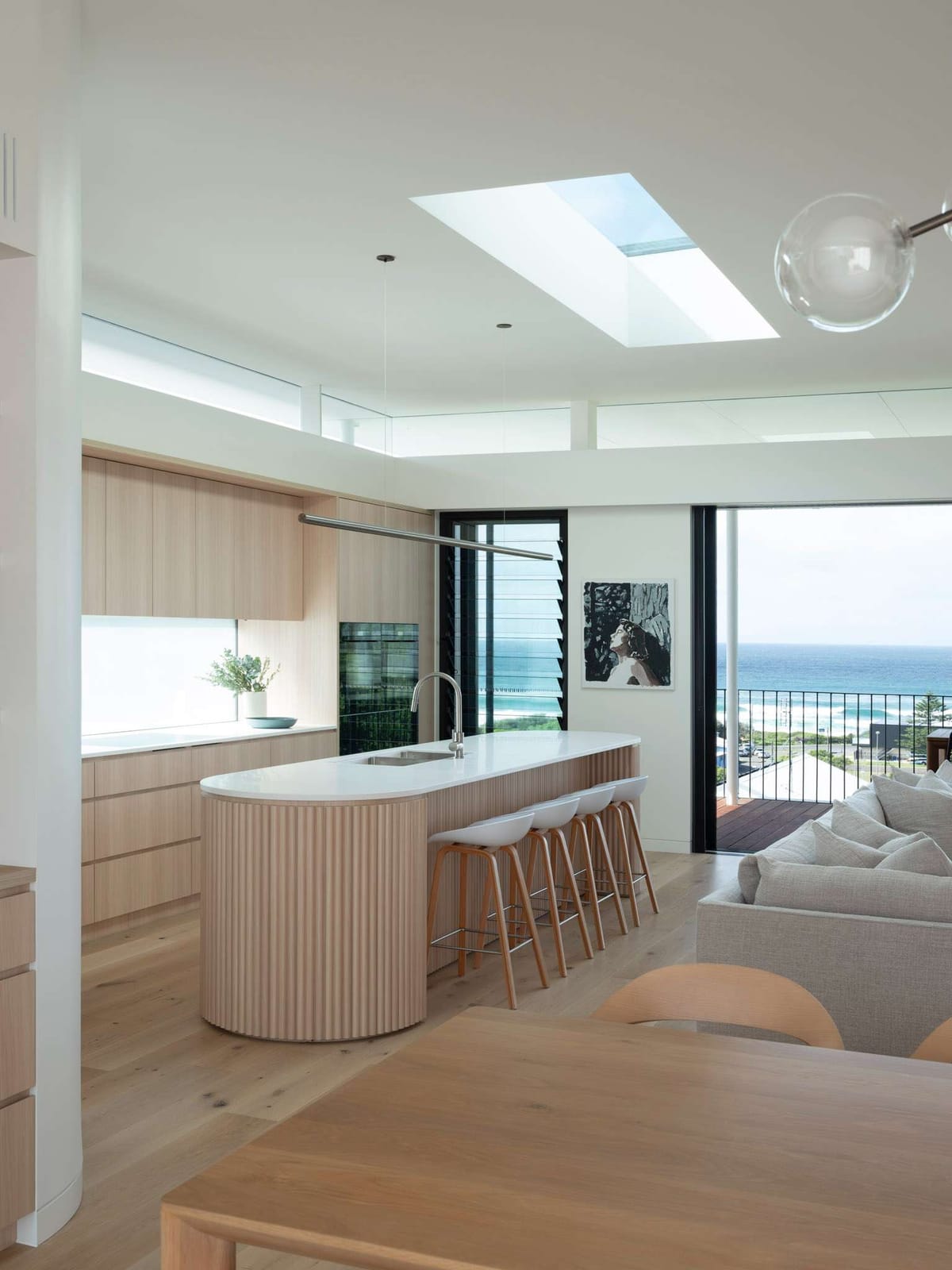
You have outgrown your home. The question is whether you extend it or sell it and move.
In most established Australian suburbs in 2026, extending is the stronger financial decision. Stamp duty on a larger property, agent fees, moving costs, and the disruption of relocating add up to $50,000 - $150,000 before you have spent a dollar on the new place. A well-designed extension gives you the space you need, in the suburb you already live in, at a fraction of the total cost of moving.
But extension costs vary considerably - by type, by size, by state, and by the complexity of your site and existing structure. This guide breaks it all down.
Use the free 2026 Extension Cost Calculator
Select your state, project type (extension), floor area, finish level, storeys, and site complexity for an instant estimate based on current 2026 market rates.
Ready to find the right architect for your extension? CO-architecture matches Australian homeowners with qualified architects and building designers based on your project type, location, and brief - at no cost to you.
Let Us Help You Find the Right Professional
Not sure where to start with finding a builder, architect, or interior designer? We've got you covered. Our network includes trusted, experienced professionals who understand the Australian building landscape — and your unique vision.
Get Matched With the Right ProfessionalExtension costs at a glance - 2026
| Extension type | Cost range per m2 | Typical total cost |
|---|---|---|
| Ground floor (standard) | $2,800 - $4,500/m2 | $140,000 - $360,000 |
| Ground floor (high-end) | $4,500 - $7,000/m2 | $225,000 - $560,000+ |
| Second storey addition (standard) | $3,800 - $5,500/m2 | $190,000 - $440,000 |
| Second storey addition (high-end) | $5,500 - $8,000/m2 | $275,000 - $640,000+ |
| Granny flat (detached) | $2,500 - $4,500/m2 | $120,000 - $270,000 |
All figures include GST, builder margin, and preliminaries. Excludes design fees, council costs, landscaping, and contingency.
The most important number in the table: second storey additions typically cost 30 - 50% more per m2 than ground floor extensions. That premium exists for a reason - and understanding it will help you make the right decision for your project.
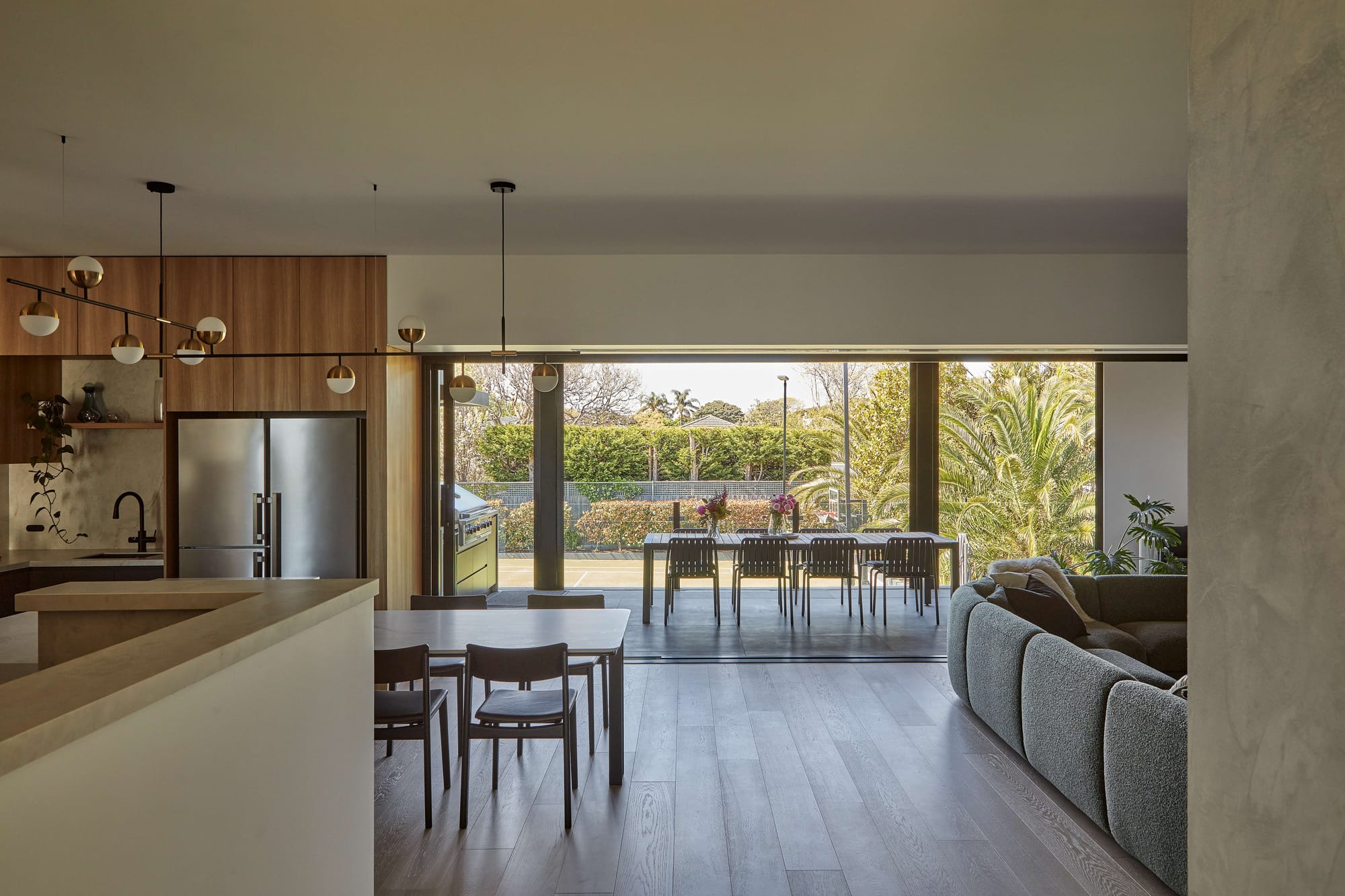
Ground floor extensions
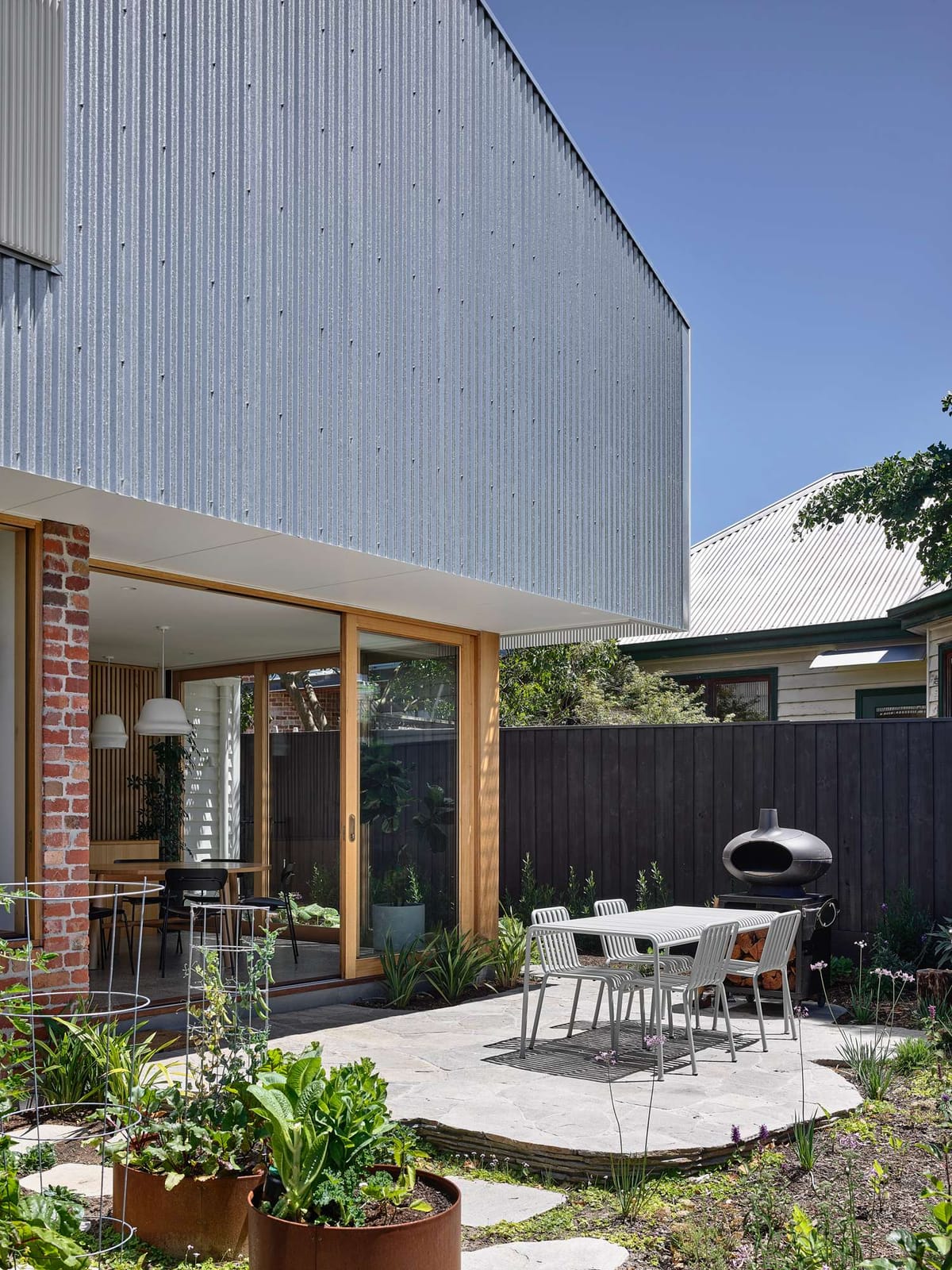
A ground floor rear extension is the most common and most cost-efficient way to add space to an Australian home. You are building outward, which avoids the structural complexity of going upward, and the construction sequence is relatively straightforward.
Ground floor extensions range from $2,800 to $4,500/m2 for standard quality work and $4,500 to $7,000/m2 for high-end finishes.
| Size | Standard finish | High-end finish |
|---|---|---|
| Small (30 m2) | $84,000 - $135,000 | $135,000 - $210,000 |
| Medium (50 m2) | $140,000 - $225,000 | $225,000 - $350,000 |
| Large (75 m2) | $210,000 - $338,000 | $338,000 - $525,000 |
| Large (100 m2) | $280,000 - $450,000 | $450,000 - $700,000+ |
What drives cost in a ground floor extension
The single biggest variable is whether your extension includes wet areas. A living room or bedroom extension is relatively simple. The moment you add a kitchen, bathroom, or laundry, costs jump - waterproofing, tiling, plumbing, and electrical work all add cost and complexity.
Open-plan extensions that require removing load-bearing walls add structural engineering, steel beam installation, and temporary propping - typically $8,000 - $25,000 above the base build cost.
Glazing is the other major variable. Large sliding or stacking doors, high-set windows, and skylights dramatically increase the cost of an extension envelope - but also its quality of light and connection to outdoor space.
Second storey additions
Adding a second storey is the right answer when you have limited land, want to preserve outdoor space, or live in an inner suburb where extending outward is constrained by setbacks, site area, or garden amenity.
Second storey additions cost $3,800 to $5,500/m2 for standard work and $5,500 to $8,000/m2 for premium finishes - roughly 30 - 50% more per m2 than equivalent ground floor work.
| Size | Standard finish | High-end finish |
|---|---|---|
| Small (50 m2) | $190,000 - $275,000 | $275,000 - $400,000 |
| Medium (80 m2) | $304,000 - $440,000 | $440,000 - $640,000 |
| Large (120 m2) | $456,000 - $660,000 | $660,000 - $960,000+ |
Why second storey additions cost more
The premium is structural. Going up requires:
- Assessment and often reinforcement of the existing ground floor structure and foundations to carry the additional load
- Removal and reconstruction of the roof
- Staircase construction - typically $15,000 - $40,000 depending on design
- Scaffolding for the full build programme
- Additional engineering documentation
- More complex construction sequencing around the occupied existing home
Bathrooms on upper floors carry further complexity - plumbing must be run vertically, and waterproofing requirements on upper floors are more demanding than ground level.
If you are considering a second storey, it is worth knowing that designing for it from the start (even if you build it later) can save 20 - 30% on foundation costs compared to retrofitting later.
Granny flats and secondary dwellings
A granny flat - or secondary dwelling - is a self-contained unit on the same lot as the main home. It can be attached to the house, detached in the garden, or converted from an existing structure such as a garage.
Granny flats are increasingly common across Australia, driven by high property prices, housing affordability pressures, and multi-generational living needs.
Granny flat costs - 2026
| Type | Typical total cost |
|---|---|
| Basic prefab / modular (delivered) | $80,000 - $150,000 |
| Standard site-built (1 bed) | $120,000 - $200,000 |
| Standard site-built (2 bed) | $160,000 - $280,000 |
| Premium site-built with complex site | $250,000 - $400,000+ |
Granny flats must include a kitchen, bathroom, bedroom, and living space to qualify as a self-contained dwelling. Most states cap them at 60 - 80 m2 of internal floor area.
Rental return on a granny flat
A $180,000 granny flat in a well-located suburb renting for $450 per week generates approximately $23,400 annually - a gross yield of around 13% on the construction cost alone. In high-demand suburbs, the return is stronger. This makes granny flats one of the highest-returning residential construction investments available to homeowners.
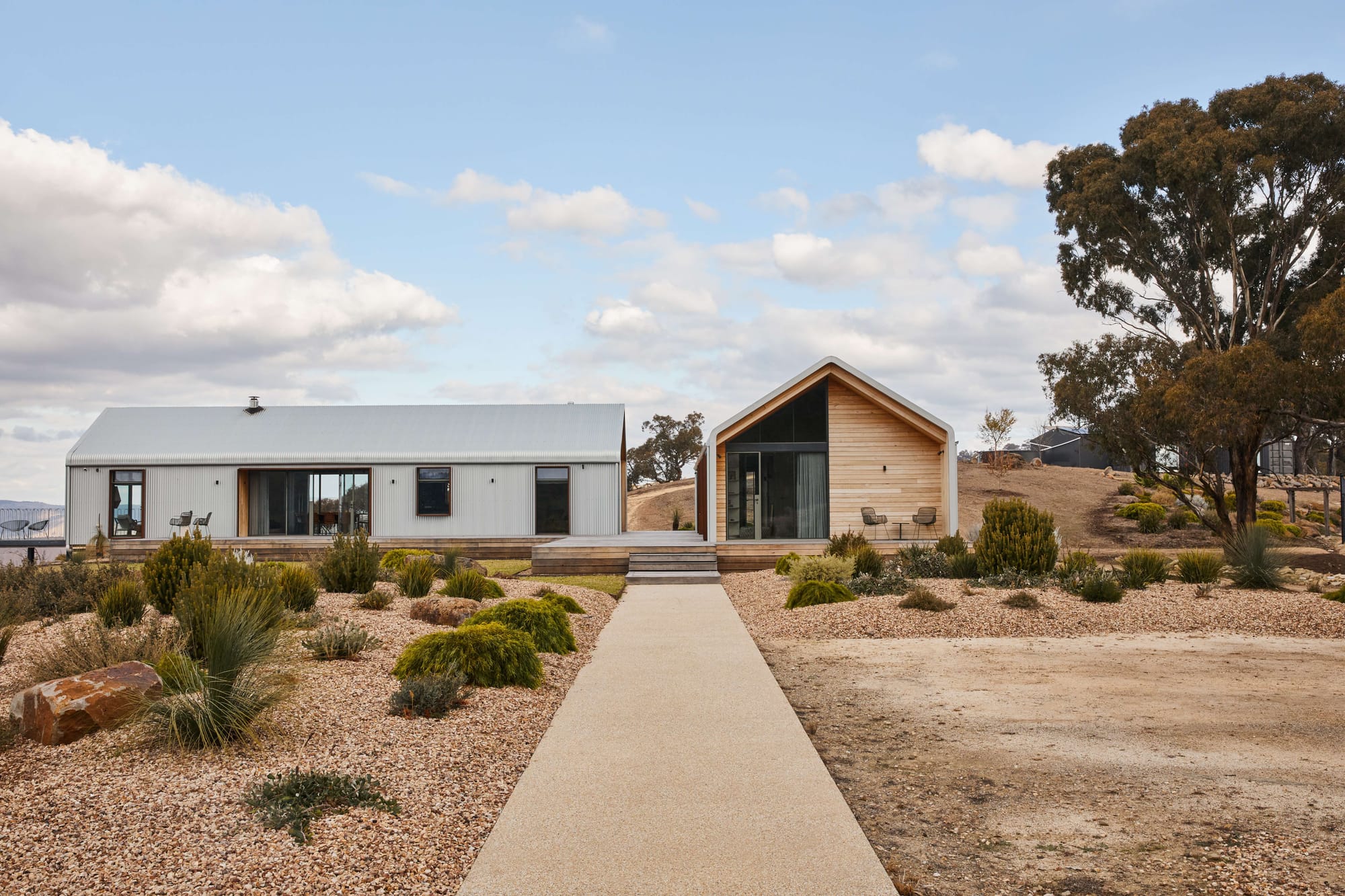
Extend out or build up - how to decide
This is the most common question for homeowners planning an extension and there is no universal answer. The right choice depends on your site, your brief, and your budget.
Extend outward (ground floor) when:
- You have sufficient rear garden to extend without losing all outdoor amenity
- Your site is on a slab and the existing foundation can be extended
- Your budget is tighter - ground floor work is consistently cheaper per m2
- Your brief is primarily living spaces, a kitchen, or a family room
- You want simpler construction with less disruption to the existing home
Build upward (second storey) when:
- Your site is small or constrained and outward extension is not viable
- You need bedrooms - second storeys are ideal for additional bedrooms and ensuites
- You want to preserve garden and outdoor living space
- You live in an inner suburb where land area is at a premium
- The existing ground floor structure can support the load without excessive reinforcement
A few things most homeowners don't consider:
Going up preserves your garden but exposes the house to significant disruption - the roof is removed and reconstructed, which means the house cannot be occupied in the same way during construction.
Going out is simpler to construct and less disruptive day-to-day, but it reduces your outdoor space. In smaller blocks, this is a real quality-of-life trade-off.
A good architect will assess both options against your brief and site before recommending a direction. That conversation is worth having before you commit to either path.
Do I need council approval for an extension?
Yes - in almost all cases. The type of approval required depends on your state, your council, and the specifics of your design.
The two main pathways
Complying Development Certificate (CDC) A CDC is a fast-track approval available when your extension meets a predefined set of planning and building standards - setbacks, height limits, site coverage, and design criteria. A CDC can be assessed by a private certifier rather than the council, typically taking 2 - 4 weeks.
CDCs are available in most states but the criteria differ. Not all extensions qualify. Heritage overlays, flood zones, bushfire-prone land, and certain zoning categories typically require a DA instead.
Development Application (DA) A DA is the standard council approval pathway for extensions that don't meet CDC criteria, or for any project on land subject to overlays. DAs are assessed by the local council, involve public notification in some cases, and typically take 6 - 16 weeks depending on complexity and council workload.
DAs offer more design flexibility than CDCs - they are assessed on merit rather than against a fixed checklist.
Approval costs and timeframes
| Pathway | Typical cost | Typical timeframe |
|---|---|---|
| CDC (private certifier) | $3,000 - $8,000 | 2 - 6 weeks |
| DA (council) | $5,000 - $25,000+ | 6 - 16 weeks |
Costs and timeframes vary considerably by council and project complexity. Heritage properties, complex sites, and projects in politically sensitive areas can take significantly longer.
Always check before designing
The worst outcome is completing a design and then discovering your extension cannot be approved as designed. Check with your local council - or engage an architect who knows the local planning environment - before investing in design documentation.
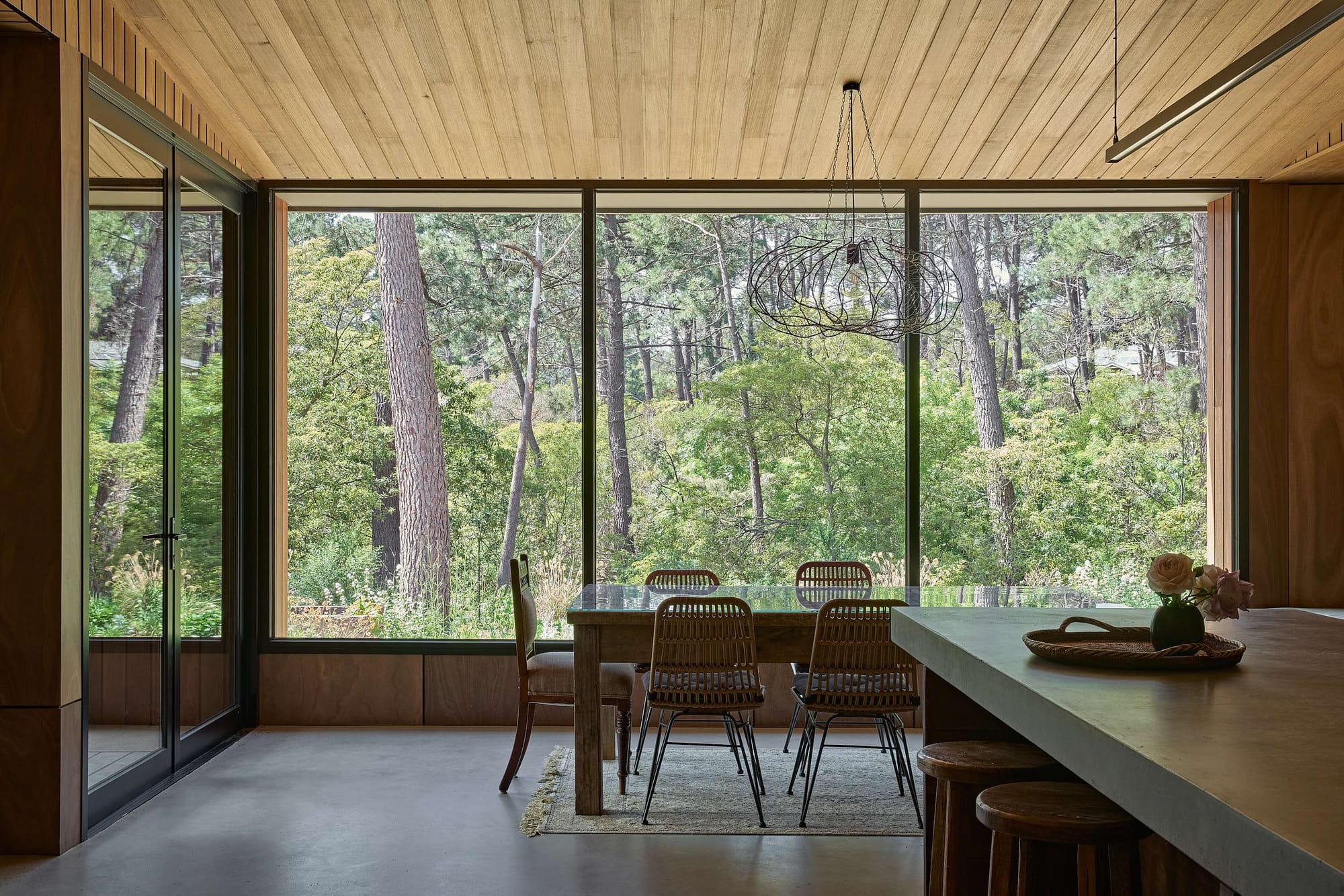
What's included in the cost - and what isn't
Typically included in builder quotes:
- Structure, framing, roofing
- External cladding and windows
- Internal linings, flooring, and painting
- Wet area fit-out if included in scope
- Builder margin and preliminaries
- GST
Typically not included:
- Architecture and building design fees (8 - 15% of construction cost)
- Structural engineering ($3,000 - $10,000)
- Soil testing ($1,000 - $3,000)
- Council approval (DA or CDC): $3,000 - $25,000+
- Building permit: $2,000 - $8,000
- Demolition of existing structure if required: $5,000 - $30,000
- Site works and connection to services
- Landscaping after construction: $10,000 - $50,000+
- Temporary accommodation if required
- Contingency: minimum 15% of construction cost
A realistic total project budget including all associated costs is typically 25 - 40% above the construction cost alone.
Extension costs by state - 2026
The following rates apply to ground floor extensions at standard quality. Second storey additions are 30 - 50% higher within each state.
| State | Standard /m2 | High-end /m2 |
|---|---|---|
| NSW | $3,200 - $4,600 | $4,700 - $7,000 |
| VIC | $3,000 - $4,400 | $4,400 - $6,800 |
| QLD | $2,800 - $4,200 | $4,100 - $6,300 |
| WA | $2,800 - $4,200 | $4,100 - $6,300 |
| SA | $2,500 - $3,700 | $3,700 - $5,700 |
| ACT | $3,200 - $4,600 | $4,700 - $7,000 |
| TAS | $2,700 - $4,100 | $3,900 - $6,100 |
| NT | $2,700 - $4,100 | $3,900 - $6,100 |
All figures include GST. Rates reflect construction cost per m2 of new floor area added.
How to keep extension costs under control
Make design decisions before construction begins. Variations - changes to scope during the build - are the single biggest cause of extension budget blowouts. Every change after the contract is signed is priced at the builder's discretion, typically at a premium. Make your decisions in design, not on site.
Invest in design documentation. Detailed, well-produced construction drawings generate more accurate and more competitive builder quotes. Vague plans mean builders price uncertainty. Complete drawings mean builders price the actual scope - and compete for the work on equal terms.
Keep wet areas together. Plumbing runs are expensive. Grouping bathrooms above each other, or placing a new bathroom adjacent to existing services, reduces the length and complexity of plumbing work.
Think carefully about glazing early. Large windows and sliding door systems are one of the highest per-metre-run costs in a residential extension. Budget for them properly in design - do not add them later as a variation.
Get three builder quotes. Construction pricing varies significantly between builders. A well-documented design generates directly comparable quotes, which helps you select on value rather than guesswork.
Don't skip the contingency. Extensions connect to existing buildings. Existing buildings always hold surprises - non-compliant previous work, unexpected footings, services in inconvenient locations. Budget a minimum 15% contingency from the start.
Let Us Help You Find the Right Professional
Not sure where to start with finding a builder, architect, or interior designer? We've got you covered. Our network includes trusted, experienced professionals who understand the Australian building landscape — and your unique vision.
Get Matched With the Right ProfessionalExtend or move - the real financial comparison
In most established Australian suburbs, extending beats moving financially. Here is a rough comparison for a Sydney family looking to add 60 m2 to their $1.5M home.
Cost of extending (60 m2 ground floor, standard finish)
| Item | Estimated cost |
|---|---|
| Construction (60 m2 x $4,000/m2) | $240,000 |
| Design fees | $25,000 |
| Council approval and permits | $12,000 |
| Landscaping and externals | $20,000 |
| Contingency (15%) | $36,000 |
| Total | ~$333,000 |
Cost of moving to a comparable property (extra 60 m2)
| Item | Estimated cost |
|---|---|
| Stamp duty on $2M+ purchase | $90,000 - $110,000 |
| Agent fees on current home (2%) | $30,000 |
| Conveyancing, legal | $5,000 |
| Moving costs | $5,000 |
| Property price premium for larger home | $200,000 - $400,000+ |
| Total | $330,000 - $550,000+ |
The numbers vary by suburb and market conditions - but in most established locations the extension is the more cost-effective path, and you stay in the suburb and community you already know.
If your project involves reconfiguring existing spaces rather than adding new ones, see our Home Renovation Cost guide for a full room-by-room breakdown.
The role of an architect in an extension
Extensions are where good architectural design delivers the most measurable value - and where poor design is most visible.
A well-designed extension does not just add floor area. It integrates with the existing home in a way that feels resolved. Light moves through the spaces. The new and old connect without awkward transitions. Outdoor space is preserved and activated rather than consumed. The result is a home that is genuinely better than the sum of its parts.
An architect will also navigate the planning system on your behalf - assessing CDC eligibility, managing the DA process, and producing the documentation that generates competitive builder quotes and fewer site variations.
On an extension of $250,000 - $500,000, design fees of $20,000 - $50,000 are a sound investment. The risk of poor design - awkward spaces, difficult approvals, expensive variations, and a result that does not reflect the brief - costs far more.
Let Us Help You Find the Right Professional
Not sure where to start with finding a builder, architect, or interior designer? We've got you covered. Our network includes trusted, experienced professionals who understand the Australian building landscape — and your unique vision.
Get Matched With the Right ProfessionalFrequently asked questions
How much does a ground floor extension cost in Australia in 2026? Ground floor extensions cost $2,800 - $4,500/m2 for standard quality and $4,500 - $7,000/m2 for high-end finishes. An 80 m2 standard extension typically costs $224,000 - $360,000 in construction costs before associated fees.
How much does a second storey addition cost? Second storey additions cost $3,800 - $5,500/m2 for standard quality - roughly 30 - 50% more than an equivalent ground floor extension. The premium reflects structural reinforcement, roof removal and reconstruction, and staircase construction.
Do I need council approval to extend my home? Yes - in almost all cases. The pathway is either a CDC (fast-track via private certifier, 2 - 6 weeks) or a Development Application through council (6 - 16 weeks). The right pathway depends on your state, local council, and whether your design meets complying development criteria.
How long does an extension take to build? Design and approvals: 3 - 6 months. Construction: 3 - 6 months for a ground floor extension, 4 - 8 months for a second storey addition. Total programme from engagement to handover: 6 - 14 months depending on scope and council.
Can I live in my home during the extension? For a ground floor rear extension, most families remain in the home during construction with manageable disruption. A second storey addition is more disruptive - the roof is removed, which affects the entire house. Temporary accommodation during the main construction phase is worth considering for a full second storey project.
What is the best extension for adding bedrooms? Second storey additions are the most efficient way to add bedrooms without consuming ground floor living space or outdoor area. They are particularly well-suited to inner suburban homes where site area is limited.
Do extensions add value to your property? Yes - a well-designed, well-built extension typically adds 15 - 25% to property value in established suburbs. The return is strongest when the extension addresses a genuine functional need (additional bedrooms for the suburb's buyer profile) rather than simply adding floor area.
How does CO-architecture match me with an architect? You post a project brief describing your extension type, location, budget, and goals. CO-architecture matches you with qualified architects and building designers from our national network suited to your project. You receive introductions and choose who to proceed with - at no cost to you.
Ready to start planning your extension?
Extending your home is one of the smartest investments you can make - in your lifestyle and in your property. The difference between an extension that works and one that doesn't is almost always design. The right architect will help you get more space, spend it well, and build something your family will use every day.
CO-architecture connects Australian homeowners with architects and building designers matched to your extension type and location. Post your brief today.
Let Us Help You Find the Right Professional
Not sure where to start with finding a builder, architect, or interior designer? We've got you covered. Our network includes trusted, experienced professionals who understand the Australian building landscape — and your unique vision.
Get Matched With the Right ProfessionalThis guide is published by CO-architecture and updated annually. All figures are indicative and based on 2026 Australian construction market data. CO-architecture recommends engaging a licensed architect or building designer and obtaining a minimum of three independent builder quotes before committing to any extension contract.
See also:
 CO-architecture
 CO-architecture